Why Is Fighting Obesity Vital In The Modern World?
Obesity is not merely an aesthetic concern; it is one of the greatest chronic health challenges facing modern medicine today. Characterized by the excessive accumulation of fat in the body, this condition acts as a primary trigger for dozens of serious diseases, ranging from cardiovascular conditions to type 2 diabetes, joint problems, and sleep apnea. Today, for individuals who cannot achieve results through diet and exercise alone, surgical and technological weight loss methods have become the most powerful tools available to extend life expectancy and enhance quality of life. In this guide, we provide a roadmap based on scientific data to determine which method is “best” for your unique needs.
Which Weight Loss Treatment Is The Right Choice For You?
Choosing the best weight loss treatment requires a meticulous analysis of your age, Body Mass Index (BMI), existing health conditions, and lifestyle habits. Every patient’s metabolism and rate of weight loss are different; therefore, there is no “one size fits all” method. When deciding between applications such as gastric sleeve, gastric bypass, and the innovative Gastric Shape, guidance from an expert team is critical to both protecting your health and preventing you from regaining the weight you have lost. The decision-making process is the first and most significant step on the path to the body of your dreams.

What Exactly Is Gastric Sleeve Surgery?
Gastric sleeve, commonly known as sleeve gastrectomy, is a surgical procedure in which approximately 80% of the stomach is surgically removed. As a result of this process, the stomach is transformed into a thin tube shaped like a banana. The fundamental logic of the surgery is both to limit the amount of food intake by reducing the volume of the stomach and to remove the region where the “ghrelin” hunger hormone is secreted from the body. Consequently, patients feel full with much smaller portions and experience less hunger. The fact that it is performed using the laparoscopic (closed) method is one of its greatest advantages, significantly accelerating the recovery process.
How Much Weight Can Be Lost With Gastric Sleeve Surgery?
Patients undergoing gastric sleeve surgery can generally expect to lose 60% to 70% of their excess weight within the first 12 to 18 months post-operation. The first few months represent the period where weight loss is most rapid, as the body begins to burn stored fat while adapting to the new nutritional order. The success rate is directly correlated with the patient’s adherence to nutritional rules and the integration of physical activity into their life after the surgery. This method is the most preferred obesity surgery worldwide because it offers sustainable weight loss and does not alter the natural flow of the digestive system.
Who Is Suitable For Gastric Sleeve Surgery?
This operation is generally suitable for individuals with a Body Mass Index of 40 and above, or for those with a BMI of 35 who have comorbid diseases such as hypertension, diabetes, or sleep apnea. Additionally, individuals between the ages of 18-65 who have previously tried non-surgical methods to lose weight and failed are ideal candidates. Undergoing a comprehensive health screening before the surgery is essential to determine whether the patient’s general health status is appropriate for this surgical intervention. Psychological preparation and a commitment to lifestyle changes are also key criteria for the success of the operation.
What Should The Nutritional Plan Be After Gastric Sleeve?
Post-operative nutrition involves a gradual transition process. Starting with liquid foods for the first two weeks, this journey continues with a puréed food phase and advances to solid foods approximately one month later. It is mandatory for patients to eat “little and often,” create a protein-heavy menu, and consume liquids and meals at least 30 minutes apart (solid-liquid separation). Since the stomach volume has decreased, chewing food extremely well is of vital importance for digestive comfort. This new order should serve as your lifelong guide, not only for losing weight but also for maintaining the new form of your stomach.
What Are The Risks Of Gastric Sleeve Surgery?
As with any surgical procedure, there are some risks associated with gastric sleeve surgery; however, thanks to modern medical technologies, these rates are quite low. Potential risks may include bleeding, infection, anesthesia complications, and leaks (fistulas) that may occur along the stomach line. In the long term, some patients may experience symptoms of heartburn or reflux. The most effective way to minimize these risks is to perform the surgery in a fully equipped hospital and under the control of a surgeon who has experience with thousands of cases in the field of obesity surgery.
Is Diabetes Treatment Possible With Gastric Sleeve?
Gastric sleeve surgery not only enables weight loss but also creates dramatic improvements in Type 2 diabetes. The hormonal balance that changes along with the removed part of the stomach helps normalize blood sugar levels by breaking insulin resistance. Many patients are able to stop using diabetes medications or insulin under a doctor’s supervision shortly after the surgery. This procedure, which carries a metabolic surgery effect, has high success rates in the treatment of metabolic syndrome components such as high blood pressure and cholesterol, in addition to diabetes.
Why Does Weight Regain Occur After Gastric Sleeve?
Regaining some of the weight lost after surgery usually stems from the patient returning to their old poor eating habits. Since the stomach is a flexible organ, the consumption of high-calorie liquids (carbonated drinks, alcohol, excessively sugary beverages) or a constant snacking habit can lead to the expansion of the stomach or the cessation of weight loss over time. Surgery is not a “magic wand,” but a powerful tool. For this tool to work efficiently, a disciplined diet and an active lifestyle are essential. Regular check-ups and expert support are the best insurance against weight regain.
How Is Gastric Bypass Surgery Performed?
Gastric bypass (Roux-en-Y) is an operation that is both restrictive and malabsorptive. During the procedure, the stomach is divided into two parts; a very small pouch (about the size of a walnut) is left at the top. Then, the small intestine is cut and connected to this small stomach pouch. Thus, food bypasses the large part of the stomach and a section of the small intestine. This method both allows the patient to eat less and significantly reduces the calorie absorption of the foods consumed. Despite its complex structure, it is one of the surgical procedures with the strongest metabolic effects.
Who Is Gastric Bypass Recommended For Most?
This method is the first choice, especially for those with uncontrolled Type 2 diabetes and individuals experiencing severe gastroesophageal reflux disease (GERD). In super-obese patients with a very high Body Mass Index (BMI > 50), it provides more aggressive weight loss thanks to its malabsorptive effect. Furthermore, it yields effective results in people with an addiction to sugary and high-calorie foods, as it forces them to stay away from these foods through a reaction mechanism called “dumping syndrome.” Your surgeon may specifically recommend this method by looking at your metabolic status.
Why Is Vitamin Supplementation Important After Gastric Bypass?
Because a part of the digestive system is bypassed in gastric bypass surgery, the absorption of vitamins and minerals such as iron, calcium, B12, and folic acid decreases. For this reason, it is mandatory for patients to use regular vitamin and mineral supplements for the rest of their lives. If supplements are not used, serious health problems such as anemia, osteoporosis, or nervous system disorders may develop. Monitoring these values with regular blood tests is as critical a part of a healthy life for bypass patients as the surgery itself.
How Fast Is Weight Lost With Gastric Bypass?
Gastric bypass patients experience one of the fastest and most effective weight loss processes among surgical methods. Generally, 70% to 80% of excess weight is lost within the first year after the operation. Due to the malabsorption factor, weight loss may continue for a slightly longer period compared to the gastric sleeve. However, this speed must be managed under the supervision of a doctor and diyetisyen (dietitian) in a way that does not jeopardize the patient’s health. The rapid weight loss period is a golden era during which the body is reshaped and the metabolism shifts to a higher gear.
What Is Dumping Syndrome After Gastric Bypass?
Dumping syndrome is a side effect that occurs after gastric bypass when high-sugar or excessively fatty foods are consumed. As a result of foods “dumping” too quickly from the stomach into the small intestine, symptoms such as abdominal pain, cramping, palpitations, sweating, and diarrhea are observed. Although it sounds intimidating, this situation actually serves as an “auto-control” mechanism that protects the patient from unhealthy nutrition. When a patient consumes a sugary food, they develop a natural defense against such foods over time due to the discomfort they experience, and they remain faithful to their diet.
Is Gastric Bypass A Reversible Procedure?
Gastric bypass surgery is an anatomically and technically reversible procedure; however, this process is quite complex and risky. Although it is theoretically possible to restore the intestinal connections to their former state, it is only preferred surgically in cases of medical necessity. Therefore, when making the bypass decision, one should act with the awareness that this is a permanent lifestyle and anatomy change. In modern surgery, rather than reversal, the focus is on maintaining the success of the initial surgery and managing any potential complications.
What Are The Long Term Advantages Of Gastric Bypass Surgery?
In the long term, gastric bypass not only provides weight control but also ensures that chronic diseases related to obesity improve or disappear completely at rates of up to 90%. The protection of cardiovascular health, the reduction of stroke risk, and the increase in mobility due to the lightening of the load on the joints are the greatest gains. Psychologically, the increase in self-confidence and more active participation in social life carry the patients’ quality of life to the peak. Scientific studies prove that individuals who have undergone bypass surgery have a longer life expectancy than those who have not.
What Is The Gastric Shape Method And Who Is It Recommended For?
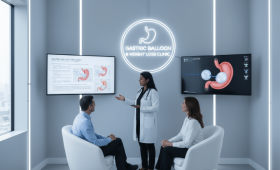
Gastric Shape is a term that defines modern approaches developed as an alternative to traditional surgical methods, usually combining endoscopic procedures such as gastric balloons or gastric botox with body shaping. This method is an excellent option, especially for individuals who are hesitant to have surgery or whose Body Mass Index is just below the surgical threshold (between BMI 27-35). These applications, which temporarily restrict the volume of the stomach without disturbing the natural structure of the body, are ideal for those who want to gain rapid momentum in their weight loss journey.
Is Gastric Shape A Non Surgical Solution?
Yes, most of the applications within the scope of Gastric Shape are non-surgical, meaning they are methods that do not require incisions or stitches. These procedures, performed endoscopically through the mouth, allow the patient to enter the weight loss process with an operation that lasts only 15-20 minutes under general anesthesia. The fact that no scalpel is used, there is no hospital stay, and the ability to return to daily life immediately makes this method quite attractive for people with a busy work schedule. Modern medicine has opened this comfortable door for those who do not want to take surgical risks.
How Does Gastric Shape Differ From Other Methods?
The most fundamental difference that distinguishes the Gastric Shape method from gastric sleeve or bypass is that it does not create a permanent anatomical change. For example, when a gastric balloon application is removed after 6 months or 1 year, the stomach returns to its former state. This situation is a great advantage for those who want to experience a “training process” during the weight loss journey. Additionally, the recovery process is near zero; patients can go home a few hours after the procedure. Its lower cost compared to surgery and the fact that the risk of complications remains at a minimum are also important differences.
Is Permanent Weight Loss Possible With Gastric Shape?
Permanent weight loss with Gastric Shape depends on transforming the advantage provided by the application into a new nutritional habit. While the procedure is in your stomach, your appetite is controlled, and you learn to be full with small portions. If you make healthy nutrition a way of life with the help of a dietitian during this time, you can maintain your weight even after the application is removed from your body. In other words, Gastric Shape opens a window of opportunity for you; entering through this window and creating permanent change is entirely in your hands.
How Long Does The Recovery Process Take After Gastric Shape?
The recovery process after Gastric Shape applications is incredibly fast. Generally, nausea or mild cramps may be seen during the first 2-3 days after the procedure; however, these complaints are easily controlled with medications. By the end of the first week, the body has completely adapted, and the patient returns to normal activities. Since there are no stitches or scars, you do not have to deal with burdensome processes like dressing changes. This “fast recovery-fast results” equation increases the popularity of the method day by day.
What Are The Side Effects Of The Gastric Shape Application?
Side effects in Gastric Shape applications are generally mild and temporary. In applications like the gastric balloon, vomiting or nausea may be experienced in the first few days as a reaction of the body adapting to a foreign substance. In procedures like gastric botox, a feeling of mild bloating may rarely be seen. Regular doctor follow-up is recommended for very unlikely situations such as the deflation of the balloon or stomach sensitivity. Compared to serious surgical complications, these side effects are quite manageable and do not disrupt the patient’s comfort in the long term.
Why Should Gastric Shape Technology Be Preferred?
The most important reason to prefer Gastric Shape technology is that it initiates the weight loss process while preserving the integrity of the body. If you have only 10-20 kilos of excess weight or if your health status is risky for a surgical intervention, this technology offers you a safe haven. It also provides psychological support by creating a rapid start effect for people who have lost their motivation in the weight loss process. Minimal invasive approaches are the future of modern medicine, and Gastric Shape is one of the brightest representatives of this future.
What Are The Success Rates Of Surgical And Non Surgical Methods?
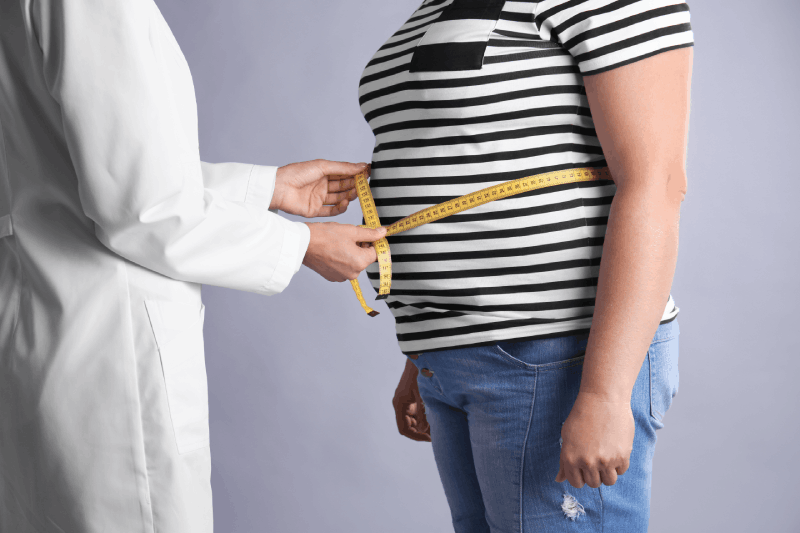
When we compare success rates, we see that surgical methods (sleeve and bypass) provide long-term weight control with high rates such as 85-90%. In non-surgical methods (Gastric Shape), the success rate is around 60-70%. However, the “success” criterion here varies according to the patient’s starting weight and goals. While surgery is inevitable for an individual weighing 150 kg, non-surgical methods can bring complete success for someone weighing 90 kg. What matters is choosing the method with the success rate best suited to your weight and metabolism.
How Does Quality Of Life Change After Obesity Surgery?
The change in quality of life after obesity surgery is usually described by patients as a “rebirth.” Not getting out of breath while climbing stairs, being able to freely choose the clothes one wants, and feeling more confident in social environments are just the visible parts of this change. The real change is the increase in energy and the cessation of chronic pain that comes with lifting the pressure on the internal organs. Effects such as increased sleep quality and the regulation of sex life completely change the individual’s perspective on life and provide a more positive mood.
Is Psychological Support Necessary In Weight Loss Treatments?
Absolutely yes. The weight loss process is not just a physical journey but also a deep psychological transformation. The root of many obesity patients lies in “emotional eating” habits. Surgery or other methods may shrink your stomach, but they do not change your mind. Therefore, receiving support from a psychologist or counselor during the treatment process is vital for coping with eating disorders and adapting to the new body image. Mentally supported patients are much more successful in maintaining the ideal weight they have reached.
What Should Be Done To Prevent Sagging After Surgery?
It is a natural process for skin sagging to occur after rapid weight loss; however, it is possible to minimize this. The most effective method is to preserve muscle mass by performing resistance exercises and weight training from the beginning of the weight loss process. Additionally, consuming plenty of water helps the skin maintain its elasticity. Protein-heavy nutrition supports collagen production, ensuring the skin remains tighter. If one is dropping from very high weights, aesthetic surgery interventions (body lift) can be considered as a final touch after the weight loss process is completed.
Why Is Body Mass Index Important When Choosing Treatment?
Body Mass Index (BMI) is a scientific measurement obtained by dividing your weight by the square of your height, and it is the basic guide that determines which treatment is suitable for you. While the medical world classifies values of 30 and above as obesity, it has generally determined the threshold for surgical intervention as 35 and above. The BMI value is the first criterion that determines whether your doctor will recommend a gastric sleeve or a gastric balloon. However, it is not sufficient on its own; evaluating it together with additional parameters like fat percentage, muscle mass, and metabolic rate gives the healthiest result.
Which Is The Fastest Weight Loss Treatment?
The fastest weight loss treatment is generally the Gastric Bypass operation. Due to both the shrinking of the stomach and the decrease in absorption in the intestines, the body begins to meet its energy needs quickly from stored fats. However, “fastest” does not always mean “healthiest.” Professional follow-up is essential to ensure that muscle loss does not occur and vitamin levels do not drop during rapid weight loss. It should not be forgotten that weight loss is not a race but a lifelong health investment; therefore, focus should be on permanence rather than speed.
What Affects The Recovery Time In Obesity Treatments?
The most important factors affecting recovery time are the surgical technique used, the patient’s general health status, and adherence to post-operative rules. In surgeries performed with the laparoscopic (closed) method, the recovery time is much shorter than in open surgeries. Additionally, the patient’s cessation of smoking before surgery and the control of chronic diseases accelerate the process. Starting walks in the early period after surgery supports tissue healing by increasing blood circulation. The care you show for your own body is the factor that directly determines your recovery speed.
Which Age Group Is More At Risk For Weight Loss Surgery?
Obesity surgery is generally applied safely to individuals between the ages of 18-65. While a very meticulous evaluation is needed for adolescents under the age of 18 as the development process continues, heart and lung reserves should be examined more carefully in patients over the age of 65. Although surgical risks increase slightly with age, the risks brought by obesity in old age (immobility, heart failure) can be much more than the risk of surgery. Therefore, age is not an obstacle for surgery, but just a factor requiring more detailed pre-operative preparation.
How To Start The Weight Loss Journey With Cure Holiday?
When you decide to take that big step that will change your life, Cure Holiday facilitates the entire process for you. As a first step, your situation is analyzed with a free preliminary consultation with our expert advisors. After the most suitable treatment method (Sleeve, Bypass, or Shape) is determined for you, your appointment is organized with world-renowned surgeons in Turkey’s most modern hospitals. With our team accompanying you at every moment of transportation, accommodation, and hospital processes, you are ensured to focus only on your health and your new life.

Why Should Cure Holiday Be Preferred For Weight Loss Treatment?
Cure Holiday is not just a health tourism agency but also a patient-oriented bridge of trust. The most important reason to choose us is our “personalized care” approach that accompanies our high success rates. We offer the latest technological equipment, internationally accredited hospitals, and affordable price advantages all in one. By combining Turkey’s hospitality with our medical expertise, we never leave you alone by providing nutrition tracking and consultancy services for 1 year after the surgery. Your success is our greatest reference.
What Do Cure Holiday Health Packages Include?
All-inclusive packages we offer as Cure Holiday are thought out to the smallest detail for your comfort and safety. Our packages include airport-hotel-hospital transfers, luxury accommodation options, all pre-operative tests, professional surgeon and anesthesia team, all necessary medications, and vitamin supplements after the surgery. Additionally, special translator support so you do not experience language barriers and guidance services to ensure you experience your time in Turkey like a holiday are also provided. There are no hidden costs, just quality health service.
Are You Ready To Achieve Your Dream Body With Cure Holiday?
The time has come to get rid of the physical and emotional burden that excess weight has created on you. As the Cure Holiday family, we have witnessed that miraculous transformation that has changed the lives of thousands of patients, and now it is your turn. By blending all the possibilities of modern medicine with the warmth of an expert team, we offer you that fit and healthy future of your dreams. Do not wait any longer to smile every time you look in the mirror, to regain your health, and to move freely. Contact us today and let’s plan the first day of your new life together.
Free Consultation
Fill out the form below to get your free medical travel plan and price quote.
Sources and how to verify this yourself
- Eisenberg D, et al. 2022 ASMBS and IFSO Indications for Metabolic and Bariatric Surgery. — surgery is recommended at BMI ≥35 regardless of co-morbidity, and considered at BMI 30–34.9 with metabolic disease (lower thresholds for Asian populations). source
- Ministry of Health, Regulation on International Health Tourism and Tourist Health, Official Gazette 26 April 2025, No. 32882 — authorisation requirement for facilities and intermediaries, TÜSKA accreditation, compulsory complication insurance (deadline 31 December 2025 for insurance, 31 December 2026 for accreditation). source
- Ministry of Health, Regulation on Promotion and Information Activities in Health Services, Official Gazette 12 November 2025, No. 33075 — treatment promises and guarantees are prohibited; price and campaign announcements are permitted only within international health tourism. source