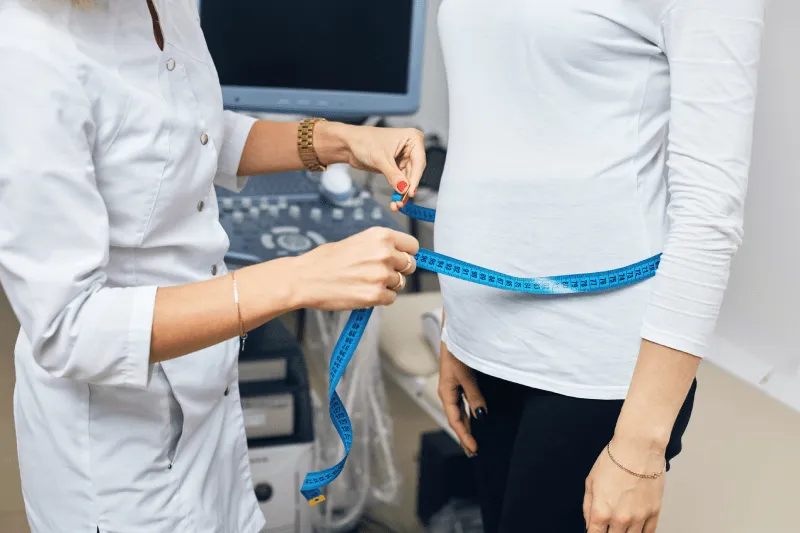
Finding the right path to a healthier life is a journey filled with questions, especially when it comes to medical interventions. Obesity is no longer viewed just as a lifestyle issue but as a complex chronic disease that requires scientific and medical solutions. Choosing the healthiest and least risky weight loss treatment is not just about losing pounds; it is about reclaiming your vitality, reducing the risk of comorbid conditions, and ensuring that the method chosen aligns with your long-term metabolic health. In this guide, we explore the most effective treatments available today, focusing on safety, efficacy, and the innovative approach of Gastric Shape.
Why Is Choosing The Right Weight Loss Treatment Critical For Long-Term Health?
Selecting a weight loss procedure is a monumental decision that impacts your physiological and psychological well-being for decades. A treatment that is too aggressive might lead to nutritional deficiencies, while one that is too mild might not provide the metabolic reset needed to overcome obesity. The right treatment acts as a catalyst, helping you shed excess weight while preserving your body’s ability to absorb essential nutrients. It is crucial to look beyond immediate results and consider how a procedure will affect your quality of life, energy levels, and overall health stability five or ten years down the line.
What Defines A Healthy Weight Loss Method In Modern Medicine?
In modern clinical practice, a healthy weight loss method is defined by its ability to produce significant, sustainable fat loss while minimizing trauma to the body. It should ideally involve a balance between restrictive and metabolic changes without causing permanent damage to the digestive tract. Safety is measured not just by the absence of surgical complications, but by the long-term metabolic harmony it creates. A truly healthy method focuses on reducing the hunger hormone ghrelin, improving insulin sensitivity, and allowing the patient to maintain a high-quality, nutrient-dense diet without extreme discomfort or frequent medical emergencies.
How Does Sustainable Weight Management Differ From Rapid Dieting?
Sustainable weight management is a holistic approach that focuses on changing the body’s set point rather than forcing temporary starvation. Rapid dieting often leads to the “yo-yo” effect because the body’s hormonal signals fight to regain the lost weight. In contrast, effective medical treatments like Gastric Shape or Gastric Sleeve aim to modify these signals. By addressing the root causes of weight retention—such as hormonal imbalances and stomach capacity—medical treatments provide a stable platform for lifestyle changes, ensuring that the weight stays off permanently rather than returning once a strict diet ends.
What Are The Primary Risks Associated With Traditional Bariatric Surgeries?
Traditional bariatric surgeries, while effective, come with a spectrum of risks that vary based on the complexity of the procedure. Common risks include internal bleeding, infections at the incision sites, and adverse reactions to anesthesia. However, the more concerning long-term risks involve “dumping syndrome,” where food moves too quickly from the stomach to the small intestine, causing nausea and dizziness. Additionally, many traditional surgeries can lead to chronic vitamin and mineral deficiencies because they bypass or remove significant portions of the digestive system responsible for nutrient absorption, requiring lifelong supplementation.
What Is Gastric Bypass Surgery And How Does It Affect Metabolism?
Gastric Bypass, specifically the Roux-en-Y procedure, is one of the oldest forms of bariatric surgery. It works by creating a small pouch from the stomach and connecting it directly to the small intestine. This dual mechanism involves both restriction (you eat less) and malabsorption (your body absorbs fewer calories). While it is highly effective for rapid weight loss and resolving Type 2 diabetes, it fundamentally reroutes the digestive system. This rerouting triggers significant hormonal changes that boost metabolism, but it also means the body has less time and surface area to absorb vital nutrients from food.
Is Gastric Bypass Considered A Risky Procedure For Older Patients?
For older patients, Gastric Bypass can be significantly more challenging due to the invasive nature of the surgery and the longer recovery time required. As we age, our bodies become more sensitive to nutritional gaps and surgical stress. The risk of complications like anastomotic leaks—where the connection between the stomach pouch and intestine fails—is slightly higher in older demographics. Furthermore, the malabsorptive nature of the bypass can exacerbate age-related bone density loss (osteoporosis) because of reduced calcium and vitamin D absorption, making it a higher-risk option compared to modern, less invasive alternatives.
What Are The Long-Term Nutritional Challenges Of Gastric Bypass?
The long-term nutritional landscape for a Gastric Bypass patient is quite demanding. Because the duodenum and part of the jejunum are bypassed, the absorption of iron, calcium, vitamin B12, and folate is significantly impaired. Patients often have to commit to a rigorous schedule of high-dose supplements for the rest of their lives. Failure to adhere to this can lead to severe anemia, nerve damage, and bone disease. While many patients successfully manage this, it represents a permanent change in how the body processes fuel, which is a major factor when considering the “least risky” treatment.
What Is Gastric Sleeve Surgery And Why Is It So Popular?
Gastric Sleeve, or Sleeve Gastrectomy, has become the most performed bariatric procedure worldwide. It involves removing approximately 75-80% of the stomach, leaving a narrow tube or “sleeve.” Its popularity stems from the fact that it does not involve rerouting the intestines or placing foreign objects in the body. By removing the portion of the stomach that produces the majority of the hunger hormone ghrelin, it significantly reduces appetite. It offers a simpler surgical path than the bypass while still delivering impressive weight loss results for people struggling with high BMI levels.
How Does Gastric Sleeve Compare To Gastric Bypass In Terms Of Safety?
When comparing the two, Gastric Sleeve is generally considered safer because it avoids the complications associated with intestinal rerouting, such as bowel obstructions or internal hernias. There is no “malabsorption” component in a sleeve, meaning that while the volume of food is restricted, the body’s natural absorption process remains largely intact. However, the sleeve is permanent and irreversible. The primary risk specific to the sleeve is the development or worsening of gastroesophageal reflux disease (GERD) because the increased pressure in the smaller stomach can push acid back into the esophagus.
What Is The Recovery Period Like After A Gastric Sleeve Procedure?
Recovery from a Gastric Sleeve typically involves a few days in the hospital followed by two to four weeks of gradual return to normal activities. During the first month, patients must strictly follow a liquid-to-puree-to-solid food progression to allow the staple line on the stomach to heal. While most people return to work within two weeks, the internal healing continues for months. Compared to non-invasive methods, the recovery is moderate, but it still requires significant downtime and carries the risk of staple-line leaks, which can be a serious medical emergency if not caught early.

Are There Significant Complications Associated With Stomach Stapling?
The term “stomach stapling” usually refers to the Gastric Sleeve or similar restrictive procedures. The primary complication associated with the use of surgical staples is the “leak.” A leak occurs if the staples fail to hold the stomach tissue together during the healing process, allowing stomach acid or food to enter the abdominal cavity. While modern surgical techniques and robotic assistance have made this extremely rare (occurring in less than 1% of cases), it remains a risk that every patient must consider. This is why many are now turning to “no-cut” or “preservation-focused” methods like Gastric Shape.
What Is Gastric Shape And How Does It Revolutionize Weight Loss?
Gastric Shape is an innovative weight loss treatment that focuses on reshaping the stomach’s internal volume without the radical removal of tissue or rerouting of the intestines. It is designed to bridge the gap between temporary measures like balloons and permanent, highly invasive surgeries like the bypass. By utilizing advanced endoscopic or minimally invasive techniques to alter the stomach’s functional capacity, Gastric Shape provides the restriction needed to lose weight while maintaining the integrity of the digestive system. It represents a paradigm shift toward “preservation medicine” in the field of bariatrics.
Why Is Gastric Shape Considered The Least Risky Surgical Option?
Gastric Shape is considered the healthiest and least risky option because it avoids the two biggest dangers of bariatric surgery: tissue removal and intestinal bypassing. Since no part of the stomach is actually excised and the intestines remain untouched, the risk of leaks, internal bleeding, and severe malabsorption is dramatically reduced. It works with the body’s natural anatomy rather than against it. This “conservative” surgical approach means that the body is under less stress during the operation, leading to fewer complications and a much smoother long-term health profile for the patient.
How Does Gastric Shape Preserve The Natural Anatomy Of The Stomach?
Unlike the sleeve or bypass, Gastric Shape focuses on “folding” or “reconfiguring” the stomach to reduce its capacity. This means that all the specialized cells responsible for producing digestive enzymes and intrinsic factor (needed for B12 absorption) are preserved. The stomach continues to function as a whole organ, just with a smaller volume that encourages early satiety. Because the anatomy is preserved, the natural valve system of the stomach (the pylorus) remains intact, which prevents dumping syndrome and ensures that food is digested properly before moving into the small intestine.
Is Gastric Shape Suitable For Patients With Lower BMI Levels?
Yes, one of the greatest advantages of Gastric Shape is its accessibility. Traditional surgeries like Gastric Bypass are usually reserved for those with a BMI over 35 or 40 due to the high risks involved. However, because Gastric Shape is significantly less risky and less invasive, it can be a viable option for individuals with a BMI between 30 and 35 who are struggling with weight-related health issues but do not want to undergo a radical, irreversible surgery. It offers a proactive solution for those who want to intervene before their obesity leads to more severe complications.
What Makes Gastric Shape More Comfortable Than Traditional Methods?
Patients who undergo Gastric Shape often report a much higher level of comfort during the post-operative phase. Traditional surgeries often cause significant internal “pulling” sensations or severe acid reflux as the body adjusts to missing organs. Because Gastric Shape keeps the stomach intact and does not create the same level of internal pressure or rerouting, the transition to a new eating pattern feels more natural. There is less “heaviness” associated with the procedure, and the lack of aggressive malabsorption means patients don’t suffer from the sudden energy crashes often seen with the bypass.
How Does Gastric Shape Support Healthy Hormonal Balance?
While Gastric Shape restricts the volume of the stomach, it also helps regulate the hormones that control hunger and fullness. By reducing the space in the stomach, the “stretch receptors” are activated much earlier during a meal, sending signals to the brain that the body is satisfied. Unlike more invasive surgeries that can cause wild swings in blood sugar and insulin due to rapid gastric emptying, Gastric Shape allows for a more controlled digestion process. This stability helps in managing cravings and prevents the hormonal “chaos” that often leads to weight regain in traditional dieting.
What Kind Of Weight Loss Results Can One Expect From Gastric Shape?
While results vary by individual, Gastric Shape is designed to help patients lose a significant percentage of their excess body weight—often ranging from 40% to 60% within the first year. Because it is a “healthier” method, the weight loss is often more steady and manageable, allowing the skin to adjust better and the patient to build muscle through exercise. It provides the necessary “kickstart” to break the cycle of obesity while giving the patient the tools to maintain that loss through the improved relationship with food that the procedure facilitates.
Why Is Gastric Shape Gaining Popularity Among International Patients?
International patients are increasingly seeking out Gastric Shape because it offers the perfect balance of efficacy and safety for medical travel. When traveling abroad for surgery, patients want a procedure that has a low risk of immediate and long-term complications. Gastric Shape fits this profile perfectly. Its shorter recovery time means patients can return home sooner, and the lack of complex nutritional requirements makes it easier to manage back in their home country. It is seen as the “modern choice” for the savvy medical tourist who prioritizes health over radical intervention.
How Does Gastric Shape Minimize Post-Operative Vitamin Deficiencies?
Since Gastric Shape does not bypass the small intestine—the primary site of nutrient absorption—and does not remove the acid-producing cells of the stomach, the body’s ability to extract vitamins from food remains almost normal. While a general multivitamin is always recommended for any weight loss patient, those who choose Gastric Shape do not face the same high risk of life-threatening deficiencies (like severe iron or B12 anemia) that bypass patients do. This makes it a much “healthier” long-term choice for those who want to live a life free from constant medical monitoring of their blood levels.
Can Gastric Shape Be Reversed Or Adjusted In The Future?
One of the most appealing aspects of Gastric Shape is that, unlike the Gastric Sleeve or Gastric Bypass, it is often potentially reversible or adjustable. Because no tissue is removed, the stomach can, in theory, be restored to its original configuration if medically necessary. This provides an incredible “safety net” for patients. In a world where medical technology is constantly evolving, choosing a procedure that doesn’t “burn bridges” is a very smart health strategy. It allows you to take advantage of today’s best technology without permanently altering your body’s structure forever.
What Role Does Medical Technology Play In Enhancing Surgical Safety?
The safety of procedures like Gastric Shape is directly tied to advancements in medical imaging and surgical tools. High-definition cameras and precision instruments allow surgeons to perform the reshaping with extreme accuracy, minimizing damage to surrounding tissues. Furthermore, the development of specialized “smart” materials for the procedure ensures that the new shape of the stomach is maintained comfortably and securely. As technology improves, the “risks” associated with surgery continue to drop, making modern methods like Gastric Shape significantly safer than the procedures performed just a decade ago.

How Do Lifestyle Changes Supplement The Success Of Weight Loss Procedures?
No weight loss treatment is a “magic wand”; they are all tools that require a partnership with the patient. The success of Gastric Shape, Sleeve, or Bypass depends heavily on the adoption of healthy eating habits and regular physical activity. However, Gastric Shape makes these changes easier to maintain because it doesn’t cause the extreme fatigue or nutritional depletion that can make exercise difficult. By feeling “full” on smaller portions of healthy food, patients can finally find the energy and motivation to lead an active lifestyle, creating a virtuous cycle of health and weight maintenance.
Why Is Psychological Readiness Important Before Undergoing Treatment?
Weight loss surgery changes your relationship with food, which can be a significant psychological adjustment. Many people use food as a coping mechanism for stress or emotion. When a procedure like Gastric Shape physically prevents overeating, the patient must be prepared to find new, healthier ways to handle their emotions. Being psychologically ready means understanding that the surgery is a tool for the body, but the mind must lead the way in choosing better habits. This mental preparation is a key component of what makes a treatment “successful” and “low risk” for the individual.
What Are The Most Common Myths About Bariatric Surgery Safety?
One common myth is that bariatric surgery is a “lazy way out.” In reality, it is a medical intervention for a serious disease. Another myth is that all weight loss surgeries are the same and carry the same high risks. This is why it is so important to differentiate between traditional bypass and modern Gastric Shape. Many people fear they will never be able to eat “normally” again; however, with Gastric Shape, the goal is exactly the opposite—to help you eat a normal, healthy variety of foods, just in smaller, more appropriate quantities that your body can actually use for fuel.
How Do Metabolic Improvements Impact Overall Quality Of Life?
The benefits of losing weight through a healthy treatment like Gastric Shape go far beyond the mirror. Patients often see a rapid improvement in “metabolic syndrome” markers, including lower blood pressure, improved cholesterol levels, and stabilized blood sugar. This “metabolic reset” reduces the strain on the heart and kidneys, leading to increased longevity. Beyond the physical, the boost in self-esteem and the reduction in joint pain allow patients to participate in activities they previously avoided, such as playing with their children, traveling, or pursuing new career opportunities with newfound confidence.
Is It Possible To Achieve Lasting Results Without Invasive Surgery?
While diet and exercise are the foundation of health, for those with clinical obesity, the body’s internal “thermostat” is often stuck at a high weight. This is where treatments like Gastric Shape come in—they provide the biological intervention needed to lower that thermostat. While “non-invasive” options like diet pills or temporary balloons exist, they often fail to provide the lasting structural and hormonal changes required for permanent success. Gastric Shape offers the best of both worlds: it is minimally invasive and low-risk, yet it provides the structural support needed for long-term weight management.
What Should Patients Look For When Choosing A Bariatric Surgeon?
When seeking a treatment like Gastric Shape, the expertise of the surgeon is paramount. You should look for a professional who specializes in minimally invasive techniques and has a track record of focusing on patient safety and “preservation” methods. A good surgeon will not just push for the most expensive or radical procedure but will evaluate your specific health needs to determine if Gastric Shape is the right fit. They should also be part of a team that provides comprehensive pre- and post-operative support, ensuring you are never alone on your journey to health.
How Does Turkey Become A Leading Destination For Weight Loss Treatments?
Turkey has established itself as a global hub for bariatric excellence, combining world-class medical facilities with highly experienced surgeons who are often at the forefront of new techniques like Gastric Shape. The country’s medical infrastructure is state-of-the-art, often exceeding international standards for safety and hygiene. Furthermore, the tradition of hospitality in Turkey means that international patients receive a level of care and attention that is often missing in Western healthcare systems. This combination of high-tech medicine and high-touch care makes Turkey the ideal place for life-changing treatments.
What Support Systems Are Essential During The Post-Surgical Journey?
The months following a weight loss procedure are a critical time for habit formation. A comprehensive support system should include access to a nutritionist who understands the specific needs of a reshaped stomach, as well as a medical coordinator who can answer questions about the healing process. Having a community of other patients can also be incredibly helpful for sharing tips and celebrating milestones. This “continuum of care” ensures that the physical benefits of Gastric Shape are translated into a permanent lifestyle transformation, protecting your investment in your health.
How Can One Differentiate Between Genuine Medical Advice And Trends?
In the age of social media, it is easy to get confused by “weight loss hacks” and fad diets. Genuine medical advice is based on clinical data, anatomical preservation, and long-term safety studies. Procedures like Gastric Shape are grounded in surgical science and are recommended because they respect the body’s physiology. When evaluating advice, always ask: “Does this preserve my health long-term, or is it just a quick fix?” Choosing a reputable medical travel partner ensures that you are guided toward evidence-based treatments rather than passing trends that could harm your metabolism.
Why Is Gastric Shape Recommended As The Healthiest Choice Today?
After comparing all available options, Gastric Shape emerges as the healthiest choice because it balances the need for significant weight loss with the absolute priority of patient safety. It does not mutilate the stomach, it does not bypass the vital nutrient-absorbing intestines, and it does not leave the patient with a lifetime of severe medical restrictions. It is a “smart” surgery for a modern era—one that recognizes that the best medical intervention is the one that achieves the result with the least amount of trauma to the human body.
How Does Cure Holiday Simplify Your Medical Travel Experience?
Navigating medical treatment in a foreign country can be daunting, but Cure Holiday is dedicated to making your journey as seamless as possible. From the moment you contact us, we handle every detail of your trip, including finding the top-tier surgeons who specialize in the Gastric Shape procedure. We manage your hospital bookings, luxury accommodations, and private transfers, allowing you to focus entirely on your health and recovery. With Cure Holiday, you aren’t just a patient; you are a VIP guest receiving the highest standard of care in the world of bariatrics.
Why Is Cure Holiday The Best Partner For Your Weight Loss Journey?
Cure Holiday stands out because our philosophy is rooted in your long-term success and safety. We don’t just “book a surgery”; we curate a complete health experience. We partner only with accredited hospitals and surgeons who share our commitment to the “healthiest and least risky” treatments, specifically focusing on the revolutionary Gastric Shape method. Our team is available 24/7 to support you, ensuring that every question is answered and every fear is addressed. Choosing Cure Holiday means choosing a partner who is as invested in your new life as you are.
What Premium Services Does Cure Holiday Offer For International Patients?
At Cure Holiday, we believe that a stress-free environment is essential for healing. That is why our packages include premium services such as personal translators, comprehensive pre-operative tests, and detailed post-operative nutrition plans tailored to the Gastric Shape procedure. We provide a bridge between you and the best medical technology Turkey has to offer. Our goal is to provide a “holistic” holiday experience where the primary destination is your health. With us, you get world-class surgery combined with the comfort and ease of a luxury vacation.
How Can You Start Your Transformation With Cure Holiday Today?
Your journey to a healthier, more vibrant version of yourself begins with a single step. Contacting Cure Holiday for a free consultation is the easiest way to find out if the Gastric Shape procedure is the right path for you. Our medical consultants are ready to review your history and guide you through the process of choosing the healthiest and least risky weight loss treatment available. Don’t wait for “someday”—take control of your health today and let Cure Holiday help you reshape your future with confidence and professional care.
Summary and Call to Action: Choosing a weight loss treatment is a decision that defines your future. While Gastric Bypass and Gastric Sleeve are established methods, the Gastric Shape procedure represents the pinnacle of modern, low-risk, and health-focused bariatric care. By preserving your anatomy and minimizing surgical trauma, it provides a sustainable path to wellness. If you are ready to leave obesity behind and embrace a healthier lifestyle without the high risks of traditional surgery, Cure Holiday is here to make it happen. Reach out to us today and discover how we can transform your life with the safest medical treatments in Turkey.
Free Consultation
Fill out the form below to get your free medical travel plan and price quote.
Sources and how to verify this yourself
- Eisenberg D, et al. 2022 ASMBS and IFSO Indications for Metabolic and Bariatric Surgery. — surgery is recommended at BMI ≥35 regardless of co-morbidity, and considered at BMI 30–34.9 with metabolic disease (lower thresholds for Asian populations). source
- Ministry of Health, Regulation on International Health Tourism and Tourist Health, Official Gazette 26 April 2025, No. 32882 — authorisation requirement for facilities and intermediaries, TÜSKA accreditation, compulsory complication insurance (deadline 31 December 2025 for insurance, 31 December 2026 for accreditation). source
- Ministry of Health, Regulation on Promotion and Information Activities in Health Services, Official Gazette 12 November 2025, No. 33075 — treatment promises and guarantees are prohibited; price and campaign announcements are permitted only within international health tourism. source