Is it ever too late to reclaim your health and vitality? For many individuals over the age of 60, weight loss surgery feels like a young person’s game. However, modern medical advancements have transformed the landscape of bariatric surgery, making procedures like the gastric sleeve not only possible but highly beneficial for the senior population. This comprehensive guide explores every facet of undergoing a gastric sleeve procedure in later life, addressing safety, recovery, and the long-term transformation of your quality of life.
Is It Too Late For Gastric Sleeve At Age 60?
Many seniors wonder if they have missed the window for surgical intervention, but the answer is a resounding no. Age is no longer the primary disqualifier for bariatric surgery; instead, doctors look at “physiological age” and overall health status. While the body may take slightly longer to heal than it did at 30, the metabolic benefits of weight loss—such as the remission of diabetes and improved cardiovascular health—can be life-changing even in your 60s or 70s. The goal is to add life to your years, not just years to your life.
What Makes Gastric Sleeve Safe For Older Adults?
Safety is the paramount concern for any patient over 60. The gastric sleeve, or vertical sleeve gastrectomy, is often preferred for seniors because it is less complex than a gastric bypass. It does not involve rerouting the intestines, which reduces the risk of long-term malabsorption and complications. Advances in laparoscopic (minimally invasive) techniques mean smaller incisions, less pain, and a significantly lower risk of infection or hernia, making it a viable and safe option for those in their golden years.
How Does Bariatric Surgery Benefit Seniors?
The benefits of bariatric surgery for seniors extend far beyond aesthetics. As we age, carrying excess weight puts immense strain on the heart, lungs, and joints. By losing a significant portion of excess body weight, seniors often find that they can walk without pain, breathe more easily, and reduce the number of medications they take for chronic conditions. This improved mobility often leads to a more active social life and the ability to play with grandchildren or travel comfortably.
Are There Specific Age Limits For Gastric Sleeve?
Historically, 65 was often seen as the upper limit for elective surgeries, but this is no longer a strict rule. Many bariatric centers now successfully operate on patients well into their 70s. The decision is based on a thorough risk-benefit analysis. If a patient is healthy enough to undergo general anesthesia and has a high enough Body Mass Index (BMI) to justify the procedure, age becomes a secondary factor. The focus is on the individual’s ability to tolerate the procedure and benefit from the results.
What Health Criteria Must Seniors Meet?
To be a candidate for gastric sleeve after 60, a patient typically needs a BMI of 40 or higher, or a BMI of 35 with obesity-related comorbidities like sleep apnea or hypertension. Surgeons will also evaluate heart and lung function more rigorously than they would for younger patients. Blood tests, EKGs, and sometimes stress tests are mandatory to ensure that the cardiovascular system can handle the stress of surgery and the subsequent rapid weight loss phase.
Can Gastric Sleeve Solve Mobility Issues In Elderly?
Weight is the primary enemy of aging joints. For every pound you lose, the pressure on your knees and hips is reduced fourfold. Seniors often suffer from osteoarthritis, which can become debilitating when combined with obesity. Gastric sleeve surgery facilitates rapid weight loss, which often leads to a dramatic reduction in joint pain. Many patients find that they no longer require walkers or canes within six months of surgery, allowing them to engage in low-impact exercises like swimming or walking.
How Does The Procedure Impact Heart Health?
Obesity is a major risk factor for heart disease, which is a leading concern for those over 60. Losing weight via a gastric sleeve helps lower “bad” LDL cholesterol and triglycerides while improving “good” HDL cholesterol levels. It also reduces the workload on the heart by lowering systemic inflammation and blood pressure. For many seniors, this results in a significantly reduced risk of heart attack or stroke, providing peace of mind for both the patient and their family.
Will Gastric Sleeve Help Manage Chronic Pain?
Chronic pain in seniors is often exacerbated by systemic inflammation caused by adipose (fat) tissue. Fat cells produce inflammatory markers that can worsen conditions like fibromyalgia and arthritis. By reducing the volume of fat tissue through surgery, patients often experience a systemic decrease in inflammation. This often leads to a reduced reliance on non-steroidal anti-inflammatory drugs (NSAIDs) or opioids, which is particularly beneficial since long-term use of these medications can be hard on a senior’s kidneys and stomach.
What Are The Most Common Post-Surgical Risks?
While the gastric sleeve is safe, seniors should be aware of specific risks. These include blood clots (Deep Vein Thrombosis), which are more common in older patients, and respiratory complications like pneumonia. Because the aging body has less “reserve,” minor complications can escalate if not managed quickly. However, with modern protocols like early mobilization (walking shortly after surgery) and the use of compression stockings, these risks are effectively minimized in specialized bariatric centers.
How Do Doctors Prepare Seniors For Anesthesia?
Anesthesia management is a critical component of surgery for patients over 60. Anesthesiologists perform a detailed pre-operative assessment to tailor the dosage and types of drugs used. They often use shorter-acting agents to ensure a quicker “wake-up” time and reduce the risk of post-operative delirium, which can sometimes affect older adults. Monitoring remains intense throughout the procedure to ensure oxygen levels and blood pressure remain stable, ensuring the brain and vital organs are well-protected.
What Is The Average Weight Loss Expectation?
Patients over 60 can expect to lose between 50% and 70% of their excess body weight within the first 12 to 18 months. While the rate of loss might be slightly slower than that of a 25-year-old due to a naturally slower metabolism, the end result is often just as successful. The key is consistency and following the prescribed protein-rich diet. Even a 20% loss in total body weight can lead to massive health improvements for a senior patient.
Can Seniors Reverse Type 2 Diabetes With Surgery?
One of the most miraculous effects of the gastric sleeve is its impact on Type 2 Diabetes. The surgery alters gut hormones that regulate blood sugar, often leading to normal glucose levels within days of the procedure—well before significant weight loss has even occurred. For seniors who have struggled with insulin injections or multiple medications for decades, the possibility of achieving remission is a powerful motivator. It significantly reduces the risk of diabetic complications like neuropathy and kidney failure.
How Does Gastric Sleeve Affect Blood Pressure?
Hypertension is a “silent killer” that affects a vast majority of seniors with obesity. Rapid weight loss following a gastric sleeve reduces the volume of blood the heart needs to pump and decreases the stiffness of the arteries. Most patients see a significant drop in their blood pressure readings, allowing many to reduce or entirely eliminate their antihypertensive medications. This not only saves money on prescriptions but also eliminates side effects like dizziness and fatigue.
Is Nutritional Deficiency A Major Concern?
Because the gastric sleeve removes a portion of the stomach where certain vitamins are absorbed (like B12), nutritional monitoring is vital. Seniors are already at a higher risk for bone density loss and anemia, so they must be diligent about taking high-quality bariatric supplements. Regular blood work is required to ensure levels of calcium, iron, vitamin D, and protein remain optimal. With the right supplementation, these deficiencies are easily preventable and manageable.
How Long Does The Actual Surgery Take?
The gastric sleeve procedure is relatively quick, usually taking between 45 and 90 minutes. For a senior patient, shorter surgical time is a benefit as it reduces the duration of general anesthesia. Surgeons work efficiently using robotic or laparoscopic tools to remove approximately 80% of the stomach, leaving a narrow “sleeve” about the size of a banana. This smaller stomach limits the amount of food that can be consumed, leading to early satiety and weight loss.
What Is The Recommended Post-Operative Diet?
The dietary transition after surgery follows a strict timeline to allow the stomach staple line to heal. It starts with clear liquids for the first week, followed by full liquids (protein shakes), then pureed foods, and finally soft solids. For seniors, ensuring adequate protein intake (60-80 grams per day) is the most critical factor. Protein is essential for healing, maintaining muscle mass, and preventing the fatigue that can sometimes accompany rapid weight loss.
How Can Seniors Prevent Muscle Loss After Surgery?
Sarcopenia, or age-related muscle loss, is a concern when losing weight quickly. To prevent this, seniors must prioritize high-quality protein and engage in light resistance training. Simple exercises like using elastic bands or light dumbbells can help preserve lean muscle tissue. Maintaining muscle mass is important because muscle burns more calories at rest, helping to keep the metabolism active and ensuring that the weight loss comes from fat, not vital muscle.
What Support Systems Are Needed For Recovery?
Recovery at home for a senior patient requires a solid support system. For the first two weeks, having a family member or caregiver to help with meal preparation, hydration tracking, and medication management is highly recommended. Seniors should avoid lifting heavy objects and may need assistance with household chores. Emotional support is also vital; joining a bariatric support group can help patients navigate the mental and lifestyle changes that follow such a significant transformation.
How Does Gastric Sleeve Improve Sleep Quality?
Obstructive Sleep Apnea (OSA) is highly prevalent among seniors with obesity. The excess fat around the neck can obstruct the airway during sleep, leading to snoring, gasping, and poor oxygenation. Weight loss from a gastric sleeve often resolves or significantly improves OSA. Patients find they wake up feeling refreshed, have more energy during the day, and many can stop using their CPAP machines entirely, which is a major boost to their daily comfort.
Are There Psychological Challenges For Older Patients?
Adapting to a new body and a new relationship with food can be challenging at any age, but for seniors, habits are often deeply ingrained. Food may have been a primary source of comfort for decades. Transitioning to a “fuel-only” mindset requires mental resilience. Some patients may experience “transfer addiction” or temporary bouts of depression as their hormone levels shift. Working with a counselor who specializes in bariatric surgery can provide the tools needed to handle these emotional waves.
How Should Medications Be Adjusted Post-Op?
After surgery, the way the body absorbs certain medications may change. Furthermore, as health improves, the need for some medications—particularly for diabetes and blood pressure—will decrease rapidly. It is dangerous for patients to adjust their own dosages. A close partnership between the bariatric surgeon and the patient’s primary care physician is essential to safely taper off medications and ensure that any pills taken are in a form (small or liquid) that the new stomach can handle.
What Exercises Are Safe For Seniors After Surgery?
Movement is medicine, but it must be approached carefully. In the first few weeks, walking is the best and only recommended exercise. As the body heals, seniors can graduate to low-impact activities like water aerobics, which is excellent for those with joint pain. Yoga and Tai Chi are also wonderful for improving balance, which is crucial for preventing falls in older age. The goal is 150 minutes of moderate activity per week, broken down into manageable daily sessions.
Is Laparoscopic Sleeve Gastrectomy The Best Option?
For most seniors, the laparoscopic sleeve is considered the “gold standard.” Compared to the gastric bypass, it has a lower risk of long-term complications like internal hernias or severe dumping syndrome. It is also a “simpler” operation in terms of anatomy, which generally leads to a smoother recovery. However, every patient is unique; if a senior has severe acid reflux (GERD), a surgeon might suggest a bypass instead, as the sleeve can sometimes worsen reflux symptoms.
How Do Pre-Existing Conditions Affect Outcomes?
Pre-existing conditions do not necessarily mean a poor outcome; in fact, they are often the reason the surgery is performed. While a history of heart disease or kidney issues increases the “surgical risk,” the “lifestyle risk” of remaining obese is often much higher. Studies show that seniors with multiple comorbidities often see the most dramatic improvements in their quality of life. The surgical team simply takes extra precautions, such as extended monitoring in the hospital, to ensure safety.
What Are The Signs Of Successful Recovery?
A successful recovery is marked by more than just numbers on a scale. Indicators include a steady increase in energy levels, the ability to tolerate a variety of soft foods without nausea, and a consistent trend of meeting hydration and protein goals. For seniors, “non-scale victories” like being able to tie their shoes, walking to the mailbox without getting winded, or fitting into a standard airplane seat are the true marks of success. Healing should be a steady, upward trajectory.
How Does This Surgery Improve Overall Longevity?
Recent clinical studies have shown that bariatric surgery significantly increases life expectancy for patients with morbid obesity. By eliminating the strain on vital organs and reducing the risk of cancer and cardiovascular events, seniors can potentially add several high-quality years to their lives. Longevity isn’t just about living longer; it’s about being healthy enough to enjoy those extra years. Surgery provides a “metabolic reset” that can reverse the premature aging caused by chronic obesity.
Can Gastric Sleeve Reduce The Need For Prescriptions?
One of the most immediate financial and physical benefits for seniors is the reduction in prescription drug use. Polypharmacy (taking many medications) is a common issue for the elderly and can lead to dangerous drug interactions. As obesity-related conditions fade, many patients find their “pill organizer” becoming much emptier. This reduction in chemical load on the liver and kidneys is a significant health advantage, often leading to better mental clarity and less systemic fatigue.
What Is The Success Rate For Patients Over 60?
Success in bariatric surgery is generally defined as losing more than 50% of excess weight and maintaining it for at least five years. Statistics show that seniors are often more successful than younger patients because they tend to be more disciplined with their dietary rules and follow-up appointments. Their motivation—often driven by the desire to see grandchildren grow up or to maintain independence—is incredibly strong, leading to high satisfaction rates and excellent long-term weight maintenance.
How To Handle Skin Elasticity After Weight Loss?
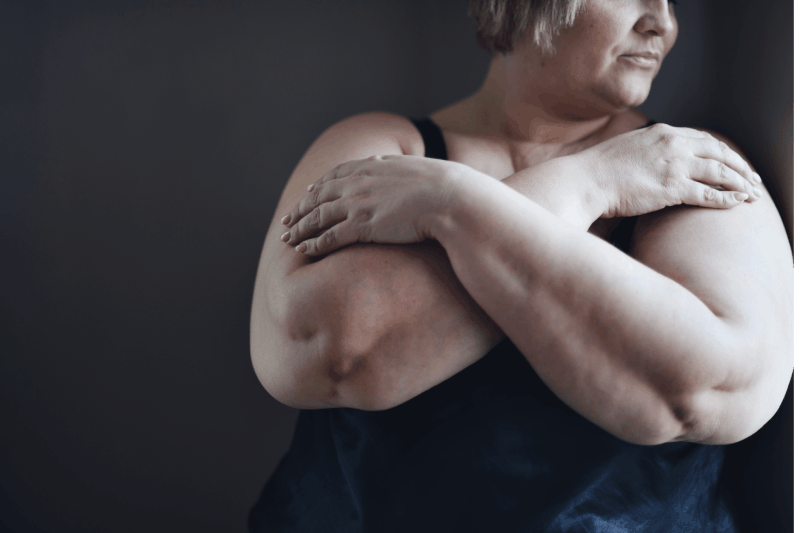
Skin elasticity decreases as we age due to a loss of collagen and elastin. Consequently, seniors may experience more sagging skin after rapid weight loss than younger patients. While this can be a cosmetic concern, many seniors prioritize their health and mobility over tight skin. Compression garments can help with comfort and silhouette. If the excess skin causes hygiene issues or rashes, reconstructive surgery can be considered after weight has stabilized, typically around the two-year mark.

What Questions Should You Ask Your Surgeon?
When consulting with a surgeon, seniors should be proactive. Ask: “How many patients over 60 have you operated on this year?”, “What is your specific protocol for preventing blood clots in older adults?”, and “How will my heart condition be monitored during the procedure?” It is also important to ask about the specific hospital’s post-operative care and whether they have experience in geriatric bariatrics. A transparent surgeon will welcome these questions and provide detailed, comforting answers.
Is Gastric Sleeve More Effective Than Dieting Alone?
For individuals with a BMI over 35, traditional dieting has a failure rate of nearly 95% over the long term. This is because obesity is a complex hormonal disease, not just a lack of willpower. Gastric sleeve surgery changes the body’s “set point” by reducing the hunger hormone (ghrelin) and increasing satiety hormones. For a senior who has struggled with weight for decades, surgery provides the biological tool that dieting alone cannot, making long-term weight loss a reality rather than a fleeting struggle.
Why Is Cure Holiday The Premier Destination For Seniors?
When it comes to bariatric surgery in later life, the environment and expertise matter more than anything. Cure Holiday has established itself as a leader in geriatric bariatric care, focusing on the unique needs of patients over 60. We understand that senior patients require a more personalized touch, from pre-operative cardiac clearance to specialized post-operative nursing care. At Cure Holiday, we don’t just see a patient; we see an individual ready for a second chance at a vibrant life, and we provide the world-class medical infrastructure to make it happen.
What Comprehensive Care Does Cure Holiday Provide?
Cure Holiday offers an “all-inclusive” approach that is particularly beneficial for seniors traveling for surgery. Our packages include consultation with top-tier surgeons, advanced hospital facilities equipped with the latest technology, and luxury accommodations designed for a stress-free recovery. We handle all the logistics, including VIP transfers and 24/7 patient coordination. This allows our senior patients to focus entirely on their healing and transformation, knowing that every detail of their medical journey is being managed by professionals.
How Does Cure Holiday Simplify The Medical Process?
Navigating the healthcare system can be overwhelming, especially when considering surgery abroad. Cure Holiday simplifies this by providing a dedicated patient host who speaks your language and stays by your side. We facilitate all pre-operative tests in a single location, reducing the need for multiple appointments. Our medical teams are specifically trained in the nuances of treating international senior patients, ensuring that communication is clear, expectations are met, and the highest standards of safety are upheld at every step of the process.
Are You Ready To Transform Your Life With Cure Holiday?
It is never too late to choose yourself. If you are over 60 and feel held back by your weight, Cure Holiday is here to show you that a healthier, more active future is within reach. Our specialized gastric sleeve programs have helped countless seniors reclaim their independence and joy. Don’t let age be the barrier to the health you deserve. Contact Cure Holiday today for a free consultation and take the first step toward a new chapter of vitality, health, and happiness. Your journey to a better life starts here.
In conclusion, age is just a number when it refers to the potential for health and recovery. Gastric sleeve surgery for patients over 60 is a safe, effective, and transformative solution for obesity and its related health conditions. By choosing a specialized provider like Cure Holiday, you ensure that you receive the highest level of care tailored specifically for the senior population.
Are you ready to stop struggling and start living? Reach out to the expert team at Cure Holiday to learn how we can support your weight loss goals with safety, dignity, and world-class medical expertise. Your golden years should be your healthiest years.
Free Consultation
Fill out the form below to get your free medical travel plan and price quote.
Sources and how to verify this yourself
- Eisenberg D, et al. 2022 ASMBS and IFSO Indications for Metabolic and Bariatric Surgery. — surgery is recommended at BMI ≥35 regardless of co-morbidity, and considered at BMI 30–34.9 with metabolic disease (lower thresholds for Asian populations). source
- Ministry of Health, Regulation on International Health Tourism and Tourist Health, Official Gazette 26 April 2025, No. 32882 — authorisation requirement for facilities and intermediaries, TÜSKA accreditation, compulsory complication insurance (deadline 31 December 2025 for insurance, 31 December 2026 for accreditation). source
- Ministry of Health, Regulation on Promotion and Information Activities in Health Services, Official Gazette 12 November 2025, No. 33075 — treatment promises and guarantees are prohibited; price and campaign announcements are permitted only within international health tourism. source