About the prices on this page. The figures below are indicative market prices and country comparisons, not a quote. Our own current, all-inclusive prices are published on our weight loss surgery in Turkey page, and we confirm your figure in writing before you commit to anything.
The global landscape of weight management is undergoing a significant transformation, moving away from “willpower-only” approaches toward medically backed interventions. Today, patients find themselves at a crossroads between two major contenders: the Gastric Balloon, a non-surgical medical device, and Ozempic, a revolutionary injectable medication. Both have shown remarkable results, but choosing the right one requires a deep dive into their mechanisms, side effects, and, most importantly, their long-term sustainability. This guide serves as a comprehensive roadmap for those seeking clarity on which path leads to lasting health.
What Is The Main Difference Between Gastric Balloon And Ozempic?
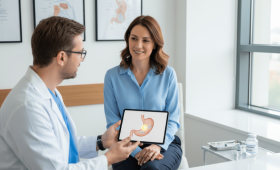
The primary distinction lies in their fundamental nature: one is a physical intervention, while the other is a biochemical one. A gastric balloon is a medical device placed in the stomach to physically occupy space, thereby limiting food intake through volume restriction. Conversely, Ozempic is a GLP-1 receptor agonist that works by mimicking natural hormones to regulate blood sugar and signal the brain to reduce appetite. While the balloon acts as a “speed bump” for the stomach, Ozempic acts as a “volume dial” for the brain’s hunger signals. Understanding this physical versus chemical approach is the first step in determining which intervention aligns with your biological needs and lifestyle preferences.

How Does A Gastric Balloon Help With Weight Loss?
A gastric balloon functions through the principle of gastric restriction without the need for permanent surgery. Once the balloon is inserted—either via endoscopy or as a swallowable pill—it is filled with sterile saline or gas. This sphere takes up approximately 40% to 60% of the stomach’s capacity. Consequently, the patient feels full much faster and remains satiated for longer periods. It also slows down the rate at which the stomach empties, prolonging the feeling of fullness. This physical barrier forces a reduction in portion sizes, helping patients break old eating habits and adopt a caloric deficit necessary for weight reduction.
How Does Ozempic Regulate Body Weight?
Ozempic, known generically as semaglutide, targets the body’s metabolic and neurological pathways. It mimics the glucagon-like peptide-1 (GLP-1) hormone that is naturally released in the gastrointestinal tract after eating. By binding to GLP-1 receptors, it slows down gastric emptying, similar to the balloon, but its most profound effect is on the hypothalamus. It effectively “turns off” the constant noise of hunger, often referred to as “food noise.” Additionally, it improves insulin sensitivity and regulates blood glucose levels, which prevents the sharp hunger spikes often associated with weight gain and metabolic syndrome.
Who Is The Ideal Candidate For A Gastric Balloon Procedure?
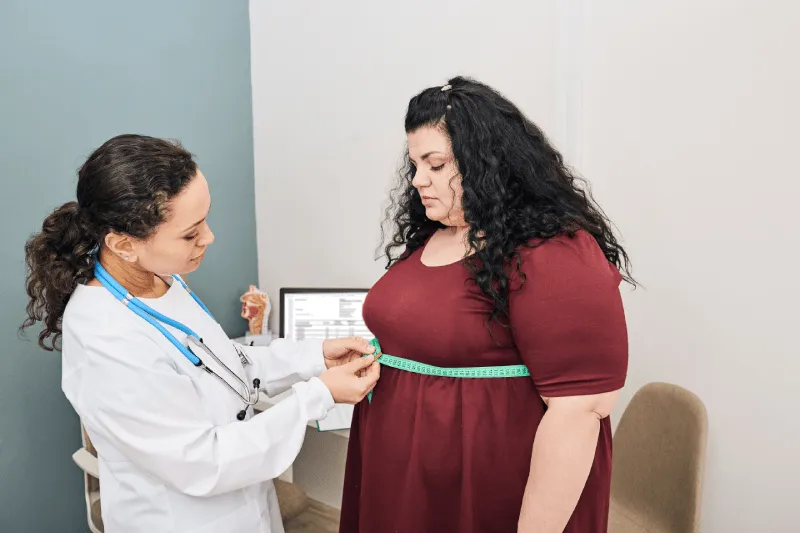
The ideal candidate for a gastric balloon typically falls within the Body Mass Index (BMI) range of 27 to 35. These individuals are often those for whom traditional diet and exercise have failed but who do not yet qualify for or wish to undergo invasive bariatric surgeries like gastric bypass or sleeve gastrectomy. It is a perfect solution for those who need a “jumpstart” to lose 10 to 15% of their total body weight. Candidates must be committed to a supervised lifestyle program, as the balloon is a temporary tool designed to facilitate long-term behavioral changes.
What Are The Body Mass Index Requirements For Ozempic?
Ozempic is generally prescribed for individuals with a BMI of 30 or greater, or a BMI of 27 or greater if they have at least one weight-related condition, such as hypertension, type 2 diabetes, or high cholesterol. Unlike the gastric balloon, which has a physical limit based on stomach size, Ozempic’s eligibility is more focused on metabolic health. It is frequently used for patients who have metabolic resistance to weight loss. Because it is a systemic medication, doctors also look at the patient’s overall endocrine profile and history of blood sugar management before determining eligibility.
Is Gastric Balloon Considered A Surgical Procedure?
Technically, a gastric balloon is classified as a non-surgical, minimally invasive procedure. Traditional balloons are placed endoscopically under mild sedation, where a tube is passed through the mouth to the stomach. Newer “swallowable” versions, such as the Allurion balloon, require no anesthesia or endoscopy at all; the patient simply swallows a capsule that is then inflated. There are no incisions, no permanent alterations to the digestive anatomy, and no long-term scars. This makes it a highly attractive option for those who fear the risks associated with general anesthesia and surgical complications.
How Long Does A Gastric Balloon Stay In The Stomach?
The duration of a gastric balloon treatment varies depending on the specific model used, typically ranging from four to twelve months. The most common balloons stay in place for six months. This period is considered the “learning phase,” where the patient works with nutritionists to recalibrate their relationship with food. After the designated time, the balloon must be removed or it will naturally deflate and pass through the digestive system (in the case of swallowable types). The temporary nature of the device is designed to prevent the stomach from permanently stretching or becoming overly accustomed to the presence of the balloon.
Can Ozempic Be Used As A Short Term Solution?
While some patients use Ozempic for short-term weight loss, medical consensus suggests it is designed for chronic weight management. Clinical trials show that when patients stop taking semaglutide, their appetite often returns to baseline, and they may regain much of the lost weight if they haven’t established permanent lifestyle changes. Unlike the balloon, which has a clear “start and end” date, Ozempic is often viewed as a long-term or even lifelong medication for some, particularly those with underlying metabolic dysfunction. Using it as a “quick fix” often leads to the “yo-yo” effect once the injections cease.
What Are The Common Side Effects Of A Gastric Balloon?
In the first few days following placement, the most common side effects include nausea, vomiting, and abdominal cramping as the stomach tries to “digest” the foreign object. Most patients experience a period of adjustment lasting 3 to 7 days. Once the stomach adapts, these symptoms usually subside. Other potential issues include acid reflux, indigestion, and occasional discomfort after large meals. While rare, more serious risks like balloon deflation or gastric ulcers exist, which is why regular follow-ups with a medical team are essential during the six to twelve-month period the device is active.
What Are The Potential Long Term Side Effects Of Ozempic?
Ozempic is generally well-tolerated, but long-term use requires monitoring for specific issues. Common gastrointestinal side effects like nausea, diarrhea, and constipation are frequent, especially during dose escalation. More serious but rare concerns include pancreatitis, gallbladder problems, and potential changes in kidney function. There have also been discussions regarding “Ozempic Face,” where rapid weight loss leads to a hollowed appearance due to loss of facial fat. Because it is a relatively new application for weight loss, researchers are still monitoring patients for any rare, years-long hormonal shifts or thyroid-related risks mentioned in animal studies.
Which Treatment Offers Faster Initial Results?
The gastric balloon often provides a more immediate “shock” to the system, leading to rapid weight loss in the first 4 to 8 weeks. This is because the physical restriction is absolute from the moment the balloon is inflated. Ozempic, however, requires a titration period where the dosage is slowly increased over several months to minimize side effects. While the balloon might show a faster drop on the scale initially, Ozempic’s weight loss tends to be more steady and linear over a 68-week period. For those looking for an immediate metabolic shift, the balloon often wins the “sprint,” while Ozempic is built for the “marathon.”
How Does The Cost Of Gastric Balloon Compare To Ozempic?
The cost structure of these two treatments is fundamentally different. A gastric balloon involves a one-time significant investment covering the device, the placement procedure, removal, and often a 6-to-12-month support program. This can range from $3,000 to $9,000 depending on the country and facility. Ozempic, on the other hand, is a monthly recurring cost. Without insurance, it can cost upwards of $900 to $1,200 per month. Over two years, the cost of Ozempic can significantly exceed that of a gastric balloon. However, many patients find the monthly “subscription” model more manageable than a large upfront payment.
Does Insurance Cover Gastric Balloon Or Ozempic?
Insurance coverage is notoriously complex for weight loss treatments. Gastric balloons are rarely covered by standard private insurance plans as they are often classified as “elective” or “cosmetic” procedures, though some high-tier plans may provide partial reimbursement. Ozempic is typically covered if the patient has a diagnosis of Type 2 Diabetes. For weight loss alone (often prescribed as Wegovy, the same drug), coverage depends entirely on the employer’s specific plan. Patients should always request a “prior authorization” from their doctor to check for potential coverage before committing to either treatment path.
What Kind Of Dietary Changes Are Required With A Gastric Balloon?
With a gastric balloon, dietary changes are not optional; they are a physical necessity. In the first week, patients follow a liquid-only diet, transitioning to soft foods, and eventually solids. Because the stomach’s capacity is reduced, patients must learn to eat very small portions, chew thoroughly, and avoid drinking liquids during meals to prevent discomfort. High-sugar and high-fat foods often cause dumping syndrome or severe reflux with a balloon. The goal is to use the balloon’s restriction to learn “mindful eating,” focusing on high-protein, nutrient-dense foods that provide satiety in small volumes.
Is Exercise Necessary When Taking Ozempic?
While Ozempic is highly effective at reducing calorie intake, exercise is critical for maintaining muscle mass. Rapid weight loss from GLP-1 medications can result in significant loss of lean muscle tissue along with fat. To prevent a “skinny fat” physique and to maintain a healthy basal metabolic rate, resistance training is strongly recommended. Exercise also helps manage the potential lethargy some patients feel when their caloric intake drops sharply. Furthermore, physical activity is the best predictor of weight maintenance once the medication is discontinued, making it a non-negotiable part of a successful long-term strategy.
Can You Switch From Ozempic To A Gastric Balloon?
Yes, many patients transition between these therapies under medical supervision. Some use Ozempic to reach a safer BMI before undergoing a gastric balloon procedure, while others who have reached a plateau with Ozempic may choose the balloon to provide a different type of stimulus to the body. Conversely, some patients use a gastric balloon to lose the initial weight and then transition to a low-dose GLP-1 for long-term maintenance. The key is to ensure there is a clear “washout” period if needed and that the medical team is fully aware of the patient’s pharmacological history to avoid overlapping gastrointestinal stress.
How Often Is Ozempic Administered To Patients?
Ozempic is administered as a once-weekly subcutaneous injection. The medication comes in a pre-filled pen with a very fine needle, making the process relatively painless for most users. Patients usually start at a low dose of 0.25 mg per week for four weeks, then move to 0.5 mg, and can eventually go up to 2.0 mg depending on their response and tolerance. This weekly schedule is highly convenient compared to daily pills, but it does require the patient to be comfortable with self-injection and to maintain a strict schedule to keep the medication levels stable in their bloodstream.
What Happens When The Gastric Balloon Is Removed?
The removal of the gastric balloon is a pivotal moment in the patient’s journey. For endoscopic balloons, a quick 15-minute outpatient procedure is required to deflate and extract the device. For swallowable balloons, they simply pass through the stool. Once the balloon is gone, the physical restriction vanishes immediately. This is the “test of habits.” If the patient has successfully learned portion control and healthy food choices during the previous months, they can maintain their weight. If they rely solely on the balloon’s physical presence without changing their mental approach to food, the weight is likely to return.
Is There A Weight Rebound Risk After Stopping Ozempic?
There is a documented risk of weight rebound after stopping Ozempic. Clinical data suggests that many patients regain about two-thirds of their lost weight within a year of stopping the drug. This occurs because the biological signals for hunger return to their original state, sometimes feeling even more intense than before. This phenomenon underscores the fact that obesity is a chronic condition. To avoid rebound, patients must either stay on a maintenance dose or have an exceptionally strong foundation of diet, exercise, and metabolic health that can withstand the return of natural hunger signals.
How Does Gastric Balloon Affect Hunger Hormones?
Interestingly, the gastric balloon doesn’t just work through physical volume; it also influences hormonal signaling. The stretching of the stomach wall caused by the balloon sends signals to the brain via the vagus nerve, indicating fullness. This can lead to a decrease in ghrelin, the “hunger hormone” produced in the stomach lining. While not as potent as the systemic hormonal shift caused by Ozempic, the balloon does provide a neuro-hormonal feedback loop that helps suppress appetite. However, this effect is localized to the stomach’s stretch receptors rather than a direct modulation of the brain’s endocrine pathways.
Does Ozempic Impact Satiety And Cravings?
One of the most praised effects of Ozempic is its ability to eliminate cravings and “food noise.” Patients frequently report that they no longer obsess over their next meal or feel compelled to snack. This is due to the drug’s action on the reward centers of the brain. By enhancing satiety signals, Ozempic makes it much easier for patients to say “no” to unhealthy foods. It essentially levels the playing field for those who have struggled with emotional eating or compulsive cravings, allowing them to make rational food choices based on nutrition rather than impulse.
What Are The Risks Of Muscle Loss With Ozempic?
“Sarcopenic obesity”—losing muscle while remaining at a higher fat percentage—is a legitimate concern with rapid weight loss induced by GLP-1s. Because Ozempic causes a significant drop in appetite, patients often fail to consume enough protein. Without adequate protein intake and muscle stimulation through exercise, the body may break down muscle tissue for energy. This can lead to weakness and a slower metabolism, making it harder to keep the weight off in the long run. High-protein diets (1.2 to 1.5 grams of protein per kilogram of body weight) are essential for anyone using Ozempic for weight loss.
Are There Different Types Of Gastric Balloons Available?
There are several variations of gastric balloons designed to meet different patient needs. The Orbera balloon is a classic saline-filled endoscopic balloon that stays for six months. The Spatz3 is unique because it is “adjustable,” meaning its volume can be increased or decreased endoscopically to manage side effects or boost weight loss. The Allurion (formerly Elipse) is the “pill balloon” that requires no endoscopy or anesthesia. There are also gas-filled balloons like Obalon. Choosing between them depends on how much weight you need to lose, your tolerance for medical procedures, and your budget.
How Does Gastric Balloon Placement Impact Daily Life?
After the initial adjustment week, most patients find that the gastric balloon doesn’t significantly hinder their daily activities. You can work, exercise, and travel as usual. However, you will notice that your eating habits must change. Social dining becomes a more conscious effort as you can only eat small amounts. Some patients report a sensation of “heaviness” in the stomach during intense physical activity, but this usually fades. The biggest impact is the psychological shift of feeling full very quickly, which can be a relief for some and a challenging adjustment for those who use food as a primary source of comfort.
Can You Travel Immediately After A Gastric Balloon Insertion?
Medical professionals generally advise against flying or traveling long distances for at least 3 to 7 days after a gastric balloon placement. This is because the first few days carry the highest risk of severe nausea, vomiting, and dehydration. If a patient is on a plane or in a foreign country during this acute phase, managing these symptoms can be difficult. Once the “settling-in” period is over and the patient is tolerating fluids and soft foods well, travel is perfectly safe. It is always wise to have a local contact or a medical summary from your doctor in case you need assistance abroad.
Is Ozempic Safe For Individuals With Heart Conditions?
Ozempic has actually shown significant cardiovascular benefits. In clinical trials like SUSTAIN-6, semaglutide was shown to reduce the risk of major adverse cardiovascular events (MACE) in adults with type 2 diabetes and established cardiovascular disease. It helps lower blood pressure and improve lipid profiles. However, like any medication, it must be used cautiously. Patients with a history of heart failure or specific arrhythmias should be closely monitored. Overall, for many obese patients, the cardiovascular benefits of the weight loss and improved glucose control provided by Ozempic far outweigh the potential risks.
How Do Success Rates Compare Over A Five Year Period?
Comparing long-term success is tricky because both treatments are relatively new in their current popularity. Gastric balloons typically result in a 10-15% total body weight loss, but maintenance depends entirely on lifestyle. Studies show that without continued support, weight regain is common after removal. Ozempic can lead to a 15-20% weight loss, but as mentioned, it often requires ongoing use. The “gold standard” for five-year success is a combination of these tools with permanent behavioral therapy. Patients who use either tool to build a new lifestyle—rather than relying on the tool itself—have the highest five-year success rates.
What Is The Recovery Time For Gastric Balloon Placement?
The physical “recovery” from the procedure itself is almost instantaneous, especially with the swallowable pill version. However, the “physiological recovery” or adjustment period takes longer. Most patients take 2 to 3 days off work to manage the initial nausea and cramping. By day five, most are back to their normal routines, though still on a restricted diet. Compared to bariatric surgery, which can have a recovery time of 2 to 4 weeks, the gastric balloon is incredibly efficient. It allows for a rapid return to productivity while the device quietly works in the background to limit caloric intake.

Do These Treatments Help With Type 2 Diabetes?
Both treatments offer significant benefits for Type 2 Diabetes management. Ozempic was originally developed as a diabetes medication; it excels at lowering A1c levels by stimulating insulin secretion and suppressing glucagon. The weight loss it triggers further improves insulin sensitivity. Gastric balloons also improve glycemic control through rapid weight loss. Studies have shown that even a 10% reduction in body weight via a balloon can lead to a significant decrease in medication requirements for diabetic patients. For those struggling with both obesity and blood sugar, these interventions can be life-changing, potentially putting the disease into remission.
Which Option Is More Sustainable For Habit Formation?
The gastric balloon is often touted as a better tool for “habit formation” because it has a definitive end date. This “ticking clock” motivates patients to learn how to eat properly before the device is removed. It provides a physical boundary that acts as a teacher. Ozempic, by removing hunger and “food noise,” can sometimes make weight loss feel “too easy,” potentially leading some patients to neglect the hard work of dietary education. However, for those with severe biological hunger, Ozempic provides the mental space needed to finally focus on nutrition. Sustainability ultimately depends on the individual’s commitment to the psychological aspects of weight loss.
Are There Psychological Considerations For Weight Loss Medical Treatments?
Weight loss is as much a mental journey as it is a physical one. Both treatments can lead to “body dysmorphia” or a shift in social dynamics as a person’s appearance changes. For those who use food as a coping mechanism for stress or trauma, the sudden inability to eat large quantities (with a balloon) or the loss of interest in food (with Ozempic) can be jarring. It is highly recommended that patients work with a therapist or counselor to address the root causes of their relationship with food. Medical tools fix the biology, but the mind requires its own set of tools for long-term peace.
Why Is Professional Medical Supervision Critical For Weight Loss?
Self-managing medical weight loss is dangerous. With a gastric balloon, you need a team to monitor for gastric health and nutritional deficiencies. With Ozempic, you need a doctor to manage your dosage, monitor your blood markers, and ensure you aren’t losing excessive muscle mass. Professional supervision also provides accountability. Clinical studies consistently show that patients who participate in a multi-disciplinary program—including doctors, dietitians, and fitness coaches—achieve twice as much weight loss as those who try to go it alone. Your health is too valuable to leave to guesswork or “grey market” medications.
How Does Cure Holiday Provide Personalized Weight Loss Solutions?
Cure Holiday stands at the forefront of medical tourism by offering highly personalized weight loss journeys that go beyond simple procedures. We understand that every body is unique, and a “one-size-fits-all” approach rarely works for long-term health. Our team of specialists conducts thorough evaluations to determine whether a Gastric Balloon, a medical weight loss program involving GLP-1s, or a combination approach is best for you. We don’t just provide a treatment; we provide a complete ecosystem of care that addresses your physical, nutritional, and emotional needs, ensuring that your weight loss is not just successful, but sustainable.
Why Should You Choose Cure Holiday For Your Medical Journey?
Choosing Cure Holiday means choosing peace of mind and world-class expertise. We partner with the most modern hospitals and the most experienced bariatric specialists in the region to ensure your safety and comfort. Our all-inclusive packages are designed to take the stress out of medical travel, covering everything from luxury accommodations and VIP transfers to comprehensive pre-operative tests and post-operative follow-ups. At Cure Holiday, we treat you like a guest, not just a patient, providing a supportive environment where your transformation can truly flourish under the watchful eye of dedicated professionals.
What Benefits Does Cure Holiday Offer For International Patients?
For our international patients, Cure Holiday offers a seamless bridge to high-quality, affordable healthcare. We provide linguistic support with dedicated translators, ensuring you fully understand every step of your medical process. Our packages offer significant cost savings—up to 60-70% compared to Western Europe or North America—without compromising on the quality of care or the technology used. Furthermore, we offer extensive aftercare programs that you can access from your home country, ensuring that your transition back to daily life is supported by the same experts who guided your initial treatment.
How Can You Start Your Transformation With Cure Holiday Today?
Your journey to a healthier, more confident version of yourself begins with a single step. Contacting Cure Holiday for a free consultation is the easiest way to explore your options without any obligation. Our coordinators will walk you through the process, answer your specific questions about Gastric Balloons or Ozempic, and help you draft a personalized plan that fits your lifestyle and goals. Don’t let another day pass feeling stuck in a body that doesn’t reflect who you are. Reach out to Cure Holiday today, and let us help you rewrite your health story with the expertise and compassion you deserve.
Conclusion
Whether you choose the physical intervention of a Gastric Balloon or the metabolic support of Ozempic, the key to long-term success is the commitment to a new way of living. Both tools are highly effective at inducing significant weight loss, but they are most powerful when used as catalysts for broader lifestyle changes. By understanding the nuances of each, you can make an informed decision that aligns with your health history and future aspirations. Remember, the goal isn’t just to lose weight—it’s to gain a life of vitality, health, and freedom. With the right medical guidance and a supportive partner like Cure Holiday, your long-term weight loss goals are well within reach.
Free Consultation
Fill out the form below to get your free medical travel plan and price quote.
Sources and how to verify this yourself
- Eisenberg D, et al. 2022 ASMBS and IFSO Indications for Metabolic and Bariatric Surgery. — surgery is recommended at BMI ≥35 regardless of co-morbidity, and considered at BMI 30–34.9 with metabolic disease (lower thresholds for Asian populations). source
- Ministry of Health, Regulation on International Health Tourism and Tourist Health, Official Gazette 26 April 2025, No. 32882 — authorisation requirement for facilities and intermediaries, TÜSKA accreditation, compulsory complication insurance (deadline 31 December 2025 for insurance, 31 December 2026 for accreditation). source
- Ministry of Health, Regulation on Promotion and Information Activities in Health Services, Official Gazette 12 November 2025, No. 33075 — treatment promises and guarantees are prohibited; price and campaign announcements are permitted only within international health tourism. source