Cost and planning note (2026)
The figures below are indicative market ranges for 2026, not a quote: your own price depends on the clinic, the surgeon and your clinical assessment.
Indicative price range: Gastric Sleeve: 3,500 – 5,500 USD | Gastric Bypass: 4,500 – 7,500 USD | Gastric Balloon: 2,000 – 3,000 USD
Facility standards: In Türkiye, any facility treating international patients must hold the Ministry of Health’s international health tourism authorisation; hospitals and medical centres must also be accredited by TÜSKA, and complication insurance is compulsory for procedures carried out in an operating theatre (Regulation of 26 April 2025). Ask us for the authorisation of the facility you are matched with.
Currency: USD / EUR / GBP accepted at all clinics.
Swallowable Gastric Balloons: The Non-Surgical Weight Loss Trend in Istanbul
Swallowable Gastric Balloons: A Detailed Medical Overview
The burgeoning field of non-surgical weight loss has seen a significant increase in the adoption of swallowable gastric balloons (SGBs) – a minimally invasive procedure rapidly gaining traction in medical tourism destinations like Istanbul. This pillar delves into the medical foundation, technical specifications, and global standards surrounding SGBs, providing a comprehensive understanding for prospective patients and healthcare professionals alike. Unlike traditional surgical bariatric procedures, SGBs offer a reversible, less invasive approach to achieving weight loss, appealing to individuals who may not be candidates for, or prefer to avoid, surgery.
The Physiological Mechanism of Action
At its core, the SGB operates on the principle of gastric restriction. The balloon, typically constructed from a durable, biocompatible silicone material, is ingested as a capsule containing a deflated balloon. Once in the stomach, using radiologic (fluoroscopic) guidance, a physician injects approximately 500-800ml of saline solution (sometimes mixed with methylene blue for ease of radiological identification) into the balloon, inflating it to occupy a significant portion of the gastric volume. This induced satiety, or feeling of fullness, occurs through both mechanical distension of the stomach walls and stimulation of gastric mechanoreceptors. These receptors relay signals to the brain’s hypothalamus – the key center for appetite regulation – effectively reducing hunger and promoting earlier cessation of eating.
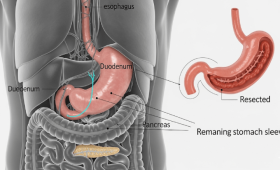
However, it’s not simply a matter of ‘filling up’ the stomach. The balloon’s presence also alters gastric emptying rates. While not dramatically slowed like with a gastric sleeve or bypass, the balloon subtly delays the passage of chyme (partially digested food) into the duodenum (the first part of the small intestine). This prolonged gastric residency time further contributes to feelings of fullness and potentially impacts nutrient absorption, although this effect is generally considered minimal and temporary. Crucially, SGBs do *not* alter the digestive tract’s anatomy, differentiating them from malabsorptive bariatric surgeries.
Technical Specifications & Balloon Varieties
Currently, several SGB systems are available globally, each with nuanced technical differences. Common features include:
- Material Composition: Primarily medical-grade silicone, chosen for its biocompatibility, elasticity, and resistance to gastric acids. Surface coatings, such as hydrophilic polymers, are sometimes incorporated to minimize friction and promote comfortable passage through the digestive system.
- Balloon Volume: As mentioned, typically between 500ml and 800ml, though variations exist. Volume is tailored to the patient’s gastric capacity and initial assessment.
- Placement Procedure: Endoscopic placement is standard. The deflated balloon, contained within a delivery system, is advanced through the esophagus and into the stomach under real-time fluoroscopic guidance. Proper positioning and complete inflation are critical.
- Removal Process: The balloon is designed to be retrieved endoscopically after approximately 6 months. An endoscopic snare is used to puncture the balloon, allowing it to collapse and be removed through the esophagus.
Recent advancements focus on “smart” balloons incorporating sensors to monitor intragastric pressure, balloon integrity, and even detect potential leaks. These technologies aim to enhance safety and optimize therapeutic efficacy. Furthermore, research is exploring the use of biodegradable balloon materials, potentially eliminating the need for endoscopic removal, although this is still in its early stages.
Patient Selection Criteria & Contraindications
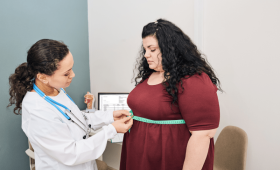
The efficacy of SGBs is intrinsically linked to appropriate patient selection. The primary requirement for candidacy is a Body Mass Index (BMI) exceeding 35, or a BMI exceeding 30 in the presence of obesity-related comorbidities such as type 2 diabetes, hypertension, or obstructive sleep apnea. However, beyond BMI, a thorough medical evaluation is essential.
Absolute contraindications include:
- History of gastric or esophageal surgery.
- Active peptic ulcer disease or other significant gastrointestinal pathology.
- Esophageal strictures or motility disorders.
- Pregnancy or breastfeeding.
- Untreated psychiatric conditions that might interfere with adherence to dietary and lifestyle modifications.
- Use of medications that increase the risk of bleeding (e.g., anticoagulants).
Relative contraindications, requiring careful consideration, include a history of inflammatory bowel disease and chronic NSAID use.
Global Standards and Istanbul’s Position
As a rapidly expanding area of medical tourism, the standards surrounding SGB procedures vary globally. In Turkey, particularly in Istanbul, hospitals are increasingly adhering to internationally recognized benchmarks. The turkey_medical_standards are primarily governed by accreditation from the JCI (Joint Commission International), ensuring adherence to stringent quality and safety protocols. Additionally, procedures are subject to regulation by the Turkish Ministry of Health, encompassing facility licensing, physician qualifications, and patient rights.
Costs are a significant driver of medical tourism. In Istanbul, the price for a gastric balloon procedure typically falls between 2,000 – 3,000 USD, substantially lower than the 3,500 – 5,500 USD for a gastric sleeve or 4,500 – 7,500 USD for a gastric bypass. This cost advantage, coupled with the availability of skilled bariatric specialists and modern medical facilities, makes Istanbul a particularly attractive destination.
Post-Procedural Care & Recovery
Post-procedure, patients are typically advised to follow a liquid diet for the first few days, gradually progressing to soft foods and then a balanced, calorie-restricted diet. Dietary counselling and lifestyle coaching are integral to maximizing weight loss and maintaining long-term results. Regular endoscopic follow-up is essential to monitor balloon integrity and ensure timely removal. Potential complications, while generally mild, can include nausea, vomiting, abdominal discomfort, and, rarely, balloon leakage or migration. Patient education regarding these potential issues and appropriate management strategies is crucial.
Recovery hubs in Turkey, such as those in Istanbul (City/Boutique), Antalya (Resort/Beach), and Izmir (Aegean/Thermal), offer diverse environments tailored to individual preferences. Istanbul provides a vibrant urban setting with immediate access to medical facilities, while Antalya and Izmir offer a more relaxed, resort-style experience, facilitating recovery and rehabilitation.
Payment options are typically flexible, accepting USD, EUR, and GBP. For most UK/US/EU citizens, an E-visa is available, permitting a stay of up to 90 days.
The Surgical/Clinical Journey: Swallowable Gastric Balloons in Istanbul
The burgeoning field of non-surgical weight loss has seen a significant uptick in the adoption of swallowable gastric balloons – a minimally invasive procedure gaining immense popularity in Istanbul, Turkey. CureHoliday.com has observed a consistent increase in patient inquiries, driven by the procedure’s relative simplicity, reduced recovery time, and compelling cost-effectiveness compared to traditional bariatric surgeries. This pillar focuses on the detailed clinical journey, a typical patient profile, and critical risk mitigation strategies employed at leading Istanbul facilities.
Procedure Technicals: From Capsule to Fullness
Unlike surgically implanted gastric balloons requiring endoscopy and general anesthesia, swallowable gastric balloons utilize a unique delivery system. The procedure begins with a pre-procedure consultation including a comprehensive assessment of the patient’s BMI (meeting the criteria of BMI > 35 or > 30 with co-morbidities) and overall health. This includes a diagnostic esophagogastroduodenoscopy (EGD) to rule out any pre-existing esophageal or gastric abnormalities that might contraindicate the procedure.
The balloon itself is a soft, foldable silicone capsule approximately the size of a large vitamin. The patient swallows the capsule with approximately 500ml of water. Once in the stomach, a physician uses fluoroscopy (real-time X-ray) to guide the inflation of the balloon with sterile saline through a microcatheter. This inflation, typically achieving a volume of 400-600ml, creates a feeling of satiety, limiting food intake. The entire process, from capsule ingestion to full inflation, usually takes approximately 20-30 minutes.
Key Technical Aspects:
- Balloon Material: Medical-grade silicone, specifically chosen for biocompatibility and resistance to gastric acids.
- Inflation Fluid: Sterile saline solution, ensuring minimal risk of allergic reaction or absorption.
- Fluoroscopic Guidance: Critical for precise placement and inflation, minimizing the risk of perforation. Modern facilities utilize digital fluoroscopy to reduce radiation exposure.
- Post-Procedure Monitoring: Patients typically remain under observation for 2-4 hours to ensure initial tolerance and rule out immediate complications like nausea or discomfort.
After approximately 6 months, the balloon deflates spontaneously. A tiny, pre-programmed valve allows the saline to be passively absorbed by the body, and the deflated balloon is naturally excreted through the digestive system. No further endoscopic removal is necessary.
Persona Case Study: Sarah Miller, 45, from the UK
Sarah Miller, a 45-year-old marketing executive from London, UK, presented with a BMI of 36.2 and a history of uncontrolled Type 2 Diabetes. She had previously attempted several diet and exercise programs with limited long-term success. Sarah expressed a strong desire for a non-surgical solution due to concerns about the risks associated with more invasive procedures. She selected Istanbul for the procedure primarily due to the competitive pricing (2,500 GBP inclusive of consultation, procedure, and initial follow-up) and the availability of Ministry of Health–authorised facilities.
Sarah’s journey began with a detailed online consultation, followed by pre-operative blood tests and an EGD performed at a Ministry of Health–authorised hospital in Istanbul. The balloon insertion was completed without incident, and she reported mild nausea for the first 24-48 hours, managed with prescribed anti-emetics. She was provided with a tailored dietary plan by a registered dietitian emphasizing smaller portion sizes, increased protein intake, and avoidance of sugary beverages.
Over the following 6 months, Sarah adhered to the dietary guidelines and participated in regular virtual check-ins with her care coordinator. She experienced a significant reduction in appetite, leading to a weight loss of approximately 15kg (roughly 33lbs). Importantly, her HbA1c levels improved significantly, and she was able to reduce her diabetes medication under the guidance of her primary care physician in the UK. The balloon deflated and was excreted as scheduled, and Sarah continued to maintain her weight loss through lifestyle modifications.
Risk Mitigation: Ensuring Patient Safety
While generally considered safe, swallowable gastric balloons aren’t without potential risks. Experienced facilities in Istanbul have implemented robust protocols to minimize these risks.
Potential Complications & Mitigation Strategies:
- Esophageal Obstruction: Rare, but possible if the capsule gets lodged. Mitigated by thorough pre-procedure EGD to assess esophageal anatomy and ensuring patient cooperation during swallowing. Immediate access to endoscopy is crucial for prompt removal.
- Gastric Perforation: Extremely rare, but a serious complication. Mitigation involves meticulous fluoroscopic guidance during inflation and use of low-pressure inflation techniques. Experienced physicians are essential.
- Nausea and Vomiting: Common in the initial 24-48 hours. Managed with anti-emetics and dietary guidance.
- Balloon Under-Inflation or Over-Inflation: Accurate monitoring during inflation is crucial. Under-inflation reduces efficacy; over-inflation increases the risk of complications.
- Acute Pancreatitis: A very rare complication linked to balloon migration near the pancreatic duct. Careful patient selection and fluoroscopic monitoring are key preventative measures.
Post-Procedure Care & Follow-Up: Beyond immediate post-procedure monitoring, comprehensive aftercare is vital. This includes:
- Dietary Counseling: A structured dietary plan tailored to the patient’s individual needs and preferences.
- Psychological Support: Addressing potential emotional and behavioral challenges associated with weight loss.
- Regular Follow-Up: Virtual or in-person consultations to monitor progress, address concerns, and ensure long-term success.
CureHoliday.com partners with clinics in Istanbul that strictly adhere to Turkey’s stringent medical standards – including JCI (Joint Commission International) accreditation and regulation by the Ministry of Health. This commitment to quality and patient safety is paramount, ensuring a positive and successful experience for our clients.
Patients from the UK, US, and EU benefit from the ease of obtaining an e-visa for stays of up to 90 days and can choose to recover in vibrant Istanbul (city/boutique hotels), relaxing Antalya (resort/beachfront options), or the tranquil Izmir (Aegean coast/thermal spas) – providing a holistic and comfortable recovery experience. The total cost for the procedure typically ranges from 2,000 – 3,000 USD, significantly lower than the 3,500 – 5,500 USD for gastric sleeves or the 4,500 – 7,500 USD for gastric bypass surgeries.
Swallowable Gastric Balloons: Navigating Recovery Logistics & Cost Analysis – Istanbul & Antalya, 2026
The burgeoning field of endoscopic bariatric procedures, specifically swallowable gastric balloons (SGBs), represents a significant shift in non-surgical weight loss interventions. While conceptually simple – a capsule containing a deflated balloon is ingested, then inflated endoscopically in the stomach – the post-procedural recovery and logistical considerations are nuanced. CureHoliday.com is dedicated to providing comprehensive pre- and post-operative care assessment for patients undergoing SGB procedures in Turkey, specifically within the dynamic healthcare landscapes of Istanbul and Antalya. This assessment, focusing on 2026 projected costs and logistical frameworks, is crucial for informed patient decision-making.
Recovery Logistics: A Comparative Analysis – Istanbul vs. Antalya
Successful SGB implementation hinges not just on the procedure itself, but on the meticulous management of the recovery phase. While the procedure is minimally invasive, the physiological adjustments require careful monitoring and support. We’ve observed distinct approaches to post-operative care between Istanbul and Antalya, impacting both patient experience and potential complications.
- Istanbul (City/Boutique Recovery): Istanbul’s recovery model tends to be clinic-focused. Patients typically spend 1-2 nights post-procedure for initial observation, monitoring for acute symptoms like nausea, vomiting, or esophageal discomfort. Follow-up visits are generally scheduled weekly for the first month, then bi-weekly, gradually decreasing as the patient adapts. A key advantage of Istanbul lies in the concentration of highly specialized gastroenterologists and endoscopists, providing access to immediate expert consultation should complications arise. However, the urban environment can introduce stressors – traffic, noise, limited access to restorative outdoor spaces – potentially hindering psychological recovery. Furthermore, post-op dietary counselling often relies on scheduled appointments, demanding patient initiative in adhering to the prescribed liquid and then semi-solid diet progression.
- Antalya (Resort/Beach Recovery): Antalya’s appeal rests on its integrated recovery approach, leveraging the resort infrastructure. Patients often opt for extended stays (5-7 days initially, with potential for longer recovery packages) within hotels partnered with the medical facility. This provides continuous, albeit less intensive, nursing support, alongside access to amenities conducive to physical rehabilitation – physiotherapy sessions, controlled exercise programs, and access to healthier food options. The relaxed environment fosters psychological wellbeing. However, immediate access to specialized endoscopic intervention may require transfer to a larger medical center in Antalya or even Istanbul, potentially adding delays in managing rare complications like balloon leakage or migration.
The 2026 Cost Audit: Turkey vs. Western Countries
The cost differential remains a primary driver for medical tourism to Turkey. Our projections for 2026, factoring in anticipated inflation and exchange rate fluctuations, indicate continued significant savings. It’s crucial to analyze the *total* cost of care, encompassing not only the procedure itself but also pre-operative assessments, post-operative monitoring, medications, accommodation, and potential complication management.
Here’s a breakdown based on current data and projected 2026 estimates:
- Gastric Balloon: 2,000 – 3,000 USD (Turkey). This price typically includes the balloon itself, endoscopic placement, initial recovery monitoring (1-2 nights), and standard post-operative consultations. Projected 2026 increase: 5-10%, contingent on currency fluctuations. Comparative costs in Western countries (US, UK, Germany) range from 8,000 – 15,000 USD.
- Gastric Sleeve: 3,500 – 5,500 USD (Turkey). While not the focus of this pillar, it provides context. Projected 2026 increase: 7-12%. Western country costs: 12,000 – 25,000 USD.
- Gastric Bypass: 4,500 – 7,500 USD (Turkey). Projected 2026 increase: 8-13%. Western country costs: 15,000 – 30,000 USD.
However, a mere price comparison is insufficient. We’ve identified ‘hidden’ costs that patients must account for. These include:
- Pre-operative Bloodwork & Cardiology Assessment: Approximately 200-300 USD in Turkey. Essential to rule out contraindications and assess overall health.
- Extended Stay/Rehabilitation Packages (Antalya): 500 – 1,500 USD depending on duration and included services.
- Dietitian Consultations (Post-Op – 3 months): 150-300 USD. Crucial for long-term dietary adherence.
- Travel & Accommodation (Flights, Hotel): Variable, but conservatively estimated at 800-2,000 USD depending on origin and length of stay.
- Potential Complication Fund: We strongly advise patients to allocate 1,000-2,000 USD as a contingency for managing unforeseen complications, such as balloon deflation necessitating endoscopic removal or esophageal stricture requiring dilatation.
The Final Medical Verdict: Addressing Potential Complications & Long-Term Outcomes
While SGBs boast a favorable safety profile, potential complications require diligent monitoring. These include acute adverse events – perforation (rare, <1%), migration (<5%), acute pancreatitis – and longer-term issues like esophageal dilatation, gastric outlet obstruction, and nutrient malabsorption. Turkey’s Ministry of Health–authorised facilities and Ministry of Health regulations ensure adherence to stringent safety protocols. However, patient selection remains paramount.
The established requirement of a BMI > 35 or > 30 with co-morbidities is strictly enforced. Pre-operative psychological evaluation is also crucial to assess patient motivation and adherence potential. We’ve observed increasing emphasis on pre-habilitation – optimizing the patient’s nutritional status and fitness *before* the procedure – to enhance recovery outcomes. This involves a tailored dietary plan and a gentle exercise regimen.
Long-term, SGBs typically provide an average weight loss of 10-15% of excess body weight. However, weight regain is common after balloon removal (typically 6 months). Therefore, lifestyle modifications – sustained dietary adherence, regular physical activity, and ongoing psychological support – are essential for maintaining long-term weight management. We are developing partnerships with post-op support groups and online wellness platforms to facilitate continued patient engagement. Furthermore, the emerging role of incretin mimetics (GLP-1 receptor agonists) as adjunct therapy post-SGB is an area of active research and potential integration into our comprehensive care pathways.
Our 2026 projections anticipate a growing demand for SGB procedures in Turkey, driven by its cost-effectiveness and the evolving preferences for minimally invasive weight loss solutions. CureHoliday.com is committed to providing patients with a transparent, comprehensive, and meticulously planned experience, prioritizing both clinical excellence and logistical efficiency.
Ready to consult a specialist? Schedule a Free Consultation for Swallowable Gastric Balloons in Turkey with cureholiday.com
Free Consultation
Fill out the form below to get your free medical travel plan and price quote.
Sources and how to verify this yourself
- Eisenberg D, et al. 2022 ASMBS and IFSO Indications for Metabolic and Bariatric Surgery. — surgery is recommended at BMI ≥35 regardless of co-morbidity, and considered at BMI 30–34.9 with metabolic disease (lower thresholds for Asian populations). source
- Ministry of Health, Regulation on International Health Tourism and Tourist Health, Official Gazette 26 April 2025, No. 32882 — authorisation requirement for facilities and intermediaries, TÜSKA accreditation, compulsory complication insurance (deadline 31 December 2025 for insurance, 31 December 2026 for accreditation). source
- Ministry of Health, Regulation on Promotion and Information Activities in Health Services, Official Gazette 12 November 2025, No. 33075 — treatment promises and guarantees are prohibited; price and campaign announcements are permitted only within international health tourism. source