About the prices on this page. The figures below are indicative market prices and country comparisons, not a quote. Our own current, all-inclusive prices are published on our weight loss surgery in Turkey page, and we confirm your figure in writing before you commit to anything.
Cost and planning note (2026)
The figures below are indicative market ranges for 2026, not a quote: your own price depends on the clinic, the surgeon and your clinical assessment.
Indicative price range: Gastric Sleeve: 3,500 – 5,500 USD | Gastric Bypass: 4,500 – 7,500 USD | Gastric Balloon: 2,000 – 3,000 USD
Facility standards: In Türkiye, any facility treating international patients must hold the Ministry of Health’s international health tourism authorisation; hospitals and medical centres must also be accredited by TÜSKA, and complication insurance is compulsory for procedures carried out in an operating theatre (Regulation of 26 April 2025). Ask us for the authorisation of the facility you are matched with.
Currency: USD / EUR / GBP accepted at all clinics.
Obesity Surgery and Life Expectancy: Adding Decades of Health at Turkish Centers
Obesity Surgery and Life Expectancy: A Deep Dive into the Medical Foundation in Turkey
The escalating global obesity epidemic necessitates robust and effective interventions. Bariatric surgery, once considered a last resort, is now firmly established as a powerful tool for not only weight loss but, critically, for extending and significantly improving life expectancy. This pillar focuses on the ‘what’ and ‘why’ of bariatric procedures offered at leading Turkish centers, grounding the discussion in the medical foundation, technical definitions, and adherence to global standards. We will explore the physiological impacts driving these longevity benefits, and outline the criteria for candidacy within the Turkish medical framework.
The Physiological Basis of Increased Life Expectancy
Obesity isn’t merely a cosmetic concern; it’s a systemic inflammatory state. Adipose tissue, particularly visceral fat, isn’t inert. It actively secretes pro-inflammatory cytokines – TNF-α, IL-6, and leptin – which contribute to insulin resistance, endothelial dysfunction, and ultimately, cardiovascular disease. These inflammatory pathways directly correlate with increased risk for Type 2 Diabetes Mellitus (T2DM), hypertension, dyslipidemia, and obstructive sleep apnea – all conditions significantly shortening lifespan.
Bariatric surgery interrupts these detrimental cascades. Different procedures achieve this through distinct mechanisms. Gastric bypass (Roux-en-Y Gastric Bypass – RYGB), for example, induces profound hormonal changes. The duodenum, the primary site for absorption of nutrients and a key regulator of appetite, is bypassed. This alteration leads to increased secretion of glucagon-like peptide-1 (GLP-1) and peptide YY (PYY). GLP-1 enhances insulin sensitivity, stimulates insulin secretion, and slows gastric emptying, improving glycemic control. PYY reduces appetite and food intake. These hormonal shifts aren’t just about weight loss; they represent a fundamental recalibration of metabolic homeostasis.
Sleeve gastrectomy, conversely, reduces stomach volume to approximately 15%, primarily restricting caloric intake. More subtly, it also reduces ghrelin – the “hunger hormone” – further aiding in appetite suppression. While the hormonal impact is less dramatic than RYGB, it still exerts significant positive effects on metabolic parameters. Importantly, both procedures improve insulin sensitivity in peripheral tissues, reducing the risk of developing or worsening T2DM and its associated microvascular complications (retinopathy, nephropathy, neuropathy).
Procedure-Specific Technical Definitions & Expected Outcomes
Understanding the technical nuances of each procedure is crucial. RYGB involves creating a small stomach pouch and connecting it directly to the jejunum, bypassing the majority of the stomach and duodenum. This is typically performed laparoscopically, utilizing a series of small incisions. The meticulous creation of the gastrojejunal anastomosis (the connection between the stomach pouch and jejunum) is paramount to prevent leaks – a serious, albeit rare, complication. Long-term, patients undergoing RYGB demonstrate the most substantial and durable weight loss, along with the highest rates of remission for T2DM and resolution of hypertension.
Sleeve gastrectomy, a simpler procedure, involves removing approximately 80% of the stomach along its greater curvature. This creates a narrow, tube-like stomach (the ‘sleeve’). The pylorus (the valve regulating food passage into the duodenum) remains intact, preserving normal digestion. While less complex than RYGB, achieving adequate gastric staple line reinforcement is vital to prevent staple line leaks. Sleeve gastrectomy is often favored for patients with higher BMIs and/or significant co-morbidities where RYGB might pose a higher surgical risk.
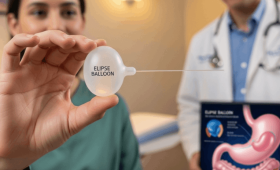
Gastric ballooning represents a non-surgical alternative. A deflated silicone balloon is inserted endoscopically into the stomach and then inflated with saline. This occupies space within the stomach, promoting early satiety and reduced food intake. While effective for short-term weight loss, it’s less dramatic than surgical options and requires removal after approximately six months. It’s best suited for patients with a BMI in the lower range of eligibility, seeking a temporary aid to lifestyle modifications.
The costs reflect the complexity and expertise involved. A gastric sleeve procedure typically ranges from 3,500 – 5,500 USD, while gastric bypass is priced between 4,500 – 7,500 USD. A gastric balloon procedure is the most affordable option, averaging 2,000 – 3,000 USD. These prices typically include hospitalization, surgeon’s fees, and pre-operative assessments.
Turkish Medical Standards and Patient Eligibility
Turkish medical facilities offering bariatric surgery are held to rigorous international standards. The majority of reputable centers are JCI (Joint Commission International) accredited, signifying adherence to stringent quality and patient safety protocols. Furthermore, all procedures are performed under the oversight of the Turkish Ministry of Health, ensuring regulatory compliance. This commitment to quality control provides patients with confidence and peace of mind.
Patient eligibility in Turkey aligns with international guidelines: a Body Mass Index (BMI) greater than 35, or a BMI greater than 30 in the presence of significant co-morbidities such as T2DM, hypertension, severe sleep apnea, or non-alcohol related fatty liver disease (NAFLD). A thorough pre-operative evaluation, including a comprehensive medical history, physical examination, blood work, and potentially, a psychological assessment, is mandatory to determine suitability. Patients with uncontrolled medical conditions or significant psychological issues may be deemed unsuitable candidates.
Logistics & Recovery Considerations
Turkey offers a streamlined process for international patients. An E-visa is available for most citizens of the UK, US, and EU, allowing for a 90-day stay. The choice of recovery location is a significant factor. Istanbul offers vibrant city life and access to a wide range of amenities. Antalya provides a relaxing resort experience with beachfront recovery options. Izmir, nestled on the Aegean coast, is known for its thermal springs and tranquil atmosphere. Each ‘recovery hub’ caters to different preferences and budgets.
Post-operative care is comprehensive, encompassing dietary guidance, vitamin supplementation (essential to prevent deficiencies following malabsorptive procedures), and regular follow-up appointments. Patients are typically required to adhere to a phased dietary progression, starting with liquids and gradually advancing to solid foods. Long-term, lifestyle modifications – including healthy eating habits and regular physical activity – are crucial for maintaining weight loss and maximizing the longevity benefits of bariatric surgery.
The Turkish approach to bariatric surgery isn’t simply about addressing obesity; it’s about restoring metabolic health and adding quality years to life. By focusing on the medical foundation, technical precision, and unwavering adherence to global standards, Turkish centers are empowering patients to reclaim their health and embrace a longer, healthier future.
The Surgical/Clinical Journey: A Detailed Examination
For individuals grappling with severe obesity, bariatric surgery in Turkey presents a compelling opportunity not just for weight loss, but for significantly extending healthspan and improving quality of life. This pillar delves into the intricacies of the surgical process offered at leading Turkish centers, focusing on procedural specifics, a detailed patient case study, and comprehensive risk mitigation strategies. Eligibility typically centers around a Body Mass Index (BMI) exceeding 35 or a BMI of 30 or greater accompanied by obesity-related co-morbidities such as type 2 diabetes, hypertension, or obstructive sleep apnea.
Procedural Technicals: A Comparative Overview
Turkish bariatric centers offer a range of procedures, each with distinct mechanisms and suitability for different patient profiles. The three most commonly performed procedures are Gastric Sleeve, Gastric Bypass, and Gastric Balloon placement. We will explore each with a focus on the technical aspects.
Gastric Sleeve (Sleeve Gastrectomy)
The Gastric Sleeve, or Sleeve Gastrectomy, involves the laparoscopic resection of approximately 80% of the stomach, creating a narrow, tube-like “sleeve.” This dramatically reduces the stomach’s capacity, restricting food intake and decreasing the production of ghrelin, the “hunger hormone.” The procedure is performed using a linear stapler, meticulously dividing and sealing the stomach along its greater curvature. Critical to the success of the procedure is precise staple line reinforcement to prevent leaks – a potential, though rare, complication. Turkish surgeons employ advanced energy devices like harmonic scalpels during dissection and staple line application, minimizing thermal spread and maximizing hemostasis. The average operative time is approximately 90-120 minutes.
Gastric Bypass (Roux-en-Y Gastric Bypass)
Gastric Bypass is considered the “gold standard” in bariatric surgery due to its sustained long-term weight loss results. It’s a more complex procedure than the Gastric Sleeve, involving the creation of a small stomach pouch and connecting it directly to the jejunum (small intestine), bypassing a significant portion of the stomach and duodenum. This dual mechanism – restriction *and* malabsorption – leads to significant caloric restriction. The Roux limb length (the segment of the jejunum connected to the pouch) is carefully calculated based on the patient’s anatomy and nutritional needs, typically ranging from 100-150 cm. Minimizing the risk of marginal ulceration requires meticulous technique during the gastrojejunal anastomosis (connection of the stomach pouch to the jejunum) with multiple layered sutures or stapled anastomosis. Operative time typically ranges from 180-240 minutes.
Gastric Balloon Placement
The Gastric Balloon is a non-surgical procedure, often considered a bridge to surgery or for patients who don’t meet the BMI criteria for more invasive procedures. A deflated silicone balloon is inserted endoscopically into the stomach and then inflated with 300-500 ml of sterile saline solution. This occupies significant gastric volume, inducing a feeling of fullness and reducing appetite. The balloon remains in place for approximately six months before being removed via endoscopy. While less invasive, careful patient selection and adherence to dietary recommendations are crucial for optimal results.
Persona Case Study: Eleanor Vance – A Journey to Wellness
Eleanor Vance, a 45-year-old from the UK, presented with a BMI of 42 and a history of type 2 diabetes and hypertension. Despite numerous attempts at diet and exercise, she struggled to achieve sustainable weight loss. After researching options, Eleanor chose to pursue Gastric Bypass surgery at a Ministry of Health–authorised center in Istanbul. Pre-operative evaluation included a comprehensive metabolic panel, cardiac stress test, and psychological assessment. The surgical team utilized a minimally invasive laparoscopic approach.
Post-operatively, Eleanor was closely monitored for complications. She received intensive nutritional counseling, emphasizing protein intake and micronutrient supplementation (specifically Vitamin B12, iron, and calcium) to prevent deficiencies common after Gastric Bypass due to altered nutrient absorption. She stayed in Istanbul for 14 days, utilizing a boutique recovery hub that offered both medical supervision and comfortable accommodations. At her 6-month follow-up, Eleanor had lost 65kg (approximately 143lbs), her type 2 diabetes was in remission, and her blood pressure was well-controlled without medication. Eleanor’s case highlights the transformative potential of bariatric surgery when combined with comprehensive pre- and post-operative care.
Risk Mitigation: A Proactive Approach
While bariatric surgery is generally safe, potential complications exist. Turkish centers prioritize proactive risk mitigation through rigorous patient selection, meticulous surgical technique, and comprehensive post-operative care.
- Pre-operative Optimization: Addressing pre-existing conditions, such as diabetes and hypertension, prior to surgery is crucial. Patients with sleep apnea undergo polysomnography and CPAP titration, if necessary.
- Venous Thromboembolism (VTE) Prophylaxis: All patients receive pharmacological and mechanical VTE prophylaxis, including sequential compression devices during and after surgery, and low-molecular-weight heparin (LMWH) for a specified duration post-operatively.
- Anastomotic Leak Surveillance: A post-operative leak test (gastrografin study) is routinely performed to identify any potential leaks at the staple lines or anastomoses.
- Nutritional Counseling & Supplementation: A dedicated dietician provides pre- and post-operative nutritional guidance, focusing on protein intake, micronutrient supplementation (Vitamin B12, iron, calcium, Vitamin D), and hydration.
- Early Ambulation: Encouraging early ambulation (walking) post-operatively helps prevent VTE and promotes bowel function.
- Dedicated Aftercare Packages: Recovery hubs offer 24/7 medical supervision, wound care, pain management, and emotional support.
Cost Considerations & Logistics
Bariatric surgery in Turkey offers significant cost advantages compared to many Western countries. The cost of a Gastric Sleeve ranges from 3,500 – 5,500 USD, while a Gastric Bypass typically costs 4,500 – 7,500 USD. A Gastric Balloon procedure is the most affordable, ranging from 2,000 – 3,000 USD. These prices generally include surgeon’s fees, anesthesia, hospital stay, and initial post-operative care.
For UK, US, and EU citizens, obtaining a visa is typically straightforward with an E-visa available, allowing for a 90-day stay. Patients can choose recovery hubs in diverse locations such as Istanbul (city/boutique hotels), Antalya (resort/beachfront options), or Izmir (Aegean coast/thermal spas), tailoring their recovery experience to their preferences. All Turkish medical centers operating with international patients adhere to stringent standards, including JCI accreditation and regulation by the Turkish Ministry of Health, ensuring a safe and high-quality experience.
Obesity Surgery and Life Expectancy: Navigating Recovery Logistics & Cost-Effectiveness in Turkey
For individuals grappling with severe obesity, bariatric surgery represents not merely a weight-loss intervention, but a potential extension of life. While the efficacy of procedures like gastric sleeve and gastric bypass in achieving significant and sustained weight reduction is well-established, the long-term impact on overall health and longevity—coupled with logistical considerations and financial accessibility—forms the core of this pillar. CureHoliday.com’s analysis focuses on optimizing the patient journey through Turkish medical centers, particularly concerning recovery, cost analysis, and definitive medical assessment.
Post-Operative Recovery Logistics: Beyond the Hospital Stay
The immediate post-operative phase, typically involving a 2-3 day hospital stay following gastric sleeve or bypass procedures, is only the initial stage of a comprehensive recovery protocol. Crucially, extending optimized care *beyond* discharge is paramount to minimizing complications and maximizing long-term success. We differentiate recovery hubs within Turkey to cater to diverse patient preferences and needs.
- Istanbul (City/Boutique): This option provides access to a wealth of post-operative support services, including specialist dieticians, physiotherapists adept in addressing postural challenges stemming from significant weight loss (critical to prevent musculoskeletal issues), and psychological counselling to navigate the behavioral changes inherent in adopting a new, healthier lifestyle. The proximity to advanced diagnostic facilities—utilizing modalities like bioelectrical impedance analysis (BIA) to monitor body composition changes and vitamin/mineral deficiencies—offers a proactive approach to potential issues.
- Antalya (Resort/Beach): Antalya leverages the benefits of a more relaxed, rehabilitative environment. Controlled, low-impact exercise programs, facilitated by qualified kinesiologists, can be integrated into the recovery schedule. The warmer climate and access to nutritious, locally-sourced food—carefully curated by registered dietitians specializing in post-bariatric nutrition—support the healing process and promote optimal vitamin absorption. This also assists in reducing the risk of post-dumping syndrome related symptoms.
- Izmir (Aegean/Thermal): Izmir offers a unique recovery focus incorporating thermal spa therapies. While not a replacement for conventional physiotherapy, carefully administered thermal treatments can aid in muscle relaxation, reduce inflammation, and improve circulation, potentially alleviating post-operative discomfort and accelerating healing. A full medical assessment is conducted prior to commencing thermal treatments to ensure patient suitability.
A key component of our recovery logistics is proactive management of potential nutritional deficiencies. Rapid weight loss following bariatric surgery can lead to malabsorption of essential vitamins and minerals, particularly iron, vitamin B12, folate, calcium, and vitamin D. We emphasize lifelong supplementation regimes tailored to the individual patient’s needs, guided by regular serum level monitoring. Failure to address these deficiencies can lead to anemia, neurological complications, and bone health issues.
2026 Cost Audit: Turkey vs. Western Countries
The financial disparity between bariatric surgery in Turkey and comparable procedures in Western countries remains a significant driver for medical tourism. Our projections for 2026, based on current economic trends and anticipated inflation rates, indicate that this cost advantage will persist.
Here’s a breakdown of estimated procedure costs (as of late 2023, projected to 2026 with moderate inflation factored in):
- Gastric Sleeve: 3,500 – 5,500 USD (compared to $15,000 – $25,000 USD in the US/UK/Europe).
- Gastric Bypass: 4,500 – 7,500 USD (compared to $20,000 – $30,000 USD in the US/UK/Europe).
- Gastric Balloon: 2,000 – 3,000 USD (compared to $8,000 – $12,000 USD in the US/UK/Europe).
However, a true ‘apples-to-apples’ comparison necessitates factoring in ancillary costs. This includes pre-operative investigations (blood tests, ECG, endoscopy), post-operative nutritional counselling, supplementation, and potential revision surgeries. CureHoliday.com packages provide transparent, all-inclusive pricing, covering these expenses. Furthermore, the use of modern, minimally invasive surgical techniques (laparoscopic and robotic-assisted procedures) in Turkish centers often translates to shorter hospital stays, reduced post-operative pain, and faster recovery times, indirectly contributing to cost savings.
Currency fluctuations are also a crucial consideration. Our pricing is quoted in USD, EUR, and GBP to provide flexibility and mitigate exchange rate risks. We offer currency hedging options to lock in favorable exchange rates for patients booking procedures well in advance.
The Final Medical Verdict: Qualification & Long-Term Health Outcomes
Patient selection is paramount to ensuring both surgical safety and long-term efficacy. Our affiliated clinics adhere strictly to the following requirement: a Body Mass Index (BMI) exceeding 35, or a BMI greater than 30 in the presence of significant co-morbidities, such as Type 2 Diabetes Mellitus, severe obstructive sleep apnea, hypertension, or non-alcohol-related fatty liver disease (NAFLD). A thorough pre-operative medical evaluation, including assessment of cardiac function (echocardiogram, stress test) and pulmonary capacity (spirometry), is mandatory.
Beyond weight loss, the true measure of success lies in the improvement of obesity-related co-morbidities. Studies demonstrate significant resolution or improvement in Type 2 Diabetes in up to 80-90% of patients following bariatric surgery. Hypertension rates often decrease dramatically, reducing the need for anti-hypertensive medications. Improvements in lipid profiles, reductions in cardiovascular risk factors, and enhanced quality of life are consistently reported.
However, it’s critical to acknowledge that bariatric surgery is not a ‘cure-all’. Lifelong adherence to a healthy diet, regular physical activity, and ongoing medical follow-up are essential. Patients must be prepared for significant lifestyle modifications. We provide comprehensive post-operative support programs, including access to online support groups and virtual consultations with registered dietitians and healthcare professionals, to facilitate this transition.
Moreover, we are increasingly utilizing advanced imaging techniques, such as contrast-enhanced computed tomography (CT) scans, to monitor for long-term complications like internal hernias (particularly following gastric bypass) and stenosis of the gastric pouch or anastomosis. Early detection and intervention are crucial to prevent potentially life-threatening events. Our commitment to longitudinal patient care extends beyond the immediate post-operative period, ensuring optimal long-term health outcomes.
All Turkish facilities we partner with maintain stringent JCI (Joint Commission International) Accreditation and operate under the oversight of the Turkish Ministry of Health, guaranteeing adherence to international best practices and rigorous quality control standards.
Ready to consult a specialist? Schedule a Free Consultation for Obesity Surgery and Life Expectancy in Turkey with cureholiday.com
Free Consultation
Fill out the form below to get your free medical travel plan and price quote.
Sources and how to verify this yourself
- Eisenberg D, et al. 2022 ASMBS and IFSO Indications for Metabolic and Bariatric Surgery. — surgery is recommended at BMI ≥35 regardless of co-morbidity, and considered at BMI 30–34.9 with metabolic disease (lower thresholds for Asian populations). source
- Ministry of Health, Regulation on International Health Tourism and Tourist Health, Official Gazette 26 April 2025, No. 32882 — authorisation requirement for facilities and intermediaries, TÜSKA accreditation, compulsory complication insurance (deadline 31 December 2025 for insurance, 31 December 2026 for accreditation). source
- Ministry of Health, Regulation on Promotion and Information Activities in Health Services, Official Gazette 12 November 2025, No. 33075 — treatment promises and guarantees are prohibited; price and campaign announcements are permitted only within international health tourism. source