
Keratoconus is a progressive eye condition that often begins in the teenage years or early twenties, characterized by the thinning and bulging of the cornea into a cone-like shape. This structural change significantly affects how light enters the eye, leading to distorted vision, increased sensitivity to glare, and a decrease in overall visual quality. Historically, patients with advanced keratoconus had few options beyond rigid contact lenses or, in severe cases, a full corneal transplant. However, the emergence of Corneal Cross-Linking (CXL) has revolutionized the field of ophthalmology. This guide serves as an exhaustive resource to help you understand the mechanics, benefits, and procedural details of the Cross-Linking method, ensuring you have the knowledge necessary to make informed decisions about your eye health.
What Is The Medical Definition Of Keratoconus?
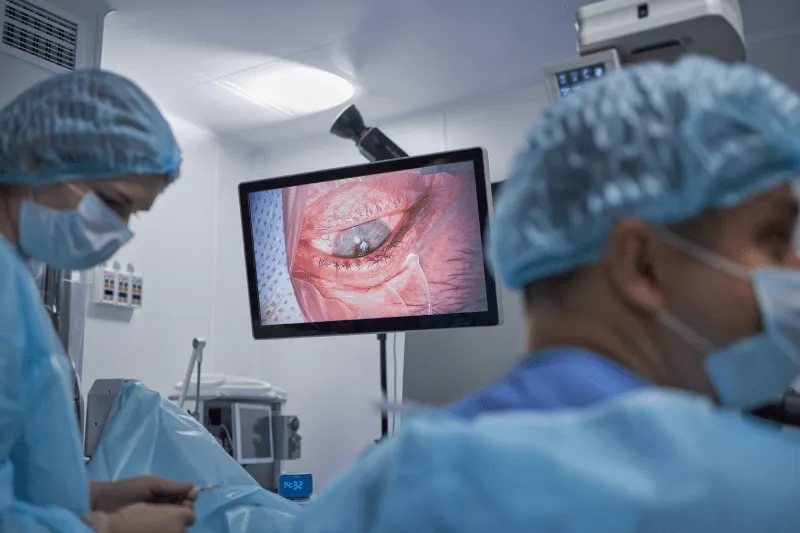
Keratoconus is defined as a non-inflammatory, progressive thinning of the corneal stroma. The cornea is the clear, dome-shaped front surface of your eye that plays a crucial role in focusing light. In a healthy eye, the cornea maintains a regular curvature. In keratoconus, the structural integrity of the corneal tissue weakens, causing it to thin and gradually bulge outward. This transformation from a spherical shape to a conical one creates irregular astigmatism and myopia. Understanding this definition is the first step in recognizing why interventions like Cross-Linking are necessary to stabilize the tissue and prevent further vision loss.
Why Does The Cornea Lose Its Structural Integrity?
The cornea’s strength is derived from collagen fibrils, which are tiny fibers of protein organized in parallel layers. In a patient with keratoconus, the number of “cross-links” or anchors between these collagen fibers is significantly reduced. This lack of internal support makes the corneal tissue soft and pliable. Factors contributing to this weakening include genetic predisposition, oxidative stress, and external triggers such as chronic eye rubbing. When the internal pressure of the eye pushes against this weakened surface, the cornea begins to distend, leading to the characteristic cone shape that defines the condition.
What Are The Primary Symptoms Of Early Keratoconus?
In its earliest stages, keratoconus might be mistaken for simple nearsightedness or astigmatism. Patients often report a slight blurring of vision or a frequent change in their eyeglass prescription. One of the hallmark early symptoms is “ghosting,” where an individual sees multiple images or shadows around a single object. Additionally, increased sensitivity to bright lights and difficulty driving at night due to halos or glare are common complaints. Because these symptoms progress slowly, many individuals do not realize they have a medical condition until the cornea has undergone significant structural changes.
How Does Keratoconus Affect Long Term Vision Quality?
If left unmanaged, keratoconus can lead to severe visual impairment that cannot be corrected with standard eyeglasses. As the cornea becomes more irregular, light rays are scattered rather than focused precisely on the retina. This results in highly distorted vision where straight lines appear wavy and details become impossible to discern. In advanced stages, the cornea may develop scarring due to the extreme stretching of the tissue, which further obscures vision. While it rarely leads to total blindness, the functional loss of sight can drastically impact one’s ability to work, read, or perform daily activities safely.
What Is The Core Objective Of Cross-Linking Therapy?
The primary goal of Corneal Cross-Linking (CXL) is not necessarily to improve vision or eliminate the need for glasses, but rather to halt the progression of keratoconus. By creating new covalent bonds between the corneal collagen fibers, the procedure “stiffens” the cornea, effectively freezing it in its current shape. This stabilization prevents the cornea from thinning further and prevents the bulge from worsening. For many patients, achieving stability is the ultimate victory, as it avoids the need for more invasive procedures like a corneal transplant later in life.
How Was The Cross-Linking Method Developed?
The concept of Corneal Cross-Linking was pioneered in the late 1990s by a team of researchers at the Technical University of Dresden, led by Dr. Theo Seiler. They sought a way to mimic the natural strengthening that occurs in the cornea due to aging or diabetes. By using a combination of Riboflavin (Vitamin B2) and Ultraviolet-A (UV-A) light, they discovered they could induce a photochemical reaction that significantly increased corneal rigidity. This “Dresden Protocol” became the foundation for modern keratoconus treatment and has since been refined through decades of clinical trials and technological advancements.
What Role Does Riboflavin Play In The Procedure?
Riboflavin, commonly known as Vitamin B2, acts as a photosensitizer during the Cross-Linking procedure. It serves two vital functions. First, when exposed to UV-A light, it helps generate reactive oxygen species that facilitate the formation of new bonds between collagen strands. Second, Riboflavin acts as a protective shield for the deeper structures of the eye, such as the lens and the retina. By absorbing the majority of the UV radiation within the corneal stroma, it ensures that the treatment is effective on the surface while remaining safe for the delicate internal components of the eye.
How Does Ultraviolet A Light Interact With The Eye?
Ultraviolet-A (UV-A) light is a specific wavelength of light used to activate the Riboflavin that has been absorbed by the cornea. During the procedure, a controlled beam of UV-A is directed onto the eye for a specific duration. This light energy triggers a process called photo-polymerization. Essentially, the energy from the UV-A light causes the Riboflavin molecules to release free radicals, which then catalyze the creation of new chemical bridges (cross-links) between the collagen molecules. This interaction is the “magic” behind the treatment, turning a weak cornea into a much more resilient structure.
What Are The Differences Between Epi-Off And Epi-On Methods?
There are two primary approaches to Cross-Linking: the “Epithelium-Off” (Epi-Off) and “Epithelium-On” (Epi-On) methods. In the Epi-Off technique, the thin outer layer of the cornea (the epithelium) is gently removed to allow the Riboflavin drops to penetrate the stroma more effectively. This is considered the traditional and most proven method. In contrast, the Epi-On method (also known as trans-epithelial CXL) leaves the outer layer intact, using specialized drops designed to permeate the tissue. While Epi-On offers a faster recovery and less discomfort, Epi-Off remains the gold standard for long-term efficacy and stability.
Why Is The Epithelium Removed In Traditional Cross-Linking?
The corneal epithelium acts as a natural barrier designed to protect the eye from foreign substances. Because Riboflavin molecules are relatively large, they have difficulty passing through an intact epithelium in sufficient concentrations. By removing this layer, surgeons ensure that the Riboflavin saturates the corneal stroma completely. This saturation is critical for the UV-A light to trigger a robust cross-linking reaction throughout the tissue depth. Although removing the epithelium causes temporary discomfort and requires a few days for the layer to regrow, it ensures the highest possible success rate in halting disease progression.
Who Is Considered An Ideal Candidate For This Treatment?
The best candidates for Cross-Linking are individuals who have documented evidence of progressive keratoconus or corneal ectasia after refractive surgery. Generally, the procedure is recommended for younger patients, as they are at the highest risk for rapid progression. A candidate must have a cornea that is not too thin; typically, a minimum thickness of 400 microns is required to ensure the UV-A light does not damage the inner endothelial cells. Additionally, the cornea should be relatively clear of significant scarring. A comprehensive eye exam involving corneal topography is essential to determine if CXL is the right path forward.
How Is The Procedure Performed Step By Step?
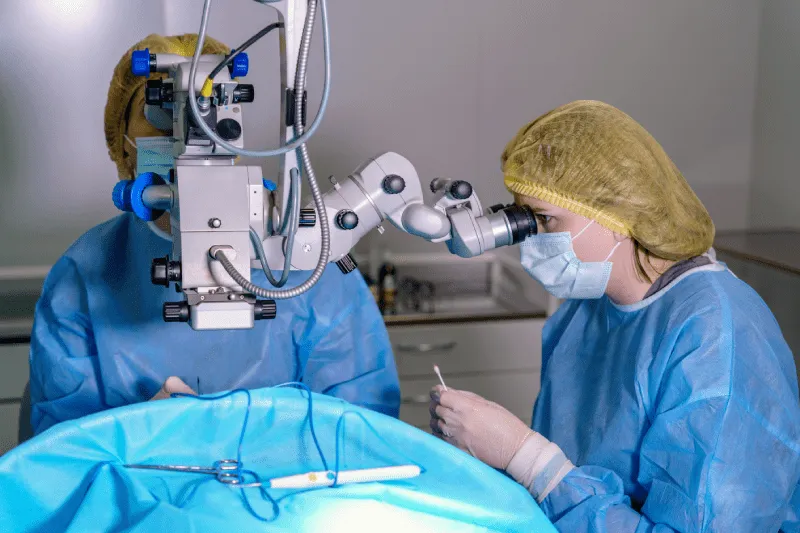
The Cross-Linking procedure is usually performed in an outpatient setting under local anesthesia (numbing eye drops). First, the surgeon prepares the eye, which may involve removing the epithelium if the Epi-Off method is used. Next, Riboflavin drops are applied every few minutes for about 30 minutes until the cornea is fully saturated. Once saturation is confirmed, the patient is positioned under the UV-A light source. The light is applied for a period ranging from 3 to 30 minutes, depending on the protocol used (standard vs. accelerated). Throughout this time, Riboflavin drops continue to be applied to maintain saturation and protection.
Is The Cross-Linking Procedure Painful For The Patient?
During the actual procedure, patients typically do not feel any pain because the eye is thoroughly numbed with anesthetic drops. You may feel a slight pressure or see the bright UV light, but it is not an agonizing experience. The discomfort usually begins a few hours after the procedure, once the numbing drops wear off, especially in the Epi-Off version. Patients often describe a sensation similar to having sand in the eye or a significant “scratchy” feeling. However, this is managed with prescribed pain relievers, cooling drops, and protective bandage contact lenses.
What Should You Expect During The Recovery Phase?
In the first 24 to 72 hours following an Epi-Off procedure, your vision will likely be quite blurry, and your eye may be red, watery, and sensitive to light. This is the period when the epithelium is regenerating. A bandage contact lens is typically placed on the eye to act as a “scab” and protect the healing surface. Most patients find that the significant discomfort subsides within three to four days. Vision may fluctuate for several weeks or even months as the cornea stabilizes. It is crucial to follow the prescribed regimen of antibiotic and anti-inflammatory drops to ensure a smooth and infection-free recovery.
How Long Does It Take For Vision To Stabilize?
One of the most important things for CXL patients to understand is that vision does not improve overnight. In fact, it is common for vision to be slightly worse in the first month following the procedure due to corneal haze, which is a natural part of the healing process. Most surgeons suggest that vision begins to stabilize around the three-to-six-month mark. Final visual outcomes and the full strengthening effect of the cross-linking are typically assessed at the one-year follow-up. Patience is key, as the procedure is a long-term investment in the stability of your sight.
Can Cross-Linking Improve Your Visual Acuity?
While the primary mission of Cross-Linking is to stop progression, many patients do experience a modest improvement in their visual acuity. As the cornea becomes stiffer, the steepness of the cone can sometimes flatten slightly. This reduction in corneal curvature can lead to a decrease in astigmatism and nearsightedness. However, CXL should not be viewed as a refractive surgery like LASIK. Most patients will still require glasses or contact lenses after the procedure, but their vision may be easier to correct, and their lens fit may become more stable and comfortable.
What Are The Potential Risks And Complications?
As with any surgical intervention, Cross-Linking carries some risks, though they are statistically low. The most common complication is corneal haze, which is usually temporary but can occasionally persist. There is a small risk of infection (keratitis) while the epithelium is healing, which is why antibiotic drops are strictly required. Other rare risks include delayed epithelial healing, corneal scarring, or a slight loss of best-corrected vision. However, when compared to the risk of allowing keratoconus to progress to the point of needing a transplant, CXL is considered an exceptionally safe and effective alternative.
How Successful Is Cross-Linking In Stopping Progression?
Clinical studies have shown that Corneal Cross-Linking has a success rate of over 95% in halting the progression of keratoconus. Long-term follow-up data spanning more than a decade suggests that the effects of the treatment are permanent for the vast majority of patients. Only a very small percentage of individuals may require a second “touch-up” procedure years later. Because of this high success rate, CXL has become the standard of care worldwide, significantly reducing the number of corneal transplants performed for keratoconus patients each year.
Can You Wear Contact Lenses After The Procedure?
Yes, most patients can return to wearing contact lenses after their cornea has fully healed and the surface has stabilized. Typically, patients are advised to wait at least four to six weeks before being refitted for lenses. Since the shape of the cornea may have changed slightly, your old lenses might not fit perfectly anymore. This is actually a good time to explore advanced lens options like Scleral lenses, which provide excellent vision and comfort by vaulting over the irregular cornea. Your eye care professional will guide you on the best timing for a new fitting.
Is Cross-Linking Combined With Other Treatments?
Surgeons often use a “CXL Plus” approach to not only stop the disease but also improve the patient’s vision. This might involve combining Cross-Linking with Intacs (corneal inserts) to flatten the cone or following CXL with a specialized laser treatment like Topography-Guided PRK. These combination therapies aim to regularize the corneal surface while the CXL provides the necessary structural foundation. Combining treatments requires a highly skilled surgeon and a customized plan based on the specific geometry of your eye.
What Is The Difference Between Standard And Accelerated CXL?
The original Dresden Protocol involved 30 minutes of UV exposure at a low intensity. “Accelerated Cross-Linking” is a newer advancement that uses a higher intensity of UV light for a shorter duration (e.g., 10 minutes or even less). The principle behind this is the “Law of Reciprocity,” which suggests that the same total energy delivered over a shorter time can produce similar results. Accelerated CXL is becoming increasingly popular because it reduces the time the patient must remain still and minimizes the risk of the cornea drying out during the procedure.
How Do You Prepare For Your Cross-Linking Surgery?
Preparation for CXL is relatively straightforward. If you wear contact lenses, you will need to stop wearing them for a certain period before your pre-operative measurements (usually 1-2 weeks for soft lenses and longer for hard lenses) to allow your cornea to return to its natural shape. On the day of surgery, avoid wearing eye makeup or perfumes. It is also important to arrange for someone to drive you home, as your vision will be blurry and you may be light-sensitive. Having a comfortable, dark space ready at home for your initial recovery is also highly recommended.
Why Is Early Diagnosis Critical For Success?
The effectiveness of Cross-Linking is directly tied to when the treatment is administered. Since CXL works by “freezing” the cornea in its current state, it is best performed before significant vision loss or corneal thinning has occurred. If a patient waits until the cornea is extremely thin or scarred, they may no longer be a candidate for CXL and may have to resort to more invasive surgeries. Regular eye exams with corneal mapping for teenagers and young adults with astigmatism are the best way to catch keratoconus early and intervene while the vision is still highly functional.
What Are The Financial Considerations Of Treatment?
The cost of Corneal Cross-Linking can vary depending on the technology used and the geographical location of the clinic. Many insurance providers now recognize CXL as a medically necessary procedure for progressive keratoconus and provide coverage. However, for those without insurance or those seeking treatment abroad, it is important to factor in the cost of the procedure, post-operative medications, and follow-up visits. Many patients find that the one-time cost of CXL is a significant saving compared to the lifetime costs of specialized lenses and the potential for a corneal transplant.
How Does Medical Tourism Benefit Keratoconus Patients?
Many patients are now choosing to travel abroad for their Cross-Linking treatment to access world-class surgeons and advanced technology at a fraction of the cost found in their home countries. Countries like Turkey have become global hubs for ophthalmology, offering high-end facilities and experienced specialists. Beyond the financial savings, medical tourism allows patients to receive care in clinics that perform thousands of these procedures annually, ensuring a high level of expertise. Additionally, the opportunity to recover in a beautiful, stress-free environment can enhance the overall healing experience.
What Should You Look For In A Treatment Center?
When choosing a facility for your Cross-Linking procedure, quality and experience should be your top priorities. Look for a center that uses FDA-approved or CE-marked equipment and follows established safety protocols. The surgeons should have extensive experience specifically with keratoconus and CXL. It is also important to check if the clinic offers comprehensive post-operative support and utilizes advanced diagnostic tools like the Pentacam or Galilei for precise corneal mapping. Reading patient reviews and success stories can also provide insight into the level of care you can expect.
How Does Diet And Lifestyle Impact Keratoconus?
While diet and lifestyle cannot cure keratoconus, they can play a role in supporting overall eye health. Antioxidant-rich foods, such as leafy greens and berries, may help combat oxidative stress in the corneal tissue. Perhaps the most critical lifestyle factor is avoiding eye rubbing. Chronic, vigorous eye rubbing is strongly linked to the progression of keratoconus, as it puts mechanical stress on the already weakened collagen fibers. After your Cross-Linking procedure, making a conscious effort to stop rubbing your eyes is essential to maintain the long-term stability of the results.
What Is The Future Of Keratoconus Management?
The field of keratoconus treatment is rapidly evolving. Researchers are currently investigating “Customized CXL,” where the UV light is applied in specific patterns tailored to the patient’s topography to achieve better flattening of the cone. There is also ongoing work on pharmacological cross-linking that might not require UV light at all. Furthermore, advancements in 3D printing and bio-engineered corneal tissue offer hope for those with very advanced disease. For now, however, Cross-Linking remains the most effective and widely accessible tool we have to change the life trajectory of a keratoconus patient.

Can Children And Teenagers Undergo Cross-Linking?
Yes, and in many cases, it is encouraged. Keratoconus tends to be more aggressive in younger patients, meaning their vision can deteriorate much faster than in adults. Pediatric cross-linking is safe and highly effective. Because children may have a harder time staying still during the procedure, some clinics offer specialized protocols or light sedation to ensure the treatment is performed accurately. Intervening during the teenage years can often prevent a child from ever experiencing the severe visual limitations that previous generations of keratoconus patients had to endure.
How Do You Monitor For Progression After CXL?
After your procedure, your eye doctor will schedule regular follow-up appointments to monitor the stability of your cornea. These visits usually involve repeating the corneal topography (mapping) tests to compare the shape of the cornea over time. You will also have your visual acuity and intraocular pressure checked. In the first year, you might have appointments at one month, three months, six months, and twelve months. Once stability is confirmed, annual exams are typically sufficient to ensure your eyes remain healthy and the keratoconus stays “frozen.”
What Is The Emotional Impact Of A Keratoconus Diagnosis?
Receiving a diagnosis of a progressive eye disease can be overwhelming and anxiety-inducing. Many patients worry about the possibility of losing their sight or the need for surgery. It is important to remember that with modern treatments like Cross-Linking, the outlook for keratoconus patients is better than it has ever been. Connecting with support groups and talking to others who have undergone CXL can provide much-needed reassurance. Education is the best antidote to fear; understanding that you have a highly effective way to stop the disease can empower you to take control of your visual future.
Why Choose Cure Holiday For Your Eye Care?
When it comes to something as precious as your vision, you deserve a partner that combines medical excellence with compassionate service. Cure Holiday is a premier health tourism provider specializing in connecting patients with top-tier ophthalmology clinics in Turkey. We understand that traveling for medical treatment is a big decision, which is why we meticulously vet our partner surgeons and facilities to ensure they meet the highest international standards. By choosing Cure Holiday, you are not just getting a medical procedure; you are gaining a dedicated team committed to ensuring your journey to better vision is seamless, safe, and successful.
What Benefits Does Cure Holiday Offer To International Patients?
Cure Holiday goes above and beyond to make international medical travel as stress-free as possible. We offer comprehensive packages that include not only the Cross-Linking procedure but also VIP transfers, luxury accommodation, and a personal host who speaks your language. Our partner clinics are equipped with the latest “Accelerated CXL” technology, allowing you to spend less time in the operating room and more time enjoying your recovery. We take care of all the logistics, from booking your appointments to providing detailed post-operative instructions, so you can focus entirely on your healing and eye health.
How Can You Plan Your Medical Trip With Cure Holiday?
Planning your treatment with Cure Holiday is a simple and transparent process. It begins with a free online consultation where you can share your medical history and corneal topography results with our specialists. Based on this information, we provide a customized treatment plan and a clear, all-inclusive quote—no hidden fees. Once you decide to move forward, we handle the scheduling and travel arrangements. Our team is available 24/7 to answer your questions, providing you with the peace of mind that you are in expert hands every step of the way, from your first inquiry to your final check-up.
Why Is Cure Holiday The Best Choice For Keratoconus Treatment?
Cure Holiday stands out because we prioritize patient outcomes and satisfaction above all else. We partner with surgeons who are pioneers in the field of keratoconus treatment, ensuring you have access to the most advanced techniques like Topography-Guided Cross-Linking. Our holistic approach means we support you even after you return home, facilitating communication with your surgeon for long-term follow-up care. Your vision is our mission. By choosing Cure Holiday, you are choosing a future where your keratoconus is managed by the best in the world, allowing you to see the world with clarity and confidence once again.
Conclusion
In summary, the Cross-Linking method is a transformative treatment that has turned keratoconus from a daunting, progressive threat into a manageable condition. By strengthening the cornea and halting its thinning, CXL offers patients a chance to preserve their natural vision and avoid the risks associated with corneal transplantation. Whether you are in the early stages of diagnosis or looking for a way to stabilize your sight, the key is to act quickly.
Don’t let keratoconus define your future. With the expertise of world-class surgeons and the comprehensive support of Cure Holiday, you can access the highest quality of care in a comfortable and professional environment. Take the first step toward stabilizing your vision today. Contact Cure Holiday for a free consultation and discover how the Cross-Linking method can give you the peace of mind you deserve. Your journey to clearer, more stable vision starts here.
Free Consultation
Fill out the form below to get your free medical travel plan and price quote.
Sources and how to verify this yourself
- Ministry of Health, Regulation on International Health Tourism and Tourist Health, Official Gazette 26 April 2025, No. 32882 — authorisation requirement for facilities and intermediaries, TÜSKA accreditation, compulsory complication insurance (deadline 31 December 2025 for insurance, 31 December 2026 for accreditation). source
- Ministry of Health, Regulation on Promotion and Information Activities in Health Services, Official Gazette 12 November 2025, No. 33075 — treatment promises and guarantees are prohibited; price and campaign announcements are permitted only within international health tourism. source