What is Rhinoplasty and Why is it Performed?
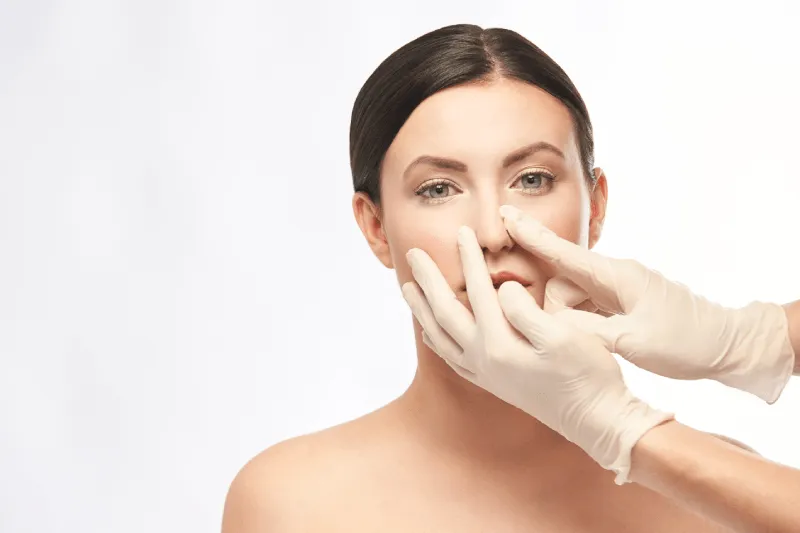
Rhinoplasty, commonly known as a “nose job,” is a surgical procedure performed to address both aesthetic concerns and functional breathing issues. The primary goal is to create a nasal structure that is harmonious with the individual’s facial features and looks natural, while simultaneously eliminating health problems like breathing difficulties. Since the nose is located at the center of the face, it directly affects our expression, making rhinoplasty operations significant from both physical and psychological perspectives. Surgeons determine the most appropriate method based on the patient’s unique anatomical structure and personal expectations to ensure the best possible surgical outcome.
What is the Open Rhinoplasty Technique?
Open rhinoplasty is a surgical method based on making a small incision in the columella, the middle section between the nostrils, to completely lift the nasal skin. This method provides the surgeon with a direct line of sight to the cartilage and bone structure within the nose, allowing for highly precise work. It is generally preferred for patients who require significant corrections at the nasal tip, have asymmetry issues, or have undergone unsuccessful previous operations (revision cases). The wide field of vision ensures that the surgeon can control every millimetric detail, offering high success rates in complex and challenging cases.
What is the Closed Rhinoplasty Technique?
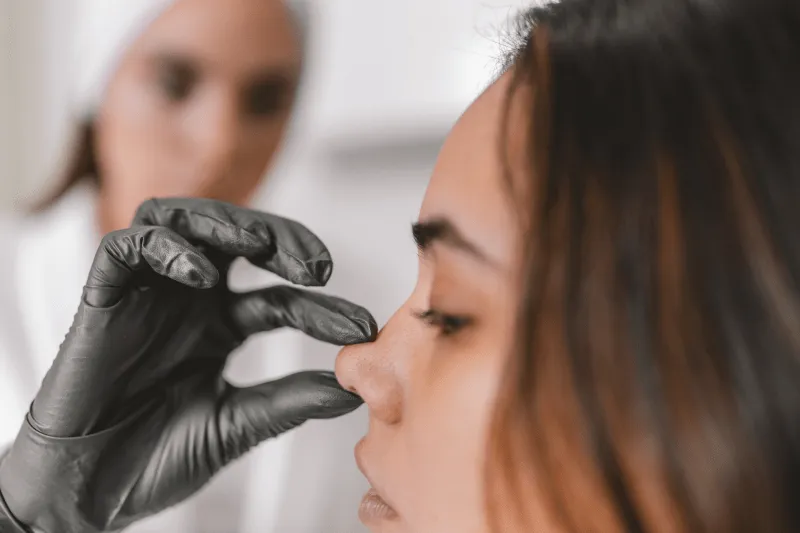
Closed rhinoplasty is a technique where all surgical incisions are made entirely inside the nostrils, ensuring that no visible scars remain on the exterior of the nose. In this method, the nasal skin is not completely separated from the bone and cartilage structure; instead, procedures are performed through limited access areas. The closed technique is typically preferred for less complex procedures, such as correcting a humped nasal bridge or reducing the overall size of the nose. The minimal tissue damage and lack of external scarring make this method highly popular for aesthetic reasons, and the recovery process is usually faster.
What are the Primary Differences Between Open and Closed Rhinoplasty?
The most fundamental difference between these two techniques is the surgeon’s field of vision and the location of the incision. The open technique brings the entire internal structure to light thanks to the incision at the nasal tip, while the closed technique requires working through limited incisions made inside the nose. While the open method allows for more complex reshaping and structural rebuilding, the closed method promises a faster recovery process and a result without any external visible marks. Surgeons choose one of these two methods, or sometimes use hybrid approaches, depending on the difficulty level of the operation and the patient’s needs.
Which Technique Provides More Natural Results?
Naturalness depends more on the surgeon’s artistic perspective, experience, and how accurately they analyze the patient’s facial proportions rather than the specific technique used. Open rhinoplasty allows for very precise corrections because the cartilages are released and restructured, ensuring a natural form even in difficult cases. Closed rhinoplasty may better preserve the natural flexibility of the nasal tip after surgery because it minimizes soft tissue damage. Ultimately, it is possible to achieve excellent and natural results with both techniques; what matters is choosing the right approach that fits the patient’s specific anatomy and goals.
Which Technique Has a Longer Surgery Duration?
As a general rule, open rhinoplasty operations take slightly longer than the closed technique. The primary reason for this is the necessity in the open technique to open the nasal skin, reveal the cartilage structures one by one, and meticulously close the incision site at the end of the procedure. In the closed technique, because the incisions remain limited within the nostrils and the skin is not fully lifted, the operation time is generally shorter. However, the duration can change based on the details of the procedure; for instance, a revision case requiring rib cartilage might take hours in open surgery, while a simple hump correction can be completed much faster.
Which Method Offers a Faster Recovery Process?
Closed rhinoplasty has a distinct advantage regarding the speed of recovery. Since the work is done through the nostrils and the external skin, as well as the vascular and nerve network, is exposed to less trauma, edema and swelling subside faster after the closed technique. In open rhinoplasty, the incision at the nasal tip and the complete lifting of the skin can cause tissue circulation to be interrupted temporarily; this leads to edema at the nasal tip taking longer to resolve, sometimes up to a year. Nevertheless, thanks to modern techniques and advanced surgical tools, recovery times in open rhinoplasty have also significantly shortened compared to the past.
Where do Surgical Scars Occur?
In closed rhinoplasty, all incisions are made inside the nose, so no visible scars are formed on the outside. This situation is a major motivation for patients who want the operation to remain “secret.” In open rhinoplasty, a small “V” or step-shaped incision is made at the narrowest part of the columella, which separates the nostrils. When this incision is stitched with the correct technique and the healing process is complete, it generally becomes nearly invisible. It is difficult to notice unless one looks very closely; however, for those seeking a completely scarless option, the closed technique remains the unrivaled choice.
Which Method is More Successful in Nasal Tip Shaping?
Nasal tip (tip) aesthetics is one of the most challenging parts of rhinoplasty. The open technique provides infinite control over stitching techniques and grafting (cartilage support) because it fully releases the tip cartilages and places them directly in front of the surgeon. In procedures such as correcting asymmetries at the nasal tip or lifting a drooping tip, the open technique generally provides more predictable and stable results. While successful nasal tip work can be performed by experienced hands using the closed technique, it is more difficult to perform such complex maneuvers as the surgeon’s working area is quite restricted.
Which Technique Should Be Preferred in Revision Surgeries?
For patients who have had surgery before and are not satisfied with the results, the open technique is generally preferred for revision rhinoplasty. Issues like scar tissue from the first surgery, displaced or missing cartilages make the internal structure of the nose complex. The wide field of vision provided by the open technique is vital for the surgeon to see the current situation clearly and repair the damaged parts. While the closed technique can be used for very minor revisions, the open technique is considered the gold standard for major corrections and structural repairs to ensure long-term stability.
What are the Advantages of Closed Rhinoplasty?
The greatest advantage of closed rhinoplasty is the “untouched” feeling it provides. The absence of external scars and the preservation of the soft tissues and ligaments of the nasal tip increase the attractiveness of this technique. Additionally, since blood vessels and nerve fibers are better protected during surgery, there is less loss of sensation after the operation and tissue nutrition remains more stable. Patients can usually return to their work and social lives in a shorter amount of time. The preservation of the natural structure of the skin, the retention of nasal tip mobility, and experiencing less long-term stiffness are also prominent benefits.
Why is the Field of Vision Provided by Open Rhinoplasty Important?
The key to surgical success is being able to see exactly what is being done. When the nasal skin is lifted in open rhinoplasty, the surgeon sees the natural position of the cartilages, their asymmetries, and the curvature of the septum without any restrictions. This direct observation prevents millimetric errors and ensures that if there is a structural defect, it is corrected permanently. Especially in cases requiring cartilage support, placing and fixing grafts exactly at the desired point is only possible with the open technique. This precision minimizes the risk of nasal collapse or deformity in the long term.
Which Technique Shows Less Edema and Bruising?
While many factors affect the amount of edema and bruising (patient’s skin type, tools used, surgeon’s meticulousness), the closed technique generally offers a milder recovery phase. In closed rhinoplasty, since a large portion of the connections between the nasal skin and bone are preserved, lymphatic drainage is less affected, allowing swelling to dissipate more quickly. In open rhinoplasty, separating tissues over a wider area may slightly increase the risk of bruising. However, modern technological tools like micromotors and Piezo used today minimize tissue trauma in both techniques, reducing bruising to a minimum level for most patients.
Which Method is Suitable for Septum Deviation?
Septum deviation (curvature in the middle part of the nose), which is the primary source of breathing problems, can be successfully treated with both techniques. If the curvature is very deep and only restricts the airway inside the nose, it can be easily corrected with the closed technique. However, if there are complex curvatures including the front and top parts of the septum (cases where L-strut support is weak), the open technique gives the surgeon the opportunity to reconstruct the entire septum. In curvatures affecting the nasal bridge, the open technique provides stronger control for both opening the airway and correcting the external appearance.
How is the Bone Structure Intervened?
The procedure for removing humps on the nasal bone or narrowing a wide nasal bridge (osteotomy) is performed similarly in both open and closed rhinoplasty. These procedures, once performed with hammers and chisels, have now been replaced by more modern methods. In the closed technique, access to the bones is achieved through small tunnels inside the nostrils, whereas in the open technique, direct access to the bone roof is provided after the skin is lifted. During the bone shaping stage, the precision of the devices used to cut or rasp the bone determines the quality of the result more than the technique itself.
Can Piezo Surgery Be Used in Both Techniques?
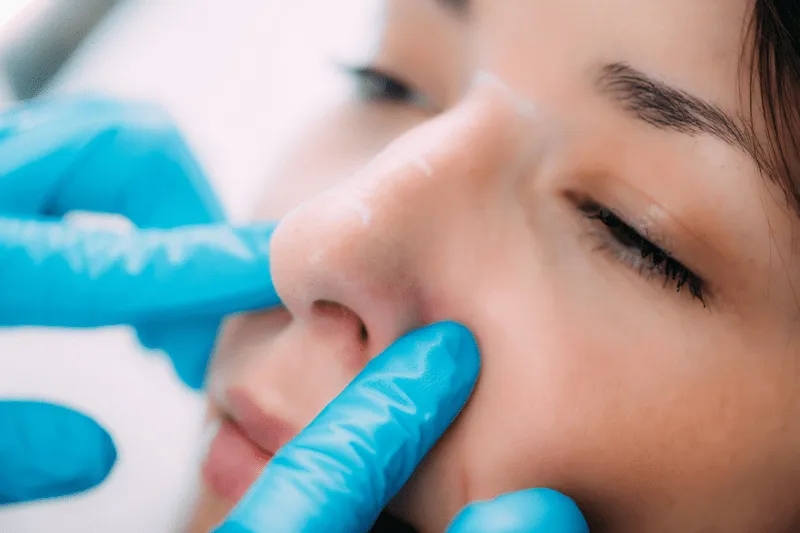
Piezo surgery, the ultrasonic bone shaping technology, is one of the most important innovations in modern rhinoplasty. This technology allows for the millimetric cutting or rasping of only bone structures without damaging soft tissues, vessels, and nerves. Piezo is used with excellent harmony in open rhinoplasty because it offers the surgeon a wide field of vision. In closed rhinoplasty, bone structures can be reached thanks to specially designed handpieces, though the application area is narrower compared to the open technique. Nevertheless, experienced surgeons can benefit from Piezo technology in both methods to reduce bruising and increase surgical precision.
How Should Pre-Surgical Planning Be Done?
A successful rhinoplasty surgery begins in the consultation room, not on the operating table. The surgeon should take photos of the patient’s face, analyze them in a digital environment, and build a bridge between the patient’s expectations and realistic results. At this stage, the patient’s breathing capacity, skin thickness, and cartilage quality are evaluated. If major changes are required at the nasal tip, the surgeon may recommend the open technique; if the problem is only a nasal hump, the closed technique might be suggested. During the planning process, risks and advantages of both techniques should be clearly explained to the patient.
Which Technique is Used for Nasal Bridge Issues?
Nasal bridge issues, such as humps or depressions (saddle nose), are the most common reasons for seeking rhinoplasty. Closed rhinoplasty is quite effective in these types of hump removal procedures as it provides direct and fast access to the nasal bridge. The hump can be rasped or cut without damaging the tissues under the skin. Open rhinoplasty is preferred for crooked nasal bridges, especially those formed after trauma, as it allows for a more detailed view of asymmetries. If a graft needs to be placed on the nasal bridge, fixing these pieces with sutures to prevent displacement is done much more securely via the open technique.
Who is a Suitable Candidate for Closed Rhinoplasty?
The most suitable candidates for closed rhinoplasty are generally individuals who are satisfied with the overall structure of their nose but want small touches in specific areas. For example, patients whose nasal hump is not very high, whose nasal tip is not excessively drooping or asymmetric, who are undergoing surgery for the first time (primary cases), and who have medium-thick skin benefit greatly from the closed technique. Additionally, individuals who need to return to their social lives very quickly or who do not want even the slightest incision scar on the nasal tip are ideal for this method. The surgeon must evaluate if the anatomy allows for these limited access corrections.
Who Should Have Open Rhinoplasty?
Open rhinoplasty is necessary for individuals with serious functional and aesthetic deformations in their nasal structure. Especially patients with a very wide nasal tip (bulbous tip), significant asymmetry at the tip, those who have suffered severe trauma, or those with congenital anomalies like cleft lip and palate should benefit from the advantages of the open technique. Furthermore, the open technique is inevitable for those undergoing revision surgery or cases where the nasal roof needs to be reconstructed using cartilage grafts from the ribs or ears. In any case where full control by the surgeon is required, the open technique is the safest and most predictable path.
Is the Level of Post-Operative Pain Different?
Contrary to popular belief, rhinoplasty operations are generally not very painful procedures. What is felt after the surgery is more of a feeling of fullness and congestion caused by tampons or edema inside the nose rather than sharp pain. Using the open or closed technique does not significantly change the amount of pain felt. In both methods, local anesthesia blocks applied during surgery and simple painkillers given afterward are sufficient to ensure the patient’s comfort. In the closed technique, because tissue trauma is slightly less, the stinging sensation in the first few days may be milder, but the general comfort level is very similar.
When are the Sutures Removed?
In closed rhinoplasty, most of the sutures are inside the nose and are of the self-dissolving type; therefore, a suture removal procedure is usually not necessary. In open rhinoplasty, thin sutures that are typically non-dissolving or slow-dissolving are used at the incision site on the nasal tip. These sutures are removed by the surgeon approximately 5 to 7 days after the surgery, depending on the state of wound healing. The suture removal process is painless and a very short procedure. After the sutures are removed, special creams are applied to the area to ensure the scar is minimized. The complete disappearance of the internal dissolving sutures may take several weeks.
Is the Use of Nasal Tampons Necessary?
Today, traditional cloth tampons that completely prevent breathing have been replaced by silicone splints (sheets). These silicone structures are used in both techniques to stabilize the septum in the middle and prevent internal bleeding after surgery. These silicone splints, which have a hole in the middle, allow the patient to breathe immediately after the surgery. In some very simple closed technique cases, the surgeon may not feel the need for tampon use at all. However, in open techniques and comprehensive bone/cartilage procedures, using silicone splints is a standard safety measure to support the structure from the inside and speed up the healing process.
When is the Final Surgery Result Fully Visible?
Rhinoplasty is a process that requires patience. In the first month after surgery, a large part of the edema (about 60-70%) dissipates, and the new shape of the nose becomes apparent. However, it takes time for the fine details at the nasal tip to emerge and for the skin to fully settle onto the cartilage structure. In closed rhinoplasty, this process is usually largely completed by the 6th month. In open rhinoplasty, because the nasal tip edema is more resistant, it may take 1 year, and in thick-skinned patients, up to 2 years to see the final result. During this process, it can be observed that the nose becomes thinner and its contours become sharper every passing day.
Which Technique Has a Lower Probability of Revision?
The primary factor determining the probability of revision is not the technique itself, but the surgeon’s planning ability and the permanence of the procedures performed. That said, because open rhinoplasty allows the surgeon to see all structures directly and correct asymmetries millimetrically, it can reduce the risk of revision caused by technical errors. The closed technique, on the other hand, minimizes the risk of tissue retraction or scar-related deformations over time because it protects the tissues more. While similar revision rates are reported for both techniques in literature, the “visualized” advantage of the open technique in complex cases increases predictability and reduces surprises.
How Does the Surgeon’s Experience Affect the Choice?
The best technique is the one your surgeon has the most experience with and the one that best suits the needs of your nose. Some surgeons have built their entire careers on the closed technique and have become able to solve even very difficult cases with this method. Others prefer the control and precision offered by the open technique. The most important criterion for patients is that the results obtained by the surgeon from previous operations (before-and-after photos) align with their own aesthetic understanding. An experienced surgeon should be able to explain to the patient why they chose a particular technique with scientific reasons and honestly share the potential limits of both methods.
Which Method is Ideal for Thick-Skinned Patients?
Patients with thick skin structure are one of the most challenging groups in rhinoplasty. This is because thick skin tends to mask the cartilage shaping underneath, and post-operative edema remains for much longer. The open technique is generally more advantageous in thick-skinned cases because the surgeon needs to use strong cartilage grafts to make the nasal tip more defined and fix them very securely with sutures. Additionally, the process of thinning the fatty tissue under the skin in a controlled manner can be done more homogeneously with the open technique. The closed technique may struggle to reflect cartilage details outward in thick-skinned patients.
What Should Be Considered in Thin-Skinned Patients?
Thin-skinned patients are the most sensitive group to surgical errors or irregularities. In these individuals, even the slightest protrusion or asymmetry in the cartilage and bone structure can be immediately noticed through the skin. Closed rhinoplasty provides a natural camouflage in thin-skinned patients by better protecting the nasal skin and the underlying soft tissue cover, reducing the risk of irregularities appearing after healing. If the open technique is to be used, the surgeon must smooth the cartilage edges very well and, if necessary, cover the cartilages with additional tissues like “fascial grafts.” Both techniques can be applied to thin skin, but the surgeon’s extreme meticulousness is a must.
What is Functional Nasal Surgery?
Functional rhinoplasty is an operation that aims to increase the patient’s breathing capacity along with aesthetic corrections. It is not enough just to beautify the external appearance; a healthy nose must first be functional. During the surgery, curvatures inside the nose (deviation) are corrected, nasal turbinates (concha) are reduced, and collapses in the nasal wings (valve insufficiency) are resolved. The open technique provides superiority for placing cartilage supports, especially in nasal valve problems. The closed technique is sufficient for concha and simple septum interventions. Functional success is the most critical element that directly increases the patient’s post-operative quality of life.
How to Balance Aesthetic Concerns and Health?
The philosophy of “a beautiful nose that breathes” is essential in rhinoplasty. Sometimes patients may want a very small and narrow nose, but this can lead to the narrowing of the airway inside the nose and lifelong breathing problems. The surgeon’s task is to balance the patient’s aesthetic desires with the limits of nasal anatomy and respiratory health. In both open and closed techniques, the real goal is to provide an aesthetic form without disrupting the structural integrity of the nose (or by repairing what is disrupted). No aesthetic surgery performed at the expense of health will make the patient happy in the long term.
Is There a Difference Between Surgery Costs?
Open and closed rhinoplasty costs are generally close to each other; the main factor determining the price is the difficulty level of the case rather than the name of the technique. Revision surgeries, cases where cartilage must be taken from the ribs, or very heavy traumatic noses may have higher costs due to the operation time and the additional materials used. Furthermore, the surgeon’s experience, the equipment of the hospital where the surgery will be performed, and the technologies used (like Piezo) are factors that affect the price. Patients should focus on the surgeon’s competence and the scope of the operation rather than the name of the technique when analyzing costs.
What are the Rules to Follow During the Recovery Period?
Regardless of the technique used, the first weeks after surgery are of critical importance. Patients should avoid heavy sports, the use of glasses, and activities that could expose the nose to impacts for at least one month. Sleeping with the head elevated for the first few days helps reduce edema. Restricting salt consumption and drinking plenty of water speeds up recovery. Additionally, nasal sprays and cleaning kits recommended by the surgeon should be used regularly. Protection from sunlight is vital for preserving the color of the skin and ensuring the open rhinoplasty incision scar remains as inconspicuous as possible.
How Does the Massage and Taping Process Work?
After surgery, surgeons may recommend nasal massage or special taping techniques to help edema dissipate faster and shape tissues in the desired direction. In closed rhinoplasty, since the skin sees less trauma, the need for massage may be more limited; however, in open rhinoplasty, especially in thick-skinned patients, regular massages provide great benefits for increasing lymphatic drainage. Taping, on the other hand, ensures that the skin on the nasal bridge adheres well to the bone. How and how often these applications will be done must be under the control of the surgeon; incorrectly applied massages can lead to permanent shape deformities.
How Should the Psychological Preparation Process Be?
Rinoplasty is not just a physical change, but also a psychological one. Seeing a swollen and bruised face in the mirror during the first days after surgery can be demoralizing for patients. Temporary regrets like “Was my old version better?” may occur; however, this is a normal part of the healing process. Patients should approach the process with patience, knowing that the final result will emerge over months. Having realistic expectations and establishing open communication with the surgeon before the surgery are the most important elements that increase post-operative satisfaction. It should be remembered that there is no perfect nose; there is only the natural and healthy nose that suits your face best.
What are the Questions to Ask for the Best Result?
When choosing your surgeon and deciding on the technique, do not hesitate to ask: “Which technique do you see as appropriate for me and why?”, “Can I see the results you’ve obtained in noses similar to mine before?”, “How will my post-operative breathing quality be affected?”, “What would be your approach if a revision is needed?” and “How will the technologies you use (Piezo, etc.) affect my recovery process?”. The answers to these questions will reinforce your trust in your surgeon and allow you to enter the operation process much more peacefully. Being a conscious patient is half of a successful result.
Free Consultation
Fill out the form below to get your free medical travel plan and price quote.
Sources and how to verify this yourself
- Ministry of Health, Regulation on International Health Tourism and Tourist Health, Official Gazette 26 April 2025, No. 32882 — authorisation requirement for facilities and intermediaries, TÜSKA accreditation, compulsory complication insurance (deadline 31 December 2025 for insurance, 31 December 2026 for accreditation). source
- Ministry of Health, Regulation on Promotion and Information Activities in Health Services, Official Gazette 12 November 2025, No. 33075 — treatment promises and guarantees are prohibited; price and campaign announcements are permitted only within international health tourism. source