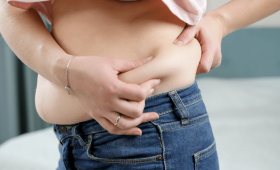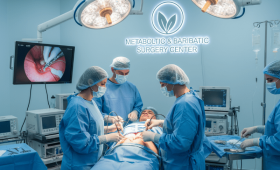
Obesity and sleep apnea are among the most serious health problems of the modern world. These two conditions, which trigger each other, significantly reduce the patient’s quality of life while bringing along vital risks. While obesity is a disease characterized by the body storing excessive fat; sleep apnea manifests itself as the repetitive cessation of breathing during sleep. The strong correlation between these two pathologies has led the medical world toward more radical and permanent solutions. At this point, obesity surgery not only provides weight loss but also offers revolutionary results in the treatment of sleep apnea.
Why Do Obesity And Sleep Apnea Have Such A Significant Relationship?
The relationship between obesity and sleep apnea can be likened to the “chicken-and-egg” paradox. Excess weight triggers sleep apnea by causing the airways to narrow, while sleep apnea sets the stage for further weight gain through disrupted metabolism and hormonal imbalances. This vicious cycle rapidly deteriorates the patient’s overall health unless treated. Scientific research shows that every one-unit increase in body mass index increases the risk of sleep apnea by 14%. Therefore, addressing these two conditions together is of vital importance for a holistic treatment approach.
What Exactly Is Obstructive Sleep Apnea?
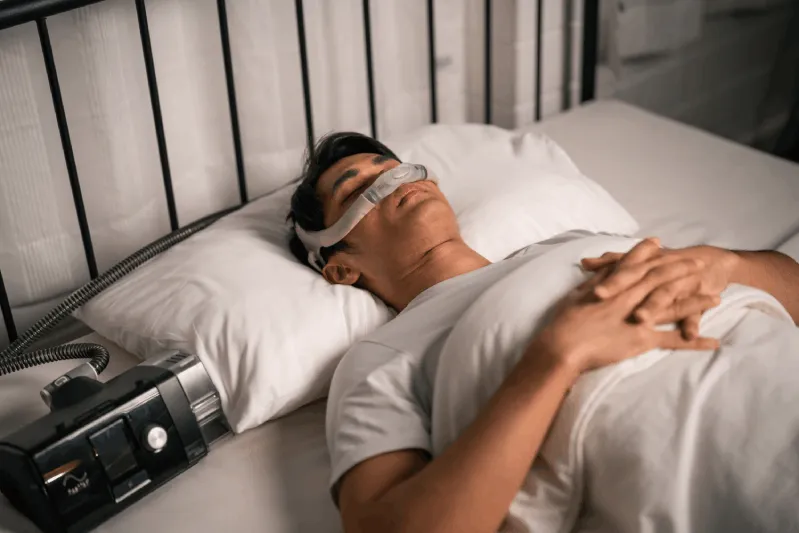
Obstructive Sleep Apnea (OSA) is the cessation of breathing due to the physical blockage of the upper airway during sleep. It occurs when the base of the tongue, soft palate, or tonsils relax and close off the back of the throat. When breathing stops, the brain briefly wakes the body up to ensure the airway opens again. This situation can repeat hundreds of times throughout the night. As a result, the person cannot transition into deep sleep stages and wakes up in the morning feeling as if they haven’t slept at all. OSA is not just a simple snoring problem; it is a medical condition that directly threatens the cardiovascular system.
How Does Obesity Trigger Sleep Apnea?
Obesity leads to the accumulation of fat tissue around the upper airway, creating a mechanical narrowing. Especially, fat accumulation in the neck area causes the throat to collapse more easily due to the effect of gravity in a lying position. Additionally, excessive fat in the abdominal area causes the diaphragm to be pushed up and lung capacity to decrease. This situation accelerates the drop in blood oxygen levels and increases the severity of apnea. Obesity also causes chronic inflammation in the body, which increases mucosal swelling in the respiratory tracts, making breathing even more difficult.
How Does Fat Accumulation Around The Neck Affect Breathing?
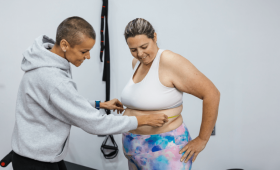
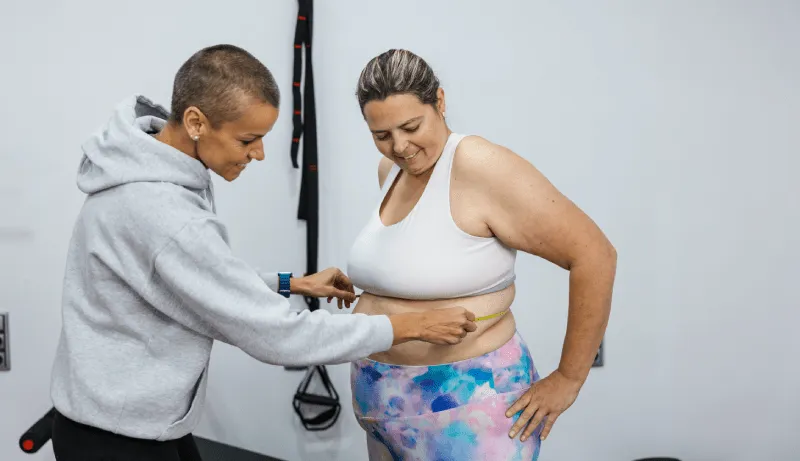
Fat tissue around the neck area squeezes the airway like a vise. Medically, “neck circumference measurement” can be an even more decisive factor than body mass index in the diagnosis of sleep apnea. Neck circumference measurements over 43 cm in men and 40 cm in women are evidence that the airway is structurally under pressure. When the muscles relax at night, this external pressure makes it easier for the airway to close completely. Since fat tissue accumulates not only on the outside but also at the base of the tongue and the pharynx (throat) walls, there is a narrowing from the inside out.
What Health Problems Occur If Sleep Apnea Is Not Treated?
When sleep apnea is left untreated, it damages every system of the body. Primarily, repetitive oxygen drops (hypoxia) multiply the risk of heart attack and stroke. The heart’s overwork throughout the night leads to hypertension and rhythm disturbances (arrhythmia). Furthermore, conditions such as metabolic syndrome, type 2 diabetes, and fatty liver disease deepen. Psychologically, depression, anxiety, and extreme irritability are observed. The most dangerous aspect is traffic and work accidents caused by excessive daytime sleepiness. This disease is a process that progresses slowly but wears down the entire body.
Is Obesity Surgery A Definitive Solution In The Treatment Of Sleep Apnea?
Obesity surgery is considered the most effective “non-surgical surgical” solution in the treatment of sleep apnea. Although the surgery itself does not directly intervene in the respiratory tracts, it removes the pressure on the airway thanks to the rapid and permanent weight loss it provides. A significant improvement in sleep apnea is observed in 80% to 95% of patients, and full remission (complete disappearance of the disease) is seen in more than 60%. This can eliminate dependency on devices like CPAP. However, it should not be forgotten that symptoms may return if lifestyle changes are not followed after surgery and weight is regained.
Who Should Undergo Obesity Surgery Due To Sleep Apnea?
The basic criterion for obesity surgery is usually a body mass index (BMI) over 40. However, if there is a serious comorbid disease like sleep apnea, individuals with a BMI of 35 and above also become ideal candidates for surgery. If an individual cannot tolerate the CPAP device, if their heart health is at risk due to severe sleep apnea, and if they have not been able to lose permanent weight with diet/exercise, obesity surgery should be evaluated as a life-saving option. The decision for surgery is made after an evaluation by an expert team.
How Decisive Is The BMI Value In The Diagnosis Of Sleep Apnea?
Although body mass index (BMI) is a standard criterion for determining the degree of obesity, it is not the only indicator for sleep apnea. Severe sleep apnea can be seen in some “skinny-fat” individuals or those with regional lubrication even if their BMI is low. However, statistically, the incidence of sleep apnea increases dramatically when the BMI rises above 30. In morbidly obese individuals with a BMI over 40, the rate of sleep apnea reaches up to 70-80%. Therefore, BMI serves as an alarm bell and must be supported by a sleep test.
What Are The Symptoms Of Sleep Apnea?
The most common symptom of sleep apnea is loud snoring noticed by the partner and the cessation of breath during sleep. The patient wakes up in the morning with dry mouth, severe headache, and a feeling of fatigue. Involuntary falling asleep during the day during meetings, while driving, or watching television (hypersomnia) is very typical. In addition, frequent urination at night, concentration disorders, lack of sexual desire, and forgetfulness are among the accompanying symptoms. Most patients do not admit to snoring, but the state of exhaustion during the day is the clearest harbinger of the disease.
Does Night Snoring Always Mean Sleep Apnea?
Not every person who snores is a sleep apnea patient, but every sleep apnea patient almost always snores. Simple snoring is a sound created by the partial narrowing of the airway and does not lower the oxygen level in the blood. In sleep apnea, however, snoring is interrupted by a period of silent respiratory arrest and then continues with an “explosion” sound as a result of the body’s struggle to breathe. If snoring is accompanied by daytime sleepiness, high blood pressure, or a feeling of choking during sleep, it should be understood that this is not simple snoring and requires medical help.
When Does Sleep Quality Increase After Obesity Surgery?
The increase in sleep quality after surgery occurs surprisingly quickly. Most patients state that even after the first 10-15 kilograms of weight loss (usually within the first month after surgery), they breathe more easily and wake up more refreshed in the morning. As weight loss continues, the structure of sleep returns to normal because the edema and fat pressure in the respiratory tracts decrease. Deep sleep (REM and stage 3) durations lengthen, which allows the brain and body to rest in a real sense. At the end of the sixth month, most patients report that their insomnia problem has completely disappeared.
How Does Sleeve Gastrectomy Improve Sleep Apnea?
Sleeve Gastrectomy is the process of reducing the stomach volume by removing approximately 80% of the stomach. This procedure initiates rapid weight loss by lowering the levels of ghrelin, the hunger hormone. As weight loss occurs, the fat tissue surrounding the upper respiratory tracts decreases and the airway opening increases. Additionally, with the decrease in general inflammation in the body, the swellings in the respiratory tract mucosa subside. After sleeve gastrectomy, a decrease of up to 75% in Apnea-Hypopnea Index (AHI) values is recorded in a large proportion of patients.
What Is The Effect Of Gastric Bypass Surgery On Sleep Apnea?
Gastric bypass surgery is a procedure that both reduces the stomach and decreases absorption. Its metabolic effects can be stronger than sleeve gastrectomy. Its rapid effect, especially on insulin resistance and diabetes, accelerates weight loss by increasing metabolic rate. In patients with sleep apnea, gastric bypass improves respiratory parameters by ensuring the systemic reduction of fat tissue. The rate of complete recovery from sleep apnea in patients undergoing gastric bypass is quite high. Furthermore, since it also reduces reflux complaints, it indirectly treats respiratory tract irritations and apnea caused by reflux.
Should CPAP Device Use Be Continued After Surgery?
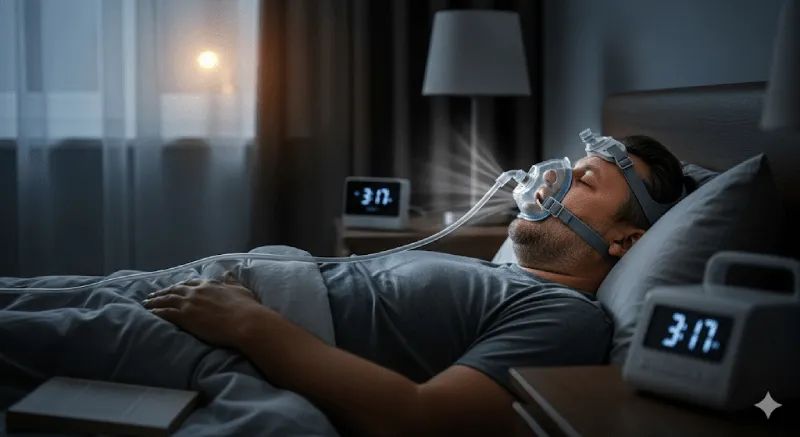
CPAP (continuous positive airway pressure) device use should not be stopped immediately after obesity surgery. In the initial period after surgery, the body is still in the healing process and weight loss is only at the beginning stage. For the safety of the patient, it is recommended to continue with the device until a new polysomnography (sleep test) is performed in a sleep laboratory. Usually, after 20-30% of the ideal weight is lost, device settings are lowered or completely discontinued under doctor control. Stopping the device on one’s own can cause oxygen drops that could tire the heart, especially during the recovery period.
How Does Weight Loss Provide Airway Opening?
Weight loss mechanically expands the airway anatomy. When fat cells shrink, the volume of soft tissues around the neck and throat decreases. This ensures an increase in the diameter of the pharynx (throat). Additionally, with the decrease in intra-abdominal lubrication, more space is opened for the lungs to expand. When lung volume increases, a “traction” effect occurs that pulls the airways downward; this makes the airway more resistant to closing. In other words, losing weight not only relaxes the throat but also increases the general mechanical efficiency of the respiratory system.
Is Anesthesia Risky For Patients With Sleep Apnea?
Sleep apnea is a condition that requires caution in terms of anesthesia management, but it is not an obstacle in modern medicine. Anesthesiologists apply special protocols for patients with sleep apnea. Advanced monitoring techniques are used to keep the airway open during and after surgery. When it is known that the patient has sleep apnea, closer monitoring is carried out until the effects of muscle relaxants wear off. In centers with advanced equipment, these risks are minimized. Therefore, having been diagnosed before surgery is actually a factor that increases the safety of the patient.
Why Is A Sleep Test (Polysomnography) Mandatory Before Surgery?
The sleep test (polysomnography) is the gold standard for determining the presence and severity of sleep apnea. It is mandatory to perform this test in patients planned for obesity surgery because most patients are unaware that they have severe apnea. Knowing the severity of apnea before surgery is critical for determining the anesthesia plan and predicting the need for postoperative intensive care. Additionally, untreated severe sleep apnea can increase the risk of postoperative complications. Based on the test results, CPAP may be started a few weeks before the surgery if necessary to prepare the lungs for the procedure.
How Does Sleep Apnea Slow Down The Metabolism?
Sleep apnea keeps the body under chronic stress. During each respiratory arrest, the body gives a “fight or flight” response, secreting cortisol and adrenaline. These hormones raise blood sugar and encourage fat storage. Furthermore, sleep apnea lowers the level of leptin (satiety hormone) while increasing the level of ghrelin (hunger hormone). This hormonal imbalance causes the person to turn toward carbohydrate and sugary foods during the day. Therefore, even if someone with sleep apnea eats very little, they find it very difficult to lose weight due to their disrupted metabolism.
What Is The Remission Rate After Obesity Surgery?
In scientific literature, sleep apnea remission (complete recovery) rates after obesity surgery are quite high. While the disease completely disappears in approximately 60-70% of patients with severe sleep apnea, it regresses to a mild or moderate level in the remaining 20-30%. No significant change may be seen in only a 5-10% group, which is usually due to structural nose/throat disorders. This success achieved within the first two years after surgery can add decades to the patient’s overall health. These success rates are at a level that cannot be compared with any other sleep apnea treatment in the world.
How Is The Recovery Process After Surgery In Patients With Sleep Apnea?
The recovery process after surgery requires extra care for patients with sleep apnea. For the first 24-48 hours, the patient’s oxygen levels are continuously monitored. Patients are encouraged to walk early and perform breathing exercises to open the lungs. The feeling of “lightness” and “opening of breath” felt right after surgery increases motivation. The nutrition process, starting with a liquid diet, speeds up the recovery as it triggers weight loss. Most patients notice that their sleep patterns start to improve more than ever in their lives one week after the surgery.
Can Obesity And Sleep Apnea In Children Be Resolved With Surgery?
Childhood obesity, unfortunately, brings sleep apnea along with it. Sleep apnea in children leads to growth retardation, hyperactivity, lack of attention, and school failure. Although obesity surgery in children is generally seen as the last option, it can be life-saving for morbidly obese and severe sleep apnea-afflicted adolescents. Surgery performed with the approval of a multidisciplinary team in young patients who have completed their development and do not respond to lifestyle changes can eliminate the young person’s risk of future chronic diseases.
Is Sleep Apnea Surgery Safe In Elderly Patients?
Obesity surgery in elderly patients has become quite safe thanks to developing anesthesia and surgical techniques. In the elderly, sleep apnea puts much more load on the already tired heart and brain. The weight lost through surgery reduces the load on the joints, while the recovery of sleep apnea helps protect cognitive functions (it can reduce the risk of dementia). While making a surgery decision in elderly patients, the status of chronic diseases and general health capacity are meticulously examined. When the benefit-harm balance is considered, for most elderly patients, surgery means spending a quality old age period.
Does Weight Regain After Obesity Surgery Bring Apnea Back?
Yes, since sleep apnea is a mechanical problem, if a serious weight regain (rebound) occurs after surgery, sleep apnea symptoms may return. Re-accumulation of fat around the airway will trigger narrowing again. However, the metabolic improvement gained through surgery is usually permanent. It is critical for patients to maintain the healthy eating and exercise habits they gained after surgery throughout their lives. Regular check-ups and weight tracking are the most effective way to prevent the recurrence of the disease.
What Is The Link Between Sleep Apnea And Cardiovascular Diseases?
Sleep apnea and heart diseases are an inseparable duo. During each breath stop, blood pressure rises suddenly and heart rate changes. This situation leads to heart enlargement (hypertrophy) and heart failure over time. Additionally, low oxygen levels cause damage to vessel walls, accelerating the process of atherosclerosis (hardening of the arteries). When sleep apnea is treated with obesity surgery, this chronic stress on the heart is lifted. Discontinuing or reducing the dosage of blood pressure medications is a frequently seen result. The risk of having a heart attack can return to normal years after a successful surgery.
How Is The Triangle Of Type 2 Diabetes, Obesity, And Sleep Apnea Broken?
These three diseases form a “vicious triangle” that feeds each other. Obesity triggers diabetes, diabetes worsens sleep apnea (via neuropathy), and sleep apnea increases insulin resistance. Obesity surgery directly intervenes in weight and metabolism, which is the weakest link of this triangle. Even hours after the surgery, blood sugar regulation starts to improve. As sleep apnea eases with weight loss, the body’s insulin sensitivity increases. As a result, patients have a chance to get rid of both diabetes and sleep apnea at the same time.
How Effective Are Non-Surgical Methods In Sleep Apnea?
Non-surgical methods include CPAP devices, oral appliances, and positional treatments. CPAP is 100% effective in managing symptoms, but it does not treat the disease; it only allows you to breathe while the mask is on. Unfortunately, 50% of patients cannot use these devices for a long time. Oral apparatuses can work in mild cases. While diet and exercise are the most basic treatments, only 2% of morbidly obese patients can lose permanent weight this way. Therefore, for individuals who want a permanent anatomical and metabolic improvement, surgery has a much higher success rate than temporary solutions.
When Can Patients With Sleep Apnea Return To Work After Surgery?
Recovery after obesity surgery performed with the laparoscopic (closed) method is very fast. Generally, patients stay in the hospital for 2-3 days and can return to their desk jobs after a week. Patients with sleep apnea notice that since their sleep starts to improve, they have a much higher energy and concentration capacity than before when they return to work. For jobs that require physical strength, it may be necessary to wait for 3-4 weeks. The increased energy level after surgery is the most important factor increasing productivity in professional life.
How Does The Postoperative Diet Affect Sleep Apnea?
Postoperative nutrition is a model high in protein and low in carbohydrates. This way of eating maximizes fat loss while protecting muscle mass. Rapid fat loss ensures the opening of the airway. Additionally, not eating heavy meals in the evening hours and limiting caffeine further improves sleep hygiene after surgery. A diet that does not trigger reflux helps breathing continue uninterrupted throughout the night by preventing possible irritations in the throat. Nutrition is a tool not only for losing weight but also for building a healthy respiratory system.
Does Physical Activity Accelerate Sleep Apnea Recovery?
Absolutely yes. Physical activity increases the tone (tension) of the upper respiratory tract muscles. This ensures that these muscles relax less during sleep and the airway closes with more difficulty. Regular walking and then resistance exercises after surgery keep the metabolism alive while supporting fat loss. Additionally, exercise increases sleep depth and shortens the time to fall asleep by creating a natural fatigue. Weight loss makes physical activity easier, and physical activity seals the recovery of sleep apnea.
How Does Sleep Apnea Affect Psychological Health?
In individuals experiencing sleep apnea, chronic insomnia leads to irritability (becoming angry easily), depression, lack of motivation, and anhedonia (inability to enjoy things). Feeling constantly tired leads to detachment from social life and a drop in work performance. With the improvement of sleep after obesity surgery, the increase in the amount of oxygen going to the brain and the provision of hormonal balance also bring along a psychological state of well-being. Patients state that they feel more self-confident, happy, and attached to life. Mental health improves simultaneously with physical health after surgery.
How Does Life Expectancy Extend After Obesity Surgery?
Scientific studies show that a successful obesity surgery can extend an individual’s life expectancy by 5 to 10 years. One of the biggest reasons for this extension is the elimination of the risk of sudden death caused by sleep apnea (heart attacks and strokes coming at night). Furthermore, the reduction in cancer risk, getting diabetes under control, and protecting heart health increase overall survival rates. Quality sleep means the body repairs itself every day; this slows down aging at a cellular level.
Why Should You Plan Obesity Surgery With Cure Holiday?
Choosing the right partner in your health journey is at least as critical as the surgery itself. Cure Holiday, with its staff specialized in the field of obesity surgery and modern medical infrastructure, promises its patients not just an operation, but a new life. For patients dealing with a complex problem like sleep apnea, we exhibit high-level meticulousness at every stage, from anesthesia management to postoperative follow-up. Cure Holiday, which has touched the lives of thousands of happy patients, centers patient satisfaction with a scientific approach.
What Advantages Does Cure Holiday Offer In Turkey?
Turkey has become the epicenter of obesity surgery in the world, and Cure Holiday is one of the pioneers of this success. The advantages we offer include the use of world-standard technology, internationally certified surgeons, and cost-effective solutions. We plan every detail for our patients, from airport transfer to luxury accommodation, from 7/24 personal consultancy service to comprehensive postoperative support packages. While you get rid of your sleep apnea, we also ensure you experience a comfortable and safe health tourism experience.
How Does The Treatment Process Start With Cure Holiday?
The process starts the moment you contact us. In the first step, our expert medical consultants listen to your health history and sleep apnea complaints. During the free pre-evaluation stage, your current reports and body mass index are examined to determine the most suitable surgical method for you. Then all your travel plans are organized by Cure Holiday. When you come to Turkey, you are prepared for the surgery by undergoing detailed check-ups and sleep evaluations. You experience the peace of moving along with a team that informs and supports you at every step.
How Do You Take The First Step To Regain Your Health With Cure Holiday?
You no longer have to remain breathless at night and walk around tired all day. The road to a healthy future starts with a decision. As the Cure Holiday family, we are ready to guide you to get rid of the grip of obesity and sleep apnea. You can create your special treatment plan immediately by reaching us through our website or our WhatsApp line. Remember, every sleep apnea case treated means a long and energetic life gained. Do something good for yourself today and say “hello” to a new beginning with Cure Holiday.
Free Consultation
Fill out the form below to get your free medical travel plan and price quote.
Sources and how to verify this yourself
- Eisenberg D, et al. 2022 ASMBS and IFSO Indications for Metabolic and Bariatric Surgery. — surgery is recommended at BMI ≥35 regardless of co-morbidity, and considered at BMI 30–34.9 with metabolic disease (lower thresholds for Asian populations). source
- Ministry of Health, Regulation on International Health Tourism and Tourist Health, Official Gazette 26 April 2025, No. 32882 — authorisation requirement for facilities and intermediaries, TÜSKA accreditation, compulsory complication insurance (deadline 31 December 2025 for insurance, 31 December 2026 for accreditation). source
- Ministry of Health, Regulation on Promotion and Information Activities in Health Services, Official Gazette 12 November 2025, No. 33075 — treatment promises and guarantees are prohibited; price and campaign announcements are permitted only within international health tourism. source