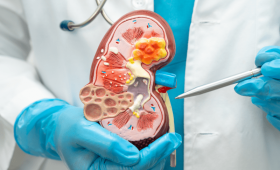
What Is Anesthesia And Why Is It Of Vital Importance?
Anesthesia literally means “insensitivity” and is a set of methods applied to prevent patients from feeling pain, ache, or discomfort during medical procedures. It not only cuts off the pain but also provides the necessary muscle relaxation and immobility for the surgeon to perform the procedure safely. Modern anesthesia science allows vital functions such as heart rate, respiration, and blood pressure to be meticulously monitored throughout the operation. If this process is not managed by a specialist anesthesiologist, it becomes impossible to perform surgical interventions. Therefore, anesthesia is the cornerstone of both patient comfort and surgical success.
Into Which Basic Groups Are Anesthesia Methods Divided?
Anesthesia applications are divided into four main categories according to the depth and duration of the procedure to be performed and the general health status of the patient. These are general anesthesia where consciousness is completely lost, regional anesthesia where large nerve networks in a specific area are numbed, local anesthesia where only a small area is numbed, and sedation applications where the patient is relaxed but not fully put to sleep. Each method has its own unique advantages and risks. The selection of the correct method is determined by the anesthesia specialist based on physical examination and test results. This classification aims to provide the most appropriate comfort level to the patient according to the scale of the medical intervention.
What Is General Anesthesia And How Is It Applied?
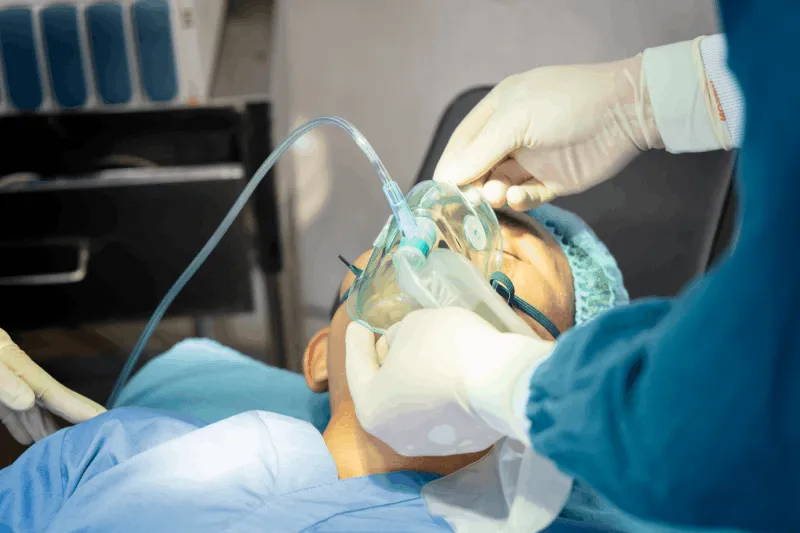
General anesthesia is a state in which the patient’s consciousness is completely eliminated with the help of drugs and the entire body is made insensitive to pain. The application usually begins with fast-acting drugs given through the vascular access and continues with anesthesia gases given through the respiratory tract during the operation. During this process, the patient is in a deep sleep state and remembers nothing. Since full muscle relaxation is achieved, the patient’s breathing is usually supported by a device called a ventilator. General anesthesia is the standard and safest choice, especially in complex operations such as major abdominal surgeries, chest surgery, or long-term orthopedic procedures.
Does Consciousness Completely Close During General Anesthesia?
Yes, the primary goal of general anesthesia is to create a temporary loss of consciousness. This state is much deeper than a normal sleep; the patient does not give any reaction to external auditory or painful stimuli. The anesthesia specialist precisely adjusts the depth of anesthesia by monitoring the patient’s brain activities and vital signs throughout the operation. Being unconscious prevents the patient from accumulating any traumatic memories of the operation moment. Thanks to modern monitoring devices, the state of “awareness,” which is being awake during surgery, has decreased to one in a million today, proving how controlled a process general anesthesia is.
What Are The Most Common Risks Of General Anesthesia?
As in every medical intervention, general anesthesia also has some risks, but these have been minimized with developing technology. Among the most common mild side effects are sore throat, hoarseness, nausea, and shivering. More serious risks may include allergic reactions, respiratory problems, or heart rhythm irregularities. Risk management should be done more carefully, especially in elderly patients or individuals with lung and heart disease. The anesthesia specialist prepares drug protocols that will reduce these risks to the lowest level by analyzing the genetic history and existing diseases of the patient in the evaluation made before the operation.
How Does The Waking Up Process Proceed After General Anesthesia?
When the operation is completed, the administration of anesthesia drugs is stopped and the process for the return of the patient’s consciousness is initiated. The patient is first taken to a special room called the “recovery” room. While consciousness gradually returns here, vital signs are constantly monitored by nurses and specialists. In the first moments, the patient tends to feel a slight confusion, not understanding where they are, or feeling sleepy. Additional painkillers can be applied at this stage for pain control. The full waking and recovery time can vary between 30 minutes and 2 hours depending on the type of drug used and the patient’s metabolism.
What Are The Differences Between Sedation And General Anesthesia?
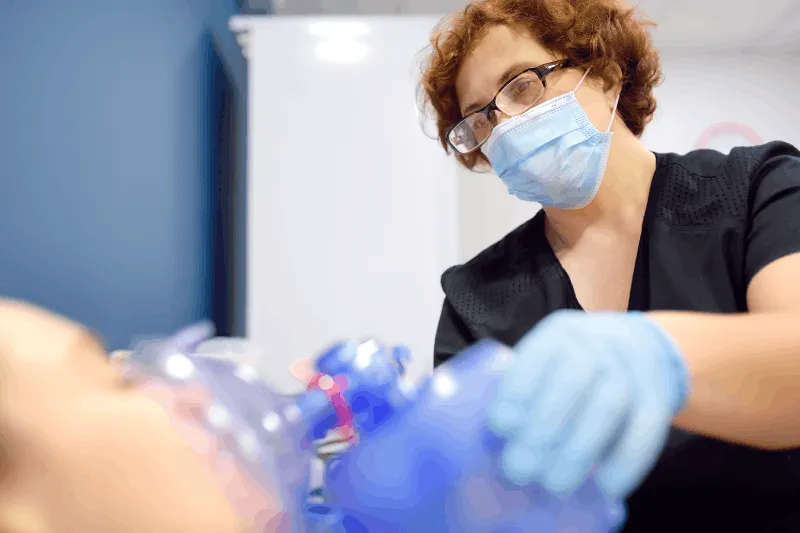
The most distinct difference between sedation and general anesthesia is the patient’s level of consciousness and respiratory control. In general anesthesia, consciousness is completely closed and respiratory support is required, while in sedation, the patient can usually breathe on their own and respond to verbal stimuli. Sedation is used to calm the patient and create a mild sleep state; it is often described as “twilight sleep.” While general anesthesia is necessary for major surgical procedures, sedation is ideal for shorter and less invasive procedures such as endoscopy, tooth extraction, or minor aesthetic interventions. The waking process from sedation is much faster and more comfortable than general anesthesia.
In Which Types Of Surgical Procedures Is Sedation Preferred?
Sedation is preferred especially in procedures where the patient’s stress and anxiety levels are high but do not require general anesthesia. Gastroenterological procedures such as gastroscopy and colonoscopy, hair transplantation, laser treatments, simple biopsies, and dentistry applications are the most common usage areas. In addition, mild sedation can be applied in addition to local anesthesia to increase the patient’s comfort in some small surgical procedures performed with local anesthesia. Thanks to this method, the patient is not affected by the sounds or the tension of the environment during the operation, but since they do not go under deep anesthesia, the chance of being discharged on the same day increases.
What Is Conscious Sedation And What Are Its Advantages?
Conscious sedation is a level of drug use where the patient can protect their own airways and give meaningful responses to physical stimuli and verbal commands. The biggest advantage of this method is that it allows the patient to complete the procedure without feeling fear or anxiety. After the procedure is over, patients usually do not remember the operation moment due to the amnesia effect. The recovery process is very fast and the long-term dizziness felt in general anesthesia does not occur. Conscious sedation is accepted as the gold standard in the medical world for individuals with dental phobia or pediatric patients because it offers a trauma-free treatment process.
Does The Patient Feel Pain During Deep Sedation?
In the deep sedation stage, the patient’s consciousness is highly suppressed, so no pain is expected during the procedure. However, since sedation itself usually does not provide full analgesia (pain relief), the surgeon also applies local anesthesia to the procedure area. Drug combinations both ensure the patient sleeps and prevent nerve endings from sending pain signals to the brain. Patients undergoing deep sedation sleep at a depth very close to general anesthesia, but their breathing is still under their own control. When managed by a professional team, it is not medically possible to feel pain during this process.
What Is Regional Anesthesia And To Which Regions Is It Applied?
Regional anesthesia is the temporary elimination of all sensation in a specific region of the body by blocking the main nerve roots going to that region with drugs. Its most common applications are spinal and epidural anesthesia, where the lower part of the waist is numbed. In addition, applications made to nerve networks (plexus blocks) in extremities such as arms or legs are also in this group. In this method, the patient is awake and can talk to the surgeon, but feels nothing in the area being operated on. It is frequently preferred to avoid the risks of general anesthesia, especially in cesarean sections, hip and knee replacement surgeries, or hand surgeries.
What Is The Difference Between Spinal Anesthesia And Epidural Anesthesia?
Although both methods are performed from the lumbar region, the space where the drug is given and the speed of onset of the effect are different. In spinal anesthesia, the drug is given as a single dose into the “subarachnoid” space where the spinal fluid is located, and the effect starts within minutes; it provides full numbness. In epidural anesthesia, the drug is given into the “epidural” space just outside the spinal membrane with the help of a catheter. The effect of the epidural starts more slowly (about 15-20 minutes) but thanks to the catheter, additional doses can be given if the operation is prolonged. Spinal anesthesia is usually ideal for shorter operations, while epidural is ideal for long-term procedures and post-natal pain control.
For What Purposes Is Epidural Anesthesia Used Besides Childbirth?
Although epidural anesthesia is known as “painless birth” among the public, it actually has a very wide usage area in the medical world. Especially after major abdominal operations, it is used for pain management after surgery so that the patient can stand up and do breathing exercises without pain. It is a unique method for providing pain control in lung surgeries, major vascular surgeries, and urological operations. In chronic pain treatment (in pain clinics), it is used to increase the quality of life of the patient by giving certain drug mixtures to the epidural space in cases such as hernia.
What Is Local Anesthesia And In Which Small Procedures Is It Used?
Local anesthesia is a method that temporarily desensitizes nerve endings in a very limited area of the body. Unlike other types of anesthesia, it does not affect the whole body or a large area; it only numbs the point where the injection is made. It is used in small-scale interventions such as mole removal, stitching, dental filling, cataract surgery, or nail extraction. The patient is completely awake and can feel the touch sensation in the procedure area but does not feel pain. The application is extremely simple, acts quickly, and does not prevent the patient from returning to their normal life as soon as the operation is over.

How Long Does The Area Under Local Anesthesia Remain Numb?
The effect of local anesthesia usually lasts between 1 and 4 hours, depending on the type and amount of drug used. In some cases, vasoconstrictors (such as adrenaline) can be added to the drug to prolong the duration of the effect. While the numbness gradually decreases, it is normal to feel tingling or slight stinging in the area. It is important to avoid eating (in dental procedures) or hot-cold contact before the numbness completely passes because the patient may unintentionally injure the numbed area. When the effect of the drug is broken down by the body and removed through the blood, normal senses in the area return completely.
Are There Any Side Effects Of Local Anesthesia?
Although local anesthesia is generally one of the safest methods, it may cause mild side effects in some patients. Swelling, bruising, or slight pain at the injection site are the most common conditions. In rare cases, if the drug mixes into the blood quickly, palpitations, dizziness, or a metallic taste in the mouth may occur. A real drug allergy is very rare, but the anesthesia specialist should be informed in case of any itching or shortness of breath. Most side effects are temporary and resolve spontaneously in a short time without the need for any additional treatment.
Why Is It Important To Meet With An Anesthesiologist Before Surgery?
The anesthesia examination is as critical as the surgical part of the operation. In this meeting, the specialist questions your medical history, the drugs you use, the surgeries you have had before, and your anesthesia experiences. They determine the intubation risks by evaluating your airway. This visit ensures the selection of the most appropriate type of anesthesia for you and the pre-prediction of risks that may occur during the operation. In addition, this meeting is an information and relaxation opportunity for patients with anesthesia fear. You should not hesitate to ask your specialist any questions, because a safe operation starts with mutual information sharing.
Why Is It Necessary To Stay Fasted Before Anesthesia?
Under anesthesia, especially in general anesthesia, the body’s protective reflexes (such as coughing and swallowing) stop temporarily. If the stomach is full, there is a risk of stomach contents going up from the esophagus and escaping into the windpipe (aspiration). This condition can lead to serious lung infections or respiratory arrest. Usually, a fasting period of 6-8 hours for solid foods and 2-4 hours for clear liquids such as water is required. This rule is of vital importance even for a simple sedation procedure and is a rule that should never be compromised for the safety of the patient.
How Does Smoking And Alcohol Use Affect The Anesthesia Process?
Smoking reduces the oxygen-carrying capacity of the lungs and increases the amount of phlegm in the airways. Respiratory complications and wound healing problems are much more common in smokers during and after surgery. Alcohol, on the other hand, can change the breakdown rate of anesthesia drugs in the body by affecting liver enzymes. Chronic alcohol consumers may need more anesthesia drugs than normal. Ideally, smoking should be stopped at least 2-4 weeks before the surgery and alcohol consumption should be restricted. This preparation will make the waking process much more comfortable and safe.
How Do Chronic Diseases Change The Selection Of Anesthesia Method?
Conditions such as diabetes, high blood pressure, heart failure, or kidney diseases directly affect anesthesia management. For example, in a patient with severe heart disease, regional anesthesia methods that will not tire the heart may come to the fore. In diabetic patients, the blood sugar balance during surgery should be monitored by the anesthesiologist. The specialist physician adjusts the drug doses according to the type of chronic disease and takes additional measures to protect these organs during the operation. Having a chronic disease is not a barrier to receiving anesthesia; it only requires the anesthesia team to be more prepared and equipped in this regard.
Are Anesthesia Applications In Children Different From Adults?
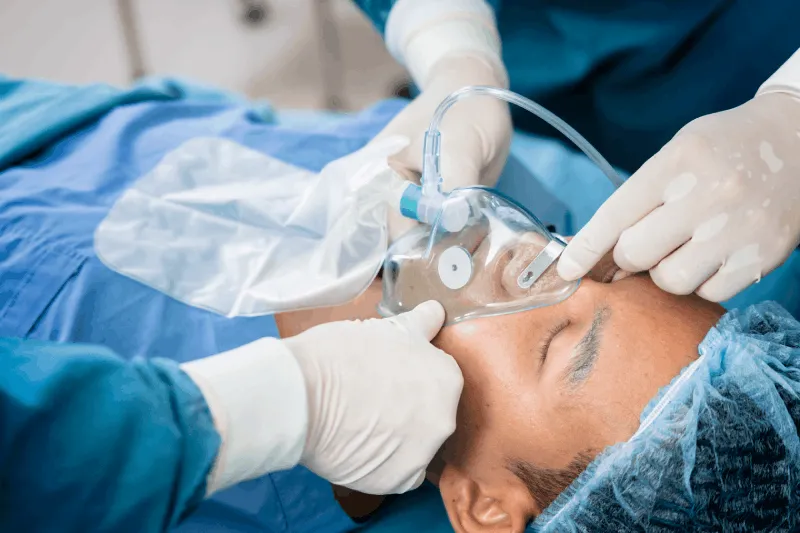
Children are not small adults anatomically and physiologically; therefore, pediatric anesthesia requires special expertise. In children, the process is usually started by giving anesthetic gases (induction) with a mask before opening the vascular access to overcome the fear of needles. Drug doses are calculated millimetrically according to body weight. In addition, children’s fluid balance and heat control are much more sensitive. The fact that the operating room is cold or fluid loss affects children more quickly. Involving families in the process and reducing the child’s stress is one of the most important psychological parts of pediatric anesthesia.
How Are Anesthesia Risks Minimized In Elderly Patients?
Although the reduction of organ reserves and accompanying diseases increase the risk in elderly individuals, modern medicine is quite successful in this group. The excretion time of drugs from the body is longer in elderly patients, so lower doses and short-acting drugs are preferred. The anesthesia specialist uses advanced monitoring techniques to protect brain functions and organ perfusion throughout the operation. In order to reduce the risk of confusion (delirium) that may occur in the post-operative period, the patient is encouraged to be stimulated early and their pain is managed well. Age is just a number; what matters is planning appropriate for the patient’s biological age.
How Are The Drugs Used During Anesthesia Removed From The Body?
While the gases used during anesthesia are exhaled through the lungs, the drugs given intravenously are mainly metabolized by the liver and excreted through the kidneys via urine. Modern anesthesia drugs are designed to be very short-acting. These drugs do not accumulate in the body and are quickly removed from the body when their effect passes. Consuming plenty of water in the early period after surgery (when your doctor allows) and moving help these drug residues to be cleared from the system faster. The thought that “anesthesia stays in the body for years” believed among the public lacks a medical basis.
Why Do Nausea And Vomiting Occur After Anesthesia?
Post-operative nausea and vomiting (PONV) is a common but manageable side effect. The reasons for this include the anesthesia gases used, painkillers (opioids) given during the operation, the patient’s stomach sensitivity, and the type of operation (especially eye and ear surgeries). Women, those with motion sickness, and non-smokers are more prone to this condition. Today, anesthesia specialists can control this problem to a great extent by giving anti-emetic drugs through the vascular access before the surgery is over in risky patients.
Is Post-Operative Sore Throat Related To Anesthesia?
The tube (endotracheal tube) placed in the windpipe to make the patient’s breathing safe during general anesthesia or devices placed in the mouth (LMA) may cause a slight irritation in the back of the throat. This irritation manifests itself in the form of difficulty swallowing or a feeling of dryness in the throat lasting 24-48 hours after the operation. It usually passes on its own; consuming warm liquids and using throat sprays if necessary provides relief. This situation is a temporary result of a mandatory precaution taken by the anesthesia team to keep the patient safe and does not cause permanent damage.
What Is The Probability Of Waking Up Under Anesthesia?
“Awareness” or waking up during surgery, which is one of the most feared situations among the public, is extremely rare today thanks to modern devices (about 1 in 20,000 operations). Thanks to special brain monitors (such as BIS) that measure anesthesia depth, the level of the patient’s consciousness can be monitored instantly. If the patient shows a tendency to wake up, the changes in the monitors immediately warn the anesthesiologist and the drug dose is increased within seconds. Therefore, the probability of such a situation occurring in a professional environment is almost non-existent.
How To Cope With Anesthesia Fear?
Anesthesia fear is a very natural feeling arising from the unknown. The most effective way to overcome this fear is information. Detailed meeting with your anesthesiologist, expressing your concerns, and learning how the process will work will relax you. In addition, you can request mild sedative drugs (premedication) before the day of surgery; these drugs put you in a peaceful state of mind while going to the operating room. Remember that the anesthesiologist in the operating room is the person closest to you, whose only task is to protect your life functions and who keeps the whole process under control.
Which Types Of Anesthesia Are More Common In Dental Treatments?
Local anesthesia is most commonly used in dentistry; however, sedation is a frequently preferred alternative for those with dental phobia or very long-term surgical procedures (implant, impacted tooth removal). General anesthesia is usually applied for small children or mentally disabled patients who cannot cooperate. In dental treatments performed under sedation, the patient does not feel pain, feels relaxed, and feels as if only 5 minutes have passed when the procedure is over. These methods have turned dental treatment from being a nightmare into a comfortable medical procedure.
How Is Anesthesia Selection Made In Aesthetic Surgery?
Anesthesia selection in aesthetic operations varies according to the scope of the surgery. While major procedures such as nose aesthetics (rhinoplasty) or tummy tuck are necessarily performed under general anesthesia; procedures such as eyelid aesthetics or nipple correction can be performed with a combination of local anesthesia and sedation. The patient’s request is also important at this point; however, the final decision is made by the anesthesia specialist who prioritizes the patient’s safety. For the patient to be “ready to give a photo” quickly after aesthetic surgery, the anesthesia team usually chooses drugs with the highest waking comfort.
Which Anesthesia Method Is Standard In Robotic Surgery?
Robotic surgery (systems like Da Vinci) is generally used in urological or gynecological cancer surgeries and requires general anesthesia as a standard. During robotic procedures, the patient’s body position (Trendelenburg – head down) and the gas pumped into the abdomen require special attention in terms of anesthesia management. The anesthesia specialist must provide full muscle relaxation so that the robotic arms do not harm the patient. Thanks to the small incisions, which are the advantage of robotic surgery, there is less pain after anesthesia and patients can stand up much faster.
What Determines The Duration Of Hospital Stay After Anesthesia?
The duration of hospital stay depends on the scale of the surgical procedure performed rather than the anesthesia. After local anesthesia or simple sedation procedures, the patient can usually be monitored for 1-2 hours and sent home. However, in major operations requiring general anesthesia, the patient is requested to stay in the hospital for at least one night for full recovery, pain control, and start of nutrition. The anesthesiologist does not allow the patient to leave the hospital without approving the “discharge criteria” (level of consciousness, ability to walk, nausea control).
How To Plan A Safe Surgical Process With Cure Holiday?
Cure Holiday, the leading health tourism organization in Turkey, works with hospitals that have adopted world standards in anesthesia and surgical safety. From the moment you contact us, your file is examined by our specialist physicians and which anesthesia method is safest for you is evaluated in advance. Cure Holiday guarantees not only a successful operation but also a peaceful preparation process where you will overcome your anesthesia fear. Our specialists stay with you throughout the process within the treatment plan specially prepared for you and keep your safety at the highest level.
Why Is Cure Holiday The Most Correct Choice In Health Tourism?
Cure Holiday sees health tourism not just as a treatment process, but as a holistic comfort experience. We cooperate with fully equipped A++ hospitals where modern anesthesia techniques and the most advanced technology surgical equipment are used. We increase your recovery speed with special care services and luxury accommodation options offered to you during the recovery process after anesthesia. Thanks to our patient satisfaction-oriented approach, all your concerns about anesthesia and surgery are meticulously managed by our professional team and all you have to do is enjoy your new look.
What Is Offered In Treatment Packages With Cure Holiday?
As Cure Holiday, the “all-inclusive” packages we offer allow you to focus directly on your health without dealing with any details. In our packages; operations performed by specialist surgeons and experienced anesthesia teams in their fields, all necessary pre-operative anesthesia tests and consultations, VIP transfer services, and accommodation opportunities in 5-star hotels are included. In addition, all the medications you will need after the surgery and your follow-up appointments are within this scope. Thanks to our transparent price policy, you will not encounter surprise costs and you will receive a world-class health service in the most advantageous way.
How Can You Start Your Dream Treatment With Cure Holiday?
To start the journey of change, all you need to do is reach out to the expert consultants of Cure Holiday. In our free pre-consultation process, we can build the most appropriate solution together by sharing your treatment expectations and medical history. Our team, providing 7/24 support for all your questions from anesthesia options to surgical techniques, is ready to host you in the most distinguished clinics of Turkey. Join the Cure Holiday family to entrust your health and beauty to professional hands and to be safely renewed with the comfort of modern anesthesia. Contact us today and smile with confidence at your future.
Free Consultation
Fill out the form below to get your free medical travel plan and price quote.
Sources and how to verify this yourself
- Ministry of Health, Regulation on International Health Tourism and Tourist Health, Official Gazette 26 April 2025, No. 32882 — authorisation requirement for facilities and intermediaries, TÜSKA accreditation, compulsory complication insurance (deadline 31 December 2025 for insurance, 31 December 2026 for accreditation). source
- Ministry of Health, Regulation on Promotion and Information Activities in Health Services, Official Gazette 12 November 2025, No. 33075 — treatment promises and guarantees are prohibited; price and campaign announcements are permitted only within international health tourism. source