
What is athlete’s foot?
Athlete’s foot, medically known as tinea pedis, is an extremely common and highly contagious fungal infection that typically develops in the upper layers of the foot’s skin. Although it frequently begins in the narrow spaces between the toes, it has the potential to spread across the soles and along the sides of the feet. These specific types of fungi thrive in warm, dark, and moist environments, where they multiply rapidly by consuming keratin, a protein found in skin cells. If the infection is left untreated, it can lead to severe itching, inflammation, and the development of painful cracks or secondary nail infections. This condition is not exclusive to athletes; it can affect individuals of any age who may neglect proper foot hygiene or frequently encounter damp environments.
What are the symptoms?
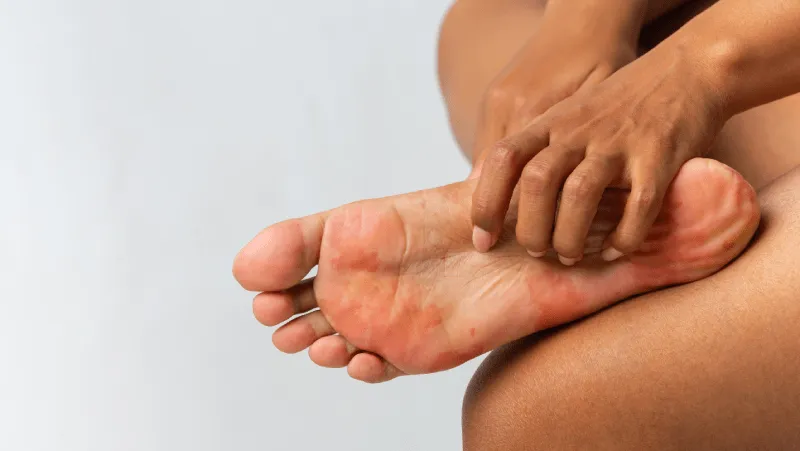
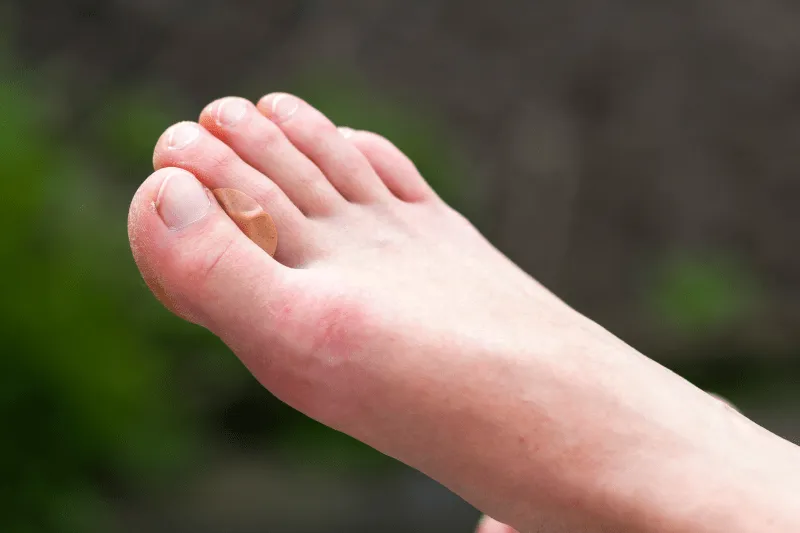
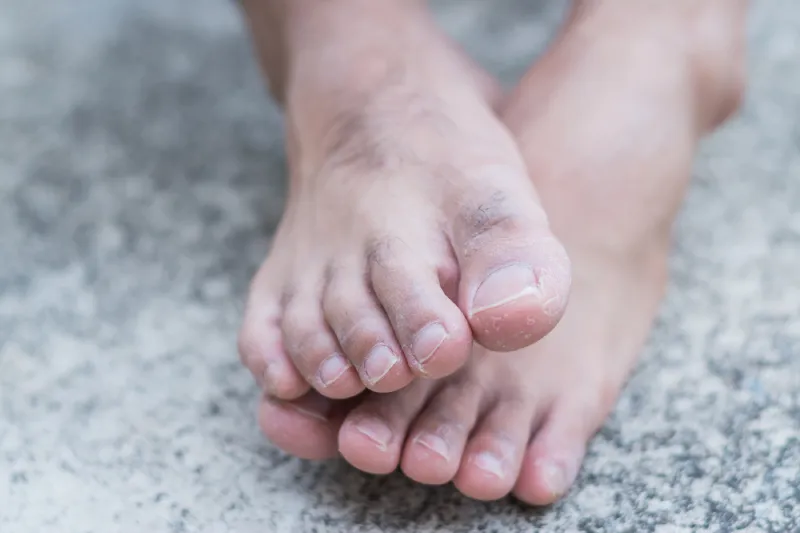
The most prominent and early symptom of athlete’s foot is an intense, persistent itching and burning sensation, particularly concentrated between the toes. As the fungal infection progresses, the affected skin may exhibit redness, scaling, peeling, and sometimes the formation of small, fluid-filled blisters that can be quite sensitive. In more advanced or chronic cases, deep and painful cracks may develop in the skin, which can serve as entry points for secondary bacterial infections, leading to further complications. Thickening of the skin on the soles and the appearance of a white, moist layer are also common clinical findings. If the infection spreads to the toenails, they may become thickened, discolored, and prone to crumbling, requiring more intensive medical intervention.
What are the causes?
Athlete’s foot is caused by microscopic fungal organisms known as dermatophytes, which have a unique ability to survive and thrive on human skin. These organisms are most active in environments that provide darkness, warmth, and moisture, making the interior of a sweaty shoe a perfect breeding ground. Wearing tight, non-breathable footwear for extended periods and failing to dry the feet thoroughly after bathing or swimming are primary factors that facilitate fungal growth. Furthermore, a weakened immune system or underlying circulatory issues can compromise the skin’s natural defense mechanisms, making it easier for fungi to establish an infection. Since these fungi feed on keratin, even a minor abrasion on the skin can act as a gateway for the infection to begin.
Who is at risk?
While anyone can potentially contract athlete’s foot, individuals with certain lifestyles or health conditions are at a significantly higher risk. Primarily, workers who must wear heavy, enclosed boots for long shifts, professional athletes, and people who spend most of their day on their feet are in the high-risk category. Patients with diabetes or circulatory disorders face greater challenges because poor blood flow to the feet can hinder the healing process and make the skin more susceptible to persistent infections. Additionally, those using immunosuppressive medications or suffering from chronic illnesses should be extra cautious. People who frequently visit communal areas like public swimming pools, saunas, and gym showers also face a constant risk of exposure.
Is it contagious?
Yes, athlete’s foot is a highly contagious condition that can easily spread from person to person through direct contact or contaminated surfaces. Fungal spores can linger on towels, slippers, socks, and shoes used by an infected individual, waiting for a new host. The most common route of transmission is walking barefoot on wet floors in shared environments such as locker rooms, public pools, and community showers. Within a household, if one family member is infected, it is vital to avoid walking barefoot and to strictly separate personal items like towels and nail clippers to prevent spreading the fungus to others. Taking these precautions is essential for maintaining a healthy home environment and preventing a cycle of reinfection.
Can it be treated at home?
Mild cases of athlete’s foot can often be successfully managed at home using over-the-counter antifungal creams combined with a rigorous hygiene routine. The success of home treatment largely depends on the consistent application of medications and keeping the feet dry at all times to prevent the fungus from thriving. However, if there is no visible improvement within two weeks of home care, or if the infection spreads to the nails or causes severe pain and discharge, a dermatologist must be consulted immediately. While herbal remedies can be used as supportive measures, they should generally not replace proven medical treatments. Patience is key, as finishing the full course of treatment is necessary even after symptoms disappear.
Which creams are used?
Topical antifungal creams are the most common and effective method for treating athlete’s foot, as they deliver medication directly to the source of the infection. These creams typically contain active ingredients such as terbinafine, clotrimazole, miconazole, or ketoconazole, which work by disrupting the cell walls of the fungi. For the best results, the cream should be applied once or twice daily to feet that have been cleaned and dried thoroughly. It is important to spread the cream not just on the infected area but also to the surrounding healthy skin to eliminate any hidden spores. Treatment duration usually lasts between 2 to 4 weeks, and continuing the application for a week after symptoms vanish is highly recommended.
How long are medications used?
The duration of antifungal treatment varies depending on the severity of the infection and the specific formulation of the medication being used. Generally, for topical creams, a period of 2 to 4 weeks is recommended by healthcare professionals to ensure complete eradication. Because fungal spores are remarkably resilient, one of the most common mistakes is stopping the treatment as soon as the itching and redness subside. Continuing the medication for at least one week after the skin appears clear helps eliminate spores hidden in deeper skin layers. If oral medications are prescribed, the instructions provided by the doctor must be followed precisely. Cutting a treatment short can lead to the fungus developing resistance and returning more aggressively.
Is baking soda effective?
Baking soda is a popular supportive method in the fight against athlete’s foot due to its unique chemical properties. Its alkaline nature helps to neutralize the acidic environment that fungi prefer, thereby inhibiting their ability to multiply and spread further. Additionally, baking soda is excellent at absorbing excess moisture from the skin and neutralizing the unpleasant odors associated with fungal infections. For application, you can sprinkle a small amount of baking soda between your toes after washing your feet or prepare a foot soak with baking soda and warm water. However, it is not a standalone medical cure; rather, it is a helpful tool for keeping the feet dry and relieving some of the discomfort and itching.
Does a vinegar soak work?
Vinegar soaks have been used for many years as a natural home remedy to help manage fungal infections of the feet. The acidic property of vinegar changes the pH balance of the skin, creating an environment that is hostile to the survival and growth of fungi. Soaking the feet in a mixture of one part white or apple cider vinegar to three parts warm water for 15-20 minutes a few times a week can reduce itching and help exfoliate dead skin cells. It is crucial, however, to dry the feet, especially the gaps between the toes, very thoroughly after each soak. If there are open sores or deep cracks in the skin, vinegar can cause a burning sensation and should be avoided.
Is tea tree oil beneficial?
Tea tree oil is one of the most potent natural essential oils known for its significant antifungal and antiseptic properties. Some scientific studies suggest that tea tree oil, when diluted to concentrations of 25% to 50%, can be as effective as some over-the-counter creams in relieving fungal symptoms. Mixing this oil with a carrier oil, such as coconut oil, and applying it twice daily to the infected area can help kill the fungus while soothing the skin. Because pure tea tree oil can cause allergic reactions or severe irritation in some individuals, it should always be skin-tested or diluted before use. For those seeking a plant-based solution, tea tree oil is one of the most reliable options.
Is garlic used in treatment?
Garlic contains a compound called “allicin,” which possesses strong natural antibacterial and antifungal properties that have been utilized for centuries. Historical practices and some modern studies have shown that garlic can inhibit the growth of various fungal strains. For a home application, crushed fresh garlic can be placed between the toes for a short period, or garlic oil can be used topically. However, leaving raw garlic on the skin for too long can lead to “garlic burns,” which are serious skin irritations. Therefore, using garlic-infused creams or keeping the application time very brief is highly recommended. Due to its strong odor, many people prefer to apply these treatments during the night hours.
How should socks be chosen?
Selecting the right type of socks is just as critical as using the correct medication when dealing with athlete’s foot. Since fungi thrive in damp environments, it is essential to avoid synthetic socks made of nylon or polyester, which tend to trap moisture against the skin. Instead, opt for socks made of 100% cotton, wool, or bamboo, as these materials are breathable and effective at wicking sweat away from the feet. If your feet sweat excessively during the day, you should carry a spare pair and change them as soon as they become damp. Socks should be washed in hot water to kill any lingering fungal spores and ensure they are fresh for every use.
How are shoes disinfected?
Even if you successfully treat the fungus on your skin, spores living inside your shoes can cause the infection to recur repeatedly. This makes shoe hygiene an essential part of the recovery process. Shoes should be rotated daily, allowing each pair at least 24 hours to air out completely before being worn again. Using antifungal sprays or powders inside your footwear can help neutralize spores and prevent them from multiplying. If possible, removable insoles should be taken out and washed or replaced periodically. Since sunlight acts as a natural disinfectant, placing your shoes in a sunny spot to ventilate is highly beneficial. For very old or heavily infected athletic shoes, it may be safest to discard them.
How to protect yourself in pools?
Swimming pools are among the most common places where athlete’s foot is transmitted due to the high volume of barefoot traffic. Pool decks, steps, and communal foot baths act as reservoirs for fungal spores that thrive in the wet environment. The most fundamental rule for protection is to never walk barefoot in pool areas or communal showers; always wear your own waterproof flip-flops or sandals. After leaving the pool, wash your feet thoroughly with soap and water, and use a clean towel or paper towel to dry between each toe individually. Waiting to dry your feet while wearing wet slippers can create a moist environment that increases the risk of fungal growth.
Should care be taken in gyms?
Gyms are high-risk zones for athlete’s foot because of the combination of intense physical activity, sweat, and shared facilities. Locker rooms and communal showers are perfect environments for the spread of fungal spores. Since feet sweat heavily during exercise, it is important to remove damp socks and wash your feet immediately after your workout is finished. Always keep a clean pair of socks and dedicated shower shoes in your gym bag to avoid contact with contaminated floors. Additionally, ensure that any towels you use are your own and have been freshly laundered. Athletic shoes used in the gym should be cleaned regularly and treated with antifungal sprays to maintain proper hygiene.
Does it turn into nail fungus?
The most significant complication of untreated athlete’s foot is the spread of the infection to the toenails, a condition known as onychomycosis. Fungal spores from the skin can easily migrate and embed themselves under the nail bed. Nail fungus is much more resilient than skin fungus and can require several months of consistent medical treatment to resolve. Affected nails often become thickened, yellowed, brittle, and aesthetically unpleasing. In some severe cases, the nail may even separate from the bed, causing pain and discomfort. Treating the skin infection early is the only way to prevent this difficult process from starting. If you notice nail changes, consult a doctor for a stronger treatment plan.
What should diabetes patients do?
For patients with diabetes, athlete’s foot is more than a simple skin irritation; it can escalate into a major health threat. High blood sugar levels can provide a source of fuel for fungi and slow down the body’s natural immune response. Furthermore, diabetic neuropathy (nerve damage) may prevent the patient from feeling the initial itching or the development of painful cracks. If left unnoticed, a small fungal crack can quickly lead to serious ulcers and deep tissue infections like cellulitis. Therefore, individuals with diabetes should inspect their feet daily using a mirror and seek medical advice for even minor redness. They should never attempt to treat themselves without professional guidance.
When should a doctor be visited?
While many people try to manage athlete’s foot on their own, professional medical intervention is necessary in several specific situations. If there is no improvement after two weeks of home treatment, or if the infection is spreading rapidly or affecting the nails, you should see a dermatologist. Additionally, signs of a secondary bacterial infection—such as extreme swelling, increased warmth, pus discharge, or intense pain—require immediate medical attention. Diabetic patients or those with weakened immune systems should never ignore any symptoms and should visit a doctor directly. A physician can take a small skin sample to identify the exact fungal strain and prescribe the most effective medications.
How to prevent it from recurring?
Athlete’s foot has a high tendency to return even after it has been successfully cleared, so maintaining healthy habits is essential. You should always wear high-quality, breathable shoes and avoid wearing the same pair two days in a row. Washing your feet every day and drying them meticulously, especially between the toes, must become a permanent part of your routine. Always wear protective footwear in public areas like pools and gyms. If your feet are naturally prone to sweating, using a foot powder daily can help manage moisture levels. Keeping your immune system strong through a healthy diet and never sharing personal items are the best ways to keep the fungus away for good.
Why is drying so important?
Drying the feet is the most critical yet often overlooked step in the treatment and prevention of athlete’s foot. Fungi can survive and multiply for hours even in a very thin layer of moisture on the skin. Because the spaces between the toes are narrow and enclosed, they are particularly prone to staying damp after a shower. If you put on socks while these areas are still wet, you create a “greenhouse effect” that is ideal for fungal growth. You should use a soft towel and take the time to dry between each toe, or even use a hairdryer on a cool setting for thoroughness. Ensure the towel is clean and never reuse a damp one.
Is the use of powder necessary?
Foot powder is an excellent aid, particularly for individuals who suffer from excessive foot sweating, also known as hyperhidrosis. Powder works by absorbing sweat throughout the day, keeping the skin surface dry and less hospitable to fungal growth. It also helps to reduce friction inside the shoe, which prevents minor skin irritations that could lead to infections. Specialized antifungal powders can provide an extra layer of protection while actively supporting the treatment process. However, applying powder to wet feet can cause it to clump and irritate the skin further. Therefore, powder should only be applied to completely dry skin before putting on socks to maximize its effectiveness and comfort.
How can itching be relieved?
The persistent itching caused by athlete’s foot can be incredibly distracting and sometimes unbearable in daily life. To soothe the itch, you can start by applying a cold compress to the affected area, which helps constrict blood vessels and dull the itching signals. Your doctor may also recommend calamine lotions or mild corticosteroid creams for temporary relief. However, using steroid creams alone or for too long can actually worsen a fungal infection, so they must always be used in combination with antifungal agents. It is important to avoid scratching with your nails, as this can damage the skin and allow the fungus to spread to your hands or other parts of your body.
Should blisters be popped?
In certain types of athlete’s foot, particularly the “vesiculobullous” type, small fluid-filled blisters can form under the skin. You must never pop these blisters yourself. Even if the fluid inside appears clear, breaking the skin’s surface invites bacteria to enter, which can lead to a much more serious infection. Additionally, if these areas become open sores, the healing process will be much longer and more painful. You should gently apply the creams prescribed by your doctor over the blisters and allow the area to breathe as much as possible. If a blister pops on its own, clean the area with an antiseptic solution and cover it lightly with a clean bandage.
How is the odor problem solved?
Athlete’s foot is frequently accompanied by an unpleasant odor, which is often caused by bacteria thriving on the damaged skin rather than the fungus itself. The first and most important step in eliminating the odor is to actively treat the underlying fungal infection. In addition to medical treatment, sprinkling baking soda inside your shoes or using deodorizing sprays can be very helpful. Washing your feet daily with antibacterial soap and using vinegar soaks will reduce the bacterial load and help control the smell. Choosing breathable shoes and natural fiber socks is also key to a long-term solution. Remember, a healthy foot should not have an excessively foul odor under normal conditions.
How is nighttime care done?
Fungal treatment can be particularly effective during the night because the feet are out of shoes and have plenty of time to breathe. Before going to bed, wash and dry your feet thoroughly, then apply your antifungal cream generously to all affected areas. While some experts suggest wearing thin cotton socks to help the medication absorb, if the room temperature allows, leaving the feet uncovered increases oxygen exposure, which fungi dislike. Allowing the skin to remain open to the air overnight can significantly speed up the healing and repair process. Additionally, washing your bed linens frequently in hot water helps remove any skin scales that might be carrying fungal spores.
Is the immune system effective?
The immune system serves as the primary line of defense against the fungal spores that we encounter every day. A robust immune response can often neutralize fungi before they have a chance to settle and cause a visible infection. Factors such as high stress, lack of sleep, poor nutrition, and chronic illnesses can weaken your immunity, making you more susceptible to persistent fungal issues. Eating a diet rich in vitamin C, zinc, and probiotics can help boost your body’s natural resistance to infections. If you suffer from recurring athlete’s foot, it may be a sign of a weakened immune system, and getting a blood test to check your nutrient levels might be a wise step.
Is it seen in children?
Although athlete’s foot is more common in adults, it can certainly affect children and adolescents as well. Children who participate in sports, wear school shoes all day, or attend swimming lessons are at a higher risk of exposure. Because children’s skin is often thinner and more sensitive, fungal symptoms can lead to redness and irritation more quickly than in adults. Parents should teach their children the importance of drying their feet properly and why they should never share slippers or towels. Since medication dosages for children may differ, it is important to consult a pediatrician or dermatologist before applying any over-the-counter creams to a child’s skin.
How is treatment during pregnancy?
During pregnancy, changes in the body’s resistance and hormonal fluctuations can increase the likelihood of developing fungal infections. However, using medications during this period is a sensitive issue that requires caution. Most topical antifungal creams are considered safe because they are absorbed into the systemic circulation in very small amounts. Nevertheless, you should always consult your obstetrician before starting any new medication. Oral antifungal pills are generally strictly prohibited during pregnancy as they could potentially harm the developing fetus. During this time, focusing on strict hygiene, wearing cotton socks, and using natural methods like vinegar soaks is the safest way to manage the condition.
Is spray or cream better?
Antifungal medications are available in various forms, including creams, sprays, powders, and solutions, and the choice often depends on the type and location of the infection. Creams are generally better for dry, scaly areas because they provide moisture while keeping the medication in contact with the skin. Sprays are more practical for covering large areas or reaching into narrow spaces between the toes without needing to touch the infected skin. They also leave the feet less moist, which is an advantage for those who sweat a lot. A common approach is to use a cream in the evening for deep penetration and a spray or powder during the day for protection.
Are herbal solutions a definitive cure?
Herbal solutions such as vinegar, tea tree oil, and garlic can be very effective at relieving symptoms and preventing infections in mild cases. However, viewing them as a “definitive cure” for all cases can sometimes be misleading. Fungal spores are incredibly resilient, and natural substances may not always have a high enough concentration to completely eradicate them in deep skin layers. This can lead to the infection lingering silently and becoming chronic over time. The healthiest approach is to use herbal methods as a complement to medical treatment. If you do not see results within a week of using natural remedies, it is important to switch to proven antifungal medications.
How to prepare a foot bath?
Preparing a relaxing and therapeutic foot bath is simple and requires only a few household items like warm water and a disinfecting agent. You can add one cup of apple cider vinegar or half a cup of sea salt to about 3-4 liters of warm water. If you prefer baking soda, two tablespoons will be sufficient to create a soothing soak. Keeping your feet in this mixture for 15-20 minutes softens the skin and helps relieve the intense itching. After the bath, you can gently remove dead skin cells with a pumice stone, but only on non-infected areas. The most important rule is to dry your feet meticulously for several minutes after you finish the soak.
Is walking barefoot harmful?
The answer to this question depends entirely on where you are walking. Walking barefoot in your own home on floors that you know are clean can actually be beneficial, as it allows your feet to get much-needed air and stay dry. Exposure to oxygen is the enemy of fungal growth. However, walking barefoot in public places—especially on hotel carpets, pool decks, or gym locker rooms—is a major risk factor for contracting the infection. These surfaces are common transfer points for resilient fungal spores. If someone in your household has a fungal infection, they should wear socks or slippers in shared areas until they are healed to prevent spreading the spores.
Is sharing towels risky?
Sharing towels is one of the primary ways that athlete’s foot is transmitted among family members or roommates. Fungal spores can survive for a long time within the damp fibers of a towel, waiting to be transferred to another person’s skin. When a healthy individual uses a towel that an infected person used to dry their feet, the spores are moved directly onto their skin. This risk applies to both dedicated foot towels and general bath towels. Every person in a household should have their own distinct towel, perhaps in a different color or pattern. Towels used by someone with an active infection should be washed in hot water after every single use.
What to do after treatment?
Once your treatment is successfully completed, it is vital not to become complacent, as the fungus can return if the right conditions are met. A great way to start fresh is to discard old socks used during the infection and purchase new, high-quality cotton ones. You should also thoroughly clean all of your shoes with antifungal sprays or powders to ensure no hidden spores remain. Continue the habit of washing and drying your feet every single day without fail. You might also choose to continue a weekly protective vinegar soak to maintain a healthy skin pH. Being proactive and maintaining these habits is the only way to ensure your feet stay healthy and fungus-free.
What are the hygiene rules?
The golden rules for protecting yourself from athlete’s foot are based on simple but consistent hygiene principles. Wash your feet every day with soap, making sure to clean between every toe. Never wear someone else’s slippers, shoes, or socks, no matter how close you are to them. When buying new shoes, always try them on while wearing a fresh pair of socks. Opt for footwear made from natural materials like leather or canvas that allow for proper air circulation. Keep your toenails trimmed regularly and never share your nail clippers. If you visit a salon for a pedicure, ensure the tools are sterilized or bring your own set. Protecting your foot health is essential for your overall well-being.
Free Consultation
Fill out the form below to get your free medical travel plan and price quote.