What Is Revision Obesity Surgery?
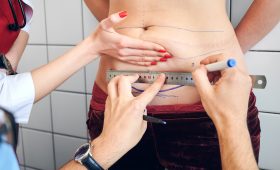
Revision obesity surgery refers to corrective operations performed when the target weight loss cannot be achieved after a previous bariatric surgery or when the lost weight is regained. It is not only preferred for weight regain but also to address complications such as reflux, stenosis, or nutritional disorders resulting from the first operation. This type of surgery aims to reactivate the metabolism by rearranging the patient’s anatomy. Technically, it requires a high level of expertise as it has a more complex structure than the primary surgery. A meticulous evaluation of the patient’s current condition and the creation of a personalized revision plan are the primary factors that directly increase the chances of long-term success.
Why Is Weight Regained After Obesity Surgery?
Weight regain after obesity surgery is a multi-dimensional issue and is generally based on surgical, biological, or behavioral reasons. Surgical reasons may include the enlargement of the gastric pouch over time or the adaptation of intestinal passages. Biologically, the body’s homeostasis mechanism may perceive a low weight as a threat and slow down the metabolism. However, the most common reason is the patient’s inability to adapt to the lifestyle changes required after the surgery. Consuming high-calorie snacks, carbohydrate-heavy nutrition, and a sedentary life can eliminate the advantages provided by surgery over time. When weight regain begins, consulting a specialist immediately is vital to understand the root of the problem and produce a permanent solution.

When Is Weight Gain Considered A Surgical Problem?
Not every small weight fluctuation after surgery requires a surgical intervention. However, regaining more than 50% of the total weight lost or the recurrence of the patient’s obesity-related comorbidities (such as diabetes or hypertension) is considered a serious surgical problem. If the patient continues to gain weight or cannot lose weight despite full compliance with diet and exercise programs, anatomical insufficiency is suspected. The volume of the stomach and the condition of the intestines are checked with radiological imaging. If the gastric pouch is excessively enlarged or the malabsorptive effect has disappeared, a professional revision plan is recommended. At this point, the patient’s motivation and readiness are also among the factors influencing the surgical decision.
Who Is A Suitable Candidate For Revision Surgery?
Suitability for revision surgery is not measured only by the numbers on the scale; the patient’s general health status and psychological readiness are of great importance. Primary candidates are those whose first surgery was at least 18-24 months ago, whose weight loss has stopped, or who have started to regain weight. In addition, patients with mechanical problems such as severe reflux, bile leakage, or hiatal hernia that do not pass after surgery are also included in this scope. Candidates are expected to be determined to correct their eating habits before the revision and to have the awareness to manage the post-operative process meticulously. With the awareness that surgical risks are higher than the first surgery, it is essential that the patient’s comorbidities are under control.
What Are The Main Goals Of Revision Surgery?
The primary goal of revision surgery is to minimize obesity-related risks by bringing the patient closer to their ideal weight. In addition, it aims to correct anatomical defects remaining from the first operation, such as stomach enlargement or pouch sagging. A second goal is to ensure that the patient regains metabolic health; especially the control of type 2 diabetes plays a critical role in this process. The operation aims to facilitate portion control by reviving the patient’s sense of satiety. Furthermore, eliminating problems that impair the quality of life, such as chronic pain, vomiting, or acid reflux, is one of the cornerstones of revision. Consequently, the goal is to provide a new and more effective biological ground for the patient to lead a healthy life.
Is It Possible For The Stomach To Expand After Surgery?
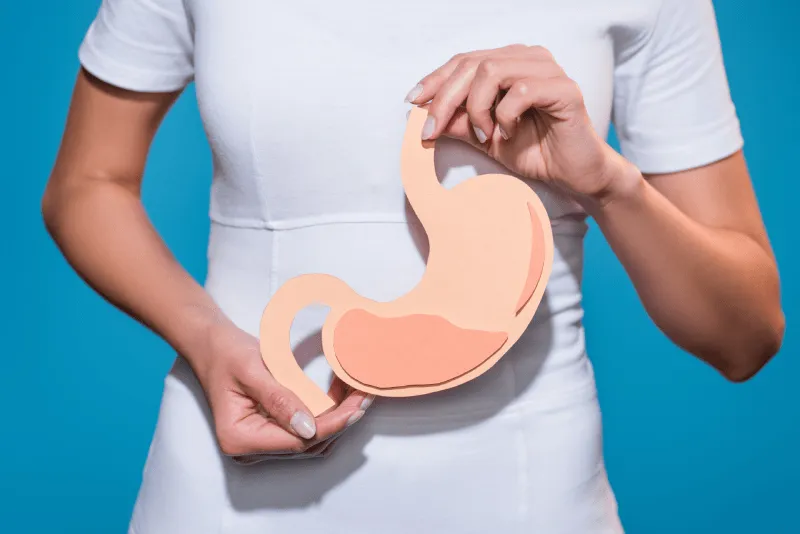
The stomach is naturally a muscular organ that can stretch, and some expansion after obesity surgery can be physiologically expected. However, uncontrolled eating, excessive consumption of carbonated beverages, and continuing to consume sugary foods despite “dumping” syndrome can significantly increase the volume of the gastric pouch. An enlarged stomach causes satiety signals to reach the brain later, which leads to the patient unknowingly increasing their portion sizes. When the volume of the stomach is measured with imaging methods, if the capacity has significantly exceeded surgical limits, a revision intervention comes to the agenda to regain the restrictive effect. To prevent this situation, it is recommended to adhere to the rule of small portions and slow eating in the post-operative period.
What Should Those Who Gain Weight After Sleeve Gastrectomy Do?
For patients who gain weight after Sleeve Gastrectomy surgery, the process begins with a comprehensive evaluation. In the first step, calorie intake and eating habits are analyzed by keeping a food diary. If lifestyle interventions do not yield results, stomach volume is checked with radiological examinations. If the stomach has enlarged, a repeat sleeve gastrectomy (re-sleeve) can be performed, or a transition to more effective malabsorptive methods such as Gastric Bypass or Transit Bipartition can be made. This transformation both reduces the stomach volume and maximizes appetite control and weight loss by affecting intestinal hormones. The patient’s condition must be examined in detail by the surgeon to decide on the most appropriate transformation method.
What Are The Revision Options After Gastric Bypass?
In patients who have had gastric bypass surgery but regain weight, the options vary according to the type of the first surgery. If the connection (stoma) between the stomach and the intestine has enlarged, it is possible to narrow this opening with endoscopic methods. Another option is to rearrange the intestinal distances to increase the malabsorptive effect; this is called “distalization.” Furthermore, transforming the current bypass into a surgery with stronger metabolic effects, such as “duodenal switch,” is also an option. Gastric bypass revisions are technically more difficult than sleeve gastrectomy revisions because existing anastomoses (connections) must be managed. Therefore, the patient’s metabolic profile and previous operation reports should be analyzed very well by the surgeon.
Is Weight Regain Possible After Diabetes Surgery?
Metabolic surgery methods known as diabetes surgery, such as Transit Bipartition or Ileal Interposition, are designed to break the body’s insulin resistance and regulate blood sugar. Although these surgeries provide strong weight loss, the risk of regaining weight is always present if the patient completely breaks away from nutritional discipline. Especially the consumption of refined sugar, high glycemic index foods, and alcohol can mask the hormonal advantages provided by the surgery. If weight regain occurs after metabolic surgery, this situation can also cause the recurrence of diabetes. Therefore, it is a critical necessity for patients to remain under follow-up for life, have regular blood tests, and make healthy nutrition principles a philosophy of life.
Is Revision Surgery A Risky Operation?
Revision surgery naturally has a higher risk profile compared to primary obesity surgeries. The main reason for this is the intra-abdominal adhesions, tissue hardening, and changes in blood supply remaining from the previous operation. The risk of leakage, bleeding, and infection increases slightly in interventions performed for the second or third time. Additionally, the duration of anesthesia may be extended depending on the complexity of the operation. However, thanks to modern technology, experienced surgical teams, and advanced intensive care facilities, these risks are kept at acceptable levels. Pre-operative optimization of the patient and detailed analysis of risks are the most important steps for a safe surgical process.
Which Tests Should Be Performed Before Revision Surgery?
The preparation phase for a successful revision process is quite comprehensive. First, an upper gastrointestinal system endoscopy is performed to check the internal structure of the stomach and the condition of the esophagus. The shape, volume, and emptying rate of the stomach are evaluated with a medicated stomach passage graph. Possible deficiencies are completed before the surgery by determining the patient’s vitamin, mineral, and protein levels through blood tests. In addition, EKG, echo, and pulmonary function tests are standard for the evaluation of heart and lung functions. The patient’s metabolic status (sugar, insulin, thyroid) is examined to determine if there is any condition preventing surgery. All these data constitute the gold standard scientific data for the surgeon to decide which method to choose.
Why Is Psychological Evaluation Important In The Revision Process?
Weight gain is usually a result of psychological processes as well as physical ones; therefore, psychiatric evaluation before revision is a vital step. The reasons why the patient gained weight, emotional eating habits, or stress management capacity should be analyzed. If there is an underlying eating disorder or depression, surgery alone may not provide lasting success. Revision surgery offers the patient a second chance, but a mental change is required to use this chance well. Psychological support helps the patient to form realistic expectations, adapt to post-operative discipline, and rebuild their self-confidence. The success rates of patients who are mentally prepared after revision are statistically much higher.
How Is The Recovery Process After Revision Surgery?
The recovery process after revision surgery generally progresses similarly to the first surgery but requires slightly more careful follow-up. Since the operation is performed with the laparoscopic method, patients can usually stand up a few hours after the surgery. The hospital stay is an average of 2 to 4 days, provided that no complications develop. A liquid nutrition program is implemented in the first days, and the healing of the suture sites is closely monitored. While it usually takes 10-15 days for the patient to return to normal life, full tissue healing may take several months. Painkillers and protective medications recommended by the doctor should be used regularly during this period. It is essential to be patient and strictly follow the doctor’s recommendations.
How Do Eating Habits Affect Revision Success?
Nutrition is the most powerful variable determining the success of revision surgery; surgery is only a tool, and nutrition is the fuel of this tool. After the revision, patients should follow a program consisting of protein-weighted, low-carbohydrate, and fibrous foods. The “grazing” style, which is the habit of consuming continuous small snacks throughout the day, is the biggest danger undermining revision success. Golden rules include not consuming liquids with meals (30-minute rule), chewing bites thoroughly, and stopping eating as soon as the feeling of satiety is noticed. Nutritional counseling is as important as the surgery for revision patients because the repetition of old wrong habits can open the door to a new failure.
How Does Exercise Support The Weight Loss Process After Revision?
Exercise not only accelerates weight loss after revision surgery but also ensures the preservation of muscle mass and keeps the metabolism alive. In the first weeks after surgery, it should start with light walks, and resistance exercises should be started over time with doctor’s approval. As muscle mass increases, the body’s energy expenditure at rest rises, which makes it easier for the lost weight to be permanent. Furthermore, exercise helps minimize skin sagging and increases the patient’s psychological morale by releasing happiness hormones. At least 150 minutes of moderate-intensity physical activity per week is the most important supportive element reinforcing the success of the revision. An active life is the key to maintaining the metabolic jump for many years.

What Are The Technical Difficulties In Revision Surgery?
The fundamental element that makes revision surgery difficult is that the abdominal cavity is not “virgin.” Adhesions developed between the liver, stomach, and intestines due to the previous operation may restrict the surgeon’s field of vision and mobility. Furthermore, the scar tissue created by the stapler lines in the tissue leads to the tissue being harder and more fragile. This situation can make suture safety difficult and increase the risk of bleeding. For the surgeon to manage these difficulties, both their laparoscopic experience must be very high and they must be proficient in different surgical techniques. Each revision surgery is actually a technical struggle that requires a new architectural planning and is specific to the person.
Is Dumping Syndrome Seen After Revision?
Dumping syndrome can be frequently seen especially in revisions where a transition is made to Gastric Bypass and similar malabsorptive surgeries. It occurs as a result of the very rapid passage of sugary or high-carbohydrate foods from the stomach to the small intestine and manifests itself with symptoms such as palpitations, sweating, and nausea. Actually, this syndrome works as a “deterrent mechanism” for the patient; because the patient feels discomfort when they consume the wrong foods and learns to stay away from these foods. This situation is explained to the patient in detail during the nutritional training after the revision. To manage dumping syndrome, it is sufficient to pay attention to the content of the meals and avoid simple sugars.
How Are Vitamin And Mineral Deficiencies Managed?
In revision surgery, especially when transitioning to malabsorptive methods, vitamin and mineral follow-up gains vital importance. Vitamin B12, iron, calcium, and vitamin D are the elements most commonly seen with deficiencies. In patients who already have some deficiency from the first surgery, this need increases even more with the revision. Patients may need to use regular multivitamins and specific supplements for life. Deficiencies should be detected and replaced with regular blood counts every 3 or 6 months before they show symptoms. Neglected deficiencies can lead to osteoporosis, anemia, or nervous system damage in the long run. Therefore, revision patients should measure surgical success not only by weight loss but also by healthy blood values.
How Much Weight Loss Is Expected After Revision?
The expectation of weight loss after revision surgery varies depending on the patient’s starting weight, the revision method applied, and the patient’s compliance. Generally, a weight loss process as fast as the first surgery is not expected; however, a controlled and sustainable decrease is targeted. Most patients can lose 50% to 70% of their excess weight within the first year after the revision operation. If a metabolic method (Bypass or Bipartition) has been applied, weight loss tends to be more stable. Weight is not the only criterion determining success; the improvement of comorbidities is also a great indicator of success. Patients’ being patient and seeing the process as a marathon is the basic perspective that increases their level of satisfaction.
Is Revision Surgery A Solution For Every Patient?
Revision surgery is a powerful medical tool, but it is not a “magic wand.” If the reason for a patient’s weight gain is completely uncontrolled nutrition and severe psychological disorders, surgery can only offer a temporary solution. In patients who do not have an anatomical problem (stomach enlargement, etc.), it may be more correct to focus on lifestyle coaching and psychotherapy instead of having surgery again. Surgery becomes a real solution only with the right indication and in cases where the patient is ready to take responsibility. In the evaluation made by an expert team, the benefit the surgery will bring and the potential risks should be weighed in the balance. In short, revision only opens a door for the removal of physical obstacles.
What Are The Frequently Asked Questions About Revision Surgery?
Patients usually wonder how long the revision takes, the amount of pain, and what will happen to old surgical scars. Revision operations usually take 2-4 hours and do not create new aesthetic concerns as they can be performed using old scars. The question “Will I gain weight again?” is the most popular one; the answer depends on the patient’s loyalty to the new lifestyle. Another curious topic is the costs; the fact that the revision is more complex may increase the costs somewhat. Furthermore, patients frequently ask when they can start sports after the revision (usually at the end of the 1st month). The answer to all these questions is personalized and a detailed meeting with the surgeon is the safest way to address all concerns.
What Are The Revision Options For Those With Gastric Bands?
The gastric band (stomach clamp), which was very popular in the past but is abandoned today, is a method with a high complication rate, and revision is inevitable for most patients. Patients with a gastric band usually apply due to the slippage of the band, eroding the stomach (erosion), or insufficient weight loss. In the revision process, the band must first be removed; sometimes in the same session and sometimes a few months later, sleeve gastrectomy or gastric bypass surgery is applied. These revisions require extra attention due to the scar tissue created by the band. However, removing the band and transitioning to an effective metabolic surgery rapidly solves problems such as swallowing difficulty and reflux while restarting healthy weight loss.
In Which Cases Is Converting Sleeve Gastrectomy To Bypass Recommended?
If the patient has developed severe and treatment-resistant gastroesophageal reflux disease (GERD) after sleeve gastrectomy surgery, conversion to gastric bypass is the gold standard. Because the bypass creates an anatomy that prevents stomach acid from escaping into the esophagus. Furthermore, bypass is a more effective option in patients who have high weight regain after sleeve gastrectomy and whose fondness for sugary foods (sweet eater) continues. Thanks to the malabsorptive effect, calorie management becomes easier. The transition to bypass both solves mechanical problems (reflux, stenosis) and provides a strong hormonal change that reactivates weight loss. This decision is made by the surgeon based on the results of tests such as endoscopy and pH meter.
Is Mini Gastric Bypass A Good Option For Revision?
Mini Gastric Bypass (MGB) is a method frequently preferred in revision surgery due to both its technical ease and its strong metabolic effect. Especially in patients who gain weight after sleeve gastrectomy, MGB offers a fast and effective solution for converting the stomach to a bypass. Including a single connection (anastomosis) instead of two shortens the operation time. However, due to the risk of bile reflux after MGB, it should be selected carefully in patients who already have reflux complaints. Since its malabsorptive effect is very strong, its weight loss success is high, but vitamin follow-up becomes even more critical. The surgeon’s experience and the patient’s anatomical structure are the fundamental elements determining whether MGB is appropriate.
Why Is Protein Consumption Critical After Revision?
After obesity surgery, especially revision operations, the body enters a rapid tissue repair process and the most basic building block for this is protein. Besides accelerating healing, protein ensures the preservation of muscle mass during weight loss; this is essential for preventing sagging and preventing the metabolism from slowing down. Furthermore, proteins provide a feeling of satiety for a longer time compared to carbohydrates, which helps with appetite control. Revision patients are targeted to take at least 60-80 grams of protein daily. If this amount cannot be completed with foods, medical protein powders and supplements should be used. Since insufficient protein intake can lead to weakness, hair loss, and weakening of the immune system, this issue should never be compromised.
Is The Leak Risk Higher In Revision Surgeries?
According to the scientific literature, the “leak” risk, i.e., leakage from the staple line, is slightly higher in revision surgeries compared to primary surgeries. The reason for this is the decreased blood supply to previously intervened tissues and the loss of tissue elasticity. However, advanced technology staples used today and supportive suturing techniques used by surgeons minimize this risk. Furthermore, any weakness can be noticed and repaired instantly thanks to the “leak tests” performed during the surgery. The fact that the patient does not smoke, their diabetes is under control, and they follow the nutritional rules in the early post-operative period are also vital factors reducing the risk of leakage. In experienced hands, this risk is still quite low and manageable.
Why Is Social Support Necessary After Surgery?
The revision process is an emotional and social journey as much as a physical one; the support of family and the circle of friends keeps motivation alive on this path. It is a key to success for people around the patient to respect the nutritional order and support the patient instead of judging them for “having surgery again.” Furthermore, participating in obesity surgery support groups and sharing experiences with people going through similar processes gives the patient a sense of “I am not alone.” Social support prevents the patient from giving up, especially during “plateau” periods when the weight loss process slows down. A healthy social environment is an external factor as important as surgery for making the newly acquired lifestyle sustainable.
How Is The Anesthesia Process In Revision Surgery?
Anesthesia always requires a special approach for obesity patients; in revision operations, this process should be managed even more meticulously. Since the patient usually has a previous anesthesia experience, their reactions in the past are taken into account. Since revision surgeries can sometimes take longer than predicted, the anesthesia team monitors respiratory and heart functions momentarily with very sensitive devices. Multimodal analgesia methods are used for post-operative pain control; in this way, the patient is ensured to be comfortable while waking up and to stand up early. Airway management is difficult in overweight patients, so it is a must for a safe operation that the anesthesia team of the center where the revision will be performed is also specialized in this subject.

Can Those Planning Pregnancy Have Revision Surgery?
Women having revision surgery are asked to postpone their pregnancy plans for a while; the ideal period is usually 12 to 18 months after surgery. The reason for this waiting period is the risk that the body is in the phase of rapid weight loss and nutrient stores may be insufficient for the baby. Pregnancy is quite safe after weight loss stabilizes and vitamin values return to normal, and even the chance increases because infertility problems related to obesity are solved. Staying under the follow-up of a dietitian and bariatric surgeon during pregnancy is important for the health of both the mother and the baby. Since revision surgery reduces the risk of gestational diabetes and high blood pressure during pregnancy, it actually offers a healthy process.
Is Age A Determining Factor In Revision Surgery?
Age alone is not an obstacle in revision surgery; what matters is the patient’s biological age and the state of organ functions. Although between 18 and 65 years is generally accepted as suitable, the decision is made by analyzing the general health status very well in patients over 65 years. In young patients, the success rate is high because the metabolism is faster, but in older patients, the control of comorbidities is more in the foreground. The important thing is that the risk the operation will bring should be less than the risk created by current obesity. The goals of revision can be different for each age group; while aesthetic and active life is in the foreground in young people, increasing mobility and reducing drug use are targeted in advanced ages.
How Do Revision Surgery Costs Change?
The cost of revision surgery varies according to the type of operation, the quality of the material used, and the equipment of the hospital. The fact that it takes longer than the first surgery, the use of special robotic systems, or additional security sutures are factors that increase the cost. Furthermore, the possibility of extending the hospital stay and the constant follow-up of a multidisciplinary team (dietitian, psychologist, surgeon) are reflected in the pricing. Choosing the most experienced surgeon and the best-equipped hospital instead of the cheapest option for patients is more economical in the long run as it will prevent additional costs (such as complication treatments). The return on this health investment should be measured by the healthy years gained.
How Is Pain Management Provided After Operation?
Thanks to modern medical methods, pain after revision surgery is not as severe as patients fear. Since the laparoscopic method is used, there are no large incisions, which minimizes pain from the beginning. Applying local anesthesia to nerve endings during surgery and using controlled painkiller pumps after surgery increase comfort. Furthermore, walking the patient in the early period speeds up bowel movements, reducing gas pains and providing general relief. Most patients state that they only feel a slight sense of fullness or tension the day after the operation. Pain management is a critical element for the patient to be mobilized early and to maintain lung capacity, so this process is meticulously followed by experts.
Why Is Surgeon Selection Important In Revision Surgery?
Revision surgery requires the experience of a “bariatric surgeon” specialized in this field, beyond a general surgeon. How many revisions the surgeon has performed before, how they dealt with different complications, and the post-operative follow-up system should determine your choice. It is vital for the surgeon to have a “Plan B” in unexpected anatomical difficulties that may be encountered during revision. A good surgeon is not only the person who puts the patient on the operating table, but the leader who manages every stage from pre-operative preparation to lifelong follow-up. Setting out with a surgeon with whom you can establish a relationship of trust, who gives scientific and satisfactory answers to your questions, and whose references are strong is the most important decision.
How Does A Second Surgery Affect Metabolism?
A second obesity surgery is a powerful “reset” signal for the body. Especially when transitioning from sleeve gastrectomy to bypass or a different metabolic method, intestinal hormones (such as GLP-1, PYY) start to be secreted more strongly. These hormones both break insulin resistance and more clearly transmit the “satiety” message to the appetite center of the brain. Although the metabolic rate tends to slow down initially with weight loss, this situation is balanced with correct nutrition and exercise. Revision surgery reactivates the dormant metabolic effects of the first surgery and re-establishes the body’s energy expenditure balance. In this process, keeping vitamin values high and sufficient water consumption should never be neglected to support the metabolism.
Does Quality Of Life Increase After Revision?
The success of revision surgery is measured not only by the numbers lost on the scale but also by the increase in comfort in the patient’s daily life. As weight loss is achieved, joint pains decrease, life-threatening problems such as sleep apnea disappear, and physical mobility increases dramatically. Patients’ self-confidence returns, they participate more actively in social life, and they start to do many activities they could not do before. Furthermore, stopping many medications used for comorbidities provides both an economic and physiological freedom. Studies show that after a successful revision, the general life satisfaction of more than 90% of patients increases significantly. Health is the greatest freedom and revision regains this freedom.
Is There A Risk Of Gaining Weight Again After Revision Surgery?
To be honest, the risk of regaining weight after any kind of obesity surgery—whether primary or revision—is theoretically present. Surgery offers you only a very powerful helpful tool; however, you are the one driving this tool. If the patient returns to old wrong eating habits after revision, continues to force the gastric pouch, and chooses a sedentary life, the body may show resistance over time. However, this risk is quite low for patients who become conscious after revision and do not break away from expert follow-up. Revision surgery should actually be seen as the “last chance” and lifestyle should be permanently transformed with this awareness. Success lies in the perfect harmony of the surgeon’s skill and the patient’s perseverance.
Free Consultation
Fill out the form below to get your free medical travel plan and price quote.
Sources and how to verify this yourself
- Eisenberg D, et al. 2022 ASMBS and IFSO Indications for Metabolic and Bariatric Surgery. — surgery is recommended at BMI ≥35 regardless of co-morbidity, and considered at BMI 30–34.9 with metabolic disease (lower thresholds for Asian populations). source
- Ministry of Health, Regulation on International Health Tourism and Tourist Health, Official Gazette 26 April 2025, No. 32882 — authorisation requirement for facilities and intermediaries, TÜSKA accreditation, compulsory complication insurance (deadline 31 December 2025 for insurance, 31 December 2026 for accreditation). source
- Ministry of Health, Regulation on Promotion and Information Activities in Health Services, Official Gazette 12 November 2025, No. 33075 — treatment promises and guarantees are prohibited; price and campaign announcements are permitted only within international health tourism. source