What is facial rejuvenation with fat injection?
Fat injection is the procedure of transferring fat tissue taken from the person’s own body to areas of the face with volume deficiency after passing through special processes. This method, also known as “autologous fat transfer,” has gained popularity in recent years because it uses a completely natural material instead of synthetic fillers. Fat cells not only provide volume but also support tissue repair by improving skin quality thanks to the stem cells they contain. This procedure is one of the safest aesthetic processes preferred for alleviating signs of aging on the face, clarifying cheekbones, and giving the skin a more vivid, plump appearance.
Why does facial volume loss occur?
With the aging process, fat pads under the skin begin to melt, bone structure thins, and collagen production decreases. Under the influence of gravity, tissues sag downwards, and the face loses that full “V” shape of youth, taking on a more tired and collapsed appearance. Genetic factors, rapid weight fluctuations, sun damage, and inadequate nutrition are also among the primary factors accelerating this process. This volume loss in the face causes deep hollows, especially in the temples, under the eyes, and in the cheeks. Fat injection provides a younger and more vigorous structure by putting the lost volume back in place at this very point.
Is fat injection a permanent method?
The permanence of fat injection depends on how many of the transferred fat cells survive in the application area. Generally, between 40% and 60% of the injected fat settles permanently in that area and becomes part of the body. These surviving cells behave like other fat cells in the body; that is, they expand when the person gains weight and shrink when they lose weight. Unlike synthetic fillers, they do not completely dissolve and disappear from the body. The results of a successful operation can be preserved for years, but as the aging process continues, small touches or repetitions may be required in future years to protect the natural form of the skin.
From which parts of the body is fat taken?
Since the amount of fat required for facial rejuvenation is usually not very high, areas of the body most prone to storing fat are preferred. The abdominal area, waist circumference (love handles), hips, and inner thighs are the most suitable donor sites for fat collection. Since the metabolic activity of fat cells in these areas is high, their chances of survival in the area where they are transferred are higher. These fats, taken by the liposuction method, are collected using special low-pressure cannulas without damaging the tissue. Thus, while the facial area is rejuvenated, a slight thinning is provided in the donor area, creating a positive effect on body contour.
How are the collected fats processed?
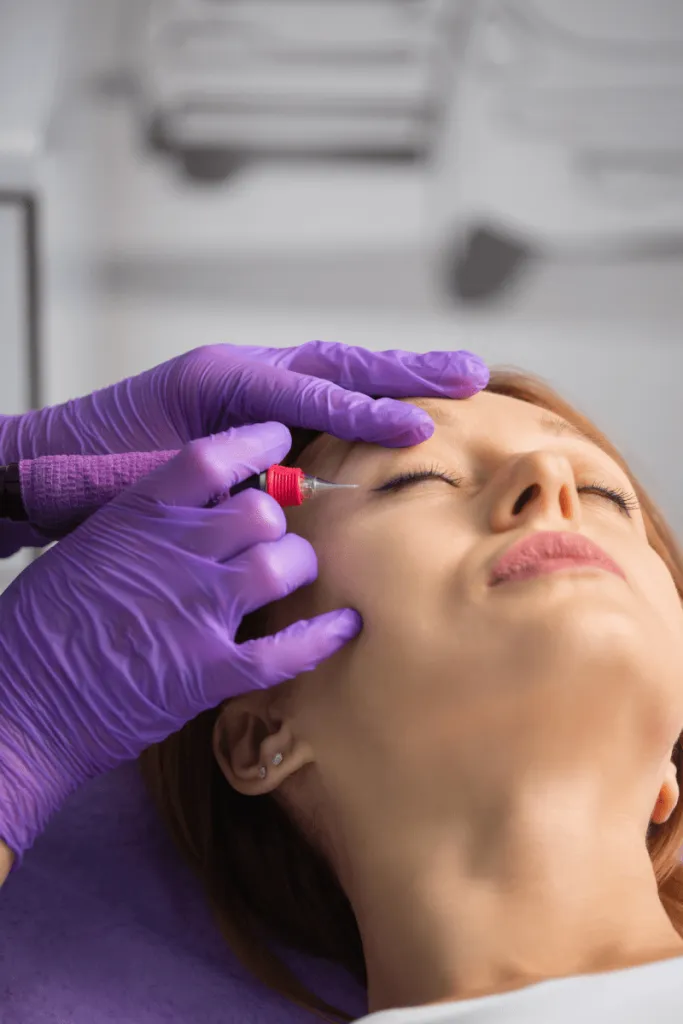
Fat tissue taken from the body is not suitable for direct injection into the face; because it contains components such as blood, serum, and fragmented fat cells. For this reason, the collected tissue is passed through centrifugation, washing, or special filtration processes. This purification process ensures the separation of only the healthiest and most vivid fat cells (and stem cells). The cleaned fat tissue is converted into macro-fat, micro-fat, or nano-fat forms according to the needs of the application area. In particular, the nano-fat form gives incredible results in removing fine lines on the uppermost layers of the skin and in skin renewal by being injected with very thin cannulas.
Who is a suitable candidate for this procedure?
The most suitable candidates for fat injection are healthy individuals who feel volume loss in their faces, have hollows under their eyes, have indistinct cheekbones, or have deepened nasolabial lines. Having a sufficient amount of fat tissue in the donor area (abdomen, hips, etc.) is a fundamental requirement. The success rate is much higher in people who do not have a medical obstacle for surgery, do not smoke, or can quit before the operation. In addition, it is an excellent alternative for patients who are allergic to synthetic filler materials or do not want to carry a foreign substance in their faces. Adults of all ages with realistic expectations can safely have this procedure under the supervision of an expert surgeon.
What is the recovery process after the procedure like?
For the first few days after the procedure, it is normal to see mild swelling, edema, and sometimes bruising in the injection areas and in the donor site where the fat was taken. This is part of the body’s healing mechanism. Generally, patients can return to daily activities within 3 to 5 days, but it is recommended to avoid heavy exercises for a few weeks. Intense edema formed in the first week starts to decrease rapidly from the second week. It takes about 3 to 6 months for the final results to appear, for the fats to integrate with the tissue, and for the edema to disappear completely. During this process, it is vital to avoid massages recommended by the doctor and to protect the application area from excessive pressure.
Does fat injection provide a natural appearance?
Yes, one of the biggest advantages of fat injection is the extraordinary natural appearance it provides. Since the person’s own tissue is used, no color difference occurs and tissue compatibility is perfect. The risk of an “artificial or inflated” appearance, which can sometimes be seen in synthetic fillers, is minimal in fat injection applied by an expert surgeon. Since the fat cells are spread homogeneously into the tissue, natural skin softness is felt when touched. It does not freeze facial expressions; on the contrary, it makes the person look more rested and healthy by softening the general expression of the face. This naturalness is the most basic element that increases both the aesthetic and psychological satisfaction of the procedure.
Do under eye bruises disappear with fat injection?
One of the main reasons for under-eye bruises is that the skin in this area is very thin and the vascular structure or bone shadow underneath is reflected outwards. Fat injection, especially when applied with the nano-fat technique, creates a thin barrier between the skin and the bone structure. This tissue layer reduces shading in the area and ensures that the skin looks thicker and healthier. In addition, stem cells in the fat tissue help to lighten the color tone by increasing skin quality. However, if the cause of the bruises is a pigmentation disorder, fat injection alone may not be sufficient; in this case, a combination with additional treatments such as laser or peeling will yield more effective results.
How are cheekbones clarified?
Yanak tissue, which sags with age, causes the cheekbones to flatten and the face to look tired. Volume support made on the cheekbone with fat injection gives a younger projection by “lifting” the face upwards. The surgeon creates a natural curve by placing fat in layers into the deep tissue along the cheekbone line. This procedure not only clarifies the bones but also lightens the nasolabial (nasal edge) lines by recovering sags in the mid-face area. The result is both the clarification of more feminine/masculine lines and the face gaining a dynamic structure.
Can fat be used instead of lip filler?
Fat injection as a lip filler is a great option for those looking for a long-lasting and natural result. While hyaluronic acid-based fillers dissolve within 6-12 months, fat cells that hold onto the lip are permanent. With fat injection, both volume can be given to the lips and fine barcode lines around the lips can be removed. However, since the lip is a very active area, the melting rate of the injected fat may be a little more than in other areas. For this reason, a second session may sometimes be required to reach the desired fullness. Lip shaping done with fat is one of the most aesthetic solutions for patients who want to avoid the artificial “duck lip” appearance.
How are hollows in the temple area removed?
The temple area is one of the areas where signs of aging are most overlooked but affect the general form of the face the most. Volume loss in the temples causes narrowing of the upper part of the face and falling of the eyebrows downwards; this creates a “skeletonized” facial appearance. Filling the temple hollows with fat injection softens the forehead line and gives a slight elevation to the eyebrow tail. The intervention in this area provides a harmonic transition between the upper and middle parts of the face. Temple fullness adds an instantly more energetic, healthy, and young expression to the person, balancing the oval form of the face.
Does the jawline become sharper with fat injection?
Clarifying the jawline, known as “Jawline,” is a procedure that completely changes the facial profile. Fat injection is an excellent tool for protruding the chin tip or clarifying the jaw corners (gonial angle). The loosened jawline tissue gains a tighter and sharper appearance when supported with fat tissue. This procedure also helps to camouflage the sagging in the jowl area in people with mild jowl problems. This shaping done with your own tissue gives a stronger and characteristic structure to the lower part of your face, while creating an aesthetic profile by clarifying the separation from the neck area.
Does fat injection beautify the skin?
Fat injection is not only a volume-giving procedure but also a comprehensive skin renewal therapy. The transferred fat tissue is one of the richest sources of stem cells (adipose-derived stem cells) in the body. These stem cells trigger new collagen synthesis in the area where they are injected, increase blood circulation, and restore skin elasticity. After the application, patients notice that their skin is brighter, their pores are tighter, and their general texture is smoother. This “rejuvenation” effect continues increasingly even months after the procedure and literally rewinds the biological age of the skin.
What is the role of stem cells in facial rejuvenation?
Mesenchymal stem cells found in fat tissue have the ability to repair damaged tissues and initiate cell renewal. When fat injection is performed in facial rejuvenation, these cells settle under the skin and improve tissue quality at the cellular level. It helps to repair sun damage, fills fine wrinkles from the inside, and increases the moisture-holding capacity of the skin. Scientific research shows that fat transfer enriched from stem cells gives much longer-term and biologically more active results compared to standard filler procedures. For this reason, fat injection is not only an aesthetic filler but also a living biological treatment method.
Is pain felt during the procedure?
Thanks to modern anesthesia techniques, the fat injection procedure is quite comfortable for the patient. Local anesthesia and sedation combination is sufficient for applications to be made in small areas, while general anesthesia is generally preferred in wide procedures covering the entire face. In this way, the patient does not feel any pain or ache during the process. After the surgery, a mild tingling or feeling of tension that can be easily controlled with painkillers can usually occur. Both the area where the fat is taken and the face area where it is injected show rapid healing. Most patients state that the procedure passed much more comfortably and painlessly than they expected.
What is the difference between fat injection and filler?
The most fundamental difference is the source and permanence of the material used. Ready-made fillers are usually substances produced in a laboratory environment, such as hyaluronic acid, and are absorbed by the body after a certain period of time. Fat injection, on the other hand, is the person’s own living tissue; there is no risk of allergy and the cells that hold on remain in that area for a lifetime. In addition, while fat injection increases skin quality thanks to its stem cell content, synthetic fillers only provide a mechanical volume. From a cost perspective, although a single-session filler seems cheaper, the permanence of fat injection offers a much more economical and sustainable solution in the long run.
What is the difference from non-surgical face lift?
Non-surgical face lift methods (HIFU, gold needle, suspension threads, etc.) generally focus on stretching the skin and stimulating collagen; however, they are limited in restoring lost volume. Fat injection, on the other hand, supports and tightens the skin from the inside by directly removing volume deficiency. In many cases, combining fat injection with thread suspension or energy-based devices creates a “liquid face lift” effect and gives the most ideal result. Fat injection can recover the sagging of the face even alone in cases where tissue loss is significant. Because the plumped tissue creates a foundation that shows the loosened skin surface as tighter and more vigorous.
How many sessions of application are required?
Generally, a single session is sufficient to get satisfactory results in the vast majority of patients. However, considering that a part of the injected fat will be absorbed by the body, sometimes a little over-loading is planned. Depending on factors such as body structure, smoking, and lifestyle, the fat retention rate may vary from person to person. If the desired fullness level cannot be fully reached in the first session or if more volume is desired, a small touch-up session can be performed after 6 months. Surgeons generally act with the “less is more” philosophy, aiming to achieve the most permanent result without disturbing the natural appearance.
When does the edema after fat injection pass?
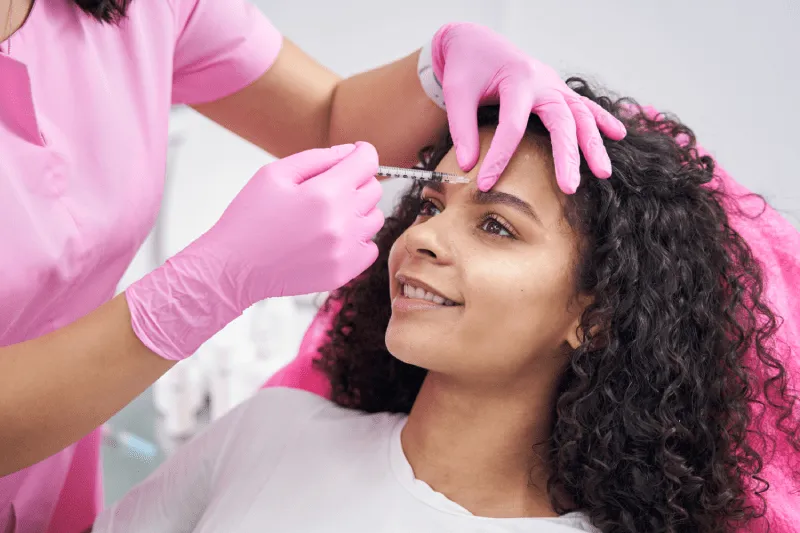
Edema is the most common condition expected after fat injection and usually peaks in the first 48-72 hours. At the end of the first week, about 50-60% of the edema disappears and the patient becomes able to mix into social life. In the second week, most of the swellings go down, but the face may still look a little fuller than it is. At the end of the first month, facial features start to become clear and 90% of the edema is gone. The appearance of a completely natural, settled, and final appearance takes place between the 3rd and 6th months when tissue healing is completed. Being patient is the most important key to this process; because every passing day the face becomes even more beautiful.
How does smoking affect permanence?
Smoking is one of the most critical factors that directly and negatively affects the success of fat injection. In order for fat cells to survive in the area where they are transferred, they must rapidly receive oxygen and nutrients from surrounding tissues (neovascularization). Nicotine in cigarettes disrupts blood flow by constricting vessels and prevents the formation of new vessels. This leads to the death of injected fat cells because they cannot be fed and a serious reduction in the permanence of the procedure. For best results, it is definitely recommended by surgeons to quit smoking at least 3 weeks before the operation and to stay away during the healing process.
Does it completely stop the signs of aging?
Fat injection takes the clock back but does not stop time. The rejuvenation effect obtained after the procedure is permanent, but your body continues its natural aging process. That is, after 10 years you will be aged again, but you will look much younger and better compared to if you had not had this procedure. Since fat injection supports the collagen structure of the skin, it can also delay future sags to some extent. When combined with healthy nutrition, sun protection, and regular skin care, the fresh look created by fat injection can be preserved for many years. This procedure is not an end, but a long-term beauty investment.
Can it be applied to the neck and dekolte area?
Yes, fat injection is not limited to the face; it is also extremely effective for neck lines and wrinkles in the dekolte area. Since the neck skin is thin, the nano-fat technique is particularly preferred in this area. With this method, horizontal “necklace lines” in the neck can be alleviated and a smoother neck line can be obtained by thickening the subcutaneous tissue. Thinning and vertical lines due to sun damage in the dekolte area are also removed by fat transfer, making the skin look more moist and vigorous. When face, neck, and dekolte integrity is provided, the rejuvenation effect creates a much more holistic and convincing result.
How are lines in the forehead area opened?
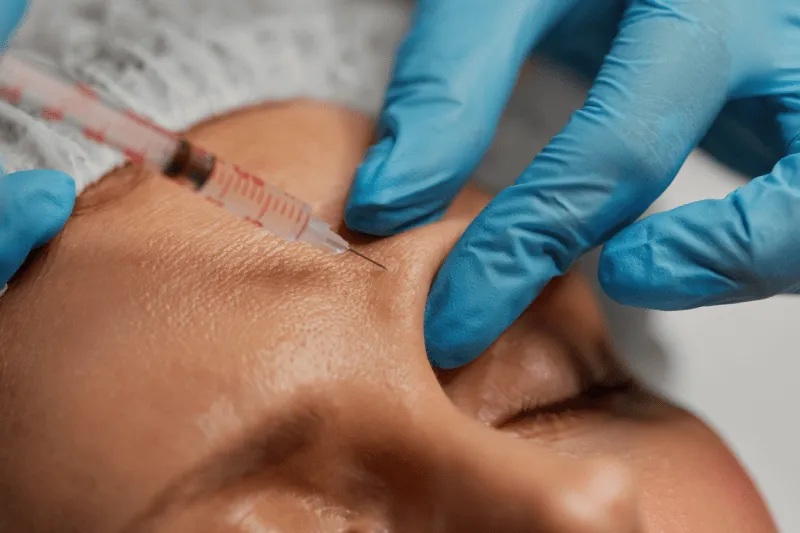
Deep lines in the forehead area are usually due to the use of facial expressions and the classic solution is botox. However, when these lines settle over time and become static (visible even when motionless), botox alone may not be sufficient. Fat injection smooths the skin by filling the inside of these deep grooves. While the nano-fat application especially improves the texture of the fine lines on the forehead, micro-fat injection can give a rounder and younger form to the forehead. This application provides the person to reach a more peaceful and fresh appearance by softening the tired and harsh expression on the forehead. Moreover, there is no obligation to repeat regularly like botox, it offers a permanent improvement.
Is it a solution for nasolabial lines?
Nasolabial lines, descending from the nasal wings to the mouth corners, are the most prominent signs of aging on the face. Fat injection is one of the most effective and natural solutions to fill these deep grooves. While fat supplement made under the line removes the hollow in that area, it also prevents the cheeks from pushing down by supporting the mid-face. In this way, the “unhappy” or “tired” expression leaves its place to a more positive appearance. The artificial puffiness feeling that sometimes occurs in nasolabial treatments made with ready-made fillers results in a much softer and natural transition in fat injection. When the person laughs or speaks, the injected fat provides perfect harmony with the surrounding tissue.
Does it create an eyebrow lift effect?
Although it is not a direct eyebrow lift surgery, fat injection can indirectly provide the eyebrows to look more lifted and vigorous. Volume support made on the eyebrow bone and the temple area creates a dynamic projection by supporting the eyebrow tail. Especially the removal of hollows in the upper eyelid and tissue loss under the eyebrow makes the eye area look more open and bright. This “volumetric lifting” effect helps the gaze to become younger and more impressive without making a surgical incision. This procedure, performed by protecting the natural curve of the eyebrows, adds an energetic air to the face.
What are the side effects and risks?
Fat injection does not carry the risk of “foreign body” reaction or allergy because the person’s own tissue is used. However, as with any surgical procedure, some general risks exist. These include infection, temporary numbness, asymmetry, or more absorption of the injected fat than expected. Edema and bruises formed after the procedure are not side effects, but normal parts of the healing process. In very rare cases, fat clumping (cysts) may occur; however, with an experienced surgeon using the correct technique and cannulas, these risks are minimized. Choosing a reliable clinic and an expert doctor reduces the probability of complications to a level almost close to zero.
How long does the procedure take?
The duration of the fat injection operation varies according to the scope of the application and the width of the donor area where the fat will be taken, but it is generally completed within 1 to 2 hours. The procedure consists of three main stages: collection of fat from the donor area (liposuction), purification of fat, and injection into the target areas on the face. If application is to be made only to a small area like under the eyes, the duration is shorter; however, the duration may be a little longer in combined procedures covering the entire face, neck, and dekolte. Patients are usually discharged on the same day. This short procedure time is a very advantageous aesthetic procedure when long-term permanent results are considered.
When do results become clear?
It is necessary to be a little patient to see the “real” result after fat injection. The exaggerated fullness in the first days can be misleading; because this is largely due to edema. From the second week on, as the edema goes down, the face starts to look more natural. At the end of the first month, it becomes largely clear which of the transferred fats will be permanent. However, it takes 3 to 6 months for the tissues to soften completely, for the fat to complete the vascularization process in that area, and for the skin to be renewed with stem cells. The picture seen at the end of the sixth month is now your new and permanent appearance. At the end of this period, full satisfaction from the results is provided.
Can makeup be applied after fat injection?
It is usually recommended to wait 24-48 hours for the injection entry points (millimetric holes) to heal immediately after the procedure. After these small entry places are closed, there is no harm in making light makeup. However, applying excessive pressure to the application area, hard wiping movements, or intense brush strokes should be avoided for the first few weeks. Medical concealers (camouflage makeup) can be used to cover bruises. In addition, it is very important to protect from the sun during the skin healing stage, so products containing high-factor sun protection should be preferred. It will be best to follow the special instructions your surgeon will give according to your healing speed.
Which season is more suitable to have it done?
Fat injection can be safely done in any season, but some preferences may stand out in terms of comfort during the recovery process. Winter and spring months are frequently preferred in terms of more comfortable control of edema and the fact that the donor area corset that may need to be worn after the operation does not make you sweat. If it is to be done in summer months, it is necessary to be protected very strictly from the sun and pay attention to the use of sunglasses/hats so that no spots remain at the injection points. Extreme heat may slow down the edema reduction process a bit. Consequently, every moment when you can allocate enough time for yourself to heal and follow your doctor’s advice is the right time for the procedure.
Can the collected fats be frozen and stored?
Some clinics may offer the option to store excess fat taken in the first procedure by freezing it in special laboratory conditions and at very low temperatures (such as -196 degrees). In this way, there is no need to perform liposuction again for touch-up procedures to be done in the future. However, scientific discussions continue that the survival rate of frozen and thawed fats may be lower than those transferred fresh. The most ideal and high success rate method is to process and inject the fat as soon as it is taken from the body (fresh). If your surgeon offers a freezing option, it would be beneficial to get detailed information about the reliability and success rates of the technology used.
Why does skin quality increase?
The secret of the increase in skin quality after fat injection is the biological richness of fat tissue. Fat tissue does not only consist of fat cells (adipocytes); it also has a structure called “vascular fraction,” which contains growth factors, cytokines, and high amounts of stem cells. When these components are injected into the dermis layer of the skin, they stimulate fibroblasts and increase collagen and elastin production. As a result, the skin becomes more elastic, fine wrinkles fade, pores shrink, and because the blood supply to the skin increases, a pinker, healthier color tone is formed. This “mesotherapy” effect is the most magical feature that distinguishes fat injection from other fillers.
Is there an age limit?
There is no strict age limit for fat injection; the application can generally be made to every individual who has turned 18 and completed their development. In young patients, it is generally preferred to fill acne scars, correct facial asymmetry, or clarify structurally weak cheekbones. In middle and advanced age groups, the main purpose is to remove volume losses due to aging and increase skin quality. What is important is the patient’s general health status and tissue need rather than chronic age. Even a patient in their 70s can get miraculous results from this procedure if they are healthy and have enough donor fat.
What are the elements that determine prices?
Fat injection prices vary according to the number of areas to be applied, the scope of the operation (only under eyes or the entire face?), anesthesia type, and the equipment of the hospital where the operation will be performed. The experience of the surgeon and the technique used (micro-fat, nano-fat, stem cell enrichment, etc.) are also effective on cost. In addition, sometimes fat injection is combined with other surgeries such as face lift or eyelid aesthetics; in this case, package pricing comes into play. The most accurate price information will become clear after a detailed examination and personal treatment plan to be made by your doctor. It should not be forgotten that this procedure is actually a very profitable investment because it offers a long-term permanence.
Does it provide a cost advantage in the long run?
Definitely yes. The effect of hyaluronic acid fillers usually lasts between 6 and 12 months, and you need to make regular spending every year to protect this appearance. Fat injection, on the other hand, although it seems like a higher cost initially, a large part of the results are permanent for a lifetime. As years pass, it allows you to save from repeating filler fees. In addition, since it is your own tissue, the risk of complications is low, and thanks to the skin renewal effect it provides, it can reduce your need for additional skin care treatments. Considering both aesthetic naturalness and permanence, fat injection is one of the methods with the highest cost-benefit ratio among facial rejuvenation options.
Free Consultation
Fill out the form below to get your free medical travel plan and price quote.
Sources and how to verify this yourself
- Ministry of Health, Regulation on International Health Tourism and Tourist Health, Official Gazette 26 April 2025, No. 32882 — authorisation requirement for facilities and intermediaries, TÜSKA accreditation, compulsory complication insurance (deadline 31 December 2025 for insurance, 31 December 2026 for accreditation). source
- Ministry of Health, Regulation on Promotion and Information Activities in Health Services, Official Gazette 12 November 2025, No. 33075 — treatment promises and guarantees are prohibited; price and campaign announcements are permitted only within international health tourism. source