About the prices on this page. The figures below are indicative market prices and country comparisons, not a quote. Our own current, all-inclusive prices are published on our non-surgical treatment in Turkey page, and we confirm your figure in writing before you commit to anything.
Why Do Acne and Pimple Problems Occur?
Acne and pimple formation is a complex process that occurs as a result of overactive sebaceous glands in our skin and the clogging of pores with dead skin cells. Genetic factors, hormonal changes, poor dietary habits, and environmental pollution are among the primary elements that trigger this process. Sebum and bacteria accumulating in the pores cause inflammation, leading to unwanted pimple appearances. This condition can have negative effects not only physically but also on an individual’s self-confidence. The use of cosmetic products that are not suitable for the skin type can also make this problem chronic and persistent over time.
How Do Aging Signs Affect the Skin?
As time passes, the production of collagen and elastin in our body naturally begins to decrease, which leads to the skin losing its elasticity. Signs of aging first manifest themselves with fine lines around the eyes, wrinkles on the forehead, and sagging around the mouth area. Because the skin barrier weakens, its moisture-retention capacity drops, and the skin takes on a thinner, drier appearance. External factors such as exposure to sunlight and gravity accelerate this process, causing the skin to look older and more tired. Although aging is inevitable, these effects can be significantly delayed with the right medical interventions and professional care.
What Is the Enlarged Pore Problem?
Enlarged pores are an aesthetic problem that spoils the smooth appearance of the skin and is generally more common in individuals with oily skin structures. Pores are small channels that allow the skin to breathe and secrete oil; however, when these channels are filled with oil, dirt, and makeup residue, they expand and become prominent. The loss of skin elasticity also causes pores to appear more open and visible. Enlarged pores do not only create aesthetic concerns but also create an environment that prepares the ground for the skin to get dirty more quickly and for new acne to form.
Are Sunspots Permanent?
Sunspots occur when melanocyte cells produce excessive pigment as a result of long-term unprotected exposure to ultraviolet (UV) rays. They are generally seen as brown patches on the face, back of the hands, and the décolleté area. Although many people think these spots are permanent, thanks to today’s technologies and medical aesthetic applications, the appearance of these spots can be significantly lightened or completely eliminated. However, if regular sunscreen is not used after the treatment, the risk of these spots recurring is quite high. Professional treatments must be planned according to the depth of the spots.
Why Does Skin Sagging Happen?
Skin sagging occurs as a result of the weakening of the support tissues in the lower layers of the skin and the skin’s inability to resist gravity. Especially after the 30s, the decreasing amount of hyaluronic acid and collagen causes the skin to lose its firmness. Lifestyle factors such as rapid weight gain and loss, smoking, insufficient water consumption, and lack of sleep accelerate the sagging process. Hollow cheeks, the blurring of the jawline, and loosening in the neck area are the most common symptoms. This condition is one of the fundamental aesthetic problems that cause the biological age of the skin to appear older than the chronological age.
Why Does the Skin Look Dull?
The loss of vitality and radiance of the skin is related to fatigue, stress, poor nutrition, and the accumulation of dead cells on the skin surface. The slowing down of blood circulation prevents cells from receiving enough oxygen, and therefore the skin takes on a grayish, pale color. Additionally, environmental air pollution and cigarette smoke create a film layer on the skin surface, masking the skin’s natural glow. Lack of moisture also causes the skin to look dull by disrupting its light-reflecting property. When regular exfoliation and deep care are not performed, the skin looks as if it has lost all of its energy.
Does Dermapen Erase Acne Scars?
Dermapen is accepted as the gold standard method in the treatment of deep pits and scars remaining after acne and pimples. The micro-needles on the device trigger the body’s natural healing mechanism by creating controlled small damages in the skin. During this healing process, new collagen is produced, and the insides of acne scars begin to fill up. As the sessions progress, the roughness on the skin surface decreases, the depth of the pits lightens, and the skin regains a smoother texture. Even in the deepest acne scars, visible, permanent, and satisfying results are obtained with a few sessions of application.
Is Dermapen Effective for Fine Wrinkles?
Dermapen is very effective on fine lines formed especially in areas such as around the eyes, forehead, and above the lips. The micro-needling process maximizes collagen synthesis by stimulating the middle layer of the skin. This process ensures the tightening of the skin and the smoothing of fine lines by filling them from the inside out. Anti-aging serums used during the application reach the lowest layers of the skin through the opened channels, increasing the efficiency of the wrinkle treatment. For those looking for a non-surgical rejuvenation method, Dermapen is one of the safest and fastest solutions for eliminating fine lines.
Is Dermapen Used in Stretch Mark Treatment?
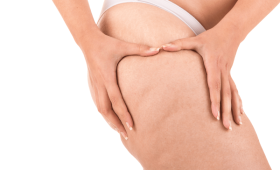
Stretch marks, which occur as a result of rapid growth, pregnancy, or sudden weight changes in the body, are actually tears in the fibers in the lower layer of the skin. Dermapen is used to restructure the tissue in these stretch mark areas. Micro-needles progress along the stretch mark line, increasing blood circulation in the area and ensuring that new, healthy skin cells replace the damaged tissue. If the color of the stretch marks is pinkish (new), the result is faster; however, it also provides significant improvement and tissue contraction in whitened (old) stretch marks. Dermapen is the most powerful tool to minimize stretch marks in body aesthetics.
Is Dermapen Recommended for Pore Tightening?
Enlarged pores are one of the areas where Dermapen treatment is most successful. While the micro-channels created by the device heal, the surrounding skin tissue stretches and tightens, which causes the pores to physically narrow. The use of special pore-tightening solutions during the procedure increases the permanence and effectiveness of the result. After a few sessions, the oil balance of the skin is regulated, and the orange peel appearance is replaced by a baby-like smoothness. Dermapen is a professional application frequently recommended by dermatologists, especially for the prominent pore structure around the nose and cheeks.
How Is Skin Tone Unevenness Corrected?
Color irregularities in the skin can occur due to sun damage or hormonal reasons, and Dermapen offers a great opportunity to balance this situation. The micro-needling process encourages the homogeneous distribution of melanin pigment and ensures the renewal of the skin by shedding the spotted cells in the upper layer. Brightening serums and vitamin cocktails applied during the treatment reach the target tissue directly. In this way, redness, dark spots, and pale areas on the skin are equalized over time. As a result, a brighter, clear, and healthy face appearance is obtained; the skin regains its natural light.
Does Sun Damage Heal With Dermapen?
Long-term damage caused by the sun to the skin can be repaired to a large extent with the regenerative power of Dermapen. The skin layer that has become matte and spotted due to UV rays is controlledly peeled through micro-needling, and fresh, undamaged skin is allowed to come from underneath. The process repairs the elastic fibers broken by the sun and increases the resistance of the skin. Sessions planned depending on the depth of the sunspots ensure that the skin is purified from photo-aging effects. With regular application and correct subsequent care, the traces left by the sun are erased, and the radiance and health of the skin are rebuilt.
Do Surgical Scars Decrease With Dermapen?
Scars resulting from surgical operations or injuries can be aesthetically disturbing. Dermapen helps the skin to reorganize this area by breaking down the hardened scar tissue. Thanks to the needling process, the elasticity of the wound tissue increases, and the color of the scar becomes compatible with the skin tone. In cases that do not carry a risk of keloid, serious improvements are provided in the raised or sunken appearance of surgical scars. Thanks to the sensitive adjustable needle length of Dermapen, it can be safely worked on scars anywhere on the body, and the appearance of the scar is minimized, eliminating the person’s aesthetic concerns.
Is Dermapen Good for Hair Loss?
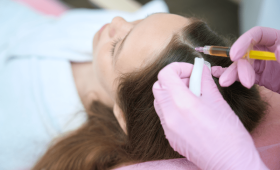
Dermapen creates miracles not only in the face area but also on the scalp. Micro-needling applied to the scalp speeds up the blood flow in the hair follicles, ensuring that the hair roots are better nourished. When growth factors and vitamin mesotherapy products with hair-growing properties are used during the procedure, these substances penetrate directly into the roots. While this method helps to stop hair loss, it stimulates the dormant hair follicles, encouraging the thickening of hair strands and the growth of new hair. It is very successful as a supportive treatment in both male and female type hair loss.
Do Under-Eye Bruises Improve With Dermapen?
Because the skin under the eyes is very thin, bruises and bagging here become easily prominent. Sensitive applications made with very small needle settings of Dermapen activate the blood circulation in this area and increase the skin quality. Since the under-eye skin is ensured to thicken, the underlying vascular structure becomes less visible and bruises lighten. When combined with special mesotherapy products that eliminate bruises, the tired appearance around the eyes is replaced by a more vigorous and bright expression. Since it is a sensitive area, it is of critical importance that this application is performed by experienced specialists.
What is Dermapen and What Does It Do?
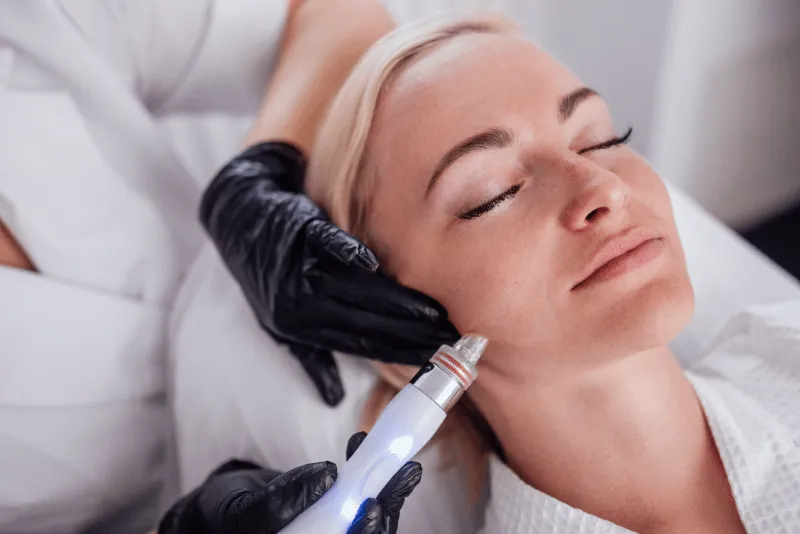
Dermapen is a medical device similar to a pen with many sterile micro-needles at its tip and is the most advanced version of “microneedling” technology. Its main purpose is to activate the skin’s self-healing power by opening thousands of invisible micro-channels on the skin surface. In this process, collagen and elastin production is triggered, and the skin begins to repair its own defects. Dermapen is the most effective non-surgical skin rejuvenation method that offers treatment in a very wide range from spots to wrinkles, acne scars to sagging. It is indispensable for modern aesthetics with its minimal recovery time and maximum results.
How Does Micro-Needling Technology Work?
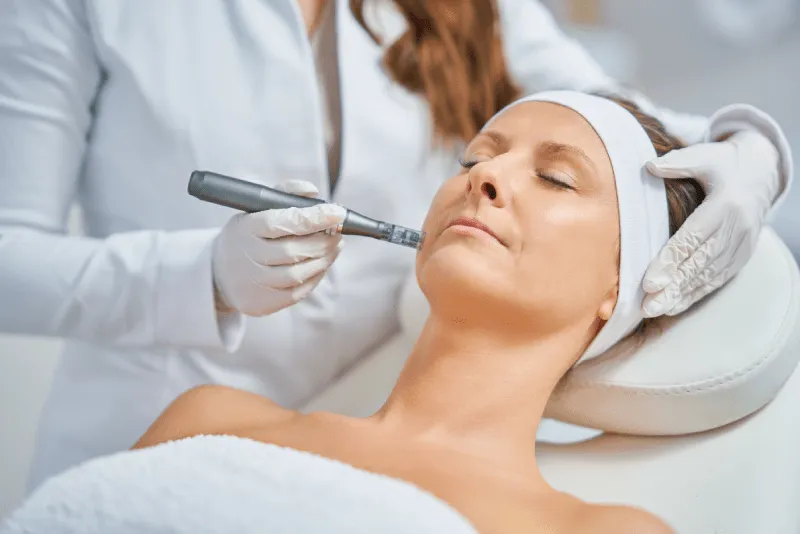
Micro-needling works by using the body’s “wound healing” response. When the Dermapen device contacts the skin vertically, the needles create micro-damages by entering and exiting hundreds of times per second. The body perceives these points as “wounds” and immediately sends growth factors, collagen, and elastin to the area. In fact, the skin does not suffer real damage, but a deep renewal process begins thanks to the healing signals. At the same time, the opened channels increase the absorption of the serums applied during the procedure by more than 80%. This technology ensures rejuvenation by using the skin’s own internal potential instead of external chemical loading.
What Parts Does the Dermapen Device Consist Of?
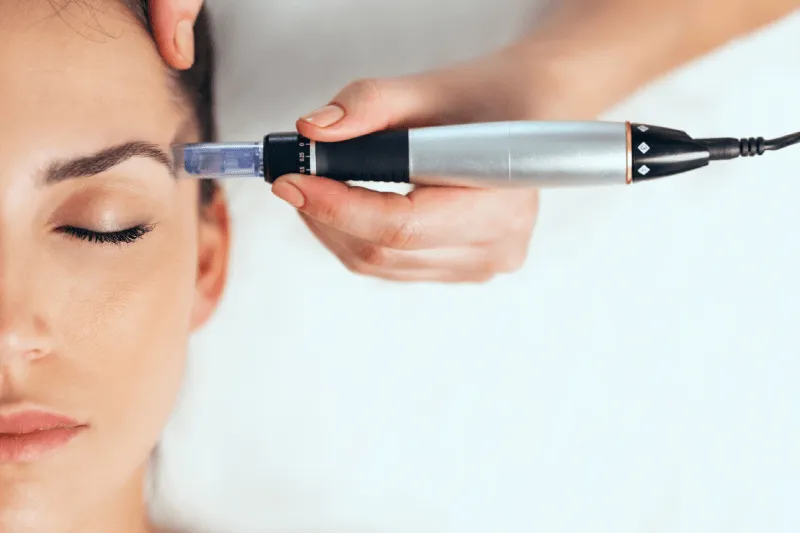
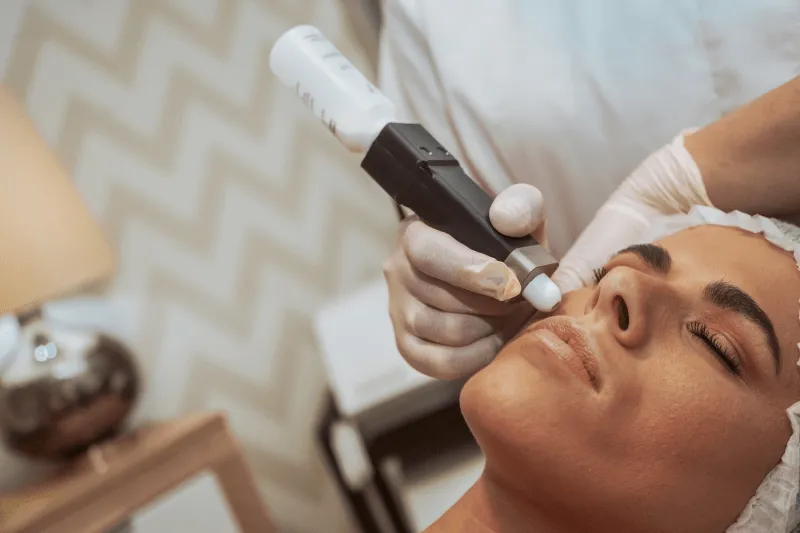
A professional Dermapen device consists of a main body, a motor, a speed adjustment button, and personalized disposable needle cartridges. The adjustment ring on the device allows for determining how deep (from 0.25 mm to 2.5 mm) the needles will enter the skin. This setting can be changed during the procedure according to the skin thickness in different areas of the face. Disposable heads are the most important part in terms of hygiene and are thrown away after each patient. The high speed of the motor ensures that the needles enter and exit vertically without getting caught in the skin, preventing tissue tears. Modern devices also have rechargeable systems that offer wireless ease of use.
Is Pain Felt During the Procedure?
Although many people worry when they hear the word needle, the Dermapen procedure is generally quite comfortable. Approximately 20-30 minutes before the application, a strong local anesthetic cream is applied to the area to be treated, and the skin is expected to be completely numb. In this way, the person only feels a slight vibration and pressure during the needling; no serious pain or ache is felt. In sensitive areas, the comfort level is increased by reducing the needle depth. There may be a slight burning sensation after the application is finished, but this passes in a short time with soothing masks. Generally, it is a feeling far below the “tolerable for beauty” level.
How Long Does a Dermapen Session Last?
The duration of the Dermapen application varies depending on the width of the area to be applied and the skin problem. A standard application for only the face area takes approximately 20 to 30 minutes, excluding the preliminary preparation (cleaning and numbing). If the neck, décolleté, or stretch mark areas on the body are also included in the process, the time can be extended up to an hour. With the waiting time of the anesthetic cream at the beginning of the session and the subsequent soothing mask application, the total time you will spend in the clinic will be approximately 1.5 hours. This short time is quite practical when compared with the long-term effects it provides.
How Should Pre-Treatment Preparation Be Done?
The preparation phase is important for a successful Dermapen result. At least one week before the procedure, acidic products (such as retinol, AHA/BHA) and aggressive peeling applications that can irritate the skin should be stopped. Those using blood-thinning medications should consult their doctor, and alcohol should not be consumed 24 hours before the procedure. On the day of application, the skin must be completely clean, without makeup, and purified from dirt. If there is an active cold sore or infection, the treatment should be postponed. Additionally, protection from the sun should be started days before the procedure. Following your expert’s recommendations increases the yield of the procedure and minimizes the risk of side effects.
How Should Post-Procedure Skin Care Be?
Water should not touch the skin and makeup should not be applied for the first 24 hours after Dermapen. Since the skin is open to external factors in this process, hygiene should be kept at the highest level, and the face should not be touched with dirty hands. Intensive moisturizing and barrier-repairing creams recommended by your specialist should be used regularly. For the first few days, activities causing excessive sweating such as sports, Turkish baths, and saunas should be avoided. The most critical rule is protection from the sun; high-factor sunscreen should be applied every day, even in indoor areas, to protect the sensitive skin in the healing process. Correct care accelerates the healing process and determines the quality of the result obtained.
In How Many Sessions Does Dermapen Show Its Effect?
Although the results of Dermapen treatment vary from person to person, a glow and vitality are felt in the skin even after the first session. However, permanent and distinct changes generally emerge with the completion of the 3rd or 4th session. Since it is a process that takes time for collagen production to be completed, the real results continue to improve over months. For challenging problems such as acne scars or deep stretch marks, packages of 6 to 8 sessions may be required. The time between sessions is usually 3-4 weeks. Being patient and staying faithful to the planned session calendar is the most important key to reaching the smooth skin you dream of.
Who Should Not Have Dermapen?
Although Dermapen is a safe application, it is not recommended in some cases. The procedure should not be performed on people who have active acne, cold sores, eczema, psoriasis, or open wounds in the application area. It is more appropriate not to prefer it during pregnancy and breastfeeding periods due to hormonal changes. Individuals with diabetes or those whose wound healing is very slow must consult a doctor. Additionally, the application may be risky for those who have used heavy acne medications (Roaccutane etc.) in the last 6 months because the skin is very thin and sensitive. Those receiving cancer treatment or experiencing blood clotting problems should also avoid this procedure. Expert evaluation is always the priority.
Which Areas Can Dermapen Be Applied To?
Although the most common area of use for Dermapen is the face, it can actually be safely applied to many parts of the body. It is frequently preferred to eliminate wrinkles and sagging in the neck and décolleté area. It gives excellent results in the treatment of stretch marks on the abdomen, hips, and legs. It is also used in the removal of age spots on the hands and in revitalization applications on the scalp. Additionally, any area where local scars such as surgical or razor blade marks are located can be intervened. Since the needle depth of the device can be adjusted, it has a wide range of applications from areas where the skin is thin to the thickest areas.
Is It Safe to Have Dermapen in Summer?
Dermapen application can be done in the summer months, but it requires very strict discipline. Since the skin becomes extremely sensitive to sunlight after the procedure, staying directly under the sun increases the risk of spotting. If the person is not planning a holiday, will not spend much time outdoors during the day, and will renew at least 50-factor sunscreen every 2-3 hours, there is no obstacle to the application in summer. However, if there is an opportunity, the autumn and winter months are the most ideal times for Dermapen in order to spend the healing process more comfortably. Experts generally prefer to perform more superficial procedures in summer applications.
How Is the Recovery Process After Dermapen?
It is normal to see a redness similar to a sunburn and a slight edema in the skin immediately after the procedure. This situation usually passes quickly within 24-48 hours. From the third day, a very slight dryness and hard-to-notice peeling may start on the skin; this is a sign that the skin is being renewed. At the end of one week, the skin completely settles down and begins to look brighter. The recovery process is much faster than surgical procedures, and the person can usually return to their social life one day later. In this process, not tiring the skin, drinking plenty of water, and using recommended products ensure that the healing is completed without problems.
Can Makeup Be Done After Treatment?
It is strictly not recommended to wear makeup for the first 24-48 hours after the Dermapen session. Thousands of micro-channels opened during the application need time to close. During this period, applying products such as foundation and powder can cause infection or irritation by clogging the pores. Additionally, chemicals in makeup materials can damage the sensitized skin. After the second or third day, if there is no obvious sensitivity left on the skin, light makeup can be done with clean brushes and preferably products with mineral content. However, allowing the skin to breathe completely always positively affects the success of the treatment.
Which Serums Are Used With Dermapen?
The biggest advantage of Dermapen is that it increases the absorption of serums. Various cocktails are used during the application according to the needs of the person. Vitamin C and brightening agents for spot treatment, Hyaluronic Acid for moisturizing and fullness, and Salmon DNA or growth factors for anti-aging purposes are preferred. Additionally, restorative vitamin complexes are used for acne scars. These serums reach the lower layers of the skin through the paths opened by the micro-needles and show many times more effect compared to classic skin care. The quality and medical grade of the products used are of vital importance for the success and safety of the procedure.
Is Doing Dermapen at Home Risky?
Although home-type devices have become widespread in recent years, doing Dermapen at home carries serious risks. While the devices used in clinics work at a much higher speed and vertically, home-type tools can cause tears in the tissue. The biggest danger is hygiene; the procedure performed in a non-sterile environment can lead to serious infections. Additionally, choosing the wrong needle depth can cause permanent spotting or tissue damage. A professional application requires expert observation and controlled depth. Instead of risking your skin, it is best to always have such medical aesthetic procedures performed in sterile clinic environments and in expert hands.
What is the Difference Between Dermapen and Derma Roller?
Although Dermapen and Derma Roller serve a similar purpose, there are important differences between them. Derma Roller is a manual drum, and since the needles enter and exit the skin at a certain angle, they can cause small “v” shaped tears. Dermapen, on the other hand, thanks to its digital motor, stabs the needles vertically hundreds of times per second; this minimizes tissue damage. Additionally, while the needle depth can be changed instantly in every area of the face with Dermapen, this is not possible with a roller device. Dermapen easily reaches areas that are difficult to reach, such as the sides of the nose. In short, Dermapen is a much more technological, safe, and effective upper model of the Derma Roller.
When Does the Skin Regeneration Process Begin?
The biological regeneration process in the skin after Dermapen starts immediately; however, some time is needed for visible effects. In the first 24 hours after micro-needling, the inflammation (healing inflammation) phase starts. In the following 1-2 weeks, new cell production accelerates. The remodeling of collagen fibers and the skin becoming tighter and healthier are generally felt starting from the 3rd week. This process continues for a few months after the treatment. Each session carries the improvement created by the previous session one step further. Therefore, the effects of Dermapen are a process that increases by “accumulating” over time and fundamentally changes the skin.
What Are Dermapen Side Effects?
Although Dermapen is a safe procedure, some temporary side effects may be seen. The most common ones are slight redness, edema (swelling), and the tension felt after the application. In some people, slight itching or tiny crusting may occur a few days after the procedure. In case of wrong application or lack of hygiene, infection or pigmentation (spot) risk may arise; however, these risks are minimal in professional clinics. Bruising is rarely seen and usually passes in a few days. All these symptoms are a natural part of the healing process and are easily controlled with the creams recommended by your specialist. The risk of a permanent side effect is almost non-existent in expert hands.
How to Protect from the Sun After Treatment?
Sun protection after Dermapen is the most important part of the treatment. Since the treated skin is defenseless against external factors, it is very open to sunspots. Quality sunscreen with at least 50 SPF protection factor, providing both UVA and UVB protection, should be used every day. Even if you are at home, you should apply cream to avoid being affected by the rays entering through the window. Wearing wide-brimmed hats when going out provides extra protection. Applying sunscreen once in the morning is not enough; it must be refreshed during the day. Paying maximum attention to this strict protection rule until the healing is completed (approximately 1-2 weeks) is essential for you to get healthy results.
What Are the Advantages of Receiving Treatment in Turkey?
Turkey is a global leader in health tourism and offers great advantages in aesthetic treatments such as Dermapen. Medical centers and clinics in the country are equipped with the latest technology devices, and specialists have world-class experience. Although the treatment quality is at European and American standards, costs are much more accessible. Additionally, while receiving health services in Turkey, short waiting times and personalized attention are at the forefront. Offering the opportunity to both receive high-quality medical service and discover the unique cultural and natural beauties of the country makes Turkey an indispensable destination for aesthetic treatments.
How is Health Tourism with Cure Holiday?
Cure Holiday is a professional intermediary institution that organizes an excellent end-to-end experience for guests who want to receive treatment in Turkey. It doesn’t just arrange a treatment, but also plans every detail of your trip. It provides a safe treatment process by collaborating with the most prestigious clinics and the most successful doctors for patients coming from all over the world. Health tourism with Cure Holiday takes place without a language barrier, accompanied by professional consultancy, and in complete peace of mind. Our aim is to ensure that you meet your medical needs in the comfort of a holiday. It is like a travel companion that facilitates the whole process for you.
Why Should Cure Holiday Be Preferred?
Choosing Cure Holiday means guaranteeing the success of your treatment and your comfort. Our team, which aims for the highest patient satisfaction, works meticulously while choosing the most suitable doctor and clinic for you. Thanks to our transparent pricing policy, you will not encounter surprise costs. We have a support team that is by your side 24/7 from before the treatment until the moment you return home. Compliance with medical standards and safety are our top priorities. You feel special with Cure Holiday because we see your health and happiness as a whole. Like thousands of our happy guests, you can focus on your treatment knowing that you are in professional hands.
Does It Make Sense to Have Dermapen in Turkey?
Coming to Turkey for Dermapen treatment is a very logical decision when looked at from both an economic and quality-oriented perspective. Professional Dermapen sessions offered at very high prices in other countries are offered at affordable prices in Turkey in much more luxurious and modern clinics, under the control of specialist dermatologists. Additionally, the originality of the devices used and the quality of the mesotherapy products applied during the session are at world standards. While renewing your skin on one hand, the chance to see the historical texture of Istanbul or the deep blue waters of the Aegean on the other hand turns this preference into a “health holiday”. Turkey is the right address for a result-oriented treatment process.
How Much Are Dermapen Prices in Turkey?
Dermapen prices may vary according to the area where the treatment will be applied, the number of sessions, and the equipment of the clinic. However, in general, prices in Turkey are at very advantageous levels for international patients. Considering the service offered in Turkey, the quality serums used, and the specialist doctor experience, the results obtained are far above the fee paid. Generally, package programs (for example, 3 or 6 sessions) offer more economical options compared to single sessions. The transparency of prices and the absence of extra fees facilitate budget planning for international patients. Turkey is the address to reach quality aesthetics at an affordable price.
Why is a Single Session Dermapen Fee 250 Euros in Turkey?
In a professional clinic in Turkey, an average price for one session of Dermapen is around 250€, performed by a specialist doctor or an experienced aesthetician using the highest quality medical serums (Hyaluronic acid, Salmon DNA, Vitamin cocktails). This fee includes the use of the original Dermapen device, personalized sterile needle head, local anesthesia before the procedure, medical solutions used during the procedure, and soothing mask application after the procedure. A figure like 250€ is one of the most valuable investments you will make for your skin, considering the hygiene standards provided, the biological quality of the products used, and the expertise of the specialist.
Are Accommodation and Transfer Provided with Cure Holiday?
Yes, when you choose to receive treatment with Cure Holiday, not only your medical appointments but also all your travel comfort is considered. Depending on your request, we organize accommodation in luxury hotels located close to the clinic where you will be treated. Additionally, transportation needs such as meeting at the airport and transfers between the hotel and clinic can also be coordinated by our professional team with VIP vehicles. Our aim is to make you feel as comfortable and safe as you are at home, without making you feel that you are in a foreign country. While you only focus on your appointment, all other logistical details are managed smoothly by the experienced team of Cure Holiday.
Are Dermapen Results Permanent?
The collagen production and tissue renewal created by Dermapen in the skin are biologically permanent; however, the aging process of the skin is a continuing phenomenon. Improvement obtained in structural problems such as acne scars or stretch marks usually lasts a lifetime. However, to maintain effects such as general skin rejuvenation, tightening, and radiance, the person must pay attention to their lifestyle and protect their skin from the sun. Experts recommend a “reminder session” once or twice a year for the continuity of the healthy appearance obtained. Dermapen takes your skin’s biological clock back and allows you to maintain this rejuvenated appearance for many years with correct care.
Free Consultation
Fill out the form below to get your free medical travel plan and price quote.
Sources and how to verify this yourself
- Ministry of Health, Regulation on International Health Tourism and Tourist Health, Official Gazette 26 April 2025, No. 32882 — authorisation requirement for facilities and intermediaries, TÜSKA accreditation, compulsory complication insurance (deadline 31 December 2025 for insurance, 31 December 2026 for accreditation). source
- Ministry of Health, Regulation on Promotion and Information Activities in Health Services, Official Gazette 12 November 2025, No. 33075 — treatment promises and guarantees are prohibited; price and campaign announcements are permitted only within international health tourism. source