Why Do Dark Spots Appear on the Skin?
The main cause of dark spots on the skin, known as hyperpigmentation, is the overproduction of a pigment called melanin in specific areas. This condition usually begins as a protective response of the skin but can become permanent over time. The most common trigger is certainly sun exposure, but hormonal imbalances, post-inflammatory healing processes, and the use of certain medications also play a major role in spot formation. Therefore, to achieve lasting success in spot treatment, it is vital to first correctly diagnose the root cause and establish an appropriate treatment plan accordingly.
What Are the Most Common Types of Facial Spots?
The most common types of spots encountered in the face area include melasma, sun spots (lentigo solaris), and dark marks formed after acne (post-inflammatory hyperpigmentation – PIH). Melasma is typically characterized by symmetrical, large brown patches associated with hormonal changes like pregnancy or birth control pills. Sun spots are also known as age spots, resulting from cumulative sun exposure over many years. PIH, on the other hand, refers to the dark marks left behind as the skin heals after an injury or inflammation. Each type of spot has its own specific treatment approaches.
Do Hormonal Changes Affect Spotting?
Hormonal fluctuations, especially in women, are one of the most important causes of hyperpigmentation. The increase in estrogen and progesterone during pregnancy can overstimulate melanocytes (melanin-producing cells), leading to melasma formation. Similarly, certain birth control pills and hormone replacement therapies can also trigger spot formation or darken existing spots. In such hormonally driven spots, more successful results can be achieved not only with skincare products but also by addressing the underlying hormonal imbalance under the guidance of a physician.
Do Acne and Injuries Leave Dark Scars?
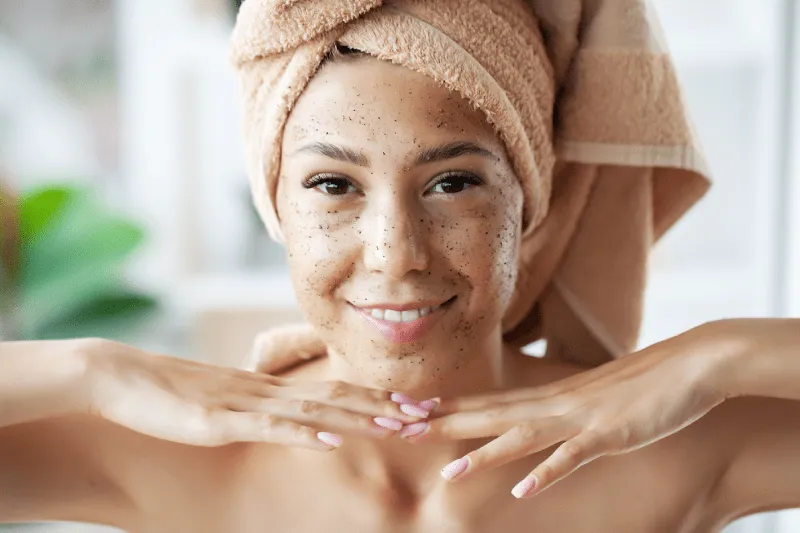
Yes, any type of inflammation and injury affecting the skin, such as acne, cuts, burns, or eczema, can leave dark brown or purplish marks called post-inflammatory hyperpigmentation (PIH) as the skin heals. Inflammation in the skin stimulates melanocytes, causing excessive melanin production in that area. This process usually resolves over time, but this can take months or even years. The best way to prevent PIH is to avoid scratching the skin and squeezing pimples. For treating existing spots, exfoliating acids and brightening ingredients play an effective role.
Why is Sun Protection the Foundation of Spot Treatment?
Sun protection is not just a part of spot treatment; it is the cornerstone of preventing spot formation and stopping existing spots from darkening. Ultraviolet (UV) rays are the strongest factor that triggers melanocytes. It is necessary to regularly use a high-factor, broad-spectrum (providing UVA and UVB protection) sunscreen every day of the year, even indoors. Applying sunscreen only in the morning is not enough; reapplication every two hours during the day is also crucial. This discipline directly affects the success of all other treatments applied.
How to Lighten and Brighten Skin Spots at Home?
The key to lightening skin spots and brightening the skin at home lies in establishing a regular and patient skincare routine. The products used should contain active ingredients proven to have spot-lightening properties. These ingredients gently exfoliate the skin’s upper layer, reducing melanin accumulation and helping new, brighter skin cells emerge on the surface. Concurrently, using ingredients that support the skin’s moisture barrier and reduce irritation is extremely important for controlling skin sensitivity during the treatment process. The treatment process requires a long-term commitment.
How Effective is Vitamin C Use in Spot Treatment?
Vitamin C (Ascorbic Acid) is an indispensable component in spot treatment due to its potent antioxidant properties and its ability to inhibit the tyrosinase enzyme (responsible for melanin production). It fights free radicals in the skin, reducing sun damage, and supports the skin’s natural collagen production. Using a high-concentration Vitamin C serum in the morning routine before sunscreen both lightens existing spots and protects the skin against environmental stressors. For efficacy, it is important that the pure form (L-Ascorbic Acid) is stabilized.
What Role Does Kojic Acid Play in Lightening Spots?
Kojic acid is a natural compound obtained particularly from rice fermentation and works by directly blocking tyrosinase activity, thus slowing down melanin production. This active ingredient, often preferred in the treatment of melasma and sun spots, is a gentler alternative compared to hydroquinone. It is typically found in low concentrations in serums, creams, or cleansers. When using kojic acid, it should be remembered that the skin’s sensitivity to the sun may increase, and therefore, regular sun protection must not be neglected. It can be combined with other brightening agents for best results.
Is Azelaic Acid Good for Red and Brown Spots?
Azelaik acid is a versatile ingredient with both spot-lightening and anti-inflammatory properties. It is highly effective, especially in treating red and brown marks (PIH) resulting from acne. Azelaic acid selectively suppresses abnormal melanocyte activity in hyperpigmented areas. It also helps control conditions like acne and rosacea by reducing skin redness and inflammation. It is generally available in prescription or over-the-counter cream forms and is an ingredient that is relatively well tolerated even by sensitive skin types.
What Are the Uses and Risks of Hydroquinone?
Hydroquinone is one of the most powerful and fastest-acting topical agents in the treatment of skin spots. It works by severely halting melanin synthesis and is often used in stubborn melasma cases. However, prolonged and uncontrolled use can lead to serious side effects such as ochronosis (blue-black pigmentation on the skin). Therefore, hydroquinone-containing products should generally be used only for short periods (usually 3-4 months) and under the supervision of a doctor. Since there is a risk of spots returning when treatment is stopped, transitioning to a maintenance regimen is critical.
How Do Retinoids and Retinol Work in Spot Treatment?
Retinoids (derivatives like Retinol and tretinoin) play a critical role in spot treatment by accelerating cell turnover and encouraging the shedding of pigmented cells in the skin’s upper layer. They also increase collagen production, improving the overall texture of the skin and helping to prevent new spot formation. Despite their effectiveness, especially in stubborn and deep-seated spots, they can initially cause dryness, redness, and sensitivity on the skin. For this reason, starting with a low concentration and using it in combination with a moisturizer is strongly recommended by experts.
Does Lemon Juice Really Work Among Natural Treatments?
The citric acid contained in lemon juice is considered an alpha hydroxy acid (AHA) and can theoretically show a spot-lightening effect by gently exfoliating the skin. However, due to its highly acidic nature, lemon juice can severely disrupt the skin’s pH balance, causing excessive irritation and extreme photosensitivity. The risk of leaving burns and new, darker spots on the skin is high. Therefore, it is generally not recommended by dermatologists. Using safe and stable formulated professional AHA products is a much more sensible approach than risky natural attempts like lemon juice.
What Are the Best Exfoliating Acids for Home Use?
The best exfoliating acids used for spot treatment at home belong to the alpha hydroxy acid (AHA) and beta hydroxy acid (BHA) groups. Glycolic acid (AHA) and lactic acid (AHA) are excellent for evening out skin tone by exfoliating the skin’s surface. Salicylic acid (BHA) penetrates into the pores, making it ideal for post-acne spots. Home-use peeling products should be in low concentrations, and the application instructions must be strictly followed. It is recommended to use them once or twice a week, gradually increasing according to the skin’s tolerance.
What Are the Benefits of Niacinamide in Spot Treatment?
Niacinamide (Vitamin B3) is a rapidly popularizing ingredient in spot treatment that is highly tolerated by the skin. It works by inhibiting the transfer of melanosomes (small vesicles containing melanin) to skin cells, thereby reducing pigment from reaching the skin’s surface. It is also a powerful anti-inflammatory agent, reducing redness and repairing the skin barrier. This multifaceted effect makes niacinamide an excellent choice for spot problems in sensitive and acne-prone skin. It is generally used in concentrations of 5% to 10%.
How is Arbutin Used to Lighten Spots?
Arbutin is a natural compound derived from the bearberry plant and is considered a gentler, natural derivative of hydroquinone. Like hydroquinone, it suppresses melanin synthesis by inhibiting the tyrosinase enzyme but carries less risk of irritation. It can be safely used in the treatment of both melasma and sun spots. It is often combined with other spot-lightening ingredients like Vitamin C and kojic acid to enhance its effectiveness. Arbutin stands out as an effective, gentle, and long-term suitable brightening option, even for sensitive skin.
Can Natural Yogurt and Honey Mask Lighten Spots?
Natural ingredients like yogurt and honey have mild lightening and moisturizing effects. Yogurt contains lactic acid, which is a gentle AHA and can help shed dead cells from the skin’s surface. Honey, on the other hand, has antibacterial and moisturizing properties, which can indirectly prevent PIH formation by reducing inflammation in the skin. However, these natural methods are not as potent as professional products for severe and deep-seated spots. They are mostly recommended as a supportive treatment for correcting minor color inconsistencies and generally brightening the skin.
Which Products Should Not Be Used Before Sun Exposure?
The primary products that should not be used immediately before sun exposure or during the daytime routine are potent exfoliating agents that make the skin overly sensitive to the sun (photosensitizing). Specifically, high-concentration retinol, tretinoin, and some strong AHAs (like glycolic acid) should not be used during the day; they must be incorporated into the nighttime routine. These components thin the skin’s protective layer, creating a predisposition for UV damage and consequently new spot formation. The daytime routine should always focus on antioxidants (Vitamin C) and high-factor, broad-spectrum sunscreen.
How Long Do Home Treatments Take to Show Results?
Home-based spot treatments require patience, and results are generally achieved slowly. Since the skin cell cycle lasts approximately 28 days, it can take a minimum of 4 to 6 weeks to observe the effects of active ingredients. For stubborn spots like melasma, achieving noticeable lightening can take 3 to 6 months. It is important to continue the treatment regularly and consistently, and never neglect sun protection. If desired results are not achieved after six months, stronger professional treatments (PRP, Mesotherapy, laser) should be considered.
Why is Zinc Oxide Sunscreen Important in Spot Treatment?
Zinc oxide is the main component of mineral (physical) sunscreens and is ideal for skin undergoing spot treatment. It causes less irritation than chemical filters and works by creating a barrier on the skin’s surface to reflect UV rays. This “physical blockade” provides superior protection in preventing melasma spots, which are sensitive to heat, from darkening, as it does not cause a temperature increase in the skin. Zinc oxide sunscreens also have anti-inflammatory properties, which helps reduce irritation and indirectly mitigate PIH formation.
When Should a Spot Serum Be Used in the Skincare Routine?
Spot serums, due to the high concentration of active ingredients they contain, should generally be used in the skincare routine immediately after the cleansing and toning stages. This allows the active ingredients to penetrate the skin’s deeper layers more effectively. Serums containing Vitamin C are usually applied in the mornings before sunscreen, while exfoliating and sensitizing products like Retinol or Hydroquinone must be included in the nighttime routine. Applying a moisturizer after the serum is important to protect the skin barrier.
What Benefit Does Licorice Root Extract Provide for Spots?
Licorice Root Extract is a natural compound known for its skin-brightening and anti-inflammatory properties. Glabridin, the main active ingredient within it, helps prevent spot formation by inhibiting the tyrosinase enzyme. Thanks to the compound licochalcone, it also reduces redness and irritation in the skin. These properties make licorice root extract an effective, gentle option for hyperpigmentation and redness treatment, especially in sensitive skin. It is included as a supportive ingredient in most spot serums and moisturizers.
What is the Most Important Natural Oil in Spot Treatment?
While it is difficult to name a natural oil that is a potent direct spot-lightener, Rosehip Seed Oil can help lighten spot marks. This oil is rich in Vitamin A (natural tretinoin) and essential fatty acids. It aids in reducing the appearance of acne scars and superficial spots by accelerating cell renewal and improving skin texture. However, this oil does not offer sun protection, so its use is strictly recommended for the evening routine, as a supportive aid to other spot-lightening treatments.
How Often Should Peeling and Exfoliating Products Be Used in Spot Treatment?
The frequency of use for peeling and exfoliating products depends on the product’s concentration and the skin’s tolerance level. High-concentration, at-home mask-form acids (e.g., more than 10% AHA) should generally be used once a week. Lower-concentration daily toners or serums should initially be used 2-3 times a week and gradually increased to every night, depending on the skin’s reaction. The goal is to gently renew the skin without irritating it; excessive exfoliation can, conversely, worsen hyperpigmentation.
What is the Difference Between Dark Circles Under the Eyes and Facial Spots?
Dark circles under the eyes and hyperpigmentation spots on the face result from different mechanisms and require different treatments. Facial spots are usually caused by melanin overproduction (melasma, sun spot), while dark circles under the eyes generally stem from three main factors: the visibility of the purple color of fine blood vessels in the area due to thin skin, shadows created by anatomical depressions, and sometimes genetically determined increased pigmentation. Treatments focused on increasing blood circulation and thickening the skin are prioritized for dark circles, while agents that halt melanin synthesis are used for facial spots.
What is PRP (Platelet Rich Plasma) Treatment and How is it Used for Spots?
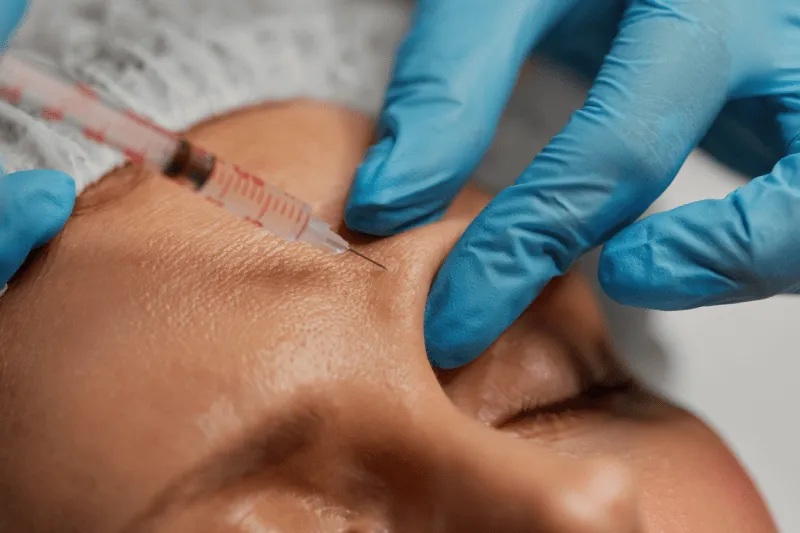
PRP (Platelet Rich Plasma) treatment is the injection of platelet-rich plasma, derived from the patient’s own blood, into the skin area requiring regeneration. This plasma contains high concentrations of growth factors. When injected into the skin, these growth factors stimulate collagen and elastin production, activating the skin’s self-renewal mechanisms. In spot treatment, PRP enhances the skin’s overall quality and barrier function, increasing its resistance to hyperpigmentation and supporting the effectiveness of spot-lightening applications. This offers a natural approach utilizing the skin’s own healing power.
For Which Types of Spots is PRP Treatment Suitable?
PRP treatment is highly suitable, especially for post-acne scars (PIH), general skin tone irregularities, and superficial spots caused by sun exposure. While it may not be sufficient alone for deep, hormonal spots like melasma, it plays an excellent supportive role when combined with other spot-lightening treatments (e.g., mesotherapy cocktails or gentle chemical peels). PRP’s real strength lies in strengthening and renewing the skin’s underlying layers, thereby increasing the permanence of spot treatment and establishing a healthier foundation for the skin.
Is PRP Application Painful?
PRP application generally consists of three basic stages. In the first stage, a small amount of blood (about 10-20 ml) is drawn from the patient. In the second stage, this blood is processed in a special centrifuge device to separate the plasma portion rich in platelets and growth factors. In the third and final stage, the obtained PRP is injected/applied to the spotted areas or the entire skin using very thin needles or a dermapen/dermaroller. Since local anesthetic creams are applied to the skin before the procedure, generally only a slight stinging or tingling sensation is felt, but severe pain is not an issue.
What to Pay Attention to After PRP Treatment?
In the first 24-48 hours after PRP treatment, slight redness, swelling, and bruising may occur in the injected areas. During this period, direct sun exposure must be absolutely avoided, and a high-factor sunscreen should be used. Care should be taken not to contact water or touch the application area for the first 6 hours. To avoid reducing the treatment’s effectiveness, intense exercise, saunas, Turkish baths, and other excessively hot environments should be avoided for a few days after the procedure. No cosmetic products other than those recommended by the doctor should be used.
How Many Sessions of PRP Treatment are Required for Spot Treatment?
The number of PRP treatment sessions required varies from person to person depending on the spot’s depth, extent, and the skin’s regeneration speed. Generally, courses of 3 to 6 sessions are recommended to achieve lasting and noticeable results in spot treatment. The ideal interval between sessions is usually 2 to 4 weeks, allowing the skin to fully recover. The specialist physician should determine these session intervals and the total number of sessions after skin analysis. Regular courses significantly enhance the success of the treatment.
Is Combination of PRP Treatment with Other Spot Treatments Possible?
It is absolutely possible, and often the best results, especially for resistant spots like melasma, are achieved with combination therapies. PRP, while internally repairing and strengthening the skin, allows treatments like chemical peels, mesotherapy, or laser to target external pigment accumulation. For example, low-dose spot-lightening mesotherapy cocktails can be injected after a PRP session to boost the skin’s healing capacity. This synergistic approach maximizes both the effectiveness and the permanence of the treatment, ensuring faster and healthier skin renewal.
How Long Does the Effect of PRP Application Last and Should it Be Repeated?
The permanence of PRP treatment varies from person to person, but the effect of skin renewal and spot lightening typically lasts around 1-1.5 years. However, this effect gradually diminishes due to environmental factors (sun, smoking, stress) and the natural aging process to which the skin is exposed. To maintain the results and prevent new spot formation, annual touch-up sessions are generally recommended. It must be remembered that no treatment’s permanence can be guaranteed without regular sun protection and a good skincare routine.
What Are the Side Effects and Risks of PRP Treatment?
Since PRP is prepared using the patient’s own blood, the risk of allergic reactions is almost zero. The most common side effects are slight swelling, redness, and small bruises in the injection area. These effects typically resolve spontaneously within a few days. The risks of the treatment are limited to the possibility of infection if performed under non-sterile conditions. Therefore, it is vital that PRP application is performed by an experienced and authorized physician in a sterile clinical environment. If signs of infection are observed after the procedure, a doctor should be consulted immediately.
How Are PRP and Laser Treatment Used Together for Spots?
PRP and laser treatment form a powerful duo for skin spots. While the laser targets the pigment by breaking it down, PRP speeds up the healing process of the controlled damage caused by the laser and reduces the risk of side effects. PRP applied after the laser increases the skin’s regeneration capacity, ensuring faster recovery and lowering the risk of post-inflammatory hyperpigmentation (PIH). This combination is a highly effective protocol often preferred by specialists for treating stubborn and deep-seated pigmentation problems.
What is Mesotherapy and What is it Used For?
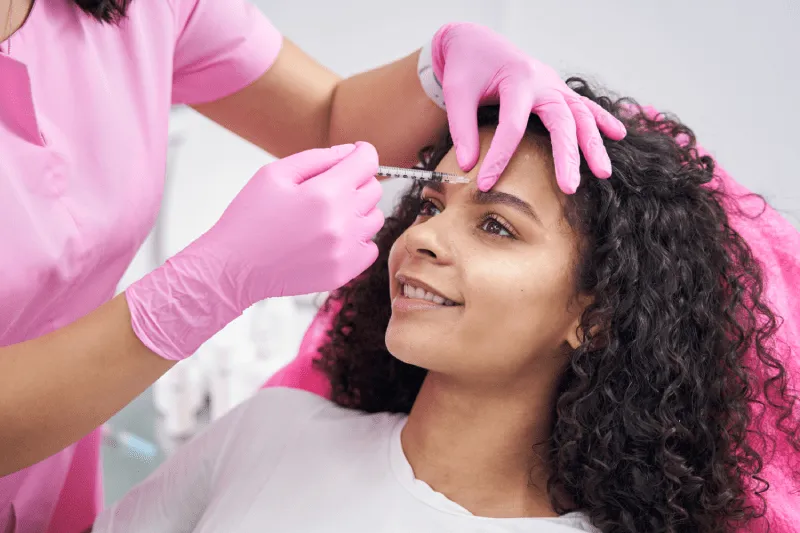
Mesotherapy is the injection of specially prepared cocktails of vitamins, minerals, amino acids, and hyaluronic acid into the skin’s middle layer (mesoderm) via micro-needles. Mesotherapy cocktails used in spot treatment typically contain powerful spot-lightening and brightening active ingredients such as Vitamin C, tranexamic acid, glutathione, and tyrosinase inhibitors. Since these actives are delivered directly to the area where pigmentation occurs, much faster and more effective results are achieved compared to topical applications.
Which Active Ingredients Are Found in Spot Mesotherapy Cocktails?
The primary goal of spot mesotherapy cocktails is to suppress melanin production and break down existing pigment. The most important active ingredients used for this purpose include Tranexamic Acid, which inhibits tyrosinase, High-Dose Vitamin C, a powerful antioxidant and brightener, Glutathione, which evens out skin tone, and Niacinamide, which prevents Melanosome transfer. Additionally, low molecular weight Hyaluronic Acid is often added to these cocktails to support the skin’s general moisture balance and barrier.
How Successful is Spot Mesotherapy in Treating Melasma?
Melasma, being a deep spot type caused by hormonal and sun factors, is difficult to treat. However, mesotherapy cocktails containing Tranexamic Acid have brought a breakthrough in melasma treatment in recent years. Tranexamic acid indirectly reduces melanocyte activation by preventing the stimulation of blood vessels in the skin. Due to its direct injection into the pigmented area, it yields results at a much higher concentration and more effectively than oral or topical treatments. It is generally used in combination with sun protection and home care products, not alone, to achieve the best success.
Is Mesotherapy Application Painful and How Long Does the Procedure Take?
Mesotherapy application, similar to PRP, causes generally minimal pain as it is performed using very thin and short needles. Thanks to the local anesthetic creams applied before the procedure, most patients only feel slight discomfort. The procedure itself usually takes between 15 and 30 minutes, depending on the size of the application area. Immediately after the application, slight redness and small bumps may occur at the needle entry points, but these generally disappear on their own within a few hours.
How Long After Mesotherapy Treatment Can Makeup Be Applied?
To minimize the risk of infection and preserve the effect of the injected active ingredients after mesotherapy treatment, makeup is generally not recommended for the first 12 to 24 hours. Since there is a risk of infection through the micro-channels on the skin’s surface, the skin must be allowed to completely close. Only very light and soothing products recommended by the doctor should be used on the first day. The next day, if there is no irritation or open wound on the skin, light and mineral-based makeup products can be started, but sun protection must not be neglected.
How Many Sessions of Spot Mesotherapy Should Be Applied?
The number of spot mesotherapy sessions is determined based on the type, depth of the spot, and the skin’s response to the treatment. For superficial sun spots, 3 to 4 sessions may generally be sufficient, while 6 to 8 sessions or more may be required for resistant and deep spots like melasma. Sessions are usually scheduled at intervals of 7 to 14 days. To increase the success of the treatment, it is essential to continue the sessions regularly without interruption and strictly adhere to the protocol determined by the specialist physician.
What Are the Advantages of Mesotherapy?
The greatest advantage of mesotherapy is that it delivers spot-lightening active ingredients directly to the target area, the space between the dermis and epidermis where pigmentation occurs. This maximizes the bioavailability of the active ingredients and minimizes the risk of systemic side effects. Additionally, the controlled damage caused by micro-needles stimulates collagen production, improving the skin’s overall quality and providing a brighter, younger appearance. Rapid recovery time and ease of combination with other treatments are also significant advantages.
How is Permanence Ensured After Mesotherapy?
The permanence of the spot-lightening and skin brightening effect achieved with mesotherapy largely depends on the patient’s post-treatment care and lifestyle. The most important way to ensure permanence is to make sun protection a lifelong habit. Furthermore, after the mesotherapy course is complete, regular use of the spot-lightening and brightening home care products (e.g., Vitamin C, retinol, arbutin) recommended by the physician is necessary. Maintenance sessions once or twice a year are also advised to sustain the effect.
What is the Main Difference Between PRP and Mesotherapy?
The main difference between PRP and Mesotherapy is the content used and the mechanism of action. PRP uses growth factors obtained from the patient’s own blood to accelerate the skin’s natural renewal and repair processes. Its primary function is to strengthen the skin’s structure and increase its healing capacity. Mesotherapy, on the other hand, aims to directly suppress pigment production by injecting specific spot-lightening active ingredients (tranexamic acid, Vitamin C, etc.) prepared externally directly into the spotted area. The two treatments are often combined to support each other.
What Are the New Generation Mesotherapy Applications in Spot Treatment?
New-generation mesotherapy applications in spot treatment include high-concentration growth factors, DNA repair complexes, and particularly strong pharmacological agents like Tranexamic Acid, in addition to traditional cocktails. A recently popular approach involves opening micro-channels with fractional laser or radiofrequency micro-needling (gold needle) instead of mesotherapy needles, and then infusing spot-lightening serums into the deep layers of the skin through these channels. These methods maximize the absorption of the active ingredient while also significantly stimulating collagen production.
What Factors Affect the Success Rate of Mesotherapy Treatment?
The success rate of mesotherapy treatment depends on several critical factors. These primarily include the type of spot (melasma or sun spot), the depth of the spot (epidermal or dermal), and the quality and content of the mesotherapy cocktail used. Furthermore, the practitioner’s experience, the patient’s discipline regarding sun protection, and lifestyle factors such as smoking also directly influence the outcome. To increase success, correct diagnosis, the right active ingredient selection, and adherence to appropriate session intervals are required.
Why Do Spots Return Despite Treatment?
The most common reason for spots returning (recurrence) despite treatment is inadequate sun protection. Even if melanocytes in the skin are suppressed by treatment, they quickly reactivate and continue melanin production when exposed to UV rays. Other important reasons include continued hormonal fluctuations (e.g., use of birth control pills), incorrect cosmetic use leading to chronic inflammation in the skin, or stress. It should be remembered that spot treatment is not just a single session but a process requiring lifelong protection and maintenance care.
What is Cure Holiday and Why Should it Be Preferred for Skin Spots?
Cure Holiday (Treatment Holiday) is a health tourism concept that combines medical aesthetic treatments with a luxurious vacation experience. Turkey, in particular, stands out in this field with its high-standard, internationally accredited clinics, experienced dermatologists, and cost advantage compared to European standards. For spot treatment, Cure Holiday not only allows for effective clinical treatments like spot-lightening PRP or Mesotherapy but also offers opportunities for stress relief, rest, and sun avoidance. Having the treatment process in a holiday atmosphere accelerates recovery and positively influences the general mood.
Why Has Turkey Become a Global Center for Spot Treatment?
Turkey has become a global center for spot treatment due to both its geographical location and rapid progress in the health sector. The fact that Turkish physicians, especially in PRP and Mesotherapy applications, have internationally recognized knowledge and experience is an important factor. Furthermore, clinics equipped with the latest laser systems and biological treatment options offer services at significantly more affordable prices compared to Western countries. All of this offers the opportunity to combine high-quality health service with an economical and pleasant holiday experience.
What is Offered in Cure Holiday Spot Treatment Packages?
Cure Holiday spot treatment packages in Turkey generally have comprehensive content. These packages include services such as initial examination and skin analysis, personalized PRP and/or Mesotherapy sessions, accommodation (in luxury hotels), airport transfers, consultancy services during the treatment period, and language support. Some luxury packages may also include detox programs or professional skincare sessions to support the treatment. The goal is to allow guests to focus on the treatment and eliminate all logistical details.
What is the Cost Advantage of Getting Spot Treatment in Turkey?
Spot treatment in Turkey offers a significant cost advantage, especially compared to countries in America and Europe. The costs of high-technology treatments like PRP and Mesotherapy are generally 50% to 70% lower in Turkey than in Western countries. This cost difference stems not only from the treatment costs but also from the lower prices of secondary costs like accommodation and transportation. This advantage makes it possible for patients to receive more sessions or enjoy a luxury vacation in addition to treatment with the same budget.
Which Technologies Do Clinics in Turkey Use for Spot Treatment?
Modern clinics in Turkey use the latest world-standard technologies for spot treatment. These include Q-Switched Nd:YAG lasers that even out skin tone and texture, Pico Lasers effective in deep melasma treatment, fractional radiofrequency (gold needle) systems, and Erbium:YAG lasers for skin renewal. Moreover, all PRP kits and mesotherapy cocktails used are products approved by international health authorities and comply with high quality standards. Patients can access the most current and scientifically proven treatment methods.
What Preparations Should Be Made Before a Cure Holiday?
Preparations to be made before coming to Turkey for spot treatment are important for the treatment’s success. First, if you have a chronic illness or take regular medication, you should consult your doctor to confirm the suitability of your treatment for your trip. Strong peels, solariums, or hair removal procedures that sensitize the skin should be avoided 1-2 weeks before arrival. You should stay in contact with your health consultant arranging the treatment package to get information about the documents, medications, and especially high-factor sunscreens you need to bring with you.
What Should Be Considered While Receiving Treatment in Turkey?
The most important point to consider while receiving spot treatment in Turkey is confirming the accreditation and experience of the clinic and physician you are being treated by. A hygienic and modern clinic that complies with international health standards should be chosen. During the treatment process, the physician’s instructions for sun protection and home care must be strictly followed; sunbathing must be absolutely avoided even during the treatment holiday. Maintaining open communication with the treatment team and clearly expressing all your expectations is also extremely important.
How Should Maintenance Be Done After a Cure Holiday Spot Treatment?
Maintenance care is vital for the permanence of spot treatment after a Cure Holiday. The home care protocol (serums, creams) specially prepared for you by your physician in Turkey must be continued regularly. The fundamental rule is to use high-factor sunscreen every day, regardless of the season, and reapply it throughout the day for at least one year. If the cause is hormonal, like melasma, lifestyle changes to support the treatment (stress management, healthy diet) should be made. Annual maintenance sessions are also recommended to preserve the treatment results.
How Do I Decide Which Spot Treatment Method is Right for Me?
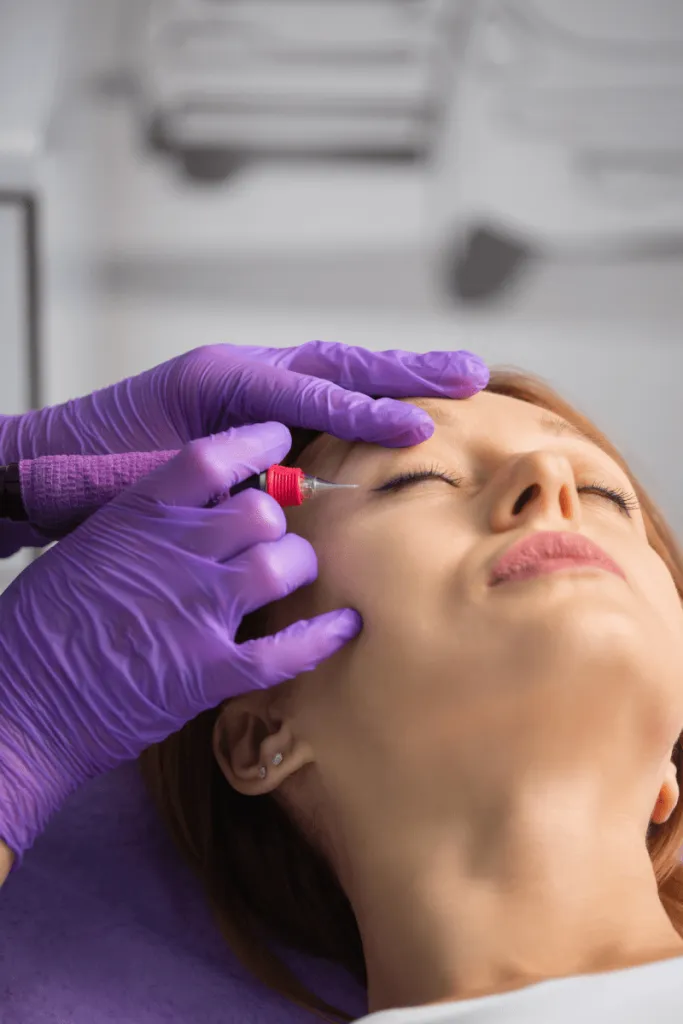
Deciding which spot treatment method is right for you can only be done by a specialist dermatologist or medical aesthetic physician after a skin analysis. The type of spot (melasma, lentigo, PIH), its depth (epidermal or dermal), your skin type, and lifestyle are all factors influencing this decision. The physician may recommend peeling or superficial mesotherapy for superficial spots, or a combination of PRP, laser, and tranexamic acid mesotherapy for deeper and stubborn spots. It is important to clearly state your expectations and budget when making this decision.
Which Cities in Turkey Stand Out for Spot Treatment?
The cities that stand out most in Turkey for spot treatment and general medical aesthetics are the major metropolitan centers: Istanbul, Ankara, and Izmir. These cities host the highest concentration of internationally standard clinics, experienced physicians, and advanced medical aesthetic technologies. Furthermore, tourist regions like Antalya and Bodrum are also popular destinations for the Cure Holiday concept, which combines luxury accommodation and vacation opportunities with treatment. City selection can be made based on both the quality of the treatment and your holiday expectations.
How Does Stress Management Support Spot Treatment?
Stress can increase cortisol levels in the body, leading to inflammation and indirectly stimulating melanocytes. This condition can cause spots to darken or recur, especially in melasma patients. Therefore, stress management is an integral part of spot treatment. Reducing stress levels through methods like meditation, yoga, regular exercise, and sufficient sleep minimizes inflammation in the body and allows the skin to respond better to treatment. The resting atmosphere of a Cure Holiday also naturally contributes to this stress management.
Does Nutrition Play a Role in Spot Treatment?
Yes, nutrition directly affects skin health and the success of spot treatment. A diet rich in antioxidants protects the skin against free radicals and reduces inflammation. Adequate intake of minerals like Vitamin C, Vitamin E, zinc, and selenium is important. Avoiding overly sugary, processed, and inflammatory foods lowers the skin’s inflammation level, reducing the risk of post-inflammatory hyperpigmentation (PIH). Consuming plenty of water, in turn, maintains the skin’s moisture balance and supports cell renewal.
Why is Strengthening the Skin Barrier Important in Spot Treatment?
The skin barrier is the outermost protective layer of the skin. A strong skin barrier retains moisture and acts as a shield against irritating external factors. Potent actives used in spot treatment (retinoids, acids) can weaken the barrier by exfoliating the skin, potentially leading to sensitivity, redness, and new spot formation (PIH). Therefore, continuously supporting the barrier with moisturizers containing ceramides, hyaluronic acid, and squalene minimizes the side effects of treatment and allows the skin to renew healthily.
Is Permanent Removal of Dark Spots Possible?
Permanently getting rid of dark spots, especially in types with hormonal and genetic predisposition like melasma, is a challenging process and is generally described as “long-term control” rather than complete “permanent removal.” However, with professional clinical treatments (PRP, Mesotherapy, Laser), it is possible to significantly lighten spots, even out skin tone, and reduce their prominence. The permanence of the treatment depends on the patient’s discipline regarding sun protection, regular maintenance care, and lifestyle changes. With the right approach, the skin can remain spot-free for years.
Does Health Tourism Insurance in Turkey Cover Spot Treatment?
Generally, spot treatments performed for aesthetic purposes (PRP, Mesotherapy, Laser) are not covered by standard health insurance or international health tourism insurance. These treatments are typically self-pay procedures. However, services offered as part of Cure Holiday packages (accommodation, transfer, consultancy) or unexpected medical complications that may arise during treatment might be included in travel insurance coverage. It is advised to carefully examine the package content and insurance conditions before starting the treatment.
What Are the Treatment Differences Between Sun Spots and Melasma?
Sun spots (lentigo solaris) are usually epidermal (superficial) and well-defined spots. These spots generally respond very well to exfoliating treatments like chemical peels, superficial lasers (Q-Switched), and superficial mesotherapy. Melasma, on the other hand, is usually deeper (dermal or mixed), ill-defined, and hormonally sensitive. The goal of melasma treatment is to suppress melanocytes rather than break down melanin. Therefore, treatments like Tranexamic Acid mesotherapy, low-setting lasers, and non-aggressive PRP are prioritized. Aggressive exfoliants are avoided.
Is Combination Necessary to Get the Best Results in Spot Treatment?
Yes, especially in stubborn and complex hyperpigmentation cases (melasma, deep PIH), combined treatment protocols are almost mandatory to achieve the best results. A single method cannot simultaneously affect all the formation mechanisms of the spot. For example, while laser breaks down the pigment, PRP repairs the skin, and mesotherapy directly suppresses pigment production. Combination therapies target components of spots arising from different depths and causes simultaneously, providing both faster results and significantly reducing the risk of recurrence.
Cure Holiday: What Are the Final Tips for Getting Spot Treatment in Turkey?
If you are planning to get spot treatment in Turkey with Cure Holiday, first conduct thorough preliminary research and only prefer clinics affiliated with the T.C. Ministry of Health and possessing international certifications. Review the success stories of your physician, especially in melasma or deep PIH cases. Choose a comprehensive package that includes details like accommodation and transfers during the treatment period. To get maximum efficiency from the treatment, prepare your skin by avoiding the sun before coming to Turkey, and most importantly, make adherence to all post-treatment instructions a way of life. Renew yourself and restore your skin to its former health in Turkey!
How Should the Daily Routine Be to Prevent Spot Formation?
Preventing spot formation is the key to maintaining the health of treated skin. Your daily routine should consist of morning cleansing, application of an antioxidant (Vitamin C) serum, and high-factor, broad-spectrum zinc oxide-based sunscreen. The evening routine should be completed with cleansing away makeup and dirt (double cleansing), a serum containing spot-lightening active ingredients (retinol, niacinamide, or arbutin), and finally, an intensive moisturizer to support the barrier. Weekly, cell renewal should be supported with a gentle chemical peel or mask appropriate for the skin’s tolerance.
When Should Spot Treatment Be Started?
The most ideal time to start spot treatment is during the autumn and winter months when the sun’s intensity is at its lowest. Aggressive exfoliating or laser treatments performed during the intense summer months increase the skin’s sensitivity to the sun, raising the risk of hyperpigmentation. Therefore, it is advised to perform clinical treatments like PRP and Mesotherapy in the winter and focus only on maintenance care in the summer. However, the most important rule is that no matter when it is started, sun protection must never be neglected at any stage of the treatment.
Free Consultation
Fill out the form below to get your free medical travel plan and price quote.
Sources and how to verify this yourself
- Ministry of Health, Regulation on International Health Tourism and Tourist Health, Official Gazette 26 April 2025, No. 32882 — authorisation requirement for facilities and intermediaries, TÜSKA accreditation, compulsory complication insurance (deadline 31 December 2025 for insurance, 31 December 2026 for accreditation). source
- Ministry of Health, Regulation on Promotion and Information Activities in Health Services, Official Gazette 12 November 2025, No. 33075 — treatment promises and guarantees are prohibited; price and campaign announcements are permitted only within international health tourism. source