About the prices on this page. The figures below are indicative market prices and country comparisons, not a quote. Our own current, all-inclusive prices are published on our non-surgical treatment in Turkey page, and we confirm your figure in writing before you commit to anything.
Cost & Price Comparison: Anti-Aging in Turkey – Affordable Luxury
Considering anti-aging treatments? You’re likely researching costs, and that’s smart! Turkey has rapidly become a leading destination for medical tourism, particularly for procedures focused on rejuvenation and wellness. The biggest draw? Significant savings without compromising on quality.
Save up to 70% compared to prices in Europe (Germany, France, Netherlands, and similar countries). This isn’t about cutting corners; it’s about lower operating costs, a favorable exchange rate, and a highly skilled medical workforce.
Here’s a general idea of what you can expect:
- Non-invasive treatments (like Botox, dermal fillers, chemical peels, microneedling): While prices vary depending on the clinic, doctor’s experience, and the amount of product used, you can anticipate costs to be 40-60% lower than in Western Europe or North America. A package of multiple treatments will offer even greater savings.
- Surgical procedures (facelifts, eyelid surgery, brow lifts): The savings are even more substantial. Expect to pay 50-70% less for comparable surgical procedures in Turkey. This includes hospital stay, surgeon’s fees, and pre/post-operative care.
- Thread lifts & Laser Treatments: These popular procedures are also significantly more affordable, often 30-50% cheaper than in other European countries.
We call it Affordable Luxury – receiving high-quality, cutting-edge anti-aging treatments from experienced professionals, in modern facilities, at a fraction of the price you’d pay closer to home. It allows you to combine a rejuvenating experience with the opportunity to explore a beautiful country, making your wellness journey even more rewarding.
Introduction: The Rising Demand for Anti-Aging & Turkey as a Solution
The pursuit of youthfulness is a timeless human desire, and consequently, the anti-aging market is experiencing unprecedented growth globally. Driven by an aging population, increased disposable incomes, and a heightened societal emphasis on appearance, demand for effective anti-aging treatments is soaring. This demand isn’t simply for cosmetic improvements; it’s increasingly linked to a desire for overall wellness and maintaining a vibrant, active lifestyle throughout life.
However, accessing these treatments can be financially prohibitive for many. In countries like Germany, France, and the United States, the costs associated with advanced anti-aging procedures – from minimally invasive injectables to complex surgical interventions – are substantial. A facelift, for instance, can easily exceed €15,000 – €20,000 in Western Europe, while laser resurfacing can range from €3,000 to €8,000 depending on the extent of treatment. Even seemingly simpler procedures like Botox or dermal fillers accumulate significant expenses over time with repeated sessions.
This economic barrier has led to the rise of medical tourism, with Turkey emerging as a premier destination for high-quality, affordable anti-aging treatments. The country has rapidly gained recognition for its skilled medical professionals, state-of-the-art facilities, and significantly lower treatment costs. Patients traveling to Turkey for anti-aging procedures routinely save between 60% and 70% compared to equivalent treatments in Europe and North America.
This isn’t simply about lower prices, though. Turkey has invested heavily in its healthcare infrastructure, attracting internationally trained and certified plastic surgeons, dermatologists, and aesthetic physicians. Many doctors have completed residencies and fellowships in Europe and the US, bringing world-class expertise to Turkish clinics. The combination of highly skilled practitioners and lower overhead costs allows clinics to offer premium care at a fraction of the price.
Consider dermal fillers. In France, a single syringe can cost upwards of €600-€800, and most patients require multiple syringes for optimal results. In Turkey, the same treatment can be obtained for €200-€300 per syringe, representing substantial savings without compromising quality. Similarly, thread lift procedures, which offer a non-surgical alternative to facelifts, are considerably more affordable in Turkey, often costing less than half the price charged in Germany.
The appeal extends beyond cost. Turkey offers a comprehensive patient experience, often including personalized treatment plans, post-operative care packages, and the opportunity to recover in a comfortable and culturally rich environment. Many clinics offer all-inclusive packages that cover consultations, procedures, accommodation, and even airport transfers, streamlining the entire process for international patients.
It’s important to note that the lower costs do not reflect a lower standard of care. Turkish clinics adhere to stringent international standards of hygiene and safety. Many are accredited by international organizations, demonstrating their commitment to quality and patient satisfaction. The competitive landscape also drives clinics to continually invest in the latest technologies and techniques, ensuring patients receive cutting-edge treatments.
The increasing popularity of Turkey as a medical tourism hub for anti-aging procedures is a testament to its ability to provide accessible, high-quality care. For individuals seeking to combat the signs of aging without breaking the bank, Turkey presents a compelling and increasingly viable solution, offering savings of up to 70% while maintaining – and often exceeding – the standards of care found in Western European countries.
> 🏥 CureHoliday Advantage: We don’t just book your treatment; we manage your entire journey. From VIP airport transfers to 5-star hotel accommodation, everything is included in your package.
Understanding the Signs of Aging & Their Impact
The process of aging is multifaceted, extending far beyond merely cosmetic concerns. Understanding these changes – both visible and underlying – is crucial for individuals considering anti-aging treatments. These changes impact not only physical appearance but also self-esteem and, in some cases, overall quality of life.
The initial visible signs often manifest as fine lines and wrinkles. These develop due to a decrease in collagen and elastin production, proteins responsible for skin’s structural support and elasticity. Sun exposure, genetics, and lifestyle factors accelerate this process. As collagen diminishes, the skin loses its plumpness, leading to the formation of wrinkles around the eyes (crow’s feet), mouth (nasolabial folds), and forehead.
However, the impact isn’t limited to the face. Volume loss is a significant contributor to an aged appearance. Subcutaneous fat diminishes with age, causing cheeks to flatten and jowls to develop. This loss of volume can make individuals appear tired and older than they are. Simultaneously, skin loses its ability to retain moisture, becoming drier, thinner, and more prone to damage.
Beyond these surface changes, aging affects deeper facial structures. Bone density decreases, particularly in the facial skeleton, contributing to a less defined jawline and a sagging appearance. Muscle tone also diminishes, further exacerbating skin laxity. These structural changes are often more effectively addressed with surgical interventions.
The psychological impact of these visible signs should not be underestimated. Many individuals experience a decline in self-confidence and social engagement as they perceive themselves aging. This can lead to feelings of anxiety and depression. It’s a significant driver in the growing demand for anti-aging treatments, particularly in locations like Turkey which offer accessible solutions.
Consider the costs associated with addressing these concerns in Western Europe. A facelift in Germany or France can easily exceed €15,000, with significant additional expenses for anesthesia, hospital stays, and post-operative care. Similar procedures, like thread lifts or laser resurfacing, also carry hefty price tags – often €5,000 – €10,000.
Turkey presents a compelling alternative. Highly qualified and experienced surgeons, coupled with lower operational costs, allow patients to achieve comparable – and often superior – results at a fraction of the price. Patients traveling to Turkey for anti-aging procedures routinely save 60-70% on their overall expenses, without compromising on quality or safety. This cost difference isn’t due to inferior care; it’s a reflection of economic realities and a thriving medical tourism sector.
For example, a facelift in Turkey, performed by a board-certified plastic surgeon in a Ministry of Health–authorised hospital, can range from €4,000 to €7,000, including most associated costs. Dermal fillers, which address volume loss, are significantly cheaper, as are non-invasive treatments like chemical peels and laser resurfacing.
Furthermore, Turkey’s medical facilities often boast state-of-the-art technology and adhere to international standards of hygiene and patient care. The growing popularity of medical tourism in Turkey is a testament to the quality of services offered.
It’s important to note that the best approach to addressing the signs of aging is individualized. A thorough consultation with a qualified medical professional is essential to determine the most appropriate treatment plan based on the patient’s specific concerns, skin type, and overall health. Addressing these concerns proactively, and understanding the available options – from non-surgical treatments to more invasive procedures – empowers individuals to maintain a youthful appearance and enhance their quality of life, all while benefiting from the cost-effective excellence that Turkey provides.
> ✨ All-Inclusive Comfort: With CureHoliday, you never walk alone. Our 24/7 patient support ensures you are safe, comfortable, and well-cared for throughout your stay in Turkey.
Exploring Non-Surgical and Surgical Anti-Aging Options
The pursuit of youthful appearance has driven significant advancements in both non-surgical and surgical anti-aging treatments. Turkey has rapidly become a leading destination for individuals seeking these procedures, offering a compelling combination of highly skilled medical professionals, state-of-the-art facilities, and significantly lower costs compared to Western European nations like Germany and France. This section will detail the spectrum of options available, outlining the procedures and the cost advantages of choosing Turkey for treatment.
Non-surgical treatments represent the initial step for many, focusing on minimizing early signs of aging without the downtime associated with surgery. These procedures are generally less invasive and more affordable, making them accessible to a wider range of patients. Options include injectables like Botox and dermal fillers, as well as skin resurfacing techniques such as chemical peels and laser treatments. While effective, the cost of a series of these treatments can still accumulate significantly in countries like France, where a full Botox regimen targeting multiple areas can easily exceed €2,000-€3,000 annually. In Turkey, the same treatment plan can be obtained for around €600-€1,000, representing a substantial saving.
Dermal fillers, used to restore lost volume and define facial contours, follow a similar cost disparity. A full facial filler treatment in Germany might range from €3,000 to €5,000, while in Turkey, a comparable treatment is typically priced between €1,200 and €2,000. This allows patients to address multiple areas – cheeks, lips, nasolabial folds – without incurring prohibitive expenses.
Moving beyond injectables, non-surgical procedures like thread lifts offer a moderate level of rejuvenation. These utilize absorbable threads to lift and tighten sagging skin, providing a subtle facelift effect. The price in Western Europe can range from €2,500 to €4,000. Turkey offers these procedures at approximately €1,000-€2,000, again demonstrating considerable savings.
However, for individuals with more pronounced signs of aging – deep wrinkles, significant skin laxity, or loss of facial structure – surgical interventions may be the most effective solution. Facelifts (rhytidectomies) are a gold standard in surgical rejuvenation, addressing sagging skin and restoring a more youthful facial appearance. In countries like Germany and France, a facelift can cost between €8,000 and €15,000, depending on the extent of the procedure and the surgeon’s experience.
Turkey provides access to equally qualified and experienced surgeons performing facelifts for between €3,000 and €6,000. This represents a potential saving of up to 70%, without compromising on quality of care. Patients consistently report receiving superior levels of personalized attention and post-operative care in Turkish facilities.
Neck lifts, designed to tighten and refine the neck area, are frequently performed in conjunction with facelifts. The cost in Europe typically aligns with, or slightly exceeds, that of a full facelift. In Turkey, a neck lift can be performed for between €2,500 and €5,000, offering similar substantial savings.
Laser resurfacing, a surgical procedure improving skin texture and addressing pigmentation, also benefits from Turkish affordability. While a full-face laser resurfacing treatment can cost upwards of €5,000 in Western Europe, Turkey offers it for around €2,000-€3,500. This makes it a viable option for individuals seeking significant improvement in skin quality.
It’s crucial to understand that the cost savings in Turkey aren’t achieved by sacrificing quality. Turkish clinics often invest heavily in advanced technology and adhere to international standards of medical practice. The lower costs are largely due to reduced overhead expenses and a favorable exchange rate. Patients seeking anti-aging treatments in Turkey can expect to receive excellent care from qualified professionals at a fraction of the price they would pay in Western Europe, all while enjoying a comfortable and potentially restorative experience.
> ✨ All-Inclusive Comfort: With CureHoliday, you never walk alone. Our 24/7 patient support ensures you are safe, comfortable, and well-cared for throughout your stay in Turkey.
Popular Anti-Aging Treatments Available in Turkey
Turkey has rapidly become a global hub for medical tourism, particularly for anti-aging treatments. This is driven by a confluence of factors: highly skilled and internationally trained medical professionals, state-of-the-art facilities, and significantly lower costs compared to Western European countries like Germany and France. Patients seeking rejuvenation procedures routinely save 60-70% on treatment expenses without compromising on quality or safety. Let’s explore some of the most popular anti-aging treatments available in Turkey.
Botulinum toxin injections (commonly known as Botox or Dysport) are consistently the most sought-after treatment. These injections temporarily paralyze facial muscles, reducing the appearance of wrinkles and fine lines, particularly on the forehead, around the eyes (crow’s feet), and between the brows. In Europe, a single area treatment can easily cost €300-€500, while in Turkey, the same treatment is available for around €80-€150. Multiple areas are frequently addressed simultaneously, making the cost savings substantial.
Dermal fillers represent another cornerstone of non-surgical facial rejuvenation. These injectable gels, typically composed of hyaluronic acid, restore lost volume, smooth out wrinkles, and enhance facial contours. Fillers can be used to plump lips, define cheekbones, and reduce the appearance of nasolabial folds. The price disparity is significant; a single syringe in Germany or France may range from €400 to €800, while the same product in Turkey averages between €150 and €300. The expertise of Turkish doctors in precise filler placement ensures natural-looking results.
For those seeking more dramatic skin resurfacing, chemical peels offer a powerful solution. These treatments involve applying a chemical solution to the skin, causing it to exfoliate and reveal fresher, smoother skin underneath. Different peel strengths address varying levels of skin damage, from mild sun damage to deeper wrinkles. While a medium-depth peel in Europe could set you back €800-€1500, Turkey offers comparable peels for €300-€600.
Laser resurfacing treatments, including CO2 laser and Erbium laser, are highly effective in addressing skin texture, pigmentation issues (like sunspots and melasma), and deeper wrinkles. These procedures stimulate collagen production, resulting in a more youthful complexion. The investment in laser technology by Turkish clinics is considerable, ensuring they utilize the latest advancements. A full-face CO2 laser resurfacing treatment in Europe can exceed €2000, whereas in Turkey, patients can expect to pay between €700 and €1200.
Thread lifts represent a non-surgical alternative to a traditional facelift. Absorbable threads are inserted beneath the skin to lift and support sagging tissues, providing a subtle yet noticeable lift to the face and jawline. The cost in Europe is typically €1500-€3000, significantly higher than the €600-€1200 range commonly found in Turkey. Turkish doctors are adept at utilizing various thread types and techniques to achieve optimal results tailored to individual facial structures.
For individuals with more significant signs of aging, a facelift (rhytidectomy) remains the gold standard surgical procedure. This involves surgically tightening the underlying muscles and tissues of the face and neck, removing excess skin, and repositioning facial structures. While a facelift in Europe can range from €8,000 to €15,000 (or even higher), Turkey offers highly qualified surgeons performing facelifts for €4,000 to €8,000, including hospital stay and post-operative care.
Neck lifts (platysmaplasty) specifically address sagging skin and muscle bands in the neck area, restoring a smoother, more defined jawline. Often performed in conjunction with a facelift, a neck lift alone in Europe can cost between €5,000 and €10,000. In Turkey, the procedure is available for around €2,500 to €5,000.
It’s crucial to remember that these are average costs and can vary depending on the specific clinic, the surgeon’s experience, the extent of the treatment required, and any additional procedures performed. Patients should always prioritize choosing a reputable clinic with board-certified surgeons and comprehensive aftercare programs. The combination of affordability and quality makes Turkey an increasingly attractive destination for those seeking to rewind the clock and regain a more youthful appearance.
> 📉 Cost Comparison: A simple procedure that costs €5,000 in Germany might cost only €1,500 in Turkey with CureHoliday. Why pay more for the same quality?
Botox & Dysport: Smoothing Wrinkles & Fine Lines
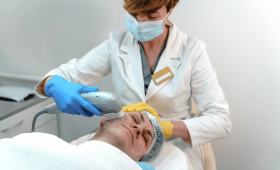
Botulinum toxin type A injections, commonly known by brand names like Botox and Dysport, represent a cornerstone of non-surgical anti-aging treatments. These injections temporarily paralyze facial muscles, reducing the appearance of wrinkles caused by repetitive movements. Turkey has become a leading destination for these procedures, offering highly skilled practitioners and significantly lower costs compared to Western European countries.
The primary areas treated with Botox and Dysport include frown lines (glabellar lines), crow’s feet (lines around the eyes), and forehead lines. However, these toxins are increasingly used “off-label” for other concerns like brow lifting, jawline slimming (masseter muscle reduction), and even to treat hyperhidrosis (excessive sweating). The procedure itself is relatively quick, typically taking 15-30 minutes, and involves minimal discomfort. A very fine needle is used to inject small amounts of the toxin into the targeted muscles.
The effect isn’t immediate. It takes 3-14 days for the full results to become visible as the muscles relax. Results typically last 3-6 months, after which repeat treatments are necessary to maintain the smoothed appearance. Maintaining consistent treatment schedules can also lead to a reduction in wrinkle depth over time, as the muscles are trained to relax.
The cost of Botox and Dysport in Turkey is a major draw for medical tourists. In countries like Germany or France, a single treatment area (e.g., forehead lines) can easily cost between €300-€600 or even higher, depending on the clinic and practitioner. The price for treating multiple areas escalates significantly. In contrast, Turkey offers comparable, often superior, treatments for approximately €80-€200 per area. This represents a potential saving of up to 70% – a substantial difference that makes anti-aging care accessible to a wider range of individuals.
It’s crucial to understand the difference between Botox and Dysport, although both achieve similar results. Dysport generally has a faster onset of action and may be more effective for treating larger areas, while Botox has a longer-established track record. The choice between the two often depends on the practitioner’s preference and the individual’s specific needs.
Clinics in Turkey offering Botox and Dysport boast highly qualified and experienced doctors, many of whom have received international training. They utilize genuine, FDA-approved products and adhere to strict hygiene and safety standards. Patients frequently report receiving a more personalized and attentive experience in Turkish clinics compared to the often-rushed environment of busy clinics in Europe.
Beyond the cost savings, Turkey’s medical tourism industry offers a complete package. Many clinics provide comprehensive consultations, detailed treatment plans, and aftercare support. This often includes hotel recommendations and assistance with travel arrangements, making the entire experience seamless and stress-free.
It is vital to choose a reputable clinic with a proven track record of successful Botox and Dysport treatments. Researching the practitioner’s qualifications, reading patient reviews, and viewing before-and-after photos are essential steps in ensuring a positive outcome. A thorough consultation is also crucial to discuss your goals, assess your facial anatomy, and determine the appropriate dosage and injection technique.
Complications from Botox and Dysport are rare but can include temporary bruising, swelling, or headache. More serious complications, such as drooping eyelids or asymmetrical results, are uncommon when performed by a skilled and experienced practitioner. Choosing a qualified doctor minimizes these risks.
Turkey’s emergence as a premier destination for Botox and Dysport treatments isn’t solely about price. It’s a combination of affordability, highly skilled professionals, genuine products, and a commitment to patient care that delivers exceptional value and results, far surpassing what’s typically available – and affordable – in Western Europe.
> 📉 Cost Comparison: A simple procedure that costs €5,000 in Germany might cost only €1,500 in Turkey with CureHoliday. Why pay more for the same quality?
Dermal Fillers: Restoring Volume & Facial Contours
Dermal fillers represent a cornerstone of non-surgical facial rejuvenation, addressing the volume loss that naturally accompanies aging. As we age, the structural fat, collagen, and elastin in our faces diminish, leading to sunken cheeks, flattened temples, and prominent lines. Dermal fillers are injected beneath the skin’s surface to restore lost volume, smooth wrinkles, and enhance facial contours, resulting in a more youthful and refreshed appearance.
The most common type of dermal filler utilizes hyaluronic acid (HA), a naturally occurring substance in the skin that attracts and retains water. This provides hydration and plumpness. Different HA fillers are formulated with varying densities and molecular weights, allowing practitioners to target specific areas and concerns. For example, softer fillers are ideal for fine lines around the mouth (smoker’s lines) and under the eyes, while more robust fillers are used for cheek augmentation or jawline definition.
Beyond HA, other filler substances are available, including calcium hydroxylapatite (Radiesse) and poly-L-lactic acid (Sculptra). These stimulate collagen production over time, offering longer-lasting results. The choice of filler depends on the patient’s individual anatomy, skin type, and desired outcome, determined during a thorough consultation with a qualified medical professional.
In Turkey, dermal filler treatments are exceptionally popular due to their affordability and the high skill of the practitioners. A typical treatment for areas like the cheeks or nasolabial folds (smile lines) might range from $200 to $600, depending on the amount of filler used and the clinic’s expertise. This is a dramatic contrast to the costs in Western Europe. In countries like Germany or France, the same procedure can easily exceed $800 – $1500, or even more. Patients traveling to Turkey routinely save 60-70% on their dermal filler treatments.
However, cost isn’t the sole factor. Turkish clinics, particularly those catering to international medical tourism, often employ highly experienced and board-certified plastic surgeons and dermatologists. They utilize advanced injection techniques and prioritize patient safety and comfort. The focus is on achieving natural-looking results, avoiding the “overfilled” appearance sometimes seen with less skilled practitioners.
Specific areas commonly treated with dermal fillers include: cheeks (to restore youthful volume), nasolabial folds (to soften smile lines), marionette lines (lines running from the mouth to the chin), lips (for augmentation and definition), under-eye hollows (to reduce the appearance of dark circles), temples (to address hollowing), and jawline (to improve definition).
The longevity of dermal fillers varies. HA fillers generally last between 6 to 18 months, depending on the type of filler, the area treated, and the individual’s metabolism. Radiesse and Sculptra, which stimulate collagen, can provide results lasting up to two years or more. Maintenance treatments are recommended to sustain the desired effect.
It’s crucial to understand that while dermal fillers are considered relatively safe, potential side effects can include temporary bruising, swelling, redness, and tenderness at the injection site. Rarely, more serious complications like infection or vascular occlusion can occur, emphasizing the importance of choosing a qualified and experienced practitioner.
The appeal of Turkey extends beyond price. Many clinics offer comprehensive packages that include accommodation, airport transfers, and post-treatment care, making the entire experience seamless and convenient. Compared to the often lengthy wait times for consultations and procedures in countries like France or Germany, Turkey offers quicker access to high-quality care, all while significantly reducing expenses. This combination of affordability, expertise, and convenience makes Turkey a leading destination for dermal filler treatments, attracting patients from across Europe and beyond.
> 📉 Cost Comparison: A simple procedure that costs €5,000 in Germany might cost only €1,500 in Turkey with CureHoliday. Why pay more for the same quality?
Chemical Peels: Exfoliating for Radiant Skin
Chemical peels represent a widely sought-after non-invasive procedure in Turkey for addressing a variety of skin concerns related to aging. They involve the application of a chemical solution to the skin, causing it to exfoliate and ultimately revealing a smoother, more radiant complexion. The depth of the peel – superficial, medium, or deep – determines the extent of exfoliation and the specific concerns it can address.
Superficial peels, often utilizing alpha-hydroxy acids (AHAs) like glycolic or lactic acid, primarily target the epidermis, the outermost layer of skin. These are ideal for mild skin discoloration, fine lines, and acne. They provide a refreshing effect with minimal downtime, typically involving mild redness and flaking for a few days.
Medium peels, frequently employing trichloroacetic acid (TCA), penetrate deeper into the skin, reaching the upper layers of the dermis. These are effective for addressing moderate wrinkles, age spots, and uneven skin tone. Recovery takes a bit longer, usually around 7-14 days, with noticeable peeling and some discomfort.
Deep peels, generally using phenol, provide the most dramatic results but also require the most downtime and careful aftercare. They are reserved for significant wrinkles, severe sun damage, and precancerous growths. These peels are performed under anesthesia and require several weeks of recovery.
In Turkey, the cost of chemical peels varies significantly based on the depth of the peel and the clinic’s expertise. A superficial peel can range from $150 to $300, a medium peel from $300 to $600, and a deep peel from $800 to $1500.
This represents a substantial savings compared to costs in Europe. In countries like Germany or France, a comparable superficial peel could easily cost €250-€400 (approximately $270-$430), a medium peel €500-€800 ($540-$860), and a deep peel €1200-€2500 ($1300-$2700) or even higher, depending on the practitioner and location. Patients traveling to Turkey for chemical peels routinely save 60-70% on treatment costs.
The appeal of Turkey extends beyond just price. Turkish clinics boast highly qualified dermatologists and plastic surgeons, many of whom have received international training and adhere to stringent medical standards. Facilities are modern and equipped with advanced technology, ensuring a safe and effective treatment experience.
It’s crucial to understand that the price isn’t the only factor. The skill and experience of the practitioner play a vital role in achieving optimal results and minimizing potential complications. Choosing a board-certified dermatologist or plastic surgeon is paramount.
Before undergoing a chemical peel in Turkey, a thorough consultation is essential. This allows the practitioner to assess your skin type, concerns, and medical history to determine the most appropriate peel depth and technique. They will also discuss potential risks and side effects, such as redness, swelling, blistering, and changes in pigmentation.
Post-peel care is equally important. Strict sun protection, gentle cleansing, and moisturizing are essential for promoting healing and maintaining results. Turkish clinics provide detailed aftercare instructions and often offer follow-up appointments to monitor progress.
Many clinics offer package deals that include the peel itself, pre- and post-treatment skincare products, and even accommodation and airport transfers, making the entire experience more convenient and affordable. This is a significant advantage for international patients.
While the initial cost savings are attractive, consider the overall value proposition. Patients receive world-class care at a fraction of the European price, making Turkey a leading destination for cosmetic procedures like chemical peels. The combination of affordability, expertise, and modern facilities positions Turkey as a premier choice for those seeking to rejuvenate their skin and combat the signs of aging.
> 📉 Cost Comparison: A simple procedure that costs €5,000 in Germany might cost only €1,500 in Turkey with CureHoliday. Why pay more for the same quality?
Laser Resurfacing: Addressing Skin Texture & Pigmentation
Laser resurfacing represents a significant advancement in combating the visible signs of aging, specifically targeting skin texture irregularities, pigmentation issues like sunspots and melasma, and fine lines. Several laser types are employed in Turkey, each offering varying degrees of invasiveness and recovery time, allowing for personalized treatment plans. Common modalities include ablative lasers (CO2, Erbium YAG) and non-ablative lasers (Fraxel, Q-Switched Nd:YAG).
Ablative lasers work by removing the outer layers of damaged skin, stimulating collagen production and revealing fresher, smoother skin beneath. This results in dramatic improvements in wrinkles, scars, and significant pigmentation. However, it necessitates a longer recovery period – typically 7-14 days – with noticeable redness and potential for post-inflammatory hyperpigmentation, particularly in individuals with darker skin tones. Experienced practitioners in Turkey meticulously assess skin type and utilize appropriate settings to minimize these risks.
Non-ablative lasers, conversely, heat the underlying skin without removing the surface layer. This stimulates collagen remodeling with minimal downtime – usually 3-7 days of mild redness. While results are more gradual than with ablative lasers, they are still substantial, making it an excellent option for those seeking a less invasive procedure. Q-Switched Nd:YAG lasers are particularly effective for targeting specific pigmentations like age spots and freckles.
The cost of laser resurfacing in Turkey is a major draw for medical tourists. In countries like Germany or France, a full-face CO2 laser resurfacing procedure can easily range from €4,000 to €7,000, depending on the clinic and surgeon’s expertise. A similar procedure in Turkey, utilizing comparable technology and highly qualified dermatologists and plastic surgeons, typically ranges from $1,200 to $2,500. This represents a potential saving of up to 70% for patients, without compromising on quality or safety.
The price difference isn’t due to inferior care. Turkey benefits from lower operational costs, allowing clinics to offer competitive pricing while maintaining high standards. Many Turkish clinics are JCI accredited and employ surgeons trained internationally, ensuring adherence to globally recognized medical protocols.
The specific laser type chosen significantly impacts the price. A full-face Erbium YAG laser session will generally be less expensive than a CO2 laser session due to the less intensive nature of the treatment. Similarly, a series of Fraxel non-ablative treatments will be priced differently than a single, more aggressive ablative session.
Beyond the procedure itself, costs typically include pre-operative consultations, skin analysis, post-operative care (including specialized creams and ointments), and follow-up appointments. Transparent pricing is a hallmark of reputable clinics in Turkey, with detailed quotes provided after a thorough assessment.
Treating pigmentation with lasers like Q-Switched Nd:YAG requires multiple sessions – usually 3-6 – spaced several weeks apart. The cost per session varies but is substantially lower in Turkey compared to Western Europe. A single session in France might cost around €800-€1,200, whereas in Turkey, it can be found for $200-$400.
It’s crucial to select a clinic with a strong track record in laser resurfacing and a dermatologist or plastic surgeon experienced in treating your specific skin type and concerns. Proper patient selection, meticulous technique, and diligent post-operative care are paramount to achieving optimal results and minimizing potential complications.
Patients considering laser resurfacing in Turkey should research clinics, review before-and-after photos, and communicate openly with the surgeon about their expectations and medical history. The combination of affordability, expertise, and advanced technology makes Turkey a leading destination for this popular anti-aging treatment.
> 🏥 CureHoliday Advantage: We don’t just book your treatment; we manage your entire journey. From VIP airport transfers to 5-star hotel accommodation, everything is included in your package.
Thread Lifts: A Non-Surgical Facelift Alternative
Thread lift procedures, also known as PDO (Polydioxanone) thread lifts, have gained significant popularity in Turkey as a minimally invasive alternative to traditional facelifts. This treatment addresses mild to moderate sagging skin, offering a subtle yet noticeable lift without the downtime associated with surgery. Unlike facelifts which surgically remove excess skin, thread lifts utilize specialized, absorbable threads to reposition and lift underlying tissues.
The procedure involves inserting fine, biocompatible threads beneath the skin, strategically placed to lift and support areas such as the brows, cheeks, jowls, and neck. These threads have tiny barbs that anchor the tissue, creating an immediate lifting effect. Over time, the body reacts to the threads by stimulating collagen production, resulting in improved skin texture and firmness. This collagenesis continues for up to 12-18 months, extending the benefits beyond the initial lifting effect.
Several types of threads are available, each designed for specific lifting needs. Cog threads, with their barbed structure, provide a stronger lift for more pronounced sagging. Mono threads are smoother and used for skin tightening and wrinkle reduction. Spring threads offer bidirectional lifting capabilities. A skilled practitioner will assess the patient’s facial structure and degree of laxity to determine the most appropriate thread type and placement strategy.
In Turkey, thread lift costs are considerably lower than in Western European countries. A full face thread lift in Germany or France can easily range from €5,000 to €10,000, often excluding anesthesia and hospital fees. Patients traveling to Turkey for the same procedure can expect to pay between €1,200 to €3,000, representing a saving of up to 70% – all while receiving treatment from highly qualified and experienced surgeons in state-of-the-art facilities.
The benefits of choosing Turkey extend beyond cost savings. Turkish clinics specializing in cosmetic surgery often boast internationally accredited surgeons with extensive experience in thread lift techniques. They prioritize patient safety and employ advanced technologies, ensuring optimal results and minimal risk of complications. Many clinics offer comprehensive packages including pre-operative consultations, the procedure itself, post-operative care, and accommodation, streamlining the entire process for international patients.
Recovery from a thread lift is relatively quick. Patients may experience mild swelling, bruising, and discomfort for a few days, which can be managed with over-the-counter pain medication. It’s crucial to follow post-operative instructions carefully, including avoiding strenuous activities and direct sun exposure. Most patients can resume their normal activities within a week, making it an ideal option for those seeking rejuvenation with minimal disruption to their daily lives.
While thread lifts offer a fantastic solution for mild to moderate skin sagging, it’s important to have realistic expectations. The results are subtle compared to a surgical facelift and are best suited for individuals who want a natural-looking lift. The longevity of the results varies depending on individual factors such as age, skin elasticity, and lifestyle.
Complications are rare but can include thread extrusion, infection, and asymmetry. Choosing a board-certified plastic surgeon with a proven track record in thread lift procedures is paramount to minimizing these risks. Thorough pre-operative evaluation and adherence to proper sterilization protocols are essential.
The rising demand for thread lifts in Turkey is a testament to the country’s growing reputation as a leading destination for affordable and high-quality cosmetic surgery. Patients are increasingly recognizing the value of combining significant cost savings with access to world-class medical expertise, making Turkey an attractive option for those seeking to restore a more youthful appearance.
> 🏥 CureHoliday Advantage: We don’t just book your treatment; we manage your entire journey. From VIP airport transfers to 5-star hotel accommodation, everything is included in your package.
Facelifts (Rhytidectomy): Surgical Rejuvenation
Facelifts, clinically known as rhytidectyies, represent a cornerstone of surgical facial rejuvenation. This procedure addresses significant signs of aging – sagging skin, deep wrinkles, and loss of muscle tone – providing a dramatically more youthful appearance. While often considered a more drastic step than non-surgical options, a facelift delivers results that are unparalleled in longevity and impact.
The fundamental principle of a facelift involves lifting and repositioning underlying muscle and tissue, followed by redraping the skin. This isn’t simply “pulling the skin tight”; skilled surgeons address the deeper facial structures to achieve a natural, revitalized look. Several facelift techniques exist, tailored to the patient’s specific needs and the extent of aging. These include the traditional facelift, the mid-facelift (cheek lift), the mini-facelift, and the SMAS (Superficial Musculoaponeurotic System) lift.
The traditional facelift addresses the entire face and neck, offering comprehensive rejuvenation. The mid-facelift focuses on restoring volume to the cheeks, providing a more youthful contour. Mini-facelifts, often performed through smaller incisions, are ideal for patients with mild to moderate sagging. SMAS lifts target the deeper tissue layers, providing a more stable and long-lasting result. The choice of technique is determined during a thorough consultation with a qualified plastic surgeon.
Turkey has rapidly become a globally recognized destination for high-quality, affordable facelifts. In countries like Germany and France, a facelift can easily cost between €15,000 to €25,000 or even higher, depending on the surgeon’s experience, the hospital’s reputation, and the complexity of the procedure. This price tag often excludes pre-operative assessments, post-operative care, and potential revision surgeries.
In contrast, Turkey offers comparable – and often superior – facelift procedures for a fraction of the cost. Patients traveling to Turkey for a facelift can expect to save upwards of 70% on the overall expense, with prices typically ranging from $4,000 to $8,000, inclusive of hospital stay, surgeon’s fees, and preliminary examinations. This significant cost difference isn’t due to compromised quality; it’s a result of lower operating costs and a favorable exchange rate.
However, cost isn’t the sole driver of Turkey’s popularity. The country boasts a highly skilled and internationally trained cadre of plastic surgeons. Many Turkish surgeons have received training in Europe and the United States, bringing cutting-edge techniques and a commitment to patient safety to their practice. Modern, Ministry of Health–authorised hospitals equipped with advanced technology further ensure a high standard of care.
The recovery period following a facelift typically involves swelling, bruising, and some discomfort, which are managed with medication. Patients can generally resume normal activities within 2-3 weeks, although complete healing and settling of results may take several months. It’s crucial to adhere to the surgeon’s post-operative instructions diligently to optimize healing and minimize complications.
Complications, while rare, can include infection, hematoma (blood collection under the skin), nerve injury, and skin necrosis. Choosing an experienced, board-certified plastic surgeon and following pre- and post-operative instructions are paramount in mitigating these risks. The rise in medical tourism has also led to a proliferation of clinics; therefore, thorough research and verification of the surgeon’s credentials are essential.
Ultimately, a facelift in Turkey offers a compelling combination of affordability, expertise, and quality care, making it an increasingly attractive option for individuals seeking surgical facial rejuvenation. The potential savings are substantial, allowing patients to achieve their aesthetic goals without incurring the exorbitant costs associated with procedures in Western European nations.
> 🇹🇷 Why Turkey? You don’t have to compromise on quality to save money. Istanbul hosts some of the world’s best clinics with JCI accreditation, offering prices 3-4 times lower than Europe.
Neck Lifts: Tightening & Refining the Neck Area
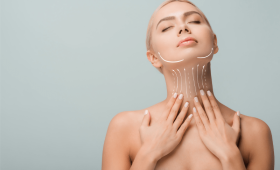
A neck lift, medically known as platysmaplasty, is a surgical procedure designed to address the visible signs of aging in the neck. These signs often include loose skin, muscle banding (platysmal bands), and excess fat, which can contribute to a sagging or “turkey neck” appearance. While often performed in conjunction with a facelift, a neck lift can also be performed as a standalone procedure for those whose primary concern is the neck area.
The process involves tightening the underlying muscles, removing excess fat, and redraping the skin to create a smoother, more youthful contour. The specific technique employed will vary depending on the patient’s anatomy and the degree of correction desired. Options range from minimally invasive techniques utilizing small incisions to more extensive procedures addressing both skin and muscle.
Several types of neck lifts are available. A traditional neck lift involves an incision starting behind the ear, extending down to the base of the neck hairline. This allows the surgeon access to the platysma muscle, which is tightened and reshaped. Excess fat is often removed via liposuction. The skin is then redraped and secured, resulting in a significantly improved neck profile.
A limited neck lift, or mini-neck lift, utilizes a shorter incision, typically just behind the ear. This approach is suitable for patients with mild to moderate neck laxity and focuses primarily on tightening the platysma muscle. While less invasive, it provides a noticeable improvement in neck contour.
Neck lipo is another option, focusing solely on removing excess fat under the chin and along the jawline. This is best for patients with good skin elasticity and minimal muscle laxity. It’s often combined with other procedures for optimal results.
The cost of a neck lift in countries like Germany or France can range from €8,000 to €15,000 or even higher, depending on the surgeon’s experience, the facility, and the extent of the procedure. This figure often *excludes* anesthesia fees, hospital stays, and post-operative care, adding significantly to the overall expense.
However, Turkey has emerged as a leading destination for medical tourism, offering high-quality neck lift procedures at a fraction of the cost. In Turkey, a neck lift typically ranges from $3,000 to $6,000, representing a potential saving of up to 70% compared to European prices.
This cost difference isn’t due to compromised quality. Turkish clinics boast state-of-the-art facilities, highly qualified and experienced surgeons – many trained internationally – and adherence to rigorous medical standards. The lower costs are largely attributed to a more favorable exchange rate and lower operational expenses within the country.
It’s crucial to note that this price typically *includes* anesthesia, hospital stay (usually 1-2 nights), post-operative care, and often, accommodation assistance. Patients benefit from comprehensive care packages, ensuring a seamless and comfortable experience.
Recovery from a neck lift typically involves some swelling, bruising, and discomfort, which can be managed with pain medication. A compression garment is usually recommended to minimize swelling and support the healing process. Most patients can return to work and normal activities within 2-3 weeks, although strenuous exercise should be avoided for a longer period.
Choosing a qualified and experienced surgeon is paramount. Look for board-certified plastic surgeons with specific expertise in neck lift procedures. Review before-and-after photos, read patient testimonials, and ensure the clinic has a strong reputation for patient safety and satisfaction. Don’t solely focus on price; prioritize skill and experience to ensure optimal results and minimize the risk of complications.
Turkey provides a compelling combination of affordability and excellence in neck lift surgery, allowing patients to achieve a rejuvenated neck appearance without the financial burden often associated with procedures in Western Europe. The significant cost savings can be reinvested into aftercare, travel, or simply enjoying the benefits of a more youthful appearance.
> 💡 Price Fact: While this treatment can cost thousands of Euros in Germany, France, or the Netherlands, CureHoliday offers the same high-quality procedure in Turkey for 70% less
Free Consultation
Fill out the form below to get your free medical travel plan and price quote.
Sources and how to verify this yourself
- Ministry of Health, Regulation on International Health Tourism and Tourist Health, Official Gazette 26 April 2025, No. 32882 — authorisation requirement for facilities and intermediaries, TÜSKA accreditation, compulsory complication insurance (deadline 31 December 2025 for insurance, 31 December 2026 for accreditation). source
- Ministry of Health, Regulation on Promotion and Information Activities in Health Services, Official Gazette 12 November 2025, No. 33075 — treatment promises and guarantees are prohibited; price and campaign announcements are permitted only within international health tourism. source