Mommy Makeover in Turkey: Restore Your Pre-Pregnancy Body
Turkey has emerged as a prominent destination for medical tourism, particularly for comprehensive procedures like the mommy makeover. This rise in popularity is driven by a combination of factors including highly skilled and certified surgeons, modern medical facilities, and a more affordable cost structure compared to Western countries. However, it’s crucial to understand the specifics of undergoing a mommy makeover in Turkey, focusing on medical standards, procedure details, and realistic expectations.
The physiological changes experienced during and after pregnancy are significant. These changes can affect not only the abdominal area but also the breasts, leading to concerns about skin laxity, muscle separation (diastasis recti), and changes in breast volume and shape. A mommy makeover is designed to address these specific concerns, offering a tailored solution to restore a woman’s pre-pregnancy body contour. It isn’t a single procedure, but rather a combination of surgical techniques performed simultaneously to optimize results and minimize recovery time.
The success of a mommy makeover in Turkey, as anywhere, relies heavily on meticulous pre-operative planning. This begins with a thorough consultation where the surgeon assesses the patient’s individual anatomy, skin elasticity, the degree of muscle separation, and overall health. Detailed discussions about goals and expectations are essential. Realistic outcomes must be established, acknowledging that while significant improvement is achievable, restoring the *exact* pre-pregnancy physique may not always be possible.
Several core procedures frequently comprise a mommy makeover. A tummy tuck (abdominoplasty) is almost always included to address excess skin and fat in the lower abdomen and to repair separated abdominal muscles. The extent of the tummy tuck – full, mini, or extended – depends on the amount of skin needing removal and the degree of muscle repair required.
Breast surgery is another cornerstone. Many women experience a loss of breast volume and firmness after pregnancy and breastfeeding. Breast augmentation, using either silicone or saline implants, can restore lost volume. Simultaneously, a breast lift (mastopexy) addresses ptosis (sagging) by reshaping and repositioning the breast tissue and nipple-areola complex. In some cases, a combination of augmentation and lift provides the most satisfying result.
Liposuction plays a vital role in refining the body contour. It’s used to remove localized fat deposits from areas like the hips, flanks, or thighs, complementing the effects of the tummy tuck and creating a smoother, more sculpted silhouette. The surgeon will strategically target areas where fat is resistant to diet and exercise.
Addressing diastasis recti – the separation of the abdominal muscles – is a critical component for many patients. This condition not only contributes to a protruding abdomen but can also lead to back pain and decreased core strength. Muscle repair, performed during the tummy tuck, involves bringing the separated muscles back together and securing them with strong internal sutures.
The surgical procedure itself is typically performed under general anesthesia. The surgeon will make incisions strategically placed to minimize visible scarring. The duration of the surgery varies depending on the extent of the procedures involved, but can range from 4 to 8 hours or longer for more complex cases.
Post-operative care is paramount. Patients will require a hospital stay of several days, followed by a period of recovery at home or in a recovery facility. Compression garments are essential to minimize swelling and support the healing process. Pain management is typically achieved with prescribed medication. Activity restrictions, including strenuous exercise and heavy lifting, will be in place for several weeks.
It is essential to thoroughly vet the surgeon’s credentials, ensuring board certification and extensive experience in mommy makeover procedures. Examining before-and-after photos, reading patient testimonials, and understanding the surgeon’s approach to complications are crucial steps in the selection process. Furthermore, patients should inquire about the facilities’ accreditation and adherence to international medical standards. Choosing a facility with experienced anesthesiologists and a dedicated post-operative care team is also vital for a safe and successful outcome.
Understanding the Postpartum Body Changes: The “Mommy” Challenge
The postpartum period brings about profound physiological changes in a woman’s body. While pregnancy and childbirth are natural processes, they often leave lasting alterations to the abdomen, breasts, and overall physique. Understanding these changes is crucial for women considering a mommy makeover, as it clarifies the scope of correction needed and manages realistic expectations. The “Mommy Challenge” refers not to a superficial aesthetic concern, but to the genuine physical difficulties many women face in regaining their pre-pregnancy bodies through diet and exercise alone.
The abdominal wall undergoes significant stretching to accommodate the growing uterus. This stretching can lead to diastasis recti, a separation of the rectus abdominis muscles (the “six-pack” muscles) down the midline of the abdomen. This isn’t simply a cosmetic issue; it can contribute to lower back pain, pelvic instability, and difficulty with core strength. Even without significant muscle separation, the abdominal skin and underlying tissues lose elasticity. This loss of elasticity, coupled with the residual effects of stretch marks (striae gravidarum), often results in a persistent abdominal bulge or “mommy pouch” that doesn’t respond to traditional exercise.
Breast changes are equally common. Pregnancy causes breasts to increase in size and become fuller. However, after childbirth, and especially after breastfeeding, the breast tissue often deflates, leading to volume loss. This loss of volume, combined with skin stretching, results in ptosis – the drooping or sagging of the breasts. The ligaments supporting the breasts (Cooper’s ligaments) are also stretched and may not fully recover, further exacerbating the downward shift in breast position. Nipple position can also change, sometimes becoming more inferiorly positioned.
Beyond the abdomen and breasts, fluctuations in weight during pregnancy and the demands of new motherhood can lead to localized fat deposits that are resistant to diet and exercise. These are often found in areas like the hips, thighs, and lower back. Skin elasticity loss isn’t limited to the abdomen and breasts; it can affect overall body contour.
Hormonal shifts during and after pregnancy play a significant role in these changes. Relaxin, a hormone released during pregnancy to loosen ligaments in preparation for childbirth, contributes to the laxity of abdominal muscles and connective tissues. Changes in estrogen and progesterone levels also affect collagen production and skin elasticity.
It’s important to recognize the variability in postpartum recovery. Factors such as the number of pregnancies, genetics, pre-pregnancy weight, and lifestyle all influence the extent of these changes. Some women may experience minimal alterations, while others face more significant physical challenges.
The timeframe for recovery also varies. While the uterus typically returns to its pre-pregnancy size within six to eight weeks postpartum, the effects of stretched skin, weakened muscles, and fat deposits may persist for months or even years. Waiting at least six to twelve months after childbirth is generally recommended before considering a mommy makeover, allowing the body to stabilize hormonally and tissues to regain some degree of natural elasticity. This also allows sufficient time for complete recovery from delivery, whether vaginal or Cesarean.
Furthermore, achieving optimal results from a mommy makeover often requires addressing multiple concerns simultaneously. A comprehensive approach, tailored to the individual’s specific anatomy and goals, is essential for restoring a more youthful and confident physique. Understanding the underlying physiological basis of these postpartum changes allows for a more informed discussion between the patient and the surgeon, leading to a realistic treatment plan and improved patient satisfaction.
What is a Mommy Makeover? Defining the Comprehensive Procedure
A “Mommy Makeover” is a broadly used term encompassing a customized combination of cosmetic surgical procedures designed to address the physical changes that often occur after pregnancy and breastfeeding. It isn’t a single, standardized operation, but rather a personalized approach to restoring a woman’s body to its pre-pregnancy appearance or improving its overall shape and tone. The procedures are typically performed together to achieve optimal results and minimize recovery time, as opposed to undergoing multiple separate surgeries.
The need for a mommy makeover arises from the significant physiological stresses placed on the body during pregnancy. These changes can include stretched abdominal muscles, excess skin and fat deposits, and altered breast shape and volume. While diet and exercise can improve some of these concerns, they often aren’t sufficient to address the structural changes that have occurred.
The core principle behind a mommy makeover is to address the common postpartum concerns in a cohesive manner. This holistic approach differs significantly from addressing individual issues in isolation. For example, a breast lift performed without addressing loose abdominal skin may result in an unbalanced physique. Conversely, a tummy tuck without breast rejuvenation may leave a woman feeling disproportionate.
The specific procedures included in a mommy makeover are determined during a thorough consultation with a qualified plastic surgeon, based on the individual’s anatomy, goals, and the extent of the postpartum changes. A detailed assessment of skin elasticity, muscle separation (diastasis recti), and fat distribution is crucial.
It’s important to understand that a mommy makeover is *not* a substitute for achieving a healthy weight or maintaining a healthy lifestyle. Ideal candidates are women who have completed their families, are at a stable weight, and are non-smokers. While significant weight fluctuations *after* surgery can compromise results, being close to one’s ideal weight prior to the procedure sets the stage for a more predictable and satisfying outcome.
The term “mommy makeover” often implies a focus on the abdomen and breasts, but it can be extended to include other areas of concern. Liposuction can be incorporated to remove stubborn fat deposits from areas like the hips, thighs, or arms. This allows for more comprehensive body contouring.
Muscle repair, specifically rectus abdominis repair, is frequently included when diastasis recti is present. Diastasis recti occurs when the abdominal muscles separate during pregnancy, creating a bulge and weakening the core. Repairing these muscles improves abdominal tone and provides a firmer foundation for the overlying skin.
The procedures are generally performed under general anesthesia, though specific techniques and anesthesia choices will be discussed during the pre-operative planning phase. The surgeon will carefully consider the patient’s medical history and preferences.
It is crucial to remember that a mommy makeover is a surgical procedure with inherent risks, including infection, bleeding, scarring, and anesthesia-related complications. A detailed discussion of these risks, along with realistic expectations regarding the results, is an essential part of the consultation process. Furthermore, a successful outcome relies heavily on adherence to post-operative care instructions, including wearing compression garments and following activity restrictions.
Core Procedures Included in a Mommy Makeover
A Mommy Makeover isn’t a single, rigidly defined surgery. It’s a customized combination of procedures designed to address the specific physical changes that occur during and after pregnancy. While individual needs vary, several core procedures are frequently included to achieve comprehensive restoration. The selection of these procedures is determined during a thorough consultation and assessment of the patient’s anatomy and goals.
The most common foundational procedure is abdominoplasty, commonly known as a tummy tuck. Pregnancy stretches the abdominal muscles, often leading to diastasis recti – a separation of the rectus abdominis muscles. This contributes to a protruding abdomen that doesn’t respond to diet or exercise. A tummy tuck addresses this by tightening weakened or separated muscles (often with a technique called plication) and removing excess skin and fat. The extent of the tummy tuck – full, mini, or extended – depends on the degree of muscle separation and skin laxity. Incision placement varies, but generally follows the bikini line, minimizing visible scarring.
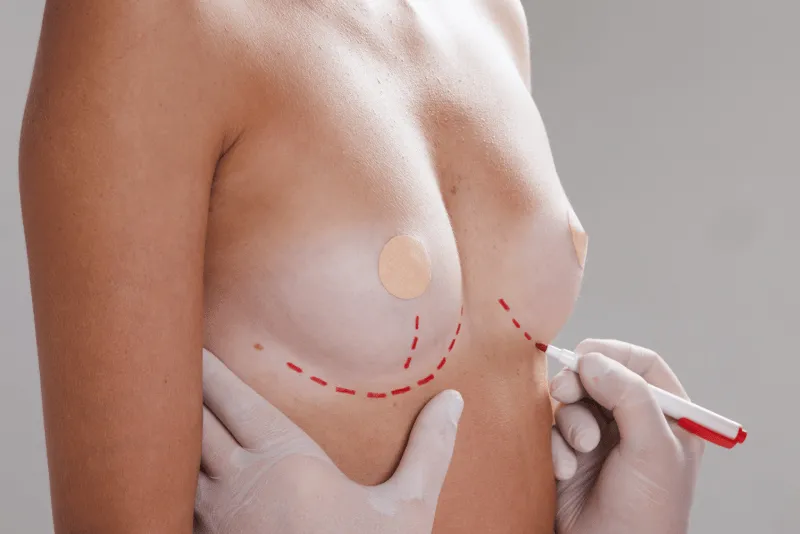
Breast reshaping is almost universally included in a Mommy Makeover. Pregnancy, breastfeeding, and fluctuating weight can dramatically alter breast shape and volume. A breast lift (mastopexy) addresses ptosis, or sagging, by raising and reshaping the breast tissue. The nipple-areola complex is repositioned to a more youthful and natural position. The technique used (periareolar, inverted-T, or anchor) dictates the incision pattern and degree of lift.
Frequently, a breast lift is combined with breast augmentation. While a lift restores position, augmentation restores volume lost during pregnancy and breastfeeding. Implants, whether silicone or saline, are placed to achieve the desired size and projection. The incision location for implant placement can be inframammary (under the breast fold), periareolar, or transaxillary (through the armpit), each with its own advantages and disadvantages. The choice depends on the patient’s anatomy, implant type, and surgeon preference.
Liposuction plays a crucial role in contouring areas resistant to diet and exercise. While not always necessary, it’s frequently used to remove localized fat deposits from the abdomen, flanks (love handles), thighs, or arms. This complements the tummy tuck by further refining the abdominal contour. Liposuction isn’t a substitute for weight loss, but effectively sculpts the body after achieving a stable weight. Different liposuction techniques, such as tumescent, ultrasound-assisted (UAL), or power-assisted liposuction (PAL), may be employed depending on the area being treated and the amount of fat to be removed.
Addressing diastasis recti is a critical component often overlooked. While a tummy tuck can repair mild to moderate diastasis, severe cases may require a dedicated rectus abdominis repair. This involves surgically bringing the separated muscles back together and securing them with strong, internal sutures. This provides a stable foundation for the abdominal wall and improves core strength. It’s often performed concurrently with the tummy tuck procedure to optimize results and minimize recovery time.
Beyond these core components, other procedures may be incorporated to personalize the Mommy Makeover. These include treatments for stretch marks, vaginal rejuvenation procedures, or facial rejuvenation treatments. The goal is always to create a harmonious and balanced result that restores a woman’s pre-pregnancy body image and boosts her self-confidence.
It’s important to understand that the success of a Mommy Makeover relies heavily on careful surgical planning, meticulous technique, and realistic expectations. A comprehensive evaluation of the patient’s individual needs and anatomy is paramount to achieving optimal and natural-looking results. Post-operative care, including compression garments and activity restrictions, is equally vital for a smooth recovery and long-lasting outcome.
Tummy Tuck (Abdominoplasty): Flattening and Firming the Abdomen
Abdominoplasty, commonly known as a tummy tuck, is a frequently included component of a mommy makeover in Turkey, addressing changes to the abdominal contour that often occur after pregnancy. These changes can include stretched abdominal muscles, excess skin, and localized fat deposits that resist diet and exercise. It’s crucial to understand that a tummy tuck is *not* a substitute for weight loss or a solution for significant obesity, but rather a body contouring procedure designed to improve the shape and tone of the lower abdomen.
The primary goal of abdominoplasty is to create a smoother, firmer abdominal profile. This is achieved through the removal of excess skin and fat, and, importantly, the tightening of the abdominal muscles. Pregnancy can lead to diastasis recti, a separation of the rectus abdominis muscles (the “six-pack” muscles), which contributes to a protruding abdomen even in individuals who are otherwise fit. A tummy tuck directly addresses this muscle separation, restoring core strength and improving posture.
There are several variations of abdominoplasty, tailored to the extent of correction needed. A full tummy tuck involves an incision extending from hip to hip, typically just above the bikini line. A second incision is made around the umbilicus (belly button) to allow for its repositioning. The skin and fat are then lifted, the muscles are tightened (plasty of the rectus abdominis), and the excess skin is removed. The umbilicus is then brought through the incision and secured in a more natural position.
A mini tummy tuck, or lower abdominoplasty, is suitable for patients with minimal skin excess and muscle separation. This procedure involves a shorter incision, usually confined to the area below the bikini line, and does not require repositioning of the umbilicus. It focuses primarily on removing excess fat and tightening the lower abdominal muscles.
Extended abdominoplasty addresses more significant skin laxity and may extend the incision further around the flanks to address excess skin in that area. This is often considered for patients who have experienced substantial weight loss in addition to pregnancy.
The surgical technique involves careful undermining of the skin and fat flaps, preserving blood supply to ensure proper healing. The rectus abdominis muscles are meticulously approximated and secured with sutures, creating a tighter, more defined abdominal wall. Drainage tubes are typically placed during the surgery to remove excess fluid and prevent seroma formation.
Post-operatively, patients will experience swelling, bruising, and discomfort, which are managed with pain medication and compression garments. These garments are essential for supporting the healing tissues, minimizing swelling, and shaping the new abdominal contour. Patients are advised to avoid strenuous activity and heavy lifting for several weeks to allow the muscles to heal properly.
It’s important to note potential risks and complications associated with abdominoplasty, as with any surgical procedure. These include infection, seroma, hematoma, wound healing issues, skin necrosis (rare), and changes in skin sensation. Numbness is common initially and typically improves over time. Scarring is inevitable, but surgeons in Turkey prioritize techniques to minimize visible scarring, often placing incisions within the natural curves of the body.
Realistic expectations are paramount. While a tummy tuck can dramatically improve the abdominal contour, it will not eliminate stretch marks entirely (though it can often improve their appearance) and it won’t correct skin laxity elsewhere on the body. Thorough pre-operative assessment and open communication with the surgeon are vital to ensure patient satisfaction and optimal results.
Breast Lift (Mastopexy): Restoring Breast Shape and Position
Following pregnancy and breastfeeding, significant changes in breast tissue are common. These alterations can lead to ptosis (sagging), loss of volume, and changes in nipple position. A breast lift, medically known as mastopexy, is a surgical procedure designed to address these concerns, restoring a more youthful and aesthetically pleasing breast shape and position. It’s a core component of many mommy makeover procedures in Turkey, often combined with augmentation or reduction to achieve optimal results.
The degree of ptosis dictates the specific mastopexy technique employed. There are several approaches, each tailored to the individual’s anatomy and desired outcome. The choice depends on the severity of the sagging, the patient’s breast volume, and their overall aesthetic goals.
The anchor mastopexy is suited for mild to moderate ptosis. This technique involves an incision around the areola, allowing the surgeon to reshape and lift the breast tissue without altering the ability to breastfeed in many cases. It’s ideal for patients who need a modest lift and maintain nipple sensation.
For moderate ptosis, the lollipop mastopexy is frequently utilized. This involves an incision around the areola and a vertical incision extending downwards from the areola to the inframammary fold (beneath the breast). This allows for greater lifting capacity and reshaping of the breast tissue. It provides good correction of ptosis while minimizing visible scarring.
In cases of severe ptosis, or when significant breast tissue removal is required, an inverted-T mastopexy (also known as a Wise pattern mastopexy) is often the most effective solution. This technique involves incisions around the areola, vertically downwards, and along the inframammary fold. While it results in the most visible scarring, it provides the greatest degree of lift and reshaping, allowing for significant correction of breast size and position.
During the procedure, the surgeon removes excess skin and repositions the remaining breast tissue. The nipple and areola are typically repositioned higher on the chest wall to restore a more youthful contour. In some cases, internal sutures are used to provide ongoing support to the lifted tissue.
It’s crucial to understand that a breast lift does *not* increase breast volume. If a patient desires both lift and augmentation, a breast implant can be placed simultaneously during the mastopexy procedure. This is a common practice and often yields the most satisfying results.
Post-operatively, patients will experience swelling, bruising, and discomfort, managed with prescribed pain medication. A compression garment is essential for several weeks to support the healing process and minimize swelling.
Scarring is an inevitable part of any surgical procedure. While surgeons in Turkey prioritize meticulous surgical technique to minimize scarring, the extent of scarring will depend on the chosen mastopexy technique and individual healing capabilities. Scars will gradually fade over time, becoming less noticeable.
Potential complications, as with any surgery, include infection, hematoma (blood collection), seroma (fluid collection), wound healing issues, and changes in nipple sensation. Nipple sensitivity may be temporarily or permanently altered. It’s vital to discuss these risks thoroughly with the surgeon during the initial consultation.
The longevity of a breast lift’s results varies. Maintaining a stable weight and avoiding significant fluctuations is crucial for preserving the lifted position. While the effects of gravity will continue over time, a well-performed mastopexy can provide long-lasting improvement in breast shape and position, significantly enhancing a patient’s self-confidence and body image. Detailed post-operative instructions and follow-up appointments are vital to ensure optimal healing and long-term satisfaction.
Breast Augmentation: Enhancing Breast Volume
Breast augmentation, or mammoplasty, is a frequently incorporated component of a mommy makeover procedure, specifically addressing the volume loss often experienced after pregnancy and breastfeeding. These physiological changes can lead to a deflated or diminished breast appearance, contributing significantly to a patient’s dissatisfaction with their post-partum body. The goal of augmentation within a mommy makeover isn’t simply increasing size, but restoring a more youthful and proportionate breast profile.
The fundamental principle involves strategically placing breast implants to restore volume. Implants are available in a variety of materials, with silicone and saline being the most common. Silicone implants are filled with a cohesive silicone gel, offering a natural feel and appearance. Saline implants are filled with sterile saltwater and, while offering a slightly less natural feel, can be adjusted during surgery. The choice between the two is highly individualized, based on patient anatomy, desired outcome, and surgeon recommendation.
Implant size is determined through careful pre-operative assessment and discussion. Factors considered include the patient’s existing breast tissue, body proportions, chest width, and desired aesthetic. It’s crucial to understand that implant size is measured in cubic centimeters (cc), but perceived size can vary significantly based on implant profile (low, moderate, high) and projection. A thorough consultation includes utilizing 3D imaging to provide a realistic visualization of potential outcomes.
Surgical techniques for implant placement vary. The most common approaches are inframammary (an incision beneath the breast fold), periareolar (an incision around the areola), and transaxillary (an incision in the armpit). Each technique has its advantages and disadvantages regarding scar visibility, access, and potential complications. The surgeon will recommend the most appropriate technique based on individual patient characteristics and the chosen implant type.
During the procedure, an incision is made, a pocket is created either beneath the pectoral muscle (submuscular placement) or directly behind the breast tissue (subglandular placement), and the implant is carefully inserted. Submuscular placement provides better coverage of the implant, potentially resulting in a more natural appearance and reduced risk of rippling. Subglandular placement is often preferred for patients with limited breast tissue, as it requires less dissection.
It’s important to note that breast augmentation doesn’t address breast ptosis (sagging). If significant ptosis is present, a breast lift (mastopexy) is typically performed concurrently with augmentation to reposition the nipple-areola complex and restore a more youthful breast shape. Combining these procedures offers a more comprehensive and aesthetically pleasing result.
Post-operatively, patients will experience swelling, bruising, and discomfort, managed with pain medication. A supportive bra is required for several weeks to aid healing and maintain implant positioning. Activity restrictions are necessary to prevent complications and ensure proper tissue recovery.
Potential complications of breast augmentation include capsular contracture (scar tissue forming around the implant), implant rupture or leakage, infection, changes in nipple sensation, and asymmetry. While these complications are relatively rare with experienced surgeons and adherence to post-operative instructions, patients should be fully informed about the potential risks before undergoing the procedure. Regular follow-up appointments and adherence to recommended breast self-examination protocols are crucial for long-term monitoring.
The longevity of breast implants is not indefinite. While many implants are designed to last a lifetime, they may require replacement or removal at some point. Regular MRI screenings are often recommended to monitor implant integrity, particularly with silicone implants. The decision to replace or remove implants is a personal one, based on factors such as implant age, symptoms, and patient preference.
Liposuction: Contouring and Sculpting Problem Areas
Liposuction plays a crucial role in many mommy makeover procedures, functioning not as a weight-loss solution, but as a body contouring technique to refine the silhouette after pregnancy. While diet and exercise are essential for overall weight management, they often fail to address localized pockets of fat that persist despite efforts, particularly following pregnancy. These areas commonly include the abdomen, hips, flanks (“love handles”), and thighs.
The principle behind liposuction involves the removal of subcutaneous fat – the fat layer directly beneath the skin – using a thin, hollow tube called a cannula. This cannula is inserted through small incisions, and the fat is suctioned out. Modern techniques have significantly evolved beyond traditional liposuction, offering greater precision and improved results.
Several liposuction techniques are available in Turkey, and the choice depends on the patient’s specific needs and the surgeon’s expertise. Traditional tumescent liposuction remains a cornerstone, involving the infusion of a large volume of tumescent fluid – typically a saline solution containing local anesthetic (lidocaine) and epinephrine – into the targeted area. This fluid serves multiple purposes: it numbs the area, constricts blood vessels to minimize bleeding, and facilitates the removal of fat.
Ultrasound-Assisted Liposuction (UAL) utilizes ultrasound energy to liquefy fat before removal, potentially making it easier to suction out, especially in fibrous areas. This can be beneficial for patients who have undergone previous liposuction or have less elastic skin. However, UAL generates heat and requires careful technique to avoid thermal damage.
Power-Assisted Liposuction (PAL) employs a cannula that vibrates, aiding in the breakdown of fat cells and requiring less physical effort from the surgeon. This can lead to more precise fat removal and potentially reduce post-operative discomfort.
Water-Assisted Liposuction (WAL), such as Body-Jet, uses a gentle stream of pressurized saline solution to dislodge fat cells while simultaneously removing them. WAL is often favored for its minimally invasive nature and potential for fat grafting – transferring the removed fat to other areas of the body, such as the breasts or buttocks, for augmentation.
The amount of fat removed during liposuction is limited for safety reasons. Removing excessive amounts of fat can lead to complications like contour irregularities, skin laxity, and fluid imbalances. A responsible surgeon will carefully assess the patient’s body composition and determine an appropriate volume for removal, prioritizing a natural and balanced result.
Following liposuction, compression garments are essential. These garments help to minimize swelling, support the tissues, and promote skin contraction. The duration of garment wear typically ranges from several weeks to months, as advised by the surgeon. Post-operative swelling and bruising are common and gradually subside over time.
It’s important to understand that liposuction does not tighten skin. If significant skin laxity is present, it may be necessary to combine liposuction with a tummy tuck (abdominoplasty) to achieve optimal results. The surgeon will discuss these options during the initial consultation and develop a customized treatment plan.
Furthermore, maintaining a stable weight and healthy lifestyle after liposuction is crucial for long-term results. While liposuction permanently removes fat cells from the treated areas, remaining fat cells can still enlarge with weight gain. A commitment to a healthy diet and regular exercise will help to preserve the sculpted contours achieved through liposuction.
Muscle Repair (Rectus Abdominis Repair): Addressing Diastasis Recti
Diastasis recti is a common condition affecting many women post-pregnancy. It refers to the separation of the rectus abdominis muscles – the major abdominal muscles that run vertically down the abdomen. This separation doesn’t involve the muscles themselves being stretched or torn, but rather a widening of the connective tissue, the linea alba, that holds them together at the midline. While often cosmetically concerning, diastasis recti can also contribute to back pain, poor posture, and difficulty with core strength.
The degree of separation varies considerably. Mild cases may resolve spontaneously with targeted exercises and physiotherapy. However, more significant separations, particularly those persisting beyond the postpartum period, often require surgical intervention as part of a mommy makeover. In Turkey, rectus abdominis repair is frequently performed in conjunction with abdominoplasty (tummy tuck) to achieve optimal results.
The primary goal of rectus abdominis repair is to restore the functional integrity of the abdominal wall. This is accomplished by bringing the separated rectus muscles back together and reconstructing the linea alba. The technique used varies depending on the severity and location of the diastasis, as well as the patient’s individual anatomy and goals.
A common approach involves an open repair, typically performed through the same incision used for abdominoplasty. This allows the surgeon to directly visualize the separated muscles and meticulously approximate them. Strong, permanent sutures are used to re-connect the linea alba, effectively bridging the gap between the rectus muscles. The tension on the suture line is carefully controlled to prevent bunching or puckering, which could lead to discomfort or a visible bulge.
In some cases, particularly with wider separations or weaker connective tissue, a more complex repair might be necessary. This could involve utilizing mesh to reinforce the linea alba. While mesh provides added support, its use is a subject of ongoing discussion, and surgeons in Turkey adhere to strict guidelines regarding its application, prioritizing patient safety and minimizing potential complications. The decision to use mesh is made on a case-by-case basis, considering the patient’s specific needs and the surgeon’s expertise.
It’s crucial to understand that rectus abdominis repair isn’t simply about tightening the abdominal muscles for cosmetic purposes. It’s about restoring core stability. A strong core improves posture, reduces back pain, and enhances overall functional capacity. Addressing diastasis recti can significantly improve a woman’s quality of life, allowing her to return to activities she enjoys with greater ease and confidence.
During the pre-operative assessment, the surgeon will thoroughly evaluate the extent of the diastasis recti through physical examination and potentially imaging studies. Factors such as muscle thickness, skin laxity, and the presence of hernias will be considered. This detailed assessment allows the surgeon to develop a personalized surgical plan tailored to the patient’s unique anatomy and goals.
Post-operatively, patients are typically advised to wear a compression garment for several weeks to support the healing process and minimize swelling. A gradual return to activity is encouraged, with specific guidelines provided regarding lifting, bending, and exercise. Core strengthening exercises, guided by a physiotherapist, are essential to rehabilitate the abdominal muscles and maximize the long-term benefits of the repair.
Potential complications, while rare, can include infection, seroma (fluid accumulation), hematoma (blood collection), and suture discomfort. Adhering to the surgeon’s post-operative instructions is crucial to minimize these risks and ensure a smooth recovery. Patients should also be aware of the possibility of altered sensation in the abdominal area, which usually improves over time.
The Mommy Makeover Procedure: A Step-by-Step Guide
The mommy makeover procedure in Turkey, while customizable, generally follows a structured sequence to optimize safety and results. This detailed guide outlines the typical stages, from initial preparation to post-operative recovery. It’s crucial to understand this is a surgical journey, and adherence to the surgeon’s instructions is paramount.
The process begins with meticulous pre-operative preparation. This isn’t simply about physical health; it’s about optimizing your body for surgery and minimizing potential complications. A comprehensive medical history review is performed, including any pre-existing conditions, allergies, and medications. Patients are typically advised to discontinue smoking several weeks before surgery, as smoking impairs healing. Certain medications, like blood thinners, will also need to be stopped, following the surgeon’s specific guidance.
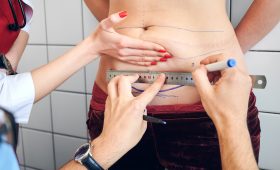
Pre-operative imaging and markings are then conducted. Detailed photographs are taken for pre- and post-operative comparison. The surgeon will then mark the incision sites on your body while you are standing. This is done to ensure accurate placement and visualization during the procedure, even when you are under anesthesia and lying down. The extent of muscle repair, liposuction areas, and lift/augmentation positioning are all carefully planned and marked.
Anesthesia administration is the next critical step. Mommy makeovers are typically performed under general anesthesia, ensuring patient comfort and complete muscle relaxation. A qualified anesthesiologist will continuously monitor vital signs throughout the surgery.
The surgical phase begins, usually with the most technically demanding procedure – often the tummy tuck and/or muscle repair. If diastasis recti is present (separation of abdominal muscles), the rectus abdominis muscles are brought back together and secured with sutures. This provides a strong foundation for a flatter, firmer abdomen. Following muscle repair, the skin and tissues are repositioned and excess skin is removed during the abdominoplasty.
Next, breast surgery is commonly performed. This may involve a breast lift (mastopexy) to address ptosis (sagging), breast augmentation to restore volume, or a combination of both. The surgeon will carefully reshape and reposition the breast tissue, adjusting the areola and nipple placement for a natural-looking result. Implants, if used, are inserted through incisions made in discreet locations.
Liposuction is frequently integrated into the mommy makeover to contour stubborn areas of fat. Common areas targeted include the abdomen, flanks (love handles), thighs, and arms. Liposuction helps to refine the overall body shape and create a smoother silhouette. The surgeon will utilize a cannula to suction out the fat, sculpting the targeted areas.
Wound closure is a precise process. Incisions are closed in layers using sutures. The surgeon will prioritize meticulous closure to minimize scarring and promote optimal healing. Drain tubes are typically placed to collect excess fluid and prevent seroma formation. Dressings are then applied to protect the incisions and provide support.
Post-operative care begins immediately after surgery. Patients are closely monitored in a recovery room until they are stable and awake. Pain management is a priority, and medication will be prescribed to control discomfort. Compression garments are essential and must be worn consistently for several weeks to reduce swelling, support the tissues, and aid in contouring.
Regular follow-up appointments are scheduled to monitor healing, remove drains, and assess the results. These appointments allow the surgeon to address any concerns and provide guidance on post-operative care. Scar management techniques, such as silicone sheeting or massage, may be recommended to minimize the appearance of scars over time.
It is vital to understand that recovery is a gradual process. Swelling and bruising are normal and will subside over several weeks. Patients are typically advised to avoid strenuous activity and heavy lifting for a specified period to allow the body to heal properly. Full recovery and optimal results may take several months, but the long-term benefits of a mommy makeover can significantly improve a woman’s confidence and quality of life.
Initial Consultation and Assessment
The initial consultation and assessment form the cornerstone of a successful mommy makeover in Turkey, or anywhere else. This phase isn’t merely a formality; it’s a crucial period dedicated to understanding the patient’s unique anatomy, medical history, and aesthetic goals to formulate a safe and effective, personalized treatment plan. The process is multifaceted, involving a detailed discussion, a thorough physical examination, and potentially, advanced diagnostic imaging.
The consultation typically begins with a comprehensive review of the patient’s medical history. This includes details about previous pregnancies, childbirth experiences (vaginal or Cesarean), breastfeeding duration, any existing medical conditions (like diabetes, hypertension, or thyroid disorders), previous surgeries, allergies, and current medications – including over-the-counter drugs and supplements. Honesty and completeness are paramount at this stage; certain conditions can significantly impact surgical risks and recovery.
Following the medical history review, the surgeon will engage in an in-depth discussion about the patient’s specific concerns and desired outcomes. This is the time to articulate what aspects of the postpartum body the patient wishes to address. Expect detailed questions regarding the degree of abdominal laxity, breast shape and volume dissatisfaction, and areas of localized fat deposits. Realistic expectations are crucial, and a skilled surgeon will clearly explain what can and cannot be achieved through a mommy makeover. Digital imaging or morphing software may be used to provide a visual representation of potential results, although these are always estimates and not guarantees.
The physical examination is a critical component. The surgeon will meticulously assess the patient’s overall health, skin elasticity, and the specific areas targeted for surgery. This includes evaluating the degree of diastasis recti (abdominal muscle separation) by performing maneuvers to assess muscle tone and identify the extent of separation. The position and degree of ptosis (sagging) of the breasts will be assessed, along with breast tissue volume and quality.
Liposuction candidacy is determined by assessing the amount and location of subcutaneous fat, and skin laxity. The surgeon will also carefully evaluate the patient’s overall body proportions and identify any other anatomical factors that might influence the surgical approach. Scars from previous Cesarean sections or other abdominal surgeries will be examined to determine their impact on tummy tuck planning.
Diagnostic imaging may be necessary to further refine the assessment. Ultrasound can be used to evaluate the thickness of the abdominal fat layer and the degree of muscle separation. In some cases, a mammogram or breast MRI may be recommended, particularly if breast augmentation or lift is planned, to screen for underlying breast conditions and ensure accurate implant sizing.
The surgeon will discuss potential risks and complications associated with each procedure involved in the mommy makeover. These may include infection, bleeding, seroma (fluid accumulation), wound healing issues, changes in nipple sensation, asymmetry, and adverse reactions to anesthesia. A detailed explanation of the recovery process, including expected downtime, pain management strategies, and post-operative garment requirements, will also be provided.
Finally, the surgeon will outline a personalized treatment plan tailored to the patient’s individual needs and goals. This plan will specify which procedures are recommended (tummy tuck, breast lift, breast augmentation, liposuction, muscle repair, or a combination thereof), the surgical techniques to be employed, and the estimated cost of the entire procedure. Patients should feel empowered to ask questions and express any concerns they may have before proceeding. A second opinion is always a reasonable consideration.
Pre-Operative Planning & Customization
Free Consultation
Fill out the form below to get your free medical travel plan and price quote.
Sources and how to verify this yourself
- Ministry of Health, Regulation on International Health Tourism and Tourist Health, Official Gazette 26 April 2025, No. 32882 — authorisation requirement for facilities and intermediaries, TÜSKA accreditation, compulsory complication insurance (deadline 31 December 2025 for insurance, 31 December 2026 for accreditation). source
- Ministry of Health, Regulation on Promotion and Information Activities in Health Services, Official Gazette 12 November 2025, No. 33075 — treatment promises and guarantees are prohibited; price and campaign announcements are permitted only within international health tourism. source