Obesity Surgery in Turkey: A Comprehensive Guide
Turkey has emerged as a leading destination for bariatric surgery, attracting patients globally seeking effective and affordable solutions for obesity. This section details the landscape of obesity surgery in Turkey, encompassing available procedures, pre-operative evaluations, post-operative care, potential risks, and considerations for international patients.
The increasing prevalence of obesity worldwide has driven the demand for surgical interventions. Turkey’s combination of experienced surgeons, modern facilities, and relatively lower costs compared to Western countries makes it an attractive option for many. However, thorough research and careful patient selection are crucial.
Pre-Operative Evaluation: A comprehensive evaluation is the cornerstone of safe and effective bariatric surgery. This typically includes a detailed medical history, physical examination, and a series of diagnostic tests. These tests may encompass blood work to assess overall health and identify any underlying conditions, electrocardiogram (ECG) to evaluate heart function, chest X-ray, and potentially an upper endoscopy to examine the esophagus, stomach, and duodenum.
Psychological evaluation is also paramount. Obesity is often linked to emotional and behavioral factors, and addressing these aspects pre-operatively can significantly improve long-term success. A registered dietitian will provide pre-operative dietary guidance, preparing the patient for the post-surgical diet and lifestyle changes. Patients with conditions like uncontrolled diabetes, heart disease, or severe sleep apnea will require optimization of these conditions prior to surgery.
Surgical Procedures: Turkey offers a full spectrum of bariatric procedures. Gastric sleeve (sleeve gastrectomy) is currently one of the most commonly performed procedures. It involves removing approximately 80% of the stomach, leaving a narrow, tube-shaped stomach. This restricts food intake and reduces the production of ghrelin, the hunger hormone.
Gastric bypass (Roux-en-Y gastric bypass) is considered the gold standard for weight loss surgery. It creates a small stomach pouch and connects it directly to the small intestine, bypassing a significant portion of the stomach and duodenum. This limits food intake, reduces absorption, and alters gut hormones.
Mini gastric bypass (one-anastomosis gastric bypass) is a simplified version of the Roux-en-Y, involving a single connection between the stomach and the small intestine. It offers similar weight loss results with a shorter operative time, but long-term data is still accumulating.
Duodenal switch is a more complex procedure that combines sleeve gastrectomy with intestinal bypass. It results in significant weight loss and resolution of co-morbidities, but carries a higher risk of complications.
Gastric balloon procedures, while less invasive, are also available. These involve placing a silicone balloon inside the stomach to promote feelings of fullness. They are typically considered a temporary solution and require lifestyle modifications for sustained results.
Post-Operative Care: Post-operative care is crucial for preventing complications and achieving long-term weight loss success. Patients typically require a hospital stay of several days, followed by a period of recovery at home or in a recovery facility.
Dietary progression is carefully managed, starting with liquids and gradually advancing to pureed foods and then solid foods. Vitamin and mineral supplementation is essential, as bariatric surgery can affect nutrient absorption. Regular follow-up appointments with the surgeon, dietitian, and psychologist are vital to monitor progress, address any concerns, and provide ongoing support.
Potential Risks and Complications: As with any surgical procedure, bariatric surgery carries potential risks. These include bleeding, infection, blood clots, leaks from the surgical connections, and adverse reactions to anesthesia. Specific complications vary depending on the type of surgery performed.
Long-term complications can include nutritional deficiencies, dumping syndrome (rapid gastric emptying), gallstones, and bowel obstruction. Careful patient selection, meticulous surgical technique, and diligent post-operative care can minimize these risks.
Considerations for International Patients: Patients traveling to Turkey for bariatric surgery should carefully research and select a reputable hospital and surgeon. It’s vital to verify the surgeon’s credentials and experience. Communication is key; ensure the surgeon and medical team are fluent in a language you understand.
Arrange for adequate post-operative care and follow-up upon returning home. Understand the hospital’s policies regarding complications and revisions. Ensure all necessary travel arrangements, including accommodation and transportation, are in place. It is crucial to have adequate travel insurance that covers medical procedures abroad and potential complications. Thoroughly review all pre and post operative instructions.
Introduction: The Global Obesity Epidemic & Turkey as a Solution
Obesity has reached epidemic proportions globally, representing a significant and growing public health concern. The World Health Organization (WHO) estimates that over 4 million deaths annually are attributable to overweight or obesity. This isn’t simply a cosmetic issue; it’s a complex, chronic disease with far-reaching consequences for individual health and healthcare systems worldwide. The prevalence of obesity has nearly tripled since 1975, affecting all ages, socioeconomic statuses, and geographical locations.
The drivers of this epidemic are multifaceted. Changes in dietary patterns – characterized by increased consumption of energy-dense foods high in fat, sugar, and processed ingredients – are a primary contributor. Simultaneously, a decline in physical activity due to increasingly sedentary lifestyles plays a crucial role. Genetic predisposition, psychological factors, and socioeconomic influences also contribute to an individual’s risk.
The health risks associated with obesity are extensive and severe. These include, but are not limited to, type 2 diabetes, cardiovascular disease (including hypertension and stroke), certain types of cancer (endometrial, breast, colon, kidney, and esophageal), osteoarthritis, sleep apnea, and non-alcoholic fatty liver disease. Obesity significantly reduces quality of life and life expectancy, placing a substantial burden on healthcare resources.
Conventional weight loss methods – diet and exercise – are often effective for mild to moderate obesity. However, for individuals with severe obesity (typically defined as a Body Mass Index or BMI of 40 or higher, or a BMI of 35 or higher with obesity-related comorbidities), these methods frequently prove insufficient for achieving and maintaining long-term weight loss. This is where obesity surgery, or bariatric surgery, becomes a viable and often life-saving intervention.
Turkey has emerged as a prominent destination for individuals seeking bariatric surgery, becoming a significant player in the growing field of medical tourism. Several factors contribute to this. Highly qualified and experienced surgeons, utilizing modern surgical techniques and technology, are readily available. The cost of bariatric procedures in Turkey is substantially lower compared to many Western countries, including the United States, Canada, and much of Europe, without compromising on quality of care.
This cost difference is due to a combination of factors, including lower labor costs, reduced overhead expenses, and government subsidies. However, it’s crucial to emphasize that affordability should not be the sole determinant in choosing a medical facility. Accreditation by international organizations, surgeon credentials, comprehensive pre-operative evaluations, and robust post-operative care are paramount considerations.
The Turkish healthcare system offers a well-developed infrastructure capable of supporting complex surgical procedures. Many hospitals catering to international patients are JCI (Joint Commission International) accredited, demonstrating adherence to rigorous international standards for patient safety and quality of care. Furthermore, Turkey’s strategic geographical location and relatively easy accessibility via air travel make it an attractive destination for medical tourists.
The increasing demand for bariatric surgery in Turkey reflects a global trend towards seeking affordable and effective solutions for severe obesity. It’s important to note that while Turkey offers a compelling option, thorough research and careful selection of a reputable hospital and surgeon are essential to ensure a safe and successful outcome. The following sections will delve deeper into the specifics of obesity surgery, the various procedures available, and what prospective patients can expect throughout the entire process within the Turkish healthcare system.
Understanding Obesity and its Health Risks
Obesity is a complex, chronic disease characterized by an excessive accumulation of body fat, posing a significant threat to overall health. It’s not simply a cosmetic concern; it’s a medical condition with serious physiological consequences. Defined clinically as having a Body Mass Index (BMI) of 30 or higher, obesity results from an imbalance between calorie intake and energy expenditure over time. However, BMI is a simplification, and doesn’t account for muscle mass, bone density, ethnicity, or fat distribution. More sophisticated assessments, like waist circumference and body composition analysis, provide a more nuanced understanding of an individual’s risk.
The pathophysiology of obesity is multifaceted. Genetic predisposition plays a role, influencing metabolic rate, fat storage, and appetite regulation. However, genes aren’t destiny. Environmental factors, particularly the modern food environment characterized by readily available, highly processed, calorie-dense foods, and increasingly sedentary lifestyles, are major drivers of the obesity epidemic. Hormonal imbalances, such as those affecting leptin (satiety hormone) and ghrelin (hunger hormone), can also contribute.
The health risks associated with obesity are extensive and affect nearly every organ system. Cardiovascular disease is a leading concern. Obesity increases blood pressure, elevates LDL (“bad”) cholesterol, lowers HDL (“good”) cholesterol, and promotes the development of atherosclerosis (plaque buildup in arteries). This significantly elevates the risk of heart attack, stroke, and heart failure.
Type 2 diabetes is strongly linked to obesity. Excess weight, especially abdominal fat, causes insulin resistance – the body’s cells become less responsive to insulin, leading to elevated blood sugar levels. Over time, this can damage organs, nerves, and blood vessels.
Obesity significantly increases the risk of certain cancers, including endometrial, breast, colon, kidney, and esophageal cancers. The mechanisms are complex, involving chronic inflammation, hormonal imbalances (like elevated estrogen levels), and altered growth factor signaling.
The musculoskeletal system also suffers. Excess weight places tremendous stress on weight-bearing joints like the hips, knees, and spine, leading to osteoarthritis and chronic pain. Reduced mobility can further exacerbate the problem, creating a vicious cycle.
Respiratory problems are common. Obesity can lead to obstructive sleep apnea (OSA), a condition where breathing repeatedly stops and starts during sleep. This deprives the body of oxygen, increases the risk of cardiovascular disease, and causes daytime fatigue. Obesity also reduces lung capacity and increases the risk of asthma.
Beyond these major conditions, obesity is associated with a range of other health problems, including non-alcoholic fatty liver disease (NAFLD), gallbladder disease, gout, skin infections, and mental health issues like depression and anxiety.
The severity of these risks increases with the degree of obesity. Morbid obesity (BMI of 40 or higher, or BMI of 35 or higher with obesity-related comorbidities) carries the highest risk of premature death and significantly diminished quality of life.
It’s crucial to understand that obesity isn’t simply about willpower or personal choice. It’s a complex disease requiring a comprehensive approach to management, which may include lifestyle modifications (diet and exercise), pharmacological interventions, and, in carefully selected cases, bariatric surgery. Early intervention and proactive management are key to mitigating the health risks and improving long-term outcomes. The escalating rates of obesity worldwide necessitate increased awareness and access to effective treatment options.
The Rising Popularity of Medical Tourism for Weight Loss Surgery
The increasing prevalence of obesity globally has driven a corresponding surge in demand for bariatric surgery. Simultaneously, a significant trend of medical tourism has emerged, with patients traveling internationally to access healthcare services, including weight loss procedures. Turkey has rapidly become a leading destination for these procedures, experiencing substantial growth in this sector. Several interconnected factors contribute to this phenomenon.
One primary driver is cost. Bariatric surgery in many Western countries, such as the United States, Canada, and much of Europe, can be prohibitively expensive. Even with insurance coverage, significant out-of-pocket expenses – including surgeon’s fees, hospital stays, anesthesia, and post-operative care – can accumulate. Turkey consistently offers these same procedures at significantly lower costs, often 50-70% less, without necessarily compromising on quality of care. This price difference is attributable to lower operational costs, favorable exchange rates, and, in some cases, government subsidies aimed at attracting medical tourists.
However, cost isn’t the sole determinant. Waiting times for bariatric surgery can be substantial in countries with universal healthcare systems or those experiencing high demand. Patients may face months, or even years, on waiting lists, delaying potentially life-saving treatment. Turkey typically offers considerably shorter waiting times, allowing patients to proceed with surgery within weeks or a few months of initial consultation. This expedited access is particularly appealing for individuals with severe obesity and related comorbidities.
The quality of medical facilities and surgeon expertise in Turkey has also risen dramatically. Many Turkish hospitals catering to international patients have achieved accreditation from internationally recognized organizations like JCI (Joint Commission International), demonstrating adherence to high standards of care and patient safety. A growing number of Turkish bariatric surgeons have received specialized training both domestically and abroad, acquiring advanced skills in minimally invasive surgical techniques, including laparoscopic and robotic procedures.
Furthermore, comprehensive package deals offered by Turkish medical tourism agencies simplify the process for international patients. These packages typically include not only the surgery itself but also pre-operative evaluations, hospital stay, post-operative follow-up care, accommodation, airport transfers, and translation services. This all-inclusive approach reduces the logistical burden on patients and their families, making the experience more manageable.
It’s crucial to acknowledge the inherent risks associated with any surgery, and medical tourism is no exception. Patients traveling abroad for surgery must carefully vet both the surgeon and the hospital, ensuring they possess the necessary qualifications and experience. Thorough research into post-operative care arrangements is also vital. Potential complications, such as infection, bleeding, or leaks, can occur regardless of the surgical location. Access to adequate follow-up care upon returning home is paramount.
The language barrier can also present challenges, although many hospitals and agencies provide interpreters. Communication regarding medical history, surgical plans, and post-operative instructions must be clear and unambiguous. Additionally, travelers should be aware of potential risks related to long-distance travel, such as deep vein thrombosis (DVT).
Despite these potential drawbacks, the combination of affordability, reduced waiting times, qualified surgeons, and comprehensive package deals continues to fuel the growth of medical tourism for weight loss surgery in Turkey. The country’s strategic location, coupled with its developing tourism infrastructure, further enhances its appeal as a destination for those seeking bariatric solutions.
What is Obesity Surgery (Bariatric Surgery)? – An Overview
Obesity surgery, more formally known as bariatric surgery, encompasses a range of procedures performed on the digestive system to facilitate weight loss. These surgeries are not simply cosmetic; they are serious medical interventions indicated for individuals with severe obesity who have not achieved sustainable weight loss through conventional methods like diet, exercise, and medication.
The fundamental principle behind most bariatric procedures is to restrict food intake, reduce nutrient absorption, or both. This is achieved through various surgical techniques that alter the anatomy of the gastrointestinal tract. It’s crucial to understand that bariatric surgery is typically considered when a patient has a Body Mass Index (BMI) of 40 or higher, or a BMI of 35-39.9 with obesity-related comorbidities such as type 2 diabetes, hypertension, sleep apnea, or cardiovascular disease.
The decision to undergo bariatric surgery isn’t taken lightly. A comprehensive evaluation is essential, involving a multidisciplinary team – surgeons, dietitians, psychologists, and internists. This evaluation assesses the patient’s overall health, weight history, psychological readiness, and commitment to long-term lifestyle changes. Patients must understand that surgery is a tool, not a cure, and sustained success requires adherence to dietary guidelines, regular physical activity, and ongoing medical follow-up.
Several different bariatric procedures are available, each with its own mechanisms, benefits, and risks. These can be broadly categorized into restrictive, malabsorptive, and combined procedures. Restrictive procedures, like sleeve gastrectomy and adjustable gastric banding, limit the amount of food the stomach can hold. This is accomplished by creating a smaller stomach pouch, promoting feelings of fullness with smaller portions.
Malabsorptive procedures, such as duodenal switch, reduce the absorption of calories and nutrients by altering the path food takes through the digestive system. This is often achieved by bypassing a portion of the small intestine. Combined procedures, like gastric bypass, incorporate both restriction and malabsorption, offering potentially greater weight loss.
Gastric bypass (Roux-en-Y gastric bypass) is currently one of the most commonly performed bariatric surgeries. It involves creating a small stomach pouch and connecting it directly to the small intestine, bypassing a significant portion of the stomach and duodenum. This limits food intake and reduces calorie absorption.
Sleeve gastrectomy involves removing approximately 80% of the stomach, leaving a narrow, tube-shaped stomach. This reduces stomach volume and also decreases the production of ghrelin, a hormone that stimulates appetite. It’s a popular choice due to its relative simplicity and effectiveness.
Mini gastric bypass is a variation of the Roux-en-Y gastric bypass, involving a single anastomosis (connection) between the stomach pouch and the small intestine. While less complex than the traditional gastric bypass, it still offers significant weight loss potential.
Duodenal switch is a more complex procedure involving both sleeve gastrectomy and intestinal bypass. It’s often reserved for patients with a very high BMI and significant comorbidities.
It’s vital to recognize that all bariatric surgeries carry potential risks and complications. These can include infection, bleeding, blood clots, leaks from the surgical connections, nutritional deficiencies, and dumping syndrome (rapid emptying of stomach contents into the small intestine). Long-term complications may include gallstones, hernias, and bowel obstructions.
Post-operative care is crucial. Patients require lifelong monitoring for nutritional deficiencies, including vitamins B12, iron, calcium, and vitamin D. Regular follow-up appointments with a healthcare team are essential to ensure optimal health and address any potential complications. Dietary guidance is also paramount to ensure adequate nutrition and prevent weight regain.
Types of Obesity Surgery Available in Turkey
Turkey has become a prominent destination for bariatric surgery, offering a wide array of procedures to address obesity. The choice of surgery depends on individual patient factors including Body Mass Index (BMI), related health conditions, lifestyle, and surgeon recommendations. This section details the most commonly performed obesity surgeries available in Turkish medical facilities.
Gastric Balloon Procedures: While technically not surgery, gastric balloons are frequently included in discussions of weight loss options. These procedures involve inserting a silicone balloon into the stomach via endoscopy. The balloon occupies space, promoting a feeling of fullness and reducing food intake. These are typically reserved for patients with a BMI between 30-40 who haven’t responded to traditional weight loss methods. Balloons are temporary, requiring removal after approximately six months, and are coupled with dietary and lifestyle changes.
Gastric Sleeve (Sleeve Gastrectomy): This procedure involves removing approximately 80% of the stomach, leaving a narrow, tube-shaped “sleeve.” This significantly reduces the stomach’s capacity, limiting the amount of food a patient can consume. Crucially, it also removes the portion of the stomach that produces ghrelin, the hormone that stimulates appetite.
Gastric sleeve is a restrictive procedure, meaning it primarily works by limiting food intake. It’s often preferred for patients with a BMI over 40, or those with a BMI between 35-40 who have obesity-related comorbidities like type 2 diabetes or hypertension. It’s considered irreversible.
Gastric Bypass (Roux-en-Y Gastric Bypass): Considered the “gold standard” of bariatric surgery, Roux-en-Y gastric bypass is a more complex procedure. It creates a small stomach pouch and connects it directly to the small intestine, bypassing a significant portion of the stomach and duodenum.
This procedure combines both restriction *and* malabsorption – reducing stomach size and decreasing the absorption of calories and nutrients. It’s highly effective for significant and sustained weight loss, and is particularly beneficial for patients with severe obesity (BMI over 40) or significant co-morbidities such as severe diabetes, sleep apnea, or heart disease. It requires lifelong vitamin and mineral supplementation due to altered nutrient absorption.
Mini Gastric Bypass (One Anastomosis Gastric Bypass): This is a simplified version of the Roux-en-Y gastric bypass. It involves creating a small stomach pouch and connecting it to a loop of the small intestine with a single anastomosis (connection).
The mini gastric bypass offers similar weight loss results to the traditional gastric bypass, but with a shorter operative time and potentially fewer complications. However, it’s a relatively newer procedure, and long-term data is still being collected. Like the Roux-en-Y, it involves both restriction and malabsorption, and requires lifelong monitoring and supplementation.
Duodenal Switch (Biliopancreatic Diversion with Duodenal Switch – BPD/DS): This is the most complex and drastic of the bariatric surgeries. It combines a gastric sleeve procedure with a significant alteration to the small intestine.
After the sleeve gastrectomy, a large portion of the duodenum is bypassed, and the small intestine is divided, with the lower segment connected directly to the sleeve. This drastically reduces the amount of nutrients absorbed. The duodenal switch is reserved for patients with a very high BMI (typically over 50) and significant co-morbidities. It results in the most substantial weight loss, but also carries the highest risk of nutritional deficiencies and requires stringent lifelong monitoring and supplementation.
Revisional Bariatric Surgery: Turkey also provides expertise in revisional bariatric surgery. This refers to procedures performed on patients who have previously undergone weight loss surgery, either to correct complications, address inadequate weight loss, or revise a previous procedure that is no longer effective. These surgeries are often complex and require highly skilled surgeons.
It is important to note that the suitability for each procedure is determined on a case-by-case basis following thorough medical evaluation, including assessment of the patient’s overall health, BMI, lifestyle, and personal preferences. Pre-operative preparation, including dietary counseling and psychological evaluation, is also crucial for optimal outcomes.
Gastric Balloon: A Non-Surgical Option
The gastric balloon represents a significant non-surgical intervention for obesity, offering a less invasive alternative to traditional bariatric procedures. It’s important to understand that while not surgery, it is a medical procedure with specific indications, limitations, and potential risks. This section details the procedure, candidacy, expected outcomes, and potential complications related to gastric balloon placement in Turkey.
A gastric balloon is a deflated balloon made of silicone, inserted into the stomach endoscopically. This is typically achieved through the mouth, under sedation or general anesthesia. Once in the stomach, the balloon is filled with sterile saline (or sometimes air), inflating it to a size that occupies a substantial portion of the stomach volume.
This inflated balloon creates a feeling of fullness, even with a smaller food intake. The primary mechanism of action is physiological restriction – the balloon physically limits the amount of food the stomach can hold. It also slows gastric emptying, contributing to increased satiety and reduced appetite. It’s crucial to recognize that the gastric balloon is *not* a cure for obesity; it is a tool to aid in lifestyle modification.
Patient selection is paramount for successful outcomes. Ideal candidates generally have a Body Mass Index (BMI) between 30 and 40, meaning they are classified as obese but not morbidly obese. Individuals with a lower BMI may still be considered if they have obesity-related comorbidities like type 2 diabetes or hypertension.
Critically, patients must be motivated to adhere to a strict diet and exercise program *before*, during, and *after* balloon placement. The balloon facilitates weight loss, but the long-term success hinges on sustained behavioral changes. A thorough psychological evaluation is often conducted to assess a patient’s commitment to these lifestyle modifications. Patients with a history of severe psychiatric illness, eating disorders, or substance abuse may not be suitable candidates.
The procedure itself typically takes between 30-60 minutes. Patients are usually discharged the same day, with instructions regarding dietary progression. Initially, a liquid diet is followed for the first 24-48 hours, gradually advancing to pureed foods and then to solid, healthy meals. Regular follow-up appointments with a physician and registered dietitian are essential to monitor progress and provide ongoing support.
Weight loss with a gastric balloon typically ranges from 8-15% of initial body weight over a six-month period. The balloon is generally left in place for a maximum of six months, after which it is removed endoscopically. The weight loss achieved during this period is intended to provide a window of opportunity to establish lasting healthy habits.
However, it’s important to be aware of potential complications. Common side effects include nausea, vomiting, abdominal discomfort, and bloating, especially in the initial days and weeks following placement. These usually subside with dietary adjustments and medication.
More serious, though rare, complications can occur. These include balloon rupture (requiring endoscopic retrieval of fragments), esophageal injury during insertion, gastric ulcers, and, very rarely, gastric perforation. Post-balloon syndrome, characterized by persistent nausea, vomiting, and abdominal pain after balloon removal, can also occur, though it is typically self-limiting.
In Turkey, as with any location, the expertise of the endoscopist performing the procedure is a crucial factor in minimizing complications. Choosing a reputable hospital and a qualified gastroenterologist is vital. Post-operative care and access to prompt medical attention are also essential considerations.
It’s vital to understand the limitations of the gastric balloon. Weight regain is common after balloon removal if lifestyle modifications are not maintained. Therefore, the balloon should be viewed as a bridge to long-term weight management, not a standalone solution.
Gastric Sleeve (Sleeve Gastrectomy): A Detailed Explanation
Sleeve gastrectomy, commonly known as the gastric sleeve, is a restrictive bariatric surgery that has gained significant prominence in Turkey and worldwide. It involves the removal of approximately 80% of the stomach, leaving a narrow, tube-shaped “sleeve.” This procedure fundamentally alters the digestive system, leading to reduced food intake and altered gut hormone production, contributing to weight loss.
The primary mechanism of the gastric sleeve is restriction. By significantly reducing the stomach’s size, the amount of food a patient can comfortably consume at one sitting is dramatically limited. This creates a feeling of fullness with smaller portions. However, unlike gastric banding, the gastric sleeve does *not* involve placing a foreign object within the digestive tract.
Beyond restriction, the procedure has a significant metabolic effect. The portion of the stomach removed contains cells that produce ghrelin, a hormone that stimulates appetite. Removing this portion leads to decreased ghrelin levels, reducing hunger and cravings. Furthermore, the altered digestive pathway influences the production of other gut hormones involved in satiety and glucose metabolism, potentially improving or resolving type 2 diabetes.
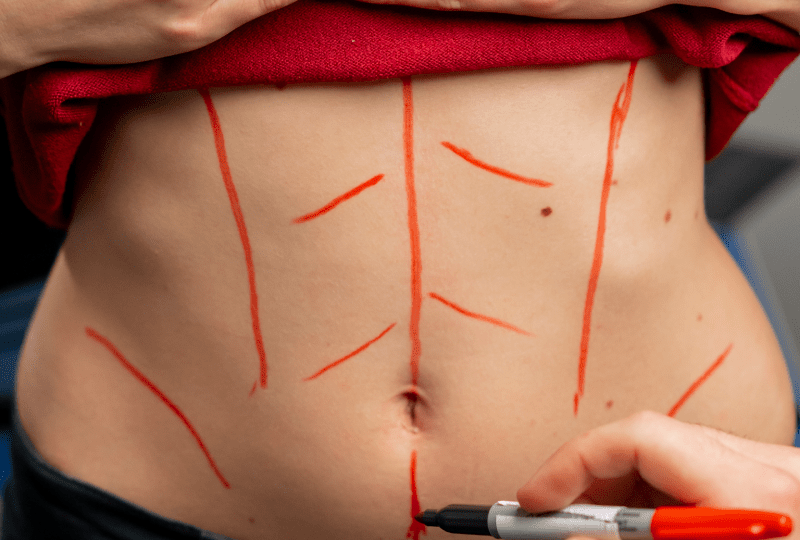
The surgical technique typically involves laparoscopic surgery, meaning it’s performed through small incisions using a camera and specialized instruments. The surgeon divides the stomach along its greater curvature and then removes the larger, outer portion. The remaining “sleeve” is stapled and sealed. The pyloric valve, which controls the release of food into the small intestine, remains intact, allowing for normal digestion and absorption of nutrients – albeit in smaller quantities.
Patient selection is crucial for successful outcomes. Ideal candidates typically have a body mass index (BMI) of 35 or higher, or a BMI of 30 or higher with obesity-related comorbidities such as type 2 diabetes, hypertension, or sleep apnea. A thorough medical evaluation, including assessment of cardiovascular health and psychological readiness, is essential before proceeding.
Post-operatively, patients are required to follow a specific dietary plan. This typically begins with a liquid diet, gradually progressing to pureed foods, then soft foods, and finally to solid, healthy foods. Adherence to this diet, combined with regular physical activity, is vital for maximizing weight loss and maintaining long-term results.
Potential complications, as with any surgery, exist. These can include bleeding, infection, leaks from the staple line, and blood clots. More specific to the gastric sleeve, complications such as gastroesophageal reflux disease (GERD) can occur, although the rate varies. Strict adherence to post-operative dietary guidelines and follow-up care can minimize these risks.
Nutritional deficiencies are a potential concern following gastric sleeve surgery, as the reduced stomach size limits nutrient absorption. Lifelong vitamin and mineral supplementation, particularly vitamin B12, iron, calcium, and vitamin D, is therefore necessary. Regular monitoring of nutrient levels is also recommended.
Compared to gastric bypass, the gastric sleeve is considered a less complex procedure with a lower risk of certain complications, such as dumping syndrome. It also avoids the malabsorption associated with procedures like duodenal switch. However, it offers less weight loss on average than gastric bypass.
The long-term efficacy of the gastric sleeve is well-documented, with many patients achieving significant and sustained weight loss, along with improvements in obesity-related health conditions. Long-term follow-up with a bariatric surgeon and registered dietitian is essential for optimizing health and maintaining weight loss success.
It’s important to note that the gastric sleeve is a tool, and its success depends heavily on the patient’s commitment to lifestyle changes. Surgery is a significant step, but it’s only one part of a comprehensive weight loss journey.
Gastric Bypass (Roux-en-Y Gastric Bypass): A Detailed Explanation
The Roux-en-Y Gastric Bypass (RYGB) is considered the “gold standard” of bariatric surgeries, and remains one of the most commonly performed procedures globally, including in Turkey. It’s a complex operation that induces weight loss by both restricting food intake *and* reducing the absorption of calories and nutrients. Understanding the mechanics is crucial for patients considering this option.
The procedure involves creating a small stomach pouch – roughly the size of an egg – from the upper portion of the stomach. This significantly limits the amount of food a patient can comfortably consume. Crucially, the small intestine is then divided, and the lower portion is directly connected to this newly created stomach pouch. This connection is the “Roux-en-Y” limb.
The upper portion of the small intestine, which remains connected to the bypassed stomach, is then connected to the Roux-en-Y limb further down its length. This creates the “Y” shape the procedure is named after. The bypassed stomach and duodenum (the first section of the small intestine) remain, but are no longer involved in the digestive process. Instead, they drain bile and pancreatic juices into the Roux-en-Y limb.
This anatomical rearrangement achieves weight loss through several mechanisms. Primarily, the smaller stomach pouch restricts caloric intake. Patients feel full with a significantly smaller volume of food. Secondly, bypassing a portion of the small intestine reduces the absorptive surface area, meaning fewer calories and nutrients are absorbed into the bloodstream. This malabsorptive component contributes significantly to weight loss, particularly with regards to fat.
RYGB also profoundly impacts gut hormones. The procedure alters the production of hormones related to appetite, satiety, and glucose metabolism. Specifically, it increases the production of GLP-1 and PYY, hormones that suppress appetite and improve insulin sensitivity. This can lead to resolution or significant improvement in type 2 diabetes, even before substantial weight loss occurs.
The typical weight loss following RYGB is substantial, often ranging from 60-80% of excess body weight. However, this is highly individualized and depends on factors such as pre-operative weight, adherence to post-operative dietary guidelines, and overall health.
Like all bariatric surgeries, RYGB carries potential risks and complications. These include, but are not limited to, dumping syndrome (rapid gastric emptying causing nausea, diarrhea, and dizziness), nutritional deficiencies (requiring lifelong vitamin and mineral supplementation, particularly vitamin B12, iron, calcium, and vitamin D), anastomotic leaks (leaks from the connections between the stomach and intestine – a serious complication), and bowel obstruction.
Long-term, patients require diligent follow-up with a multidisciplinary team, including a surgeon, dietitian, and internist. Regular blood tests are essential to monitor for nutritional deficiencies. Dietary adherence is paramount; patients must adopt a lifelong commitment to a healthy, protein-rich diet, avoiding sugary and fatty foods.
The decision to undergo RYGB should be made in careful consultation with a qualified bariatric surgeon. A thorough evaluation of the patient’s medical history, psychological status, and commitment to lifestyle changes is essential to determine if this procedure is appropriate. The surgeon will explain the risks and benefits in detail, allowing the patient to make an informed decision.
Mini Gastric Bypass: A Detailed Explanation
The mini gastric bypass (MGB), also known as single-anastomosis duodenal switch (SADS), is a relatively newer bariatric procedure gaining increasing recognition as an effective weight loss solution. It represents a simplified version of the traditional Roux-en-Y gastric bypass (RYGB), offering comparable results with a potentially shorter operative time and reduced risk of complications.
The MGB achieves weight loss through a combination of restriction and malabsorption. Restriction is created by constructing a small gastric pouch – approximately 150-200ml – from the stomach. This limits the amount of food a patient can comfortably consume.
However, unlike the RYGB which divides the small intestine and reconnects it in a complex manner, the MGB utilizes a single anastomosis (connection). The newly created gastric pouch is directly connected to a loop of the small intestine, approximately 150-200cm from the duodenal-jejunal flexure (the bend in the small intestine). This bypasses a significant portion of the duodenum and the first part of the jejunum.
This intestinal bypass leads to decreased caloric and nutrient absorption. While not as drastic as the duodenal switch, the MGB still reduces the amount of calories absorbed from food, contributing significantly to weight loss. Importantly, the MGB preserves the duodenum, which is crucial for iron absorption and may reduce the risk of long-term nutritional deficiencies compared to procedures with more extensive intestinal bypasses.
The surgical technique typically involves laparoscopic or robotic assistance, utilizing small incisions. The stomach is divided using a stapler to create the gastric pouch. The duodenum is then divided, and a loop of the small intestine is brought up and connected to the gastric pouch. This connection, the single anastomosis, is meticulously created and tested for leaks. The entire procedure generally takes between 60-90 minutes.
Post-operatively, patients follow a phased diet, beginning with liquids, progressing to pureed foods, and finally to solid foods. Strict adherence to dietary recommendations and regular follow-up with a healthcare team – including a surgeon, nutritionist, and psychologist – are essential for long-term success.
Weight loss following MGB is typically substantial. Patients can expect to lose 60-80% of their excess weight within the first 12-18 months. Furthermore, significant improvements in obesity-related comorbidities such as type 2 diabetes, hypertension, sleep apnea, and hyperlipidemia are commonly observed. In many cases, type 2 diabetes can be completely resolved.
As with all bariatric procedures, the MGB carries potential risks and complications. These include, but are not limited to, bleeding, infection, anastomotic leaks (leaks at the connection between the stomach and intestine), dumping syndrome (rapid gastric emptying causing nausea, diarrhea, and dizziness), and nutritional deficiencies. The risk of iron, vitamin B12, and calcium deficiencies requires lifelong monitoring and supplementation.
Compared to RYGB, some studies suggest the MGB may have a lower risk of marginal ulcers and internal hernias, though long-term data is still being collected. The simplicity of the MGB procedure often translates to a shorter hospital stay and faster recovery time for patients.
Patient selection is crucial. Ideal candidates for MGB typically have a body mass index (BMI) of 35 or greater, or a BMI of 30 or greater with significant obesity-related health problems. A thorough medical evaluation is performed to assess the patient’s overall health and suitability for the procedure.
The MGB represents a valuable addition to the arsenal of bariatric surgery options, providing a potentially effective and safe pathway to significant weight loss and improved health for appropriately selected patients. Ongoing research continues to refine surgical techniques and optimize long-term outcomes.
Duodenal Switch: A Detailed Explanation
The duodenal switch (DS) is a more complex and less commonly performed bariatric surgery compared to procedures like gastric sleeve or gastric bypass. It’s considered a highly effective option for individuals with severe obesity, particularly those with associated health conditions like type 2 diabetes and metabolic syndrome. The duodenal switch combines elements of both sleeve gastrectomy and gastric bypass, resulting in significant weight loss and metabolic improvements.
The procedure begins with a sleeve gastrectomy – approximately 80% of the stomach is removed, creating a narrow, tube-shaped stomach. This restricts food intake, similar to a gastric sleeve procedure. However, the defining characteristic of the duodenal switch is what happens *after* the sleeve is created.
Following the sleeve gastrectomy, the surgeon divides the duodenum (the first part of the small intestine) and connects the bottom part of the stomach directly to the lower section of the small intestine, bypassing a significant portion of the duodenum and jejunum. This creates two digestive pathways: one for food and one for bile and pancreatic juices. These pathways are then rejoined further down the small intestine, creating a “switch” where the two streams combine.
This rerouting of the digestive stream is crucial. Bypassing a large segment of the small intestine reduces the absorption of calories and nutrients, particularly fats. The duodenum plays a key role in nutrient absorption and the production of hormones that regulate appetite and blood sugar. By bypassing it, the duodenal switch profoundly impacts these processes.
The length of the bypassed small intestine varies, but typically ranges from 1.5 to 2 meters. This length is carefully determined by the surgeon based on the patient’s individual anatomy and metabolic profile. A longer bypass generally leads to greater weight loss but also a higher risk of nutritional deficiencies.
Compared to gastric bypass, the duodenal switch generally results in greater weight loss and a higher remission rate of type 2 diabetes. Patients typically lose 60-80% of their excess weight within the first 18-24 months post-surgery. This is because of the combined effect of restriction *and* malabsorption.
However, the duodenal switch also carries a higher risk of complications and nutritional deficiencies than other bariatric procedures. Because a significant portion of the small intestine is bypassed, patients are at increased risk of deficiencies in vitamins (particularly fat-soluble vitamins A, D, E, and K), minerals (iron, calcium, vitamin B12), and protein.
Lifelong supplementation with vitamins and minerals is *essential* after duodenal switch surgery. Regular monitoring of nutrient levels is also crucial to identify and address any deficiencies promptly. Patients will require a specialized diet plan, guided by a registered dietitian, to ensure adequate nutrition.
Potential complications, while relatively rare in experienced surgical centers, include leaks from the staple lines, strictures (narrowing of the intestinal connections), dumping syndrome, and bowel obstructions. As with any major surgery, there are also risks associated with anesthesia and infection.
The duodenal switch is not suitable for all patients. Ideal candidates are individuals with a BMI of 50 or higher, or those with a BMI of 40 or higher with significant co-morbidities. Careful patient selection and a thorough pre-operative evaluation are critical to ensure the best possible outcomes. Psychological assessment is also important to ensure the patient understands the lifelong commitment to dietary and lifestyle changes required after surgery.
The Surgical Process: A Step-by-Step Guide
Free Consultation
Fill out the form below to get your free medical travel plan and price quote.
Sources and how to verify this yourself
- Eisenberg D, et al. 2022 ASMBS and IFSO Indications for Metabolic and Bariatric Surgery. — surgery is recommended at BMI ≥35 regardless of co-morbidity, and considered at BMI 30–34.9 with metabolic disease (lower thresholds for Asian populations). source
- Ministry of Health, Regulation on International Health Tourism and Tourist Health, Official Gazette 26 April 2025, No. 32882 — authorisation requirement for facilities and intermediaries, TÜSKA accreditation, compulsory complication insurance (deadline 31 December 2025 for insurance, 31 December 2026 for accreditation). source
- Ministry of Health, Regulation on Promotion and Information Activities in Health Services, Official Gazette 12 November 2025, No. 33075 — treatment promises and guarantees are prohibited; price and campaign announcements are permitted only within international health tourism. source