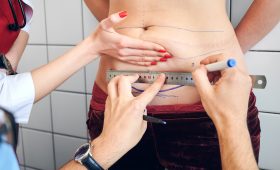
How to Correct Thigh Sagging? Is Non-Surgical Correction Possible?
Thigh sagging is a condition characterized by noticeable laxity and excess skin, which bothers individuals both aesthetically and functionally. This condition can lead to irritation caused by skin friction, especially in warm weather, while making it difficult to wear tight clothing, thus seriously affecting the individual’s self-confidence. Even though strict diets and intensive exercise programs are often attempted, these efforts prove insufficient to achieve lasting firmness, as the core problem lies in the loss of skin elasticity and accumulated skin excess. Therefore, the most effective and permanent solution for correcting thigh sagging usually requires surgical intervention, which directly addresses the underlying structural issue.
What Causes Thigh Sagging?
Thigh sagging is the condition where the skin in the inner, outer, or front regions of the thigh loses its attachment to the underlying tissues, causing it to loosen and fold downwards. This situation not only creates a lax appearance but is also directly related to the quality and structure of the skin itself. It is essentially skin excess that occurs after volume loss or significant weight fluctuations. It should be remembered that this is not a muscle weakness issue, but a permanent damage to the skin and its underlying supportive connective tissues, resulting in loss of elasticity, which is why it cannot be corrected by exercise alone.

What is the Main Cause of Thigh Sagging?
Thigh sagging fundamentally stems from excess skin and the permanent loss of skin elasticity, presenting both an aesthetic and functional problem. If the issue were merely fat accumulation or muscle weakness, diet and exercise would be sufficient to correct it effectively. However, the loose and redundant skin, especially that which occurs after major weight loss, cannot be retracted by any amount of exercise or diet. The skin has been structurally damaged irreversibly, and this excess skin will continue to sag unless it is physically removed through a surgical incision by an experienced professional.
What is the Importance of Skin Elasticity Loss in Thigh Sagging?
Skin elasticity is determined by collagen and elastin fibers, which allow the skin to stretch and return to its original shape. These fibers weaken and break down over time due to environmental factors and genetic predisposition. Since the skin in the thigh area is susceptible to rapid weight changes or aging, when the collagen structure deteriorates and elastin decreases, the skin completely loses its ability to recover and sags permanently. Understanding that this condition reaches a point of no return, where neither fat reduction nor muscle strengthening can correct it, is crucial for selecting the appropriate treatment method.
What is the Effect of Aging on Thigh Skin?
The natural aging process slows down the cell renewal rate throughout the body, and this becomes pronounced in the thigh skin. Over the years, fibroblasts, the cells that produce collagen and elastin, become less active. The decrease in the production of these fundamental proteins that constitute the skin’s structure causes the thigh skin to thin, dry out, and succumb to gravity, leading to sagging. This biological and inevitable process brings about the problem of skin excess, which is why superficial external solutions are insufficient as a primary correction method.
Is Thigh Sagging Normal After Major Weight Loss?
Rapid and large amounts of weight loss are one of the most common and dramatic causes of thigh sagging. The body struggles to shrink the skin, which has been stretched by excessive fat tissue for a long period, back to its former tightness, even after the weight is lost. The skin becomes permanently loose, much like a balloon that has been stretched and inflated, then deflated; this excess skin will not disappear no matter how much exercise is done. This condition is particularly noticeable in individuals who have undergone bariatric surgery or lost a lot of weight through intensive dieting, significantly impacting their quality of life.
What is the Role of Pregnancy and Hormonal Changes in Thigh Sagging?
The pregnancy process causes both rapid weight gain and high levels of hormones like estrogen and relaxin in the body. The relaxin hormone loosens connective tissues and joints to prepare the body for childbirth, but this loosening also affects collagen and elastin fibers in the skin, reducing its elasticity. This combination of hormonal and mechanical stretching permanently damages the skin, especially in the thighs and abdomen, preventing full recovery even after birth and contributing significantly to long-term sagging.
What is the Effect of Genetic Predisposition and Structural Factors in Thigh Sagging?
An individual’s genetic makeup directly determines their skin’s natural collagen production rate, elastin quality, and tendency to store fat. Some people may have genetically thinner, less elastic, or faster-aging skin types. These individuals are more prone to experiencing thigh sagging even with relatively minor weight changes. A family history of premature skin laxity generally indicates a high probability of the person facing a similar aesthetic issue, which underscores the inevitability of a surgical solution in these cases.
Is Sun Damage and Collagen Breakdown Likely to Cause Thigh Sagging?
Prolonged and unprotected exposure to the sun is the biggest enemy of collagen and elastin fibers in the thigh skin. Ultraviolet (UV) rays penetrate the skin’s lower layers, activating enzymes that break down collagen and suppressing new collagen production. This results in the skin tissue gradually hardening, thickening, and losing its flexibility over time, leading to sagging. High UV exposure is a significant environmental factor accelerating sagging in the thigh area, and since this damage is irreversible, non-surgical methods cannot provide adequate relief.
How is Thigh Sagging Caused by Fat Tissue Distribution Corrected?
The distribution of fat tissue in the body directly affects the appearance of the thighs. As we age and weight fluctuates, fat deposits in the inner and outer thighs can cause the skin to be pulled downwards by gravity. Even if the volume of fat tissue decreases, the stretched and permanently damaged skin remains in place. In this case, even a small amount of fat remaining under the sagging skin makes the sagging more noticeable due to the weight of the skin itself, and this condition can only be solved by surgically removing the excess skin.
Does a Sedentary Lifestyle Cause Thigh Sagging?
Although thigh sagging is primarily a skin problem, a sedentary lifestyle and poor muscle tone can indirectly worsen the condition. Weakness in the thigh muscles (quadriceps and hamstrings) can lead to the overall contour around the thigh looking softer and less supported. However, strengthening the muscles cannot eliminate skin excess and permanent elasticity loss; it can only increase the volume beneath the skin. Therefore, exercising does not offer a magical solution to existing sagging skin but merely supports general health and fitness.
The Harm of Smoking on Skin Quality
Smoking is one of the most significant causes of premature skin aging and sagging. The chemicals in cigarettes constrict blood vessels, restricting the flow of oxygen and nutrients to the skin. More importantly, cigarette smoke triggers free radicals that accelerate the destruction of collagen and elastin in the body. This causes the skin of the entire body, including the thighs, to loosen and sag more quickly. This cellular damage caused by smoking is permanent and can only be aesthetically improved with surgical correction.
Does the Effect of Poor Nutrition on Collagen Cause Sagging?
An unbalanced diet high in sugar and processed foods triggers a process in the body called glycation. In this process, excess sugar in the blood binds to proteins, forming Advanced Glycation End products (AGEs). AGEs cause collagen and elastin fibers to stiffen, lose their flexibility, and consequently break down. This damage accelerates the loosening and sagging of the thigh skin. Therefore, even a healthy diet will not be sufficient to reverse the pronounced skin excess caused by genetics or post-weight loss conditions.
Does the Region of Thigh Sagging Affect the Treatment?
Thigh sagging is generally seen in the inner thigh (medial thigh) and sometimes in the outer thigh (lateral thigh or “saddlebag” area). Inner thigh sagging is particularly bothersome as it causes friction and hygienic issues during walking. Outer thigh sagging, on the other hand, leads to the loss of a smooth transition between the hip and the thigh. The type of sagging in both regions differs in terms of surgical techniques, and each case must be individually evaluated to determine the most appropriate intervention for a successful outcome.
How to Get Rid of the Psychological Effects of Thigh Sagging?
Thigh sagging can deeply affect individuals’ body perception and self-confidence. The effort to hide sagging skin leads to restrictions, especially during summer months or social activities like swimming. This can cause the person to feel embarrassed or shy, and even lead to social isolation. The psychological burden can often only be lifted by physically eliminating the sagging, which demonstrates how surgical solutions can significantly enhance an individual’s quality of life and mental well-being.
Is Thigh Sagging More Common in Women or Men?
Thigh sagging is more common in women than in men due to hormonal and anatomical differences. Women’s bodies tend to store more fat around the thighs and hips, and the skin tissue is generally thinner than in men. Additionally, hormonal changes like pregnancy and rapid weight loss episodes also cause more damage to skin elasticity in women. Sagging seen in men is typically associated with stories of greater weight loss, and the skin excess may be denser and heavier, requiring specialized attention.
What Should You Do If You Are Too Late to Prevent Sagging?
The loss of skin elasticity is an irreversible process. Even if a person turns to exercise and firming creams at the first signs of sagging, once the permanent structural damage to the collagen and elastin fibers beneath the skin occurs, it cannot be remedied by such superficial methods. Delayed efforts can only help slow down the process; however, they cannot eliminate the formed skin excess and redundant skin folds. This fact clearly demonstrates why non-surgical solutions fail to meet realistic expectations for severe sagging.
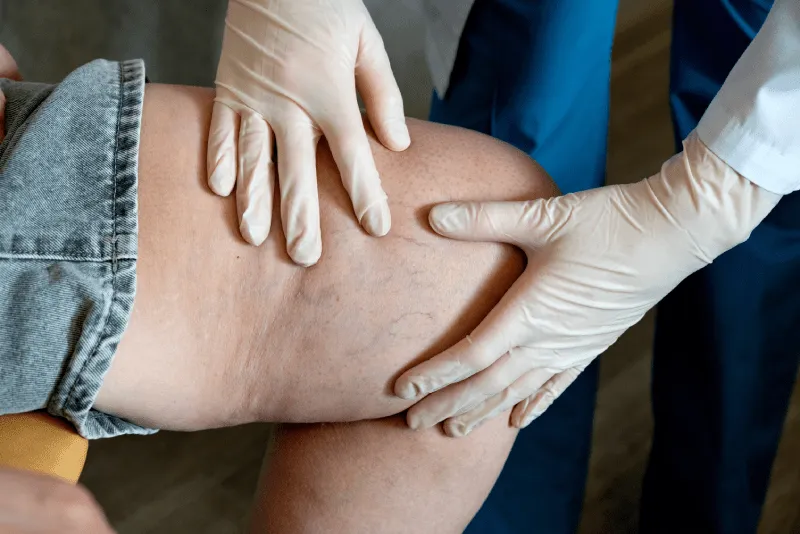
Do Exercises Tighten the Skin?
Exercise strengthens muscles and supports fat burning, but it cannot directly affect the excess skin that causes thigh sagging. Muscle development can create some tension by increasing volume beneath the skin, but this effect is insufficient to tighten the pronounced and sagging skin, especially that which occurs after major weight loss. Exercise cannot repair the permanent loss of skin elasticity; this is a problem that requires the physical removal of excess skin through surgical intervention to achieve a firm contour.
Does Diet Affect Excess Sagging Skin?
Diet is vital for fat loss and achieving a healthy body weight, but it does not have the ability to correct sagging skin. If the sagging is already a skin excess resulting from weight loss, dieting further may only exacerbate the situation. Excessive leanness consumes the supportive fat tissue beneath the skin, making the sagging skin appear even thinner and more wrinkled. Therefore, a healthy diet cannot eliminate the need for surgical removal of sagging skin when significant skin laxity is present.
Can Creams and Lotions Correct Sagging Skin?
Firming and toning creams and lotions available on the market generally create a temporary and minimal feeling of tightness by moisturizing and slightly plumping the skin’s outer layer (epidermis). However, the active ingredients in these products (such as retinol, caffeine, etc.) do not have the power to penetrate the deep layers of the skin to restructure collagen and elastin fibers or melt away skin excess. Therefore, in cases of significant thigh sagging, the benefit provided by creams extends only to temporary and superficial hydration, offering no permanent solution.
Can Skin Sagging Be Corrected with Radio Frequency and Laser Therapy?
Radio frequency (RF) and some laser treatments can correct mild to moderate skin laxity by stimulating collagen production with thermal energy. These methods heat the skin’s lower layers, causing existing collagen fibers to contract. However, the effect of these treatments is quite limited in cases where there is a lot of skin excess, especially those resulting from major weight loss. They cannot permanently tighten excessively sagging and loose skin; they may only be a suitable option for mild skin laxity but are not effective for severe cases.
Are Non-Surgical Procedures Useful in Correcting Skin Sagging?
Non-surgical skin tightening procedures (e.g., focused ultrasound or cryo-lipolysis) yield the best results only in younger or middle-aged individuals with minimal sagging and elasticity loss. These methods do not possess the dramatic excess skin removal capability offered by surgical intervention. Non-surgical solutions are primarily designed to improve skin quality and provide minimal tightening; they are insufficient for correcting large volume and permanent skin excess and should not be relied upon for significant correction.
Does Muscle Development Eliminate Skin Excess?
Intense training targeting the thigh muscles (especially the inner thigh muscles) can increase the volume and tone of these muscles. While strong muscles contribute to a more shapely appearance of the legs, this does not tighten the excess and loose skin covering the muscle. Skin excess is like fabric that is too baggy for the body; instead of increasing the volume of the muscle inside to make the fabric taut, the fabric itself needs to be cut and shortened. This is why Thigh Lift surgery is the inevitable and only effective solution.
Are Mesotherapy and Needle Treatments Effective for Skin Sagging?
Mesotherapy and some needle-based radiofrequency treatments aim for regional improvement by injecting vitamins, enzymes, or collagen-stimulating substances into the skin’s lower layers. These treatments can enhance skin quality, radiance, and slight firmness. However, these effects are often temporary and far from offering a permanent solution for individuals with noticeable, chronic thigh sagging. Skin excess requires correction beyond the micro-level improvement that needle-based therapies can provide, necessitating surgical intervention.
Are Non-Surgical Methods Permanent?
Although non-surgical tightening methods appear less invasive at first glance, they usually require multiple sessions, and the results obtained can be minimal and temporary. The total cost of these sessions can, in the long run, exceed the permanent one-time cost of Thigh Lift Surgery. For individuals seeking permanent and satisfying results, the time and money spent on non-surgical methods are less cost-effective compared to the certainty offered by the surgical solution.
You Must Set Realistic Expectations
The most crucial step in treating thigh sagging is setting realistic expectations about the outcome. The fact that skin elasticity is permanently lost and will not fully return must be accepted. It should be understood that non-surgical methods will only provide minimal improvement but cannot eliminate permanent skin excess. This awareness is fundamental in guiding individuals towards the correct solution, which is the Thigh Lift Surgery that ensures the permanent removal of excess skin for an improved contour.
What is Thigh Lift Surgery?
Thigh Lift Surgery is a body contouring procedure aimed at surgically removing excess skin and sometimes stubborn fat tissue from the thigh area. The primary goal of the surgery is to refine the contour of the thighs, tighten the skin, and eliminate friction-related irritation in the inner thighs. This surgical procedure is the only permanent and effective solution in cases where the skin has become permanently loose and has lost its elasticity due to significant changes or aging processes.
What is the Primary Goal of the Surgery?
The primary goal of Thigh Lift Surgery is to create a smoother, firmer, and more aesthetically pleasing contour by pulling the sagging skin on the inner and/or outer surfaces of the thighs taut. The benefits of the surgery are not just visual; eliminating skin excess in the inner thighs also significantly reduces friction (chafing) and related hygienic issues during walking or exercising. The resulting permanent firmness helps the individual regain self-confidence and wear clothes more comfortably, dramatically improving quality of life.
What are the Different Thigh Lift Techniques? (Mini, Medial, Lateral)
Thigh lift surgeries can be performed using different techniques depending on the degree and location of the sagging. Mini Thigh Lift is done with a short incision only in the groin area and is suitable for mild sagging. Medial Thigh Lift (the most common) corrects sagging on the inner thigh, with the incision running along the groin crease. Lateral Thigh Lift covers the outer thigh and sometimes the hip area, providing a more extensive correction, and the incision may extend towards the buttock. The surgeon will determine the most appropriate technique based on the patient’s specific needs.
What is the Pre-operative Preparation Process Like?
Pre-operative preparation for thigh lift surgery is critical for successful results and safe recovery. During this process, the patient undergoes a detailed medical evaluation, and their current health status, medication use, and allergies are thoroughly examined. It is absolutely mandatory for patients who smoke to quit smoking at least several weeks before the operation, as smoking adversely affects the healing process and increases the risk of complications. Furthermore, the patient is advised to be close to their ideal weight before surgery.
Surgical Process and Anesthesia
Thigh lift surgery is generally performed under general anesthesia, and its duration varies depending on the extent of the technique applied. The surgeon removes the excess skin and, if necessary, excess fat tissue via liposuction through predetermined incision lines. Incision sites are carefully planned and attempts are made to hide them as much as possible within the limits of the underwear line. After the excess is removed, the skin is tightened and closed with sutures. Drains may be placed in the area after the procedure, and a special compression garment is immediately applied.
What Should You Pay Attention to During the Post-operative Recovery Period?
The post-operative recovery period varies from patient to patient but generally requires rest and restricted movement for the first few days. Swelling, bruising, and mild pain are normal and are controlled with medication. It is mandatory for patients to wear the compression garment continuously for at least 4 to 6 weeks to reduce swelling and help the new contour take shape. Drains are removed within a few days, and patients can usually return to their light daily activities within 1-2 weeks of the procedure.

Will There Be Scars After Thigh Lift Surgery?
Since excess skin is removed during thigh lift surgery, incision scars are inevitable. Surgeons strive to hide these scars as much as possible in natural body creases, such as the groin fold. Post-operative care is crucial for minimizing scar visibility; this includes the regular use of scar creams recommended by the surgeon, massage techniques, and sun protection. Scars will fade over time, becoming less noticeable, but it must be remembered that they will not completely disappear and are the trade-off for a permanent correction.
Are the Results of Thigh Lift Surgery Permanent?
The results of tightening and contour correction provided by thigh lift surgery are permanent. Once the excess skin and fat tissue are removed, the problem of sagging in that area is largely eliminated. However, the permanence of the results depends on the patient maintaining their post-operative weight and leading a healthy lifestyle. If the patient enters a major weight fluctuation cycle, new laxity may occur in the remaining skin, hence stable weight is critically important for long-term satisfaction.
Who is Suitable for Thigh Lift Surgery?
Ideal candidates for thigh lift surgery are typically individuals who have experienced significant weight loss and have noticeable skin excess in their thighs that cannot be corrected by diet and exercise. Candidates should be in good general health, be non-smokers (or quit), and have realistic expectations about the scars that will result from the surgery. Being psychologically stable and having the motivation to meticulously follow post-operative instructions are also critical factors for a successful outcome.
What are the Risks and Complications of Thigh Lift Surgery?
As with any surgical procedure, thigh lift surgery carries certain risks and potential complications. These include infection, bleeding, delayed wound healing, separation of the suture line, asymmetry, numbness or loss of sensation, and anesthesia-related risks. To minimize these risks, it is of paramount importance that the surgery is performed by an experienced plastic surgeon in an accredited hospital, and that post-operative care instructions are followed precisely and diligently by the patient.
The Importance and Tips for Post-operative Care
Post-operative care is just as important as the surgical technique in the success of thigh lift surgery. Patients must avoid excessive physical activity for the first few weeks, wear the compression garment constantly, and perform wound care as recommended by the surgeon. Keeping the incision sites clean and dry reduces the risk of infection significantly. Additionally, a healthy and protein-rich diet helps accelerate wound healing. Strict adherence to your surgeon’s instructions is the key to achieving the best possible result.
What are the Combined Treatments in Thigh Lift Surgery?
Thigh lift surgery often involves not only removing excess skin but also combining it with liposuction to optimize aesthetic contour. If there are stubborn fat deposits in or around the sagging area, liposuction is performed to slim the area before the skin is tightened. This combination offers the advantage of both tightening the skin and reducing overall thigh volume, resulting in a much smoother and more proportionate leg shape that cannot be achieved with either procedure alone.
Pain Management After Thigh Lift Surgery
The pain experienced after thigh lift surgery is generally at a level that can be easily controlled with medication. Your surgeon will prescribe the necessary painkillers for you to use during the recovery period. The first few days, sensitivity and tightness are intense, especially when moving. However, thanks to modern anesthesia techniques and postoperative pain management protocols, patients’ recovery process is quite comfortable, allowing for manageable discomfort. Applying cold compresses can also help reduce swelling and irritation effectively.
Management of Sutures and Drains
The sutures used during surgery are usually of the dissolvable type, so they may not need to be removed. However, in some cases, the surgeon may prefer non-dissolvable sutures, which are typically removed within 1-2 weeks. Drains, placed to drain excess fluid accumulated in the surgical area, are usually removed a few days later when the fluid output drops below a certain level. It is crucial for patients to be meticulously trained in drain care and to adhere strictly to hygiene protocols to prevent complications.
When Will I See the Results?
The final aesthetic results of thigh lift surgery become apparent within 6 to 12 months, as swelling completely subsides and incision scars mature. Even though a significant improvement is noticeable in the first few months, it takes time for the skin to fully settle and the contour to sharpen. Patients must be patient during this waiting period and attend regular follow-up appointments with their surgeon to maximize the quality of the results achieved.
Surgical Decision-Making Process
The process of deciding on thigh lift surgery involves detailed research, open communication with the surgeon, and setting personal goals. Patients must clarify their expectations from the surgery, understand the potential risks, and trust the surgeon’s experience. Reviewing before-and-after photos, examining the surgeon’s past work, and obtaining comprehensive information about the procedure are all helpful steps in making the right and informed decision.
When Can I Return to Physical Activity After Surgery?
Light walking is recommended in the first week after surgery, but strenuous movements and bending should be avoided during this period. Most patients can return to desk jobs 2 to 4 weeks after the operation. However, a return to heavier exercises and full sports activities generally requires waiting 6 to 8 weeks, as the body needs sufficient time to heal fully. Your surgeon will determine a personalized activity program for you based on the individual progress of your recovery.
Why Should I Protect Scars from the Sun?
Newly formed surgical scars are extremely sensitive to the sun, and direct exposure to UV rays can cause the scars to become permanently dark and more noticeable. Therefore, protecting the incision sites from the sun for at least one year after surgery is vital for optimal scar management. Using high-factor sunscreen or covering the scars with clothing when outdoors is an absolute must in the protocol for achieving the best possible scar outcome.
Why are Thigh Lift and Liposuction Combined?
Thigh lift and liposuction are complementary procedures that are often performed together. Liposuction reduces fat accumulation, especially around the thigh, slimming the overall contour. The lift procedure then provides firmness by removing the loose and excess skin remaining after this slimming. This dual approach creates an exceptionally smooth and aesthetic result that cannot be achieved with either a standalone lift or liposuction alone, offering a comprehensive solution for body contouring.
The Rise of Turkey in Medical Tourism
Turkey has become a global hub for medical tourism due to its high-standard hospitals, experienced surgeons, and competitive prices. The successes achieved in the field of plastic surgery and the quality service offered attract patients from all over the world. Turkey offers both a reliable and economical solution for many aesthetic procedures, including thigh lift surgery, making it a preferred destination for international patients seeking quality care.
The Quality of Plastic Surgery in Turkey
Plastic surgeons in Turkey are professionals who have received international training, successfully apply up-to-date surgical techniques, and provide world-class services. Many Turkish surgeons hold memberships in international associations and are specialized in their fields. Hospitals in Turkey are equipped with modern medical devices, and great importance is given to patient safety and comfort, which ensures a high success rate for thigh lift surgery, providing peace of mind to patients.
The Thigh Lift Experience with Cure Holiday
Cure Holiday is a health tourism consultancy firm that offers high-quality aesthetic surgeries to international patients in Turkey. They organize your thigh lift surgery process from start to finish, offering a bespoke experience. They provide expert support in surgeon and hospital selection, scheduling appointments, and coordinating all medical procedures, removing all the stress associated with having surgery in a foreign country, thus ensuring a smooth and comfortable experience.
Cost Advantages of Surgery in Turkey
One of the biggest advantages of having thigh lift surgery in Turkey is the significantly more affordable cost compared to countries in Europe and North America. This cost advantage does not mean a compromise on service quality; on the contrary, it provides a great economic benefit to patients through comprehensive packages that cover the operation, accommodation, transfers, and consultancy services. The favorable exchange rate makes these types of treatments much more accessible and appealing in Turkey.
Additional Services Offered by Cure Holiday (Accommodation, Transfer)
Cure Holiday provides not only surgical services but also comprehensive additional services to patients who choose Turkey for their thigh lift surgery. These include luxury accommodation options, VIP transfers between the airport and the hospital, interpreter services, and the meticulous organization of post-operative follow-up processes. This holistic approach allows patients to focus solely on their recovery and enjoy their experience in Turkey without logistical worries.
Post-operative Holiday and Recovery Process
Choosing Turkey for thigh lift surgery offers the opportunity to turn your recovery period into a holiday experience. During the period when you need to rest after the surgery, you can stay in comfortable and peaceful accommodations arranged by Cure Holiday, spending your recovery in an environment rich in history and culture. This situation helps you recover both physically and mentally faster and makes the healing process more enjoyable.
Taking the First Step and Consultation with Cure Holiday
If you are considering thigh lift surgery, contacting Cure Holiday is the first and most crucial step. Experienced consultants will evaluate your specific condition, provide information about potential surgical techniques, and select the most suitable surgeon and hospital for you. This complimentary pre-consultation ensures that all your questions are answered and that you can begin the surgery process with confidence and clarity.
Reliable and Accredited Hospital Options
Cure Holiday only collaborates with hospitals that have international accreditations and high standards of hygiene and technology. This guarantees that your thigh lift surgery will be performed under the safest and most modern conditions available globally. Patient health and safety are always the top priority, and Cure Holiday continuously audits the quality of the surgeons and health institutions they partner with to ensure excellence.
Legal Guarantees in Medical Tourism
Medical tourism in Turkey is strictly regulated by the Ministry of Health. Surgeries performed through official agencies like Cure Holiday are protected by international patient rights and legal guarantees. This ensures that patients can start their treatment processes with peace of mind and are legally supported in the event of any potential issues, providing a layer of security for the international traveler.
Travel and Visa Procedures to Turkey
Cure Holiday also provides support and guidance on travel and visa procedures to international patients coming to Turkey for thigh lift surgery. Detailed information is provided on what documents are required, how to apply for visas, and travel planning, making the patient’s arrival process in Turkey as smooth and stress-free as possible, ensuring a focus on the upcoming treatment.
Maintaining the Long-Term Results of Thigh Lift Surgery
Maintaining the tight contour achieved after surgery for many years depends on the patient’s lifestyle choices. Continuing healthy and balanced eating habits, engaging in regular physical activity (to strengthen muscles after skin tightening surgery), and maintaining a stable weight are the most critical factors supporting the permanence of the surgery results. Cure Holiday also supports its patients by sharing necessary lifestyle recommendations for lasting outcomes.
Freedom of Clothing Choice After Thigh Lift
Individuals with thigh sagging often try to conceal this area of their body by choosing loose and long clothing. The firm and smooth leg contour achieved after thigh lift surgery grants patients great freedom in clothing choices. The liberty to comfortably wear garments previously avoided, such as shorts, skirts, or tight trousers, is one of the significant psychological benefits of the surgery, enhancing self-expression.
Outer Thigh Sagging and Hip Lift Relationship
In some cases, sagging in the outer thigh is combined with laxity in the hip area. In such instances, the Lateral Thigh Lift Surgery may be combined with a comprehensive lower body lift procedure to provide the best contour correction. These combined approaches can be recommended by the expert surgeons in collaboration with Cure Holiday, following a detailed and personalized analysis of the patient’s body shape and needs.
Increased Self-Confidence with Thigh Sagging Correction
The correction of thigh sagging goes beyond the physical improvement in appearance, significantly boosting the person’s self-confidence and overall life satisfaction. The elimination of the feeling of embarrassment about one’s body allows for more relaxed social interactions and the development of a more positive self-image. Surgical correction is the most effective way to invest in an individual’s quality of life and long-term happiness.
Surgery is Essential for a Permanent Solution
Thigh sagging is a serious excess skin problem that cannot be corrected by exercise or diet. The permanent loss of skin elasticity can only be effectively and permanently corrected with Thigh Lift Surgery. This surgery not only provides aesthetic improvement but also resolves functional issues like inner thigh friction. If you are seeking this permanent solution, you can safely undergo this surgery in Turkey through Cure Holiday, which offers world-class services and affordable options. Contact Cure Holiday today to start your journey towards having new, firm thighs.
Free Consultation
Fill out the form below to get your free medical travel plan and price quote.
Sources and how to verify this yourself
- Ministry of Health, Regulation on International Health Tourism and Tourist Health, Official Gazette 26 April 2025, No. 32882 — authorisation requirement for facilities and intermediaries, TÜSKA accreditation, compulsory complication insurance (deadline 31 December 2025 for insurance, 31 December 2026 for accreditation). source
- Ministry of Health, Regulation on Promotion and Information Activities in Health Services, Official Gazette 12 November 2025, No. 33075 — treatment promises and guarantees are prohibited; price and campaign announcements are permitted only within international health tourism. source