What Is Nose Tip Aesthetics?
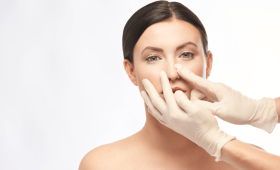
Nose tip aesthetics, medically known as tipplasty, is a surgical procedure focused on reshaping the cartilage at the tip of the nose without interfering with the bone structure of the nasal bridge. This operation aims to correct deformities such as width, drooping, asymmetry, or a “pinched” appearance in the tip area. Because the bone is not broken, it is considered a more limited surgical intervention compared to traditional rhinoplasty, yet the change it creates in the overall facial expression is quite impressive. In modern aesthetic surgery, these small touches, made without disturbing the patient’s natural appearance, are among the most popular procedures that increase self-confidence and balance facial harmony.
Who Is Suitable For Tipplasty?
This operation is ideal for individuals who do not have serious issues with their nasal bridge but are dissatisfied with the shape of their nose tip. Candidates with a very wide tip (bulbous tip), a drooping tip, or asymmetry between the nostrils are the most suitable for tipplasty. Additionally, patients who have previously undergone rhinoplasty but need minor adjustments to the nose tip can also prefer this method. Good general health and realistic expectations are fundamental requirements for the success of the operation. Any individual who has completed their physical development can safely have this aesthetic intervention with the approval of their surgeon.
How Does The Pre-Operative Process Work?
The process before nose tip aesthetics begins with a detailed consultation with your surgeon. At this stage, the patient’s nose structure, skin thickness, and cartilage quality are analyzed. Thanks to computer-aided simulations, ideas are exchanged regarding the potential post-operative appearance. The patient’s medical history, medications used, and any allergies are evaluated. Stopping blood thinners and smoking at least two weeks before the operation is critical for a healthy start to the healing process. Your surgeon provides a personalized preparation plan to ensure you feel most comfortable on the day of the operation.
How Is A Drooping Nose Tip Corrected?
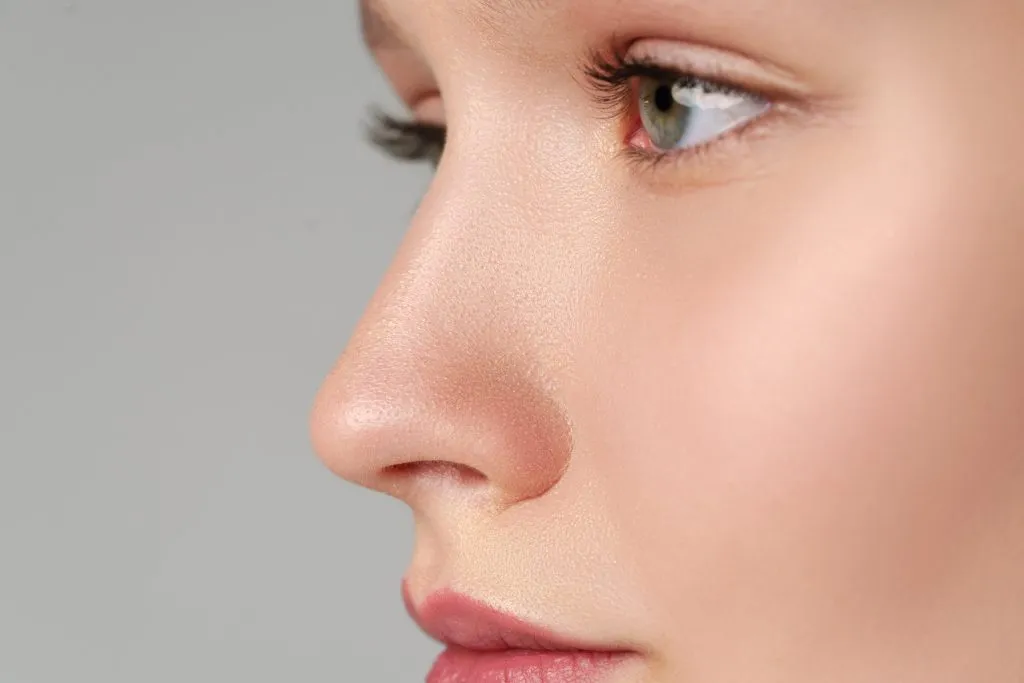
A drooping nose tip is a condition where the nose sags downward, especially when smiling or in profile view. To resolve this issue, the surgeon repositions the nasal tip cartilages (alar cartilages) and, if necessary, lifts this area using small support pieces (grafts) taken from the septum cartilage. This procedure brings the angle between the nose and the upper lip (nasolabial angle) to an ideal level. An angle of 95-110 degrees for women and 90-95 degrees for men is considered the gold standard aesthetically. This makes the nose look more dynamic and youthful while also improving breathing functions.
How Is A Wide Nose Tip Narrowed?
A wide or “bulbous” nose tip is caused by the cartilages being separate from each other or having more volume than necessary. During the narrowing process, excess cartilage tissue is meticulously removed, or the cartilages are brought closer together using special suturing techniques to create a more elegant line. Skin thickness is a decisive factor here; in patients with very thick skin, reducing the cartilage alone may not be enough, and the subcutaneous soft tissue may also need to be thinned. The goal is to give a “definition” to the nose tip and make the reflection of light on the nose more aesthetic.
What Is The Difference Between Tipplasty And Rhinoplasty?
The most fundamental difference is the scope of the tissue being intervened. Rhinoplasty is a holistic restructuring process covering the nasal bone, septum, and nose tip; this may require breaking or rasping the bones using “open” or “closed” techniques. Tipplasty, however, focuses only on the soft tissue and cartilages at the tip of the nose, and the bone structure is not touched. For this reason, the recovery process in tipplasty is much faster, the possibility of bruising is low, and the surgical time is shorter. However, for patients with a hump on the nose or serious bone curvature (deviation), tipplasty is not sufficient, and a full rhinoplasty is mandatory.
Is Non-Surgical Nose Tip Aesthetics Possible?
Yes, for those who do not want surgery or are looking for only minor corrections, filler applications and thread lift techniques are alternatives. With nose fillers, also known as “liquid rhinoplasty,” the nose tip can be made to look more lifted or asymmetries can be camouflaged. However, these methods are not permanent and usually lose their effect within 6 to 18 months. Furthermore, fillers cannot physically reduce the size of the nose tip; they only create an illusion to make it look smoother. For those seeking a real change in shape and a permanent solution, surgical tipplasty is still the most effective and safe way.
What Is The Ideal Age For Nose Tip Aesthetics?
The lower limit for nose tip aesthetics is the age at which physical development and cartilage growth are completed. Generally, it is preferred that females have completed 17 years and males 18 years of age. Interventions before this age are not recommended as they may affect the growth centers of the face. The upper age limit is related to the person’s general health and suitability for anesthesia. As age progresses, this operation is also frequently sought for sagging caused by the weakening of the connective tissue at the tip of the nose. What is important is that the patient has reached emotional maturity and makes the decision for the operation of their own volition.
How Long Does The Surgery Take?
Since tipplasty is a surgical procedure with a reduced scope, it is usually completed within 30 to 60 minutes. The duration of the procedure may vary depending on the difficulty of the intervention, the condition of the nose skin, and whether a cartilage graft is required. If it is a revision procedure or if cartilage is to be taken from the ear or rib, this time may be slightly longer. However, a standard primary (first-time) tipplasty is a very fast and efficient process for both the surgeon and the patient. This brevity allows the patient to be discharged on the same day and return to normal life more quickly.
How Is The Type Of Anesthesia Determined?
The choice of anesthesia in nose tip aesthetics is determined according to the patient’s comfort and the surgeon’s preference. Generally, “sedation-supported local anesthesia” or “general anesthesia” is preferred. Under local anesthesia, the patient remains awake but the nose area is completely numbed; this method is comfortable only for very small interventions. General anesthesia, on the other hand, is a method where the patient is completely put to sleep and the surgeon can work more comfortably. General anesthesia is a healthier choice, especially for anxious patients and cases requiring more detailed cartilage shaping. The anesthesiologist will determine which method is safest for you through pre-operative tests.
Will There Be A Surgical Scar?
The presence of a scar depends on the surgical technique. When the “closed technique” is used, all incisions are made inside the nostrils, so no scar is visible from the outside. In the “open technique,” a millimetric incision is made in the thin skin area between the nostrils (columella). This incision turns into an indistinct line that becomes almost invisible once the healing process is complete (usually within 6 months). Surgeons close these incisions with the finest materials and aesthetic suturing techniques. Although your skin type affects the quality of healing, the risk of a significant scar remaining with modern techniques is quite low.
How Long Does The Recovery Process Take?
Since there is no bone intervention in tipplasty, recovery is much faster than traditional rhinoplasty. It is normal to see mild edema for the first 2-3 days. At the end of the first week, the protective tapes on the nose and any sutures are removed. At this point, patients can generally return to their work and social lives. It may take 6 months to 1 year for the feeling of stiffness and numbness at the tip of the nose to completely disappear and for the nose to take its final shape. Being patient is the most important part of this process, as fine details will emerge once the edema has completely dissipated.
Is Bruising And Swelling Normal?
Since the bone is not broken, bruising around the eyes is not expected after tipplasty. However, a certain amount of swelling (edema) at and around the tip of the nose is a natural consequence of the surgical procedure. The degree of swelling varies according to the patient’s skin structure and the technique applied. Applying ice intermittently for the first 48 hours helps keep swelling to a minimum. Keeping the head elevated during sleep also ensures that edema is rapidly eliminated. Even if bruising occurs, it is usually very mild and resolves spontaneously within 5-7 days.
Is There Pain After Surgery?
One of the things patients fear most is pain, but nose tip aesthetics is a surprisingly painless process. The feeling experienced after surgery is a sensation of “fullness” and slight pressure due to the tapes on the nose rather than pain. Thanks to the long-acting local anesthetics applied during surgery, the first hours pass very comfortably. Afterwards, simple painkillers prescribed by the surgeon are sufficient to completely soothe any minimal aches that may occur. Severe and throbbing pain is not a typical feature of this surgery; in such a case, a doctor should definitely be consulted.
How Is A Natural Look Achieved In Nose Tip Aesthetics?
The key to a natural look is “personalized design” and “measured intervention.” Every face has its own unique anatomy; therefore, a single type of nose tip shape should not be applied to everyone. The surgeon should harmonize the nose with this structure by taking into account the patient’s forehead, jaw, and lip proportions. Overly lifted (“pig nose” appearance) or overly pointed nose tips should be avoided. Having light reflections with smooth transitions and the nose tip balancing with the cheekbones is the basis of a natural result. A successful operation is a procedure that is not understood to be surgical from the outside and only adds a freshness to the person’s face.
What Is Revision Tipplasty?
The correction procedure performed on individuals who have previously undergone one or several nose surgeries but have not achieved the desired result is called revision tipplasty. These surgeries are more complex than the first operation because existing cartilage tissue may have decreased or scar tissue may have formed. Often, it may be necessary to obtain cartilage grafts from the ear or rib to support the missing cartilage structure. Revision surgery requires high expertise. It is critical for the patient to manage their expectations very well and start the journey with an experienced surgeon to solve remaining problems and repair the nose both functionally and aesthetically.
What Is The Difference Between Thin Skin And Thick Skin?
Skin thickness is a factor that directly affects the success of the result in nose tip aesthetics. In thin-skinned patients, the shape of the cartilage is very clearly visible from the outside; this is an advantage but it also shows the slightest error made. In thick-skinned patients, the cartilage shaping under the skin can be masked by the thick tissue; this situation can cause the nose tip to still look wide. In thick-skinned patients, the surgeon needs to thin the subcutaneous fat tissue and emphasize the cartilage structure with stronger support. The surgical approach for both skin types is different, and it is essential for the surgeon to be experienced in these anatomical differences.
Why Are Cartilage Grafts Used?
Cartilage grafts are small pieces of cartilage used to give form to the nose tip, support it, or keep the airway open. They are usually taken from the patient’s own septum inside the nose. If there is not enough cartilage in the septum, it can be obtained from the ear concha or the rib. These grafts are used to prevent the nose tip from dropping (strut graft), to define the nose tip (tip graft), or to fill sunken areas. Since it is the patient’s own tissue, there is no risk of rejection by the body and they are the most reliable structural support units in the long run.
How Is Nostril Symmetry Corrected?
Nose tip aesthetics deals not only with the apex but also with the nostrils. Asymmetry of the nostrils is usually caused by the crookedness of the nasal tip cartilages (alar cartilages) or the deviation in the lowermost part of the septum. During surgery, these cartilages are released and fixed with sutures to be made symmetrical. If the nostrils are too wide, they can be narrowed by removing small pieces from the nasal wings through a procedure called “alar base reduction.” This touch brings the base appearance of the nose into a more proportional and aesthetic triangular form.
When To Return To Work After Surgery?
Thanks to the rapid healing speed after tipplasty, patients can generally return to work within 5 to 7 days. For those working in desk jobs, this period can sometimes be reduced to 3-4 days. However, if your work requires physical effort or being in dusty environments, it is safer to wait 2 weeks. When the tapes on the nose are removed at the end of the first week, any mild swelling can be easily camouflaged with makeup. What is important is to protect your nose from potential impacts at the workplace and not to neglect the care routines recommended by your surgeon.
When Does Glasses Usage Start?
In tipplasty surgeries where the nasal bone is not intervened, glasses usage is more comfortable compared to traditional rhinoplasty. However, it is still desired that the glasses do not put pressure on the nasal bridge and indirectly on the suture lines at the nose tip. Light-framed glasses can generally be used from the 4th week onwards. If the glasses are very heavy or put direct load on the nose tip, it may be recommended to wait 2-3 months or to use the glasses by taping them to the forehead. Contact lens use, on the other hand, can start the very day after surgery and provide great comfort for patients during this process.
When Can Sports Activities Be Performed?
Only light walks are recommended for the first week after surgery. From the second week, you can increase your pace slightly. However, at least 4 weeks should be waited for heavy cardio, weightlifting, and exercises that will cause you to feel pressure in your nose. Swimming is not recommended before 1 month, especially due to the risk of infection and the resistance of water. For contact sports such as football and basketball, where there is a risk of impact, protection for at least 3-6 months is of vital importance. Remember that the complete healing and gaining of resistance of the nasal tip cartilages is a biological process that takes time.
How Does Smoking Affect Recovery?
Smoking causes the narrowing of blood vessels and the disruption of blood flow due to the nicotine it contains. Since the nose tip is an area with relatively limited blood supply, wound healing may be delayed in smokers, the risk of infection may increase, and even tissue loss (necrosis) may occur. Additionally, smoking makes it difficult to eliminate edema, prolonging the recovery process. Surgeons strictly recommend completely quitting smoking at least 2 weeks before and 2 weeks after the operation. To achieve a healthy tissue recovery and the result you dream of, you need to take the best care of your body during this process.
Is Nose Tip Aesthetics Permanent?
Yes, nose tip aesthetics performed with surgical methods is a permanent procedure. The new shape given to the cartilages and the suturing techniques applied form the permanent structure of the nose along with tissue healing. There may be very slight changes in the nose as in all facial tissues due to the decrease in skin elasticity and the effect of gravity with aging, but the basic form provided by surgery is preserved. Unlike temporary applications made with filler, surgical tipplasty offers an aesthetic improvement that will last a lifetime. This permanence is guaranteed when performed with the right technique and by an expert surgeon.
Which Season Is Suitable For Surgery?
Nose tip aesthetics can be safely performed in any season of the year. However, there are points to be considered according to each season. In the summer months, protecting from sunlight is very important so that edema does not increase and suture scars do not darken (sunscreen and hat use are mandatory). In the winter months, one should be careful against extreme cold and infection risks such as the flu. Most patients prefer the summer or spring months to combine the recovery process with vacation periods. Thanks to modern air conditioning and care facilities, seasonal factors are no longer an obstacle affecting the success of the operation.
What Are The Surgical Risks?
As with any surgical procedure, tipplasty has some minimal risks. These include infection, bleeding, anesthesia complications, and numbness at the nose tip. Additionally, aesthetic risks such as asymmetry not being completely corrected or cartilages shifting over time also exist. However, these risks drop below 1% under the hands of an expert surgeon and in sterile hospital conditions. Meticulous pre-operative planning and the patient’s compliance with post-operative instructions are the biggest factors in preventing these complications. Thanks to the technological opportunities offered by modern medicine, nose tip aesthetics is accepted as one of the safest aesthetic procedures today.
Is Massage Required After Nose Tip Aesthetics?
Some surgeons may recommend mild lymphatic massages starting from the 3rd or 4th week after surgery for the edema to dissipate faster and for the cartilages to settle in place. Massage reduces fluid accumulation under the skin and helps tissues heal softer. However, how and with what pressure the massage will be performed must be shown by your doctor. Incorrectly performed harsh massages can cause the newly shaped cartilages to shift or daze the sutures. If your surgeon did not recommend massage, it is best to leave your nose alone and trust the natural healing process.
How To Protect From Sunlight?
For the first 3 months after surgery, the nose skin is hypersensitive to the sun. Sunlight can cause the swelling at the nose tip to become permanent and lead to undesirable color changes (staining) at the incision sites. For this reason, high protection factor (SPF 50+) sunscreens must be used when going outside, and the nose should be protected with wide-brimmed hats. Additionally, environments with intense UV light, such as solariums, should be avoided. These simple measures ensure that the surgical scar becomes completely indistinct and the skin heals healthily.
How Should The Sleeping Position Be?
It is recommended that you sleep with double pillows for the first 2 weeks after surgery so that your head stays higher than your body (at an angle of approximately 30-45 degrees). This position ensures the reduction of edema with the help of gravity and reduces the risk of leakage by lowering the blood pressure inside the nose. Furthermore, one should definitely not sleep face down or on the side; because these positions can cause the nose to rub against the pillow or lose its shape due to pressure. Sleeping on the back is the safest position. At the end of the first month, as your nose becomes more resistant, you can gradually return to your normal sleeping habits.
How Should Nutrition Be After Nose Tip Aesthetics?
A balanced and vitamin-rich nutrition program is important to accelerate the healing process. Especially Vitamin C and zinc are critical for tissue repair. For the first few days, it is comfortable to avoid very hard and difficult-to-chew foods and consume softer foods to limit nose and lip movements. Salt consumption should be minimized as it can increase water retention and edema in the body. Additionally, herbal teas (except those that can have a blood-thinning effect like green tea) and plenty of water consumption help to eliminate toxins. Alcohol consumption is not recommended for the first 2 weeks as it will slow down healing.

Is Nose Tip Aesthetics Different In Men?
The main goal in male nose tip aesthetics is to make corrections while preserving the masculine expression. While the nose tip is planned to be more lifted and elegant in women, it is important not to lift the nose tip too much in men (keeping the nose-lip angle at 90-95 degrees). Overly pointed or excessively curved nose tips can lead to a feminine appearance on a male face. Therefore, the surgeon’s experience in male anatomy and aesthetic criteria is very important. Natural, strong touches that do not disturb the character of the face give the most successful results for male patients.
When Do Results Fully Settle?
Nose tip aesthetics is a process that requires patience. You can see the new shape of your nose immediately after the surgery, but this image is still coarse due to edema. In the first month, about 70% of the swelling subsides. However, the clarification of fine details, the complete integration of cartilages with the skin, and the passing of the feeling of numbness may take 1 year in thick-skinned patients and 6-8 months in thin-skinned patients. Every passing month, you will notice your nose becoming thinner and its shape more refined. Surgeons usually wait for the completion of the 1-year period for the evaluation of the final result.
How Is The Nose Tip Aesthetics Process With Cure Holiday?
Cure Holiday offers an excellent end-to-end health tourism experience for patients who want to have nose tip aesthetics. The process begins from the moment you contact us, with our expert consultants reviewing your medical history and photos to perform a personalized preliminary assessment. We plan your operation in the most modern hospital conditions by collaborating with Turkey’s most experienced aesthetic surgeons. We think of every detail for you, from airport transfers to luxury accommodation, from hospital accompaniment to post-operative care follow-up. All you have to do is experience the excitement of your new look and have a comfortable recovery process.
Why Should Cure Holiday Be Preferred?
As Cure Holiday, our priority is the safety and happiness of our patients. The most important reason to choose us is our personalized service approach and high success rates. We work with surgeons who are experts in their fields and have experience in thousands of cases, and we use the most up-to-date tipplasty techniques. Thanks to our transparent pricing policy, you will not encounter any surprise costs. Additionally, we make you feel at home with our multi-lingual team accompanying you throughout your treatment process. We promise not just an operation, but a pleasant “healing holiday” where you renew yourself.
How Is A Treatment Plan Created With Cure Holiday?
Creating the most suitable treatment plan for you consists of a very simple step: Online consultation. When you reach us through our website or WhatsApp line, our experts will ask you a series of questions to learn about your expectations regarding your nose structure. An analysis is performed together with our surgeons based on the photos you send, and the most suitable technique (open/closed tipplasty) for you is determined. At this planning stage, all details of the surgery, your stay duration, and costs are clearly shared. With your approval, all organization from your flight ticket to your appointment time is completed within minutes.
How To Contact Cure Holiday?
You can contact us immediately to achieve the nose tip appearance of your dreams and experience this process in one of the best health destinations in the world. You can fill out the contact form on our official website, message our WhatsApp support line active 24/7, or reach us through our social media accounts. Our expert consultants will get back to you as soon as possible to answer all your questions and start your free preliminary assessment process. Remember, a small touch can change your entire expression; entrust this change to professional hands with Cure Holiday.
Free Consultation
Fill out the form below to get your free medical travel plan and price quote.
Sources and how to verify this yourself
- Ministry of Health, Regulation on International Health Tourism and Tourist Health, Official Gazette 26 April 2025, No. 32882 — authorisation requirement for facilities and intermediaries, TÜSKA accreditation, compulsory complication insurance (deadline 31 December 2025 for insurance, 31 December 2026 for accreditation). source
- Ministry of Health, Regulation on Promotion and Information Activities in Health Services, Official Gazette 12 November 2025, No. 33075 — treatment promises and guarantees are prohibited; price and campaign announcements are permitted only within international health tourism. source