Cosmetic surgery is often undertaken with the hope of enhancing one’s appearance and boosting self-confidence. However, not every procedure yields the intended results. Whether due to surgical complications, poor healing, or a misalignment between patient expectations and reality, “failed” cosmetic surgeries can be emotionally and physically taxing. Understanding when and how to seek a correction is the first step toward reclaiming your aesthetic goals. This guide explores the intricate details of revision surgery, focusing on the critical timing, psychological readiness, and the path to achieving the results you originally desired.
Why do patients seek cosmetic surgery revisions?
The motivation behind seeking a revision is rarely superficial. Most patients pursue corrective procedures because the initial surgery failed to achieve a functional or aesthetic balance. For instance, a rhinoplasty might leave a patient with breathing difficulties, or a breast augmentation might result in visible asymmetry or capsular contracture. Beyond the physical aspects, the psychological impact of an unsuccessful surgery can be profound, leading to social anxiety and a loss of self-esteem. Patients seek revisions to restore harmony to their features and to finally close a chapter of dissatisfaction that may have lasted months or even years.

What are the common causes of failed cosmetic surgeries?
Failure in cosmetic surgery can stem from a variety of factors, ranging from surgical technique to the patient’s biological response. Technical errors, such as over-resection of tissue or improper placement of implants, are common culprits. However, patient-specific factors like poor skin elasticity, smoking, or underlying health conditions can also impede the healing process, leading to suboptimal outcomes. Sometimes, the “failure” is simply a matter of the body’s unpredictable healing pattern, such as the formation of excessive scar tissue. Identifying the root cause is essential for planning a successful revision that addresses the primary issue without creating new complications.
How can you identify if your surgery was unsuccessful?
Recognizing a failed surgery requires a balance between objective observation and clinical evaluation. Signs of failure include persistent asymmetry, chronic pain, functional impairment (like difficulty breathing or moving), and visible deformities that do not improve over time. It is important to distinguish between “unsuccessful” and “still healing.” If the results significantly deviate from the agreed-upon surgical plan or if there are clear signs of tissue distress, it is likely that a revision will be necessary. Consulting with a specialist can help determine if the current state is a temporary phase of recovery or a permanent surgical error.
What is the difference between normal healing and surgical failure?
Distinguishing between the normal recovery process and a genuine surgical failure is one of the most challenging aspects for patients. Normal healing involves swelling, bruising, and a period where the features may look “distorted” or “unrefined.” This is particularly true in procedures like rhinoplasty or facelifts, where the final result may not be visible for up to a year. Surgical failure, on the other hand, involves permanent issues like misplaced implants, significant scarring that distorts the skin, or functional deficits. Understanding the inflammatory cascade and the stages of wound healing is vital to avoid rushing into an unnecessary second operation.
When is the earliest you can consider a revision procedure?
Timing is the most critical factor in the success of a revision surgery. While the urge to “fix” a mistake immediately is strong, performing surgery on tissues that are still inflamed or healing can lead to disastrous results. Generally, surgeons recommend waiting at least six to twelve months before considering a revision. This window allows the internal scar tissue to soften and the blood supply to stabilize. Operating too early on “immature” tissue increases the risk of further scarring, infection, and poor wound healing, potentially making the initial problem even worse than it was before.
Why is patience crucial during the postoperative recovery phase?
Patience is a virtue in the world of plastic surgery because the human body heals in stages. During the first few months, swelling (edema) can mask the true underlying structure, making things look asymmetrical or bulky. As the swelling subsides, the tissues settle into their final position. If a patient panics and insists on a revision too early, they are essentially asking the surgeon to operate on a “moving target.” Allowing the body to complete its natural remodeling process ensures that the revision surgeon has a stable foundation to work with, leading to a much more predictable and successful outcome.
How long should you wait for a revision rhinoplasty?
Rhinoplasty is perhaps the most complex procedure to revise because the nose consists of delicate bone, cartilage, and thin skin. The “gold standard” waiting period for a revision rhinoplasty is one full year. The nose retains swelling longer than almost any other part of the body, especially in the tip area. Furthermore, the internal framework needs time to strengthen after the initial trauma. Revision rhinoplasty often requires cartilage grafts from the ear or rib, and these can only be safely integrated once the original surgical site has fully recovered its vascular integrity and softness.
What factors affect the timeline for breast revision surgery?
Breast revision timing depends largely on the nature of the issue. If the problem is “bottoming out” or capsular contracture, surgeons typically wait at least six months to allow the breast pocket to stabilize and the inflammation to decrease. However, if there is an urgent complication like an implant rupture or a severe infection, the timeline may be accelerated. The quality of the skin and the amount of existing scar tissue also play a role; thin, stretched skin needs time to regain some elasticity before it can support new implants or a lift. A personalized assessment is always necessary.
Is it safe to revise a liposuction result within six months?
Liposuction involves the disruption of fat layers and the creation of internal tunnels that eventually heal through fibrosis. Because the skin needs to “snap back” and the underlying tissues need to firm up, revising liposuction too early is generally discouraged. Most experts suggest waiting six to nine months. If a revision is performed while the area is still hard or “lumpy” from the initial healing, the surgeon may inadvertently remove too much fat or cause further irregularities. Waiting ensures that the remaining fat distribution is settled, allowing for precise contouring during the second pass.
When can you correct issues after a tummy tuck?
A tummy tuck (abdominoplasty) is a major surgery involving extensive tissue undermining and muscle repair. The swelling in the lower abdomen can persist for a very long time, often fluctuating based on activity levels. For revisions involving scar placement or minor contouring, a six-month wait is common. However, for more significant revisions like addressing “dog ears” at the ends of the incision or revising the belly button, waiting a full year is often preferred. This ensures that the tension on the skin has reached a steady state, preventing the new incisions from widening or migrating.
What are the risks of undergoing revision surgery too soon?
Operating on “hot” or immature tissue is one of the biggest mistakes a surgeon can make. Immature scar tissue is highly vascular and tough, which increases the risk of excessive bleeding during surgery and subsequent hematoma formation. Additionally, the risk of infection is higher when the local immune environment is still focused on the primary healing process. Most importantly, the aesthetic outcome is compromised because the surgeon cannot accurately see the final contours of the initial surgery. Rushing into a revision often leads to a cycle of multiple surgeries, each more difficult than the last.
How does scar tissue maturation influence revision timing?
Scar tissue goes through a maturation process that can take up to 18 months. Initially, scars are red, raised, and firm (the proliferative phase). Over time, collagen fibers reorganize and the scar becomes flatter, softer, and paler (the remodeling phase). A revision surgeon needs the tissue to be in this “soft” phase to safely dissect and reposition structures. If the tissue is still in the firm, fibrotic stage, it is difficult to manipulate, and the risk of skin necrosis or poor wound closure is significantly elevated. Waiting for maturation is essentially waiting for the tissue to become “workable” again.
What physical symptoms indicate an immediate need for revision?
While most revisions should be delayed, some symptoms require immediate medical intervention or early surgical correction. These include signs of implant infection (fever, extreme redness, pus), skin necrosis (tissue turning black or grey), or a sudden, massive change in the shape of the surgical area which could indicate a hematoma or seroma. While these may not be “aesthetic” revisions in the traditional sense, they are corrective procedures designed to save the tissue and ensure the patient’s safety. In these cases, waiting is not an option as the health of the patient takes precedence over the final look.
How do you manage the psychological impact of a failed surgery?
The emotional toll of a failed cosmetic procedure is often underestimated. Many patients feel a sense of regret, anger, or even mourning for their “old” self. Managing this impact involves open communication with a supportive medical team and, in some cases, professional counseling. It is important to realize that a failed surgery is a setback, not a permanent state. Taking the time to research and plan a revision can provide a sense of agency and hope. Patients are encouraged to focus on realistic goals and to understand that perfection is rarely achievable in revision work, but significant improvement is almost always possible.
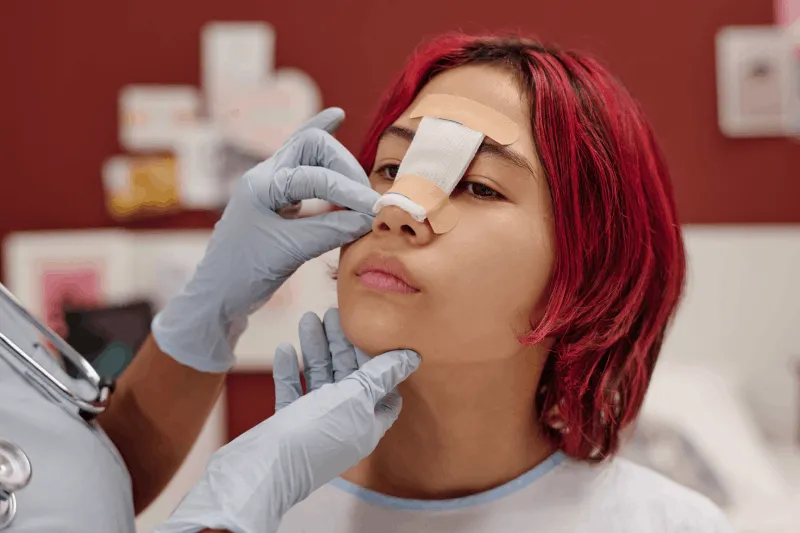
Can revision surgery fix breathing issues after a nose job?
One of the most common reasons for revision rhinoplasty is functional impairment. If the initial surgery compromised the internal or external nasal valves, the patient might experience chronic congestion or difficulty breathing through the nose. Revision surgery can absolutely address these issues by using structural grafts—often harvested from the septum, ear, or rib—to reinforce the nasal passages and restore proper airflow. This type of revision is highly specialized and requires a surgeon who understands both the aesthetic and the intricate physiological mechanics of the respiratory system.
What should you look for in a revision surgery specialist?
Choosing a surgeon for a revision is a much more critical decision than choosing one for a primary surgery. Revision surgery is inherently more difficult due to the presence of scar tissue and the loss of original anatomy. You should look for a board-certified surgeon who specializes specifically in revisions for your particular procedure. Ask to see “before and after” photos of revision cases specifically. A good revision specialist will be honest about what can and cannot be achieved, and they will likely spend more time discussing the risks and the anatomical limitations than a primary surgeon would.
How does the complexity of revision surgery differ from the primary?
Revision surgery is often described as “operating in a minefield.” In a primary surgery, the planes of tissue are clear and the anatomy is predictable. In a revision, the surgeon must navigate through layers of dense scar tissue, which can obscure nerves and blood vessels. Additionally, there may be a shortage of healthy tissue or cartilage to work with, requiring complex grafting techniques. This increased complexity means that the surgery takes longer, carries more risk, and requires a higher level of technical skill and artistic judgment to achieve a natural and harmonious result.
What role does skin elasticity play in corrective procedures?
Skin elasticity is the “silent partner” in any cosmetic surgery. If the skin has been over-stretched or damaged by previous procedures, it may lose its ability to conform to a new underlying structure. In revision cases, this can lead to issues like “rippling” in breast surgery or a “pinched” look in rhinoplasty. A revision surgeon must carefully assess the quality of the skin. If elasticity is poor, the surgical plan might need to be more conservative, or additional procedures like fat grafting may be used to improve the skin’s thickness and health before or during the revision.
Are non-surgical options available for minor cosmetic corrections?
Not every surgical disappointment requires another trip to the operating room. For minor asymmetries or contour irregularities, non-surgical interventions can sometimes provide a satisfactory fix. Dermal fillers can be used to camouflage small depressions or lumps, particularly in the nose or around surgical scars. Laser treatments or microneedling can help improve the texture and color of visible incisions. Steroid injections can sometimes soften firm scar tissue or reduce localized swelling. These options are often explored first, as they carry significantly less risk and downtime than a full surgical revision.
How can a healthy lifestyle improve your revision outcomes?
The success of a revision surgery is not just in the hands of the surgeon; the patient’s lifestyle plays a massive role in wound healing and long-term results. Quitting smoking is the most important step, as nicotine constricts blood vessels and severely impairs the body’s ability to heal. A diet rich in protein, vitamins C and A, and zinc provides the building blocks for new collagen. Staying hydrated and maintaining a stable weight also ensures that the skin and tissues are in peak condition. By optimizing your health, you are providing your body with the resources it needs to handle the stress of a second surgery.
What questions should you ask during a revision consultation?
A revision consultation should be thorough and transparent. Key questions include: “How many revisions of this specific type have you performed?”, “What is your plan for addressing the scar tissue?”, “Will I need any tissue or cartilage grafts?”, and “What are the realistic expectations for the final outcome?” You should also ask about the surgeon’s policy on “touch-ups” if the revision itself needs minor adjustments. A trustworthy surgeon will provide detailed answers, explain the risks clearly, and won’t make “guarantees” of perfection, focusing instead on the goal of significant improvement.
How much does revision cosmetic surgery typically cost?
In most cases, revision surgery is more expensive than the primary procedure. This is due to the increased time required in the operating room, the need for specialized instruments or grafts, and the higher level of expertise required from the surgeon and the surgical team. Costs can include surgeon’s fees, anesthesia fees, facility costs, and the price of any necessary implants or materials. Because revision is often more unpredictable, there may also be costs associated with more intensive post-operative care. It is important to get a comprehensive quote that includes all potential variables to avoid financial surprises.
Does health insurance cover any types of revision surgery?
Generally, cosmetic surgery is an out-of-pocket expense. However, if the revision is being performed to correct a functional deficit or a medical complication, insurance may cover a portion of the costs. For example, if a failed rhinoplasty has caused a deviated septum that severely hinders breathing, the functional part of the revision may be covered. Similarly, if a breast implant has ruptured or is causing severe pain due to contracture, some insurance providers might contribute to the removal or replacement. You will need detailed documentation from your surgeon to submit a claim for medical necessity.
How can you prepare your body for a second operation?
Preparing for a revision is similar to preparing for a primary surgery but with an added emphasis on tissue health. Surgeons often recommend supplements like arnica or bromelain to minimize bruising, though you should always clear these with your doctor. It is crucial to stop taking any blood-thinning medications or supplements (like aspirin, fish oil, or vitamin E) two weeks before the procedure. Mental preparation is also key; understanding that the recovery might be slower or more emotionally taxing this time around helps in maintaining a positive outlook. Clear communication with your support system is vital for a smooth recovery.
What are the most successful revision techniques used today?
Modern revision surgery has been revolutionized by techniques like structural grafting, fat transfer, and the use of specialized biologics. In rhinoplasty, the use of rib cartilage provides a strong framework that can withstand the pull of scar tissue. In breast revision, “acellular dermal matrices” (ADM) can be used like internal “bras” to support implants and prevent them from shifting. Fat grafting is another powerful tool, used to add volume and improve skin quality in areas where tissue is thin or scarred. These advanced methods allow surgeons to reconstruct anatomy in ways that were impossible just a decade ago.
How do you communicate your dissatisfaction with your original surgeon?
If you are unhappy with your results, the first step is usually to have an honest conversation with your original surgeon. Approach the meeting with a list of specific concerns rather than general anger. Most surgeons want their patients to be happy and may offer a “revision policy” or a discounted correction. However, if the trust has been completely broken or if the surgeon refuses to acknowledge the issues, it is perfectly acceptable—and often advisable—to seek a second opinion. You are not “stuck” with your original surgeon, and your priority must be your own health and satisfaction.

Can a different surgeon provide a more objective second opinion?
Seeking a second opinion is a standard and respected practice in medicine. A different surgeon can offer a fresh perspective on your results without being influenced by the history of the first surgery. They can provide an objective assessment of whether the results are within the normal range of outcomes or if a surgical error has occurred. This objective evaluation can be incredibly validating for a patient who feels something is “wrong” but isn’t being heard. A second opinion can also introduce you to different surgical approaches or technologies that your first surgeon may not offer.
What are the typical recovery times for revision surgeries?
Recovery from a revision surgery is often slightly longer than the primary procedure. Because the surgeon has to work through scar tissue, there may be more localized trauma, leading to increased swelling and bruising. For a revision rhinoplasty, while the initial healing happens in two weeks, the final refinement can take up to two years. For breast or body revisions, most patients can return to light activity in two to three weeks, but full tissue settling takes several months. It is important to strictly follow post-operative instructions, as the risks of complications are higher during this secondary healing phase.
How can you prevent the need for a third surgery?
The goal of a revision is to be the “final” surgery. To prevent the need for a third operation, you must choose an expert surgeon, follow every post-operative instruction to the letter, and maintain realistic expectations. Do not pressure your surgeon to achieve an impossible look; instead, focus on restoration and balance. Avoid any activities that could traumatize the healing area, and be diligent with scar care treatments. Most importantly, give your body the full year or more to heal before even thinking about further changes. Consistency and patience are your best defenses against a cycle of multiple surgeries.
What are the common misconceptions about revision surgery?
A common misconception is that revision surgery is “just a quick touch-up.” In reality, it is almost always more complex and time-consuming than the first surgery. Another myth is that a revision can make you look exactly like your “pre-surgery” self; while it can restore much of the original look, surgery always leaves a permanent mark on the anatomy. Some also believe that revision is only for “botched” cases, but many revisions are performed for minor refinements that simply weren’t achieved the first time. Understanding these realities helps in forming a healthy and informed approach to the process.
How do modern technologies aid in planning revision procedures?
Technology has made revision surgery safer and more predictable. 3D imaging systems like Vectra allow patients and surgeons to visualize potential outcomes before the first incision is made, which is invaluable for aligning expectations. Intraoperative imaging and specialized cameras help surgeons navigate complex scar tissue with greater precision. Additionally, advanced wound healing therapies, such as Platelet-Rich Plasma (PRP) or hyperbaric oxygen therapy, can be used to speed up the recovery process and improve the quality of the final result. These tools empower both the patient and the surgeon during the journey.
Why is Turkey a top destination for revision surgeries?
Turkey has emerged as a global leader in plastic surgery, particularly for complex revision cases. The country hosts some of the world’s most experienced surgeons who perform thousands of procedures annually, giving them a level of expertise that is hard to find elsewhere. Turkish clinics are known for their state-of-the-art facilities, high standards of patient care, and competitive pricing. Many international patients choose Turkey not just for the cost savings, but for the chance to be treated by specialists who are at the forefront of surgical innovation and who have a deep understanding of the unique challenges posed by revision surgery.
How does Cure Holiday ensure the highest safety standards?
When it comes to revision surgery, safety is the paramount concern, and Cure Holiday understands this better than anyone. We partner only with A-plus hospitals and board-certified surgeons who have a proven track record in corrective procedures. Every step of your journey is meticulously planned, from the initial consultation to the detailed post-operative follow-up. We prioritize transparency and clinical excellence, ensuring that all surgical environments meet international accreditation standards. At Cure Holiday, we believe that a successful revision starts with a safe and sterile foundation, coupled with the world’s best medical minds.
Why should you trust Cure Holiday for your revision journey?
Trust is built through results and empathy. At Cure Holiday, we recognize the vulnerability of patients who have already experienced a surgical disappointment. Our team provides personalized support, acting as your advocate throughout the entire process in Turkey. We don’t just book a surgery; we manage a comprehensive healthcare experience. Our chosen surgeons are specialists in “fixing the unfixable,” bringing years of dedicated experience to every revision case. When you choose Cure Holiday, you are choosing a partner dedicated to restoring your confidence and ensuring that this time, the results match your dreams.
How can Cure Holiday help you regain your confidence?
A failed surgery can leave you feeling hesitant and unhappy with your reflection, but it doesn’t have to be the end of your story. Cure Holiday specializes in connecting patients with the top-tier aesthetic talent required to correct previous mistakes and enhance natural beauty. We focus on the holistic well-being of our patients, offering a supportive environment where your concerns are heard and addressed with professional care. By facilitating high-quality revision surgeries, we help you turn a negative experience into a positive transformation, allowing you to move forward with the confidence and self-assurance you deserve.
What are the steps to book your consultation with Cure Holiday?
The path to your successful revision surgery begins with a simple conversation. To book your consultation with Cure Holiday, you can reach out through our website or contact our patient coordinators directly. We will ask you to provide details about your previous surgery, your current concerns, and photos of the area you wish to revise. Our medical team will then conduct a preliminary assessment to match you with the best specialist for your needs. We take care of all the logistics, from VIP transfers to luxury accommodation, so you can focus entirely on your healing and your future results. Let us help you start your journey toward the look you’ve always wanted.
Free Consultation
Fill out the form below to get your free medical travel plan and price quote.
Sources and how to verify this yourself
- Ministry of Health, Regulation on International Health Tourism and Tourist Health, Official Gazette 26 April 2025, No. 32882 — authorisation requirement for facilities and intermediaries, TÜSKA accreditation, compulsory complication insurance (deadline 31 December 2025 for insurance, 31 December 2026 for accreditation). source
- Ministry of Health, Regulation on Promotion and Information Activities in Health Services, Official Gazette 12 November 2025, No. 33075 — treatment promises and guarantees are prohibited; price and campaign announcements are permitted only within international health tourism. source