Otoplasty is a transformative procedure designed to correct the shape, position, or proportion of the ear. While the surgeon’s technical skill during the operation is paramount, the journey to a perfect result does not end when the patient leaves the operating room. The post-operative phase, particularly the use of specialized bandaging, is arguably just as critical as the surgery itself. In this comprehensive guide, we will explore the multifaceted reasons why bandaging is indispensable for a successful otoplasty outcome, addressing everything from biological healing processes to the prevention of rare but serious complications.
Why Is Post-Operative Care Critical For Otoplasty Success?
Post-operative care serves as the foundation upon which the final aesthetic result of an otoplasty is built. The ears are composed of delicate cartilage and thin skin, making them highly sensitive to pressure, movement, and environmental factors during the initial healing phase. Without a structured recovery plan, the internal structures modified during surgery can easily shift or become damaged. Effective post-operative care ensures that the body’s natural inflammatory response is managed correctly and that the structural integrity of the newly shaped ear is maintained throughout the critical first few weeks of recovery.
How Does The Initial Bandage Protect The Surgical Site?
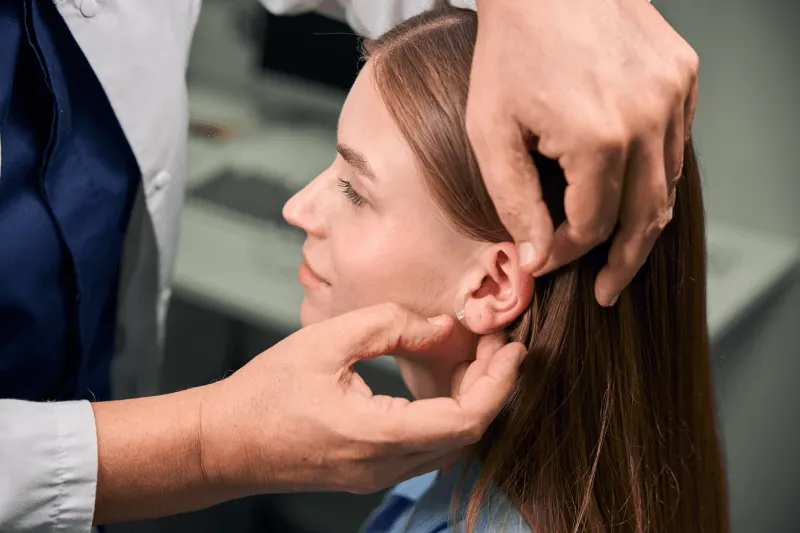
The immediate post-surgical bandage acts as a robust mechanical shield. Following otoplasty, the ears are vulnerable to accidental knocks, bumps, or friction, especially while the patient is recovering from anesthesia or sleeping. This thick, often “mummy-style” dressing provides a physical barrier that prevents external objects from making direct contact with the incisions and the fragile cartilage. Furthermore, it protects the area from dust and bacteria, significantly reducing the initial risk of surface-level contamination during the first 24 to 48 hours when the wound is most exposed.
What Role Does Compression Play In Reducing Ear Swelling?
Compression is a vital physiological tool in the recovery process. When the skin is separated from the cartilage during surgery, fluid (edema) naturally tends to accumulate in the resulting space. A well-fitted compression bandage applies gentle, consistent pressure that discourages the build-up of this fluid. By minimizing interstitial fluid accumulation, the bandage helps the skin to adhere more quickly and firmly to the underlying cartilage framework. This reduction in swelling not only accelerates the visual healing process but also prevents the discomfort associated with high-pressure tissue tension.
Can Bandaging Prevent The Formation Of Hematomas?
One of the most significant risks following otoplasty is the development of a hematoma—a collection of blood between the cartilage and the skin. If left unchecked, a hematoma can deprive the cartilage of nutrients, potentially leading to tissue necrosis or “cauliflower ear.” The compression provided by otoplasty bandages helps to collapse any “dead space” where blood might otherwise pool. By keeping the skin and cartilage in close contact, the bandage encourages small blood vessels to seal off effectively, thereby acting as a primary preventive measure against this serious post-operative complication.
How Does The Dressing Maintain The New Position Of The Ears?
During otoplasty, the surgeon uses internal sutures to fold or reposition the ear cartilage. These sutures are under tension and require time for the surrounding tissues to fibrose and provide permanent support. The external bandage acts as an external scaffolding, reinforcing the work done internally. It ensures that the ears remain in their intended position against the head, preventing them from “springing back” or migrating due to the natural elasticity of the cartilage. Without this external support, the risk of recurrence or aesthetic asymmetry increases dramatically.
Why Is It Important To Keep The Bandage Dry And Clean?
Moisture is the enemy of a healing surgical wound. A damp bandage can become a breeding ground for pathogens, increasing the risk of post-surgical infections. Additionally, wet dressings can cause skin maceration—a softening and breaking down of the skin—which delays incision healing and can lead to more prominent scarring. Patients are strictly advised to keep their dressings dry to ensure that the sterile environment created in the operating room is maintained as long as possible. A clean dressing also allows the skin to breathe appropriately while remaining protected.
Does The Bandage Act As A Shield Against Accidental Trauma?
Even the most cautious patients can accidentally brush their ears against a pillow, a piece of clothing, or a wandering hand during sleep. For children, the risk of accidental trauma is even higher. The otoplasty bandage provides a necessary “buffer zone.” It absorbs the impact of minor trauma that could otherwise tear internal sutures or cause fresh bleeding. By providing this protective layer, the bandage allows the patient to move with a degree of confidence, knowing that the delicate surgical work is cushioned against the unpredictable movements of daily life.
How Long Should You Wear The Head Bandage After Surgery?
The duration for wearing the initial heavy bandage typically ranges from three to seven days, depending on the surgeon’s specific protocol and the extent of the procedure. After this initial period, most patients transition to a lighter, elastic headband. This transition is usually timed with the first post-operative check-up, where the surgeon evaluates the skin’s health and the reduction of initial swelling. While the “heavy” phase is short, the total “support” phase—including the headband—often lasts for several weeks to ensure long-term stability.
What Happens If The Bandage Is Removed Too Early?
Premature removal of the otoplasty bandage can lead to a cascade of negative outcomes. Without the support of the dressing, the ears may succumb to “recoil,” where the cartilage attempts to return to its original shape, potentially snapping internal sutures. Furthermore, the sudden lack of compression can lead to a rebound in swelling or the late formation of a seroma or hematoma. Early exposure also increases the risk of the patient accidentally touching or pulling on the incisions, which can introduce bacteria and lead to infection or dehiscence (opening of the wound).
Is The Nighttime Headband Necessary For Long-Term Results?
Many surgeons require patients to wear an elastic headband at night for several weeks after the initial dressings are removed. This is because, during sleep, we have no conscious control over our movements. A patient might roll over onto their ear, causing it to fold forward or experience significant lateral pressure. The nighttime headband ensures that the ears remain pinned safely against the head, protecting the internal healing process from the stresses of tossing and turning. This simple step is often the difference between a good result and a perfect, lasting one.
How Does Bandaging Contribute To The Healing Of Incisions?
Incisions heal best when the edges are held in stable, close apposition and the surrounding environment is controlled. The otoplasty bandage minimizes the tension placed on the skin sutures by preventing the ear from moving independently of the head. By stabilizing the area, the bandage allows the body to focus on collagen production and epithelialization. Furthermore, by maintaining a consistent temperature and moisture level (when kept dry), the dressing creates the optimal micro-environment for the skin cells to migrate and close the wound efficiently.
Can Proper Bandaging Minimize Post-Operative Scarring?
Scarring is a natural part of healing, but its severity can be influenced by post-operative care. Excessive tension on a healing wound is one of the primary drivers of thick or wide scars. By providing external support, the bandage offloads the tension from the incision line behind the ear. Additionally, by preventing infection and excessive inflammation, the bandage ensures that the healing process remains “clean” and direct. Controlled compression also helps to flatten the scar tissue as it forms, leading to a more discreet and aesthetically pleasing final result.
Why Is Consistent Pressure Vital For Cartilage Reshaping?
Cartilage is a unique tissue with “memory.” When it is surgically altered, it possesses an inherent tendency to return to its previous state. Consistent pressure from a bandage or headband helps to “reset” this memory by holding the cartilage in its new configuration while the body builds new connective tissue to lock it in place. This pressure must be firm enough to provide support but not so tight that it compromises blood flow. This delicate balance is why professional bandaging and high-quality headbands are so important in the weeks following surgery.
How Do Bandages Help In Controlling Post-Surgical Pain?
It may seem counterintuitive, but a secure bandage can actually reduce pain. Much of the discomfort following otoplasty comes from the movement of the ears and the tension placed on the sutures. By immobilizing the ears, the bandage prevents the “throbbing” sensation that occurs when the ears are allowed to move or when swelling is left unmanaged. The gentle compression also provides a soothing effect on the nerves, similar to how a wrap helps a sprained ankle. Most patients find that they feel more “secure” and less pained when their ears are properly supported.
What Are The Risks Of A Bandage That Is Too Tight?
While compression is necessary, excessive pressure can be dangerous. A bandage that is applied too tightly can obstruct arterial blood flow or venous drainage. This can lead to skin necrosis, particularly along the rim of the ear where blood supply is most delicate. Signs of a bandage being too tight include extreme pain that is not relieved by medication, a cold sensation in the ears, or significant discoloration. Surgeons carefully calibrate the initial dressing, and patients are taught how to recognize if a headband is causing undue pressure during the later stages of recovery.
Can A Loose Bandage Compromise Your Otoplasty Results?
Conversely, a bandage that is too loose provides almost no benefit. If the dressing is not making firm contact with the ears, it cannot prevent the accumulation of fluid or provide the necessary structural support. A loose bandage may also shift during the night, potentially rubbing against the incisions and causing irritation or even opening the wound. It is essential for patients to ensure that their headband fits snugly—similar to the fit of a sports headband—to ensure that the therapeutic benefits of compression are actually being delivered to the surgical site.
How Should You Sleep With A Bandage After Ear Surgery?
Even with a bandage, sleeping position is critical. Patients are typically advised to sleep on their backs with their heads elevated on two or three pillows for the first few weeks. This elevation uses gravity to help drain fluid away from the head, further reducing swelling. The bandage provides a safety net, but direct pressure from sleeping on one’s side should still be avoided. The combination of head elevation and a secure bandage creates the safest possible environment for the ears to heal without being subjected to the weight of the head.
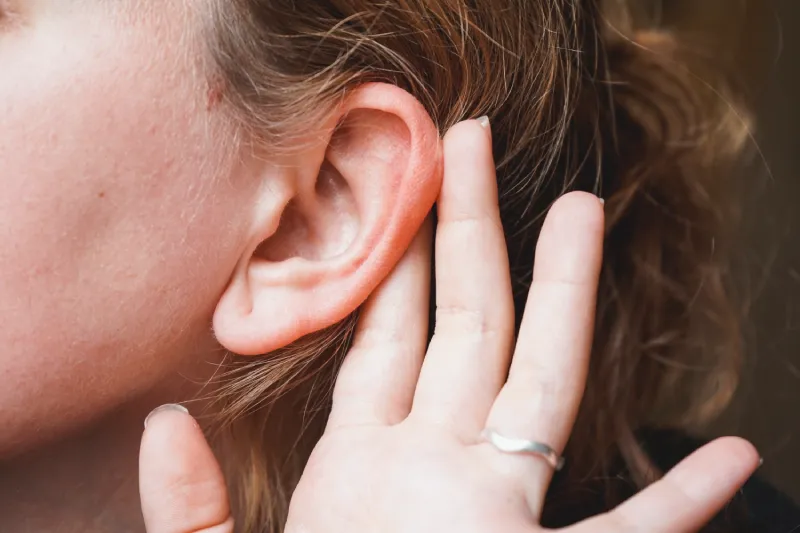
When Can You Switch From A Thick Dressing To A Headband?
The switch from the bulky surgical dressing to a lighter headband usually occurs at the 5 to 7-day mark. This is a significant milestone in recovery, as it allows the patient to see their initial results and begin washing their hair (following the surgeon’s instructions). The headband is then typically worn 24/7 for another week or two, followed by several weeks of nighttime-only wear. This step-down approach gradually introduces the ears to more movement while still providing protection during the most vulnerable hours of the day.
Why Is Monitoring For Signs Of Infection Under The Bandage Crucial?
While the bandage protects the ear, it also covers it, which can sometimes mask the early signs of infection. Patients and caregivers must be vigilant for symptoms that might “leak” from under the bandage, such as an unpleasant odor, excessive discharge, or a sudden increase in pain and heat. During dressing changes, the skin is inspected for spreading redness or pustules. Early detection of infection is vital, as it allows for prompt antibiotic treatment, preventing any damage to the underlying cartilage that could ruin the surgical result.
Does Bandaging Prevent The Ears From Folding Forward?
One of the primary goals of otoplasty is often to correct “prominent” ears by creating an antihelical fold or reducing the conchal bowl. In the early weeks, the cartilage is still soft and the sutures are doing all the work. If a patient leans forward or if the ear catches on something, it could “fold” forward, putting immense strain on the stitches. The bandage or headband acts as a physical stop, preventing the ear from bending in a direction that would counteract the surgery. It keeps the ear tucked safely in its new, more posterior position.
How Does The Dressing Support The Internal Sutures?
Internal sutures used in otoplasty are often permanent or long-lasting, but they are not invincible. They are essentially holding the cartilage in a position it doesn’t “want” to be in yet. The external dressing shares the load with these sutures. By providing an external force that pushes the ear in the same direction as the sutures, the bandage reduces the “tension-load” on the threads. This prevents the sutures from cutting through the soft cartilage (cheese-wiring) and ensures that the internal framework remains intact until the body’s natural scarring takes over the structural role.
Can You Wash Your Hair While Wearing The Otoplasty Bandage?
During the first week, while the heavy surgical bandage is in place, washing your hair is usually strictly forbidden to prevent moisture from reaching the incisions. Once the surgeon removes the initial dressing and gives the “okay,” patients can usually wash their hair gently with lukewarm water and mild shampoo. However, the headband must be replaced immediately after the ears are carefully patted dry. Maintaining hygiene is important, but it must never come at the expense of keeping the surgical site dry and the ears supported.
What Materials Are Typically Used For Otoplasty Dressings?
Standard otoplasty dressings involve a layer of non-adherent gauze directly against the incisions to prevent sticking. This is often followed by “fluff” gauze or cotton wool to provide cushioning and even distribution of pressure. A soft, elastic bandage (like a Coban or Ace wrap) is then used to secure everything in place. For the subsequent headband phase, patients are usually encouraged to use soft, wide, elasticated headbands (like those used for tennis or yoga) that do not have harsh seams or wires that could press unevenly against the ears.
How Does The Bandage Assist In The Reattachment Of Skin?
During surgery, the skin is often undermined or lifted to access the cartilage. For a smooth result, the skin must re-adhere to the new contours of the cartilage without leaving gaps or “tenting.” The bandage provides the necessary “apposition” pressure, literally pressing the skin down into the new grooves and folds of the ear. This ensures that the blood supply from the cartilage (perichondrium) can re-establish itself into the skin quickly. Proper reattachment is essential for preventing skin laxity and ensuring the ear looks natural and defined.
Is It Normal To Feel Itching Under The Ear Bandages?
Itching is a very common part of the healing process as nerves begin to reactivate and the skin recovers from the trauma of surgery. However, it can be incredibly frustrating when it occurs under a bandage that cannot be removed. Patients are warned never to use objects (like knitting needles or pencils) to scratch under the bandage, as this can introduce bacteria or cause injury. Usually, the compression of the bandage itself helps to dampen the itching sensation, and antihistamines may be recommended if the sensation becomes unbearable.
How Do You Adjust The Bandage If It Feels Uncomfortable?
Patients should never attempt to remove or significantly alter the initial surgical bandage themselves. If it feels too tight or is slipping, they must contact their surgical team immediately. Once the patient transitions to a headband, they have more control. They should ensure the headband is positioned so that it covers the entire ear without folding the edges. If a particular spot feels sore, the patient can often adjust the headband slightly or place a small piece of soft cotton between the ear and the band to redistribute the pressure.
What Is The Psychological Benefit Of Wearing The Bandage?
Beyond the physical benefits, the bandage provides a psychological sense of security. Otoplasty patients, especially children who may have been teased for their ears, often feel very protective of their “new” look. The bandage serves as a visible reminder to the patient and those around them that they are in a healing state. It can reduce anxiety about accidental injury and help the patient feel that the “transformation” is being safely guarded. This peace of mind is an underrated but essential component of a smooth recovery experience.
How Does The Surgeon Decide When To Remove The Dressing?
The decision to remove the primary dressing is based on a clinical evaluation during the first post-operative visit. The surgeon looks for several indicators: reduced swelling, absence of hematoma, healthy skin color, and the stability of the incision lines. Every patient heals at a different rate; a patient with more extensive reconstruction may require the heavy dressing for a few extra days compared to someone who had a minor “pinning” procedure. This personalized approach ensures that the dressing is removed only when the ears are ready to handle a lighter form of support.
Are There Different Types Of Bandages For Pediatric Otoplasty?
Pediatric otoplasty requires even more focus on stability, as children are naturally more active and less likely to follow sleeping restrictions. Surgeons often use more secure “wrap-around” dressings for children that are harder for small fingers to pick at or remove. In some cases, a custom-fitted soft helmet or a very wide, Velcro-secured headband might be used during the day to ensure the ears are protected during play. The goal is always to make the recovery “kid-proof” while maintaining the same medical principles of compression and protection.
Can Bandaging Help In Achieving Ear Symmetry?
While symmetry is primarily achieved during the surgery itself, post-operative care plays a role in maintaining it. If one ear is more prone to swelling or is positioned slightly differently, the surgeon may instruct the patient to apply slightly more pressure or use a specific padding technique under the bandage on that side. By controlling the environment of both ears equally, the bandage ensures that they heal at a similar rate and remain in their symmetrical positions, preventing one ear from “drifting” while the other stays put.
Why Is Patient Compliance With Bandaging So Important?
The most skilled surgeon in the world cannot support a good outcome if the patient does not follow the bandaging protocol. Compliance is the “last mile” of the surgical journey. Patients must understand that the few weeks of wearing a headband are a small price to pay for a lifetime of confidence. Skipping the headband at night or removing the surgical dressing early “just for a few minutes” can lead to irreversible changes in the ear’s shape. Trusting the process and adhering to the professional guidance provided is the best way to protect your investment.
How Do You Manage Skin Sensitivity Caused By Medical Tape?
Some patients develop a mild rash or irritation from the adhesives used in surgical tape or the friction of the bandage materials. This is known as contact dermatitis. If this occurs, it is important to notify the surgeon. They may recommend switching to hypoallergenic tapes or placing a layer of tubular gauze (Stockinette) under the bandage to act as a barrier between the skin and the elastic material. Keeping the skin as dry as possible is also key to preventing the breakdown of the skin barrier that leads to sensitivity.
What Are The Best Practices For Changing The Headband At Home?
When it comes time to change or wash your headband, always do so in front of a mirror with clean hands. Gently slide the headband off, being careful not to “flip” or catch the ears. Inspect the ears briefly for any changes, then immediately slide a clean headband back into place. It is helpful to have two or three identical headbands so that one can be worn while the others are being laundered. Always ensure the ears are lying flat and are not folded under the band before you settle in for the day or night.
Why Should You Choose Cure Holiday For Your Otoplasty Journey?
When considering a life-changing procedure like otoplasty, the quality of care you receive is the most important factor. Cure Holiday stands out as a premier provider by offering a seamless blend of surgical excellence and comprehensive recovery support. We understand that otoplasty is not just about the hours spent in surgery, but about the weeks of healing that follow. At Cure Holiday, we provide our patients with high-quality post-operative kits, including specialized compression bandages and expert guidance on how to use them, ensuring that your journey to confidence is supported every step of the way.
How Does Cure Holiday Ensure Top-Tier Post-Operative Care?
At Cure Holiday, we believe that “aftercare is not an afterthought.” Our medical teams are specifically trained to monitor otoplasty recovery with meticulous detail. We provide detailed, personalized recovery plans that explain exactly how to manage your bandaging at every stage. Furthermore, our 24/7 support lines mean that if you ever have a question about the fit of your bandage or a concern about your healing, an expert is only a phone call away. We prioritize your comfort and your results, making sure that your healing process is as stress-free and effective as possible.
Why Is The Medical Expertise At Cure Holiday Unmatched?
The surgeons and medical staff affiliated with Cure Holiday are leaders in the field of aesthetic and reconstructive surgery. They bring years of experience to every otoplasty, utilizing the latest techniques that minimize trauma and maximize natural-looking results. This expertise extends into our post-operative protocols; we use evidence-based methods for bandaging and compression that have been proven to reduce recovery times and improve aesthetic outcomes. When you choose Cure Holiday, you are placing your trust in a team that values precision, safety, and the long-term satisfaction of every patient.
Ready To Transform Your Look With Cure Holiday Today?
If you have been dreaming of a new look and a boost in self-confidence, there is no better time to act than now. Otoplasty can provide life-long benefits, and with the right team by your side, the process is safer and easier than ever. Cure Holiday is ready to guide you through every step—from the initial consultation to the final removal of your headband. Contact us today to learn more about our otoplasty packages and discover how our commitment to expert bandaging and superior care can help you achieve the perfect, lasting results you deserve.
Free Consultation
Fill out the form below to get your free medical travel plan and price quote.
Sources and how to verify this yourself
- Ministry of Health, Regulation on International Health Tourism and Tourist Health, Official Gazette 26 April 2025, No. 32882 — authorisation requirement for facilities and intermediaries, TÜSKA accreditation, compulsory complication insurance (deadline 31 December 2025 for insurance, 31 December 2026 for accreditation). source
- Ministry of Health, Regulation on Promotion and Information Activities in Health Services, Official Gazette 12 November 2025, No. 33075 — treatment promises and guarantees are prohibited; price and campaign announcements are permitted only within international health tourism. source