Why is Turkey the Global Leader in Hair Transplantation?
Turkey’s global success in the field of hair transplantation is no coincidence. The country has become a center of excellence in this field thanks to the massive investments it has made in health tourism over the last two decades and its highly trained expert staff. With its geographical location, advanced hospital infrastructure, and thousands of successful case experiences, Turkey fully deserves the title of “Capital of Hair Transplantation.” Not only technological equipment but also a service approach focused on patient satisfaction reinforces this leadership.
Why is Istanbul the Most Preferred City for Hair Transplants?
Istanbul, with its unique location connecting two continents, is not only a tourist attraction but also the heart of modern medicine. The vast majority of the best hair transplant clinics in the world are clustered in this city. High competition forces clinics to constantly renew themselves and provide the best service. In addition, Istanbul’s ease of transportation and the variety of accommodation options it offers make the process extremely comfortable for patients coming from abroad.
Why are Hair Transplant Costs More Affordable in Turkey?
Many patients wonder why prices in Turkey are so much lower compared to Europe and the United States. The main reason for this is that the cost of living, labor costs, and operational expenses in Turkey are more economical due to the exchange rate difference. The affordability of prices never means that quality is compromised; on the contrary, costs are optimized thanks to the high number of cases, and this advantage is reflected directly to the patients.
What is the Success Rate of Hair Transplant Clinics in Istanbul?
The success rates of top-tier clinics operating in Istanbul vary between 95% and 98%. This high rate is based on the intensive experience gained by surgeons by performing thousands of operations a year. Experts have mastered developing special strategies suitable for every hair type and shedding pattern. The use of modern techniques and carefully implemented post-operative care protocols are the greatest guarantees of successful and natural-looking results.
What is the FUE Technique and Why is it Popular?
Follicular Unit Extraction (FUE) is the cornerstone of modern hair transplantation. In this method, hair follicles (grafts) are taken one by one from the donor area with the help of micromotors and placed in the needed area. This method, which does not require stitches, offers minimal trauma and a fast recovery process for patients. Due to its scarless nature and natural results, it is one of the most demanded and applied methods worldwide today.
How Does the Sapphire FUE Method Differ from Classic FUE?
Sapphire FUE is a technological upgrade of the classic FUE method. In this method, blades produced from real sapphire crystals are used instead of metal slits during the canal opening stage. Sapphire tips are much smoother and sharper, which minimizes tissue damage. This technique, which allows for denser canal opening, ensures that the hair transplant looks thicker and more natural. Furthermore, the healing process is much faster and without complications.
What Advantages Does the DHI Hair Transplant Method Offer?
Direct Hair Implantation (DHI) is performed using special pens called “Choi Implanter.” The biggest advantage of this method is that it allows the processes of opening the canal and placing the hair follicles to be done at the same time. In this way, the time the grafts stay outside is shortened and their survival rates increase. In addition, the ability to transplant more easily between existing hairs makes the DHI method indispensable for patients who want an unshaven hair transplant.
Who is Suitable for Unshaven Hair Transplantation?
Unshaven hair transplantation is a great option for individuals who want to return to their social life or work quickly, as well as for female patients. In this method, the procedure is performed without cutting all of the hair, by only opening a small window in the donor area or by collecting grafts from between the hairs. Since the crusts in the transplanted area can be camouflaged by the existing hair, the operation is not easily noticed when viewed from the outside.
How is the Donor Area Selection Process Performed?
The donor area in hair transplantation is the nape and behind-the-ear area, which is genetically resistant to shedding. Experts analyze the density and root quality of the hair and select the healthiest grafts from this region. If the hair in the nape area is insufficient, body hair such as beard or chest hair can sometimes be used as a supportive donor. The aim is to get the maximum efficiency without damaging the aesthetic integrity of the donor area.
How Many Grafts Can Be Transplanted in a Single Session?
Experts in Istanbul can generally transplant between 3,000 and 5,500 grafts in a single session, depending on the capacity of the patient’s donor area. In applications called mega-sessions, this number can sometimes be pushed even higher. However, the critical point here is not just the number, but the healthy survival of the transplanted grafts. The primary goal is always to provide maximum coverage without overstressing the donor area.
How Long Does a Hair Transplant Operation Take?
A hair transplant operation takes an average of 6 to 8 hours, depending on the number of grafts to be transplanted and the technique used. During this time, the collection of grafts, opening of channels, and placement processes are carried out meticulously. During the operation, patients can usually watch movies, listen to music, or rest. Although it seems like a long process, a comfortable experience is provided thanks to modern local anesthesia.
Is Pain Felt During the Operation?
In modern hair transplantation, pain is no longer a cause for concern. Local anesthesia is applied to the area before the procedure begins. For patients who are afraid of needles, comfort is increased by using “needle-free anesthesia” (pressure anesthesia) devices. After the anesthesia takes effect, the patient does not feel any pain or ache throughout the procedure. There may be a slight stinging sensation after the operation, but this is easily managed with simple painkillers.
What Should Be Considered Before the Hair Transplant Operation?
It is recommended to quit blood thinners, alcohol, and smoking at least one week before the operation. Smoking can reduce the oxygen level in the tissues and decrease the chance of grafts holding. In addition, multivitamins and herbal teas should be stopped as they can increase the risk of bleeding. On the day of the operation, comfortable clothes (such as button-down shirts) should be preferred and one should come to the clinic well-rested.
How Should the Hairline Design Be Determined?
For a natural result, the hairline design is the most critical stage of the operation. A line suitable for the person’s age, facial features, and muscle structure should be determined. A line that is too low or straight can cause an artificial appearance. Experts use “golden ratio” principles and listen to the patient’s expectations to clarify the design that will look the most aesthetic and natural through computer-aided measurements.
Why are the First 48 Hours After the Operation Crucial?
The first 48 hours is the most sensitive period when the transplanted grafts begin to adhere to their new places. During this time, the transplanted area should never be touched and should be protected from any impact. Patients are asked to sleep on their backs with their heads upright at 45 degrees. This position helps the edema (swelling) go down faster. In addition, strictly following the instructions given by the clinic is vital for the health of the grafts.
How is the First Hair Wash Procedure Performed?
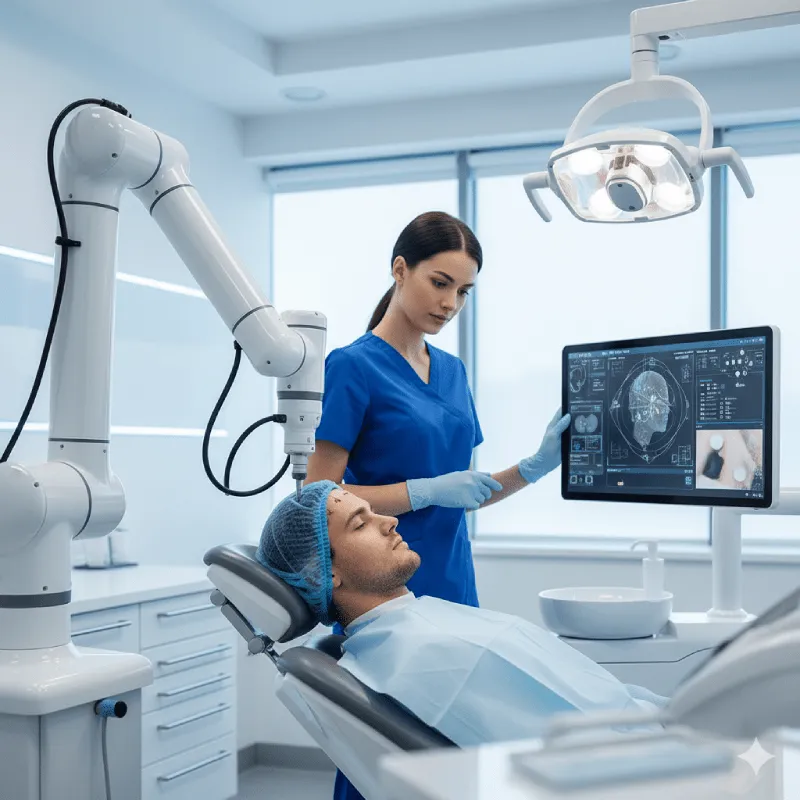
The first hair wash after hair transplantation is usually performed by experts in a clinic environment 2 or 3 days after the operation. A special lotion is applied to the transplanted area and the crusts are expected to soften. Then, washing is carried out with very gentle movements using warm, non-pressurized water and a medical shampoo. This process both cleans the area and supports healing by accelerating blood circulation.
How Long Does the Scabbing and Shedding Process Last?
After the operation, small crusts form on each transplanted root. These crusts are completely shed with regular washings around the 10th day. With the shedding of the crusts, the skin begins to breathe. After the 10th day, the patient looks much better visually and the traces of the operation largely disappear. This stage is the first major milestone of the healing process and allows the patient to return to normal social activities.
What is Shock Shedding and When Does it Begin?
A temporary process called “shock shedding” occurs between the 2nd and 4th weeks after the operation. Most of the transplanted hair strands fall out; however, the hair follicles remain under the skin and continue to grow stronger. This situation is a completely normal and expected biological reaction. Although many patients worry at this stage, this shedding is actually a necessary preparation for the growth of new and healthy hair.
When Does the New Hair Start to Grow?
After shock shedding, new hair begins to surface slowly from the 3rd month onwards. Initially, these hairs may appear thin and lifeless. By the 6th month, approximately 50%-60% of the hair has grown, and a significant difference in volume is observed. Over time, the hair strands thicken and become compatible with the patient’s original hair structure. Every month that passes, the density and quality of the hair continue to increase.
When are the Final Results Observed?
Seeing the full result of a hair transplant is a process that requires patience. In transplants in the frontal area, the results become clear in the 12th month, while in areas where blood circulation is slower, such as the crown area (vertex), this period can extend up to 18 months. At the end of a year, the transplanted hair has fully gained character, thickened, and become indistinguishable from your natural hair. After this point, you can shave and style it as you wish.
Are Transplanted Hair Permanent for a Lifetime?
Yes, the hair transplanted with hair transplantation is permanent for a lifetime because it is taken from the donor area (nape) which is genetically coded not to fall out. These hairs maintain their non-shedding characteristics in their new places as well. However, general thinning due to aging can be seen, as in every human being. The success of the operation and its performance by an expert team is the biggest guarantee of this permanence.
Who are Not Suitable Candidates for Hair Transplantation?
Hair transplantation may be risky for people whose donor area is completely insufficient, those with an active skin disease, or those with advanced uncontrolled diabetes/hypertension. In addition, transplantation can be delayed for young patients whose hair loss has just started and can be stopped with medication. Above all, the suitability of the person for the operation should be confirmed by performing a detailed blood test and physical examination.
Do Smoking and Alcohol Consumption After Hair Transplant Affect Results?
Absolutely yes. Smoking narrows the blood vessels, reducing blood flow to the scalp and slowing down healing. This can lead to the death of grafts. Alcohol, on the other hand, thins the blood, increasing the risk of bleeding and making it difficult for the body to remove edema. To get the best results, staying away from these substances for at least 15 days after the operation is a critical sacrifice for the newly transplanted roots to hold onto life.
Is Hair Transplantation Possible for Women?
Although hair loss in women usually follows a different pattern than in men, hair transplantation is a very successful solution for female patients as well. Usually, the unshaven DHI method is preferred in women, so the procedure can be completed without breaking away from social life. Transplants performed to narrow the forehead or to eliminate regional thinning are aesthetic results that greatly increase self-confidence in women.
How is Beard and Mustache Transplantation Performed?
Beard and mustache transplantation is performed with similar principles to hair transplantation on the scalp. Single grafts taken from the donor area are transplanted by paying attention to the natural exit angles in the beard area. This procedure is a perfect solution for men who have no beard or who have gaps in their beards. Since the face area is much more sensitive, the canal opening process requires extra care; however, the results are extremely natural and permanent.
Can a Natural Look Be Achieved with Eyebrow Transplantation?
Eyebrows are one of the most important elements that determine facial expression. Eyebrows that have fallen out due to trauma, burns, or genetic reasons can be successfully restored using hair follicles. The most important point in eyebrow transplantation is that the exit angle of the roots is very narrow (almost parallel to the skin). When planned and applied correctly, eyebrow transplantation provides a natural and aesthetic result that completely renews the person’s facial expression.
What is Revision Hair Transplantation?
The procedure performed for patients who have had a failed operation before or who could not reach sufficient density after the first transplant is called revision hair transplantation. This procedure is usually more difficult because the donor area has been used before and there may be scar tissue on the scalp. An experienced surgeon can analyze the current situation, correct the mistakes, and enable the patient to achieve the appearance of their dreams.
Which Supportive Treatments Should Be Applied After Hair Transplantation?
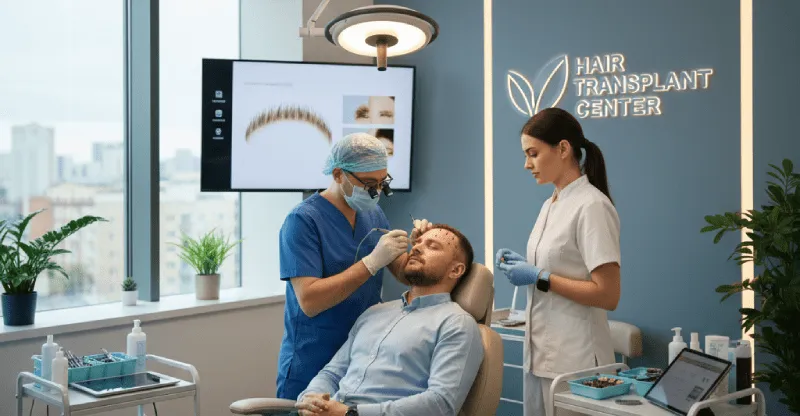
To increase success, supportive treatments such as PRP (Platelet Rich Plasma) or Mesotherapy are frequently recommended after the operation. These treatments nourish the transplanted hair follicles, accelerate healing, and ensure that the existing hair is also strengthened. In addition, vitamin supplements and hair strengthening serums recommended by your specialist contribute to a much more efficient process.
How to Choose the Right Clinic in Istanbul?
Focusing only on price when choosing a clinic is a big mistake. Whether the clinic is approved by the Ministry of Health, the experience of the surgeon, the results of previous procedures (before/after photos), and patient reviews should be meticulously examined. In addition, the guarantee certificate offered by the clinic and the support services provided after the operation should be among the selection criteria. Trust is the most important building block of this process.
What Do Health Tourism Packages Cover?
Most clinics in Istanbul offer “all-inclusive” packages for international patients. These packages generally cover; airport transfers, 5-star hotel accommodation, all medications, care products, first wash, and translator support. In this way, from the moment the patient steps into the city, they can focus entirely on their treatment and recovery without dealing with any logistical problems. This comfort makes Istanbul a global attraction center.
Can You Take a Touristic Trip While Receiving Treatment in Istanbul?
The day after the hair transplant operation, patients usually feel well enough to take light city tours. Visiting the historical peninsula of Istanbul, taking a Bosphorus tour, or trying the delicacies of Turkish cuisine will add morale to the healing process. Provided that heavy physical activities, direct sunlight, and excessive sweating are avoided, the time spent in Istanbul can be turned into an unforgettable holiday.
When Can a Second Hair Transplant Session Be Performed?
If the patient’s gap is very wide and the entire area could not be covered in a single session, a second session may be required. At least 8 to 12 months should be waited between the two sessions for the donor area to recover and for the results of the first transplanted hair to be seen. This waiting period is necessary to protect the health of the scalp and to plan the second session much more accurately.
What are the Common Myths and Misconceptions About Hair Transplantation?
Beliefs such as “hair transplant is only for bald people” or “hair transplant damages the brain” are completely groundless. Hair transplantation is a micro-surgical procedure performed only at the skin level (dermis) and has nothing to do with vital organs. In addition, hair transplantation can be applied not only to those who are completely bald but to anyone who experiences thinning in their hair and has aesthetic concerns. Thanks to modern medicine, this procedure is an extremely safe aesthetic procedure.
Why Should You Choose Cure Holiday for Your Treatment?
The most critical decision in your hair transplant journey is choosing the partner who will be by your side. Cure Holiday, with its deep experience in the field of health tourism and its patient-oriented approach, offers you more than an ordinary medical procedure. We only work with the most talented surgeons and prefer the most modern hospital environments. We plan the entire process for you from A to Z, ensuring that you do not encounter any surprises. Your health and aesthetic appearance are our highest priority.
What Exclusive Services Does Cure Holiday Offer You?
When you choose Cure Holiday, you feel like a special guest, not a patient. Every detail has been thought of for your comfort, from being greeted at the airport with our VIP transfer vehicles to luxury accommodation options. Our expert consultants are by your side at every step of your treatment process (pre-op and post-op) and provide communication support in your native language. We apply the latest technology Sapphire FUE and DHI methods specifically for you to get world-class results.
How Does the Hair Transplant Process Work with Cure Holiday?
The moment you contact us, our experts perform a free preliminary analysis based on your photos. We understand your expectations and create the most suitable treatment plan for you. When you come to Istanbul, your detailed examination is performed in the most modern clinics and your operation is carried out. As Cure Holiday, we do not leave you alone after the operation; we periodically follow your recovery process for 1 year and monitor the development of your hair together.
Contact Cure Holiday Now to Get the Hair of Your Dreams!
Don’t wait any longer to have thicker, healthier, and permanent hair. Cure Holiday, with its thousands of happy patients and professional team, invites you to a journey of change in the heart of Istanbul. Contact us today to benefit from our free consultancy service and to learn about our special opportunity packages. Remember, a hair transplant performed in the right hands will permanently increase not only your outward appearance but also your quality of life and self-confidence.
Free Consultation
Fill out the form below to get your free medical travel plan and price quote.
Sources and how to verify this yourself
- Comparative study of graft survival by donor site (scalp, beard, chest) at 12 months — roughly 89% for scalp, 95% for beard and 76% for chest hair; survival also falls the longer grafts stay outside the body. source
- Ministry of Health, Regulation on International Health Tourism and Tourist Health, Official Gazette 26 April 2025, No. 32882 — authorisation requirement for facilities and intermediaries, TÜSKA accreditation, compulsory complication insurance (deadline 31 December 2025 for insurance, 31 December 2026 for accreditation). source
- Ministry of Health, Regulation on Promotion and Information Activities in Health Services, Official Gazette 12 November 2025, No. 33075 — treatment promises and guarantees are prohibited; price and campaign announcements are permitted only within international health tourism. source