Cost and planning note (2026)
The figures below are indicative market ranges for 2026, not a quote: your own price depends on the clinic, the surgeon and your clinical assessment.
Indicative price range: Rhinoplasty: 2,800 – 4,500 USD | Facelift Deep Plane: 4,500 – 8,000 USD | Liposuction Vaser: 2,500 – 4,000 USD | Mommy Makeover: 6,000 – 10,000 USD
Facility standards: In Türkiye, any facility treating international patients must hold the Ministry of Health’s international health tourism authorisation; hospitals and medical centres must also be accredited by TÜSKA, and complication insurance is compulsory for procedures carried out in an operating theatre (Regulation of 26 April 2025). Ask us for the authorisation of the facility you are matched with.
Currency: USD / EUR / GBP accepted at all clinics.
Facelift Recovery for Side-Sleepers: Essential Tips from Turkish Aftercare Teams
Facelift Recovery for Side-Sleepers: A Deep Dive into the Medical Foundation
The resurgence of medical tourism, particularly to Turkey for cosmetic procedures, necessitates a robust understanding of post-operative care, especially for nuances like accommodating sleep positioning after a facelift (rhytidectomy). While generalized post-op instructions are common, tailoring advice for side-sleepers requires a deep understanding of surgical anatomy, lymphatic drainage, and the biomechanical stresses applied during sleep. This pillar focuses on the ‘What’ and ‘Why’ behind these considerations, adhering to both Turkish medical standards and global best practices.
The Anatomical Basis of Post-Facelift Sleep Positioning
A facelift, even utilising minimally invasive techniques, disrupts the superficial musculoaponeurotic system (SMAS). The SMAS is a critical layer beneath the skin providing support and resilience. Dissection, tightening, and repositioning of this layer, alongside skin redraping, creates a temporary vulnerability to shear forces. Side-sleeping, while seemingly innocuous, can directly impact the newly reconstructed tissues, potentially leading to complications.
Specifically, the lateral compression experienced when side-sleeping can create several risks:
- Seroma Formation: The disruption of lymphatic drainage, a natural consequence of surgery, combined with sustained pressure can impede fluid resorption, leading to seroma accumulation. This isn’t a simple collection of fluid; it can contribute to capsular contracture if left unaddressed.
- Hematoma Development: While meticulous haemostasis (stopping bleeding) is paramount during surgery, micro-bleeding can occur. Pressure from side-sleeping can exacerbate this, leading to a localized hematoma, requiring drainage and potentially delaying healing.
- Nerve Injury: Peripheral nerves, particularly the greater auricular nerve (responsible for sensation in the ear and cheek), are often mobilised or lie superficial to the SMAS during a facelift. Compression can cause neuropraxia (temporary nerve dysfunction) or, in rarer cases, permanent nerve damage leading to numbness or altered sensation.
- Skin Flap Necrosis (Rare): In cases of tighter skin closure or compromised vascularity (though rare with experienced surgeons), sustained pressure can reduce blood flow to the skin flaps, leading to tissue necrosis.
- Wound Dehiscence: While uncommon with proper wound closure techniques, pressure can disrupt the delicate healing process, leading to wound separation, especially around incisions near the ears.
Technical Considerations: Deep Plane vs. SMAS Facelifts & Sleep
The type of facelift performed significantly influences post-operative sleep recommendations. A Deep Plane Facelift, such as those offered in Turkey for 4,500 – 8,000 USD, involves more extensive dissection *beneath* the SMAS, releasing and repositioning the deeper facial muscles. This provides a more natural and long-lasting result but also necessitates a more cautious approach to post-operative positioning.
Compared to a traditional SMAS lift which focuses solely on tightening the SMAS layer, a Deep Plane lift’s deeper dissection creates more potential space for fluid accumulation and greater vulnerability to shear forces. Therefore, strict adherence to back sleeping is even more crucial in the initial phases. Surgeons in Turkey, particularly those operating within JCI (Joint Commission International) Accredited facilities, prioritise detailed pre-operative counselling regarding this.
The Role of Lymphatic Drainage & Posture
Post-operative lymphatic drainage massage (PLDM) is integral to recovery. PLDM, performed by qualified therapists, aims to manually stimulate lymphatic flow, reducing swelling and promoting tissue healing. However, even with consistent PLDM, the benefits can be diminished if the patient consistently sleeps on their side.
The lymphatic vessels primarily drain towards the neck and clavicle. Side-sleeping compresses these vessels on the dependent side, hindering drainage. This is why elevating the head of the bed to approximately 30-45 degrees is universally recommended – it utilizes gravity to aid lymphatic return. Turkish aftercare teams often recommend specialised pillows designed to maintain this elevation while supporting the neck and preventing excessive pressure on the facial incisions.
Global Standards & Turkish Aftercare Protocols
Turkey adheres to rigorous medical standards overseen by the Ministry of Health and further validated by JCI accreditation. This translates to a structured post-operative care protocol. Initial recovery typically lasts 7-10 days in Turkey, with a focus on wound care, pain management, and lymphatic drainage. However, side-sleeper accommodation is a significant deviation that requires individualised assessment.
Here’s how Turkish aftercare teams address side-sleeping concerns:
- Assessment of Wound Healing: Regular wound checks are performed to monitor for signs of hematoma, seroma, or infection.
- Lymphatic Drainage Massage Schedule: PLDM is typically initiated within 48-72 hours post-operatively and continued for several weeks.
- Compression Garments: A custom-fitted compression garment (facelift bandage or cap) provides gentle, even pressure, minimising swelling and supporting the tissues.
- Gradual Transition to Side-Sleeping (If Permitted): For patients insistent on side-sleeping, a carefully monitored transition is sometimes permitted *after* the first two weeks, contingent on excellent wound healing, minimal swelling, and the use of strategically placed pillows to support the head and neck while minimising pressure on the surgical site. This is not a standard practice and is decided on a case-by-case basis.
- Pain Management & Education: Effective pain management allows for comfortable positioning, and comprehensive education regarding potential risks is provided.
Financial & Logistical Considerations for Recovery in Turkey
The cost of a facelift in Turkey is competitive, ranging from 4,500 – 8,000 USD for a Deep Plane procedure. This often includes hospital stay, surgeon’s fees, anaesthesia, and initial aftercare. Patients should factor in the cost of accommodation (Istanbul (City/Boutique), Antalya (Resort/Beach), or Izmir (Aegean/Thermal) are popular recovery hubs), PLDM sessions, and any necessary medications. Visa requirements are straightforward; an E-visa is available for most UK/US/EU citizens, allowing for a 90-day stay. Currency preferences generally include USD, EUR, and GBP.
It’s important to remember that ultimate results aren’t visible immediately; final results are typically observed 3-6 months post-surgery. Maintaining proper sleep positioning during the initial weeks is critical to optimizing the outcome and minimizing the risk of complications.
The Surgical/Clinical Journey: Facelift Recovery for Side-Sleepers
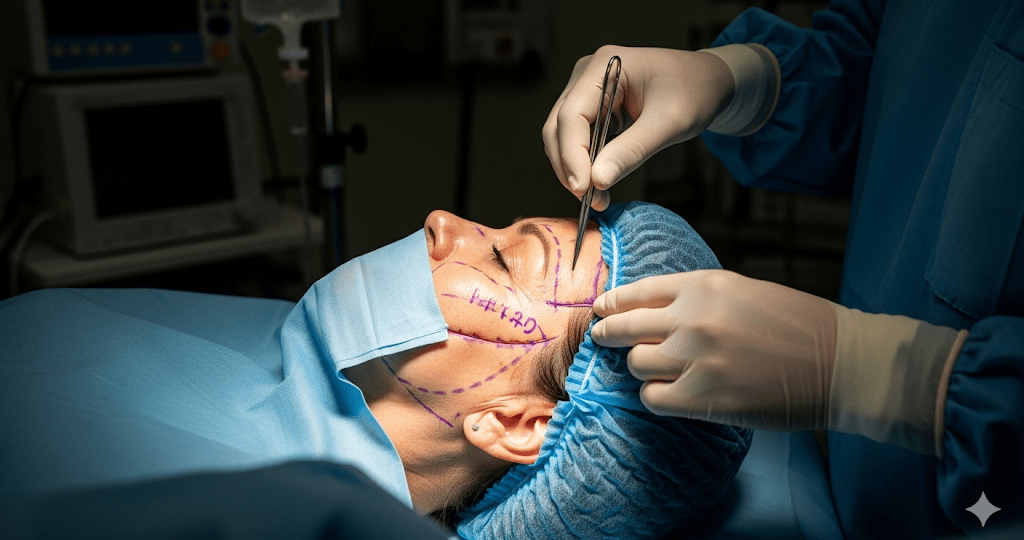
Following a facelift (rhytidectomy), particularly a deep plane facelift, patient positioning during recovery is paramount to optimize healing and minimize complications. This is especially crucial for individuals accustomed to side-sleeping. Turkish aftercare teams, renowned for their meticulous protocols, prioritize managing this specific need. This document details the technical rationales and practical strategies employed to ensure a smooth recovery for side-sleepers undergoing facelift surgery in Turkey.
Step-by-Step Procedure Technicals: The Deep Plane Facelift and Its Implications
The deep plane facelift, costing between 4,500 – 8,000 USD in Turkey, differs significantly from superficial or SMAS (Superficial Musculoaponeurotic System) facelifts. It involves releasing the facial muscles from their underlying attachments – specifically the masseter muscle, buccinator muscle, and zygomaticus major/minor – allowing for repositioning and tightening that addresses the fundamental causes of facial aging, rather than merely tightening skin. This extensive dissection creates a more natural and long-lasting result, but also demands a more diligent post-operative care protocol.
Technically, the dissection extends into the midface, elevating the entire cheek and jowl area. This repositioning impacts lymphatic drainage and can exacerbate post-operative swelling, particularly in the first week. The manipulation of the facial musculature also means greater potential for muscle spasm and discomfort, which can be acutely felt when attempting to sleep in a compromised position. Surgical drains, typically Penrose or Jackson-Pratt, are routinely used to manage serous fluid accumulation. Their presence, combined with sensitive surgical sites, necessitates careful positioning to avoid pressure or displacement.
Persona Case Study: 45-Year-Old Patient from the UK – Sarah’s Journey
Sarah, a 45-year-old from the UK, presented for a deep plane facelift with a history of consistent side-sleeping. Pre-operatively, her facial assessment revealed moderate jowl descent, loss of midface volume, and early signs of platysmal band prominence. Her medical history was unremarkable, and she expressed a strong preference to continue sleeping on her side post-operatively, despite understanding the potential challenges.
The surgical plan included a deep plane facelift with simultaneous placement of superficial fat grafting to restore midface volume. Following surgery, Sarah was positioned initially in a supine (flat on the back) position with the head elevated to approximately 30-45 degrees. This elevation reduces edema and minimizes strain on the surgical sites. For the first 72 hours, strict supine positioning was enforced, utilizing a custom-molded head and neck support to prevent accidental rolling. We employed a combination of gentle restraints – soft, adjustable neck pillows and strategically placed bolsters – to discourage subconscious movement during sleep. These weren’t considered restrictive but provided subtle guidance.
From days 3-7, a gradual transition towards allowing controlled side-sleeping was initiated. Sarah was instructed to sleep predominantly on her back but was permitted to *gently* turn to her side for brief periods, specifically the side opposite to the more extensively dissected area (typically initiated on the left if the right side saw more significant muscle release). We instructed her to use multiple pillows – one under her head, one under her upper back, and one between her knees – to maintain a slight lateral tilt *without* fully compressing the surgical areas. This ‘modified side-sleeping’ position was continually monitored by the nursing staff. Post-operative analgesia, including non-opioid pain relievers and, if necessary, short-term low-dose corticosteroids, were managed proactively to minimize muscle spasms and discomfort that might prompt abrupt positional changes during sleep.
Risk Mitigation: Addressing Complications Associated with Side-Sleeping
Side-sleeping post-facelift carries several potential risks. The primary concerns, particularly with deep plane lifts, include:
- Hematoma Formation: Pressure on the surgical site can disrupt hemostasis (cessation of bleeding) and lead to hematoma development. This requires prompt drainage to prevent skin necrosis and prolonged swelling.
- Lymphatic Obstruction: Compressing lymphatic vessels impedes fluid drainage, increasing the risk of seroma (fluid collection) and potentially contributing to fibrosis (scar tissue formation).
- Nerve Injury: While rare, direct pressure on superficial nerves (e.g., the greater auricular nerve) can cause temporary or, in extremely rare cases, permanent numbness or altered sensation.
- Wound Dehiscence: Excessive tension on the incision line, particularly during unconscious movement, can compromise wound healing and lead to dehiscence (separation of wound edges).
- Flap Necrosis: In extreme cases, prolonged and significant pressure can compromise the blood supply to the facial flap (the repositioned skin and muscle), potentially leading to tissue necrosis.
Turkish aftercare protocols mitigate these risks through a multi-faceted approach:
- Compression Garments: Custom-fitted compression garments are worn consistently for the first 2-3 weeks to minimize swelling and provide gentle, even pressure to the surgical sites.
- Lymphatic Drainage Massage: Gentle manual lymphatic drainage (MLD) is initiated by a trained therapist starting around day 5, focusing on the facial and cervical regions to facilitate fluid removal.
- Continuous Monitoring: Nurses routinely assess wound healing, swelling, and sensation throughout the recovery period, particularly during the initial week while in Turkey (average stay of 7-10 days).
- Patient Education: Thorough pre- and post-operative education is provided, emphasizing the importance of positional control and recognizing early signs of complications. Patients are explicitly instructed to contact the surgical team immediately if they experience increased pain, swelling, bruising, or changes in sensation.
- Seroma/Hematoma Management Protocol: A standardized protocol is in place for prompt aspiration or drainage of any seroma or hematoma that develops, using sterile technique and appropriate documentation.
It’s important to note that final results are typically visible after 3-6 months, as swelling fully subsides and tissues remodel. Continued adherence to aftercare instructions, including gradual resumption of normal activities and sun protection, is vital to achieve optimal and lasting results. The cost of procedures like rhinoplasty (2,800 – 4,500 USD) or liposuction (2,500 – 4,000 USD) may be combined with a facelift for comprehensive facial rejuvenation. Turkey adheres to high medical standards, being JCI Accredited and regulated by the Ministry of Health, offering patients confidence in the quality of care. Recovery hubs are available in diverse locations like Istanbul, Antalya, and Izmir, catering to different preferences.
Facelift Recovery for Side-Sleepers: Essential Tips from Turkish Aftercare Teams
Following a facelift, particularly a deep plane facelift – a technique increasingly favored by Turkish surgical teams for its natural, long-lasting results – patient positioning during recovery is paramount. While most aftercare instructions address elevation and general immobility, the specific challenges faced by side-sleepers often receive insufficient attention. This pillar, focusing on Recovery Logistics, delves into specialized protocols developed by leading Turkish aftercare teams to optimize healing and minimize complications in patients who habitually sleep on their side.
Understanding the Post-Facelift Physiological Landscape
The immediate post-operative period following a facelift involves significant edema (swelling) and ecchymosis (bruising). More critically, however, is the disruption of the superficial musculoaponeurotic system (SMAS), a key layer of facial tissue manipulated during the procedure. The SMAS provides support and structure, and its stabilization is essential for optimal results. Side-sleeping introduces shear forces on this delicate, healing layer, potentially impacting lymphatic drainage, increasing hematoma risk, and even causing subtle but noticeable asymmetries.
Turkish aftercare protocols recognize that simply *telling* a side-sleeper to avoid their preferred position is often unrealistic. Instead, a multi-pronged approach is implemented, leveraging specialized pillows, postural support, and early intervention strategies.
Pillow Strategies: Beyond the Standard Wedge
Traditional recovery wedges, while helpful for general elevation, often prove inadequate for dedicated side-sleepers. Turkish teams prioritize customized pillow configurations. This involves:
- Contoured Cervical Pillows: These pillows provide robust neck support, preventing the head from tilting forward and reducing strain on the SMAS. Crucially, the contour should *not* encourage lateral flexion (side bending) but maintain a neutral spinal alignment.
- ‘Donut’ Pillows: Strategically placed around the head and neck, donut pillows create a ‘nest’ that discourages rolling. The diameter and density are tailored to the patient’s anatomy and the extent of the SMAS dissection.
- Body Pillows: Extending the support to the entire body is vital. A long body pillow cradles the patient, preventing subconscious rolling and providing a sense of security. Emphasis is placed on proper positioning – pillow under the *back* rather than between the knees, to avoid hip rotation that can contribute to shoulder roll.
- Microbead Pillows: Highly moldable microbead pillows are used to fill gaps between standard pillows, providing pinpoint support and addressing individual anatomical needs.
The use of memory foam is generally discouraged in the immediate post-op phase. While comfortable, its slow response time can exacerbate minor positional shifts.
Postural Management & Lymphatic Drainage Techniques
Beyond pillows, Turkish aftercare teams employ active postural management. This includes:
- Regular Repositioning (Wakeful Hours): During waking hours, patients are encouraged to gently reposition themselves every 2-3 hours, even if they aren’t uncomfortable. This prevents prolonged pressure on any single area and promotes circulation.
- Manual Lymphatic Drainage (MLD): Gentle, specialized massage techniques performed by trained therapists are initiated as early as 48 hours post-op. MLD focuses on stimulating the lymphatic system to reduce swelling and improve healing. Specific protocols address the potential for lymphatic congestion caused by side-sleeping postures.
- Compression Garments: The use of a medical-grade compression bandage or facial net is extended beyond the standard one-week recommendation for side-sleepers. Continued, albeit reduced, compression for up to three weeks helps maintain tissue approximation and minimize edema.
Addressing Complications & Early Intervention
Despite preventative measures, complications can occur. Turkish aftercare protocols prioritize early detection and intervention:
- Hematoma Monitoring: Patients are closely monitored for signs of hematoma formation (blood collection under the skin). Early detection allows for prompt aspiration, minimizing discomfort and preventing tissue necrosis.
- Seroma Management: Seromas (fluid accumulation) are less common with deep plane facelifts but can still occur. Turkish teams utilize ultrasound-guided aspiration for efficient and targeted drainage.
- Nerve Irritation Protocols: Temporary nerve irritation or numbness is a possibility. Specific exercises and physiotherapy are prescribed to stimulate nerve regeneration and minimize long-term sensory deficits.
Antalya vs. Istanbul Recovery Experiences & Cost Considerations
The choice of recovery location – Istanbul or Antalya – impacts the logistical aspects of aftercare. Istanbul offers readily available access to specialized surgical facilities and a wider network of qualified therapists. Antalya, with its resort setting, provides a more relaxed environment conducive to recovery, but may require transportation to specialist appointments. Costs reflect these differences.
Currently, a deep plane facelift in Turkey ranges from 4,500 – 8,000 USD. When factoring in 7-10 days of aftercare, costs in Antalya, leveraging resort amenities, might average 100-150 USD per day for accommodation and basic aftercare. Istanbul, with its focus on medical tourism, could see daily costs ranging from 120-200 USD, primarily due to specialized therapy access. This compares favorably to similar procedures in Western countries, where facelift costs often exceed 12,000 – 20,000 USD including recovery expenses.
For comparison, Rhinoplasty averages 2,800 – 4,500 USD, Vaser Liposuction 2,500 – 4,000 USD, and a Mommy Makeover 6,000 – 10,000 USD in Turkey, consistently demonstrating substantial cost savings.
Technological Advancements & Future Protocols
Turkish surgical teams are at the forefront of utilizing advanced techniques like the Deep Plane Facelift and Vaser Hi-Def liposuction, which often lead to reduced recovery times and minimized complications. Future protocols are exploring the use of biofeedback devices to monitor muscle tension and postural alignment during sleep, providing real-time data to patients and therapists. Piezo Rhinoplasty, increasingly common alongside facelifts, also benefits from meticulous post-operative care, emphasizing nasal splint maintenance and gentle internal massage to prevent adhesion formation.
The currency focus remains steadfastly on USD, EUR, and GBP to cater to the international patient base, with clear and transparent cost breakdowns provided upfront. E-visa availability for citizens of most UK/US/EU nations further streamlines the process, contributing to the growing popularity of Turkey as a premium medical tourism destination.
Ready to consult a specialist? Schedule a Free Consultation for Facelift Recovery for Side-Sleepers in Turkey with cureholiday.com
Free Consultation
Fill out the form below to get your free medical travel plan and price quote.
Sources and how to verify this yourself
- Ministry of Health, Regulation on International Health Tourism and Tourist Health, Official Gazette 26 April 2025, No. 32882 — authorisation requirement for facilities and intermediaries, TÜSKA accreditation, compulsory complication insurance (deadline 31 December 2025 for insurance, 31 December 2026 for accreditation). source
- Ministry of Health, Regulation on Promotion and Information Activities in Health Services, Official Gazette 12 November 2025, No. 33075 — treatment promises and guarantees are prohibited; price and campaign announcements are permitted only within international health tourism. source