Cost and planning note (Mommy Makeover 2026)
The figures below are indicative market ranges, not a quote: your own price is confirmed after a clinical assessment.
Indicative price range: Standard Package: 4,500 – 7,500 USD | Advanced Combination: 8,000 – 12,000 USD | Tummy Tuck: 3,000 – 5,000 USD | Breast Lift: 2,500 – 4,500 USD | Liposuction Per Area: 500 – 1,500 USD | Bbl Fat Transfer: 3,500 – 5,500 USD
Facility standards: In Türkiye, any facility treating international patients must hold the Ministry of Health’s international health tourism authorisation; hospitals and medical centres must also be accredited by TÜSKA, and complication insurance is compulsory for procedures carried out in an operating theatre (Regulation of 26 April 2025).
Recovery Focus: Post-pregnancy body restoration & safety first.
Currency: GBP, EUR, USD accepted.
Why Turkish Clinics are Often More Modern than Private UK Hospitals
The Technological Disparity: Why Turkish Surgical Infrastructure Outpaces Private UK Facilities
The disparity between private healthcare in the United Kingdom and the specialized surgical hubs in Turkey is not merely a matter of cost, but one of technological density. While many UK private hospitals operate within older architectural frameworks with-legacy equipment, Turkish medical centers have undergone a rapid, capital-intensive evolution. Driven by the high demand for aesthetic reconstruction, these clinics have invested heavily in the latest generations of ultrasonic-assisted liposuction and advanced reconstructive instrumentation. For patients seeking post-pregnancy restoration, this means access to surgical precision that is often unavailable or significantly more expensive in the UK.
This technological edge is most evident in the specialized field of abdominal reconstruction. Post-pregnancy, many women suffer from the separation of the rectus abdominis muscles, a condition known as Diastasis Recti. While a standard surgical approach might focus solely on skin excision, the modern Turkish approach emphasizes structural integrity. Diastasis Recti repair involves internal corset suturing of the abdominal fascia, a complex technique designed to reinforce the midline of the abdomen and restore the natural tension of the abdominal wall. This internal reinforcement is critical for achieving a flat, functional midsection that survives the physical stresses of long-term activity.
“The objective of advanced abdominoplasty is no longer just the removal of excess dermis, but the complete anatomical reconfiguration of the abdominal wall to support the core musculature.”
Precision Abdominoplasty: From Mini-Tucks to 360-Degree Reconstruction
The versatility of surgical options in Turkey allows for a bespoke approach to every patient’s unique postpartum anatomy. Depending on the degree of skin laxity and muscle separation, surgeons offer various tiers of abdominoplasty:
- Mini Abdominoplasty: Targeted at patients with localized skin laxity in the lower abdomen.
- Full Abdominoplasty: A comprehensive approach involving the removal of excess skin and significant muscle tightening.
- Extended (360) Tummy Tuck: A circumferential reconstruction designed to address skin and fat tension across the entire abdominal perimeter.
The financial accessibility of these advanced techniques is a cornerstone of the Turkish medical model. A tummy tuck can be achieved within a budget of 3,000 – 5,000 USD, while more complex, comprehensive abdominal restructuring is often found within a standard_package ranging from 4,500 – 7,500 USD. When combined with ancillary procedures like liposuction_per_area, which costs between 500 – 1,500 USD, patients can achieve a highly customized contour that mirrors the results of much more expensive Western counterparts.
Advanced Mastopexy and High-Definition Contouring
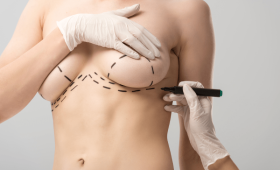
Breast reconstruction following pregnancy—often referred to as a breast lift or mastopexy—requires a delicate balance between volume restoration and glandular repositioning. In Turkey, the emphasis is on using JCI-approved-grade biomaterials to ensure long-term safety and aesthetic naturalism. The surgical standard involves the use of premium breast implants, specifically Mentor, Motiva, or Polytech (JCI approved), which are engineered to mimic the natural movement and feel of human tissue.
A breast_lift, typically priced between 2,500 – 4,500 USD, focuses on the elevation of the nipple-areola complex and the reduction of ptosis (sagging). To complement this, many patients opt for Vaser Liposuction. Unlike traditional methods, Vaser technology uses ultrasonic cavitation to emulsify fat cells without damaging surrounding tissues, allowing for high-definition contouring with minimal bruising. This is particularly effective when paired with bbl_fat_transfer, which ranges from 3,500 – 5,500 USD, to sculpt the gluteal region using the patient’s own harvested adipose tissue.
The Global Hub for Integrated Mommy Makeovers
The concept of the “Mommy Makeover” is not a single surgery, but a synchronized surgical event. Turkey has become the global epicenter for this because their clinics are designed to manage the complexity of multiple simultaneous procedures under a single anesthetic session. This integration is most visible in the advanced_combination packages, which can range from 8,000 – 12,000 USD.
These advanced packages allow for the simultaneous execution of a tummy tuck, breast lift, and liposuction, optimizing the recovery period and reducing the total cost of care. The efficiency of these clinics is supported by a streamlined logistical framework that manages the patient’s journey from the moment of the initial free online video assessments with board-certified plastic surgeons to their return flight.
Seamless Logistics and the Recovery Ecosystem
The high-end medical experience in Turkey is characterized by an “all-inclusive” recovery ecosystem. This is not merely about luxury, but about reducing physiological stress to promote faster healing. The logistics are engineered to minimize patient anxiety and physical exertion:
- Arrival: Seamless entry via major international hubs such as Istanbul (IST) or Antalya (AYT).
- Transfers: Immediate access to VIP private transfers from airport to clinic, ensuring the patient is not subjected to the rigors of public transit.
- Accommodation: Post-operative care is centered around 5-star recovery suites with companion stay included, providing a sterile yet comfortable environment for the critical early stages of healing.
While the surgical precision is world-class, the recovery timeline remains a vital consideration for planning. Patients can generally expect a recovery of 7-10 days in Turkey, during which time they are closely monitored by medical staff. However, it is essential to note that a 6 weeks for full exercise return is the standard clinical recommendation to ensure the structural integrity of the surgical repairs, such as the internal abdominal suturing, is maintained.
The Technological Disparity: Why Turkey Leads in Aesthetic Innovation
When comparing the private healthcare landscape in the UK to the burgeoning surgical hubs in Turkey, the distinction lies in capital investment and technological adoption. While many UK private hospitals operate within aging infrastructures with significant budgetary constraints, Turkish aesthetic clinics are designed as high-tech, purpose-built surgical centres. This allows for the integration of the latest advancements in ultrasound-assisted and laser-based technologies that are often cost-prohibitive in the British private sector.
A primary differentiator is the implementation of Vaser Liposuction. Unlike traditional mechanical liposuction, which can be more traumatic to the surrounding tissue, Vaser technology uses low-frequency ultrasound to selectively emulsify subcutaneous adipose tissue. This precision allows for high-definition contouring of the abdominal and flanks while ensuring minimal bruising and a more rapid cellular recovery. This level of granular anatomical sculpting is a hallmark of the modern Turkish approach.
Furthermore, the surgical sophistication extends to reconstructive elements within aesthetic procedures. For patients seeking to address post-pregnancy changes, the technical precision of Diastasis Recti repair is paramount. In leading Turkish facilities, this involves advanced internal corset suturing of the abdominal fascia. By tightening the separated rectus abdominis muscles using specialized suturing techniques, surgeons can create a structurally sound, cinched midsection that traditional, less invasive methods cannot replicate. This is often paired with a variety of tummy tuck options, including Full, Mini, or Extended (360) procedures, tailored to the specific degree of skin laxity and muscle separation.
The quality of implants also remains a non-negotiable standard. To maintain international prestige, clinics utilise only globally recognised, JCI-approved brands, such as Mentor, Motiva, or Polytech. These implants are selected for their high-profile profiles, cohesive gel consistency, and proven long-term biocompatibility, ensuring that the aesthetic result is as safe as it is visually striking.
The Anatomy of a Transformation: The Step-by-Step Journey
The patient journey in Turkey is engineered to be a seamless transition from digital consultation to post-operative luxury. The process begins long before the patient reaches the airport, starting with free online video assessments with board-certified plastic surgeons. This allows for a remote clinical evaluation of the patient’s anatomy, helping to determine the feasibility of complex combination surgeries.
Once the surgical plan is finalised, the logistical heavy lifting is managed by specialists. Upon arrival at Istanbul (IST) or Antalya (AYT), patients are met with VIP private transfers that transport them directly to their 5-star recovery suites. These suites are not merely hotels; they are clinical recovery environments designed to facilitate the early stages of healing. The package often includes a companion stay, ensuring that the patient has emotional and logistical support during the most critical first days of healing.
The surgical timeline is structured for efficiency and safety:
- Pre-Operative Phase: Comprehensive blood panels, radiological imaging, and final anatomical mapping via video consultation.
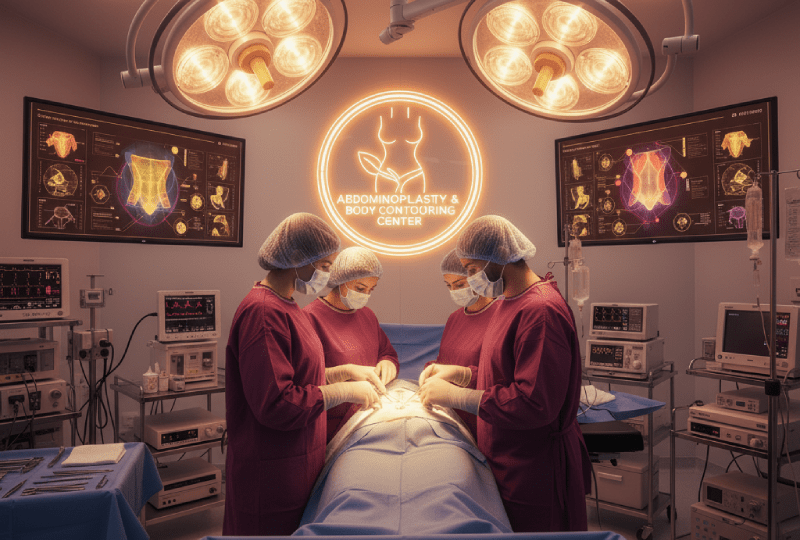
- The Surgical Event: Execution of the planned combination procedures (e.g., Tummy Tuck and BBL) in a sterile, state-of-the-art theatre.
- Immediate Post-Operative Phase: 7-10 days in Turkey under close clinical supervision within the recovery suite, focusing on wound care and oedema management.
- Long-term Integration: A gradual return to daily activity, with a 6 weeks for full exercise return to ensure the integrity of the abdominal fascia and fat graft stability.
Case Study: Restoring the Maternal Silhouette
“As a 34-year-old mother of three, my body had undergone significant physiological changes. The combination of skin laxity and muscle separation (Diastersis Recti) felt irreversible through diet or exercise alone. The decision to travel to Turkey for a combination procedure was driven by the desire for a single, highly advanced surgical intervention that the UK private sector could not offer at an accessible price point.”
This patient’s journey involved an advanced combination surgery. Her clinical requirements included a Full Tummy Tuck to address the abdominal wall, paired with BBL fat transfer to restore hip volume, and liposuction per area to refine the waistline. By utilising the fat harvested from the flanks during the liposultion phase, the surgeon was able to perform a BBL fat transfer, effectively creating a new anatomical proportion. The result was a structural reconstruction of her midsection that addressed both the aesthetic and functional aspects of her post-pregnancy physique.
Clinical Excellence and JCI Safety Standards
Safety in Turkish aesthetic medicine is anchored by the Joint Commission International (JCI) standards. JCI accreditation is the gold standard in global healthcare, signifying that a facility meets rigorous benchmarks for patient safety, infection control, and surgical outcomes. When a clinic adheres to JCI protocols, every aspect of the patient journey—from the sterility of the theatre to the sterilization of surgical instruments—is audited against international excellence.
This commitment to safety is why the use of JCI-approved implants and advanced technologies like Vaser Liposuction is standard practice. The focus is not merely on the “transformation” but on the biological stability of the results. The integration of high-level nursing care within the 5-star recovery suites ensures that post-operative complications, such as seroma or haematoma, are identified and managed with clinical precision immediately.
The Comprehensive Package: Luxury Logistics and Transparent Pricing
The economic advantage of choosing Turkish clinics is not found in “cheap” surgery, but in the high-value consolidation of medical and luxury services. By bundling surgical fees, 5-star accommodation, and VIP logistics, the overall cost remains significantly lower than the equivalent private care in the UK.
The following breakdown illustrates the transparent pricing structures typically found in advanced Turkish surgical packages:
- Standard Package: 4,500 – 7,500 USD (Typically involving single-area liposuction or minor contouring).
- Advanced Combination: 8,000 – 12,000 USD (Comprehensive ‘Mommy Makeover’ involving multiple anatomical zones).
- Tummy Tuck (Full/Extended): 3,000 – 5,000 USD.
- Breast Lift (Mastopexy): 2,500 – 4,500 USD.
- Liposuction (Per Area): 500 – 1,500 USD.
- BBL Fat Transfer: 3,500 – 5,500 USD.
When these figures are viewed alongside the inclusion of VIP private transfers, 5-star recovery suites, and the use of premium Motiva or Polytech implants, it becomes clear that the Turkish model offers a level of surgical luxury and technological modernity that is currently unmatched in the European private healthcare market.
The Precision of Modernity: Advanced Surgical Modalities
The disparity between private UK healthcare and modern Turkish surgical centres often lies in the integration of regenerative technology and advanced-state instrumentation. While many private UK hospitals rely on traditional, established surgical protocols, Turkish clinics have aggressively adopted high-definition, minimally invasive technologies designed to optimise aesthetic outcomes while reducing post-operative trauma.
A primary example is the implementation of Vaser Liposuction. Unlike traditional mechanical liposuction, which can be more traumatic to the surrounding adipose and dermal tissues, Vaser technology utilises ultrasound-assisted cavitation. This process emulsifies fat cells using low-frequency ultrasonic vibrations, allowing for much more precise, high-definition contouring. Because the process is gentler on the vasculature, patients experience significantly reduced bruising and swelling, facilitating a smoother transition into the recovery phase.
Furthermore, the surgical approach to abdominal reconstruction has evolved significantly. In modern Turkish clinics, the management of Diastasis Recti—the separation of the rectus abdominไปด้วย muscles—is no longer merely about skin excision. Surgeons now frequently employ advanced internal corset suturing of the abdominal fascia. This technique involves a meticulous re-approximation of the tensioned fascia to create a structural, internal “corset” that reinforces the midsection. This-not only achieves a flatter aesthetic but provides the structural integrity required for long-term core stability.
The quality of prosthetic materials is equally standardised to international excellence. Patients can expect the use of JCI-approved implants, specifically brands such as Motiva, Mentor, or Polytech. These implants are engineered with advanced shell textures and cohesive gel profiles to minimise the risk of capsular contracture and ensure natural movement. When combined with various tummy tuck modalities—ranging from Full, Mini, and Extended (360) options—the level of customisation available in Turkey often surpasses the standardised packages found in UK private practice.
“The convergence of high-definition ultrasound technology and advanced fascial reconstruction techniques represents a paradigm shift in how we approach body contouring, moving from simple volume reduction to true structural remodeling.”
Beyond the Operating Theatre: The 5-Star Recovery Ecosystem
The recovery phase is often the most overlooked element of the surgical journey in the UK, where patients are frequently discharged to their homes to manage much of their early post-operative care independently. In contrast, the Turkish model is built upon a “Recovery Ecosystem” that integrates luxury hospitality with clinical aftercare.
The logistics of the Turkish surgical experience are designed to eliminate the “friction” of post-operative stress. This begins the moment you arrive at Istanbul (IST) or Antalya (AYT). Rather than navigating public transport or standard taxis, patients are met with VIP private transfers that move them directly from the airport to their recovery location.
The concept of the “Post-Op Villa” or recovery suite is central to the Turkish model. These are not merely hotel rooms but are specifically curated 5-star recovery suites. These environments are designed to facilitate healing by providing a controlled, low-stress atmosphere. A critical feature of these packages is that they often include a companion stay included, allowing a partner or family member to reside within the suite. This is vital for the first few days of recovery when mobility may be limited and assistance with basic tasks is required.
Managing Post-Operative Logistics: Childcare and Travel
One of the most significant barriers for patients travelling from the UK or USA is the logistical complexity of managing family responsibilities and the “fly-home” timeline. The Turkish model addresses this through highly structured medical itineraries.
The typical surgical timeline is strictly regulated to ensure patient safety. The standard protocol involves a 7-10 day stay in Turkey, which allows for the initial inflammatory phase of healing to subside and for the surgeon to conduct essential early wound assessments. This duration is carefully calculated to ensure that the patient is stable enough for long-haul flight pressurisation. Following this period, patients are advised to wait approximately 6 weeks for a full exercise return, though they are usually cleared for air travel within the initial 10-day window.
For patients with domestic responsibilities, such as childcare, the “all-inclusive” nature of the Turkish logistics can be a deciding factor. Because the transfer, accommodation, and medical follow-ups are pre-arranged, the “mental load” of the surgery is significantly reduced. The ability to schedule the entire procedure within a fixed, predictable window allows for more efficient planning of childcare and work leave compared to the unpredictable waitlists and fragmented care common in the UK private sector.
Furthermore, the pre-operative phase is simplified through free online video assessments with board-certified plastic surgeons. This allows for a remote clinical evaluation of the patient’s anatomy, ensuring that the surgical plan is finalised before the patient even leaves their home country.
2026 Financial Projections: Turkey vs. UK/USA
When evaluating the economic feasibility of these procedures, it is essential to look beyond the initial price tag and consider the “comprehensive value.” In the UK and USA, the cost of surgery is often fragmented—patients pay for surgeon fees, anaesthetist fees, theatre fees, and hospital fees separately, often excluding the cost of high-end post-operative care.
The Turkish model presents an all-inclusive cost structure. Below is the projected cost breakdown for 2026, representing the standard-package and advanced-combination tiers.
Estimated 2026 Surgical Costs:
When comparing these figures to the UK or USA, where a single tummy tuck or BBL can often exceed 15,000 USD – 25,000 USD even before accounting for hospital stays and recovery logistics, the Turkish model offers a profound economic advantage. This surplus allows for the reinvestment of funds into the very technologies—such as Vaser Lipo and advanced implants—that define the modernity of the Turkish clinical landscape.
Considering a Mommy Makeover in Turkey? Get a Free Quote for your Why Turkish Clinics are Often More Modern than Private UK Hospitals Transformation with cureholiday.com
Free Consultation
Fill out the form below to get your free medical travel plan and price quote.
Sources and how to verify this yourself
- Joint Commission International, Find accredited international organizations — JCI accredits organisations (not individual surgeons); Türkiye has more than 35 accredited hospitals and the current status of a named hospital can be checked in this directory. source
- Ministry of Health, Regulation on International Health Tourism and Tourist Health, Official Gazette 26 April 2025, No. 32882 — authorisation requirement for facilities and intermediaries, TÜSKA accreditation, compulsory complication insurance (deadline 31 December 2025 for insurance, 31 December 2026 for accreditation). source
- Ministry of Health, Regulation on Promotion and Information Activities in Health Services, Official Gazette 12 November 2025, No. 33075 — treatment promises and guarantees are prohibited; price and campaign announcements are permitted only within international health tourism. source