Cost and planning note (Mommy Makeover 2026)
The figures below are indicative market ranges, not a quote: your own price is confirmed after a clinical assessment.
Indicative price range: Standard Package: 4,500 – 7,500 USD | Advanced Combination: 8,000 – 12,000 USD | Tummy Tuck: 3,000 – 5,000 USD | Breast Lift: 2,500 – 4,500 USD | Liposuction Per Area: 500 – 1,500 USD | Bbl Fat Transfer: 3,500 – 5,500 USD
Facility standards: In Türkiye, any facility treating international patients must hold the Ministry of Health’s international health tourism authorisation; hospitals and medical centres must also be accredited by TÜSKA, and complication insurance is compulsory for procedures carried out in an operating theatre (Regulation of 26 April 2025).
Recovery Focus: Post-pregnancy body restoration & safety first.
Currency: GBP, EUR, USD accepted.
Why many Mums use “Talc-Free Powder” inside their Fajas for Comfort
The Microclimate of Recovery: Managing Skin Integrity Under Compression
For many women navigating the early stages of post-operative recovery, the “faja”—or medical-grade compression garment—is an indispensable tool for ensuring the structural integrity of surgical repairs. However, the continuous, high-pressure application of these garments creates a specific physiological challenge: a closed, warm, and humid microclimate against the skin. To mitigate the risks of skin maceration, friction-induced dermatitis, and follicular irritation, an increasing number of patients are turning to talc-free powders as a dermatological necessity.
Unlike traditional talcum powders, which have faced scrutiny regarding respiratory safety, talc-free alternatives—typically cornstarch or arrowroot-based—act as a moisture-wicking agent. When wearing a compression garment 23 hours a day, the skin’s ability to thermoregulate is compromised. The powder absorbs excess perspiration, reducing the “sticking” effect of the fabric against fresh incisions and sensitive subcutaneous tissues. This is particularly critical during the stabilization phase of Diastasis Recti repair, where the abdominal area is under significant tension. By maintaining a dry interface between the dermis and the compression fabric, patients can significantly reduce the risk of secondary skin infections and discomfort during the 7-10 days in Turkey spent in the acute recovery phase.
“The primary goal of post-operative skin care in compression is the prevention of moisture-induced tissue breakdown. Utilizing talc-free agents helps maintain the integrity of the skin barrier, which is vital when the body is focused on the complex physiological process of tissue remodeling.”
The Structural Foundations: Reconstructing the Post-Pregnancy Core
While skin comfort is a vital component of the patient experience, the true essence of post-pregnancy restoration lies in the deep-tissue surgical foundations. The “Mommy Makeover” is not merely an aesthetic endeavor; it is a complex reconstructive process designed to address the physiological changes caused by gestation and childbirth. The pillars of this transformation include the repair of the abdominal wall, the lifting of the mammary tissues, and the refined contouring of the flanks.
A cornerstone of this restoration is the treatment of Diastasis Recti. This condition involves the separation of the rectus abdominis muscles, often resulting in a permanent protrusion of the midsection. The surgical solution is highly technical, involving internal corset suturing of the abdominal fascia. This procedure re-approximates the separated muscle bellies, restoring the “natural corset” of the abdomen and providing the structural tension required for a flatter, more stable core.
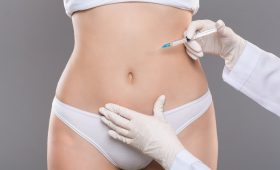
Complementing this is the wide array of abdominoplasty options tailored to the patient’s specific anatomical needs. Surgeons may recommend a Tummy Tuck depending on the degree of skin laxity and fat distribution:
- Mini Abdominoplasty: Targeted at patients with localized skin laxity just below the umbilicus.
- Full Abdominoplasty: A comprehensive approach involving the removal of excess skin and fat across the entire lower abdomen.
- Extended (360) Abdominoplasty: An all-encompassing technique that addresses the abdominal wall, flanks, and even the lower back for total circumferential contouring.
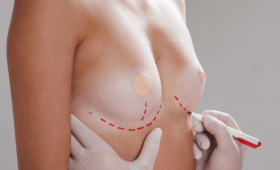
When these procedures are combined with mammary reconstruction, such as a breast lift, the transformation becomes profound. To ensure long-term aesthetic and structural success, the selection of medical-grade implants is paramount. Standard-setting clinics utilize JCI-approved implants, specifically Mentor, Motrol, or Polytech, to ensure biocompatibility and cohesive gel stability.
The Economic and Clinical Superiority of the Turkish Hub
Turkey has emerged as the preeminent global destination for advanced aesthetic reconstruction, driven by a unique intersection of surgical expertise, technological advancement, and cost-efficiency. The “Turkish Model” of medical tourism focuses on a high-tier, all-inclusive ecosystem that manages everything from initial free online video assessments with board-certified plastic surgeons to post-operative luxury care.
The economic advantage is significant, allowing patients to access advanced technologies—such as Vaser Liposuction for high-definition contouring with minimal bruising—at a fraction of the cost found in Western Europe or North America. The transparency in pricing allows for meticulous surgical planning. Consider the following comparative cost structures:
- Standard Package (Comprehensive Recovery): 4,500 – 7,500 USD
- Advanced Combination (Multi-area Reconstruction): 8,000 – 12,000 USD
- Individual Tummy Tuck Procedure: 3,000 – 5,000 USD
- Individual Breast Lift Procedure: 2,500 – 4,500 USD
- Liposuction (Per targeted area): 500 – 1,500 USD
- BBL (Fat Transfer) augmentation: 3,500 – 5,500 USD
This cost-effectiveness is not achieved by compromising quality, but by optimizing the logistical chain. The infrastructure in Turkey is designed for a seamless transition from the operating theatre to recovery. Patients typically arrive via Istanbul (IST) or Antalya (AYT), where VIP private transfers are arranged directly from the airport to the clinic or recovery suite. The hospitality component includes stays in 5-star recovery suites with companion stay included, ensuring that the patient’s environment is conducive to the 6 weeks required for a full return to exercise.
Safety Benchmarks and Long-term Outcomes
In the realm of post-pregnancy restoration, safety is measured by the precision of the surgical technique and the robustness of the post-operative protocol. The use of advanced modalities like Vaser Liposultion allows for the emulsification of fat cells via ultrasonic energy, which preserves the integrity of surrounding blood vessels and nerves, thereby accelerating the healing timeline. Furthermore, the integration of specialized care—such as the use of talc-free powders to protect the integumentary system—demonstrates a holistic approach to patient well-being.
By prioritizing the foundational repairs—the fascia, the musculature, and the skin tension—and supporting them with high-end logistics and advanced dermatological management, the modern “Mommy Makeover” becomes a safe, predictable, and transformative medical journey. Cure Holiday specialists remain dedicated to guiding patients through these complex technical landscapes, ensuring that every facet of their restorative journey, from the first digital consultation to the final stage of physical rehabilitation, meets the highest global standards of excellence.
For many women undergoing significant body contouring, the post-operative period is defined by the constant, firm embrace of a medical-grade compression garment, commonly known as a faja. While this garment is the cornerstone of surgical success, the intense pressure and heat retention can lead to skin maceration and friction. This is why many Mums have turned to using “talc-free powder” inside their fajas. The goal is to maintain skin integrity and reduce the “stinging” sensation caused by moisture trapped against the skin during the early stages of healing.
However, the necessity of the faja—and the clever hacks used to tolerate it—stems from the profound physiological changes occurring beneath the surface. The compression garment is not merely for comfort; it is a clinical requirement to minimize dead space, prevent seroma formation, and ensure that the newly sculpted tissues adhere to the underlying muscular structure.
The Clinical Necessity of Compression in Combination Surgeries
When undergoing advanced combination procedures, such as a Tummy Tuck paired with a Brazilian Butt Lift (BBL), the tension placed on the skin is immense. For patients undergoing an Extended (360) Tummy Tuck, the compression must support the entire circumference of the torso. This is particularly critical when a Diastasis Recti repair is performed. During this process, the surgeon performs internal corset suturing of the abdominal fascia to close the separation of the rectus abdominus muscles, effectively rebuilding the abdominal wall.
Without the constant pressure of the faja, the structural integrity of this internal repair could be compromised. The use of talc-free powder helps manage the micro-climate between the skin and the garment, but the garment itself is what facilitates the following technical outcomes:
- Reduction of Edema: Controlled pressure prevents excessive fluid accumulation in the interstitial spaces.
- Tissue Adhesion: Ensures that skin flaps (in Full or Extended tummy tucks) bond securely to the underlying subcutaneous layers.
- High-Definition Contouring: In procedures utilizing Vaser Liposuction, compression is vital to “set” the new contours and ensure the high-definition results are permanent.
The financial investment for these complex, transformative procedures varies based on the scope of the surgery. A standard_package typically ranges from 4, 500 – 7, 500 USD, whereas an advanced_combination, involving multiple anatomical areas, can range from 8, 000 – 12, 000 USD.
The Patient Journey: A Case Study of Transformation
To understand the intersection of clinical precision and the patient experience, consider the journey of Siobhan, a 34-year-old Irish mother of three. After three pregnancies, Siobhan presented with significant abdominal laxity and a loss of lower body volume. Her journey began not in a hospital, but through a free online video assessment with board-certified plastic surgeons, allowing her to discuss her anatomical goals from the comfort of her home in Ireland.
Siobhan’s surgical plan was comprehensive, involving a tummy_tuck (estimated at 3, 000 – 5, 000 USD) and a bbl_fat_transfer (estimated at 3, 500 – 5, 500 USD). Her procedure utilized Vaser Liposultion to harvest fat from the flanks, which was then refined and injected into the gluteal region to create a seamless transition from the waist to the hips.
“The transition from the flight to the clinic was seamless. From the moment we landed in Istanbul (IST), we were met by VIP private transfers. The recovery in a 5-star recovery suite allowed me to focus entirely on healing, with my companion comfortably staying in the same luxury accommodation.”
During her 7-10 days in Turkey, Siobhan’s primary concern was managing the discomfort of the compression. It was during her first post-operative night that she implemented the use of talc-free powder. By applying the powder to the skin folds before donning the faja, she significantly reduced the heat-induced irritation that often accompanies the intense compression required for Diastasis Recti repair.
Commitment to JCI Safety Standards and Precision
The success of Siobhan’s transformation—and the safety of all patients—relies on strict adherence to international medical protocols. The surgical process is governed by JCI (Joint Commission International) safety standards, ensuring that every aspect of the surgical theatre, from sterilization to anesthesia monitoring, meets the highest global benchmarks.
This precision extends to the implants and materials used. For patients opting for breast augmentation as part of their transformation, only the highest quality, JCI approved implants are utilized, including Mentor, Motiva, or Polytech. Each of these brands offers specific profiles to complement the patient’s unique anatomy, whether they are seeking subtle augmentation or significant volume increase (with breast_lift costs typically ranging from 2, 500 – 4, 500 USD).
The recovery timeline is equally structured. While the initial period involves intense compression and careful wound care, the trajectory toward normalcy is well-defined. Following the surgical intervention, patients can expect a period of restricted movement, but the goal is a 6 weeks for full exercise return. This allows the internal sutures and the newly transferred fat cells to stabilize within the new anatomical architecture.
Navigating the Logistics of Surgical Excellence
For the modern patient, the “journey” encompasses more than just the operating theatre; it includes the entire logistical loop. The ease of accessing high-tier surgical care is facilitated by sophisticated travel and medical coordination. Whether arriving via Istanbul (IST) or Antalya (AYT), the infrastructure is designed to minimize patient stress.
The ability to scale the complexity of the surgery—from a simple liposuction_per_area (500 – 1, 500 USD) to a total body recomposition—means that patients can tailor their journey to their specific physiological needs and budgetary considerations. By combining the technical mastery of Vaser Liposuction and Diastasis Recti repair with a luxury recovery experience, the transformation becomes not just a medical event, but a holistic rejuvenation of both body and confidence.
The Science of Compression: Managing Microclimates in Post-Operative Care
For many patients undergoing significant body contouring, the post-operative compression garment—often referred to as a “faja”—is an indispensable medical tool. While its primary function is to provide uniform pressure to minimize dead space, reduce edema, and support the newly sculpted tissues, the garment creates a unique physiological challenge: a localized microclimate. The constant pressure of medical-grade compression can trap heat and moisture against the skin, particularly in intertriginous areas or along the incision lines.
This is where the use of talc-free powder has become a staple in the post-operative toolkit for many mums. The objective is to manage skin integrity by preventing moisture-induced maceration—a condition where skin softens and breaks down due to prolonged exposure to dampness. By applying a high-quality, talc-free powder, patients can mitigate the risk of contact dermatitis and friction-induced irritation caused by the faja rubbing against sensitive, healing incisions.
“The use of talc-free alternatives is a strategic move in post-op skin care. It allows for moisture wicking and friction reduction without the risk of respiratory irritation or the potential for fine particles to interfere with the wound healing process or migrate into surgical sites.”
Unlike traditional talcum powders, which can pose inhalation risks and potential complications in a sterile-adjacent environment, talc-free options (often cornstarch or mineral-based) are safer for the delicate skin of a patient recovering from a major procedure. When managing the healing of an abdominal wall, maintaining a dry, friction-free environment under the compression garment is vital for preventing seroma formation and ensuring the stability of the subcutaneous layers.
The 2026 Financial Blueprint: Turkey vs. UK/USA
As we approach 2026, the disparity in surgical expenditure between Turkey and Western nations like the UK and USA continues to widen. For patients planning their recovery, understanding the precise cost breakdown is essential for long-term financial logistics. The Turkish medical model offers a highly sophisticated, all-inclusive approach that significantly reduces the “hidden costs” often found in domestic healthcare systems.
Below is the projected cost breakdown for primary procedures in 2026:
- Standard Package (All-inclusive recovery): 4,500 – 7,500 USD
- Advanced Combination (Multi-area contouring): 8,000 – 12,000 USD
- Tummy Tuck (Abdominoplasty): 3,000 – 5,000 USD
- Breast Lift (Mastopexy): 2,500 – 4,500 USD
- Liposuction (Per targeted area): 500 – 1,500 USD
- BBL (Brazilian Butt Lift/Fat Transfer): 3,500 – 5,500 USD
When compared to the UK or USA, where a single tummy tuck can often exceed 15,000 USD without including the necessary post-operative garments or hospital stays, the Turkish model provides a streamlined, predictable financial path. This allows patients to allocate more of their budget toward premium recovery amenities and long-term aftercare.
Orchestrating the Recovery: VIP Logistics and Post-Op Suites
The success of a surgical journey is not defined solely by the time spent in the operating theatre, but by the quality of the post-operative environment. The “Recovery Logistics” pillar of the Turkish model focuses on a seamless transition from the surgical suite to a luxury recovery setting. This eliminates the stress of navigating unfamiliar cities while in a state of post-anesthetic vulnerability.
A premium recovery experience typically involves the following logistical components:
- Arrival and Transit: Seamless entry via Istanbul (IST) or Antalya (AYT), with VIP private transfers arranged to move patients directly from the airport to their recovery suite, ensuring minimal physical exertion.
- Accommodations: Stay in 5-star recovery suites designed specifically for post-operative care. These suites are often structured to include a companion stay included, allowing a partner or family member to assist with the initial days of mobility and wound monitoring.
- Pre-Surgical Precision: Before even departing your home country, free online video assessments with board-certified plastic surgeons are available. This allows for a detailed review of anatomical suitability and surgical planning, ensuring that the logistics of your arrival are perfectly aligned with your clinical needs.
Clinical Precision: Understanding the Surgical Landscape
Advanced recovery requires an understanding of the technical complexities involved in modern body contouring. The procedures performed by Turkish specialists utilize cutting-edge technology to ensure that the recovery period is as efficient as possible.
For patients seeking high-definition results, Vaser Liposuction is frequently utilized. This ultrasound-assisted technique allows for precise fat emulsification, which is particularly effective for contouring stubborn areas with minimal bruising and reduced trauma to the surrounding adipose tissue. This precision is a key factor in why the recovery timeline can be so tightly managed.
In more complex abdominal reconstructions, such as those involving Diastasis Recti repair, the technicality increases significantly. This procedure involves the internal corset suturing of the abdominal fascia to close the separation of the rectus abdominis muscles. Such an intensive procedure requires meticulous aftercare and strict adherence to compression protocols to ensure the structural integrity of the repair.
For breast augmentations, the choice of implant is paramount to long-term satisfaction and safety. Industry-leading standards are maintained through the use of JCI approved implants, specifically brands such as Mentor, Motiva, or Polytech. These implants are selected for their biocompatibility and anatomical profiles, which are essential for maintaining the natural aesthetic during the healing phase.
Furthermore, patients must choose between various anatomical approaches based on their specific needs, such as Full, Mini, or Extended (360) tummy tuck options. Each approach dictates a different level of post-operative compression and a different intensity of the “faja” management discussed earlier.
The Post-Surgical Timeline and Global Travel
Planning a “fly-home” timeline is perhaps the most critical aspect of recovery logistics. The physiological demands of long-haul flights require a strategic window of healing to prevent complications such as Deep Vein Thrombosis (DVT).
The standard recovery protocol is divided into two distinct phases:
- The Acute Phase (7-10 days): This period is spent in Turkey. During these 7-10 days, the focus is on wound stabilization, managing edema, and the initial period of intensive compression. This is the period where the use of talc-free powder is most critical to maintain skin health under the faja.
- The Integration Phase (6 weeks): While patients are typically cleared for flight shortly after the acute phase, 6 weeks for full exercise return is the gold standard. During this time, patients should avoid heavy lifting and strenuous activity to allow the internal sutures—particularly in Diastasis Recti repairs—to mature and the lymphatic system to re-establish efficient drainage.
By aligning surgical precision with high-end logistical support, the Turkish model transforms a major medical event into a managed, luxury recovery experience, allowing patients to return to their lives in the UK or USA with confidence and optimized results.
Considering a Mommy Makeover in Turkey? Get a Free Quote for your Why many Mums use “Talc-Free Powder” inside their Fajas for Comfort Transformation with cureholiday.com
Free Consultation
Fill out the form below to get your free medical travel plan and price quote.
Sources and how to verify this yourself
- Ministry of Health, Regulation on International Health Tourism and Tourist Health, Official Gazette 26 April 2025, No. 32882 — authorisation requirement for facilities and intermediaries, TÜSKA accreditation, compulsory complication insurance (deadline 31 December 2025 for insurance, 31 December 2026 for accreditation). source
- Ministry of Health, Regulation on Promotion and Information Activities in Health Services, Official Gazette 12 November 2025, No. 33075 — treatment promises and guarantees are prohibited; price and campaign announcements are permitted only within international health tourism. source