Cost and planning note (Mommy Makeover 2026)
The figures below are indicative market ranges, not a quote: your own price is confirmed after a clinical assessment.
Indicative price range: Standard Package: 4,500 – 7,500 USD | Advanced Combination: 8,000 – 12,000 USD | Tummy Tuck: 3,000 – 5,000 USD | Breast Lift: 2,500 – 4,500 USD | Liposuction Per Area: 500 – 1,500 USD | Bbl Fat Transfer: 3,500 – 5,500 USD
Facility standards: In Türkiye, any facility treating international patients must hold the Ministry of Health’s international health tourism authorisation; hospitals and medical centres must also be accredited by TÜSKA, and complication insurance is compulsory for procedures carried out in an operating theatre (Regulation of 26 April 2025).
Recovery Focus: Post-pregnancy body restoration & safety first.
Currency: GBP, EUR, USD accepted.
Your 2026 Checklist for the Perfect Mommy Makeover Experience
As we approach 2026, the paradigm of aesthetic medicine has shifted from mere superficial enhancement to profound anatomical reconstruction. For the modern woman, the “Mommy Makeover” is no longer just a pursuit of vanity; it is a complex clinical endeavor aimed at addressing the physiological changes induced by gestation and parturition. The foundation of a successful transformation lies in mastering the “Post-Pregnancy Restoration” pillar—a meticulous process of repairing the structural integrity of the abdominal wall and restoring the architectural volume of the breasts.
The Core of Reconstruction: Abdominal Fascial Integrity
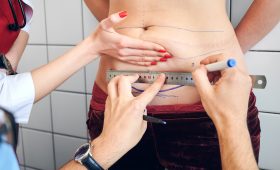
The primary objective in post-pregnancy abdominal restoration is the correction of Diastasis Recti. During pregnancy, the gradual expansion of the uterus exerts immense pressure on the linea alba, the fibrous structure that connects the rectus abdominable muscles. This often results in a permanent separation of the abdominal muscles, leading to a protrusion that cannot be resolved through core exercises alone. High-level surgical intervention in 2026 focuses on Diastasis Recti repair, which involves internal corset suturing of the abdominal fascia. By re-approximating the separated muscle bellies, surgeons create a stable, tightened midsection that provides much-needed core support.
Complementing this fascial repair is the selection of the appropriate abdominoplasty technique, tailored to the patient’s specific degree of skin laxity and adipose tissue distribution. The 2026 surgical landscape offers three primary modalities:
- Mini-Abdominoplasty: Targeted at patients with localized skin laxity in the lower abdomen, preserving the umbilical position and minimizing incision length.
- Full Abdominoplasty: A comprehensive approach involving the excision of excess skin and subcutaneous fat from the lower abdomen to the navel, accompanied by umbilical repositioning.
- Extended (360) Tummy Tuck: An advanced procedure designed for circumferential contouring, addressing the flanks and sides of the abdomen to ensure a seamless transition between the front and sides of the torso.
To achieve a refined, sculpted aesthetic, many patients integrate Vaser Liposuction, which is used for high-definition contouring with minimal bruising. This ultrasonic technology emulsifies the subcutaneous adipose tissue, allowing for precise removal of fat cells while preserving the surrounding microvasculature, which is critical for rapid healing.
Architectural Restoration: Breast Augmentation and Mastopexy
The second pillar of the restoration foundation is the restoration of the mammary architecture. Post-lactation, the breast tissue often undergoes significant volume loss and ptosis (sagging). The surgical goal is twofold: to restore volume and to redefine the projection and position of the nipple-areola complex.
The choice of implant is a critical safety benchmark. In leading-edge medical hubs, the use of high-grade, JCI-approved implants such as Mentor, Motiva, or Polytech is the industry standard. These implants are engineered with sophisticated shell technologies to minimize capsular contracture and ensure long-term biocompatibility. When combined with a breast lift (mastopexy), these implants provide the necessary projection to counteract the effects of skin elasticity loss.
“The success of a Mommy Makeover is measured by the synergy between the abdominal wall’s structural stability and the breast’s aesthetic projection. One cannot be perfected without addressing the other.” — Cure Holiday specialists
Turkey: The Global Hub for Clinical Excellence and Safety
By 2026, Turkey has solidified its position as the global epicenter for advanced reconstructive surgery. This status is not merely due to competitive pricing but is rooted in a sophisticated medical infrastructure that prioritizes safety benchmarks and patient-centric logistics. The Turkish medical model integrates world-class surgical expertise with a seamless, high-end patient experience.
The logistical framework is designed to minimize patient stress, which is medically significant for post-operative recovery. The journey typically begins with free online video assessments with board-controllable plastic surgeons, allowing for a precise preoperative plan. Upon arrival, the experience is characterized by premium care, utilizing VIP private transfers from the airport to the clinic via Istanbul (IST) or Antalya (AYT). Post-operative care is facilitated in 5-star recovery suites with companion stay included, ensuring that the patient remains in a controlled, sterile, and comfortable environment during the most critical healing phases.
The 2026 Financial Roadmap
Understanding the investment required for these complex procedures is essential for long-term planning. While the costs vary based on the complexity of the combination, the following benchmarks represent the industry standard for high-tier, comprehensive care:
- Standard Package (Basic Restoration): 4,500 – 7,500 USD
- Advanced Combination (Full Reconstruction): 8,000 – 12,000 USD
- Tummy Tuck (Individual Procedure): 3,000 – 5,000 USD
- Breast Lift (Mastopexy): 2,500 – 4,500 USD
- Liposuction (Per targeted area): 500 – 1,500 USD
- BBL (Fat Transfer/Brazilian Butt Lift): 3,500 – 5,500 USD
The Recovery Blueprint: Managing Post-Operative Expectations
A critical component of the 2026 checklist is the management of the post-operative timeline. Patients must view recovery not as “downtime,” but as a period of active biological reconstruction. The timeline is generally divided into two distinct phases:
The first phase is the acute recovery period, lasting approximately 7-10 days in Turkey. During this window, the focus is on wound management, edema (swelling) control, and preventing complications such as seromas or hematomas. The presence of a companion in 5-star recovery suites is vital during this period to assist with mobility and medication adherence.
The second phase is the functional reintegration period, where it typically takes 6 weeks for a full return to exercise. During this window, patients must adhere to strict activity restrictions to ensure that the internal fascial sutures—specifically those used in Diastasis Recti repair—remain intact and do not undergo mechanical failure due to intra-abdominal pressure.
The Surgical Blueprint: Understanding Combination Anatomy
A true “Mommy Makeover” is rarely a single-procedure event; rather, it is a sophisticated, multi-dimensional surgical reconfiguration designed to address the physiological changes caused by pregnancy and breastfeeding. To prepare your 2026 checklist, you must understand that the success of this transformation lies in the synergy between different surgical techniques. The goal is to address skin laxity, volume loss, and structural abdominal weakness simultaneously.
One of the most critical components in modern abdominal reconstruction is the management of Diastasis Recti. This condition involves the separation of the rectus abdominis muscles, often resulting in a permanent “pooch” that cannot be resolved through diet or exercise alone. Advanced surgical protocols now utilize Diastasis Recti repair involving internal corset suturing of the abdominal fascia. This technique reinforces the core, creating a much tighter, more stable midsection by essentially “re-knitting” the muscular wall.
For patients seeking more than just skin removal, the integration of Vaser Liposuction is a game-changer. Unlike traditional liposuction, which can be more traumatic to the surrounding tissue, Vaser technology uses ultrasound energy to emulsify fat cells before aspiration. This allows for high-definition contouring with minimal bruising, making it the gold standard for creating the “sculpted” look often paired with a tummy tuck. Furthermore, the choice of abdominal procedure must be tailored to your specific anatomy:
- Mini Abdominoplasty: Ideal for patients with minimal skin laxity localized to the lower abdomen.
- Extended (360) Tummy Tuck: A comprehensive approach that addresses the abdomen, flanks, and lower back for a seamless, circumferential contour.
Full Abdominoplasty: Addresses the entire abdominal area, including the umbilical region.
Case Study: The Journey of a 34-Year-Old Mother of Three
“After my third pregnancy, I felt like my body no longer belonged to me. The skin was loose, and the muscular separation was impossible to fix. The transformation wasn’t just about aesthetics; it was about reclaiming my physical confidence.” — Aoife, 34, Dublin, Ireland.
Aoife’s journey serves as a primary example of the 2026 patient profile. Presenting with significant abdominal ptosis (sagging) and breast atrophy, her surgical plan involved an advanced combination approach. Her surgeons performed an extended abdominoplasty to address the Diastasis Recti, paired with a breast augmentation using Motiva or Mentor implants to restore volume. To refine her profile, BBL (Brazilian Butt Lift) fat transfer was utilized, harvesting fat from the flanks via Vaser technology to enhance the gluteal projection.
Aoife’s experience highlights the importance of the preoperative phase. Before ever boarding a flight to Turkey, she utilized free online video assessments with board-certified plastic surgeons. This allowed for a remote clinical evaluation of her skin elasticity and anatomical suitability, ensuring that her surgical plan was medically sound before any logistical arrangements were finalized.
2026 Financial Planning: Transparent Cost Breakdown
Budgeting for a multi-procedure transformation requires a clear understanding of the various price tiers. While the advanced combination packages provide the most comprehensive results, costs vary significantly depending on the complexity of the fat transfer and the extent of the abdominal repair.
When auditing your quotes, ensure you are comparing “all-inclusive” service levels. Below are the standard industry benchmarks for 202able surgical components:
- Standard Package (Basic Tummy Tuck + Breast Lift): 4,500 – 7,500 USD
- Advanced Combination (Tummy Tuck + Breast Augmentation + Lipo): 8,000 – 12,000 USD
- Abdominoplasty (Full, Mini, or Extended): 3,000 – 5,000 USD
- Mastopexy (Breast Lift): 2,500 – 4,500 USD
- Liposuction (Per Targeted Area): 500 – 1,500 USD
- BBL (Fat Transfer to Gluteal Region): 3,500 – 5,500 USD
Safety Standards and JCI Compliance
In the realm of medical tourism, the margin for error is zero. Your checklist must prioritize JCI (Joint Commission International) accredited facilities. This accreditation ensures that the clinic adheres to the highest global standards of patient safety, sterilization, and surgical precision. This is particularly vital when selecting implants; only JCI-approved brands such as Mentor, Motiva, or Polytech should be considered, as they undergo rigorous testing for structural integrity and biocompatibility.
The surgical excellence of the facility is matched by the precision of the technology used. From the ultrasound-assisted fat emulsification to the specialized suturing techniques for abdominal fascia, the focus remains on minimizing trauma and accelerating the biological healing process.
The Logistics of Recovery: Managing Your Post-Operative Window
The “Mommy Makeover” is not a vacation; it is a managed recovery period. Your itinerary must account for the physiological demands of healing. The standard recovery protocol involves 7-10 days in Turkey, staying in 5-star recovery suites. These suites are specifically designed for post-surgical care, often featuring companion stay included to assist with mobility and basic needs during the first few days of swelling.
Logistical seamlessness is essential to reducing patient cortisol levels. High-end medical journeys utilize VIP private transfers from Istanbul (IST) or Antalya (AYT) airports directly to the clinic or hotel, ensuring you are not navigating public transport while recovering from anesthesia. While the initial period in Turkey is brief, you must plan for a 6-week window before a full return to strenuous exercise. During this time, adherence to compression garment protocols and lymphatic drainage massage is non-negotiable for achieving the final, high-definition result.
Pre-Surgical Logistics: The Digital Consultation and Arrival Protocol
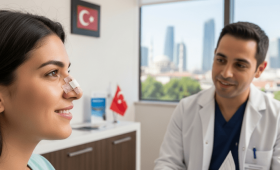
The success of a 2026 Mommy Makeover is determined long before the first incision is made. For the discerning patient, the checklist begins with the orchestration of virtual clinical assessments. To ensure anatomical compatibility and realistic aesthetic expectations, the first critical step is securing free online video assessments with board-certified plastic surgeons. This allows for a remote evaluation of skin elasticity, subcutaneous fat distribution, and the degree of abdominal laxity, ensuring the surgical plan is bespoke to your specific postpartum physiological needs.
Upon arrival in Turkey, the transition from international travel to clinical care should be seamless. Your logistical roadmap involves landing at either Istanbul (IST) or Antennio (AYT). The gold standard for premium medical tourism involves VIP private transfers that bridge the gap between the terminal and your recovery suite. This minimizes physiological stress and prevents the physical exhaustion that can compromise post-operative healing.
The Recovery Sanctuary: 5-Star Post-Operative Environments
Recovery from a multi-area reconstruction requires more than just a hotel room; it requires a controlled, sterile, and restorative environment. The 2026 standard for high-end medical tourism in Turkey focuses on 5-star recovery suites specifically designed for post-surgical care. These suites are not merely luxury accommodations but are curated to support the specific hemodynamic and inflammatory needs of the recovering patient.
A vital component of the Mommy Makeover checklist is the companion stay inclusion. For many mothers, the logistics of childcare and domestic management are the primary barriers to surgical travel. Premium packages now frequently include a dedicated space for a partner or family member, allowing for a continuous support system. This person acts as a secondary caregiver, assisting with mobility, medication adherence, and the monitoring of surgical sites during the initial acute healing phase.
“Post-operative excellence is defined by the synergy between surgical precision and the environmental stability of the recovery period. A seamless transition from the operating theatre to a high-specification recovery suite is paramount for minimizing cortisol levels and optimizing tissue integration.”
Surgical Precision: Technical Specifications and Anatomical Reconstruction
A “Mommy Makeover” is a complex anatomical reconfiguration. Understanding the technical nuances of the procedures is essential for the patient’s checklist. When addressing abdominal diastasis, the surgeon utilizes Diastasis Recti repair, which involves the complex internal corset suturing of the abdominal fascia. This procedure restores the structural integrity of the anterior abdominal wall, effectively “tightening” the internal musculature to complement the external skin excision.
- Mini Abdominoplasty: Targeted at patients with localized skin laxity in the lower abdomen.
- Full Abdominoplasty: A comprehensive approach addressing both the umbilical area and the lower abdominal pannus.
- Extended (360) Tummy Tuck: A circumferential reconstruction designed to address lateral abdominal contouring and flank tension.
For body contouring, the use of Vaser Liposuction represents the pinnacle of modern fat harvesting. This ultrasonic technology allows for high-definition contouring with minimal bruising by emulsifying fat cells through low-frequency vibrations, preserving the surrounding neurovascular structures. When paired with a BBL (Brazilian Butt Lift) fat transfer, the result is a highly sculpted, anatomical silhouette.
Breast augmentation protocols must also adhere to stringent international safety standards. For 2026, the surgical standard involves the use of JCI-approved implants, specifically Mentor, Motiva, or Polytech brands. These implants are engineered with advanced shell textures and cohesive gel compositions to ensure long-term stability and minimize the risk of capsular contracture.
The Post-Operative Timeline: Managing the “Fly-Home” Transition
The timeline for your 2026 journey must be meticulously planned to accommodate the biological stages of wound healing. The standard recovery protocol in Turkey spans 7-10 days. This period is critical for the management of edema (swelling) and the monitoring of surgical drains if they have been utilized. During this window, the focus is on low-impact mobility to prevent deep vein thrombosis (post-op DVT) while ensuring the surgical incisions remain undisturbed.
The transition back to international travel—the fly-home timeline—is usually scheduled once the patient is medically cleared for cabin pressure changes. However, the checklist does not end at the airport. Patients must prepare for a 6-week period before they can safely return to full exercise or heavy lifting. During this window, the internal “corset” suturing and the transferred fat cells are undergoing the most volatile stages of revascularization and tissue remodeling.
2026 Cost Breakdown: The Economic Advantage of Turkey
When comparing the financial landscape of a Mommy Makeover, the discrepancy between Turkey and the UK/USA remains significant. For 2026, the cost-to-quality ratio in Turkey allows patients to access advanced technologies, such as Vaser Lipo and premium Motiva implants, at a fraction of the Western cost. Below is the projected expenditure breakdown for a comprehensive package.
Standard Package (Comprehensive Body/Breast Tummy Tuck/Lift): 4,500 – 7,500 USD
Advanced Combination (Multi-area reconstruction including BBL/Lipo): 8,000 – 12,000 USD
Individual Procedure Cost Reference:
- Tummy Tuck (Full/Extended): 3,000 – 5,000 USD
- Breast Lift (Mastopexy): 2,500 – 4,500 USD
- BBL (Fat Transfer): 3,500 – 5,500 USD
- Liposuction (Per targeted area): 500 – 1,500 USD
While the UK and USA may offer similar surgical techniques, the total cost of care—including surgeon fees, anesthesia, 5-star recovery, and VIP logistics—often exceeds 25,000 USD for a similar combination. The 2026 Turkish model provides an optimized pathway, combining clinical excellence with a structured, luxury recovery logistics framework.
Considering a Mommy Makeover in Turkey? Get a Free Quote for your Your 2026 Checklist for the Perfect Mommy Makeover Experience Transformation with cureholiday.com
Free Consultation
Fill out the form below to get your free medical travel plan and price quote.
Sources and how to verify this yourself
- Ministry of Health, Regulation on International Health Tourism and Tourist Health, Official Gazette 26 April 2025, No. 32882 — authorisation requirement for facilities and intermediaries, TÜSKA accreditation, compulsory complication insurance (deadline 31 December 2025 for insurance, 31 December 2026 for accreditation). source
- Ministry of Health, Regulation on Promotion and Information Activities in Health Services, Official Gazette 12 November 2025, No. 33075 — treatment promises and guarantees are prohibited; price and campaign announcements are permitted only within international health tourism. source