About the prices on this page. The figures below are indicative market prices and country comparisons, not a quote. Our own current, all-inclusive prices are published on our dental treatment in Turkey page, and we confirm your figure in writing before you commit to anything.
The journey to a flawless smile often begins with a single, crucial question: how much of my natural tooth structure will be lost? Dental veneers have revolutionized cosmetic dentistry, offering a transformative solution for discolored, chipped, or misaligned teeth. However, the procedure typically requires some level of tooth preparation—a process that involves removing a thin layer of enamel to ensure the veneer fits perfectly and looks natural. Understanding the nuances of this “cutting” or trimming process is essential for any patient considering this life-changing investment. In this comprehensive guide, we will explore every technical and biological aspect of tooth reduction, from the microscopic depths of enamel removal to the latest “no-prep” technologies, ensuring you have the knowledge to make an informed decision for your oral health.
What Is Dental Veneer Tooth Preparation?
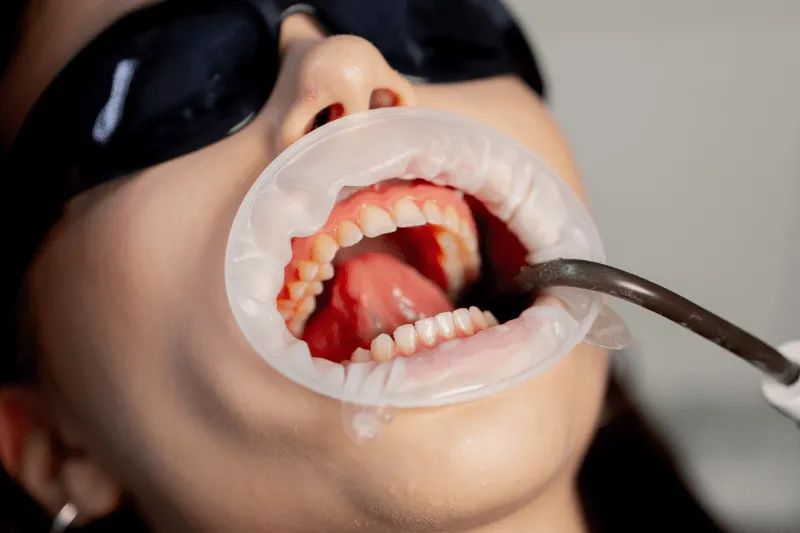
Dental veneer tooth preparation is the clinical process where a dentist removes a precise amount of the outermost layer of a tooth, known as the enamel. This is done to create sufficient space for the porcelain or composite material that will be bonded to the surface. Without this preparation, the added thickness of the veneer would make the tooth appear unnaturally bulky and could interfere with the patient’s bite or lip closure. The goal of a skilled cosmetic dentist is to remove only what is strictly necessary—often less than a millimeter—to achieve a seamless transition between the dental restoration and the natural gum line. This step is fundamental in ensuring the structural integrity and aesthetic harmony of the final smile.
Why Is Tooth Reduction Necessary For Veneers?
Tooth reduction serves several vital purposes in the success of a cosmetic dental procedure. First and foremost, it addresses the “path of insertion,” allowing the veneer to slide onto the tooth without being obstructed by adjacent teeth or natural contours. Secondly, it provides a roughened surface that enhances the chemical and mechanical bonding between the tooth and the adhesive resin. Additionally, trimming the enamel allows the dentist to correct minor misalignments or protrusions, creating a uniform “canvas” for the new smile. By carefully sculpting the natural tooth, the clinician ensures that the veneer does not sit on top of the enamel but rather becomes an integrated part of the dental anatomy.
How Much Enamel Is Typically Removed For Standard Veneers?
In the world of standard porcelain veneers, the average amount of enamel removal ranges between 0.5 mm and 0.7 mm on the labial (front) surface. Near the biting edge, or the incisal edge, the reduction might be slightly more—around 1.0 mm to 1.5 mm—to allow the porcelain to wrap over the edge for better stability and light translucency. This measurement is roughly equivalent to the thickness of a fingernail or a contact lens. The precision required for this task is immense; removing too little can result in a “thick” look, while removing too much might expose the sensitive dentin layer underneath. Modern conservative dentistry always prioritizes preserving as much healthy enamel as possible.
Does The Amount Of Cutting Vary Based On Veneer Type?
Yes, the specific material chosen for your veneers directly dictates the preparation depth. Traditional porcelain veneers are incredibly durable but require a certain thickness to prevent fracturing, necessitating the standard 0.5 mm to 0.7 mm reduction. In contrast, ultra-thin veneers, often referred to as “minimal-prep” veneers, may only require 0.2 mm to 0.3 mm of trimming. E-max veneers, made from high-strength lithium disilicate, allow for thinner sections without compromising strength, often allowing for more conservative preparation. Zirconia veneers, while exceptionally strong, may require slightly different preparation margins depending on whether they are monolithic or layered. Your dentist will choose the depth based on the mechanical properties of the selected material.
How Thick Are Traditional Porcelain Veneers Compared To Modern Ones?
Historically, porcelain veneers were relatively thick, often exceeding 1.0 mm, which meant patients had to undergo significant tooth reduction, sometimes approaching the level of a dental crown. This often led to increased sensitivity and a higher risk of the veneer debonding over time. Modern advancements in ceramic technology have drastically reduced these dimensions. Today’s high-quality porcelain and glass-ceramic materials can be fabricated at thicknesses as low as 0.3 mm while maintaining superior aesthetic properties. This shift toward “micro-thin” restorations has transformed the patient experience, making the procedure much less invasive and preserving the long-term vitality of the underlying tooth structure.
What Are No-Prep Veneers And Do They Require Any Cutting?
No-prep veneers are a specific category of cosmetic restorations designed to be bonded directly to the existing enamel without any mechanical drilling or trimming. These are ideal for patients who have small teeth, significant gaps (diastemas), or teeth that are positioned slightly backward in the arch. While the term “no-prep” implies zero cutting, many cases actually involve “minimal-prep,” where the dentist might perform very light polishing of the enamel to remove sharp angles or ensure a smooth margin at the gum line. The primary advantage of this approach is that the process is often reversible, as the natural enamel remains almost entirely intact beneath the veneer.
Is Lumineers A Better Option For Minimal Tooth Reduction?
Lumineers is a well-known brand of ultra-thin veneers manufactured from a patented Cerinate porcelain. They are marketed specifically for their ability to be applied without the traditional “shaving” of the teeth. For many patients, Lumineers offer an attractive, needle-free, and drill-free experience. However, whether they are a “better” option depends entirely on the clinical situation. Because they sit on top of the natural tooth, they can sometimes look slightly “over-contoured” or bulky if the underlying teeth are already prominent. They are most successful in “additive” cases where the goal is to increase the size or change the shape of teeth that have plenty of room in the dental arch.
How Does Composite Bonding Compare To Veneers In Terms Of Trimming?
Composite bonding, or direct resin veneers, typically requires the least amount of tooth reduction among all cosmetic options. In many instances, the dentist only needs to lightly “etch” the surface with a mild acidic solution to open the microscopic pores of the enamel. No physical cutting with a bur is usually required unless there is active decay or a need to change the tooth’s position significantly. While this makes composite bonding a highly conservative and cost-effective choice, it is important to note that composite resin is more porous than porcelain. It tends to stain more easily and lacks the long-term durability and lifelike translucency that porcelain veneers provide.
Can Veneers Ever Be Placed Without Any Tooth Trimming At All?
It is technically possible to place veneers with zero tooth trimming, but the candidates for this “pure” no-prep approach are limited. The ideal scenario involves teeth that are naturally small, genetically misshapen (like peg laterals), or have shifted inward, leaving space for the added thickness of the veneer material. If a patient with normally sized, well-aligned teeth tries to bypass trimming, the result is often “bulky” teeth that make the lips protrude and create “food traps” near the gums, leading to inflammation and decay. Therefore, while “zero cutting” is the dream, a “minimal-prep” approach of 0.2 mm is usually the reality for a functional and beautiful result.
Is The Tooth Cutting Process Considered Painful For Most Patients?
One of the biggest fears patients have is that tooth preparation will be painful. In reality, the process is very manageable and usually described as “weird” rather than “painful.” Since the dentist is only working within the enamel—which contains no nerve endings—the physical act of trimming does not send pain signals to the brain. However, the vibration of the high-speed dental handpiece and the use of water cooling can cause some discomfort or anxiety. Most dentists use local anesthesia to ensure the patient is completely numb, preventing any sensitivity during the procedure. Post-operative sensitivity is common but typically subsides within a few days as the teeth adjust.
What Role Does Local Anesthesia Play During The Preparation Phase?
Local anesthesia is the cornerstone of patient comfort during veneer preparation. Even though enamel removal is technically a non-nerve procedure, anesthesia is used for two main reasons. First, it eliminates the possibility of “cold sensitivity” caused by the constant stream of water used to keep the dental bur and the tooth cool. Second, it allows the dentist to work around the gingival (gum) margins without causing discomfort to the soft tissues. By numbing the area, the dentist can focus on the extreme precision required for the margins—the area where the veneer meets the tooth—ensuring a perfect fit that prevents future bacterial leakage and gum recession.
How Does Initial Tooth Alignment Affect The Total Amount Of Cutting?
The original position of your teeth is the most significant factor in determining how much cutting is required. If your teeth are perfectly straight and you only want to change their color, the reduction will be uniform and minimal (around 0.5 mm). However, if you have crowded or rotated teeth, the dentist must “re-align” the arch using the veneers. This means that the “outward-facing” part of a rotated tooth will need to be cut back more significantly (perhaps 1.0 mm or more) to bring it into line with the others. In cases of severe crowding, some dentists may recommend a short course of orthodontics (like Invisalign) before veneers to minimize the amount of tooth structure that needs to be removed.
Are Severely Discolored Teeth Cut More Deeply Than Healthy Teeth?
Yes, severe discoloration, such as dark grey staining from tetracycline antibiotics or deep intrinsic trauma, often requires a deeper preparation. Porcelain is translucent by nature; if the underlying tooth is very dark, that darkness can “show through” a thin veneer, making the final result look dull or grey. To mask these heavy stains, the dentist must remove more enamel (around 0.8 mm to 1.0 mm) to allow for a thicker layer of opaque porcelain and specialized “blocking” cements. This extra depth provides the laboratory technician with enough room to build up layers of color and translucency that look natural while completely hiding the discolored tooth underneath.
Does The Original Size Of The Tooth Influence Preparation Depth?
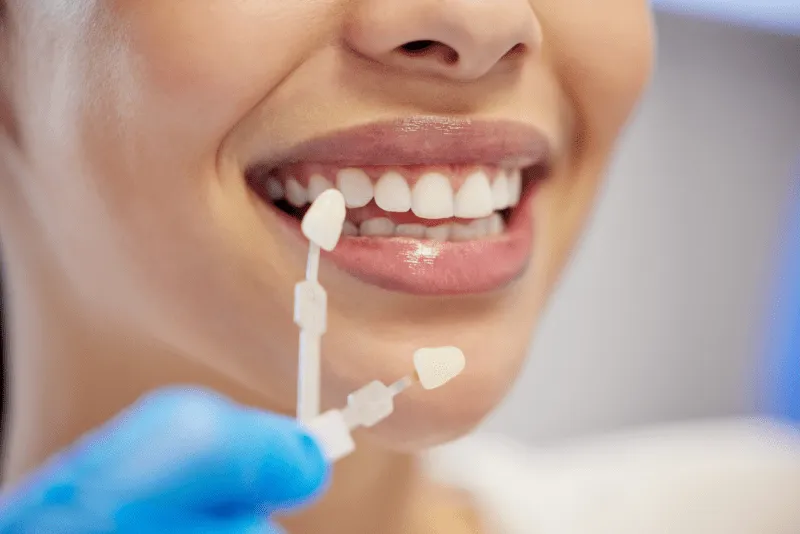
The natural dimensions of a tooth play a critical role in the “preservation vs. preparation” balance. For patients with “microdontia” (unusually small teeth), the goal is often purely additive, meaning very little to no cutting is needed because the veneer is filling in “empty space.” Conversely, patients with large, prominent teeth (macrodontia) require more substantial reduction to prevent the final smile from looking too dominant or “horse-like.” A skilled clinician evaluates the tooth-to-face ratio and the “golden proportion” of dental aesthetics to decide exactly where to trim. The objective is always to create a balanced smile that complements the patient’s facial features without unnecessary loss of enamel.
How Much Tooth Structure Is Removed For E-Max Porcelain Veneers?
E-Max veneers, made from lithium disilicate glass-ceramic, are world-renowned for their combination of beauty and strength. Because the material is so strong even in thin sections, it allows for some of the most conservative preparations in modern dentistry. For an E-Max veneer, a dentist might only need to remove 0.3 mm to 0.5 mm of enamel on the facial surface. This “ultra-conservative” approach preserves the “enamel-dentin junction,” which is critical for the long-term bond strength of the veneer. Because E-Max can be pressed or milled to extreme precision, it offers a “biomimetic” result—essentially replacing lost or undesirable enamel with a material that mimics its natural strength and optical properties.
Is Zirconium Veneer Preparation Different From Standard Porcelain?
Zirconium veneers (often zirconia-based) require a slightly different preparation philosophy. Zirconia is a metal-free ceramic known for its incredible toughness, often used for dental crowns. When used for veneers, it is typically chosen for its ability to mask very dark teeth or for patients who have “bruxism” (teeth grinding) habits. The preparation for zirconia might involve a “chamfer” or “shoulder” margin that is slightly more defined than the “feather-edge” margins used for some porcelain veneers. While zirconia can be made thin, it is less translucent than E-Max or feldspathic porcelain, so the dentist must ensure there is enough space to achieve the desired aesthetic without the tooth looking “flat” or “chalky.”
What Biological Changes Happen To Enamel After It Is Shaved?
Enamel is a non-living tissue; it does not contain cells or blood vessels, and once it is removed, it cannot regenerate. When the outer layer is shaved during veneer preparation, the underlying “enamel prisms” are exposed. From a biological standpoint, this makes the tooth more vulnerable to temperature changes and bacterial acid if left unprotected. This is why the bonding process is so critical. The dental adhesive and the veneer itself act as a permanent, synthetic replacement for the removed enamel, sealing the “dentinal tubules” and protecting the tooth’s internal pulp. As long as the veneer remains intact and the margins are sealed, the tooth remains biologically stable and healthy.
Why Is Tooth Reduction For Veneers Considered An Irreversible Process?
The irreversibility of dental veneers is a point that every patient must understand. Because the protective enamel is removed, the tooth can no longer function “naked” in the oral environment without being highly sensitive and prone to rapid decay. Once you choose traditional veneers, you are making a lifelong commitment to having some form of restoration on those teeth. While veneers can last 15 to 20 years with proper care, they will eventually need to be replaced. You cannot simply “take them off” and go back to your original teeth. This is why the “minimal-prep” philosophy is so popular—it keeps the door open for future dental technologies while maintaining the maximum amount of natural tooth.
How Long Does The Actual Tooth Preparation Appointment Usually Take?
The preparation appointment is the most labor-intensive part of the veneer process. Depending on how many teeth are being treated, the session can last anywhere from one to three hours. For a full “smile makeover” (usually 8 to 10 veneers), the dentist must meticulously prep each tooth, ensuring that the margins are clean, the depths are consistent, and the paths of insertion are parallel. Following the preparation, the dentist must take high-precision impressions (either with traditional putty or a digital 3D scanner) and then fabricate “temporary” veneers. It is a process that requires extreme focus, as even a tenth of a millimeter error can affect the fit of the final porcelain.
What Are Temporary Veneers And When Do Patients Need Them?
Temporary veneers are acrylic restorations placed on the teeth during the two-week period while the dental lab custom-crafts your permanent porcelain veneers. Since the teeth have been trimmed, they may look slightly smaller and feel sensitive to cold or air. The temporaries serve three purposes: they protect the prepared tooth surfaces, they prevent sensitivity, and they act as a “test drive” for your new smile. Patients can provide feedback on the shape, length, and “feel” of the temporaries, which the dentist can then communicate to the lab for the final versions. While they aren’t as beautiful as the final porcelain, they ensure you don’t have to hide your smile during the waiting period.
How Do Modern Dentists Measure The Precise Micron Amount Of Cutting?
Gone are the days of “eyeballing” tooth reduction. Modern cosmetic dentists use several tools to ensure they stay within the “safe zone” of enamel. “Depth-cutting burs” are specialized dental drills with tiny grooves that only allow the drill to sink to a specific depth (e.g., 0.5 mm). Once these grooves are made, the dentist levels the rest of the enamel to that exact depth. Furthermore, many elite dentists use “Silicon Reduction Guides”—small molds made of the patient’s “diagnostic wax-up” (a model of the desired result). By placing this guide over the teeth during preparation, the dentist can see exactly how much space is needed for the porcelain, often leading to even less cutting than originally planned.
What Specialized Dental Tools Are Used To Trim The Tooth Surface?
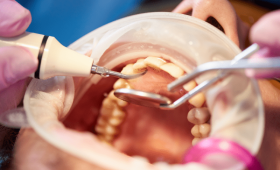
The primary tool used is the high-speed air-turbine or electric handpiece, equipped with diamond-impregnated burs. These burs come in various shapes: “tapered diamonds” for the flat surfaces, “round-end” burs for creating smooth margins, and “football-shaped” burs for the back of the teeth if needed. Magnification is also an essential tool; many cosmetic dentists wear “dental loupes” (magnifying glasses) or use a “dental operating microscope” to see the tooth at 10x to 20x its natural size. This level of visualization ensures that the margins are perfectly smooth and that no unnecessary healthy enamel is sacrificed, resulting in a fit so precise that the transition between tooth and veneer is invisible to the naked eye.
Can Excessive Tooth Cutting Lead To Chronic Dental Sensitivity?
If a dentist removes too much enamel and enters the dentin layer—or worse, gets close to the dental pulp—it can lead to chronic sensitivity or even the need for a root canal. Dentin contains thousands of microscopic tubules that lead directly to the nerve. When these are exposed and not perfectly sealed, hot and cold stimuli can cause sharp pain. This is why the “Enamel Preservation” movement in dentistry is so vital. By keeping the preparation within the enamel, the bond strength is doubled, and the risk of sensitivity is virtually eliminated. Choosing an experienced cosmetic dentist who prioritizes conservative techniques is the best way to avoid long-term discomfort.
How Does The Depth Of Preparation Impact The Veneer Longevity?
There is a direct correlation between how much enamel is preserved and how long a veneer stays bonded to the tooth. Enamel provides a significantly stronger and more predictable “bond” than dentin. When a veneer is bonded entirely to enamel, it is almost impossible for it to fall off or leak. However, if the preparation is too deep and relies on dentin for bonding, the “hybrid layer” is more susceptible to breaking down over time due to the natural moisture within the dentin. Therefore, “less is more” when it comes to cutting. A conservative preparation not only keeps your tooth stronger but ensures that your $1,000+ per tooth investment stays exactly where it belongs for decades.
Does The Patient Age Impact The Decision On How Much To Cut?
Age is a significant factor in dental planning. In younger patients, the “pulp chamber” (where the nerves and blood vessels live) is much larger and closer to the surface. This means the dentist must be extremely cautious with the preparation depth to avoid damaging the nerve. In older patients, the pulp often recedes and the enamel might already be worn down from decades of use. In these cases, the “cutting” might actually be more of a “shaping” process of already thin enamel. Regardless of age, the goal is to maximize the “tooth life cycle.” A 20-year-old getting veneers needs a much more conservative approach to ensure they have enough tooth structure left for potential replacements later in life.
What Are The Potential Long-Term Risks Of Removing Tooth Enamel?
While veneers are generally safe and highly successful, the removal of enamel does carry inherent risks. The primary risk is “structural weakening.” Enamel is the hardest substance in the human body; once it is thinned, the tooth is technically more flexible, which can lead to “micro-fractures” if the patient has a heavy bite. Additionally, if the veneer margins are not perfectly executed, the area where the enamel was cut becomes a “shelf” for plaque, increasing the risk of “secondary caries” (decay under the veneer). However, these risks are mitigated by excellent oral hygiene, regular dental check-ups, and the use of a nightguard to protect the restorations from grinding forces.
How Can Digital Smile Design Help Minimize Unnecessary Tooth Reduction?
Digital Smile Design (DSD) is a revolutionary technology that allows dentists to plan the entire procedure in a virtual 3D environment before ever touching a drill. By using high-resolution photos and 3D intraoral scans, the dentist can create a “digital mockup” of the final result. This allows for “backward planning”—starting with the end result and only removing the specific parts of the tooth that “get in the way” of that design. Often, DSD reveals that a tooth only needs to be trimmed on one corner rather than across the whole surface. This “precision-targeted” preparation is the gold standard for preserving natural tooth structure in the 21st century.
Why Should You Choose Veneers Over Full Crowns To Preserve Enamel?
Patients are often confused between veneers and crowns. A dental crown requires a “360-degree” reduction, where the tooth is shaved down into a small “peg” to allow the crown to fit over it like a hat. This involves removing 60% to 75% of the natural tooth structure. A veneer, by comparison, only covers the front surface and the biting edge, requiring only about 3% to 30% reduction. Unless a tooth is already severely broken down or has a massive filling, a veneer is almost always the better choice because it preserves the “lingual” (back) enamel, which is vital for the tooth’s structural strength and its natural “flex” during chewing.
Is Your Overall Gum Health Affected By The Veneer Preparation Process?
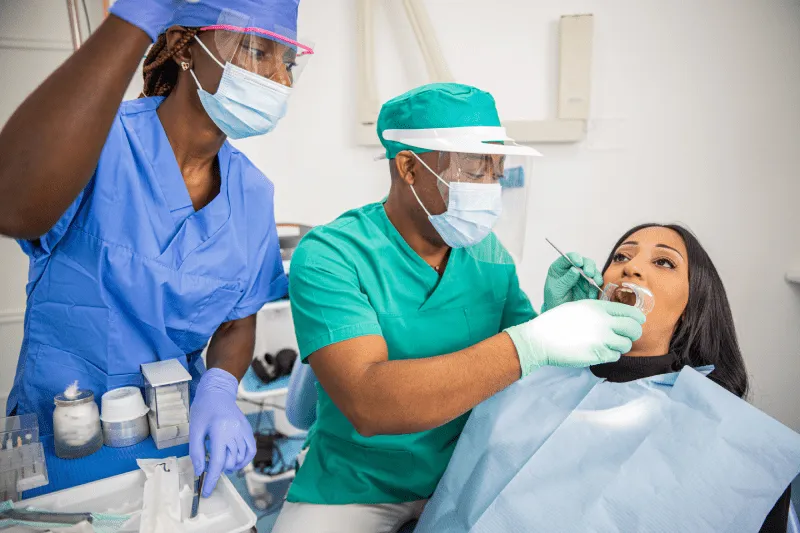
Gum health is intimately linked to how the teeth are cut. If the dentist prepares the tooth too deeply “sub-gingivally” (well below the gum line), it can violate the “biological width,” leading to chronic redness, bleeding, and gum recession. Modern techniques prefer “supra-gingival” or “equi-gingival” preparations, where the margin of the veneer sits right at or just slightly below the gum line. This allows the patient to clean the area easily with floss and maintains a healthy “attachment” of the gums to the tooth. Healthy gums are the “frame” for your new smile; without them, even the most expensive porcelain veneers will look unattractive and unhealthy.
What Questions Should You Ask Your Dentist Regarding Tooth Cutting?
Before committing to the procedure, you should have an open dialogue with your provider. Ask: “What is your philosophy on enamel preservation?” “Can you show me a 3D mockup of how much you plan to trim?” “Am I a candidate for minimal-prep or no-prep veneers?” “What material are you using, and how thick will it be?” “How many cases like mine have you handled?” A transparent and expert dentist will be happy to explain their measurements and techniques. If a dentist suggests “aggressive” cutting for a simple aesthetic change without a clear clinical reason, it may be worth seeking a second opinion to see if a more conservative path is possible.
Why Is Cure Holiday The Best Choice For Your Dental Veneers?
When it comes to complex cosmetic procedures like dental veneers, the expertise of the clinical team and the quality of the laboratory are paramount. Cure Holiday stands out as a premier destination for dental tourism, combining world-class dental surgeons with state-of-the-art technology. We understand that your natural teeth are precious, and our philosophy is centered on “maximum aesthetics with minimum intervention.” By choosing Cure Holiday, you are accessing a network of clinics that specialize in high-precision E-Max and Zirconia restorations. Our commitment to excellence ensures that your tooth preparation is handled with microscopic accuracy, resulting in a stunning, long-lasting smile that feels as natural as it looks.
What Are The Unique Advantages Of Receiving Treatment With Cure Holiday?
Choosing Cure Holiday for your dental journey offers more than just a new smile; it offers a comprehensive, stress-free experience. Our advantages include access to internationally accredited dentists who speak your language, significant cost savings compared to Western Europe or North America, and the use of the latest CAD/CAM (Computer-Aided Design and Manufacturing) technology. We don’t just “fit” veneers; we “design” them to match your facial symmetry and personality. Furthermore, our all-inclusive packages handle everything from your VIP transfers to your luxury accommodation, allowing you to focus entirely on your transformation while enjoying a beautiful holiday in a world-class destination.
How Does Cure Holiday Ensure Precision And Minimal Tooth Reduction?
At Cure Holiday, we utilize advanced Digital Smile Design (DSD) and 3D intraoral scanning to map your dental anatomy down to the micron. This technology allows our dentists to perform “guided preparations,” ensuring that not a single millimeter of enamel is removed unnecessarily. Our partner laboratories use high-density lithium disilicate (E-Max), which can be milled to extreme thinness while maintaining incredible strength. This synergy between clinical skill and technological innovation means our patients often enjoy “minimal-prep” results that other clinics might achieve only through more invasive methods. We prioritize the health of your teeth as much as the beauty of your smile.
Why Do Thousands Of International Patients Trust Cure Holiday Services?
Trust is built on results and transparency. Cure Holiday has earned its reputation by delivering thousands of successful smile makeovers to patients from across the globe. Our patients appreciate our “patient-first” approach, where every treatment plan is customized to the individual’s needs, budget, and biological constraints. We provide clear, upfront information about every step of the process—including the tooth cutting stage—so there are no surprises. Our high success rates, glowing patient testimonials, and rigorous sterilization and safety protocols make us a leader in the global dental tourism market. When you choose us, you are choosing a partner dedicated to your long-term oral health and confidence.
How Can You Start Your Professional Dental Journey With Cure Holiday?
Taking the first step toward your dream smile is easier than you think. To begin your journey with Cure Holiday, simply reach out to us through our website or WhatsApp for a free, no-obligation virtual consultation. You can send us photos of your current smile or a recent X-ray, and our medical consultants will provide a preliminary assessment and a transparent quote. We will guide you through the selection of veneer types, explain the preparation process in detail, and help you schedule your visit. Don’t let uncertainty about tooth cutting hold you back from the confidence you deserve—contact Cure Holiday today and let us show you how a conservative, expert approach can transform your life.
Summary: Dental veneers are a powerful tool for aesthetic transformation, but the amount of tooth cutting involved is a critical factor in the success and longevity of the procedure. While standard preparations range from 0.5 mm to 0.7 mm, modern materials like E-Max and “no-prep” options allow for much more conservative results. By understanding the “why” and “how” of tooth reduction, you can approach your cosmetic journey with confidence. For the best results that prioritize both beauty and tooth preservation, Cure Holiday offers the expertise and technology needed to craft your perfect smile.
Free Consultation
Fill out the form below to get your free medical travel plan and price quote.
Sources and how to verify this yourself
- Howe M-S, Keys W, Richards D. Long-term (10-year) dental implant survival: a systematic review and sensitivity meta-analysis. Journal of Dentistry, 2019 — pooled 10-year implant survival 96.4% (95% CI 95.2–97.5%); conservative sensitivity estimate 93.2%. source
- Ministry of Health, Regulation on International Health Tourism and Tourist Health, Official Gazette 26 April 2025, No. 32882 — authorisation requirement for facilities and intermediaries, TÜSKA accreditation, compulsory complication insurance (deadline 31 December 2025 for insurance, 31 December 2026 for accreditation). source
- Ministry of Health, Regulation on Promotion and Information Activities in Health Services, Official Gazette 12 November 2025, No. 33075 — treatment promises and guarantees are prohibited; price and campaign announcements are permitted only within international health tourism. source