About the prices on this page. The figures below are indicative market prices and country comparisons, not a quote. Our own current, all-inclusive prices are published on our dental treatment in Turkey page, and we confirm your figure in writing before you commit to anything.
Robotic Weight Loss Surgery in Turkey: A Comprehensive Guide
Turkey has rapidly emerged as a leading global destination for robotic weight loss surgery, attracting patients from across Europe, North America, and beyond. This surge in medical tourism isn’t accidental; it’s a direct result of a confluence of factors including highly skilled surgeons, state-of-the-art facilities, and significantly lower costs compared to Western nations. Patients consistently report savings of up to 70% when choosing Turkey for their procedures, without compromising on quality or safety.
The appeal is particularly strong for those considering robotic bariatric surgery. In countries like Germany and France, robotic procedures can easily exceed €25,000-€35,000, encompassing surgical fees, hospital stays, and pre/post-operative care. In Turkey, a comparable procedure, including all these components, typically ranges from €8,000 to €15,000, representing substantial financial relief for patients.
This cost difference isn’t due to lower standards. Turkish hospitals investing in robotic systems – primarily the Da Vinci Surgical System, but increasingly exploring newer platforms – have done so with a commitment to providing world-class care. Many surgeons have undergone extensive training internationally, often in the United States, and maintain close ties with leading bariatric centers globally.
The infrastructure supporting robotic surgery in Turkey is robust. Hospitals offering these procedures adhere to stringent international accreditation standards, such as JCI (Joint Commission International), ensuring patient safety and quality of care. These facilities boast modern operating rooms equipped with the latest technology, dedicated recovery units, and multilingual support staff to cater to international patients.
Beyond the financial benefits and advanced technology, the comprehensive care packages offered in Turkey are a significant draw. These packages typically include airport transfers, accommodation in high-quality hotels, all necessary pre-operative tests and consultations, the surgery itself, hospital stay (usually 3-5 days), post-operative check-ups, and often, a dedicated patient coordinator to manage all aspects of the journey. This removes a significant logistical burden from patients already dealing with the emotional and physical challenges of weight loss surgery.
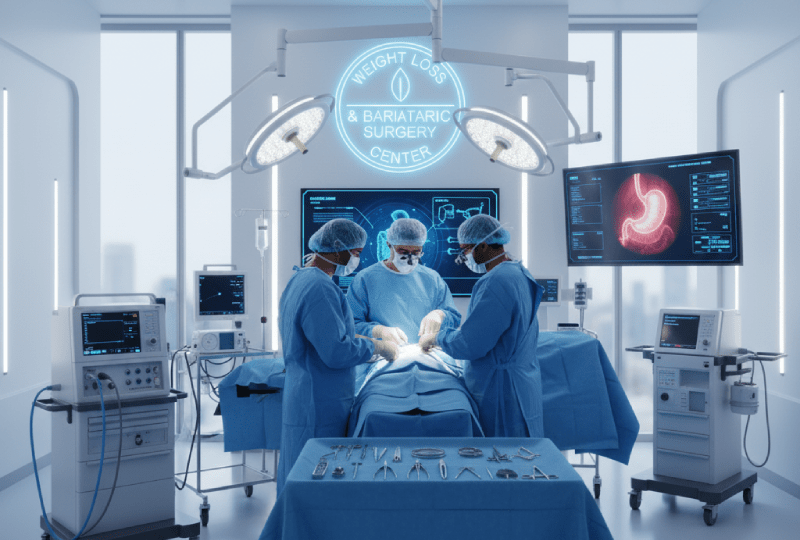
Specifically regarding robotic procedures, Turkish surgeons are proficient in a full spectrum of bariatric operations utilizing the Da Vinci system. Sleeve gastrectomy, gastric bypass (both traditional and mini), and duodenal switch are all routinely performed robotically. The precision afforded by the robotic system translates to smaller incisions, reduced blood loss, less post-operative pain, shorter hospital stays, and faster recovery times – benefits that are universally appreciated.
The increased dexterity and visualization provided by robotic assistance are particularly advantageous in complex cases, such as revisions of previous bariatric surgery or for patients with significant co-morbidities. Surgeons can navigate anatomical structures with greater ease, minimizing the risk of complications.
It’s important to note that while Turkey offers a compelling value proposition, thorough research and due diligence are crucial. Patients should carefully vet surgeons, review their credentials and experience, and examine hospital accreditations. Communicating openly with the surgical team about medical history, expectations, and any concerns is paramount.
The growth of robotic weight loss surgery in Turkey demonstrates a commitment to accessible, high-quality healthcare. By combining advanced technology with affordability, Turkey is becoming the preferred destination for individuals seeking a life-changing solution to obesity and its associated health risks – a solution that remains financially out of reach for many in Western Europe.
> 📉 Cost Comparison: A simple procedure that costs €5,000 in Germany might cost only €1,500 in Turkey with CureHoliday. Why pay more for the same quality?
Introduction: The Growing Obesity Epidemic & A Modern Solution
Obesity has reached epidemic proportions globally, representing a significant and escalating public health challenge. The World Health Organization estimates that over 4 million deaths annually are attributable to being overweight or obese. This isn’t merely a cosmetic concern; it’s a complex disease with far-reaching health implications, substantially increasing the risk of type 2 diabetes, heart disease, stroke, certain cancers, and a diminished quality of life. Traditional approaches to weight loss – diet and exercise – while crucial, often prove insufficient for individuals with severe obesity, particularly those with a Body Mass Index (BMI) of 40 or higher, or a BMI of 35 or higher with obesity-related comorbidities.
The increasing prevalence of highly processed foods, sedentary lifestyles, and genetic predispositions contribute to this growing crisis. Consequently, the demand for effective and sustainable weight loss solutions has surged. Bariatric surgery, also known as weight loss surgery, has emerged as the most effective long-term treatment for severe obesity, offering significant improvements in health and lifespan. However, access to these life-changing procedures remains unevenly distributed, largely due to prohibitive costs.
For decades, patients in Europe – particularly in countries like Germany and France – faced substantial financial barriers to bariatric surgery. The costs associated with hospital stays, surgeon fees, anesthesia, and post-operative care can easily exceed €20,000 – €30,000. This price point places these essential procedures beyond the reach of many who desperately need them.
This is where Turkey has become a leading destination for medical tourism, specifically in the field of robotic weight loss surgery. Turkey offers a compelling combination of highly skilled surgeons, state-of-the-art facilities, and significantly lower costs. Patients traveling to Turkey for robotic bariatric surgery routinely save between 60% and 70% compared to equivalent procedures in Western Europe, without compromising on quality or safety.
The introduction of robotic surgery has revolutionized the field of bariatric surgery, offering a minimally invasive alternative to traditional open or laparoscopic techniques. Robotic systems, such as the da Vinci Surgical System, provide surgeons with enhanced precision, dexterity, and control, leading to smaller incisions, reduced blood loss, less pain, shorter hospital stays, and faster recovery times.
Traditional laparoscopic bariatric surgery, while less invasive than open surgery, still requires surgeons to manipulate instruments through fixed ports. Robotic surgery overcomes these limitations with wristed instruments that mimic the natural range of motion of the human hand, allowing for complex maneuvers in tight spaces with unparalleled accuracy. This is particularly beneficial for complex procedures like gastric bypass or duodenal switch.
Turkey has rapidly embraced robotic surgery, investing heavily in advanced medical technology and training programs for its surgeons. Many Turkish hospitals now boast cutting-edge robotic surgical systems and highly experienced bariatric teams specializing in robotic procedures. The country’s commitment to medical excellence, coupled with its affordability, has positioned it as a global leader in robotic weight loss surgery.
The appeal extends beyond cost savings. Turkey offers comprehensive care packages that often include pre-operative evaluations, surgery, hospital stay, post-operative care, and even accommodation and transportation, streamlining the entire process for international patients. This all-inclusive approach removes much of the logistical burden, allowing patients to focus on their health and recovery. It’s important to note that reputable clinics will prioritize patient safety, offering thorough pre-operative assessments to determine suitability for surgery and providing comprehensive aftercare support to ensure long-term success.
> 🇹🇷 Why Turkey? You don’t have to compromise on quality to save money. Istanbul hosts some of the world’s best clinics with JCI accreditation, offering prices 3-4 times lower than Europe.
Understanding Obesity and its Health Risks
Obesity is a complex, chronic disease characterized by excessive accumulation of body fat, posing a significant threat to overall health and well-being. It’s no longer simply a cosmetic concern, but a major public health crisis with far-reaching consequences. Defined clinically as having a Body Mass Index (BMI) of 30 or higher, obesity dramatically increases the risk of numerous serious health conditions.
The physiological impact of excess weight extends far beyond increased strain on joints and reduced mobility. It fundamentally alters metabolic processes, creating a state of chronic inflammation and hormonal imbalance. This can lead to insulin resistance, a hallmark of type 2 diabetes. The pancreas struggles to produce enough insulin to regulate blood sugar, ultimately leading to hyperglycaemia and potential long-term complications like nerve damage, kidney failure, and blindness.
Cardiovascular disease is strongly linked to obesity. Excess weight forces the heart to work harder to pump blood throughout the body. This increases blood pressure, leading to hypertension. Simultaneously, unhealthy fat deposits can build up in arteries (atherosclerosis), restricting blood flow and significantly raising the risk of heart attack and stroke. Obese individuals are also more prone to developing abnormal cholesterol levels, further exacerbating these risks.
The respiratory system is also heavily impacted. Obesity can lead to obstructive sleep apnea (OSA), a condition where breathing repeatedly stops and starts during sleep. This disrupts sleep patterns, leading to daytime fatigue and increasing the risk of cardiovascular problems. The extra weight around the chest and abdomen restricts lung expansion, making breathing difficult and potentially leading to chronic respiratory failure.
Beyond these major conditions, obesity is a known risk factor for several types of cancer, including endometrial, breast, colon, kidney, and esophageal cancers. The link is believed to be related to chronic inflammation, hormonal imbalances (particularly elevated estrogen levels), and altered cell growth.
Furthermore, obesity significantly impacts musculoskeletal health. The increased weight puts immense stress on weight-bearing joints, accelerating cartilage breakdown and leading to osteoarthritis, particularly in the knees and hips. Back pain is also a common complaint, and the risk of gout, a painful form of arthritis caused by uric acid buildup, is elevated.
Psychological well-being is often compromised by obesity. Individuals struggling with weight may experience low self-esteem, body image issues, depression, and anxiety. Social stigma and discrimination can further exacerbate these mental health challenges.
Addressing obesity requires a multifaceted approach, including lifestyle modifications like diet and exercise. However, for individuals with severe obesity (BMI of 40 or higher, or BMI of 35 or higher with obesity-related health conditions), these measures often prove insufficient. This is where bariatric surgery, and increasingly, robotic weight loss surgery, becomes a viable and often life-saving option.
Many patients in countries like Germany and France face prohibitively high costs for these advanced procedures – often exceeding €20,000-€30,000. Turkey has emerged as a leading destination for high-quality, robotic weight loss surgery, offering comparable, and often superior, care at a fraction of the price. Patients frequently save upwards of 70% on total costs, including travel and accommodation, while benefitting from the precision and minimally invasive nature of robotic surgery. The advanced facilities and experienced surgeons in Turkey are attracting patients seeking a cost-effective solution without compromising on quality or safety.
> 📉 Cost Comparison: A simple procedure that costs €5,000 in Germany might cost only €1,500 in Turkey with CureHoliday. Why pay more for the same quality?
Introducing Robotic Weight Loss Surgery: A Minimally Invasive Approach
The escalating global obesity epidemic has driven significant advancements in bariatric surgery. While traditional methods remain effective, robotic weight loss surgery represents a paradigm shift, offering patients a minimally invasive pathway to improved health and a better quality of life. This section will delve into the core principles of this cutting-edge surgical technique, particularly as it’s become a highly sought-after option in Turkey.
Minimally invasive surgery, in general, prioritizes smaller incisions, leading to reduced postoperative pain, shorter hospital stays, and faster recovery times compared to open surgery. Robotic surgery takes this concept a step further. It doesn’t mean the robot performs the surgery autonomously; rather, a skilled surgeon controls robotic arms with unparalleled precision and dexterity. This control is executed through a console, providing a magnified, high-definition 3D view of the surgical site.
The benefits of this enhanced precision are numerous. Surgeons can navigate complex anatomical structures with greater ease, reducing the risk of damage to surrounding tissues and nerves. This translates to less blood loss during the procedure, a lower risk of complications, and improved cosmetic outcomes – a significant concern for many patients.
Traditionally, bariatric procedures like gastric bypass or sleeve gastrectomy were performed through large open incisions, requiring extended recovery periods and often leaving substantial scarring. Laparoscopic surgery, while a step forward, still relies on the surgeon’s direct manipulation of instruments, which can be limited in range of motion. Robotic surgery overcomes these limitations.
Turkey has rapidly emerged as a global hub for robotic weight loss surgery, attracting patients from across Europe and beyond. A primary driver is the significant cost difference. Patients from countries like Germany and France often face exorbitant expenses for robotic bariatric procedures – frequently exceeding €20,000-€30,000. In Turkey, the same procedure, performed by highly qualified surgeons in Ministry of Health–authorised hospitals, can be obtained for approximately €6,000-€10,000, representing savings of up to 70%.
However, affordability isn’t the sole reason for Turkey’s popularity. Turkish surgeons have embraced robotic technology enthusiastically, undergoing rigorous training and accumulating substantial experience. Many have received fellowships in leading international centers, ensuring they are at the forefront of this surgical innovation. The hospitals themselves have invested heavily in state-of-the-art robotic systems, primarily the Da Vinci Surgical System, but also increasingly exploring newer platforms.
It’s crucial to understand that the success of any bariatric procedure hinges on a multidisciplinary approach. In Turkey, this typically includes comprehensive pre-operative evaluations by experienced endocrinologists, dieticians, and psychologists. This ensures patients are not only physically prepared for surgery but also possess the psychological tools necessary for long-term lifestyle changes. Post-operative care is equally comprehensive, with dedicated teams providing ongoing support and monitoring.
The precision offered by robotic surgery isn’t simply about smaller incisions; it’s about enhancing the surgeon’s ability to perform intricate tasks with consistency and accuracy. For example, in a gastric bypass, creating a perfectly sized gastric pouch and ensuring precise anastomosis (connection of the intestine) are vital for preventing complications like leaks. Robotic assistance significantly improves the likelihood of achieving these critical surgical goals.
Furthermore, the ergonomic benefits for the surgeon are noteworthy. Prolonged laparoscopic surgery can be physically demanding, potentially leading to fatigue and reduced precision towards the end of a long procedure. The robotic console allows the surgeon to sit comfortably and maintain optimal focus throughout the entire operation, contributing to a safer and more effective outcome. While the initial investment in robotic technology is substantial, the benefits for both patients and surgeons are increasingly evident, solidifying Turkey’s position as a leader in affordable, high-quality robotic weight loss surgery.
> 🇹🇷 Why Turkey? You don’t have to compromise on quality to save money. Istanbul hosts some of the world’s best clinics with JCI accreditation, offering prices 3-4 times lower than Europe.
What is Robotic Weight Loss Surgery?
Robotic weight loss surgery, also known as robotic bariatric surgery, represents a significant advancement in minimally invasive surgical techniques. It’s not surgery *performed* by a robot, but rather surgery *assisted* by a robotic system, enhancing the surgeon’s precision, dexterity, and control. This approach is increasingly popular in Turkey, becoming a leading destination for patients seeking high-quality, affordable bariatric solutions.
The core principle revolves around utilizing a robotic surgical system – most notably the Da Vinci Surgical System – to facilitate complex procedures through tiny incisions. Unlike traditional open surgery requiring large abdominal incisions, or even standard laparoscopic surgery with larger ports, robotic surgery employs miniature instruments controlled by a surgeon at a console.
These instruments boast a greater range of motion than the human hand, allowing for intricate maneuvers in tight spaces. The system also provides a high-definition, 3D visualization of the surgical site, offering the surgeon a superior view compared to traditional laparoscopic cameras. This enhanced visualization is crucial for delicate procedures like those involved in bariatric surgery.
The benefits of this precision are numerous. Reduced trauma to surrounding tissues translates to less pain, faster recovery times, and minimized scarring. Patients undergoing robotic bariatric surgery typically experience shorter hospital stays and can return to their daily activities much sooner than those who have undergone open or traditional laparoscopic procedures.
However, it’s important to understand the specifics. The surgeon remains entirely in control at all times. The robotic system acts as an extension of their skills, amplifying their capabilities. It doesn’t operate autonomously. The surgeon views the operative field through the console and manipulates the robotic arms with hand controls.
Turkey has rapidly become a hub for robotic weight loss surgery, attracting patients from across Europe and beyond. A major driver is the significant cost difference. Procedures like robotic gastric sleeve or gastric bypass can cost upwards of €20,000 – €30,000 in countries like Germany or France. In Turkey, patients can achieve the same high-quality surgical outcome, often with experienced surgeons specializing in robotic techniques, for approximately 30% of that price – a saving of up to 70%.
This isn’t a compromise on quality; it’s a result of lower operational costs and a competitive medical tourism market. Many Turkish hospitals have invested heavily in the latest robotic technology, attracting skilled surgical teams and adhering to international standards of care. Patients receive comprehensive pre-operative evaluations, the surgery itself, and thorough post-operative care, all at a fraction of the price they’d pay elsewhere.
The types of bariatric procedures performed robotically are expanding. While initially focused on gastric bypass and sleeve gastrectomy, robotic techniques are now being successfully applied to more complex procedures like the duodenal switch. This increased versatility further enhances the appeal of robotic surgery for a wider range of patients.
Furthermore, the precision afforded by robotic assistance is particularly beneficial for patients who may be considered higher risk due to factors like previous surgeries or complex medical conditions. The ability to navigate delicate anatomical structures with greater accuracy minimizes the risk of complications.
It’s crucial to remember that robotic surgery isn’t suitable for every patient. A thorough evaluation by a qualified bariatric surgeon is essential to determine if it’s the right approach. However, for eligible candidates, robotic weight loss surgery in Turkey offers a compelling combination of advanced technology, experienced surgeons, and significant cost savings – providing a pathway to a healthier future without the prohibitive financial burden often associated with such procedures in Western Europe.
> 🇹🇷 Why Turkey? You don’t have to compromise on quality to save money. Istanbul hosts some of the world’s best clinics with JCI accreditation, offering prices 3-4 times lower than Europe.
How Does Robotic Surgery Differ from Traditional Bariatric Surgery?
Traditional bariatric surgery, while effective, typically involves large incisions – often 6 to 8 inches or more – to allow the surgeon direct access to the stomach and intestines. This is known as open surgery. Laparoscopic surgery, a less invasive technique introduced later, uses several small incisions through which instruments and a camera are inserted. The surgeon controls these instruments externally, viewing the operation on a monitor. While laparoscopic surgery represented a significant advancement, it still relies heavily on the surgeon’s manual dexterity and can be limited in range of motion and precision, particularly in complex anatomical areas.
Robotic surgery, specifically when discussing procedures like sleeve gastrectomy or gastric bypass, elevates minimally invasive techniques to a new level. The core difference lies in the integration of a robotic surgical system, most commonly the Da Vinci system, controlled by a highly skilled surgeon. Instead of directly manipulating the instruments, the surgeon sits at a console and views a high-definition, 3D image of the surgical site.
The robotic arms, mimicking the surgeon’s hand movements with enhanced precision, allow for articulation far beyond the capabilities of the human wrist. This translates to greater dexterity, especially within the confined spaces of the abdomen. The EndoWrist instruments, used in robotic surgery, offer 7 degrees of freedom compared to the 4-5 degrees of freedom available in standard laparoscopic instruments. This increased flexibility reduces tissue trauma and allows for more intricate suturing and dissection.
One crucial benefit is the enhanced visualization. The Da Vinci system provides a magnified, high-definition 3D view, offering the surgeon a clearer and more detailed perspective of the anatomy. This is particularly advantageous when dealing with variations in patient anatomy or identifying critical structures like nerves and blood vessels. This precision minimizes the risk of complications like bleeding or nerve damage.
Recovery times are significantly faster with robotic surgery compared to both open and, often, traditional laparoscopic procedures. Smaller incisions – typically 1-2 cm – lead to less pain, reduced blood loss, and a shorter hospital stay. Patients are often able to return to normal activities within 1-2 weeks, a substantial improvement over the 4-6 weeks typically required after open surgery.
However, the advantages come at a cost. In countries like Germany or France, robotic bariatric surgery can be prohibitively expensive, often exceeding €20,000 – €30,000. This price reflects the cost of the robotic system, specialized training for surgeons, and the overall healthcare infrastructure.
This is where Turkey emerges as a leading destination for affordable, high-quality robotic weight loss surgery. Turkish hospitals have invested heavily in state-of-the-art robotic systems and boast highly trained surgical teams specializing in these advanced techniques. Remarkably, patients traveling to Turkey for the same procedure can save up to 70% on costs, potentially reducing the overall expense to €6,000 – €12,000.
This isn’t a compromise on quality; rather, it’s a reflection of lower operational costs and a competitive healthcare market. Many Turkish clinics offer comprehensive packages including pre-operative evaluations, surgery, hospital stay, post-operative care, and even accommodation and transfers. The expertise of Turkish surgeons is internationally recognized, and many have received training in leading hospitals across Europe and the United States.
Furthermore, the use of robotic technology allows for more consistent and predictable results, reducing the likelihood of needing revision surgeries. While laparoscopic surgery is widely available, robotic assistance ensures a higher degree of surgical accuracy, potentially leading to better long-term weight loss outcomes and improved overall health. The precision offered by robotic systems also expands the eligibility criteria for surgery, allowing individuals who might have been considered high-risk for traditional procedures to safely undergo bariatric surgery in Turkey.
> 📉 Cost Comparison: A simple procedure that costs €5,000 in Germany might cost only €1,500 in Turkey with CureHoliday. Why pay more for the same quality?
Types of Robotic Weight Loss Procedures Offered in Turkey
Turkey has rapidly become a leading destination for robotic weight loss surgery, attracting patients globally due to its highly skilled surgeons, state-of-the-art facilities, and significantly lower costs compared to Western Europe and North America. Several procedures are routinely performed robotically, offering patients minimally invasive options with improved recovery times and outcomes. The availability of these advanced techniques, coupled with substantial savings – often around 70% compared to prices in countries like Germany or France – makes Turkey an increasingly popular choice.
Robotic Sleeve Gastrectomy (RSG) is one of the most frequently performed bariatric procedures in Turkey. This involves removing approximately 80% of the stomach, leaving a narrow “sleeve.” The reduced stomach size limits food intake, while the removal of ghrelin-producing cells (ghrelin stimulates appetite) further aids in weight loss. Robotic assistance allows for precise dissection and stapling, minimizing bleeding and complications. While effective in Europe, the cost of robotic RSG can easily exceed €20,000 in countries like Germany. In Turkey, patients can expect to pay between €6,000 – €10,000 for a comparable procedure, including hospital stay and surgeon’s fees.
Robotic Gastric Bypass (RGYGB) remains the gold standard for weight loss surgery and is widely available in Turkey. This procedure creates a small stomach pouch and connects it directly to the small intestine, bypassing a significant portion of the digestive tract. This limits both food intake and nutrient absorption. Robotic RGYGB offers several advantages over traditional laparoscopic techniques, including enhanced visualization, greater dexterity for the surgeon, and improved precision in creating the connections between the stomach pouch and the intestine. The complexity of this surgery often drives up costs in Western Europe, frequently exceeding €25,000. Turkish facilities consistently deliver this procedure at a fraction of the price, typically between €8,000 – €12,000.
Robotic Mini Gastric Bypass (RMGB), also known as single-anastomosis duodenal switch, is a simplified version of the traditional gastric bypass. It involves creating a smaller stomach pouch and connecting it to a loop of the small intestine with a single anastomosis (connection). This results in quicker operative times and potentially fewer complications. While less common than RSG or RGYGB in some regions, Turkish surgeons are increasingly proficient in RMGB, offering it as a viable alternative, particularly for patients seeking a less complex procedure. Costs in Turkey range from €7,000 – €11,000, a considerable saving compared to the €18,000+ often charged in France.
Robotic Duodenal Switch (RDS) is considered the most complex of the common bariatric procedures. It combines sleeve gastrectomy with a more extensive intestinal bypass, resulting in significant weight loss and improved metabolic health. This procedure is often reserved for patients with a higher BMI or those who have not achieved satisfactory results with other weight loss methods. The robotic approach to RDS allows for meticulous dissection and reconstruction of the intestinal segments, minimizing the risk of leaks or other complications. Due to its complexity, RDS is exceptionally expensive in Europe, often reaching €30,000 or more. However, in Turkey, highly qualified surgeons perform RDS robotically for between €9,000 – €13,000, offering a substantial cost advantage.
Beyond these primary procedures, some Turkish clinics are also beginning to offer robotic revisional bariatric surgery. This addresses complications or failures from previous weight loss surgeries, such as leaks, strictures, or inadequate weight loss. Revisional surgery is inherently complex, and robotic assistance can be invaluable in navigating scarred tissue and performing delicate repairs.
It’s crucial to note that the expertise of the surgeon is paramount, regardless of the technique used. Turkish surgeons specializing in robotic bariatric surgery often receive extensive training internationally and are adept at utilizing the Da Vinci surgical system and other robotic platforms. The combination of skilled surgeons, advanced technology, and affordable pricing continues to solidify Turkey’s position as a global leader in robotic weight loss surgery, providing patients with a path to a healthier future while saving significant financial resources.
> ✨ All-Inclusive Comfort: With CureHoliday, you never walk alone. Our 24/7 patient support ensures you are safe, comfortable, and well-cared for throughout your stay in Turkey.
Sleeve Gastrectomy (Gastric Sleeve) – Detailed Explanation
The sleeve gastrectomy, commonly known as the gastric sleeve, is currently one of the most frequently performed bariatric procedures worldwide, and increasingly popular with patients choosing robotic assistance in Turkey. This procedure involves removing approximately 80% of the stomach, leaving a narrow, tube-shaped “sleeve.” This dramatically reduces the stomach’s capacity to hold food, and simultaneously removes the portion of the stomach that produces ghrelin, the “hunger hormone.”
The robotic approach to sleeve gastrectomy offers several advantages over traditional laparoscopic techniques. The Da Vinci system, and similar robotic platforms, provides surgeons with enhanced precision, dexterity, and a 3D high-definition view of the operative field. This translates to smaller incisions, reduced blood loss, less post-operative pain, and a potentially faster recovery time for the patient.
During the procedure, the surgeon meticulously divides the stomach along its greater curvature using robotic instruments and an energy device to cauterize and seal the blood vessels. The resected portion of the stomach is then removed. The resulting gastric sleeve is typically around 150ml in volume. Crucially, the pylorus – the valve between the stomach and the small intestine – remains intact, allowing for normal digestion and absorption of nutrients. This is a key distinction from procedures like gastric bypass.
Patients undergoing a robotic sleeve gastrectomy in Turkey can expect a typical hospital stay of 2-3 days. Dietary progression begins immediately post-operatively, starting with liquids and gradually advancing to pureed, then soft, and finally solid foods over several weeks. Strict adherence to a post-operative diet and lifestyle plan, including regular exercise and vitamin supplementation, is vital for long-term success.
Weight loss following a sleeve gastrectomy is substantial, with patients typically losing 60-80% of their excess weight within the first 12-18 months. This significant weight reduction leads to improvements, or even resolution, of obesity-related comorbidities such as type 2 diabetes, hypertension, sleep apnea, and hyperlipidemia.
The appeal of undergoing this procedure in Turkey is increasingly strong, particularly for patients from Western Europe. The cost of robotic sleeve gastrectomy in countries like Germany or France can easily exceed €20,000-€25,000. In Turkey, however, patients can achieve the same high standard of care, utilizing state-of-the-art robotic technology, for approximately €6,000-€8,000 – a saving of up to 70%.
This cost difference isn’t due to compromised quality. Turkish hospitals offering robotic bariatric surgery have invested heavily in advanced medical infrastructure and attract highly skilled, internationally trained surgeons. Many surgeons have experience working in European hospitals and adhere to the same rigorous safety standards. The lower costs are primarily attributable to lower labor costs, operational expenses, and government subsidies.
Potential risks and complications of sleeve gastrectomy, whether robotic or laparoscopic, include bleeding, infection, leaks from the staple line, blood clots, and nutritional deficiencies. However, the robotic approach is associated with a lower incidence of these complications due to increased precision and minimized tissue trauma. Surgeons in Turkey are experienced in managing these potential issues, and comprehensive post-operative care is provided.
It’s important to note that the sleeve gastrectomy is not a quick fix. It requires a lifelong commitment to healthy habits. However, for appropriately selected patients, it can be a life-changing procedure, offering a path to improved health, increased energy, and a better quality of life – all at a significantly reduced cost when performed in Turkey compared to Western European alternatives. Thorough pre-operative evaluation, including psychological assessment, is essential to determine candidacy and ensure optimal outcomes.
> 📉 Cost Comparison: A simple procedure that costs €5,000 in Germany might cost only €1,500 in Turkey with CureHoliday. Why pay more for the same quality?
Gastric Bypass – Detailed Explanation
Gastric bypass, formally known as Roux-en-Y gastric bypass (RYGB), is considered the “gold standard” in bariatric surgery and a highly effective procedure for significant and sustained weight loss. It’s a complex operation that creates a smaller stomach pouch and reroutes the small intestine, limiting both food intake and nutrient absorption.
The procedure begins by creating a small stomach pouch, typically around 30ml in volume, from the upper part of the stomach. This significantly restricts the amount of food a patient can comfortably consume.
Next, a portion of the small intestine – the duodenum – is detached. The surgeon then connects the newly created stomach pouch directly to a section of the small intestine, bypassing a significant portion of the duodenum and the upper part of the small intestine. This bypassed section still functions, delivering digestive fluids, but food no longer passes through it. This rerouting is the “Roux-en-Y” component, creating a Y-shape with the stomach pouch, bypassed duodenum, and reconnected small intestine.
This dual action – restriction and malabsorption – is what makes gastric bypass so effective. Restriction limits *how much* you can eat, while malabsorption reduces *how many* calories and nutrients your body absorbs.
Patients undergoing RYGB in Turkey can expect a typical excess weight loss of 70-80% within the first 12-18 months. This is a substantial improvement compared to other procedures and often leads to resolution of obesity-related health conditions like type 2 diabetes, hypertension, and sleep apnea.
However, it’s crucial to understand that RYGB isn’t simply a quick fix. Long-term success requires a commitment to lifestyle changes, including a healthy diet and regular exercise. Patients will need to follow a specific post-operative diet, starting with liquids and gradually progressing to solid foods.
Vitamin and mineral supplementation is *essential* after gastric bypass. Because a portion of the small intestine is bypassed, absorption of certain nutrients, like vitamin B12, iron, calcium, and vitamin D, is reduced. Lifelong monitoring and supplementation are necessary to prevent deficiencies.
The robotic approach to RYGB in Turkey offers several advantages over traditional open or laparoscopic surgery. Robotic assistance allows for greater precision, dexterity, and visualization, particularly in complex anatomical areas. This translates to smaller incisions, reduced blood loss, less pain, and a faster recovery time.
Compare this to the experience in countries like Germany or France, where the same robotic gastric bypass procedure can easily cost upwards of €20,000 – €30,000. In Turkey, patients are realizing savings of up to 70% on comparable procedures, receiving world-class care in modern, Ministry of Health–authorised facilities. This makes a life-changing surgery accessible to a far wider range of individuals.
While the initial cost is a significant factor, it’s important to consider the *total* cost of care. This includes pre-operative evaluations, the surgery itself, post-operative follow-up, and the cost of lifelong vitamin supplementation. Even factoring in travel and accommodation expenses, Turkey consistently offers a substantially more affordable package without compromising on quality.
Potential risks and complications of gastric bypass, as with any major surgery, include infection, bleeding, blood clots, and leaks from the staple lines. Long-term complications can include dumping syndrome (rapid gastric emptying causing nausea, diarrhea, and dizziness), nutritional deficiencies, and bowel obstruction. However, experienced surgeons in Turkey, utilizing robotic precision, significantly minimize these risks. Choosing a reputable hospital and surgeon is paramount.
> 💡 Price Fact: While this treatment can cost thousands of Euros in Germany, France, or the Netherlands, CureHoliday offers the same high-quality procedure in Turkey for 70% less.
Mini Gastric Bypass – Detailed Explanation
The Mini Gastric Bypass (MGB), also known as Omega Loop Bariatric Bypass, is a modified version of the traditional Roux-en-Y Gastric Bypass (RYGB). It’s gaining considerable popularity in Turkey as a highly effective and increasingly preferred robotic weight loss procedure, offering significant benefits with a somewhat simpler surgical technique.
Unlike RYGB, MGB involves a single anastomosis – connecting the stomach directly to a loop of the small intestine, bypassing a portion of the duodenum and jejunum. This single connection streamlines the surgery, potentially reducing operative time and the risk of complications. The bypassed portion of the intestine still remains within the abdominal cavity, unlike RYGB where it’s completely divided and re-routed.
The procedure begins with creating a sleeve gastrectomy – a smaller, tube-like stomach – similar to the first step in a gastric sleeve procedure. However, instead of dividing the small intestine and connecting it to the pouch in multiple stages as in RYGB, the MGB directly connects this newly created stomach pouch to a loop of the small intestine approximately 150-200cm from the duodenojejunal junction. This creates the ‘Omega’ shape that gives the procedure its nickname.
This bypass significantly reduces the amount of calories and nutrients absorbed by the body, leading to weight loss. It also impacts gut hormones, specifically increasing satiety signals and decreasing hunger. Patients typically experience substantial and sustainable weight loss, often achieving 60-80% excess weight loss within the first year.
The robotic approach to MGB in Turkey offers several advantages. The Da Vinci surgical system provides surgeons with enhanced precision, dexterity, and a 3D high-definition view of the operative field. This translates to smaller incisions, reduced blood loss, less post-operative pain, and a faster recovery time. Patients are often discharged from the hospital within 2-3 days, a significant improvement compared to traditional open or laparoscopic surgery.
Compared to traditional RYGB, the MGB is often associated with a lower risk of nutritional deficiencies, particularly iron and vitamin B12, due to the longer length of the bypassed intestine. However, lifelong vitamin and mineral supplementation is still crucial. Regular monitoring by a healthcare professional is essential to ensure optimal nutritional status.
Why choose Turkey for Mini Gastric Bypass? The cost of robotic MGB in countries like Germany or France can easily exceed €20,000-€30,000. In Turkey, the same procedure, performed by highly skilled surgeons in Ministry of Health–authorised hospitals using the latest Da Vinci robotic system, typically costs between €8,000 – €12,000. This represents a saving of up to 70% without compromising on quality of care.
Turkish hospitals are investing heavily in robotic surgery technology and attracting internationally trained bariatric surgeons. Furthermore, many facilities offer comprehensive packages that include pre-operative evaluations, surgery, hospital stay, post-operative care, and even accommodation and airport transfers, making the entire process seamless and stress-free for international patients.
The suitability for MGB is determined through a thorough pre-operative assessment. This includes a review of medical history, physical examination, blood tests, and potentially, psychological evaluation. Ideal candidates are typically those with a BMI of 35 or higher, or a BMI of 30 or higher with obesity-related comorbidities such as type 2 diabetes, hypertension, or sleep apnea.
While MGB is considered a safe procedure, like all surgeries, it carries potential risks. These include bleeding, infection, leaks from the anastomosis, and blood clots. However, the robotic approach, combined with the expertise of Turkish surgeons, significantly minimizes these risks.
The long-term success of MGB relies not only on the surgical outcome but also on lifestyle changes. Patients are encouraged to adopt a healthy diet and engage in regular physical activity to maintain their weight loss and overall health. Ongoing support from a registered dietitian and bariatric surgeon is vital for achieving lasting results.
> 🏥 CureHoliday Advantage: We don’t just book your treatment; we manage your entire journey. From VIP airport transfers to 5-star hotel accommodation, everything is included in your package.
Duodenal Switch – Detailed Explanation
The duodenal switch is a more complex and less commonly performed bariatric procedure than gastric sleeve or gastric bypass, but it often yields the most significant and durable weight loss results. It’s a hybrid procedure combining aspects of both sleeve gastrectomy and gastric bypass, offering a powerful solution for individuals with severe obesity (typically those with a BMI of 50 or higher, or a BMI of 35 or higher with significant comorbidities).
The procedure begins with a sleeve gastrectomy – removing approximately 80% of the stomach. This restricts food intake and reduces the production of ghrelin, the “hunger hormone”. However, unlike a standard gastric bypass, the duodenal switch goes further.
The key distinction lies in the alteration of the small intestine. Following the sleeve gastrectomy, the duodenum (the first part of the small intestine) is divided. A significant portion of the duodenum, and a large section of the jejunum, are bypassed. The remaining duodenum is then connected directly to a much lower portion of the small intestine. This creates a shorter, more direct pathway for food, dramatically reducing calorie and nutrient absorption.
This intestinal bypass is what sets the duodenal switch apart and contributes to its impressive weight loss potential. By limiting the length of the small intestine involved in digestion, the body absorbs fewer calories from each meal. While this is beneficial for weight loss, it also necessitates lifelong vitamin and mineral supplementation.
Patients undergoing a duodenal switch in Turkey can expect to lose, on average, 60-80% of their excess weight over a period of 18-24 months. This is often substantially more than what is achieved with other bariatric surgeries. The procedure is particularly effective for individuals with diabetes, hypertension, and sleep apnea, often leading to remission of these conditions.
However, it’s crucial to understand the increased complexity of the duodenal switch translates to a slightly higher risk of complications compared to simpler procedures like the gastric sleeve. Potential complications include leaks, strictures, and nutritional deficiencies. Selecting an experienced surgeon is therefore paramount.
This is where Turkey emerges as a leading destination for duodenal switch surgery. Highly skilled surgeons, trained in the latest robotic techniques, perform these complex procedures with consistently excellent outcomes.
The advantages of robotic assistance are particularly pronounced in the duodenal switch. The precision and dexterity afforded by the Da Vinci system allow for meticulous dissection and reconnection of the intestinal segments, minimizing the risk of complications.
Furthermore, the cost difference is substantial. A duodenal switch with robotic assistance in countries like Germany or France can easily exceed €25,000 – €35,000. In Turkey, the same procedure, performed by equally qualified surgeons in state-of-the-art facilities, typically costs between €8,000 – €12,000.
Patients travelling to Turkey for a robotic duodenal switch can therefore save upwards of 70% while receiving a comparable, if not superior, level of care. This includes comprehensive pre-operative assessments, the surgery itself, post-operative monitoring, and often, accommodation and travel assistance.
Post-operative care is vital. Patients require strict adherence to a dietary plan, starting with liquids and gradually progressing to solid foods. Lifelong vitamin and mineral supplementation, including iron, vitamin B12, calcium, and vitamin D, is essential to prevent deficiencies. Regular follow-up appointments with a bariatric surgeon and registered dietitian are crucial for long-term success.
It’s important to note that the duodenal switch isn’t suitable for everyone. A thorough evaluation by a qualified bariatric team is necessary to determine if it’s the right option, considering the patient’s overall health, BMI, and lifestyle.
> 🏥 CureHoliday Advantage: We don’t just book your treatment; we manage your entire journey. From VIP airport transfers to 5-star hotel accommodation, everything is included in your package.
The Robotic Surgical System: Da Vinci & Beyond
The cornerstone of robotic weight loss surgery is the robotic surgical system, most notably the Da Vinci Surgical System, manufactured by Intuitive Surgical. However, the landscape is evolving, with newer systems emerging and challenging Da Vinci’s dominance. Understanding these systems is crucial for patients considering robotic bariatric procedures in Turkey.
The Da Vinci system doesn’t *perform* the surgery autonomously. Instead, it’s a sophisticated platform that enhances the surgeon’s skills and precision. The surgeon sits at a console, viewing a high-definition, 3D image of the surgical site. Their hand movements are translated in real-time to the robotic arms, which hold and manipulate miniaturized surgical instruments. These instruments possess a greater range of motion than the human hand, allowing for intricate maneuvers within the confined space of the abdomen.
This translates to several key benefits for the patient. Smaller incisions – typically between 1-2 cm – result in reduced blood loss, less pain, and faster recovery times. The enhanced precision minimizes damage to surrounding tissues, lowering the risk of complications. Improved visualization allows surgeons to navigate delicate anatomical structures with greater confidence.
While Da Vinci has long been the gold standard, other robotic systems are gaining traction. Systems like Medtronic’s Hugo RAS system are designed with modularity and affordability in mind. This is particularly relevant in a market like Turkey, where hospitals are increasingly able to offer cutting-edge technology at significantly lower costs than in Western Europe.
In countries like Germany and France, the initial investment in a Da Vinci system, along with ongoing maintenance and training, drives up the cost of robotic surgery considerably. Patients often face bills exceeding €20,000-€30,000 for a robotic bariatric procedure. In Turkey, however, hospitals leveraging advanced robotic technology – including both Da Vinci and newer systems – can offer the same high-quality procedures for between €6,000 and €12,000. This represents a savings of up to 70% without compromising on surgical expertise or technology.
It’s important to note that the system itself is only one piece of the puzzle. The surgeon’s experience and training are paramount. Turkish surgeons specializing in robotic bariatric surgery often undergo extensive training both domestically and internationally, frequently receiving accreditation from leading institutions. This commitment to skill development ensures patients receive a comparable – and often superior – level of care to that available in more expensive European clinics.
Furthermore, Turkish hospitals are investing heavily in the latest robotic platforms. This isn’t simply about cost; it’s about providing patients with access to the most advanced and effective surgical techniques. The availability of multiple robotic systems allows surgeons to select the best tool for each individual patient’s anatomy and procedure.
The future of robotic weight loss surgery will likely see further advancements in areas like artificial intelligence and augmented reality. These technologies promise even greater precision, improved surgical planning, and potentially, increased automation of certain tasks. Turkey is well-positioned to embrace these innovations, continuing to offer affordable excellence in robotic bariatric care.
Patients should inquire specifically about the robotic system used during their consultation and the surgeon’s experience with that particular platform. Don’t hesitate to ask about the hospital’s investment in robotic technology and the ongoing training provided to its surgical team. This due diligence will help ensure you receive the best possible outcome.
> 💡 Price Fact: While this treatment can cost thousands of Euros in Germany, France, or the Netherlands, CureHoliday offers the same high-quality procedure in Turkey for 70% less
Free Consultation
Fill out the form below to get your free medical travel plan and price quote.
Sources and how to verify this yourself
- Howe M-S, Keys W, Richards D. Long-term (10-year) dental implant survival: a systematic review and sensitivity meta-analysis. Journal of Dentistry, 2019 — pooled 10-year implant survival 96.4% (95% CI 95.2–97.5%); conservative sensitivity estimate 93.2%. source
- Eisenberg D, et al. 2022 ASMBS and IFSO Indications for Metabolic and Bariatric Surgery. — surgery is recommended at BMI ≥35 regardless of co-morbidity, and considered at BMI 30–34.9 with metabolic disease (lower thresholds for Asian populations). source
- Ministry of Health, Regulation on International Health Tourism and Tourist Health, Official Gazette 26 April 2025, No. 32882 — authorisation requirement for facilities and intermediaries, TÜSKA accreditation, compulsory complication insurance (deadline 31 December 2025 for insurance, 31 December 2026 for accreditation). source
- Ministry of Health, Regulation on Promotion and Information Activities in Health Services, Official Gazette 12 November 2025, No. 33075 — treatment promises and guarantees are prohibited; price and campaign announcements are permitted only within international health tourism. source