What exactly is a gastric balloon?
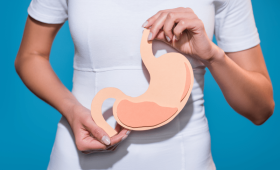
A gastric balloon is a non-surgical weight loss method used in the global fight against obesity and being overweight. This medical device, placed in the stomach via endoscopy or as a swallowable capsule, occupies a significant volume within the stomach, allowing the individual to feel full with much smaller amounts of food. Manufactured from high-quality medical-grade silicone or similar durable materials, these balloons narrow the stomach’s capacity to facilitate portion control. Its primary purpose is to help patients acquire healthy eating habits and train the stomach to be satisfied with smaller meals throughout the day.
Can a gastric balloon burst inside the stomach?
The bursting of a gastric balloon is one of the most common fears among patients, yet it is a statistically rare occurrence in modern medical literature. Today’s balloons are produced from medical-grade silicone materials that are exceptionally resistant to both harsh stomach acid and mechanical pressures exerted by stomach muscles. The term “burst” is often a misconception; what actually happens is a gradual deflation or a minor leak. In very rare cases, a loss of fluid or material fatigue might lead to deflation, but modern technology and manufacturing standards have minimized this risk to near-zero levels.
What happens if a gastric balloon bursts?
If a leak or deflation occurs in the gastric balloon, the saline solution or air inside the device is released into the stomach. Most modern gastric balloons are filled with a sterile saline solution mixed with a harmless dye called methylene blue. If the balloon leaks, this dye is absorbed and eventually excreted, turning the patient’s urine color to blue or green. This serves as an immediate early warning system. Once deflated, the balloon’s mobility within the stomach increases, which could potentially lead to an intestinal blockage if not addressed promptly. Therefore, a doctor should be consulted immediately upon noticing a color change.
How can you tell if a gastric balloon is leaking?
The most definitive and reliable way to identify a gastric balloon leak is by monitoring changes in urine color. Because the liquid used to fill the balloon is typically dyed blue, any perforation or leakage will cause the urine to turn a distinct blue or green hue. In addition to this visual cue, a sudden disappearance of the usual feeling of fullness, a return to previous high appetite levels, or a sudden decrease in the sensation of heaviness in the stomach area can also indicate a leak. When in doubt, an ultrasound or endoscopy should be performed to verify the balloon’s integrity.
Is it dangerous for a gastric balloon to burst?
In itself, the deflation or leaking of a balloon does not pose an immediate life-threatening danger; however, a deflated balloon that migrates from the stomach into the small intestine can be risky. The small intestines are much narrower than the stomach, and a deflated balloon can cause a mechanical obstruction there. If such a blockage occurs, symptoms like severe abdominal pain, persistent vomiting, and bloating will manifest, often requiring emergency surgical intervention. This is why it is crucial to seek medical help as soon as leakage symptoms are detected to eliminate any further complications.
Why does a gastric balloon deflate?
There are several different reasons why a gastric balloon might deflate. Primarily, it happens when the balloon is kept in the stomach longer than its intended duration, such as exceeding the 6-month or 1-year limit. Over time, stomach acid can slowly erode the outer surface of the silicone. Additionally, manufacturing defects or damage caused by endoscopic instruments during the insertion process can lead to premature deflation. While extremely rare, consuming very sharp-edged foods or having excessively high stomach acidity might compromise the material structure, though this is highly unlikely with premium brands.
Who is a suitable candidate for a gastric balloon?
The gastric balloon is suitable for individuals with a Body Mass Index (BMI) between 27 and 40, categorized as overweight or mildly to moderately obese. It is an excellent option for those who have failed to lose weight through traditional diet and exercise but do not meet the criteria for bariatric surgery or are fearful of surgical procedures. Furthermore, it can be used as a temporary solution for “super obese” patients who need to lose a certain amount of weight to reduce surgical risks before undergoing a permanent bariatric operation like a gastric bypass.
Who cannot have a gastric balloon procedure?
Gastric balloon application is not suitable for everyone. Specifically, individuals with a large hiatal hernia, active stomach ulcers, a history of gastric bleeding, or esophageal strictures are not candidates for this procedure. Additionally, those who have previously undergone stomach or esophageal surgery, people with coagulation disorders, pregnant women, and individuals with serious psychiatric disorders are generally advised against it. An endoscopy performed just before the potential insertion is critical to determine if there are any physiological barriers to safely placing the balloon.
How much weight can be lost with a gastric balloon?
The amount of weight lost with a gastric balloon varies significantly depending on the patient’s starting weight, lifestyle changes, and adherence to the prescribed diet. Generally, patients can expect to lose between 10% and 20% of their total body weight. For example, an individual weighing 100 kg might lose between 10 and 20 kg. However, for patients who exercise regularly and strictly follow a nutritionist’s recommendations, this amount can be much higher. The balloon should be viewed as a supportive tool rather than a magical cure-all for weight loss.
What are the different types of gastric balloons?
There are several types of gastric balloons available on the market with different features. The most common ones are the 6-month and 1-year (adjustable) balloons. While 6-month balloons are inflated to a standard volume, the volume of 1-year adjustable balloons can be increased or decreased endoscopically during the treatment process. Additionally, the “swallowable gastric balloon” has gained popularity in recent years. These balloons do not require endoscopy or anesthesia for placement, distinguishing them from traditional versions. Each type has specific advantages evaluated by the doctor based on the patient’s needs.
What is a swallowable gastric balloon?
The swallowable gastric balloon (such as the Allurion/Elipse balloon) is a modern method applied without the need for endoscopy or anesthesia. Under medical supervision, the patient swallows a small capsule with a glass of water. Attached to this capsule is a very thin catheter. Once the capsule reaches the stomach, its position is confirmed via X-ray, and the balloon is then inflated through the catheter. The entire process takes about 15-20 minutes. The biggest advantage is that after approximately 4 months, the balloon automatically deflates and is excreted naturally from the body.
How is an endoscopic gastric balloon inserted?
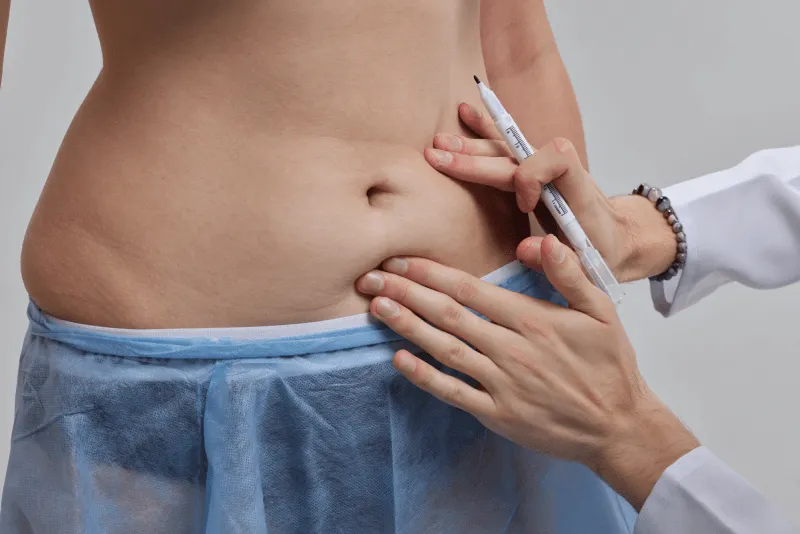
The application of an endoscopic gastric balloon is usually performed under light sedation, meaning the patient is in a sleepy state. The doctor first examines the stomach using an endoscope—a thin tube with a camera—to check for any contraindications. If the stomach is suitable, the deflated balloon is guided down the esophagus into the stomach. Once in place, it is filled with sterile saline or air through a connected tube. The procedure is typically completed within 15 to 20 minutes, and the patient can usually return home on the same day.
How long does a gastric balloon stay in the stomach?
The duration a gastric balloon remains in the stomach depends on the specific type of balloon selected for the patient. Standard balloons are generally kept in the stomach for 6 months. Certain adjustable balloons can stay within the stomach for up to 12 months. Swallowable balloons are designed to automatically deflate after approximately 4 months (16 weeks). It is essential to remove the balloon at the end of its designated period because the risk of stomach acid damaging the material and causing a leak increases significantly after that timeframe.
What should the pre-operative diet be like?
It is vital for the stomach to be completely empty before a gastric balloon is inserted. Usually, patients are asked to stop consuming solid food 12 to 24 hours before the procedure. For the final 8 to 12 hours before the appointment, nothing—including water—should be consumed. Some doctors may recommend a liquid-heavy diet for 2-3 days prior to the procedure to prepare the stomach and minimize potential post-operative nausea. This preparation phase increases the safety of the procedure and reduces risks associated with anesthesia.
Is pain felt during the procedure?
Since the endoscopic gastric balloon application is performed under sedation, the patient does not feel any pain or discomfort during the procedure. The patient remains in a deep sleep while the balloon is being placed and is only woken up once the process is complete. In the case of swallowable balloons, there is no anesthesia; however, only a slight gag reflex may occur during the moment of swallowing the capsule, which is usually brief. Any subsequent discomfort is typically related to the stomach adapting to the foreign object rather than the insertion process itself.
What are the first few days like after the procedure?
The first 3 to 5 days after a gastric balloon is inserted are known as the adaptation period and are often the most challenging. The stomach perceives the balloon as a “foreign object” or “undigested food” and tries to expel it through contractions. During this time, it is quite normal to experience intense nausea, vomiting, cramping, and a feeling of bloating in the stomach. Your doctor will prescribe anti-nausea and stomach-protecting medications to help you through this phase. Usually, by the 4th day, the body begins to accept the balloon and symptoms subside rapidly.

Does a gastric balloon cause nausea?
Yes, nausea is the most common side effect following a gastric balloon procedure. The pressure the balloon exerts on the stomach walls and the change in gastric emptying speed trigger the brain’s nausea center. Nausea can be particularly severe within the first 48 to 72 hours. However, this condition is temporary. The severity of nausea varies from patient to patient; while some pass this period very easily, others may need to stay in the hospital for a day or two to receive intravenous fluid support. Once the body accepts the balloon as a part of itself, the nausea disappears completely.
Are there cramps after a gastric balloon?
It is expected to experience cramps and spasms in the abdominal region after a gastric balloon insertion. The stomach muscles constantly contract in an attempt to digest or move the balloon. These contractions can be felt by the patient as sharp or dull pains from time to time. Generally, these pains are managed effectively with antispasmodic medications. After the first few days, the stomach muscles adapt to the presence of the balloon, and these contractions become less frequent and eventually stop. If pain persists for more than a week, a doctor should be consulted.
How is nutrition regulated after a gastric balloon?
Nutrition after a gastric balloon involves a gradual transition process. The first stage consists entirely of clear liquids. In the second stage, thicker liquids and purees are added to the diet. In the final stage, the patient moves on to healthy solid foods. Because the balloon reduces stomach capacity, meals must be planned in small portions and food must be chewed very thoroughly. Furthermore, it is crucial not to consume liquids together with meals (solid-liquid separation) to prevent overfilling the stomach and the discomfort that follows early satiety.
How long does the liquid diet last?
A liquid diet is usually followed for the first 3 to 7 days after the gastric balloon is inserted. For the first 2-3 days, only clear liquids like water, beef broth, chicken broth, or light tea should be consumed. The goal during this period is to prevent straining the stomach and to avoid dehydration. Depending on the stomach’s tolerance, from the 4th day onwards, more nutritious liquids such as protein shakes, ayran (yogurt drink), or strained soups can be introduced. The duration of the liquid diet is determined by a specialist based on how quickly the patient’s nausea and vomiting symptoms decrease.
What is eaten during the pureed food stage?
Patients who successfully complete the liquid diet usually move on to the pureed food stage at the end of the first week. During this phase, foods must be mashed with a fork or blended. Consumables like boiled egg whites, low-fat cottage cheese, pureed vegetable dishes (carrots, zucchini, potatoes), yogurt, and blended chicken or fish can be eaten. The main rule of the pureed period is to test the stomach’s new capacity while nourishing the body with easy-to-digest foods. The pureed stage typically lasts for about one week.
When can one start eating solid foods?
Generally, a patient can transition to normal solid foods 10 to 14 days after the gastric balloon is inserted. However, this “normal” eating does not mean a return to old habits. In the solid food stage, priority should always be given to proteins (meat, chicken, fish, eggs) and fibrous vegetables. Care should be taken that bites are no larger than a single olive and that each bite is chewed at least 20-30 times. Eating too quickly can cause severe pain and vomiting when a gastric balloon is present, so meal times should last at least 20 minutes.
Is it possible to exercise with a gastric balloon?
Exercising with a gastric balloon is not only possible but necessary to maximize weight loss. During the first few days of the adaptation period, heavy movements should be avoided, and only short walks should be taken. Once the body has adapted to the balloon (usually within 1-2 weeks), almost all types of sports, including swimming, light jogging, and fitness, can be performed. However, it is recommended to avoid heavy contact sports like boxing or karate that carry a risk of direct impact to the stomach. Regular exercise speeds up fat burning while preserving muscle mass.
Does alcohol consumption affect the gastric balloon?
Alcohol consumption is generally discouraged while having a gastric balloon. Alcohol is high in calories and can slow down the weight loss process. Furthermore, it increases stomach acid, which can lead to irritation of the gastric lining, gastritis, or reflux. Since the presence of the balloon already makes the stomach more sensitive, alcohol consumption can cause severe heartburn and a general sense of discomfort. If alcohol must be consumed in exceptional circumstances, non-carbonated and low-alcohol options should be preferred, but for the overall success of the process, it is best to stay away from alcohol.
Can you get pregnant while having a gastric balloon?
While it is technically possible to get pregnant with a gastric balloon, it is medically not recommended. During the gastric balloon process, the body undergoes calorie restriction, which could result in insufficient nutrients for the development of a fetus. Additionally, the natural nausea associated with pregnancy combined with the nausea caused by the balloon can leave the mother extremely exhausted and dehydrated. If a pregnancy is discovered while the balloon is in place, it is generally recommended to have the balloon removed endoscopically. It is much healthier to plan the pregnancy after the balloon has been removed.
Is the gastric balloon affected by stomach acid?
Gastric balloons are made of materials designed to withstand the acidic environment of the stomach for extended periods. however, constant exposure to high levels of acid can cause microscopic wear on the balloon’s surface over the long term. For this reason, doctors usually prescribe stomach-protecting medications (proton pump inhibitors) for the duration the balloon remains in the stomach. These medications both reduce the patient’s complaints of heartburn and reflux and support the durability of the balloon by creating a safer environment within the stomach.
Is weight regained after the balloon is removed?
The risk of regaining weight after a gastric balloon is removed exists, as it does with all weight loss methods. When the balloon is taken out, the stomach volume returns to its original state, and the mechanical pressure that provides a feeling of fullness disappears. If the patient did not adopt a new eating pattern and lifestyle during the 6-12 months the balloon was in place, they may regain the weight once they return to old eating habits. The secret to long-term success is to view the balloon as a “starting spark” and to maintain discipline thereafter.
Does a gastric balloon cause a hiatal hernia?
A gastric balloon itself does not cause a hiatal hernia in a healthy individual. However, if a patient has an undiagnosed small hiatal hernia before the procedure, the pressure of the balloon or excessive vomiting could potentially exacerbate the hernia or increase its symptoms. This is why the endoscopic check before the procedure is so critical. If a hiatal hernia larger than 2-3 cm is detected, the balloon application is usually considered too risky and is canceled. When correct patient selection is made, such structural issues are not encountered.
Are vitamin supplements necessary after a gastric balloon?
Unlike gastric sleeve or gastric bypass surgeries, the gastric balloon does not change the absorption mechanism of the digestive system. Therefore, it generally does not require lifelong vitamin use. However, because patients follow a low-calorie diet, temporary drops in values such as iron, B12, or Vitamin D may sometimes be observed. Your doctor will monitor these levels with routine blood tests and add multivitamin or mineral supplements to your nutrition program if necessary. A balanced diet minimizes the need for extra supplementation.
How much space does the gastric balloon occupy in the stomach?
A balloon placed in the stomach is typically inflated with a volume between 400 ml and 700 ml, depending on the type of balloon and the patient’s stomach capacity. The empty volume of an adult human stomach is approximately 1 to 1.5 liters. In this case, the balloon fills about one-third to one-half of the stomach. The remaining space allows only for small portions of food. This physical fullness stretches the stomach wall, causing the brain to receive “fullness” signals much earlier, which naturally restricts calorie intake.

Is removing a gastric balloon a difficult process?
Removing a gastric balloon is a short and simple procedure, similar to the insertion process. It generally takes 10-15 minutes and is again performed under light sedation. With the help of a special apparatus sent through the endoscope, the liquid or air inside the balloon is first drained. Once the balloon is completely deflated, it is pulled out through the mouth. The patient wakes up shortly after the procedure and can return to their daily life almost immediately. In the case of swallowable balloons, this process is unnecessary as the balloon is excreted naturally.
Are there differences between gastric balloon brands?
Yes, there are various gastric balloon brands on the market from different countries and manufacturers. Brands like Orbera, Medsil, Spatz3, and Allurion are among the most well-known. Some are filled with air (feeling lighter), while others are filled with liquid (providing a greater sense of fullness). Models like Spatz3 stand out for being “adjustable,” while Allurion is unique for being “swallowable.” Each brand has different quality standards, durations in the stomach, and costs. Your doctor will select the brand most suitable for your weight and stomach structure.
What factors determine gastric balloon prices?
Gastric balloon prices vary based on several key factors. The brand and technology of the balloon used (whether it’s swallowable, adjustable, etc.) is the largest cost component. Additionally, the equipment of the hospital where the procedure is performed, the experience of the doctor, anesthesia costs, and post-operative dietician support packages are reflected in the price. Since these are imported products, exchange rates are also a determining factor. Choosing a reliable center and not compromising on quality should be your most important criteria for your health.
What are the differences between a gastric balloon and sleeve gastrectomy?
The gastric balloon is a temporary, non-surgical, and reversible procedure; stomach tissue is not cut or removed. Gastric sleeve (sleeve gastrectomy) is a permanent surgical operation where approximately 80% of the stomach is removed. The balloon is suitable for patients with lower BMI values who do not want surgery. Gastric sleeve is usually preferred for patients with a BMI over 40 who require a more radical change. While the effect of the balloon lasts 6-12 months, the gastric sleeve provides a lifelong physiological change.
What is the success rate of a gastric balloon?
The success rate of a gastric balloon largely depends on the patient’s compliance. Scientific studies show that the success rate for patients who use the balloon and stick to their diet is around 80-85%. However, the criterion for success here is not just losing weight but maintaining that weight loss. For individuals who rely solely on the balloon and do not change their nutrition, the success rate is lower. In individuals who receive professional dietician support and exercise regularly, the gastric balloon yields highly effective and satisfying results in obesity treatment.
What are the most frequently asked questions about gastric balloons?
Patients often ask if the balloon will burst and block the intestines, if it will cause pain during sleep, and if the stomach will enlarge after removal. Balloon bursting is very rare and easily managed via urine monitoring. Pain during sleep usually occurs in the first week and can be reduced by sleeping on the side. The stomach volume does not expand after the balloon is removed; it simply becomes empty, so appetite might feel increased. The answer to all these questions lies in proper preparation, use of quality equipment, and expert medical follow-up.
Free Consultation
Fill out the form below to get your free medical travel plan and price quote.
Sources and how to verify this yourself
- Eisenberg D, et al. 2022 ASMBS and IFSO Indications for Metabolic and Bariatric Surgery. — surgery is recommended at BMI ≥35 regardless of co-morbidity, and considered at BMI 30–34.9 with metabolic disease (lower thresholds for Asian populations). source
- Ministry of Health, Regulation on International Health Tourism and Tourist Health, Official Gazette 26 April 2025, No. 32882 — authorisation requirement for facilities and intermediaries, TÜSKA accreditation, compulsory complication insurance (deadline 31 December 2025 for insurance, 31 December 2026 for accreditation). source
- Ministry of Health, Regulation on Promotion and Information Activities in Health Services, Official Gazette 12 November 2025, No. 33075 — treatment promises and guarantees are prohibited; price and campaign announcements are permitted only within international health tourism. source