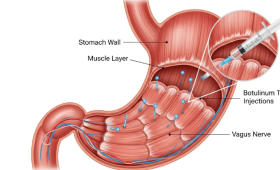
About the prices on this page. The figures below are indicative market prices and country comparisons, not a quote. Our own current, all-inclusive prices are published on our weight loss surgery in Turkey page, and we confirm your figure in writing before you commit to anything.
Post-Weight Loss Surgery in Turkey: A Comprehensive Guide
The period following weight loss surgery, regardless of location, demands diligent aftercare. However, choosing Turkey for your procedure doesn’t mean compromising on this crucial phase. In fact, many clinics offer comprehensive post-operative packages designed to support your long-term success, often at a fraction of the cost of equivalent care in countries like Germany or France. Patients frequently report savings of up to 70% on overall costs – procedure *and* aftercare – without sacrificing quality.
Immediately post-surgery, patients typically remain hospitalized for 2-5 days, depending on the procedure. This initial phase focuses on pain management, wound care, and ensuring the digestive system begins to heal. Expect a liquid diet progressing to purees, then soft foods, and ultimately, a sustainable, balanced diet. Turkish hospitals often have dedicated dieticians who create personalized meal plans, recognizing that nutritional needs dramatically change after bariatric surgery. This personalized approach is vital, and a standard feature in most comprehensive packages.
A key component of aftercare is managing “dumping syndrome,” a condition where food, especially sugary or fatty items, moves too quickly from the stomach to the small intestine. This can cause nausea, vomiting, diarrhea, dizziness, and sweating. Turkish medical teams are well-versed in managing this, offering dietary guidance and, if necessary, medication.
Follow-up appointments are critical. These typically occur at 1 week, 1 month, 3 months, 6 months, 1 year, and then annually. These appointments aren’t just about physical checks; they’re about behavioral and psychological support. Weight loss surgery is a life-altering event, and addressing emotional eating patterns, body image issues, and adapting to a new lifestyle are paramount. Many Turkish clinics include access to psychologists and support groups as part of their post-operative care.
Vitamin and mineral deficiencies are common after bariatric surgery due to reduced food intake and altered absorption. Lifelong supplementation with multivitamins, iron, calcium, vitamin D, and vitamin B12 is usually necessary. Turkish clinics provide detailed guidance on appropriate supplements and monitor levels through regular blood tests. Failing to address these deficiencies can lead to serious health complications, so consistent monitoring is essential.
Leakage from the staple line or anastomosis (the connection between the stomach and intestine) is a rare but serious complication. Clinics in Turkey utilize advanced diagnostic tools like upper GI series and CT scans to detect any potential leaks early. Early detection significantly improves treatment outcomes. The same level of diagnostic care would carry a substantially higher price tag in Western Europe.
Beyond the medical aspects, Turkish clinics often provide dedicated aftercare coordinators. These coordinators act as a liaison, assisting with travel arrangements, accommodation, translation services, and addressing any concerns the patient may have. This level of personalized attention contributes to a smoother and less stressful recovery experience.
It’s crucial to remember that post-weight loss surgery care isn’t a short-term fix. It’s a lifelong commitment. While the initial intensive phase lasts around 6-12 months, ongoing monitoring and lifestyle adjustments are essential for maintaining weight loss and overall health. Choosing a clinic in Turkey that emphasizes long-term support, rather than just the procedure itself, is a wise investment.
Consider the cost comparison: a comprehensive post-operative care package in Turkey, including regular check-ups, dietician consultations, psychological support, and vitamin/mineral monitoring for a year, can cost significantly less than a single follow-up appointment with a specialist in Germany or France. This allows patients to allocate resources towards maintaining a healthy lifestyle – gym memberships, nutritious food, and ongoing support – rather than simply covering the cost of medical appointments.
Finally, don’t underestimate the importance of clear communication. Ensure your chosen clinic provides post-operative instructions in your native language, or offers reliable translation services. This will empower you to actively participate in your own care and address any concerns promptly.
> 📉 Cost Comparison: A simple procedure that costs €5,000 in Germany might cost only €1,500 in Turkey with CureHoliday. Why pay more for the same quality?
Introduction: The Growing Need for Weight Loss Solutions
The global prevalence of obesity has reached epidemic proportions, fundamentally reshaping healthcare landscapes and driving an urgent need for effective, sustainable weight loss solutions. This isn’t simply an aesthetic concern; obesity is a complex, chronic disease linked to a multitude of serious health complications, significantly impacting quality of life and reducing life expectancy.
The statistics are stark. Worldwide, over four million deaths are attributed to overweight or obesity each year. Conditions such as type 2 diabetes, cardiovascular disease, hypertension, certain cancers, and osteoarthritis are increasingly linked to excess weight, placing an immense burden on individuals and healthcare systems alike. Traditional methods – diet and exercise – while crucial for overall health, often prove insufficient for individuals with severe obesity, or those whose obesity is compounded by underlying medical conditions.
This is where weight loss surgery, also known as bariatric surgery, emerges as a powerful and often life-saving intervention. Bariatric procedures are not a quick fix, but rather a comprehensive approach designed to help individuals achieve and maintain a healthy weight, thereby mitigating the health risks associated with obesity and improving their overall well-being.
However, access to these procedures remains a significant barrier for many. In countries like Germany, France, and the United Kingdom, the costs associated with bariatric surgery can be prohibitively high. Patients often face lengthy waiting lists within national healthcare systems, and even with insurance coverage, substantial out-of-pocket expenses are common. These costs encompass not only the surgical procedure itself, but also pre-operative assessments, post-operative care, and potential revision surgeries. The total expense can easily exceed €20,000 – €30,000 or more.
This financial hurdle has led to the rise of medical tourism, with Turkey rapidly establishing itself as a leading global destination for bariatric surgery. Turkey offers a compelling combination of highly qualified surgeons, state-of-the-art facilities, and significantly lower costs – often allowing patients to save up to 70% compared to procedures performed in Western Europe. This isn’t achieved through compromised quality; rather, it’s a result of lower operational costs, favorable exchange rates, and a competitive healthcare market.
Turkish hospitals investing in bariatric surgery have adopted international standards of care, with many surgeons receiving training in Europe and the United States. Accredited facilities boast advanced diagnostic equipment and dedicated post-operative care units, ensuring patient safety and comfort. Furthermore, comprehensive packages often include accommodation, airport transfers, and ongoing support, streamlining the entire process for international patients.
The appeal extends beyond affordability. Patients traveling to Turkey for weight loss surgery frequently report a more personalized and attentive level of care. Surgeons often dedicate more time to consultations, thoroughly explaining the risks and benefits of each procedure and tailoring the approach to the individual’s specific needs and health profile.
It’s important to understand that weight loss surgery isn’t a singular procedure. A variety of techniques exist, each with its own advantages and suitability depending on factors like BMI, overall health, and lifestyle. These range from minimally invasive options like gastric balloons to more complex procedures such as gastric bypass, sleeve gastrectomy, and duodenal switch. The following sections will delve into the specifics of each procedure, helping you understand which option might be right for you. Ultimately, the goal is to empower you with the knowledge to make informed decisions about your health and explore all available avenues for achieving lasting weight loss and improved well-being.
> 🇹🇷 Why Turkey? You don’t have to compromise on quality to save money. Istanbul hosts some of the world’s best clinics with JCI accreditation, offering prices 3-4 times lower than Europe.
The Rising Obesity Epidemic & Its Health Consequences
Obesity has become a global health crisis, rapidly escalating in prevalence over the past few decades. What was once considered a problem primarily affecting high-income nations is now impacting countries worldwide, including a significant rise in cases across Europe and the Middle East. This isn’t simply a cosmetic concern; it’s a complex, chronic disease with devastating consequences for individual health and public health systems.
The World Health Organization (WHO) estimates that over 650 million adults globally are obese. This figure continues to climb, driven by factors like increased consumption of processed foods, sedentary lifestyles, and genetic predisposition. While lifestyle plays a crucial role, the underlying biological factors influencing weight regulation are increasingly understood to be complex and not solely attributable to personal choice.
The health consequences of obesity are far-reaching and profoundly serious. It dramatically increases the risk of developing a multitude of life-threatening conditions. Cardiovascular disease is a primary concern. Obesity contributes to hypertension (high blood pressure), dyslipidemia (abnormal cholesterol levels), and atherosclerosis (plaque buildup in arteries), ultimately leading to heart attacks and strokes. The financial and emotional burden on patients and healthcare systems is immense.
Type 2 diabetes is inextricably linked to obesity. Excess weight leads to insulin resistance, where the body’s cells don’t respond effectively to insulin, resulting in elevated blood sugar levels. This can lead to nerve damage, kidney failure, blindness, and amputations. Managing diabetes is costly and requires lifelong medical attention.
Beyond cardiovascular and metabolic diseases, obesity significantly elevates the risk of certain cancers, including endometrial, breast, colon, kidney, and esophageal cancers. The inflammatory state associated with obesity is believed to be a key factor in cancer development and progression.
Furthermore, obesity places immense strain on the musculoskeletal system. Excess weight exacerbates osteoarthritis, leading to chronic pain and reduced mobility. It also increases the risk of sleep apnea, a potentially dangerous condition where breathing repeatedly stops and starts during sleep. This can lead to daytime fatigue, cognitive impairment, and increased risk of accidents.
The economic burden of obesity is substantial. Healthcare costs associated with obesity-related illnesses are soaring, placing a significant strain on national healthcare budgets. In countries like Germany and France, the cost of treating obesity-related comorbidities can be extraordinarily high, often exceeding tens of thousands of euros per patient over their lifetime. This creates a barrier to access for many, and often delays necessary interventions.
This is where Turkey emerges as a compelling alternative. Recognizing the growing need for effective weight loss solutions, Turkey has become a leading destination for bariatric surgery, offering world-class care at significantly reduced costs. Patients traveling from Europe, particularly Germany, France, and the UK, routinely save 60-70% on the total cost of their surgery and aftercare – without compromising on quality.
This cost difference isn’t due to substandard care. Turkey benefits from lower operational costs, a highly skilled medical workforce, and a thriving medical tourism sector. Many Turkish bariatric surgeons have received international training and adhere to the same rigorous standards as their counterparts in Western Europe and the United States. The savings allow patients to afford procedures they might otherwise be unable to, and to invest in comprehensive aftercare – crucial for long-term success.
The escalating obesity epidemic demands proactive and effective solutions. While lifestyle interventions are essential, they are often insufficient for individuals with severe obesity. Bariatric surgery, when performed by qualified surgeons in accredited facilities, offers a powerful tool for achieving significant and sustained weight loss, improving overall health, and reducing the risk of life-threatening complications. The affordability and accessibility of these procedures in Turkey are helping to address this global health challenge and provide hope for millions struggling with the devastating consequences of obesity.
> 🏥 CureHoliday Advantage: We don’t just book your treatment; we manage your entire journey. From VIP airport transfers to 5-star hotel accommodation, everything is included in your package.
Why Consider Weight Loss Surgery?
Obesity is a complex, chronic disease impacting millions globally. While lifestyle modifications – diet and exercise – are fundamental first steps, they often prove insufficient for individuals with severe obesity, particularly those whose health is significantly compromised. Weight loss surgery, also known as bariatric surgery, isn’t simply a cosmetic procedure; it’s a medically recognized intervention designed to address the underlying physiological factors contributing to obesity and improve overall health.
The decision to undergo weight loss surgery is deeply personal and should be made in consultation with a qualified medical team. However, several key factors often indicate that surgery might be a suitable option. A Body Mass Index (BMI) of 40 or higher is a primary indicator. For individuals with a BMI between 35 and 39.9, surgery may be considered if they have serious obesity-related health problems such as type 2 diabetes, high blood pressure, sleep apnea, or heart disease.
These co-morbidities are not simply *associated* with obesity; they are often *caused* or significantly worsened by excess weight. Successfully addressing the weight can lead to dramatic improvements, and in some cases, even remission of these conditions. For instance, many patients with type 2 diabetes experience normal blood sugar levels following bariatric surgery, reducing or eliminating the need for medication. Similarly, blood pressure often decreases, and sleep apnea can be resolved.
However, it’s crucial to understand that surgery is not a quick fix. It requires a lifelong commitment to dietary changes, regular exercise, and consistent follow-up care. Patients must be prepared to adopt a new, healthier lifestyle to maximize the benefits and maintain long-term weight loss.
The significant financial burden of weight loss surgery can be a major barrier for many. In countries like Germany or France, the cost can easily exceed €20,000-€30,000, even with partial insurance coverage. This often excludes a large segment of the population from accessing potentially life-saving treatment.
This is where Turkey emerges as a compelling alternative. Turkey has rapidly become a global leader in bariatric surgery, offering high-quality procedures at significantly reduced costs. Patients can save up to 70% compared to procedures performed in Western Europe, without compromising on the quality of care. This isn’t achieved through cutting corners; it’s a result of lower operating costs, government support for medical tourism, and a highly skilled and experienced medical workforce.
Many Turkish hospitals dedicated to bariatric surgery boast state-of-the-art facilities, accredited by international standards such as JCI accreditation, ensuring a comparable – and often superior – level of care to that available in Europe. Surgeons are often internationally trained and actively participate in global bariatric surgery conferences, staying at the forefront of advancements in the field.
Beyond the financial benefits, Turkey offers a comprehensive package that often includes pre-operative evaluations, the surgery itself, post-operative care, accommodation, and even translation services. This all-inclusive approach simplifies the process for international patients, reducing stress and logistical challenges.
It’s important to remember that choosing a surgeon and facility is paramount. Thorough research, verification of credentials, and reading patient testimonials are essential steps. While the cost savings are substantial, prioritizing quality and safety should always be the primary concern. A successful weight loss journey, facilitated by expert care in a country like Turkey, can profoundly improve not only physical health but also mental well-being, self-esteem, and overall quality of life.
> 🏥 CureHoliday Advantage: We don’t just book your treatment; we manage your entire journey. From VIP airport transfers to 5-star hotel accommodation, everything is included in your package.
Turkey as a Leading Destination for Bariatric Surgery
Turkey has rapidly emerged as a global frontrunner in bariatric surgery, attracting patients from across Europe, North America, and beyond. This isn’t simply a matter of competitive pricing, though that is a significant factor. It’s a confluence of highly skilled surgeons, state-of-the-art facilities, and a commitment to medical tourism that provides a comprehensive and high-quality experience for patients undergoing weight loss procedures.
The primary driver for many seeking surgery abroad is cost. The price difference is substantial. In countries like Germany or France, gastric bypass surgery can easily exceed €20,000-€30,000, and sleeve gastrectomy often ranges from €15,000-€25,000. These figures include hospital stays, surgeon fees, and anesthesia, but frequently *exclude* post-operative care and follow-up, which adds significant expense. In Turkey, the same procedures, including comprehensive packages that encompass all-inclusive hospital stays, surgeon fees, anesthesia, pre-operative assessments, and crucially, a period of post-operative care and dietary guidance, can be obtained for between €4,000-€8,000. This represents a potential saving of up to 70% – a figure that makes previously inaccessible procedures attainable for a far wider range of individuals.
However, cost shouldn’t be the sole determining factor. The quality of care in Turkey is exceptionally high. Many Turkish surgeons have received training internationally, often in the United States and Europe, and are board-certified, specializing in bariatric and metabolic surgery. Hospitals catering to international patients are often JCI (Joint Commission International) accredited, demonstrating adherence to rigorous international standards for patient safety and care. This accreditation is a powerful indicator of quality, assuring patients that the facilities and practices meet globally recognized benchmarks.
The growth of medical tourism in Turkey has spurred significant investment in advanced surgical technologies, including robotic surgery platforms. This allows for minimally invasive procedures, leading to smaller incisions, reduced pain, faster recovery times, and lower risk of complications. These technologies aren’t exclusive to private hospitals; increasingly, public hospitals are also adopting them, further enhancing the overall quality of bariatric care available.
Beyond the surgical expertise and facilities, Turkey offers a holistic approach to post-weight loss surgery care. Comprehensive packages typically include dedicated dieticians and nutritionists who provide pre- and post-operative dietary guidance. This is crucial for long-term success, ensuring patients adopt healthy eating habits and achieve sustainable weight loss. Psychological support is also often integrated, addressing the emotional and behavioral aspects of weight loss and body image.
The Turkish government actively supports medical tourism, streamlining visa processes and offering assistance to international patients. Many clinics provide dedicated patient coordinators who assist with travel arrangements, accommodation, and translation services, removing logistical hurdles and ensuring a smooth and stress-free experience. This level of personalized attention is often lacking in healthcare systems overburdened in Western European countries.
It’s important to note that while Turkey offers exceptional value, thorough research is still paramount. Patients should verify the surgeon’s credentials, hospital accreditation, and read reviews from previous patients. Seeking a clinic that provides a comprehensive package, including post-operative support, is essential for achieving lasting results and managing any potential complications. The combination of affordability, skilled surgeons, advanced technology, and comprehensive care makes Turkey a compelling and increasingly popular choice for individuals seeking life-changing bariatric surgery, offering a viable alternative to the significantly higher costs encountered in countries like Germany and France without compromising on quality or safety.
> ✨ All-Inclusive Comfort: With CureHoliday, you never walk alone. Our 24/7 patient support ensures you are safe, comfortable, and well-cared for throughout your stay in Turkey.
Understanding Weight Loss Surgery Procedures
Weight loss surgery, also known as bariatric surgery, encompasses a range of procedures designed to help individuals with severe obesity lose weight and improve their overall health. These procedures work through various mechanisms – restricting food intake, reducing nutrient absorption, or both – and are typically considered when conventional weight loss methods like diet and exercise have proven ineffective. In Turkey, a growing hub for medical tourism, patients are finding access to these life-changing surgeries at a fraction of the cost compared to Western European countries.
The fundamental principle behind most bariatric surgeries is to create a feeling of fullness with smaller portions of food. This is achieved by reducing the size of the stomach or altering the digestive process. It’s crucial to understand that surgery is *not* a quick fix. It requires a lifelong commitment to healthy eating habits and regular physical activity to maintain long-term weight loss and prevent complications.
Several procedures are commonly performed in Turkey. Gastric bypass, considered the “gold standard,” involves creating a small stomach pouch and connecting it directly to the small intestine, bypassing a significant portion of the stomach and duodenum. This limits food intake and reduces calorie absorption. The cost of a gastric bypass in countries like Germany or France can easily exceed €20,000, while in Turkey, patients report savings of up to 70% with comparable, high-quality care.
Sleeve gastrectomy, another popular option, involves removing approximately 80% of the stomach, leaving a narrow, tube-shaped “sleeve.” This restricts food intake and reduces the production of ghrelin, the “hunger hormone.” It’s often preferred due to its relative simplicity and lack of intestinal rerouting. Again, the price disparity is significant; a sleeve gastrectomy in Turkey can be obtained for considerably less than the €15,000+ typically charged in Western Europe.
For individuals seeking a non-surgical approach, the gastric balloon procedure offers a temporary solution. A deflated balloon is inserted into the stomach via endoscopy and then inflated with saline, creating a feeling of fullness. While effective for short-term weight loss, it requires removal after approximately six months and doesn’t offer the same long-term results as surgical options. The cost, even in Turkey, is lower than surgical procedures, but the temporary nature necessitates consideration.
The mini gastric bypass (MGB) is a simplified version of the traditional gastric bypass. It involves creating a small stomach pouch and connecting it to a loop of the small intestine. It’s gaining popularity due to its shorter operative time and potentially fewer complications. Patients travelling to Turkey for MGB often highlight the significantly reduced overall expenses – a procedure costing upwards of €18,000 in France can be performed in Turkey for a dramatically lower price, without compromising on surgeon expertise or hospital standards.
For those with a very high BMI (Body Mass Index), typically exceeding 50, the duodenal switch procedure may be recommended. This combines elements of both sleeve gastrectomy and gastric bypass, creating a smaller stomach pouch and bypassing a larger portion of the small intestine. It results in significant weight loss but also carries a higher risk of nutritional deficiencies, requiring diligent monitoring and supplementation.
It’s important to note that Turkish hospitals offering bariatric surgery often boast accreditation from international organizations, ensuring adherence to rigorous safety and quality standards. Many surgeons are internationally trained and experienced in performing these complex procedures. The combination of highly skilled medical professionals and significantly reduced costs makes Turkey an increasingly attractive destination for patients seeking weight loss solutions. The savings aren’t just financial; the all-inclusive packages frequently offered cover accommodation, pre-operative evaluations, surgery, post-operative care, and even translation services, offering a streamlined and supportive experience.
Choosing the right procedure is a collaborative process between the patient and the surgeon, based on individual health status, BMI, lifestyle, and weight loss goals. A thorough evaluation, including medical history, physical examination, and psychological assessment, is essential to determine the most appropriate surgical option and ensure a successful outcome.
> 🇹🇷 Why Turkey? You don’t have to compromise on quality to save money. Istanbul hosts some of the world’s best clinics with JCI accreditation, offering prices 3-4 times lower than Europe.
Gastric Bypass: How It Works
Gastric bypass, formally known as Roux-en-Y gastric bypass (RYGB), is a highly effective and commonly performed bariatric surgery. It’s considered the “gold standard” for significant, long-term weight loss, particularly for individuals with severe obesity and related health conditions. In Turkey, it’s one of the most sought-after procedures, offering comparable – and often superior – results to those available in countries like Germany and France, but at a fraction of the cost.
The procedure fundamentally alters the digestive system. It works through a combination of restriction and malabsorption. Restriction limits the amount of food the stomach can hold, while malabsorption reduces the absorption of calories and nutrients.
Initially, the surgeon creates a small stomach pouch, roughly the size of an egg. This dramatically restricts food intake, promoting a feeling of fullness with significantly smaller portions. This new, smaller stomach is then connected directly to the jejunum – a section of the small intestine, bypassing a significant portion of the duodenum and the upper part of the small intestine. This bypassed section isn’t utilized in the digestive process.
This rerouting of the digestive stream is the key to both weight loss and improved resolution of obesity-related comorbidities like type 2 diabetes, hypertension, and sleep apnea. The altered hormonal signals resulting from food bypassing portions of the intestine play a crucial role in improving metabolic health, independent of weight loss itself.
The surgery is typically performed laparoscopically in Turkey, utilizing small incisions. This minimally invasive approach leads to reduced pain, shorter hospital stays, and faster recovery times – benefits consistently reported by patients who choose Turkey over clinics in Western Europe. While laparoscopic gastric bypass is standard practice globally, the level of surgical expertise and post-operative care in Turkish facilities is rapidly gaining international recognition.
Patients undergoing gastric bypass in Turkey can expect to lose, on average, 60-80% of their excess weight over a period of 12-18 months. Sustained weight loss is highly probable with adherence to post-operative dietary guidelines and lifestyle modifications.
However, it’s crucial to understand that gastric bypass isn’t simply a quick fix. It requires a lifelong commitment to a healthier lifestyle. Patients must follow a specific diet, including consuming adequate protein, vitamins, and minerals. Because of the malabsorption component, lifelong vitamin and mineral supplementation is essential to prevent deficiencies – a point heavily emphasized by Turkish surgeons during post-operative care.
Compared to the €20,000 – €30,000 often charged for gastric bypass in countries like Germany or France, the same procedure, including hospital stay, surgeon’s fees, and initial post-operative care, can be obtained in Turkey for around €7,000 – €10,000. This represents a savings of up to 70%, without compromising on quality or safety.
The cost savings aren’t achieved through reduced standards. Turkish hospitals are increasingly equipped with state-of-the-art technology and staffed by highly qualified surgeons, many of whom have received international training. The lower costs are primarily due to reduced overhead, favorable exchange rates, and a competitive healthcare market.
Potential risks and complications associated with gastric bypass, while relatively low in experienced hands (as are prevalent in leading Turkish facilities), include infection, bleeding, leaks from the staple lines, blood clots, and nutritional deficiencies. Thorough patient selection, meticulous surgical technique, and diligent post-operative monitoring are vital to minimize these risks – and are consistently prioritized by reputable clinics in Turkey.
Long-term follow-up is essential to monitor for any complications and ensure optimal health. Turkish clinics typically offer comprehensive post-operative care packages, including regular check-ups and dietary guidance, facilitating long-term success for patients traveling from abroad.
> 💡 Price Fact: While this treatment can cost thousands of Euros in Germany, France, or the Netherlands, CureHoliday offers the same high-quality procedure in Turkey for 70% less.
Sleeve Gastrectomy: A Detailed Explanation
Sleeve gastrectomy, also known as the vertical sleeve gastrectomy (VSG), is a highly effective bariatric surgery gaining significant popularity, particularly amongst those seeking treatment in Turkey. This procedure involves removing approximately 80% of the stomach, leaving a narrow, tube-shaped “sleeve.” This dramatically reduces the stomach’s capacity to hold food, leading to decreased calorie intake and altered gut hormones that promote weight loss.
The surgery is performed laparoscopically – meaning through small incisions – minimizing scarring, pain, and recovery time. During the procedure, the surgeon staples and divides the stomach, creating the slender sleeve. Importantly, no part of the digestive tract is bypassed, unlike gastric bypass procedures. This simplifies the surgery and generally results in fewer nutritional deficiencies, although careful post-operative monitoring is still crucial.
The primary mechanism of weight loss with sleeve gastrectomy is restriction. The smaller stomach size naturally limits the amount of food a patient can comfortably consume. However, the procedure also has a significant metabolic effect. Removing a large portion of the stomach reduces the production of ghrelin, the “hunger hormone,” contributing to decreased appetite. Furthermore, the remaining stomach’s connection to the duodenum (small intestine) is maintained, influencing hormones related to satiety and blood sugar control.
Post-operatively, patients experience a significant reduction in appetite and feel fuller with smaller portions. This, combined with dietary guidance and lifestyle changes, leads to substantial and sustained weight loss. Most patients can expect to lose 60-80% of their excess weight over a period of 12-18 months.
Compared to procedures available in countries like Germany or France, where sleeve gastrectomy can easily cost upwards of €20,000 – €30,000, Turkey offers this same high-quality procedure for a fraction of the price. Patients consistently report savings of up to 70% while receiving care from highly qualified surgeons in modern, Ministry of Health–authorised facilities. This cost difference doesn’t equate to compromised care; instead, it’s due to lower operational costs and favorable exchange rates.
Following a sleeve gastrectomy in Turkey, a typical hospital stay is around 2-3 days. Patients are usually advised to follow a liquid diet for the first week, gradually progressing to pureed foods, then soft foods, and finally to a balanced, healthy diet. Regular follow-up appointments with a dietitian and surgeon are essential to monitor progress, address any concerns, and ensure optimal nutritional status.
Potential risks and complications, while relatively low, include bleeding, infection, leaks from the staple line, and blood clots. Nutritional deficiencies, particularly iron, vitamin B12, and vitamin D, are possible and require lifelong supplementation. Diligent adherence to post-operative dietary recommendations and vitamin/mineral supplementation is paramount.
The long-term success of sleeve gastrectomy relies heavily on patient commitment. Lifestyle changes, including regular exercise and a healthy diet, are crucial for maintaining weight loss and preventing weight regain. Turkish clinics provide comprehensive aftercare packages, including remote consultations and support groups, to help patients navigate the post-operative journey.
It’s important to note that sleeve gastrectomy is not a “quick fix.” It’s a powerful tool that requires dedication and a fundamental shift in lifestyle. However, for appropriately selected patients, it can dramatically improve their health, quality of life, and overall well-being – all while benefiting from the exceptional value and expertise available in Turkey, offering a compelling alternative to the significantly higher costs associated with similar procedures in Western Europe.
> 📉 Cost Comparison: A simple procedure that costs €5,000 in Germany might cost only €1,500 in Turkey with CureHoliday. Why pay more for the same quality?
Gastric Balloon: A Non-Surgical Option
The gastric balloon represents a significant alternative for individuals seeking weight loss who may not be suitable candidates for, or prefer to avoid, invasive surgical procedures. It’s a minimally invasive technique gaining increasing popularity, particularly within the thriving medical tourism sector in Turkey. Unlike gastric bypass or sleeve gastrectomy, the gastric balloon doesn’t involve altering the digestive system. Instead, a deflated balloon is inserted into the stomach endoscopically – typically through the mouth – and then inflated with sterile saline.
This inflation creates a feeling of fullness, reducing appetite and consequently, food intake. Patients experience satiety with smaller portions, facilitating a natural reduction in caloric consumption. It’s crucial to understand this is *not* a passive weight loss solution; success relies heavily on adhering to a strict diet and exercise plan guided by a qualified nutritionist and physician.
The balloon remains in place for approximately six months, providing a temporary but impactful tool for initiating and maintaining lifestyle changes. After this period, the balloon is removed via endoscopy. This temporary nature makes it an attractive option for those wanting to ‘test’ weight loss commitment before considering more permanent surgical interventions.
In Turkey, the procedure itself is typically performed as a day case, meaning patients can return home the same day. Recovery is generally quick, with minimal discomfort. Patients can usually resume normal activities within a few days, though a period of adjusting to the altered stomach capacity is necessary. This rapid recovery contrasts favorably with the longer recuperation periods associated with traditional bariatric surgery.
The efficacy of gastric balloons is well-documented, with studies showing an average weight loss of 8-15% of initial body weight. While not as dramatic as the weight loss achievable with surgery, it can be highly effective for individuals with a BMI between 30 and 40. It’s particularly suitable for those struggling with moderate obesity and seeking a boost to kickstart a healthier lifestyle.
However, it’s vital to acknowledge potential side effects. These can include nausea, bloating, abdominal pain, and indigestion, particularly in the initial weeks following placement. These symptoms are usually mild and manageable with medication and dietary adjustments. Rarely, more serious complications like balloon deflation or migration can occur, requiring endoscopic intervention. Selecting a highly experienced surgeon and a reputable clinic – readily available in Turkey – significantly minimizes these risks.
Now, let’s address the financial aspect. The cost of a gastric balloon procedure in countries like Germany or France can easily range from €6,000 to €10,000 or even higher. This figure excludes costs for pre-operative assessments, post-operative care, nutritionist consultations, and potential complications.
In Turkey, the same procedure, including all these essential components, is typically available for between €2,000 and €4,000. This represents a potential saving of 60-70% for patients travelling from Europe. This isn’t due to compromised quality; Turkey boasts world-class hospitals, highly qualified surgeons trained internationally, and adherence to rigorous medical standards. The lower costs are a result of a more competitive healthcare market and lower operational expenses.
Furthermore, many Turkish clinics offer comprehensive packages that include airport transfers, accommodation, and dedicated patient coordinators, streamlining the entire experience for international patients. The savings aren’t merely financial; the comprehensive care and attention often surpass what patients experience in overstretched healthcare systems in Western Europe.
It’s important to note that the gastric balloon isn’t a standalone cure. Long-term success hinges on adopting and maintaining a healthy lifestyle. Post-procedure, ongoing support from a nutritionist and physician is crucial to prevent weight regain. Turkish clinics generally emphasize this holistic approach, recognizing that sustainable weight loss is a journey, not a quick fix.
> 📉 Cost Comparison: A simple procedure that costs €5,000 in Germany might cost only €1,500 in Turkey with CureHoliday. Why pay more for the same quality?
Mini Gastric Bypass: Benefits & Considerations
The mini gastric bypass (MGB), also known as single-anastomosis duodenal switch (SADS), is gaining significant traction as a highly effective bariatric procedure, particularly in Turkey where it’s offered with exceptional skill and at a fraction of the cost seen in Western Europe. It represents a simplified version of the traditional Roux-en-Y gastric bypass, achieving comparable weight loss results with a potentially lower risk profile.
The procedure involves creating a sleeve gastrectomy – reducing the stomach to a narrow tube – and then connecting this newly formed sleeve directly to a loop of the small intestine, bypassing a significant portion of the duodenum and jejunum. This dual mechanism restricts food intake *and* reduces calorie absorption.
One of the primary benefits of MGB is its simplicity. The single anastomosis (connection) compared to the two in a traditional gastric bypass translates to a shorter operative time. This reduction in surgical time inherently lowers the risk of complications like leaks, infection, and bleeding. Patients undergoing MGB in Turkey consistently report excellent outcomes with shorter hospital stays, often returning home within 2-3 days.
Weight loss results are remarkably consistent, often exceeding 70-80% of excess weight within the first year. Importantly, MGB demonstrates excellent efficacy in resolving obesity-related comorbidities such as type 2 diabetes, hypertension, and sleep apnea. Many patients in Turkey experience complete remission of these conditions post-surgery, freeing them from lifelong medication.
However, it’s crucial to understand the considerations. While generally well-tolerated, MGB can lead to nutritional deficiencies if post-operative dietary guidelines are not strictly followed. Lifelong vitamin and mineral supplementation – particularly B12, iron, calcium, and vitamin D – is essential. Turkish clinics prioritize comprehensive post-operative care, including detailed nutritional counseling and ongoing monitoring to prevent deficiencies.
Compared to sleeve gastrectomy alone, MGB offers superior weight loss and comorbidity resolution. While sleeve gastrectomy is effective, MGB’s malabsorptive component provides an added advantage, particularly for patients with a higher BMI or those who have struggled with weight regain after previous weight loss attempts.
The risk of dumping syndrome – rapid gastric emptying causing nausea, diarrhea, and dizziness – is present, though often less severe than with traditional gastric bypass. This is manageable with dietary modifications, and Turkish surgeons are adept at educating patients on these strategies.
Now, let’s address the financial aspect. A mini gastric bypass in Germany or France can easily cost upwards of €20,000 – €30,000, encompassing surgical fees, hospital stays, and post-operative care. In Turkey, patients can receive the *same high-quality procedure* – often performed by surgeons with international credentials and utilizing cutting-edge technology – for approximately €6,000 – €10,000. This represents a potential saving of 70% or more.
This isn’t simply about cost-cutting. Turkey has invested heavily in its medical tourism infrastructure, boasting state-of-the-art hospitals that meet international standards (JCI accreditation is common). The focus is on providing comprehensive packages that include airport transfers, accommodation, pre-operative assessments, surgery, hospital stay, post-operative care, and even translation services.
Furthermore, the high volume of bariatric surgeries performed in Turkey translates to significant surgeon experience. Surgeons specializing in MGB perform numerous procedures annually, refining their skills and minimizing complication rates. Patients should diligently research surgeon qualifications and hospital accreditations, something reputable Turkish clinics readily provide.
Finally, long-term follow-up is vital. While initial recovery is managed in Turkey, patients are responsible for ongoing monitoring with their primary care physician and a registered dietitian upon returning home. However, many Turkish clinics offer remote consultation services for post-operative support, ensuring continuity of care.
> 🏥 CureHoliday Advantage: We don’t just book your treatment; we manage your entire journey. From VIP airport transfers to 5-star hotel accommodation, everything is included in your package.
Duodenal Switch: For Severe Obesity Cases
The duodenal switch (DS) is a more complex and restrictive-malabsorptive bariatric procedure primarily indicated for patients with severe obesity—typically those with a Body Mass Index (BMI) of 50 or higher, or those with significant co-morbidities even with a lower BMI. It’s considered one of the most effective weight loss surgeries available, often achieving the highest percentage of excess weight loss compared to other procedures. In Turkey, this advanced surgery is increasingly popular, offering a high-quality, affordable alternative to procedures performed in Europe and North America.
The DS operation combines elements of both sleeve gastrectomy and gastric bypass. Initially, approximately 80% of the stomach is removed, creating a smaller, sleeve-shaped stomach. This restricts food intake. However, unlike gastric bypass, the DS goes further. A significant portion of the small intestine is bypassed, reducing the absorption of calories and nutrients. Specifically, the duodenum – the first part of the small intestine – is divided, and the lower portion of the small intestine is connected directly to the sleeve stomach. This creates two digestive pathways, and the bypassed duodenum and jejunum significantly limit fat and vitamin absorption.
Post-operatively, patients experience a considerable reduction in appetite due to the smaller stomach size and altered gut hormones. The malabsorptive component means the body absorbs fewer calories from the same amount of food, contributing to substantial weight loss. It’s vital to understand that this malabsorption necessitates lifelong vitamin and mineral supplementation.
Patients undergoing DS in Turkey benefit from a comprehensive post-operative care plan focusing on nutritional guidance. Surgeons emphasize the importance of adhering to a strict diet and vitamin regimen, including Vitamin B12, iron, calcium, Vitamin D, and fat-soluble vitamins (A, E, K). Regular blood tests are crucial to monitor nutrient levels and adjust supplementation as needed. Dedicated dietitians work with patients to create personalized meal plans, ensuring adequate protein intake while managing potential deficiencies.
Compared to procedures in countries like Germany or France, where a duodenal switch can easily cost upwards of €20,000 – €30,000, the same surgery, including pre-operative assessments, the procedure itself, hospital stay, and initial post-operative care, can be obtained in Turkey for approximately €8,000 – €12,000. This represents a saving of up to 70% without compromising on the quality of care. Turkish bariatric centers have invested heavily in state-of-the-art equipment and employ highly skilled surgeons trained internationally.
However, the DS is not without potential risks. As with any bariatric surgery, there’s a risk of infection, bleeding, and blood clots. Specific to the DS, there’s a higher risk of nutritional deficiencies, particularly iron, calcium, and fat-soluble vitamins, requiring diligent monitoring and supplementation. Bowel obstructions and internal hernias are also potential complications, although experienced surgeons in Turkey minimize these risks through meticulous surgical technique.
Furthermore, the malabsorptive aspect of the DS means that some patients may experience changes in bowel habits, including more frequent or looser stools. This is usually manageable with dietary adjustments and medication, and post-operative teams in Turkey provide ongoing support to address these concerns.
The long-term success of a duodenal switch relies heavily on patient compliance with post-operative dietary guidelines and vitamin supplementation. Turkish facilities provide extensive support groups and access to online resources to help patients maintain a healthy lifestyle after surgery. The emphasis is not just on weight loss, but on achieving lasting health and well-being. Choosing a qualified surgeon and a comprehensive post-operative program, readily available at a fraction of the cost in Turkey, is paramount for a positive outcome.
> 🏥 CureHoliday Advantage: We don’t just book your treatment; we manage your entire journey. From VIP airport transfers to 5-star hotel accommodation, everything is included in your package.
Choosing the Right Procedure for You
Selecting the most appropriate weight loss surgery is a deeply personal decision, heavily influenced by individual health profiles, weight loss goals, and lifestyle factors. A thorough consultation with a qualified bariatric surgeon is paramount, but understanding the core differences between procedures empowers patients to participate meaningfully in that discussion. In Turkey, surgeons prioritize a holistic assessment to match you with the optimal solution – a level of personalized care often difficult to access due to lengthy wait times and exorbitant costs in countries like Germany and France.
Gastric bypass, particularly Roux-en-Y, remains a gold standard for significant and sustained weight loss. It involves creating a small stomach pouch and connecting it directly to the small intestine, limiting food intake and nutrient absorption. While highly effective, it carries a higher risk of nutritional deficiencies requiring lifelong vitamin supplementation and monitoring. In Europe, this procedure can easily exceed €20,000, while in Turkey, patients consistently report savings of up to 70% without compromising on surgical expertise or aftercare.
Sleeve gastrectomy, or vertical sleeve, is another popular and effective option. It involves removing approximately 80% of the stomach, creating a banana-shaped pouch. This reduces stomach capacity and also decreases the production of ghrelin, the hunger hormone. It’s generally considered less complex than gastric bypass, potentially leading to a shorter recovery period. The cost difference is again substantial; a sleeve gastrectomy in France or Germany might range from €15,000 to €18,000, whereas Turkey offers comparable, high-quality procedures for around €5,000 – €7,000.
For individuals with a lower BMI or seeking a non-surgical approach, a gastric balloon presents a viable, though temporary, solution. A deflated balloon is inserted into the stomach endoscopically and then inflated with saline, creating a feeling of fullness. While it promotes weight loss, it requires regular monitoring and removal after approximately six months. It’s not a permanent fix, but can be a useful bridge to lifestyle changes. Although seemingly less expensive upfront elsewhere, the total cost, including monitoring and eventual removal, can be surprisingly high compared to the all-inclusive packages offered in Turkey.
Mini gastric bypass (one-anastomosis gastric bypass) is a simplified version of the traditional gastric bypass. It involves creating a smaller stomach pouch and connecting it to a loop of the small intestine with a single anastomosis. It’s known for its relatively quick operation time and good weight loss results. However, long-term data is still accumulating compared to the more established Roux-en-Y gastric bypass. The cost savings in Turkey are particularly appealing for this relatively newer procedure, allowing patients access to experienced surgeons at a fraction of the price they’d pay in Western Europe.
Finally, the duodenal switch is reserved for patients with severe obesity (BMI typically over 50) or significant co-morbidities. It combines sleeve gastrectomy with a more extensive alteration of the small intestine, resulting in the most significant weight loss and the greatest impact on nutrient absorption. This also means the strictest adherence to a lifelong nutritional plan is crucial. Given its complexity and potential for complications, choosing an experienced surgeon is absolutely vital. Turkey has emerged as a hub for complex bariatric procedures, attracting international patients seeking both expertise and affordability—a procedure costing upwards of €25,000 in Germany can be obtained in Turkey for approximately €8,000 – €10,000.
Beyond the surgical technique, consider the surgeon’s experience with each procedure. Ask about complication rates, revision surgery rates, and the availability of comprehensive aftercare support. Many Turkish bariatric centers offer all-inclusive packages covering pre-operative assessments, surgery, hospitalization, post-operative check-ups, dietary guidance, and even accommodation and airport transfers. This streamlined approach provides peace of mind and significant cost savings compared to piecing together similar services independently in countries with higher healthcare costs.
Remember, the ‘right’ procedure isn’t simply the most dramatic weight loss solution; it’s the one that best aligns with your overall health, lifestyle, and long-term commitment to a healthier future. Turkey offers a compelling combination of world-class surgical expertise and exceptional value, making it a leading destination for patients seeking a new lease on life.
> 🏥 CureHoliday Advantage: We don’t just book your treatment; we manage your entire journey. From VIP airport transfers to 5-star hotel accommodation
Free Consultation
Fill out the form below to get your free medical travel plan and price quote.
Sources and how to verify this yourself
- Eisenberg D, et al. 2022 ASMBS and IFSO Indications for Metabolic and Bariatric Surgery. — surgery is recommended at BMI ≥35 regardless of co-morbidity, and considered at BMI 30–34.9 with metabolic disease (lower thresholds for Asian populations). source
- Ministry of Health, Regulation on International Health Tourism and Tourist Health, Official Gazette 26 April 2025, No. 32882 — authorisation requirement for facilities and intermediaries, TÜSKA accreditation, compulsory complication insurance (deadline 31 December 2025 for insurance, 31 December 2026 for accreditation). source
- Ministry of Health, Regulation on Promotion and Information Activities in Health Services, Official Gazette 12 November 2025, No. 33075 — treatment promises and guarantees are prohibited; price and campaign announcements are permitted only within international health tourism. source