What Is The All-on-4 Implant Technique?
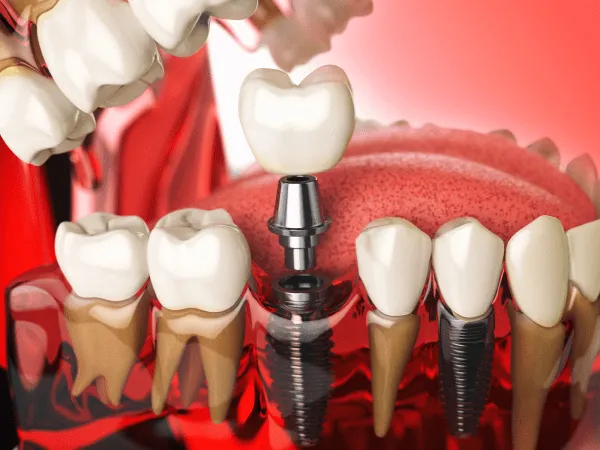
The All-on-4 implant technique is a modern surgical method developed for patients experiencing total edentulism or who have lost most of their existing teeth, allowing for the placement of a full-arch fixed prosthesis on only four dental implants. This technique provides a significant advantage especially for patients suffering from bone loss in the posterior regions; because the posterior implants are placed at a specific angle, maximum use is made of the existing bone. While traditional methods may require 8 to 10 implants, both the cost and the duration of surgical intervention are significantly reduced with this system.
How Is All-on-4 Treatment Applied?
The treatment process begins with a detailed analysis of the patient’s oral and jaw structure using three-dimensional computed tomography (CT) devices. During the planning stage, the most suitable points where the implants will be placed are determined. On the day of surgery, under local anesthesia or sedation, two straight implants are placed in the front part of the jaw, and two tilted implants are placed at 45-degree angles in the back part. This special angling avoids anatomical structures such as sinus cavities or nerve canals. Immediately after the operation, a temporary fixed prosthesis is attached to the patient, ensuring the patient does not leave the clinic toothless.
Why Is This Technique Considered Revolutionary?
All-on-4 is revolutionary in the world of dentistry because it has turned the “Teeth-in-a-Day” concept into a reality. In the past, months of bone grafting (bone powder addition) and sinus lifting procedures were mandatory for patients with bone resorption. However, this technique minimizes the need for additional surgical procedures by using the existing bone at a strategic angle. The fact that it offers a less traumatic, faster-healing, and economical solution for patients has made this method one of the most important achievements of modern implantology.
Why Is It Ideal For Those With Tooth Loss?
Total tooth loss affects not only chewing function but also facial aesthetics and self-confidence seriously. All-on-4 offers a fixed structure that gives the patient a natural tooth feeling, does not cover the palate, and does not prevent speech. It completely eliminates problems such as hitting, falling out, or loss of taste caused by removable dentures (false teeth). The main reason it is an ideal solution is that it can radically increase the patient’s quality of life in a single day.
What Is The Difference From Traditional Implants?
In traditional implant treatments, an implant is needed for each missing tooth or a large number of supports for wide bridges. Additionally, if the bone is insufficient in the back tooth areas, advanced surgical procedures are applied. In the All-on-4 system, the number is reduced to four and thanks to the angling, there is no need for bone transplantation. While the healing process can take 6-12 months in the traditional method, the patient achieves functional temporary teeth immediately in All-on-4. This creates a massive difference in terms of both time and psychological comfort.
How Does It Eliminate The Need For Bone Grafting?
The jawbone begins to melt over time after tooth extractions. Since traditional implants must be placed vertically, sufficient bone height is mandatory. In the All-on-4 technique, since the back implants are placed at a 45-degree angle, support is taken from the front area where the bone is densest and healthiest. This “angled placement” mechanism allows the use of long implants without damaging the sinus floor or nerve endings. Therefore, even patients with insufficient bone volume can have fixed teeth without the need for an additional powder addition process.
Who Are The Most Suitable Candidates For All-on-4?
The most suitable candidates for this treatment are those who have lost all their teeth or people whose existing teeth in the mouth need to be extracted (due to periodontal disease or extreme decay). Additionally, it is perfect for patients who are uncomfortable using removable dentures and are looking for a fixed solution. Individuals whose general health status allows for a surgical intervention and who have controlled systemic diseases can prefer this method. It is a frequently consulted method especially for patients who are told that standard implants cannot be made due to bone resorption.
Can Elderly Patients Choose This Method?
Age is not an obstacle for All-on-4 treatment; what matters most is the patient’s general health status. In fact, this method is specifically designed for the elderly population who are at a higher risk of bone resorption. The fact that the surgical procedure takes a shorter time and is less invasive allows elderly patients’ bodies to tolerate this process more easily. By being able to correct their diet immediately, it also contributes positively to their general health. Under the supervision of an expert physician, even patients in their 80s can safely have this treatment.
Can Diabetic Patients Have This Treatment?
Diabetes (sugar disease) is a condition that can affect implant success but it is not an obstacle to treatment. What is important is that blood sugar levels (HbA1c value) are under control during the operation and the healing process. In diabetic patients, the healing process may be slightly slower, so a more meticulous approach is taken against the risk of infection. Under doctor supervision and appropriate antibiotic pressure, diabetic patients can also achieve healthy and strong teeth with the All-on-4 concept.
Does It Work For Those With Bone Loss?
Yes, one of the starting points of the All-on-4 technique is precisely the patients experiencing serious bone resorption. In bone structures that are too thin or low in volume for traditional implants to hold onto, the load is distributed in a balanced way thanks to the strategic placement of four implants. The front part of the jaw is usually more resistant to bone resorption; maximum benefit is taken from this area in this technique. In this way, many patients who were told “implants cannot be made for you” reach the comfort of fixed teeth with this method.
How Long Does The All-on-4 Operation Take?
The surgical procedure is usually completed within 2 to 3 hours for each jaw. This period includes the extraction of loose teeth if any, placement of implants, and taking measurements. Within the same day or at the latest 24 hours later, the stage of preparing temporary fixed prostheses in the laboratory and attaching them to the mouth is started. It is a very efficient process for patients; because a patient who enters the clinic in the morning toothless or with problematic teeth can leave smiling with their new teeth in the afternoon.
What Is The Recovery Process Like?
It is normal to see mild swelling and bruising for the first few days, but these are easily controlled with modern techniques and medications. The first 3-4 months is the “osseointegration” period, i.e., the period when the implants fuse with the bone. During this process, the patient should apply a soft diet to prevent excessive load on the implants. After the bone and implant are completely integrated, the permanent and more durable actual prostheses are attached. The general healing process is quite comfortable depending on the patient’s compliance with oral hygiene and doctor’s advice.
Is Pain Felt After The Surgery?
Since the surgical procedure is performed under local anesthesia, sedation, or general anesthesia, no pain is felt during the operation. After the surgery, there may be a mild ache when the effect of anesthesia wears off, but prescribed painkillers successfully manage this situation. Many patients state that the procedure passed much more comfortably than they expected and that they did not feel more pain than a standard tooth extraction. Applying ice compresses significantly reduces the feeling of discomfort in the first 24-48 hours.
When Are Temporary Prostheses Attached?
The biggest advantage of the All-on-4 technique is “immediate loading”, meaning that loading can be done immediately. On the day the implants are placed or the very next day, temporary prostheses are screwed onto the implants. These prostheses are fixed, meaning they cannot be removed by the patient. The purpose of temporary prostheses is to maintain the aesthetic appearance of the patient during the healing period and to ensure they can chew soft foods. Additionally, they function as a trial period for the patient to get used to their new teeth.
When Are The Permanent Teeth Placed?
A waiting period of usually 3 to 6 months is required for the placement of permanent prostheses. This period is necessary for the titanium implants to merge (fuse) with the jawbone at a molecular level. At this stage, the gums also take their final shape. At the end of the waiting period, final teeth made of more durable materials (zirconium, porcelain, or metal-supported ceramic), specifically designed for the patient’s facial lines and smile line, are attached. After this stage, the patient can completely return to their normal eating habits.
What Is The Lifespan Of The All-on-4 System?
Dental implants are designed to be used for a lifetime with correct oral hygiene and regular doctor check-ups. The titanium screws used in the All-on-4 system are extremely durable. However, it is possible for the prosthetic teeth on them (the porcelain or zirconium part) to wear out over time like natural teeth or be damaged as a result of an impact; in this case, only the prosthesis can be renewed. Generally, a vast majority of patients use this system for 20-25 years and longer without any problems.
How Should Nutritional Habits Change?
During the first 3-4 months, which is the fusion process of implants with the bone, a “soft diet” is of vital importance. During this period, foods such as pasta, fish, boiled vegetables, yogurt, and eggs should be consumed. Hard-shelled nuts, fruits eaten by biting like apples, or sticky foods should be avoided. After the permanent prostheses are attached, there is no nutritional restriction. The patient can do everything they can do with their natural teeth; however, it is not recommended to break very hard objects (hazelnut shells, ice, etc.) for general dental health.
How Should Prosthesis Cleaning Be Done?
The cleaning of fixed prostheses is similar to the cleaning of natural teeth but requires a bit more meticulousness. In addition to brushing at least twice a day, interface brushes or special dental flosses called “superfloss” should be used to clean the lower part of the prosthesis and around the implant. Oral showers (waterflosser) are an excellent helper for cleaning food residues in unreachable areas with pressurized water. Good oral hygiene guarantees the success of implants by preventing gum inflammation.
How Does Smoking Affect The Treatment?
Smoking slows down the blood circulation in the mouth, adversely affecting the healing process and increasing the risk of infection. It is one of the most important factors that can reduce the fusion rate of implants with the bone. Dentists strongly recommend quitting or significantly reducing smoking at least two weeks before the operation and for a few months after the operation. Success rates are still high in smokers, but it should not be forgotten that the risks are slightly higher than in non-smokers.
How Natural Is The Aesthetic Appearance?
All-on-4 prostheses can be designed to imitate not only the teeth but also the lost gum tissue. This is called “pink aesthetics”. Prostheses are prepared in a form and color suitable for the patient’s skin color, age, and face structure. When zirconium or high-quality ceramic materials are used, light transmission becomes very close to the natural tooth. Looking from the outside, it is almost impossible to understand that these teeth are artificial. The person achieves a self-confident and rejuvenated expression.
Does It Correct Speech Impediments?
Tooth loss or ill-fitting removable dentures create difficulties especially in the pronunciation of letters like “s, t, d”. Since the All-on-4 system is fixed and does not cover the palate part, the movement area of the tongue is not restricted. This ensures that speech is much more natural and fluent. It may take a few days to get used to the volume of new teeth at the beginning, but the brain adapts to this new structure in a short time. Many patients state that they speak much more comfortably in public after this treatment.
What Are The Cost Advantages?
Although it seems like a high investment at first glance, All-on-4 is quite economical in the long run. Compared to the cost of eight or ten implants, it is much more affordable. Additionally, it saves from the cost and time loss of additional surgical procedures such as bone grafting, sinus lifting. Considering the continuous renewal of removable dentures, adhesive costs, and expenses made for mouth sores, All-on-4, being a lifelong solution, is one of the most logical investments.
Is It Applied To A Single Jaw Or Both?
The All-on-4 technique can be applied separately to both the lower jaw and the upper jaw, or it can be done for both jaws at the same time. In the upper jaw, the bone is usually softer and there are sinus cavities; in the lower jaw, the bone is harder but main nerve canals pass through. All-on-4 overcomes both anatomical difficulties. For totally edentulous patients, having both jaws done in the same session is a frequently preferred approach in terms of aesthetic harmony and bite balance.
What Does The Success Rate Depend On?
The success rate of All-on-4 treatment is at a very high level like 98%. The key to this success depends on three factors: the experience of the physician, the quality of the implant used, and the care the patient shows for oral hygiene. The accuracy of the digital planning made before the operation ensures that the implants are placed at the correct angle and torque. Additionally, the control of systemic diseases and avoiding smoking are among the elements that directly affect long-term success.
Is A Sinus Lifting Procedure Required?
In traditional methods, if the bone is insufficient in the back region of the upper jaw, the sinuses must be surgically lifted upwards (sinus lifting). In the All-on-4 technique, the back implants are placed in front of the sinus cavities at a specific angle. Thanks to this clever design, in most cases, there is no need for a sinus lifting procedure at all. This situation saves the patient from both an additional surgical operation and the months of waiting period required for this procedure.
Do Gum Diseases Pose An Obstacle?
Existing gum diseases (periodontitis) must definitely be treated before implants are made. If there are loose and infected teeth in the mouth, these are extracted during the operation and the area is completely cleaned. It is very important to place implants in a healthy environment. After the infection is cleaned, All-on-4 application can be done. After the treatment, regular care is essential to protect the health of the gums and to prevent the risk of peri-implantitis (inflammation around the implant).
Is It The Only Solution For Complete Edentulism?
Different solutions are also available for total edentulism (such as All-on-6, removable dentures, or snap-on teeth). However, All-on-4 stands out as the most balanced, fastest, and cost-effective fixed solution for patients with bone loss. If the patient’s bone structure is very good and there is no budget problem, All-on-6 (fixed prosthesis on six implants) can also be evaluated. However, All-on-4 is considered the “gold standard” for many cases with its clinically proven success and ease of application.
What Are The Psychological Effects?
Tooth loss can lead to social isolation, loss of self-confidence, and even depression in individuals. Patients undergoing All-on-4 treatment regain not only their chewing abilities but also their smiles in society. The end of the fear that teeth will fall out while eating and achieving an aesthetic appearance immediately improves the person’s mood. Many patients state that they feel 10-15 years younger after the treatment and participate much more actively in their social lives.
Why Is It Popular Worldwide?
The reason this method is popular worldwide is that it is a system developed by Nobel Biocare and Dr. Paulo Malo, scientifically supported and proven over tens of thousands of cases. The fact that it gives fast results, reduces surgical trauma, and gives hope to people with bone insufficiency has made it a global phenomenon. The fact that modern people’s time is limited makes the “teeth in a day” concept more attractive every day.
How Is The All-on-4 Experience With Cure Holiday?
Cure Holiday offers its patients not just a dental treatment, but a perfect health journey from end to end. Working with the best implant specialists in Turkey, Cure Holiday plans your All-on-4 process down to the smallest detail. From the first online consultation to digital smile design, the most modern technologies are used at every stage. The aim here is to achieve a result that exceeds the patient’s expectations, is painless, and has high aesthetic standards. Achieving your new teeth with Cure Holiday is the name of a safe and comfortable change.
What Opportunities Does Cure Holiday Offer?
When you choose Cure Holiday, all logistics details from airport transfer to luxury accommodation are thought of for you. Thanks to personal consultants accompanying you throughout the treatment, you will not experience a language barrier. The implants used are world brands and are offered with international warranty certificates. While being treated with the latest technology equipment in modern and sterile clinic environments, you feel at home with Cure Holiday’s VIP service understanding.
Do Vacation And Treatment Combine In Turkey With Cure Holiday?
Yes, Cure Holiday perfectly blends these two experiences. During your free time between the stages of your All-on-4 treatment, you can visit the historical places of Turkey, taste its unique flavors, and enjoy the sun. While being treated in the historical texture of Istanbul or on the unique beaches of Antalya, you also find the opportunity to rest your soul. Cure Holiday makes your treatment plan compatible with your social activities, providing you with an unforgettable experience.
How To Reach The Cure Holiday Specialist Team?
It is very easy to reach Cure Holiday and take the first step for the smile of your dreams. You can get a free pre-evaluation appointment by filling out the form on the website or by reaching directly from the contact numbers. Expert consultants prepare a special treatment plan and price quote for you by examining your existing X-rays. Transparent communication and professional approach will give you confidence at every stage of your communication with Cure Holiday.
Why Choose Cure Holiday For A New Smile?
Cure Holiday combines its experience in health tourism with its patient satisfaction-oriented vision. In an operation that requires sensitivity like All-on-4, it is of vital importance to work with the best physicians and the highest quality materials. Cure Holiday gives you both a budget-friendly and a world-standard treatment guarantee. If you want to renew not only your teeth but also your quality of life and self-confidence, Turkey’s leading health tourism agency Cure Holiday is the right address for you.
How Does Cure Holiday Guarantee Your Comfort?
Your comfort is a priority from the moment you land in Turkey. Cure Holiday manages the entire process so that you can focus entirely on your recovery and new smile. With 24/7 support, meticulous planning, and a focus on pain-free dentistry, they ensure that the “dental anxiety” many feel is replaced by a sense of excitement for their transformation. Choosing Cure Holiday means choosing a partner dedicated to excellence in every aspect of your All-on-4 journey.
Free Consultation
Fill out the form below to get your free medical travel plan and price quote.
Sources and how to verify this yourself
- Howe M-S, Keys W, Richards D. Long-term (10-year) dental implant survival: a systematic review and sensitivity meta-analysis. Journal of Dentistry, 2019 — pooled 10-year implant survival 96.4% (95% CI 95.2–97.5%); conservative sensitivity estimate 93.2%. source
- Ministry of Health, Regulation on International Health Tourism and Tourist Health, Official Gazette 26 April 2025, No. 32882 — authorisation requirement for facilities and intermediaries, TÜSKA accreditation, compulsory complication insurance (deadline 31 December 2025 for insurance, 31 December 2026 for accreditation). source
- Ministry of Health, Regulation on Promotion and Information Activities in Health Services, Official Gazette 12 November 2025, No. 33075 — treatment promises and guarantees are prohibited; price and campaign announcements are permitted only within international health tourism. source