About the prices on this page. The figures below are indicative market prices and country comparisons, not a quote. Our own current, all-inclusive prices are published on our dental treatment in Turkey page, and we confirm your figure in writing before you commit to anything.
Advanced Technologies & Techniques Employed
Turkey has rapidly become a global hub for dental tourism, particularly for complex procedures like sinus lifts. This isn’t simply due to cost savings – though savings of up to 70% compared to clinics in Europe, such as Germany or France, are significant – but also due to the adoption and skillful application of cutting-edge technologies. Turkish dental clinics specializing in sinus lifts consistently invest in advanced equipment and training, ensuring patients receive treatment on par with, or exceeding, Western standards.
One key advancement is the widespread use of Cone Beam Computed Tomography (CBCT). This 3D imaging technology provides a detailed, volumetric view of the patient’s sinuses and jawbone, far superior to traditional 2D X-rays. Accurate pre-operative planning is crucial for a successful sinus lift, and CBCT allows surgeons to precisely assess bone height and density, sinus anatomy, and the proximity of the sinus to vital structures. This minimizes risks and maximizes the potential for a stable, long-lasting implant. In contrast, while available in Europe, consistent CBCT utilization for *every* sinus lift case isn’t always standard practice, potentially leading to less predictable outcomes.
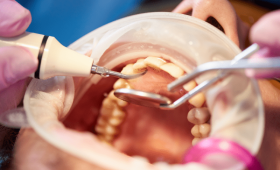
Furthermore, Turkish clinics are increasingly employing Piezoelectric Surgery for sinus lift procedures. This utilizes ultrasonic vibrations rather than traditional rotary instruments to elevate the sinus membrane. The precision of piezoelectric surgery is remarkable. It selectively cuts bone without damaging soft tissues, leading to reduced post-operative pain, swelling, and a faster healing time. The delicate nature of the sinus membrane benefits immensely from this technique. While piezoelectric surgery is gaining traction in Europe, it remains a more established and routinely implemented technology in many Turkish facilities.
Computer-Guided Surgery is another area where Turkey excels. Using pre-operative CBCT scans, surgeons can create a virtual surgical plan and utilize surgical guides to precisely place implants and perform the bone graft. This minimizes the risk of perforating the sinus membrane, ensures accurate implant positioning, and reduces the overall surgical time. This level of precision, combined with affordability, is a major draw for patients who might face significantly higher costs for similar technology in countries like France.
Beyond the hardware, Turkish surgeons are proficient in various bone grafting materials. While autogenous bone (from the patient’s own body) remains a gold standard, the use of rhBMP-2 (recombinant human Bone Morphogenetic Protein-2) and synthetic bone grafts are becoming increasingly common. These materials stimulate bone regeneration and can reduce the need for harvesting bone from other areas of the body, minimizing patient discomfort and morbidity.
PRP (Platelet-Rich Plasma) therapy is frequently incorporated into the sinus lift procedure in Turkey. PRP utilizes the patient’s own blood platelets to create a concentrated growth factor solution that is applied to the bone graft. This accelerates healing, promotes bone formation, and improves the overall success rate of the procedure.
The implementation of digital workflows also contributes to the high standard of care. From initial consultation and treatment planning using 3D imaging software to the fabrication of surgical guides and implant restorations using CAD/CAM technology, digital dentistry ensures accuracy, efficiency, and predictable results.
Finally, Turkish clinics are committed to minimally invasive techniques. Closed sinus lift procedures, where the bone graft is placed through a small, flapless incision, are favored whenever possible, further reducing patient discomfort and recovery time. This approach, coupled with meticulous surgical technique and post-operative care, contributes to the consistently high success rates reported by Turkish dental professionals – all at a fraction of the cost patients would incur in Western Europe.
> ✨ All-Inclusive Comfort: With CureHoliday, you never walk alone. Our 24/7 patient support ensures you are safe, comfortable, and well-cared for throughout your stay in Turkey.
Introduction: The Challenge of Bone Loss & The Sinus Lift Solution
Bone loss in the upper jaw is a surprisingly common, yet often underestimated, obstacle to successful dental implant placement. It’s a challenge that affects a significant portion of the population, particularly as we age, but also due to factors like gum disease, tooth extraction, and osteoporosis. Understanding this issue is the first step towards regaining the ability to smile, eat, and live confidently.
The upper jawbone, unlike its lower counterpart, relies heavily on stimulation from teeth to maintain its density. When teeth are lost, this stimulation ceases, leading to bone resorption – a natural biological process where the body reabsorbs bone tissue. This is especially pronounced in the upper jaw because of its proximity to the maxillary sinus, a hollow space within the cheekbones. Over time, the bone volume diminishes, creating insufficient support for dental implants.
This bone loss isn’t merely a cosmetic concern. It directly impacts the feasibility of dental implants, the gold standard for replacing missing teeth. Implants require a solid foundation to integrate properly with the jawbone – a process known as osseointegration. Without adequate bone height and density, implants may lack stability, leading to complications, failure, and the continued need for alternative solutions like removable dentures.
The impact is particularly acute in the posterior (back) region of the upper jaw, where the sinus cavity is larger and bone volume is naturally less. This area is frequently affected by bone loss following tooth extraction, making traditional implant placement impossible without intervention.
This is where the sinus lift procedure – also known as a maxillary sinus augmentation – comes into play. It’s a highly effective surgical technique designed to restore bone volume in the upper jaw, creating a stable foundation for dental implants. The procedure essentially ‘lifts’ the sinus membrane, creating space for bone grafting material.
The bone graft acts as a scaffold, encouraging new bone growth. Over several months, this grafted material integrates with the existing jawbone, increasing bone height and density. Once sufficient bone has regenerated, dental implants can be placed with a significantly higher probability of long-term success.
While the sinus lift is a routine procedure performed globally, the financial burden can be substantial. In countries like Germany or France, the cost of a sinus lift, combined with implant placement, can easily exceed €4,000 – €6,000, and often much more, depending on the complexity of the case and the clinic. This high price point puts quality dental care out of reach for many.
Turkey has emerged as a leading destination for patients seeking high-quality sinus lift procedures at a fraction of the cost. Patients traveling to Turkey routinely save 60-70% on their overall treatment, without compromising on the expertise of the surgeons or the quality of materials used. This affordability is due to lower operating costs and a favorable exchange rate, but it’s crucial to emphasize that this isn’t at the expense of care.
Turkish dental clinics specializing in implantology boast state-of-the-art facilities, adhere to international standards of hygiene and sterilization, and employ highly qualified and experienced surgeons. They utilize advanced technologies like 3D imaging and guided surgery to ensure precision and predictable outcomes.
The combination of exceptional skill, cutting-edge technology, and significantly reduced costs makes Turkey an increasingly attractive option for individuals facing the challenge of bone loss and seeking to restore their smile potential through sinus lift surgery and dental implants. It’s about accessibility to world-class care, not just affordability.
> 💡 Price Fact: While this treatment can cost thousands of Euros in Germany, France, or the Netherlands, CureHoliday offers the same high-quality procedure in Turkey for 70% less.
Understanding Bone Loss in the Upper Jaw
Bone loss in the upper jaw, specifically the maxilla, is a surprisingly common phenomenon and a primary reason patients explore solutions like sinus lifts, particularly in a destination like Turkey where cost and quality converge. It’s crucial to understand *why* this happens to appreciate the necessity of procedures designed to counteract it. Unlike the lower jaw, which benefits from constant stimulation through chewing and generally denser bone, the upper jaw relies heavily on teeth for structural support.
When teeth are lost in the upper jaw – due to periodontal disease, trauma, or extraction – the bone that previously supported them begins to resorb. This isn’t simply a case of the bone ‘disappearing’; it’s a biological process where the body recognizes the lack of function and redirects resources. The bone remodels itself, decreasing in both height and width. This process accelerates over time, making successful dental implant placement increasingly challenging.
The maxillary sinus, a large air-filled cavity within the cheekbones, plays a significant role in this process. The roots of your upper posterior teeth (molars and premolars) often extend quite close to, or even into, the floor of the sinus. Once these teeth are lost, the sinus naturally begins to pneumatize – essentially expand downwards. This expansion fills the space previously occupied by the tooth roots with air, further reducing the amount of bone available for implant placement.
The degree of bone loss varies significantly from patient to patient. Factors influencing the rate and severity include the duration since tooth loss, individual bone density, and overall health. Some patients may experience minimal bone resorption, while others may find the bone between the crest of the jaw and the sinus floor severely diminished – often less than the 8-10mm of bone height typically required for stable dental implant placement.
This is where the financial burden becomes apparent for patients in Western Europe. Addressing significant bone loss with procedures like sinus lifts in countries like Germany or France can be prohibitively expensive, often exceeding €3,000-€6,000 per site, *excluding* the cost of the implants themselves. This price tag doesn’t necessarily reflect superior expertise or materials.
Turkey, however, has emerged as a global leader in dental tourism, offering comparable – and often superior – quality sinus lift procedures at a fraction of the cost. Patients routinely save 60-70% on their overall treatment, including the sinus lift, implants, and accommodation, without compromising on the skill of the surgeon or the quality of materials used. This affordability stems from lower operating costs and a favorable exchange rate, not a reduction in care standards.
The implications of insufficient bone height extend beyond just implant stability. A compromised bone foundation can lead to implant failure, peri-implantitis (inflammation around the implant), and aesthetic concerns. A properly executed sinus lift, followed by implant placement, restores both function and aesthetics, allowing patients to confidently smile, eat, and speak.
It’s important to remember that bone grafting isn’t always a ‘quick fix’. The grafted bone needs time to integrate with the existing bone – a process called osseointegration – typically lasting several months. This waiting period is a crucial part of the treatment plan and ensures the long-term success of the implants. Experienced surgeons in Turkey are adept at managing these timelines and providing comprehensive post-operative care.
Finally, the type of bone loss dictates the approach to correction. While minor bone loss may be addressed with less invasive techniques, significant pneumatization of the sinus often necessitates a more comprehensive sinus lift procedure. Accurate diagnosis, using advanced 3D imaging like CBCT scans, is vital for determining the optimal treatment strategy.
> 💡 Price Fact: While this treatment can cost thousands of Euros in Germany, France, or the Netherlands, CureHoliday offers the same high-quality procedure in Turkey for 70% less.
The Impact of Bone Loss on Dental Implants
Bone loss in the upper jaw, particularly around the area where teeth once resided, is a significant obstacle to successful dental implant placement. Dental implants require a foundation of healthy, dense bone to integrate properly – a process known as osseointegration. Without sufficient bone volume and density, achieving a stable, long-lasting implant is compromised, potentially leading to implant failure.
The upper jaw is especially prone to bone resorption following tooth loss. This is due to the relatively lower density of bone in this region compared to the lower jaw, and the pneumatization of the maxillary sinus. When a tooth is lost, the body naturally resorbs bone in that area, as it’s no longer stimulated by the forces of chewing. This resorption isn’t limited to just the socket where the tooth was; it extends to the surrounding bone, including beneath the sinus cavity.
This diminished bone height and width creates several challenges for implantologists. Firstly, it reduces the surface area available for secure implant anchoring. An implant needs ample bone surrounding it to provide the necessary primary stability immediately after placement. Insufficient bone means the implant may wobble or fail to integrate.
Secondly, proximity to the maxillary sinus becomes a critical concern. If an implant is placed too close to the sinus, it can perforate the sinus membrane, leading to complications such as sinusitis, infection, and ultimately, implant failure. The sinus cavity is essentially an air-filled space, and an implant needs solid bone for support, not air.
The consequences of attempting implant placement in insufficient bone are not merely aesthetic. Failed implants can lead to further bone loss, increased treatment complexity, and significant financial burden. Revision surgeries to correct failed implants are often far more expensive and complex than the initial procedure.
For patients in countries like Germany or France, addressing this bone loss – and therefore qualifying for dental implants – can be prohibitively expensive. The cost of bone grafting procedures, coupled with the implant surgery itself, easily reaches several thousand euros. This financial barrier often prevents individuals from accessing the restorative dental care they deserve.
This is where Turkey emerges as a compelling destination for patients seeking solutions. Turkish clinics offer advanced sinus lift procedures, performed by highly skilled and experienced surgeons, at a fraction of the cost compared to Western Europe. Patients routinely save upwards of 70% on the total treatment cost – including flights and accommodation – without compromising on quality or utilizing inferior materials.
The affordability isn’t due to lowered standards. Turkey has invested heavily in modern dental technology and attracts internationally trained specialists. Many clinics are equipped with state-of-the-art imaging (CBCT scans) crucial for precise pre-operative planning and minimizing risks during the sinus lift procedure.
Furthermore, the holistic approach offered in Turkey frequently includes comprehensive diagnostics, personalized treatment plans, and meticulous post-operative care. This ensures a higher success rate and long-term implant stability. A sinus lift, performed correctly, creates a solid bony foundation, allowing for the successful placement of dental implants, restoring both function and aesthetics.
It’s crucial to understand that bone grafting isn’t a one-size-fits-all solution. The amount of bone loss, the patient’s overall health, and the desired implant position all factor into determining the most appropriate grafting technique. A thorough evaluation by a qualified oral surgeon is essential to assess suitability and develop a tailored treatment plan. The expert clinicians in Turkey are well-versed in these nuances, offering a range of bone grafting options to meet individual needs.
> 📉 Cost Comparison: A simple procedure that costs €5,000 in Germany might cost only €1,500 in Turkey with CureHoliday. Why pay more for the same quality?
Introducing Sinus Lifts: Restoring Your Smile Potential
Bone loss in the upper jaw is a surprisingly common issue, often arising from tooth extraction, periodontal disease, or even natural age-related bone resorption. This loss significantly impacts a patient’s candidacy for dental implants – the gold standard for replacing missing teeth. Without sufficient bone density and volume, achieving stable, long-lasting implants becomes challenging, if not impossible. This is where the sinus lift procedure steps in, offering a reliable solution to restore bone height and create a solid foundation for successful implant placement.
The maxillary sinuses, air-filled spaces located above your upper teeth, expand after tooth loss. This expansion contributes to bone resorption in the upper jaw, leaving a diminished bone height that often falls short of the necessary requirements for implant insertion. A sinus lift, also known as a sinus augmentation, addresses this by effectively ‘lifting’ the sinus membrane and creating space for bone grafting material. This material then integrates with the existing bone, increasing bone volume and providing the support needed for dental implants.
For patients in countries like Germany or France, the cost of this vital procedure can be prohibitively expensive. The overall expense, factoring in surgeon fees, facility costs, anesthesia, and post-operative care, can easily exceed €4,000 – €6,000 or more. This financial burden often delays necessary treatment, impacting quality of life and potentially leading to further complications.
Turkey, however, has emerged as a leading destination for high-quality, affordable sinus lift surgery. Skilled oral surgeons, utilizing cutting-edge technology and adhering to international standards, offer the same excellent outcomes at a fraction of the cost. Patients routinely save 60-70% compared to European prices, making restorative dental care accessible. This isn’t about compromising on quality; it’s about leveraging a favorable economic climate and highly trained specialists.
The benefits extend beyond just financial savings. Turkish dental clinics often offer comprehensive treatment packages, encompassing the sinus lift, bone grafting material, implant placement (often performed simultaneously or in a staged approach), and even accommodation and transportation assistance. This streamlined approach minimizes logistical stress for international patients.
The procedure itself is performed by experienced oral and maxillofacial surgeons. Utilizing advanced imaging techniques like cone-beam computed tomography (CBCT), they meticulously plan the surgery, assessing bone density, sinus anatomy, and identifying any potential complications. This precision is paramount for a successful and predictable outcome.
The bone graft material used can vary, with options including autogenous bone (taken from another area of the patient’s body), allogeneic bone (from a deceased donor), or synthetic bone substitutes. Each option has its advantages and disadvantages, and the surgeon will recommend the most suitable material based on the individual patient’s needs and medical history.
The appeal of Turkey isn’t simply about price. The country’s growing reputation for medical tourism is built on consistently delivering exceptional patient care, with a strong emphasis on aftercare and follow-up. Many clinics offer post-operative support remotely, ensuring patients receive continued guidance and monitoring after returning home.
Choosing a sinus lift in Turkey allows patients to regain their confidence, restore their ability to eat and speak comfortably, and ultimately, unlock their smile potential – all without incurring the substantial financial strain associated with treatment in Western Europe. It’s a pathway to a healthier, brighter future, combining affordability with world-class dental expertise.
> 💡 Price Fact: While this treatment can cost thousands of Euros in Germany, France, or the Netherlands, CureHoliday offers the same high-quality procedure in Turkey for 70% less.
What is a Sinus Lift? A Detailed Explanation
A sinus lift, medically known as a maxillary sinus augmentation, is a surgical procedure designed to increase the amount of bone in the upper jaw – specifically in the area behind the sinuses. This is crucial for patients who wish to receive dental implants but lack sufficient bone height to support them. The maxillary sinuses, air-filled spaces within the cheekbones, are located directly above the upper teeth. When teeth are lost in this region, the bone tends to resorb (deteriorate) over time, leaving a hollow space between the sinus and the jawbone.
This bone loss presents a significant challenge for implant placement. Dental implants require a solid foundation for successful osseointegration – the process where the implant fuses with the jawbone. Without adequate bone volume, achieving this stable fusion is impossible, leading to implant failure. A sinus lift effectively creates that necessary foundation.
The procedure involves lifting the sinus membrane, which is the thin tissue lining the sinus cavity. This creates a space beneath the membrane, which is then filled with bone graft material. This material acts as a scaffold, encouraging new bone growth. Over a period of several months – typically 6 to 9 – the bone graft integrates with the existing jawbone, increasing its height and density. Once sufficient bone has regenerated, dental implants can be placed.
There are two primary techniques for performing a sinus lift: open and closed. The open sinus lift, also known as a lateral approach, involves making an incision in the gum tissue to access the bone. A small window is created in the bone, the sinus membrane is carefully lifted, and the bone graft is placed. This approach offers excellent visibility and control, making it suitable for cases with significant bone loss.
The closed sinus lift, or crestal approach, is less invasive. It’s performed through a small, circular opening created in the existing bone where the tooth previously was. A specialized instrument is used to gently lift the sinus membrane and place the graft. This technique is best suited for patients with minimal bone loss and thicker sinus membranes.
Various materials can be used for the bone graft, each with its advantages and disadvantages. Autografts, using bone harvested from another area of the patient’s body (typically the chin or hip), are considered the “gold standard” due to their excellent biocompatibility and osteogenic potential – the ability to stimulate new bone growth. However, they require a second surgical site, increasing recovery time and potential discomfort. Allografts, derived from a deceased donor, and synthetic bone grafts are also commonly used, offering convenience and eliminating the need for a second surgical site.
The cost of a sinus lift can vary dramatically depending on location. In countries like Germany and France, the procedure can easily exceed €3,000-€5,000, *excluding* the cost of the implants themselves. This financial burden often discourages patients from pursuing necessary treatment.
However, Turkey has emerged as a leading destination for dental tourism, offering high-quality sinus lift procedures at significantly reduced prices. Patients traveling to Turkey for this treatment routinely save 60-70% compared to European prices – often receiving the same, or even superior, care from highly qualified and experienced oral surgeons. The combination of advanced technology, skilled professionals, and lower operating costs allows Turkish clinics to provide exceptional value.
Furthermore, many clinics in Turkey utilize advanced technologies such as 3D CBCT scanning and digital treatment planning to ensure precise and predictable outcomes. Piezoelectric surgery, a minimally invasive technique using ultrasonic vibrations, is also increasingly employed to gently lift the sinus membrane and minimize trauma. This commitment to innovation, coupled with affordable pricing, makes Turkey an increasingly popular choice for patients seeking to restore their smile and regain their quality of life. The expertise available rivals that of Western European specialists, but at a fraction of the cost.
> ✨ All-Inclusive Comfort: With CureHoliday, you never walk alone. Our 24/7 patient support ensures you are safe, comfortable, and well-cared for throughout your stay in Turkey.
Anatomy of the Sinus and Upper Jaw
The maxillary sinus, a critical structure in understanding the feasibility and execution of a sinus lift procedure, is one of four paired paranasal sinuses located within the skull. Its anatomy is intrinsically linked to the bone density of the upper jaw, and therefore, to the success of dental implant placement. The sinus is an air-filled cavity situated within the maxillary bone, above the upper teeth. Its function is to lighten the skull, humidify inhaled air, and contribute to voice resonance.
The floor of the maxillary sinus is not flat. It conforms to the roots of the posterior (back) upper teeth. This proximity is crucial. When teeth are lost in this region, the bone supporting those teeth undergoes resorption – a natural process where bone tissue breaks down due to lack of stimulation. This resorption often extends upwards, diminishing the bone height and bringing the sinus floor closer to the crest of the jaw. This diminished bone height is the primary indication for a sinus lift.
The sinus cavity isn’t a simple, uniform space. It varies considerably in size and shape between individuals, and even on either side of the same person. Anatomical variations, such as septations (internal walls) within the sinus, pneumatization of the roots of the teeth (where the tooth roots extend into the sinus), and the presence of accessory sinuses, need to be carefully assessed pre-operatively via Cone Beam Computed Tomography (CBCT) scans. These scans provide a 3D visualization of the sinus, allowing the surgeon to plan the procedure meticulously and anticipate potential challenges.
The medial wall of the sinus borders the nasal cavity. This wall is relatively thin, and care must be taken during surgery to avoid perforation. The lateral wall contains the infraorbital foramen, through which a nerve and blood vessels pass, requiring careful consideration to avoid damage.
Understanding the Schneiderian membrane is paramount. This membrane lines the maxillary sinus and represents the periosteum and mucosa of the sinus cavity. It’s a delicate tissue layer that needs to be carefully elevated and preserved during a sinus lift. The bone graft material is placed *under* this membrane, essentially creating a new base for implant placement.
Bone loss in the upper jaw, particularly in the posterior regions, is a common issue, especially in patients with a history of periodontal disease, tooth extraction, or wearing dentures. This bone loss can make traditional dental implant placement impossible without first augmenting the bone volume via a sinus lift.
In countries like Germany and France, a sinus lift procedure coupled with implant placement can easily exceed €6,000 – €10,000 or even more, depending on the complexity and the clinic’s location. However, Turkey has emerged as a leading destination for dental tourism, offering the *same high-quality care* – often utilizing advanced technologies like piezo surgery and patient-specific guides – at a significantly reduced cost. Patients consistently report savings of up to 70% choosing Turkey for their sinus lift and implant procedures.
This cost difference isn’t due to compromised quality. Turkey’s lower cost of living, combined with highly skilled and internationally trained oral surgeons, allows patients to access superior treatment at a fraction of the price compared to Western Europe. The advanced diagnostic tools and materials used are identical to those found in leading European clinics.
The success of a sinus lift is heavily reliant on a thorough understanding of this complex anatomy. A skilled surgeon will carefully evaluate the CBCT scans, assess the patient’s individual anatomy, and tailor the surgical approach accordingly. This meticulous planning, coupled with precise surgical technique, is what ensures optimal outcomes and long-term implant stability, all available at a remarkably affordable price point in Turkey.
> 📉 Cost Comparison: A simple procedure that costs €5,000 in Germany might cost only €1,500 in Turkey with CureHoliday. Why pay more for the same quality?
The Role of the Maxillary Sinus in Bone Grafting
The maxillary sinus, a crucial air-filled space within the skull, plays a surprisingly central role in successful bone grafting for dental implant placement in the upper jaw. Understanding its anatomy and function is paramount to appreciating the nuances of a sinus lift procedure, particularly when considering treatment in a location like Turkey, where advanced techniques are combined with significantly lower costs.
The maxillary sinus is the largest of the paranasal sinuses. Its floor isn’t a solid bone, but rather a varying thickness of cortical bone overlaid by the Schneiderian membrane – a mucous membrane lining the sinus cavity. This membrane is delicate and must be carefully managed during a sinus lift. Bone loss in the upper jaw, a common consequence of tooth extraction or periodontal disease, often occurs because this sinus naturally expands downwards, filling the space previously occupied by tooth roots.
This expansion is driven by pneumatization – the process where air-filled spaces enlarge within bone. When teeth are lost, the supporting bone isn’t stimulated by chewing forces and begins to resorb. The sinus, seeking to expand into this void, gradually lowers its floor. This leaves insufficient bone height for stable dental implant placement. Without adequate bone volume, implants can protrude into the sinus cavity, leading to complications like sinusitis or implant failure.
The sinus lift procedure directly addresses this issue. It involves gently lifting the Schneiderian membrane away from the underlying bone, creating space for bone grafting material. This material, which can range from autogenous bone (taken from another area of the patient’s body) to allograft (from a deceased donor) or synthetic bone substitutes, acts as a scaffold for new bone growth. Over several months, the graft integrates with the existing bone, increasing the bone height and providing a solid foundation for dental implants.
The proximity of the sinus to the bone graft is critical. Maintaining a healthy distance between the graft and the sinus membrane is essential for successful osseointegration – the process where bone grows onto the implant surface. Experienced surgeons, like those frequently found in Turkey’s leading dental clinics, prioritize meticulous technique and utilize advanced imaging (CBCT scans) to precisely assess sinus anatomy and plan the procedure accordingly.
Choosing Turkey for a sinus lift offers a compelling advantage. While similar procedures in countries like Germany or France can easily exceed €3,000-€6,000 (or even higher depending on complexity and materials), patients traveling to Turkey often experience savings of up to 70% without compromising on quality. This cost difference isn’t due to inferior care; rather, it’s a result of lower overhead costs and a favorable exchange rate.
Furthermore, Turkish clinics have invested heavily in state-of-the-art technology, including digital workflow and 3D surgical guides, enhancing precision and minimizing post-operative discomfort. Many clinics also offer all-inclusive packages, covering the procedure, bone graft material, accommodation, and airport transfers, providing a seamless and stress-free experience.
The type of bone graft material used also influences the procedure’s success. While autogenous bone is considered the ‘gold standard’ due to its osteogenic properties (ability to stimulate bone growth), it requires a secondary surgical site. Synthetic and allograft materials provide convenient alternatives, and advancements in biomaterial science have significantly improved their integration rates. Skilled surgeons in Turkey are proficient in utilizing all these options, tailoring the approach to each patient’s individual needs and bone volume.
Post-operative care is equally vital. Proper hygiene, avoiding strenuous activity, and following the surgeon’s instructions are crucial for optimal healing. The waiting period before implant placement varies, typically ranging from 6 to 9 months, allowing sufficient time for bone maturation. Patients considering sinus lifts should prioritize clinics with a proven track record, experienced surgeons, and a commitment to long-term patient care – all readily available at competitive prices in Turkey.
> 📉 Cost Comparison: A simple procedure that costs €5,000 in Germany might cost only €1,500 in Turkey with CureHoliday. Why pay more for the same quality?
Step-by-Step Breakdown of the Sinus Lift Procedure
The sinus lift procedure, while intricate, follows a predictable series of steps when performed by experienced surgeons in Turkey. Understanding these steps can alleviate anxiety and provide insight into the process. It’s crucial to remember that individual cases vary, and your surgeon will tailor the approach to your specific anatomy and bone loss extent.
Initially, the procedure begins with local anesthesia, ensuring patient comfort. In Turkey, many clinics also offer sedation options for enhanced relaxation, a level of patient care often lacking – or significantly more expensive – in countries like Germany or France. A small incision is then made in the gum tissue, typically along the upper jaw, exposing the bone beneath.
Next, a flap is carefully raised, exposing the bone wall separating the maxillary sinus from the upper jaw. The surgeon meticulously prepares the bone, creating a small opening into the sinus cavity. This is a critical step requiring precise anatomical knowledge and surgical skill – expertise readily available at leading Turkish dental centers.
Once access to the sinus is achieved, the sinus membrane is gently lifted. This is arguably the most delicate part of the procedure. A specialized instrument is used to elevate the Schneiderian membrane (the lining of the sinus) away from the bone, creating a space for bone grafting material. Surgeons in Turkey are increasingly utilizing piezo surgery, a less invasive technique employing ultrasonic vibrations, minimizing trauma and promoting faster healing – a technology often reserved for premium clinics in Western Europe, but standard in many Turkish facilities.
The bone grafting material – discussed in detail in a later section – is then carefully packed into the space created between the lifted sinus membrane and the existing bone. Common materials include autogenous bone (from another area of your body), allograft bone (from a deceased donor), or synthetic bone grafts. The choice depends on individual needs and surgeon preference. Patients in Turkey benefit from access to high-quality, FDA-approved bone graft materials at substantially reduced costs compared to the equivalent in countries like France, where healthcare expenses are significantly higher.
Following grafting, the flap is repositioned and secured with sutures. In some cases, a resorbable membrane might be placed over the graft to further stabilize it and prevent membrane perforation. The incision is then closed, and post-operative instructions are provided.
For a closed sinus lift (a less invasive technique), the incision is significantly smaller, and the membrane is lifted through a small opening prepared in the existing bone, eliminating the need for a flap. This is often suitable for smaller bone loss cases.
Post-operative care is vital. Patients will receive detailed instructions regarding pain management, antibiotic use, and avoiding activities that could disrupt the graft. Regular follow-up appointments are scheduled to monitor healing and assess the success of the graft.
The waiting period before dental implant placement varies, typically ranging from 6 to 9 months, allowing sufficient time for the bone graft to integrate with the existing bone. This integration is monitored using 3D CBCT scans, commonplace in Turkish clinics and providing detailed visualization of bone density and volume.
The financial advantages of undergoing a sinus lift in Turkey are significant. Patients routinely save upwards of 70% on the total cost – including surgery, materials, accommodation, and travel – compared to similar procedures in Europe. This isn’t due to compromised quality; Turkey has become a global hub for dental tourism, attracting skilled surgeons and investing in cutting-edge technology. The combination of affordability and expertise makes Turkey a compelling choice for patients seeking to restore their smile potential.
> ✨ All-Inclusive Comfort: With CureHoliday, you never walk alone. Our 24/7 patient support ensures you are safe, comfortable, and well-cared for throughout your stay in Turkey.
Types of Sinus Lifts: Open vs. Closed Approach
The core of a successful sinus lift lies in the surgical technique employed. Two primary approaches dominate the field: the open sinus lift (also known as a lateral window approach) and the closed sinus lift (or crestal approach). The choice between the two depends heavily on the amount of bone loss, the patient’s anatomy, and the surgeon’s preference and expertise. Understanding the nuances of each is crucial for informed decision-making, particularly when considering dental tourism in a country like Turkey where both are routinely performed with high success rates at significantly reduced costs compared to Europe.
The open sinus lift is generally considered the gold standard when significant bone volume is required. This technique involves creating a flap in the gum tissue to expose the underlying bone. A small, oval-shaped window is then carefully created in the lateral wall of the maxillary sinus. This window allows access to the sinus membrane, which is gently elevated to create space for bone grafting material.
This approach offers excellent visibility and control, enabling the surgeon to accurately assess the sinus anatomy and address any complexities. It’s particularly beneficial for cases with severe bone recession or when dealing with anatomical variations. However, it’s a more invasive procedure, typically requiring a longer healing period and potentially a higher risk of post-operative discomfort. In countries like Germany or France, this level of surgical complexity can easily translate to costs exceeding €3,000-€4,000. In Turkey, patients can achieve the same high-quality open sinus lift – often with advanced 3D imaging for precise planning – for around €800-€1,200, representing savings of up to 70%.
The closed sinus lift, conversely, is a less invasive technique. It’s performed through a small, circular opening prepared directly in the existing bone, without the need for a gum flap. Specialized instruments are used to gently lift the sinus membrane and pack the bone graft material into the space created.
This method is suitable for patients with minimal to moderate bone loss – typically 4-8mm – and a healthy sinus membrane. It’s often preferred for its quicker recovery time and reduced post-operative discomfort. However, the limited visibility can make it more challenging to perform in cases of significant bone loss or complex anatomy. Achieving optimal graft compaction can also be more difficult. While still expensive in Western Europe (around €2,000-€3,000), a closed sinus lift in Turkey offers exceptional value, frequently priced between €600-€1,000.
The choice isn’t simply about cost; it’s about finding the *right* procedure for *your* specific needs. Skilled surgeons in Turkey routinely utilize Cone Beam Computed Tomography (CBCT) scans to meticulously evaluate each patient’s anatomy, ensuring the most appropriate technique is selected. This diagnostic precision, coupled with the surgeon’s experience, significantly contributes to the high success rates observed.
It’s important to note that the success of either procedure isn’t solely dependent on the approach. The type of bone graft material used (discussed in a subsequent section), meticulous surgical technique, and adherence to post-operative care instructions all play vital roles. Furthermore, the expertise of the surgeon is paramount. Turkey has become a leading destination for dental tourism precisely because of the high concentration of highly qualified and experienced oral surgeons offering both open and closed sinus lifts at a fraction of the cost of comparable care in Europe.
Ultimately, a thorough consultation with a qualified surgeon – whether in your home country or while researching options in Turkey – is the first step toward restoring your smile potential. Don’t hesitate to ask detailed questions about the advantages and disadvantages of each approach, and ensure the surgeon explains the procedure in a way you fully understand. The potential to save 70% on high-quality care in Turkey, without compromising on safety or results, makes it an increasingly attractive option for patients worldwide.
> 🏥 CureHoliday Advantage: We don’t just book your treatment; we manage your entire journey. From VIP airport transfers to 5-star hotel accommodation, everything is included in your package.
Materials Used in Sinus Lift Surgery (Bone Graft Options)
The success of a sinus lift procedure is heavily influenced by the material used for bone grafting. Several options exist, each with its own advantages and disadvantages, impacting healing time, biocompatibility, and ultimately, implant stability. Turkish clinics have become renowned for expertly utilizing a range of these materials, offering patients high-quality results at a fraction of the cost compared to procedures in countries like Germany or France, where prices can be significantly higher – often exceeding €3,000-€6,000. In Turkey, patients routinely save 60-70% on comparable treatments without compromising on quality or expertise.
Autogenous bone grafts, meaning bone harvested from the patient’s own body, remain a gold standard. This is typically sourced from the chin, the distal segment of the mandible, or the parietal region of the skull. The benefit lies in its complete biocompatibility, eliminating the risk of rejection or adverse reactions. Autografts stimulate bone growth effectively, providing a robust foundation for dental implants. However, it requires a secondary surgical site, increasing overall procedure time, discomfort, and potential morbidity. In Europe, the additional surgeon and operating room costs associated with a second surgical site dramatically inflate the overall price. Turkish clinics often streamline this process with highly skilled surgical teams, minimizing complications and maintaining affordability.
Allografts utilize bone harvested from a deceased donor. These grafts are thoroughly screened and processed to ensure safety and biocompatibility. Allografts eliminate the need for a second surgical site, reducing patient discomfort and recovery time. While generally successful, there’s a minimal, though present, risk of disease transmission, despite rigorous screening protocols. The cost of allografts in Europe is substantial, often exceeding €2,000 for the material alone, before factoring in surgical fees. Turkey presents a compelling alternative, providing certified allografts at significantly reduced prices, allowing patients to benefit from this option without the financial burden.
Synthetic bone grafts, composed of materials like hydroxyapatite, tricalcium phosphate, or bioactive glass, offer another viable solution. These materials are biocompatible and promote bone growth, though potentially at a slower rate than autogenous bone. They are readily available and eliminate the risks associated with donor tissue. Synthetic grafts are particularly useful for smaller defects or as a supplement to other grafting materials. In countries like France, the cost of high-quality synthetic bone graft materials, coupled with surgeon fees, can easily reach €1,500-€3,000. Turkish clinics offer a wide selection of FDA-approved synthetic bone grafts at competitive prices, often bundled with the surgical procedure for added value.
BioOss, a bovine-derived bone mineral, is a popular and well-documented synthetic option. It possesses excellent osteoconductive properties, meaning it provides a scaffold for new bone growth. It’s often combined with autologous platelet rich fibrin (PRF) or platelet rich plasma (PRP) to enhance healing and bone regeneration. While considered a premium material in Europe – with prices frequently exceeding €1,800 – Turkish clinics offer BioOss at considerably lower rates, making it accessible to a wider range of patients.
Recent advancements include the use of growth factors and bone morphogenetic proteins (BMPs) applied to bone graft materials. These substances stimulate bone cell activity and accelerate the healing process. While promising, BMPs are subject to careful consideration due to potential side effects and higher costs. Turkish clinics, adhering to international standards, utilize these technologies judiciously, providing patients with the latest advancements in bone grafting while maintaining affordability.
The choice of material depends on the extent of bone loss, individual patient factors, and the surgeon’s preference. Turkish dentists are highly trained in evaluating these factors and recommending the most appropriate bone graft option. Patients traveling to Turkey for sinus lifts not only benefit from the expertise of skilled surgeons and the use of high-quality materials, but also experience substantial cost savings, often enjoying a 70% reduction in overall expenses compared to procedures performed in Western European countries like Germany. This allows them to address their dental needs without compromising on quality or financial stability.
> 📉 Cost Comparison: A simple procedure that costs €5,000 in Germany might cost only €1,500 in Turkey with CureHoliday. Why pay more for the same quality?
Advanced Technologies & Techniques Employed
Turkish dental clinics have rapidly become globally recognized for their adoption of cutting-edge technologies in sinus lift procedures, exceeding standards often found in Western Europe. This commitment to innovation directly translates to improved patient outcomes, reduced recovery times, and a more predictable, successful bone grafting experience. While clinics in countries like Germany and France offer these technologies, the cost can be prohibitive – often exceeding €4,000 – €6,000 for the entire procedure. In Turkey, patients consistently realize savings of up to 70% without compromising on quality or the sophistication of the techniques used.
One of the most significant advancements is the widespread use of Cone Beam Computed Tomography (CBCT). CBCT provides a detailed three-dimensional image of the patient’s sinuses and jawbone, far surpassing the capabilities of traditional two-dimensional X-rays. This precise imaging is critical for accurate pre-operative planning. Surgeons can virtually ‘walk through’ the patient’s anatomy, identifying the exact bone volume, sinus shape, and proximity to vital structures like the nasal cavity. This minimizes the risk of complications and allows for customized treatment plans. Many clinics in Europe still rely heavily on 2D radiography for initial assessment, potentially leading to less accurate surgical planning.
Piezoelectric surgery is another technology increasingly common in Turkish sinus lift procedures. Unlike traditional rotary instruments, piezoelectric devices use ultrasonic vibrations to precisely cut bone without damaging surrounding soft tissues. This gentle approach minimizes trauma, reduces post-operative swelling and pain, and promotes faster healing. The precision of piezoelectric surgery is particularly beneficial in cases requiring intricate bone sculpting or when working close to the sinus membrane. While available in Europe, the integration of piezoelectric surgery into routine sinus lift procedures is notably more prevalent in Turkey.
Furthermore, Turkish clinics are at the forefront of utilizing PRF (Platelet-Rich Fibrin) and PRP (Platelet-Rich Plasma) therapies. These techniques involve harvesting a small sample of the patient’s own blood, processing it to concentrate platelets, and then applying it to the bone graft site. Platelets contain growth factors that stimulate bone regeneration, accelerate healing, and reduce the risk of infection. The use of autologous (patient’s own) materials minimizes the risk of rejection and promotes a more natural healing process. The additional cost of PRF/PRP in Europe can easily add another €500 – €1000 to the overall bill, a cost frequently absorbed within comprehensive packages in Turkey.
The implementation of digital workflow is also noteworthy. From initial CBCT scans to the design and fabrication of surgical guides, Turkish clinics are increasingly leveraging digital technology. This allows for highly accurate implant placement, minimizing the need for adjustments during surgery and maximizing long-term stability. Surgical guides, created using CAD/CAM technology, ensure that implants are positioned in the optimal location, even in complex cases.
Beyond the technology, Turkish surgeons are adept at utilizing minimally invasive techniques whenever possible. This includes the closed sinus lift approach, where the bone graft is inserted through a small, flapless incision, minimizing trauma and reducing recovery time. The skill and experience of the surgeons, combined with advanced imaging and precise instrumentation, allows for successful closed sinus lifts in a higher percentage of cases compared to some European practices.
The use of advanced bone graft materials, including synthetic bone grafts and recombinant human bone morphogenetic proteins (rhBMPs), is also becoming more common. These materials offer excellent osteoconductive and osteoinductive properties, promoting rapid bone formation and integration. While the cost of these materials is comparable globally, the overall package price in Turkey remains significantly lower, making these advanced options accessible to a wider range of patients. Compared to the often-steep prices in Germany or France, where similar procedures can easily reach upwards of €6,000, Turkey offers a compelling combination of technological advancement and affordability.
> ✨ All-Inclusive Comfort: With CureHoliday
Free Consultation
Fill out the form below to get your free medical travel plan and price quote.
Sources and how to verify this yourself
- Howe M-S, Keys W, Richards D. Long-term (10-year) dental implant survival: a systematic review and sensitivity meta-analysis. Journal of Dentistry, 2019 — pooled 10-year implant survival 96.4% (95% CI 95.2–97.5%); conservative sensitivity estimate 93.2%. source
- Ministry of Health, Regulation on International Health Tourism and Tourist Health, Official Gazette 26 April 2025, No. 32882 — authorisation requirement for facilities and intermediaries, TÜSKA accreditation, compulsory complication insurance (deadline 31 December 2025 for insurance, 31 December 2026 for accreditation). source
- Ministry of Health, Regulation on Promotion and Information Activities in Health Services, Official Gazette 12 November 2025, No. 33075 — treatment promises and guarantees are prohibited; price and campaign announcements are permitted only within international health tourism. source