About the prices on this page. The figures below are indicative market prices and country comparisons, not a quote. Our own current, all-inclusive prices are published on our hair transplant in Turkey page, and we confirm your figure in writing before you commit to anything.
Benefits & Advantages of a Lifetime Warranty Hair Transplant
A lifetime warranty on a hair transplant in Turkey represents a significant shift in patient expectations and clinic accountability. While not universally offered, its emergence signals a growing confidence amongst Turkish hair transplant surgeons and a commitment to long-term results. This commitment offers substantial benefits beyond simply addressing hair loss; it fundamentally alters the risk profile for patients considering this significant investment.
The primary advantage is, of course, peace of mind. Hair loss is a progressive condition, and even with a successful transplant, natural, non-transplanted hair continues to thin over time. A lifetime warranty addresses this inevitability. Clinics offering this guarantee typically cover additional procedures – often referred to as ‘touch-up’ sessions – needed to maintain density should further hair loss occur in the transplanted area. The specifics of what constitutes warranty coverage vary, so careful review of the terms is crucial (detailed further in the ‘Understanding the Fine Print’ section).
However, the benefits extend far beyond just free touch-ups. Clinics offering lifetime warranties are incentivized to prioritize quality at *every* stage of the process. This begins with meticulous patient selection. A thorough assessment of the patient’s donor area, hair characteristics, and overall health is paramount. Clinics understand that a robust donor area is essential for potential future procedures, meaning they won’t accept patients where future touch-ups are almost certain due to insufficient resources.
The surgical technique itself is also elevated. Clinics providing warranties are far more likely to employ highly skilled surgeons and experienced technicians. They prioritize follicular unit survival – maximizing the viability of each transplanted graft. This focus on quality translates to a higher graft success rate, reducing the need for corrective procedures in the long run. This is in stark contrast to some budget clinics which may prioritize speed and volume over meticulous technique.
Consider the financial implications. A hair transplant in countries like Germany or France can easily exceed €8,000-€15,000, *without* any guarantee of long-term maintenance. Should thinning occur after five or ten years, patients face the prospect of paying the full price again for corrective work. In Turkey, a comparable procedure with a lifetime warranty can often be obtained for €2,000-€4,000, representing a saving of up to 70%. This substantial cost difference, combined with the long-term security of a warranty, makes Turkey an increasingly attractive destination for hair restoration.
Furthermore, Turkish clinics offering lifetime warranties often invest heavily in advanced technology. This includes state-of-the-art FUE (Follicular Unit Extraction) and DHI (Direct Hair Implantation) equipment, as well as sophisticated diagnostic tools for accurate hair analysis. The use of these technologies, coupled with the skill of the surgical team, contributes to consistently superior outcomes.
The commitment to aftercare is also significantly greater. Clinics understand that post-operative care plays a vital role in long-term success. They provide detailed instructions, ongoing support, and regular follow-up appointments to monitor progress and address any concerns. This proactive approach helps to identify and manage potential issues before they escalate, minimizing the likelihood of needing warranty-covered procedures.
Finally, it’s important to recognize the competitive landscape in Turkey. The country has become a global hub for hair transplantation, fostering a culture of innovation and quality. Clinics are constantly striving to improve their techniques and services to attract patients. The provision of lifetime warranties is a direct result of this competitive pressure, benefiting patients with increased security and value. It’s a clear indication that clinics are willing to stand behind their work and ensure patient satisfaction for years to come – something increasingly rare in the more expensive European markets.
> ✨ All-Inclusive Comfort: With CureHoliday, you never walk alone. Our 24/7 patient support ensures you are safe, comfortable, and well-cared for throughout your stay in Turkey.
Introduction: The Growing Problem of Hair Loss & A Permanent Solution
Hair loss, or alopecia, is a remarkably common condition affecting millions globally. While often perceived as a cosmetic concern, its impact extends far beyond aesthetics, significantly affecting self-esteem, confidence, and overall quality of life. The prevalence of hair loss is steadily increasing, driven by factors ranging from genetics and hormonal changes to lifestyle stressors and environmental influences. This rise in incidence has fueled a corresponding surge in demand for effective, long-term solutions.
Traditionally, temporary fixes like hairpieces, topical treatments (minoxidil), and medications (finasteride) have been the mainstay for managing hair loss. However, these often require continuous use to maintain results, and may come with undesirable side effects. For individuals seeking a truly permanent solution, hair transplantation has emerged as the gold standard.
The appeal of hair transplantation lies in its ability to redistribute existing hair follicles to areas of thinning or baldness, creating a natural and lasting hairline. Modern techniques, such as Follicular Unit Extraction (FUE) and Direct Hair Implantation (DHI), have dramatically improved the outcomes and minimized the invasiveness of the procedure.
However, the cost of these advanced procedures in countries like Germany, France, and the United States can be prohibitive. Patients often face expenses exceeding €8,000 – €15,000 for a single session, making a permanent solution financially inaccessible for many. This is where Turkey has rapidly become a global leader in medical tourism, particularly for hair transplantation.
Turkey offers a unique combination of highly skilled surgeons, state-of-the-art facilities, and significantly lower costs – with patients typically saving up to 70% compared to European prices. This isn’t a compromise on quality; Turkish clinics have invested heavily in advanced technology and adhere to stringent medical standards, often exceeding those found elsewhere. The lower costs are primarily due to reduced overhead and a favorable exchange rate, not a reduction in the quality of care.
The growing demand has also led to the emergence of clinics offering “lifetime warranty” hair transplants. This concept, while relatively new, represents a significant shift in patient expectations and a commitment from clinics to long-term results. It’s crucial to understand exactly what a lifetime warranty entails (addressed in a later section), but it generally signifies the clinic’s confidence in the procedure’s longevity and their willingness to address any future hair loss within specified parameters.
The success rate of hair transplantation in Turkey is remarkably high, often exceeding 95%. This is attributed to the meticulous pre-operative assessment, precise surgical technique, and dedicated post-operative care provided by experienced medical teams. Clinics prioritize a personalized approach, tailoring the procedure to each patient’s specific needs and hair characteristics.
Furthermore, Turkish clinics are increasingly focused on patient satisfaction, offering comprehensive packages that include accommodation, airport transfers, and post-operative support. This holistic approach ensures a seamless and stress-free experience for international patients. The combination of affordability, expertise, and patient-centric care has firmly established Turkey as the preferred destination for those seeking a permanent and reliable solution to hair loss. The availability of lifetime warranty options adds another layer of security and peace of mind, making hair transplantation in Turkey an increasingly attractive and viable option for individuals worldwide.
> 🇹🇷 Why Turkey? You don’t have to compromise on quality to save money. Istanbul hosts some of the world’s best clinics with JCI accreditation, offering prices 3-4 times lower than Europe.
Understanding Hair Loss: Causes and Types
Hair loss, medically known as alopecia, is a prevalent concern affecting millions globally. Understanding the root causes and different types of hair loss is crucial before considering any restorative procedure, such as a hair transplant in Turkey. While a lifetime warranty offers peace of mind regarding the *outcome* of a transplant, comprehending *why* hair loss occurs is fundamental to managing expectations and achieving the best possible results.
The most common type of hair loss is androgenetic alopecia, often referred to as male-pattern baldness or female-pattern hair loss. This is a genetically predisposed condition influenced by androgens (male hormones). In men, it typically presents as a receding hairline and thinning at the crown. Women experience a more diffuse thinning across the scalp, rarely progressing to complete baldness. This genetic predisposition can affect anyone, regardless of age, though it becomes increasingly common with age.
However, androgenetic alopecia isn’t the sole culprit. Several other factors can contribute to hair loss. Telogen effluvium is a temporary hair shedding often triggered by stress, childbirth, severe illness, or rapid weight loss. This usually resolves on its own, but can be alarming. Alopecia areata is an autoimmune condition where the body’s immune system mistakenly attacks hair follicles, resulting in patchy hair loss. The extent of this condition can vary significantly, from small patches to complete scalp baldness.
Nutritional deficiencies can also play a role. Insufficient intake of iron, zinc, protein, biotin, and vitamin D can contribute to hair thinning and loss. Certain medical conditions, such as thyroid disorders, anemia, and polycystic ovary syndrome (PCOS), are also linked to alopecia. Medications, including chemotherapy drugs, blood thinners, and some antidepressants, can have hair loss as a side effect.
Scalp infections, like ringworm, can lead to temporary hair loss if not treated promptly. Traction alopecia results from hairstyles that pull tightly on the hair follicles over prolonged periods – think tight braids, ponytails, or extensions. This is often preventable by adopting gentler hair care practices.
The diagnostic process is vital. A thorough medical history, physical examination, and potentially blood tests or a scalp biopsy are necessary to determine the underlying cause of hair loss. Correctly identifying the type of alopecia informs the most appropriate treatment plan.
For those considering a hair transplant, understanding the *pattern* of hair loss is particularly important. A skilled surgeon in Turkey will analyze the donor area (typically the back and sides of the scalp) to assess hair density and suitability for harvesting. They’ll also evaluate the recipient area to determine the optimal placement of grafts. This detailed analysis ensures a natural-looking and long-lasting result, bolstering the confidence offered by a lifetime warranty.
It’s important to note the significant cost differences in addressing hair loss. In countries like Germany or France, diagnostic tests and even initial consultations can be prohibitively expensive. A comprehensive hair analysis that might cost upwards of €500-€800 in Western Europe is available in Turkey for a fraction of the price. Furthermore, the overall cost of a hair transplant – including the procedure itself, accommodation, and aftercare – is typically 70% lower in Turkey, *without* compromising on quality or expertise. Patients benefit from cutting-edge technology, experienced surgeons, and the added security of a lifetime warranty, all at a significantly reduced price. Choosing Turkey isn’t just about affordability; it’s about accessing world-class medical care at a reasonable cost. The savings can be substantial, allowing patients to focus on the positive outcome of their procedure rather than financial burden.
> 🇹🇷 Why Turkey? You don’t have to compromise on quality to save money. Istanbul hosts some of the world’s best clinics with JCI accreditation, offering prices 3-4 times lower than Europe.
The Promise of a Lifetime Warranty – What Does It Mean?
The concept of a “lifetime warranty” on a hair transplant in Turkey is a significant draw for many international patients, particularly those comparing costs and care with clinics in Europe, such as Germany or France. However, understanding *exactly* what this promise entails is crucial. It’s not a simple, blanket guarantee of perpetually full hair, but rather a commitment from the clinic to address genuine failures of the transplanted grafts, under specific conditions.
The core principle behind these warranties rests on the understanding that hair transplantation aims to *relocate* healthy hair follicles, not to cure the underlying cause of hair loss. Therefore, the warranty isn’t a shield against future, natural hair loss in non-transplanted areas, or even a gradual thinning of existing transplanted hair over decades due to age. Instead, it focuses on the viability of the grafts themselves.
A reputable lifetime warranty typically covers grafts that fail to “take” – meaning they don’t grow hair – within a defined timeframe, usually one to two years post-transplant. This is because it takes time to assess graft survival accurately. Clinics will usually require photographic evidence and a physical examination to verify the failure. The remedy isn’t necessarily a full re-do of the entire procedure. It more commonly involves a “touch-up” session where additional grafts are transplanted to compensate for the failed ones.
The number of grafts covered under the warranty is a vital detail. Some clinics offer unlimited free grafts for life, while others cap the number. It’s essential to clarify this limit during the initial consultation. Furthermore, understand *how* the additional grafts will be sourced. Will they be harvested from existing donor areas, or will there be limitations if the donor area becomes insufficient?
It’s important to differentiate between a true warranty and a marketing tactic. In Europe, a hair transplant can easily cost upwards of €8,000 – €15,000, with limited aftercare or guarantees. In Turkey, patients can achieve the same high-quality procedure – often with more experienced surgeons and advanced techniques like FUE and DHI – for around €2,000 – €4,000, *and* with a lifetime warranty. This represents a saving of up to 70%, but it’s crucial to verify the legitimacy of the warranty offered.
Several factors can void the warranty. Patient non-compliance with post-operative care instructions is a common reason. This includes smoking, excessive alcohol consumption, failure to protect the scalp from sun exposure, or using unsuitable hair products. Underlying medical conditions that accelerate hair loss, such as autoimmune diseases or thyroid imbalances, can also invalidate the warranty.
Clinics may also exclude failures attributable to unrealistic expectations. If a patient expects a completely dense hairline despite limited donor hair, any resulting dissatisfaction won’t be covered. Similarly, aggressive hairstyles that put strain on the transplanted follicles could void the warranty.
The fine print of the warranty contract should be reviewed meticulously. Pay attention to the process for claiming the warranty – what documentation is required, where the touch-up procedure will be performed, and who bears the costs of travel and accommodation. A trustworthy clinic will be transparent about all these details.
Finally, remember that the longevity of a hair transplant, even with a lifetime warranty, relies heavily on choosing a qualified and experienced surgeon, adhering to post-operative instructions, and maintaining overall health. The warranty is a safety net, but proactive care is paramount. Choosing a clinic in Turkey doesn’t mean compromising on quality; in fact, the combination of affordability and a lifetime warranty makes it an increasingly attractive option for those seeking a permanent solution to hair loss, especially when compared to the significantly higher costs and potentially limited support offered in countries like France or Germany.
> ✨ All-Inclusive Comfort: With CureHoliday, you never walk alone. Our 24/7 patient support ensures you are safe, comfortable, and well-cared for throughout your stay in Turkey.
Detailed Explanation of the Hair Transplant Procedure
The core of a successful lifetime warranty hair transplant lies in a meticulously executed procedure. While the promise of a lifetime guarantee is attractive, understanding *how* the transplant is performed is crucial for informed decision-making. Modern hair transplantation primarily utilizes two techniques: Follicular Unit Extraction (FUE) and Direct Hair Implantation (DHI). Both aim to redistribute healthy hair follicles from a donor area – typically the back and sides of the scalp, where hair is genetically resistant to balding – to balding or thinning areas.
FUE involves extracting individual follicular units (naturally occurring groups of 1-4 hairs) directly from the donor area using a specialized punch tool, typically ranging from 0.7mm to 1.0mm in diameter. This creates tiny, circular wounds that heal naturally, leaving minimal scarring. The extracted grafts are then carefully prepared and implanted into recipient sites created with a fine blade. The density and angle of implantation are critical for a natural-looking result, and skilled surgeons meticulously plan these aspects based on the patient’s hair characteristics and desired hairline.
DHI, a more advanced technique, builds upon FUE. The key difference is the use of a specialized implanter pen – the Choi Implanter Pen. This pen simultaneously extracts the follicular units *and* implants them directly into the recipient sites. This eliminates the need for pre-made recipient slits, potentially reducing trauma to the scalp and improving graft survival rates. DHI is often favored for achieving higher graft density and creating a more natural hair direction.
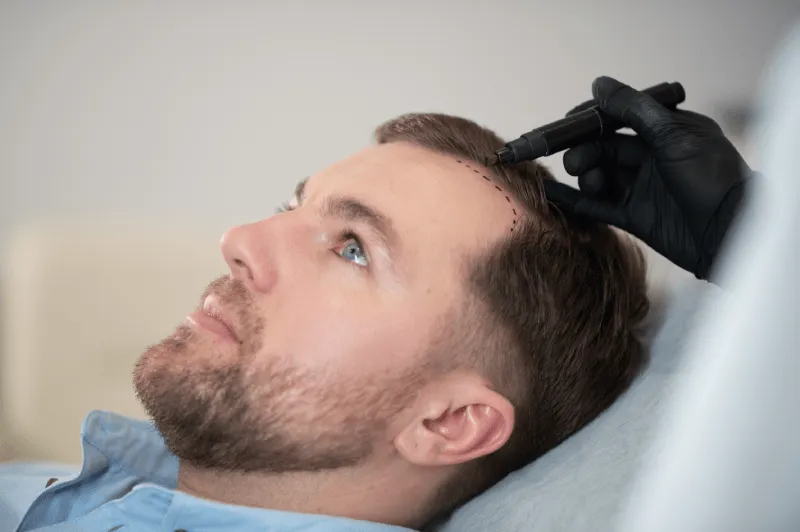
The procedure begins with careful marking of the donor and recipient areas. Local anesthesia is administered to ensure patient comfort throughout. In Turkey, clinics prioritize patient comfort and safety, employing experienced anesthesiologists and utilizing modern anesthetic techniques. This contrasts sharply with some European clinics where anesthesia protocols might be less comprehensive, contributing to a less comfortable experience – and often, a significantly higher price tag. Patients in Germany or France can easily pay upwards of €8,000-€15,000 for a comparable procedure, whereas in Turkey, the same level of expertise and technology is available for around €2,000-€4,000, representing a saving of up to 70%.
Following anesthetic administration, the donor area is shaved (in FUE, though DHI can sometimes be performed on unshaved heads). The extraction phase then commences, requiring precision and artistry to minimize damage to the follicles. Grafts are carefully dissected under magnification and sorted by hair count. This is a time-consuming process, highlighting the importance of choosing a clinic with skilled and experienced technicians.
Recipient site creation is equally crucial. The surgeon considers hair density, natural hair growth patterns, and the patient’s aesthetic goals. The angle and direction of each incision must be precise to mimic natural hair growth and avoid an unnatural “pluggy” appearance.
Implantation, whether via traditional FUE or DHI, requires immense skill and concentration. The surgeon strategically places each graft to maximize coverage and achieve a natural-looking hairline. The entire process can take anywhere from 6 to 14 hours, depending on the extent of hair loss and the number of grafts transplanted.
Clinics in Turkey offering lifetime warranty transplants invest heavily in advanced equipment, including microscopes for graft preparation, high-resolution imaging for hair analysis, and sophisticated monitoring systems during the procedure. This commitment to technology, coupled with lower operational costs, allows them to offer superior care at a fraction of the price compared to clinics in countries like France or Germany.
Post-operative care is a vital component of a successful transplant, and clinics providing lifetime warranties prioritize comprehensive aftercare instructions and support. This includes detailed guidance on wound care, medication, and follow-up appointments to monitor healing and ensure optimal results. A lifetime warranty is a testament to the clinic’s confidence in their surgical skill and the long-term viability of the transplanted hair, but it’s built on the foundation of a flawlessly executed procedure.
> 💡 Price Fact: While this treatment can cost thousands of Euros in Germany, France, or the Netherlands, CureHoliday offers the same high-quality procedure in Turkey for 70% less.
Initial Consultation & Hair Analysis
The initial consultation and hair analysis form the bedrock of a successful lifetime warranty hair transplant in Turkey. This isn’t merely a preliminary chat; it’s a comprehensive assessment crucial for determining candidacy, planning the procedure, and ultimately, guaranteeing the longevity promised by the lifetime warranty. Unlike clinics in Europe – where initial consultations can be cursory and focused on upselling expensive, short-term solutions – Turkish clinics prioritize detailed analysis.
The process begins with a thorough medical history review. The consultant will inquire about your overall health, any existing medical conditions (especially those affecting blood clotting or scalp health), medications you’re taking, and previous hair loss treatments attempted. Be honest and forthcoming; this information directly impacts procedural safety and expected outcomes. Patients travelling from countries like Germany or France often express surprise at the depth of this initial questioning, accustomed as they are to briefer, more commercially-driven assessments.
Next comes the physical examination of your scalp. This goes beyond simply looking at hair loss patterns. A qualified hair transplant surgeon will meticulously examine the donor area – typically the back and sides of the head – assessing hair density, follicle health, and scalp laxity. Scalp laxity is particularly important as it determines how many grafts can be extracted without causing tension or compromising the donor area’s appearance. In Europe, limited donor area assessment is common, potentially leading to insufficient grafts for optimal coverage and a less natural-looking result.
Digital hair and scalp analysis is a standard component. High-resolution cameras and specialized software are used to capture detailed images of your scalp, quantifying hair density, hair thickness, and the degree of miniaturization (the shrinking of hair follicles). This provides a baseline measurement that can be compared to post-operative results, contributing to the documentation required for the lifetime warranty. This level of detailed analysis, routinely performed in Turkey, often comes at a significant additional cost in countries like France.
A crucial element is the Norwood Scale classification. This standardized system categorizes the stages of male pattern baldness, helping the surgeon understand the extent and pattern of your hair loss. Accurate Norwood Scale staging is vital for designing a hair transplant that will provide natural-looking results and address your specific needs.
Beyond the Norwood Scale, the surgeon will also assess your hair characteristics – hair type, texture, and color – as these factors influence graft placement and the overall aesthetic outcome. They will also discuss your expectations and desired hairline, taking into account your facial features and age. Realistic expectations are paramount; a skilled surgeon will explain what is achievable given your individual circumstances.
The consultation isn’t complete without a detailed discussion of the proposed hair transplant plan. The surgeon will explain the recommended technique (FUE or DHI – which will be covered in subsequent sections), the estimated number of grafts needed, and the expected results. Crucially, they will also outline the terms of the lifetime warranty, clarifying what is covered and what is not.
Patients consistently report saving upwards of 70% by choosing a hair transplant in Turkey compared to equivalent procedures in Europe. This significant cost difference isn’t due to compromised quality; it’s a result of lower overhead costs and a favorable exchange rate. However, the value extends beyond price. The meticulous initial consultation and hair analysis, combined with the lifetime warranty, provide peace of mind and a commitment to long-term results – something often lacking in more expensive European clinics.
Finally, the consultant will discuss pre-operative instructions, including medication adjustments, lifestyle modifications (such as avoiding smoking), and travel arrangements. A comprehensive approach to this initial phase maximizes the chances of a successful transplant and ensures a smooth experience for the patient.
> 🇹🇷 Why Turkey? You don’t have to compromise on quality to save money. Istanbul hosts some of the world’s best clinics with JCI accreditation, offering prices 3-4 times lower than Europe.
Pre-Operative Preparation: What to Expect
The period leading up to your lifetime warranty hair transplant in Turkey is crucial for ensuring optimal results and a smooth recovery. Unlike clinics in countries like Germany or France where pre-operative preparation might be a brief overview, Turkish clinics dedicated to patient satisfaction implement a comprehensive, multi-stage process. This isn’t just about preparing your scalp; it’s about preparing *you* for a life-changing procedure, all while saving you up to 70% compared to European prices.
The initial phase begins several weeks before your scheduled surgery. Following your initial consultation and hair analysis – which determines your candidacy, donor area suitability, and the number of grafts needed – you’ll receive detailed pre-operative instructions. These are tailored to your specific health profile and the chosen transplant method (FUE or DHI).
A thorough medical history review is paramount. Be prepared to disclose all existing medical conditions, medications (including over-the-counter drugs and supplements), allergies, and previous surgeries. Transparency is vital. Clinics in Turkey, committed to lifetime warranty procedures, prioritize patient safety above all else. They require detailed reports and may request additional tests to confirm your suitability. This level of scrutiny is often less rigorous, and subsequently less safe, in some European clinics prioritizing volume over quality.
Approximately four weeks prior to surgery, you will be asked to discontinue certain medications, particularly blood thinners like aspirin, ibuprofen, and vitamin E. These can increase the risk of bleeding during and after the procedure. Similarly, herbal supplements known to have blood-thinning properties should be stopped. Your clinic will provide a complete list of medications to avoid, and it’s essential to adhere to it strictly.
Scalp health is also addressed. Patients are typically advised to avoid using minoxidil or finasteride for a period of one to two weeks before the transplant. These medications can affect tissue hydration and graft survival. Similarly, avoid any harsh chemical treatments, dyes, or perms on your hair.
Lifestyle adjustments are also important. Smoking significantly impairs blood circulation and hinders the healing process. You will be strongly encouraged to quit smoking at least two weeks before surgery, and ideally, permanently. Excessive alcohol consumption should also be avoided. A healthy diet rich in protein, vitamins, and minerals is recommended to optimize tissue health and recovery.
In the week leading up to your surgery, you’ll receive specific instructions regarding hair care. Avoid using hair gels, sprays, or waxes. A gentle, fragrance-free shampoo should be used for washing your hair. On the day before surgery, you will be asked to wash your hair with an antiseptic shampoo provided by the clinic. This helps to sterilize the scalp and minimize the risk of infection.
Furthermore, Turkish clinics offering lifetime warranties often include a pre-operative consultation with an anesthesiologist. This allows for a personalized assessment of your medical history and a discussion of anesthesia options – typically local anesthesia with or without sedation. This contrasts with some European clinics where anesthesia consultation may be minimal, potentially increasing risks.
Finally, practical preparations are essential. Arrange for comfortable accommodation and transportation to and from the clinic. Most clinics offer airport pick-up and drop-off services, and assistance with hotel bookings. Bring loose-fitting, comfortable clothing. You’ll also need to pack any personal toiletries and medications (with prescriptions, if required).
Remember, meticulous pre-operative preparation is not merely a formality. It’s an investment in the success of your lifetime warranty hair transplant, allowing you to benefit from high-quality care in Turkey at a fraction of the cost of procedures in countries like France or Germany – without compromising on safety or results.
> 📉 Cost Comparison: A simple procedure that costs €5,000 in Germany might cost only €1,500 in Turkey with CureHoliday. Why pay more for the same quality?
The FUE Hair Transplant Process: A Step-by-Step Guide
Follicular Unit Extraction (FUE) is currently the most popular hair transplant technique globally, and particularly in Turkey, where it’s refined to a high degree of precision. Understanding the process empowers patients to make informed decisions, especially when considering a lifetime warranty. While the principle remains consistent, the execution by experienced surgeons in Turkey often surpasses standards seen in countries like Germany or France, all at a significantly reduced cost – often a saving of up to 70%.
The FUE process begins with meticulous preparation. The donor area, typically the back and sides of the scalp, is carefully mapped. This isn’t just about identifying healthy follicles; it’s about strategically planning extraction to maintain natural hair density and avoid visible scarring. In Turkey, surgeons prioritize artistic design, recognizing that a successful transplant isn’t solely about the *number* of grafts, but their *placement* for a natural-looking hairline.
Next, local anesthesia is administered to both the donor and recipient areas. This ensures patient comfort throughout the procedure. Unlike some clinics elsewhere, Turkish facilities often utilize advanced anesthetic techniques minimizing discomfort and maximizing patient experience. The extraction phase then commences. Using a micro-punch tool – typically between 0.7mm and 1.0mm in diameter – individual follicular units are carefully extracted directly from the scalp. This differs from the older FUT (Follicular Unit Transplantation) method which involves removing a strip of scalp. The advantage of FUE is minimal scarring, faster healing, and reduced post-operative discomfort.
The extracted follicular units are then meticulously prepared under high magnification by a skilled team of technicians. This involves separating the grafts into individual units, ensuring only healthy follicles are selected, and carefully trimming excess tissue. Quality control is paramount; clinics offering lifetime warranties in Turkey adhere to extremely high standards at this stage, understanding that the longevity of the transplant depends on the viability of each graft. This level of detailed preparation is often compromised in clinics prioritizing speed over quality, something patients frequently encounter when comparing prices in Europe, where costs can be triple or quadruple those in Turkey.
Simultaneously, the recipient area is prepared. Tiny incisions are created in the balding or thinning areas, determining the angle, direction, and depth of each graft. This is where the surgeon’s artistic skill truly shines. A natural-looking hairline requires precise angling and a nuanced understanding of hair growth patterns.
The grafts are then delicately implanted into these incisions. Experienced surgeons in Turkey often use specialized implanters – Choi Implanter Pens are common – allowing for rapid and precise placement. The density and distribution of grafts are carefully considered to achieve a natural and full appearance.
Following implantation, the scalp is gently cleaned and dressed. A bandage is applied to protect the transplanted area. Post-operative instructions are provided, focusing on hygiene, medication, and follow-up care.
It’s crucial to understand that the success of an FUE transplant, and the validity of a lifetime warranty, hinges on several factors, including the surgeon’s expertise, the quality of the grafts, and diligent patient adherence to post-operative care instructions. Clinics in Turkey offering lifetime warranties invest heavily in all these areas, confident in their ability to deliver lasting results. Patients travelling from countries like France or Germany often express surprise at the level of care received, especially considering the substantial cost savings. They receive comparable, if not superior, treatment for a fraction of the price.
The entire FUE procedure typically takes between 4-8 hours, depending on the number of grafts being transplanted. Many clinics in Turkey offer all-inclusive packages, covering the procedure, accommodation, and post-operative care, further enhancing the value proposition for international patients.
> ✨ All-Inclusive Comfort: With CureHoliday, you never walk alone. Our 24/7 patient support ensures you are safe, comfortable, and well-cared for throughout your stay in Turkey.
The DHI Hair Transplant Process: A Step-by-Step Guide
Direct Hair Implantation (DHI) is a refined hair transplant technique gaining significant traction, particularly in Turkey, due to its precision and the often-included lifetime warranty offered by leading clinics. Unlike traditional FUE, DHI utilizes a specialized tool – the DHI implanter pen – allowing for both extraction *and* implantation in a single, fluid motion. This minimizes trauma to the scalp and potentially leads to a faster recovery.
The process begins following the initial consultation and detailed hair analysis, where the surgeon determines candidacy and maps out the recipient and donor areas. Pre-operative preparation remains similar to FUE, encompassing blood tests, a review of medical history, and discontinuation of certain medications. However, the DHI procedure itself diverges significantly.
First, the donor area (typically the back and sides of the scalp) is shaved, though some clinics offer unshaven DHI for discreet results, albeit potentially requiring a slightly longer procedure time. Local anesthesia is administered to numb both the donor and recipient sites. This is crucial for patient comfort, and Turkish clinics excel in providing pain management comparable to, or even exceeding, standards in countries like Germany and France – all while maintaining a significantly lower price point. Patients often save upwards of 70% compared to undergoing the same procedure in Western Europe.
The next stage is follicular unit extraction. Using a specialized DHI punch, typically 0.8mm to 1.0mm in diameter, individual follicular units (containing 1-4 hairs) are carefully extracted from the donor area. The DHI punch is designed to minimize tissue damage and maintain the integrity of the follicles. This precision is a key benefit of the technique.
This is where DHI truly distinguishes itself. The extracted follicular units are immediately loaded into the DHI implanter pen. This pen features a hollow needle with an internal mechanism for gently grasping and implanting the hair. The surgeon then directly implants the follicles into the recipient area, controlling the angle, depth, and direction of each graft.
Unlike FUE, where grafts are often placed in small canals created by a separate blade, the DHI implanter pen creates the incision and implants the graft simultaneously. This eliminates the need for pre-made recipient sites, potentially reducing the time the follicles are outside the scalp – a factor believed by some to improve graft survival rates.
The surgeon meticulously follows the pre-determined hairline and density plan, ensuring a natural-looking result. The angle of implantation is crucial, mimicking the natural growth pattern of existing hair. Experienced surgeons in Turkey, renowned for their expertise in hair transplantation, dedicate significant time to this phase. The skill level of the surgeon is paramount, and clinics offering lifetime warranties are highly selective in their staff.
The entire procedure typically takes between 4-8 hours, depending on the number of grafts being transplanted. Unlike some clinics in countries like France, where procedures can be rushed due to high costs and patient volume, Turkish clinics prioritize quality and dedicate sufficient time to each patient.
Post-operatively, patients will receive detailed aftercare instructions, including wound care, medication guidelines, and lifestyle recommendations. While the recovery process is generally quicker with DHI compared to traditional FUE, adherence to these instructions is vital for optimal results. The promise of a lifetime warranty further underscores the commitment of Turkish clinics to long-term patient satisfaction – a level of assurance rarely found in more expensive European options.
> 🏥 CureHoliday Advantage: We don’t just book your treatment; we manage your entire journey. From VIP airport transfers to 5-star hotel accommodation, everything is included in your package.
Local vs. General Anesthesia: Understanding Your Options
The choice between local and general anesthesia for a hair transplant in Turkey is a crucial aspect of your pre-operative planning. While both aim to ensure a pain-free experience, they differ significantly in their application, effects, and suitability for various patients. Understanding these differences is paramount to making an informed decision, particularly when considering the value proposition of a lifetime warranty procedure in Turkey – where advanced techniques and patient comfort are prioritized at a fraction of the cost compared to clinics in Europe, such as Germany or France.
Local anesthesia is, by far, the most commonly used method for FUE and DHI hair transplants in Turkey. It involves injecting a local anesthetic, typically lidocaine with or without epinephrine, directly into the scalp. This numbs the targeted areas, allowing the surgeon to perform the procedure without causing you any pain. The anesthetic wears off gradually, usually within a few hours to a day, leaving minimal discomfort.
The primary benefit of local anesthesia is its safety profile. It avoids the risks associated with general anesthesia, such as adverse reactions to medication, respiratory complications, and a longer recovery period. Patients remain conscious throughout the procedure, able to communicate with the surgical team, and experience a quicker return to normal activities. This contributes to the affordability – imagine avoiding the costs associated with an anesthesiologist and recovery room in a European clinic, where prices can be significantly higher. In Turkey, you can save up to 70% on the overall cost without compromising on safety or quality.
However, it’s important to note that “painless” doesn’t necessarily mean “without sensation.” Patients under local anesthesia may still feel pressure, vibration, or a mild tugging sensation during the procedure. Reputable clinics in Turkey, committed to providing a premium experience comparable to – and often exceeding – those in countries like France, proactively address this by utilizing advanced pain management techniques. These can include cooling devices, pre-emptive analgesics, and meticulous injection techniques to minimize any discomfort.
General anesthesia, while less common for hair transplants, is available in Turkey. It involves inducing a state of unconsciousness, effectively eliminating all pain and awareness during the procedure. This option is typically reserved for patients with severe anxiety, those undergoing exceptionally large sessions, or individuals with specific medical conditions where local anesthesia might be unsuitable.
While general anesthesia provides complete comfort, it carries inherent risks. These include potential complications related to breathing, cardiovascular function, and post-operative nausea. The recovery period is also considerably longer, requiring a more extended stay in the clinic and a greater period of downtime. The cost implications are substantial. In Germany, for example, the addition of general anesthesia to a hair transplant can easily add several thousand euros to the overall expense.
Clinics in Turkey offering lifetime warranty procedures understand the importance of patient wellbeing and will thoroughly assess your medical history and anxiety levels to determine the most appropriate anesthesia method. They will meticulously explain the risks and benefits of each option, ensuring you are fully informed before making a decision. The emphasis is always on providing a safe, comfortable, and effective experience.
It’s also crucial to understand that the skill of the surgeon plays a significant role in minimizing discomfort, regardless of the anesthesia type. Experienced surgeons in Turkey, performing hundreds of procedures annually, are adept at minimizing trauma to the scalp, resulting in less pain and faster healing. This level of expertise, combined with affordable pricing, is a key reason why Turkey has become a global hub for hair restoration, attracting patients who would otherwise face prohibitive costs in Europe.
Finally, remember that a lifetime warranty is a testament to the clinic’s confidence in its techniques and commitment to long-term results. Choosing a clinic that prioritizes your comfort and safety, coupled with a robust warranty, is an investment in your future appearance and peace of mind.
> 📉 Cost Comparison: A simple procedure that costs €5,000 in Germany might cost only €1,500 in Turkey with CureHoliday. Why pay more for the same quality?
Post-Operative Care: Immediate Aftercare Instructions
Immediately following your hair transplant in Turkey, diligent post-operative care is paramount to ensuring optimal healing, graft survival, and ultimately, the longevity of your results – especially crucial when considering a lifetime warranty. While Turkey offers savings of up to 70% compared to procedures in countries like Germany or France, the commitment to quality and aftercare remains exceptionally high. This isn’t just about affordability; it’s about receiving superior care at a significantly reduced cost.
The first 24-48 hours are the most critical. You will likely have a bandage covering the transplanted area. Your surgeon will provide specific instructions, but generally, this bandage will be removed within 24 hours. Expect some swelling and discomfort – this is normal. Pain medication will be prescribed, and it’s vital to take it as directed. Don’t wait for the pain to become severe.
Gentle cleaning is essential. Your surgeon will likely recommend a saline solution for washing the scalp. Avoid rubbing or scrubbing; instead, gently pour the saline over the treated area. This helps to remove any crust or debris without disturbing the grafts. This process should be repeated several times a day, as instructed. In contrast to some clinics elsewhere, we emphasize meticulous hygiene even *after* the procedure, understanding its direct link to warranty eligibility.
Sleeping arrangements require modification. You’ll need to sleep with your head elevated – typically using two or three pillows. This minimizes swelling and prevents pressure on the transplanted area. Avoid sleeping on your stomach or sides. Maintaining this position for the first few nights is crucial for optimal recovery.
Avoid strenuous activity for at least two weeks. This includes heavy lifting, running, and any exercise that significantly raises your blood pressure. Light walking is encouraged, as it promotes circulation, but overexertion can compromise graft survival. Patients traveling from Europe often underestimate the recovery period, eager to return to their active lifestyles; however, adhering to these restrictions is vital for long-term success and preserving the lifetime warranty.
The first few days will also involve specific washing instructions. Typically, you’ll be asked to avoid shampooing for 3-5 days. After that, a special, sulfate-free shampoo provided by the clinic should be used. Avoid any products containing harsh chemicals or fragrances. The gentle cleansing promotes healing without irritating the newly transplanted follicles. Remember, a healthy scalp environment is fundamental to the lifetime viability of your grafts.
Expect small scabs to form around each graft. These are a natural part of the healing process and should *not* be picked at. Allowing them to fall off naturally is essential. Picking can dislodge the grafts and lead to poor growth. The scabs typically begin to disappear within 7-10 days.
Follow-up appointments are a cornerstone of post-operative care. Your surgeon will schedule several follow-up visits to monitor your progress and address any concerns. These appointments are critical for verifying graft survival and ensuring a successful outcome. Our commitment to lifetime warranty holders extends to consistent monitoring and support, a level of care often absent in clinics where procedures cost three to four times as much in countries like France or Germany.
Be mindful of sun exposure. The scalp is particularly sensitive after a transplant. Wear a hat or use a scalp protector when outdoors, even on cloudy days. Prolonged sun exposure can damage the grafts and hinder healing.
Diet and hydration play a supporting role. A healthy diet rich in protein, vitamins, and minerals supports tissue repair and overall health. Staying well-hydrated is also essential.
Finally, it’s important to understand that while a lifetime warranty provides peace of mind, it’s contingent upon diligent adherence to post-operative instructions. Neglecting these guidelines can void the warranty and compromise the long-term success of your hair transplant. We provide comprehensive written and verbal instructions, along with 24/7 support, to ensure our patients receive the best possible care – a standard that sets us apart and justifies the substantial cost savings compared to clinics in Europe.
> 💡 Price Fact: While this treatment can cost thousands of Euros in Germany, France, or the Netherlands, CureHoliday offers the same high-quality procedure in Turkey for 70% less.
Benefits & Advantages of a Lifetime Warranty Hair Transplant
A lifetime warranty on a hair transplant in Turkey represents a significant paradigm shift in patient care and offers a multitude of benefits extending far beyond simply addressing hair loss. While hair transplantation has become increasingly effective, the inherent biological variability between individuals means long-term results aren’t always guaranteed. A lifetime warranty directly addresses this uncertainty, providing patients with peace of mind and financial security.
The primary advantage is, naturally, the assurance of a lasting solution. Should a significant percentage of transplanted grafts fail to thrive over time – and clinics define ‘significant’ within specific contractual terms, typically exceeding a pre-agreed failure rate – the clinic commits to providing corrective procedures free of charge. This isn’t simply a touch-up; it’s a commitment to restoring the promised hair density for life. This commitment separates reputable clinics offering warranties from those offering only temporary fixes.
Consider the financial implications. In countries like Germany or France, corrective hair transplant procedures can easily cost upwards of €5,000 – €10,000, even for relatively minor adjustments. Patients undergoing a lifetime warranty procedure in Turkey, however, are protected from these potentially substantial future expenses. The overall savings are considerable. Patients regularly save 70% or more on the entire procedure *and* eliminate the risk of future financial burdens related to graft failure. This makes long-term hair restoration genuinely accessible.
Beyond the financial protection, a lifetime warranty signifies a high level of confidence from the clinic. Clinics willing to offer this assurance have demonstrably high success rates and rigorous quality control measures in place. They invest heavily in skilled surgeons, advanced technology (like sapphire FUE and DHI techniques), and meticulous pre- and post-operative care protocols. They aren’t just performing transplants; they are building long-term patient relationships based on trust and demonstrable results.
This level of commitment translates into superior patient selection. Clinics offering lifetime warranties typically conduct extremely thorough hair analyses and patient consultations. They assess not only the extent of hair loss but also the patient’s donor area quality, hair characteristics (density, caliber, growth direction), and overall health. This detailed evaluation ensures that only suitable candidates are accepted, maximizing the likelihood of long-term success and minimizing the potential for future graft failure.
Furthermore, clinics offering these warranties often provide comprehensive post-operative care packages. These extend beyond the initial recovery period and include ongoing monitoring, hair health assessments, and potentially, preventative treatments to support graft survival. This proactive approach is critical for maintaining optimal results over decades.
The psychological benefits are also noteworthy. Hair loss can significantly impact self-esteem and quality of life. Knowing that your investment is protected for life reduces anxiety and allows patients to enjoy the benefits of a fuller head of hair with complete confidence. The worry about future thinning or patchy growth is substantially alleviated.
It’s crucial to understand that a lifetime warranty isn’t a blanket guarantee against *all* hair loss. It typically covers failure of the *transplanted* grafts, not progressive hair loss in native, non-transplanted areas. The terms and conditions vary between clinics, so careful review of the warranty agreement is paramount. Look for clarity on what constitutes graft failure (percentage, timeframe), what corrective procedures are included, and any limitations or exclusions.
Finally, choosing a clinic in Turkey for a lifetime warranty hair transplant offers a unique combination of affordability and quality. While European clinics may charge exorbitant prices, Turkish clinics leverage lower operating costs and a highly skilled medical workforce to deliver exceptional results at a fraction of the price – all backed by a lifetime commitment to patient satisfaction. This positions Turkey as a global leader in hair restoration, attracting patients seeking both value and lasting results.
> 🇹🇷 Why Turkey? You don’t have to compromise on quality to save money. Istanbul hosts some of the world’s best clinics with JCI accreditation, offering prices 3-4 times lower
Free Consultation
Fill out the form below to get your free medical travel plan and price quote.
Sources and how to verify this yourself
- Comparative study of graft survival by donor site (scalp, beard, chest) at 12 months — roughly 89% for scalp, 95% for beard and 76% for chest hair; survival also falls the longer grafts stay outside the body. source
- Ministry of Health, Regulation on International Health Tourism and Tourist Health, Official Gazette 26 April 2025, No. 32882 — authorisation requirement for facilities and intermediaries, TÜSKA accreditation, compulsory complication insurance (deadline 31 December 2025 for insurance, 31 December 2026 for accreditation). source
- Ministry of Health, Regulation on Promotion and Information Activities in Health Services, Official Gazette 12 November 2025, No. 33075 — treatment promises and guarantees are prohibited; price and campaign announcements are permitted only within international health tourism. source