About the prices on this page. The figures below are indicative market prices and country comparisons, not a quote. Our own current, all-inclusive prices are published on our hair transplant in Turkey page, and we confirm your figure in writing before you commit to anything.
The decision to undergo a hair transplant is both a life-changing emotional journey and a significant financial investment. For most individuals experiencing hair loss, the primary question that arises after researching the procedure’s efficacy is the cost. However, hair transplant pricing is not a fixed number; it is a complex calculation influenced by medical technology, surgical expertise, geographical location, and the unique physiological needs of the patient. Understanding these variables is crucial for anyone looking to achieve natural-looking results without falling into the trap of low-quality “hair mills.” In this guide, we explore the intricate factors that dictate the global and local market prices for hair restoration, ensuring you have the knowledge to make an informed decision for your future.
Why Is Understanding Hair Transplant Pricing Important?
Understanding the factors that influence hair transplant pricing is the first step toward a successful restoration journey. Many patients are initially confused by the wide range of quotes they receive from different clinics across the globe. By diving deep into the components of the cost, you can distinguish between a premium service that prioritizes safety and a budget-friendly option that might compromise on long-term results. Price often reflects the level of care, the advanced nature of the equipment used, and the clinical environment’s safety standards. Gaining this insight allows you to evaluate value rather than just the price tag, ensuring that your investment leads to a lifetime of confidence and healthy hair growth.
How Does The Choice Of Technique Influence The Final Cost?
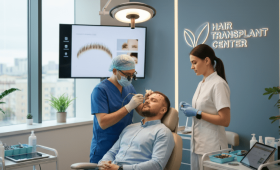
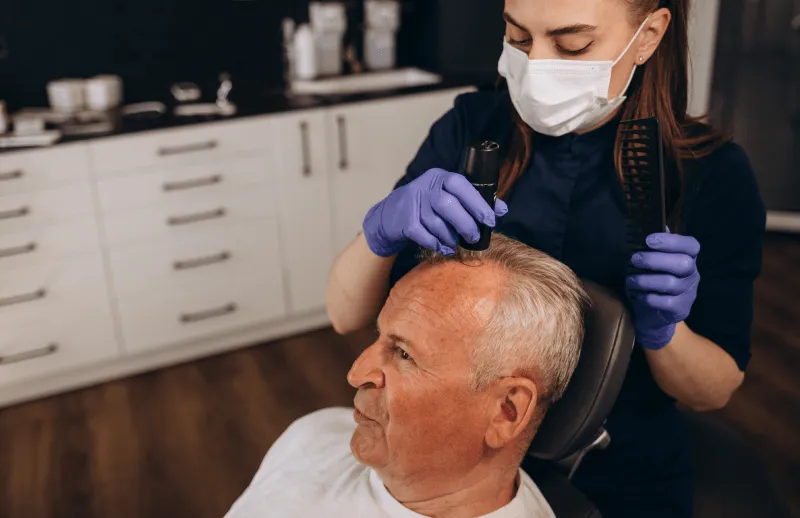
The surgical method selected for your hair transplant is perhaps the most significant determinant of the price. Modern techniques like Follicular Unit Extraction (FUE) and Direct Hair Implantation (DHI) require high levels of precision and specialized tools. Each technique involves a different level of labor intensity for the surgical team. For instance, FUE requires the manual extraction of individual follicles, while DHI uses a specialized Choi pen for simultaneous extraction and implantation. The complexity of these movements and the time required to perform them accurately directly correlate with the clinic’s operational costs. Consequently, more advanced and less invasive techniques typically command a higher price due to the skill and time involved.
Why Do FUE And DHI Methods Have Different Price Points?
The price discrepancy between FUE and DHI stems primarily from the tools used and the duration of the surgery. FUE is a highly effective, standard modern technique where follicles are extracted and then placed into pre-opened channels. DHI, on the other hand, is often considered a “premium” version of FUE because it eliminates the need for channel opening, allowing for higher density and faster recovery. However, DHI requires more specialized staff and expensive single-use Choi pens for every graft. Because DHI is more time-consuming and requires a higher ratio of medical technicians to the patient, clinics usually charge a premium for this method compared to the traditional FUE approach.
How Does The Number Of Grafts Required Change The Total Price?
Most hair transplant clinics operate on a “per graft” pricing model or a tiered pricing system based on the extent of hair loss. A graft is a tiny piece of scalp tissue containing one to four hair follicles. If a patient requires 4,000 grafts to cover a large bald area, the procedure will take significantly longer and require more resources than a 1,500-graft “touch-up” for a receding hairline. The labor involved in extracting, sorting, and meticulously implanting thousands of individual units is immense. Therefore, the more extensive the hair loss, the higher the workload for the surgical team, which naturally leads to an increase in the total cost of the procedure.
Does The Surgeon’s Experience Play A Role In The Cost?
The expertise and reputation of the lead surgeon are critical factors in the pricing structure. A world-renowned surgeon with decades of experience and a portfolio of successful celebrity transformations will naturally charge more than a general practitioner or a newly trained technician. Expertise in hair transplantation involves not just the mechanical ability to move hair, but the artistic vision to design a natural hairline and the medical knowledge to manage donor hair sustainability. When you pay a higher price for an expert surgeon, you are essentially paying for “result insurance”—the peace of mind that comes with knowing your procedure is being handled by a master of the craft.
Why Is The Clinic’s Location A Major Factor In Pricing?
Geographical location is a powerful driver of hair transplant costs due to variations in the cost of living, labor laws, and medical regulations. For example, a clinic in London, New York, or Zurich must deal with high rent, expensive medical insurance, and high salaries for specialized staff. In contrast, countries like Turkey have become global hubs for hair restoration because they offer high-quality medical care at a fraction of the cost. This is not due to lower quality, but rather more favorable exchange rates and lower operational overheads. Consequently, a patient can often find a world-class clinic in Istanbul for a third of the price of a mediocre clinic in Western Europe.
How Does Clinic Accreditation Affect The Safety And Price?
Accreditations from international bodies like JCI (Joint Commission International) or national health ministries ensure that a clinic adheres to the highest standards of hygiene, safety, and patient care. Maintaining these standards requires significant ongoing investment in sterilized environments, emergency equipment, and continuous staff training. Clinics that invest in these certifications often have slightly higher prices because they do not cut corners. While it may be tempting to choose a non-accredited “back-alley” clinic to save money, the risk of infection or poor results is much higher. Paying for an accredited facility is a necessary investment in your physical safety and the longevity of your grafts.
Is The Quality Of The Donor Area Linked To The Cost?
The condition of your donor area—usually the back and sides of the head—can influence the complexity and price of the surgery. If the donor hair is thin or has been depleted by previous surgeries, the extraction process becomes much more difficult and time-consuming. In some cases, surgeons may need to harvest hair from the beard or chest (Body Hair Transplant), which requires specialized skills and more time. When a patient has a “difficult” donor area, the surgical team must work with extreme caution to ensure the survival of every follicle. This increased difficulty level often translates into a higher service fee due to the specialized nature of the extraction.
Does The Degree Of Baldness Determine The Complexity And Price?
The Norwood Scale, which categorizes stages of male pattern baldness, is often used by clinics to provide initial price estimates. A patient at Stage 2 requires much less work than a patient at Stage 6 or 7. High-degree baldness often necessitates a “mega-session” or even two separate surgeries scheduled months apart to achieve satisfactory coverage without over-harvesting the donor area. The complexity of managing a large recipient area while maintaining a natural look across the crown and hairline is a significant challenge. As the complexity of the design and the duration of the surgery increase with the degree of baldness, so does the final price quoted by the clinic.
How Do Specialized Tools Like Sapphire Blades Impact The Price?
Sapphire FUE is a modern advancement where blades made from synthetic sapphire are used instead of traditional steel blades. Sapphire blades are significantly sharper and smoother, allowing the surgeon to create smaller, more precise incisions. This leads to less tissue trauma, reduced scabbing, and a faster healing process for the patient. However, sapphire blades are more expensive to produce and require careful handling. Clinics that offer Sapphire FUE as their primary method often include the cost of these premium tools in their pricing. For the patient, the slightly higher cost is often worth it for the improved recovery time and the ability to achieve higher hair density.
What Role Does Anesthesia And Medical Staffing Play In The Budget?
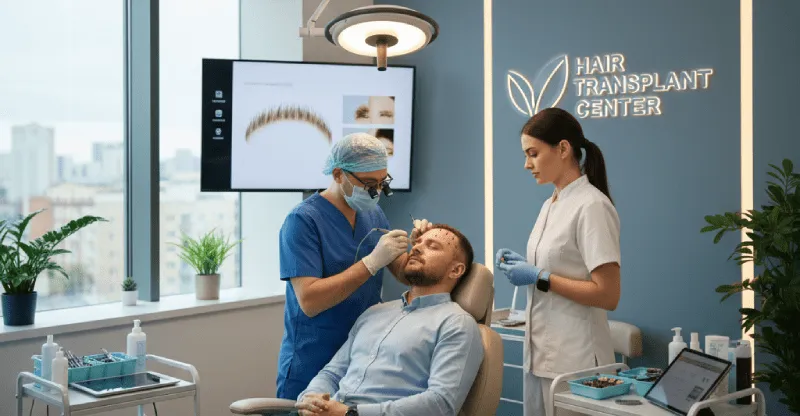
A professional hair transplant is never a one-person job. It requires a coordinated team including the lead surgeon, anesthesia specialists, and several highly trained nurses or technicians who sort and prepare the grafts under microscopes. The presence of a dedicated anesthesiologist or a specialist in “painless anesthesia” techniques (like needle-free jet injection) adds to the clinic’s payroll. Furthermore, having a high staff-to-patient ratio ensures that the grafts spend minimal time outside the body, which is vital for their survival. Clinics that prioritize these staffing levels will have higher operational costs, which are reflected in the final price but directly contribute to higher success rates.
Are Pre-Operative Tests And Consultations Included In The Quote?
Before the surgery begins, several medical protocols must be followed to ensure the patient is a fit candidate. This includes blood tests for infectious diseases, scalp analysis, and sometimes a cardiovascular check-up. Professional clinics often include these pre-operative assessments in their “all-inclusive” packages. However, some clinics may charge these as hidden extras. It is important to clarify whether the initial quote covers the consultation and necessary diagnostic tests. A thorough pre-operative phase is essential for identifying underlying conditions that could affect the transplant’s success, making it a valuable component of the overall pricing structure.
How Much Does Post-Operative Medication And Care Add To The Bill?
The surgery itself is only half the battle; the aftercare phase is where the “magic” happens. This period requires specific medications such as antibiotics, anti-inflammatories, and specialized shampoos or foams to protect the newly implanted follicles. Some clinics also provide neck pillows, headwear, and detailed recovery kits. While these items might seem small, they are vital for preventing infection and ensuring the grafts take root. Premium clinics include a full recovery kit and detailed instructions in their price, whereas budget clinics might leave the patient to purchase these items independently, adding unexpected costs to the total journey.
Why Is Medical Tourism In Turkey More Cost-Effective?
Turkey has successfully positioned itself as the world leader in hair transplantation through a combination of government support, high medical standards, and economic factors. The sheer volume of procedures performed in cities like Istanbul allows clinics to benefit from “economies of scale.” Because they perform thousands of successful transplants, they can afford the latest technology while keeping prices competitive. Additionally, the lower cost of labor and rent in Turkey compared to Europe or North America allows for a much lower price point without sacrificing the quality of the medical staff. This unique economic environment provides international patients with high-end luxury medical care at “budget” prices.
Do Package Deals Including Accommodation Save You Money?
For international patients, many clinics offer “all-inclusive” packages that cover the surgery, VIP airport transfers, and stays in 4-star or 5-star hotels. At first glance, these packages might seem more expensive, but they are often highly cost-effective. Clinics negotiate corporate rates with hotels and transport providers that an individual traveler could never obtain. By bundling these services, the clinic simplifies the logistics for the patient, reducing stress—which is actually beneficial for post-op healing. Choosing a package deal often results in a lower total expenditure for the trip compared to booking the medical procedure and travel arrangements separately.
How Does The Reputation Of A Medical Facility Influence Pricing?
In the world of medical aesthetics, reputation is everything. A clinic that consistently produces high-growth results and has thousands of verified positive reviews can command a higher price. This is because a strong reputation is built on years of consistent quality control, investment in staff, and successful patient outcomes. When you choose a reputable clinic, you are paying for the “brand promise” of quality. On the other hand, clinics that have just opened or have a history of inconsistent results often use extremely low prices as a bait to attract patients. In hair transplantation, where a mistake can be permanent, the premium paid for a facility with a proven track record is often the wisest part of the investment.

Are There Hidden Costs Involved In Hair Restoration Procedures?
Transparency is key when evaluating hair transplant quotes. Some clinics might offer a “low entry price” only to add charges later for items like local anesthesia, the use of a specific blade, or even the lunch provided on the day of surgery. Other hidden costs could include mandatory follow-up appointments, specialized vitamins, or additional treatments like PRP (Platelet-Rich Plasma). To avoid these surprises, it is essential to ask for a comprehensive breakdown of what the quote includes. A reputable clinic will always provide a transparent, all-in price that covers everything from the moment you land until you are cleared for full recovery.
Does The Type Of Hair (Curly Vs. Straight) Affect The Surgical Difficulty?
The physical characteristics of your hair can significantly impact the ease of extraction and implantation. Curly hair, particularly Afro-textured hair, often has curved roots beneath the surface of the skin. Extracting these without damaging the follicle requires a specialized technique and much more time than extracting straight hair. Similarly, very fine hair requires more delicate handling to prevent transection. Because of the specialized skills and increased time required to work with complex hair types, some clinics may apply a “difficulty surcharge.” This ensures that the most experienced technicians are assigned to the case, guaranteeing the best possible survival rate for the follicles.
Why Might A Second Session Be Necessary And How Is It Priced?
Not every hair loss case can be solved in a single day. Patients with extensive baldness (Norwood 6 or 7) often require two sessions to achieve the desired density. The first session usually focuses on the hairline and mid-scalp, while the second session, typically performed 6 to 12 months later, addresses the crown. Some patients also choose a second session years later if their natural hair loss continues to progress. Most clinics price the second session as a separate procedure, though some offer loyalty discounts for returning patients. It is important to manage expectations during the initial consultation to understand if your goals realistically require multiple financial commitments over time.
How Do Currency Exchange Rates Affect International Patient Prices?
For patients traveling abroad, currency fluctuations can play a surprising role in the final cost. Most international clinics in hubs like Turkey quote prices in Euros or US Dollars to maintain stability. However, if your local currency weakens against these major currencies, the procedure can suddenly become more expensive. Conversely, a strong home currency can make a luxury transplant feel like a bargain. Smart patients monitor exchange rates or look for clinics that offer fixed pricing in their home currency. This financial planning can save you hundreds of dollars, especially when considering the total cost of travel, accommodation, and the surgery itself.
Is Manual Extraction Cheaper Than Motorized Extraction?
Manual FUE involves the surgeon using a handheld punch to extract each follicle, whereas motorized FUE uses a small, powered device. Manual extraction is incredibly labor-intensive and slow, often limiting the number of grafts that can be moved in a single day. Because it requires the highest level of surgeon involvement and takes much longer, manual FUE is often the most expensive option. Motorized FUE is more common because it allows for faster procedures and higher graft counts per session, making it more affordable for the average patient. While both can yield excellent results, the choice between them often depends on the surgeon’s philosophy and the patient’s budget.
Does The Use Of PRP Or Stem Cell Therapy Increase The Cost?
Many modern clinics offer Platelet-Rich Plasma (PRP) or stem cell therapies as an adjunct to the hair transplant. PRP involves injecting the patient’s own concentrated blood platelets into the scalp to stimulate healing and hair growth. While some clinics include one session of PRP for free as part of their package, others charge it as an optional extra. These “biotech” enhancements can increase the price by several hundred dollars. However, many surgeons recommend them because they can significantly improve the “take rate” of the new grafts and speed up the healing of the donor area, making them a popular add-on for those who want the absolute best results.
What Is The Impact Of Luxury Vs. Standard Clinical Settings?
The physical environment where the surgery takes place contributes to the overhead costs. A boutique clinic located in a luxury medical center with private recovery suites, high-end interior design, and concierge services will naturally charge more than a standard clinical environment. For many patients, the comfort of a luxury setting reduces the anxiety associated with surgery. However, it is important to remember that while the “wallpaper” matters for comfort, the “work” (the surgery) is what dictates the results. Balancing clinical excellence with the desired level of luxury is a personal choice that allows patients to tailor the experience to their specific budget and comfort requirements.
How Do Seasonal Discounts Or Clinic Promotions Work?
The hair transplant industry, like many others, has “peak” and “off-peak” seasons. Many patients prefer to have their surgery during the winter so they can hide the initial healing phase under hats or avoid the sun. Consequently, some clinics may offer discounts during the summer months or during holiday periods like Ramadan or Christmas to keep their surgical teams busy. While these promotions can provide significant savings, patients should be cautious. A “too good to be true” discount might indicate a clinic is struggling for clients. Always prioritize the quality of the medical team over a temporary promotional price.
Does The Patient’s Age Influence The Surgical Plan And Cost?
A patient’s age is a vital medical factor that can indirectly affect the cost. Younger patients (in their early 20s) are often not ideal candidates for a massive transplant because their future hair loss pattern is not yet established. If a surgeon agrees to operate on a younger patient, the plan must be much more strategic, often requiring more consultations and potentially more sessions in the future to keep up with ongoing hair loss. This long-term planning and the need for more conservative graft management can make the process more involved. Older patients with stable hair loss often have a more straightforward “one and done” procedure, which can be easier to budget for accurately.
Are Follow-Up Appointments Usually Covered In The Initial Price?
The success of a hair transplant depends heavily on the first 12 months of growth. During this time, regular check-ins are essential to monitor the progress and address any concerns. For international patients, these are often done via high-quality photo or video consultations. Most reputable clinics include these lifelong or 12-month follow-up services in their initial package price. Beware of clinics that charge for every digital “check-up” or that stop responding once the final payment is made. Continuous support is a hallmark of a high-quality provider and should be a standard part of what you are paying for.
How Does Robotic-Assisted Hair Transplantation Affect The Budget?
Robotic systems like the ARTAS are designed to automate the extraction of hair follicles with extreme precision. The technology is impressive and can reduce the “fatigue” factor that human surgeons might face during long sessions. However, the machines themselves are incredibly expensive to purchase and maintain, and the clinic must pay a “per-click” licensing fee to the manufacturer for every graft extracted. These costs are passed directly to the patient, making robotic hair transplants among the most expensive options on the market. Many experts still argue that a skilled human hand provides a more “artistic” and natural result, but for those who love technology, the robotic option remains a premium-priced alternative.
Why Do Prices Vary So Significantly Between Different Countries?
The global price range for a hair transplant is staggering, moving from $2,000 in Turkey to over $20,000 in Harley Street, London, or Beverly Hills. This variation is driven by the “Big Three” of medical economics: labor costs, insurance premiums, and tax structures. In the UK or USA, medical malpractice insurance for surgeons is incredibly high, and the minimum wage for nursing staff is much higher than in the Middle East or Eastern Europe. When you pay $15,000 for a transplant in a high-cost country, you aren’t necessarily getting “better hair”—you are paying for the economic environment of that country. This realization is what drives over 60,000 people a month to travel for medical procedures.
Is Beard Or Eyebrow Transplantation Priced Differently?
While the principle of moving hair remains the same, beard and eyebrow transplants require an even higher level of artistic precision. Eyebrow hair must be implanted at a very specific angle and direction to look natural, and the donor hair must be carefully selected for its fine texture. Because these procedures involve a smaller number of grafts but require a much higher level of “design time” and delicacy, they are often priced as a flat fee rather than a per-graft rate. Despite the lower graft count, the specialized nature of facial hair restoration means the price might be comparable to a small-scale scalp transplant.
What Are The Long-Term Financial Benefits Of A Hair Transplant?
When evaluating the price of a hair transplant, it is helpful to look at it as a long-term saving rather than a one-time expense. Many men spend hundreds of dollars every year on temporary solutions like hair fibers, expensive specialized shampoos, or monthly subscriptions for medications like Finasteride or Minoxidil. Over 20 or 30 years, these costs add up to far more than the price of a permanent surgical solution. A successful hair transplant is a permanent fix; once the hair is grown, it stays there for life. When viewed through this lens, the “cost per year” of a hair transplant is actually remarkably low compared to any other hair loss treatment.
How Can You Distinguish Between Quality And A High Price Tag?
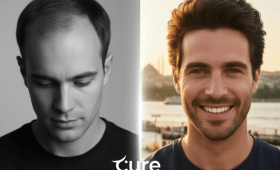
A common mistake is assuming that the most expensive clinic is automatically the best. In the medical aesthetic world, some clinics inflate their prices simply to create an “aura of exclusivity” or to cover massive marketing budgets. To find true quality, you must look past the price. Check for uncensored before-and-after photos, look for video testimonials where patients show their results under different lighting, and research the specific surgeon’s credentials. A high-quality clinic will have a balance: they won’t be the cheapest (because quality has a floor price), but they also won’t have an unjustifiably high price that is disconnected from the actual medical work performed.
Why Is Cure Holiday The Best Choice For Affordable Hair Transplants?
When searching for the perfect balance between clinical excellence and financial accessibility, Cure Holiday stands out as a premier destination for international patients. We understand that a hair transplant is a significant life event, and our philosophy is built on removing the barriers to high-quality care. By choosing Cure Holiday, you benefit from a system that prioritizes transparency and patient outcomes above all else. We utilize the most advanced technologies, including Sapphire FUE and DHI, delivered by medical teams who have performed thousands of successful procedures. Our strategic location and optimized medical processes allow us to offer world-class results at prices that make sense for your budget.
What Exclusive Services Does Cure Holiday Offer To International Patients?
At Cure Holiday, we believe that the “medical” part of your journey should be supported by a “luxury” experience. We offer comprehensive all-inclusive packages designed to make your trip to Turkey seamless and stress-free. From the moment you arrive at the airport, you are greeted by our VIP transfer service and taken to a high-end hotel where you can relax before your procedure. Our team provides 24/7 support in multiple languages, ensuring that you never feel lost or confused. We include all pre-operative tests, post-operative medications, and a specialized care kit in our price. With Cure Holiday, there are no hidden fees—only a dedicated path to restoring your confidence.
How Does Cure Holiday Ensure High Success Rates At Competitive Prices?
Our success at Cure Holiday is rooted in our commitment to “Graft Integrity” and “Artistic Design.” We don’t just move hair; we design hairlines that complement your facial structure and age. Our competitive pricing is achieved not by cutting corners, but by focusing on efficiency and high patient volumes. This allow us to invest in the latest surgical tools and continuous staff training without passing excessive costs onto you. Every procedure at Cure Holiday is performed in a sterile, state-of-the-art clinical environment, using techniques that minimize trauma and maximize follicle survival. We are so confident in our results that we provide a comprehensive follow-up program to guide you through every stage of your hair growth.
Are You Ready To Transform Your Look With Cure Holiday Today?
If you have been waiting for the right moment to address your hair loss, that moment is now. Understanding the factors that affect hair transplant prices is the first step, but the next step is taking action. Don’t let the complexity of pricing hold you back from the hair you deserve. Contact the team at Cure Holiday for a free, no-obligation consultation and a transparent quote tailored to your specific needs. Our experts are ready to show you how a world-class hair transplant can be both affordable and life-changing. Join the thousands of satisfied patients who have reclaimed their youth and confidence with Cure Holiday—your journey to a fuller head of hair starts with a single click.
Free Consultation
Fill out the form below to get your free medical travel plan and price quote.
Sources and how to verify this yourself
- Comparative study of graft survival by donor site (scalp, beard, chest) at 12 months — roughly 89% for scalp, 95% for beard and 76% for chest hair; survival also falls the longer grafts stay outside the body. source
- Ministry of Health, Regulation on International Health Tourism and Tourist Health, Official Gazette 26 April 2025, No. 32882 — authorisation requirement for facilities and intermediaries, TÜSKA accreditation, compulsory complication insurance (deadline 31 December 2025 for insurance, 31 December 2026 for accreditation). source
- Ministry of Health, Regulation on Promotion and Information Activities in Health Services, Official Gazette 12 November 2025, No. 33075 — treatment promises and guarantees are prohibited; price and campaign announcements are permitted only within international health tourism. source