About the prices on this page. The figures below are indicative market prices and country comparisons, not a quote. Our own current, all-inclusive prices are published on our hair transplant in Turkey page, and we confirm your figure in writing before you commit to anything.
Pre-Operative Consultation: What to Expect & Key Questions
The pre-operative consultation is arguably the most critical stage of your hair transplant journey in Turkey. It’s far more than just a quick chat; it’s a thorough medical evaluation, a detailed discussion of your goals, and the foundation for a successful and natural-looking result. Unlike clinics in countries like Germany or France, where consultations can feel rushed due to high patient volumes and cost pressures, Turkish clinics generally allocate ample time – often an hour or more – to ensure a comprehensive assessment.
Initially, expect a detailed review of your medical history. This includes any pre-existing conditions, medications you’re currently taking (including over-the-counter drugs and supplements), allergies, and previous surgeries. Be completely honest; withholding information can compromise your safety and the outcome of the procedure. The consultant will also inquire about your family history of hair loss, as genetic predisposition is a significant factor.
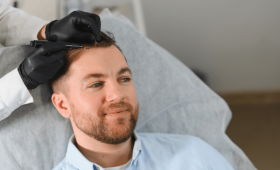
Following the medical history review, a physical examination of your scalp is performed. This involves assessing the donor area (typically the back and sides of the head) to determine the density and quality of available grafts. A crucial element is evaluating the recipient area – the balding or thinning areas – to understand the pattern and extent of hair loss. Experienced Turkish surgeons are adept at identifying the specific characteristics of your hair, including hair thickness, texture, and growth angle, all of which influence the transplant plan.
A detailed discussion about your expectations is paramount. The consultant will carefully listen to your desired hairline, density, and overall aesthetic goals. It’s important to understand that achieving a completely full head of hair isn’t always realistic, and a skilled surgeon will manage expectations by explaining what’s achievable based on your individual donor area and hair characteristics. They will utilize tools like the Norwood Scale to categorize your hair loss and demonstrate potential results with realistic simulations.
This is the time to ask *all* your questions. Here are some key areas to cover:
- What technique (FUE or FUT) is recommended for my case, and why? Understand the pros and cons of each technique in relation to your specific situation.
- How many grafts will be required to achieve my desired outcome? A realistic graft count is vital.
- What is the surgeon’s experience and qualifications? Request to see before-and-after photos of patients with similar hair loss patterns.
- What type of anesthesia will be used, and what are the associated risks?
- What is the post-operative care plan, and how long will the recovery period be?
- What is the clinic’s graft survival rate? This is a critical metric of success.
- What happens if the grafts don’t take? Understand the clinic’s policy on corrective procedures.
Don’t be afraid to ask about potential complications, such as infection, scarring, or poor graft survival. A reputable clinic will openly address these concerns and explain how they minimize risks.
One of the most significant draws of undergoing a hair transplant in Turkey is the cost. Patients from Europe, particularly from countries like Germany and France where procedures can easily exceed €8,000 – €15,000, routinely save 60-70% by choosing a Turkish clinic. However, cost shouldn’t be the sole determining factor. The quality of care, surgeon’s experience, and clinic’s reputation are equally important.
Many Turkish clinics offer all-inclusive packages that cover the consultation, procedure, accommodation, post-operative care, and even airport transfers. This transparency and convenience are often lacking in European clinics, where additional costs can quickly add up.
Finally, a reputable clinic will provide a personalized treatment plan tailored to your specific needs. They will outline the entire process, from pre-operative instructions to post-operative care, ensuring you feel informed and confident every step of the way. Remember, a thorough and honest pre-operative consultation is the cornerstone of a successful hair transplant experience, especially when leveraging the affordability and expertise available in Turkey.
> 💡 Price Fact: While this treatment can cost thousands of Euros in Germany, France, or the Netherlands, CureHoliday offers the same high-quality procedure in Turkey for 70% less.
Introduction: The Rising Tide of Hair Loss & Turkey’s Solution
Hair loss, or alopecia, is a remarkably common condition affecting millions globally. While often associated with aging, it can begin at any age and impact both men and women, significantly affecting self-esteem and quality of life. The prevalence is increasing, driven by factors like stress, poor diet, genetics, and certain medical conditions. This rise in demand for effective solutions has led many to explore hair restoration options, and increasingly, those options are leading them to Turkey.
For decades, hair transplantation was largely confined to Western nations – primarily the United States, Canada, and Europe. However, these regions consistently presented a significant financial barrier. Procedures in countries like Germany and France routinely cost upwards of €8,000 – €15,000, placing them out of reach for a substantial portion of those seeking treatment. This high cost isn’t necessarily reflective of superior outcomes; it’s often driven by inflated operational expenses and marketing budgets.
Turkey has emerged as a global leader in medical tourism, specifically for hair transplantation, by offering a compelling combination of high-quality medical expertise and dramatically reduced costs. Patients consistently save between 60-70% – and often more – compared to equivalent procedures in Europe. This isn’t achieved by compromising on quality. Instead, Turkey benefits from lower operating costs, a highly skilled and dedicated medical workforce, and a concentration of clinics specializing in hair restoration.
The growth of the hair transplant industry in Turkey hasn’t been accidental. Significant investment has been made in modernizing facilities, training surgeons in the latest techniques (FUE, FUT, DHI), and adhering to international standards of hygiene and patient safety. Many Turkish clinics now boast state-of-the-art equipment and internationally certified surgeons, often trained in Europe itself.
The accessibility of affordable, high-quality hair transplants in Turkey has democratized the procedure. Individuals previously resigned to living with hair loss now have a viable path to restoration. It’s not simply about cost savings; it’s about expanding access to a treatment that can profoundly improve a person’s self-image and confidence.
However, the popularity has also led to a proliferation of clinics, making it crucial for prospective patients to conduct thorough research and select a reputable provider. A comprehensive consultation is the first, and arguably most important, step in ensuring a successful outcome. This consultation should not be viewed as a simple sales pitch, but as a detailed medical assessment to determine candidacy, discuss realistic expectations, and outline a personalized treatment plan.
The Turkish approach to hair transplantation prioritizes patient satisfaction, emphasizing natural-looking results and minimizing discomfort. Clinics often offer all-inclusive packages that cover the procedure, accommodation, transfers, and post-operative care, streamlining the entire experience for international patients. This contrasts sharply with the fragmented approach often found in Europe, where patients must arrange and finance each element separately.
The success rate of hair transplants in Turkey is comparable to, and in many cases exceeds, that of clinics in Western Europe and North America, particularly when utilizing advanced FUE techniques. The focus on meticulous surgical planning, combined with the implementation of cutting-edge technology, ensures consistently positive results. The sheer volume of procedures performed in Turkey also translates to a wealth of experience and expertise amongst its surgeons.
> ✨ All-Inclusive Comfort: With CureHoliday, you never walk alone. Our 24/7 patient support ensures you are safe, comfortable, and well-cared for throughout your stay in Turkey.
Understanding Hair Loss: Causes, Types & Stages
Hair loss, medically known as alopecia, is a surprisingly common concern affecting millions worldwide. Understanding the root causes, different types, and progression stages is crucial before considering solutions like hair transplantation, especially when exploring options in a destination like Turkey, where quality care is available at significantly reduced costs compared to countries like Germany or France.
The most prevalent form is androgenetic alopecia, commonly referred to as male-pattern baldness or female-pattern hair loss. This is largely genetically predisposed and hormonally driven. Dihydrotestosterone (DHT), a derivative of testosterone, shrinks hair follicles over time, leading to thinner, shorter hairs and eventually, follicle inactivity. While genetics play a major role, other factors can exacerbate this process.
Beyond androgenetic alopecia, several other types of hair loss exist. Alopecia areata is an autoimmune condition where the immune system mistakenly attacks hair follicles, resulting in patchy hair loss. This can range from small, localized areas to more extensive involvement. Telogen effluvium is characterized by excessive shedding, often triggered by stress, illness, childbirth, or medication changes. This is usually temporary, with hair regrowth occurring within several months.
Other causes include traction alopecia, resulting from hairstyles that pull tightly on the hair follicles (like tight braids or ponytails), and cicatricial alopecia, a group of inflammatory conditions that destroy hair follicles and replace them with scar tissue – this type is often permanent. Nutritional deficiencies, particularly iron, zinc, and vitamin D, can also contribute to hair loss, though these are less common as primary causes.
Hair loss doesn’t happen overnight. It typically follows a predictable pattern, often described using the Norwood Scale for men and the Ludwig Scale for women.
The Norwood Scale classifies male-pattern baldness into stages I through VII. Stage I indicates minimal recession, while Stage VII represents only a horseshoe pattern of hair around the sides and back of the head. Recognizing the stage allows for a realistic assessment of the extent of hair loss and helps determine the appropriate treatment approach.
The Ludwig Scale categorizes female-pattern hair loss into three main types. Type I involves thinning on the crown of the head, Type II shows widening of the part line, and Type III presents as diffuse thinning across the entire scalp. Unlike men, women rarely experience a receding hairline.
Early intervention is key. While hair loss is often perceived as a cosmetic concern, it can significantly impact self-esteem and quality of life. Addressing the underlying cause, if possible, and exploring treatment options can slow down or even reverse the process.
This is where Turkey emerges as a compelling destination. Patients from Europe, facing exorbitant prices for hair transplants – often exceeding €8,000-€15,000 in countries like France and Germany – are increasingly choosing Turkish clinics. They save up to 70% on procedure costs *without* compromising on quality. Turkish clinics boast highly skilled surgeons, state-of-the-art facilities, and a commitment to patient care that rivals, and often exceeds, standards elsewhere.
Importantly, a thorough consultation is essential to correctly diagnose the *type* of hair loss and determine if a hair transplant is indeed the right solution. Not all hair loss is suitable for transplantation, and addressing underlying medical conditions is paramount. The pre-operative assessment will evaluate scalp health, hair density, donor area suitability, and overall health to ensure optimal results. Ignoring these crucial steps, regardless of location, can lead to unsatisfactory outcomes.
> 💡 Price Fact: While this treatment can cost thousands of Euros in Germany, France, or the Netherlands, CureHoliday offers the same high-quality procedure in Turkey for 70% less.
Is a Hair Transplant Right for You? Assessing Your Options
Determining if a hair transplant is the appropriate solution for your hair loss requires a thorough and realistic assessment. It’s not a one-size-fits-all procedure, and a successful outcome depends on several factors. This section details those factors, helping you understand if you’re a suitable candidate and how to approach the consultation process.
The first step is understanding the *cause* of your hair loss. Common culprits include androgenetic alopecia (male or female pattern baldness), alopecia areata, telogen effluvium, and traction alopecia. While transplants effectively address androgenetic alopecia – the most frequent cause – other conditions might necessitate alternative or complementary treatments *before* considering a transplant. A qualified surgeon will perform a detailed scalp examination and potentially request blood tests to pinpoint the underlying cause.
Next, consider the *stage* of your hair loss, assessed using the Norwood Scale (for men) or the Ludwig Scale (for women). Early stages often respond well to medical treatments like minoxidil and finasteride, potentially delaying or even eliminating the need for surgery. However, as hair loss progresses, these medications become less effective, and a transplant becomes a more viable option.
It’s crucial to have realistic *expectations*. A hair transplant redistributes existing hair follicles, not creates new ones. The goal isn’t necessarily a full head of hair, but rather to restore density in balding areas, creating a natural-looking hairline and improved coverage. The surgeon will discuss achievable results based on your donor hair availability and the extent of your hair loss.
Donor hair availability is paramount. The back and sides of the scalp typically provide the healthiest, most genetically resistant hair follicles for transplantation. A surgeon will assess the density and quality of your donor area to determine how much hair can be safely harvested without compromising the appearance of the donor site. Individuals with limited donor hair may not be ideal candidates, or might require multiple smaller sessions.
Your overall *health* plays a significant role. Certain medical conditions, such as uncontrolled diabetes, autoimmune diseases, or bleeding disorders, can increase the risk of complications and may disqualify you from the procedure. Smoking also negatively impacts healing and graft survival rates.
Now, let’s address the financial aspect. Hair transplants in countries like Germany or France can be prohibitively expensive, often exceeding €8,000 – €15,000 for a substantial session. This financial burden prevents many from accessing effective treatment. Turkey has emerged as a global leader in hair transplantation, offering comparable – and often *superior* – care at a fraction of the cost. Patients routinely save 70% or more on the total expense, including travel and accommodation, without compromising on quality or results.
However, affordability shouldn’t be the sole deciding factor. Thoroughly researching the clinic and surgeon’s qualifications is vital. Look for board-certified surgeons with extensive experience in hair restoration. Examine before-and-after photos, read patient testimonials, and verify the clinic’s accreditation.
Consider the different *techniques* available – Follicular Unit Extraction (FUE) and Follicular Unit Transplantation (FUT). FUE involves extracting individual hair follicles, leaving minimal linear scarring. FUT, also known as the strip method, harvests a strip of scalp, leaving a linear scar. The best technique depends on your individual needs, donor hair density, and desired hairstyle. A detailed discussion with the surgeon will help determine the most appropriate approach.
Finally, understand the *recovery process*. While generally safe, hair transplantation does involve some discomfort and downtime. Expect temporary swelling, bruising, and scabbing. Follow the surgeon’s post-operative instructions carefully to minimize complications and optimize graft survival.
A comprehensive consultation in Turkey will cover all these aspects, providing you with a personalized assessment and a clear understanding of whether a hair transplant is the right solution for *you*. It’s an investment in your confidence and well-being, and choosing a reputable clinic offering both expertise and affordability is paramount.
> ✨ All-Inclusive Comfort: With CureHoliday, you never walk alone. Our 24/7 patient support ensures you are safe, comfortable, and well-cared for throughout your stay in Turkey.
The Hair Transplant Procedure: A Detailed Step-by-Step Guide
The hair transplant procedure itself, while appearing complex, follows a meticulously planned and executed sequence of steps. Understanding this process can alleviate anxiety and prepare you for a smoother experience, particularly when choosing a destination like Turkey, renowned for its quality and affordability. Remember, while costs in countries like Germany or France can easily exceed €8,000-€15,000 for a comparable procedure, patients in Turkey routinely save 70% or more – often receiving a superior level of care.
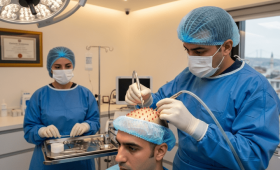
The initial phase begins with careful preparation of the donor area, typically the back and sides of the scalp. This involves a thorough cleaning and disinfection to minimize the risk of infection. Local anesthesia is administered, ensuring the patient remains comfortable throughout the entire procedure. This anesthetic is a crucial aspect, and clinics in Turkey prioritize patient comfort, utilizing advanced techniques and medications.
Next, the extraction of hair follicles commences. This is where the chosen technique – Follicular Unit Extraction (FUE) or Follicular Unit Transplantation (FUT) – dictates the method. In FUE, individual follicular units are extracted directly from the donor area using a micro-punch tool, leaving minimal scarring. FUT, conversely, involves removing a strip of scalp from the donor area, which is then dissected into individual follicular units. While FUT can yield a larger number of grafts in a single session, FUE is increasingly favored for its less invasive nature and quicker recovery time. Turkish clinics excel in both techniques, with surgeons tailoring the approach to the individual’s needs and hair loss pattern.
Once the grafts are harvested, they are meticulously prepared under microscopic examination. Skilled technicians carefully separate the individual follicular units, ensuring their viability and preserving the delicate hair follicles. This is a critical step, requiring precision and expertise. The quality of graft preparation directly impacts the success of the transplant.
Simultaneously, the recipient area – the balding or thinning area – is prepared. Tiny incisions are made in the recipient area, determining the angle, direction, and density of the new hair growth. The surgeon’s artistry is paramount here, as the natural appearance of the transplanted hairline depends on the precise placement of each graft.
The implantation phase follows. The prepared follicular units are carefully inserted into the recipient incisions, one by one. This is a time-consuming process, demanding patience and a steady hand. Experienced surgeons in Turkey often perform the entire procedure themselves, or under direct supervision, ensuring consistent quality. Many clinics offer sapphire FUE, utilizing sapphire blades for finer, more precise incisions, further enhancing natural results.
Post-implantation care begins immediately. A sterile dressing is applied to both the donor and recipient areas. Detailed aftercare instructions are provided, outlining how to wash the hair, protect the scalp, and manage any discomfort. These instructions are vital for optimal healing and hair growth.
Follow-up appointments are scheduled to monitor progress and address any concerns. While initial swelling and redness are normal, these typically subside within a few days. New hair growth typically begins within 3-4 months, with full results visible after 12-18 months.
It’s important to remember that choosing a reputable clinic in Turkey doesn’t just mean cost savings. It means access to highly qualified surgeons, state-of-the-art facilities, and a commitment to patient satisfaction. The same level of expertise in Europe would come at a significantly higher price – often without offering a better outcome. The combination of skilled professionals and affordable pricing makes Turkey a leading destination for hair restoration.
> 📉 Cost Comparison: A simple procedure that costs €5,000 in Germany might cost only €1,500 in Turkey with CureHoliday. Why pay more for the same quality?
Pre-Operative Consultation: What to Expect & Key Questions
The pre-operative consultation is arguably the most crucial stage of your hair transplant journey in Turkey. It’s not simply a sales pitch; it’s a comprehensive medical assessment to determine your suitability, plan your procedure, and ensure realistic expectations. Unlike a quick assessment you might receive elsewhere, Turkish clinics prioritize a thorough evaluation, often exceeding standards found in countries like Germany or France, where time constraints and higher overheads limit consultation lengths.
Initially, expect a detailed review of your medical history. Be prepared to discuss any pre-existing conditions, medications you’re taking (including over-the-counter drugs and supplements), allergies, and previous surgeries. Full transparency is vital. The consultant – usually a qualified doctor, not a sales representative – will need this information to minimize risks and optimize your outcome. This contrasts sharply with some clinics in Europe where initial consultations are often performed by non-medical staff.
Next comes the scalp analysis. This involves a physical examination of your hair loss pattern, hair density, hair thickness, and scalp elasticity. Advanced clinics utilize trichoscopic examination – a magnified visual assessment of the scalp and hair follicles – to gain a precise understanding of your hair health. They’ll classify your hair loss using the Norwood-Hamilton scale (for men) or the Ludwig scale (for women) to determine the stage and type of alopecia. This detailed analysis allows for a personalized approach, tailoring the transplant to your specific needs.
The consultant will discuss your expectations and desired hairline. Using software and visual aids, they’ll create a potential post-operative hairline, considering your facial features, age, and hair characteristics. This is a collaborative process; your input is highly valued. It’s crucial to have a realistic understanding of what can be achieved. While Turkey offers remarkable results, it’s important to remember that a hair transplant redistributes existing hair, it doesn’t *create* new hair.
A key component is the assessment of your donor area – the region at the back and sides of your scalp where hair follicles will be harvested. The consultant will evaluate the density and quality of hair in this area to determine the number of grafts that can be safely extracted. This is critical for ensuring a natural-looking result and avoiding over-harvesting, which can lead to visible thinning in the donor area.
Don’t hesitate to ask questions. Here are some essential inquiries:
- What is your experience with cases similar to mine?
- What technique (FUE, FUT, or a combination) do you recommend and why?
- How many grafts do you anticipate needing?
- What is the plan for hairline design?
- What is the success rate for this procedure in your clinic?
- What are the potential risks and complications?
- What is the post-operative care protocol?
- What is the clinic’s approach to managing failed grafts or unsatisfactory results?
The financial aspect will also be discussed. While the consultation itself is often free, understand the all-inclusive package price. This should cover the procedure, anesthesia, accommodation (often included in Turkey), post-operative medications, and follow-up care.
A significant draw for medical tourism to Turkey is the substantial cost savings. Patients from Europe, particularly Germany and France, often find that hair transplants in Turkey are 60-70% cheaper than in their home countries. This isn’t due to compromised quality; it’s a result of lower operating costs, a favorable exchange rate, and a highly competitive market. You receive comparable – and often superior – care at a fraction of the price.
Finally, a reputable clinic will provide a detailed report summarizing the consultation findings, the proposed treatment plan, and a personalized quote. Take your time to review this information and address any remaining concerns before making a decision. Remember, a well-executed pre-operative consultation lays the foundation for a successful and satisfying hair transplant experience.
> 📉 Cost Comparison: A simple procedure that costs €5,000 in Germany might cost only €1,500 in Turkey with CureHoliday. Why pay more for the same quality?
Technique Breakdown: FUE vs. FUT – Which is Best?
Choosing between Follicular Unit Extraction (FUE) and Follicular Unit Transplantation (FUT) is a critical part of your hair transplant consultation in Turkey. Both techniques aim to restore hair density, but they differ significantly in their methods, recovery times, and suitability for various patients. Understanding these distinctions is paramount to making an informed decision.
FUT, often referred to as the “strip method,” involves surgically removing a strip of scalp from the back of the head – the donor area – where hair is genetically resistant to balding. This strip is then dissected under a microscope into individual follicular units (groups of 1-4 hairs). These units are then transplanted into the recipient area. While FUT allows for the transplantation of a large number of grafts in a single session, it leaves a linear scar at the donor site.
FUE, on the other hand, extracts individual follicular units directly from the donor area using a specialized punch tool. This eliminates the need for a large incision and leaves only tiny, punctate scars that are generally less noticeable, particularly with skilled surgeons. FUE is favored by patients who prefer to wear their hair short, as the extracted grafts are less visible.
The choice isn’t always straightforward. FUT historically allowed for a higher density of grafts per square centimeter, making it a strong option for those with extensive hair loss. However, advancements in FUE techniques, particularly with motorized punch tools and optimized graft harvesting strategies, have largely closed this gap. Experienced surgeons in Turkey are routinely achieving comparable densities with FUE, often exceeding results seen in Europe, where costs are significantly higher.
Consider recovery time. FUT typically requires a longer recovery period – around 14-21 days – due to the scalp incision needing to heal. Patients need to be careful about activities that could strain the suture line. FUE recovery is generally faster, with minimal downtime (typically 7-10 days). This is a significant advantage for those with busy lifestyles or who cannot afford extended time off work.
Scarring is a major concern for many. While FUT’s linear scar can be camouflaged with longer hairstyles, it’s permanent and can be visible during certain activities. FUE’s tiny, dispersed scars are far less conspicuous. However, it’s crucial to note that both techniques, when performed by inexperienced surgeons, can lead to noticeable scarring. This is a key reason to choose a reputable clinic in Turkey – they prioritize meticulous surgical technique and artistic design.
The cost difference is substantial. In countries like Germany or France, FUT procedures can range from €8,000 to €15,000, and FUE can be even more expensive. In Turkey, you can expect to save up to 70% on these procedures *without* compromising on quality. This is due to lower operating costs, a highly skilled medical workforce, and a thriving medical tourism industry. Many clinics offer all-inclusive packages covering the procedure, accommodation, and post-operative care.
Furthermore, the quality of care in Turkey is often superior. Clinics are equipped with state-of-the-art technology and adhere to international standards. Surgeons are often members of international hair restoration societies and have extensive experience performing both FUE and FUT procedures.
Ultimately, the “best” technique depends on your individual circumstances, including the extent of your hair loss, your hair characteristics, your lifestyle, and your aesthetic preferences. A thorough consultation with a qualified surgeon in Turkey is essential to determine the most appropriate approach. They will assess your scalp, analyze your donor area, and discuss your goals to create a personalized treatment plan. Don’t be afraid to ask detailed questions about graft survival rates, potential complications, and the surgeon’s experience with both techniques.
> ✨ All-Inclusive Comfort: With CureHoliday, you never walk alone. Our 24/7 patient support ensures you are safe, comfortable, and well-cared for throughout your stay in Turkey.
The FUE Hair Transplant Process: A Closer Look
The Follicular Unit Extraction (FUE) hair transplant is currently the most popular technique globally, and Turkey has become a leading destination for this procedure. Understanding the intricacies of FUE is crucial for anyone considering hair restoration. This section provides a detailed look at the process, highlighting what patients can expect during their FUE transplant in Turkey.
The FUE process begins with meticulous planning. The surgeon, following the detailed analysis from the pre-operative consultation, will map out the recipient and donor areas. This mapping is vital for achieving a natural-looking hairline and maximizing the density of the transplanted hair. In Turkey, surgeons often utilize advanced software to create a personalized plan for each patient, accounting for hair density, growth direction, and aesthetic goals.
Next comes the extraction phase. Unlike the FUT (Follicular Unit Transplantation) method which involves removing a strip of scalp, FUE involves individually extracting follicular units – naturally occurring groupings of 1-4 hairs – directly from the donor area, typically the back and sides of the scalp. This is performed using a specialized micro-punch tool, ranging in size from 0.7mm to 1.0mm, depending on the patient’s hair characteristics.
The precision of this extraction is paramount. Skilled surgeons in Turkey prioritize minimizing trauma to the surrounding follicles, ensuring a high graft survival rate. This meticulous approach is a key factor in the consistently high success rates reported by Turkish clinics. The extracted grafts are then carefully stored in a chilled, nutrient-rich solution to maintain their viability.
Once the grafts have been harvested, the surgeon prepares the recipient area. Tiny incisions are created in the balding or thinning areas, matching the angle and direction of the patient’s existing hair. This requires artistic skill and a deep understanding of hair growth patterns. The extracted follicular units are then delicately implanted into these incisions, one by one, by a team of highly trained technicians.
In Turkey, many clinics employ a ‘sapphire FUE’ technique. This utilizes sapphire-tipped micro-punches for both extraction and implantation. Sapphire is known for its hardness and smoothness, leading to smaller incisions, faster healing, and potentially higher graft survival. This level of technological advancement, combined with experienced surgeons, contributes to the exceptional results seen in Turkey.
The entire procedure is typically performed under local anesthesia, ensuring patient comfort. While some discomfort is normal, most patients report minimal pain. Post-operative pain is usually mild and can be managed with over-the-counter medication.
The number of grafts transplanted during an FUE session can vary significantly, from 2,000 to 5,000 or more, depending on the extent of hair loss and the patient’s individual needs. A significant advantage of choosing Turkey for FUE is the availability of mega-sessions – procedures involving a large number of grafts – at a fraction of the cost compared to countries like Germany or France. Patients routinely save 70% or more on their hair transplant while receiving comparable, or even superior, care.
The recovery period following FUE is generally faster than with FUT. Patients can typically return to their normal activities within a week or two, although strenuous exercise should be avoided for a month. Post-operative care instructions, including washing guidelines and medication schedules, are provided by the clinic.
It’s important to note that while FUE is less invasive than FUT, it still requires a skilled surgeon and a dedicated medical team. The high volume of international patients seeking treatment in Turkey has driven a surge in clinic quality and expertise, making it a premier destination for affordable, high-quality hair restoration. The substantial cost savings – often thousands of euros compared to procedures in Western Europe – are a major draw, but the quality of care and advanced techniques are equally compelling reasons to choose Turkey for your FUE hair transplant.
> 🇹🇷 Why Turkey? You don’t have to compromise on quality to save money. Istanbul hosts some of the world’s best clinics with JCI accreditation, offering prices 3-4 times lower than Europe.
The FUT Hair Transplant Process: A Closer Look
Follicular Unit Transplantation (FUT), also known as the strip method, is a well-established and highly effective hair transplant technique. While Follicular Unit Extraction (FUE) has gained immense popularity, FUT remains a viable and often preferred option for patients seeking substantial coverage, particularly those with limited donor area. Understanding the process is crucial for informed decision-making, especially when considering treatment abroad in a hub like Turkey.
The FUT procedure begins with meticulous planning. During your consultation in Turkey, the surgeon will carefully analyze your hair loss pattern, assess the density of your donor area (typically the back and sides of the scalp), and discuss your expectations. A crucial aspect of this planning involves determining the number of grafts needed to achieve the desired density and natural appearance. This contrasts sharply with some clinics elsewhere; in Turkey, this assessment is comprehensive and patient-focused.
Once the plan is finalized, the patient is prepared for surgery. Local anesthesia is administered to the donor area, ensuring a comfortable experience throughout the procedure. The next step involves surgically excising a strip of scalp from the donor area – typically between 1-1.5cm wide and varying in length depending on the extent of hair loss. This is the defining characteristic of FUT.
The excised strip is then carefully closed with sutures, often using trichophytic closure, a technique designed to minimize scarring and promote faster healing. Skilled surgeons in Turkey prioritize meticulous wound closure to yield cosmetically pleasing results. This attention to detail is often lacking in clinics where cost-cutting measures compromise quality.
While the strip is being closed, a team of highly trained technicians dissects it under microscopic guidance. This is where the artistry of FUT truly shines. The strip is carefully separated into individual follicular units – natural groupings of 1-4 hairs – ensuring that the grafts are healthy and viable. This dissection process is time-consuming and requires significant expertise.
In Turkey, this process is often performed by dedicated, experienced technicians, allowing surgeons to focus on the surgical aspects of the procedure. Compared to the exorbitant costs of similar procedures in countries like Germany or France, where you might pay upwards of €8,000-€15,000, patients in Turkey can achieve comparable, or even superior, results for around 30-70% of the price.
The extracted follicular units are then carefully prepared for implantation. Small incisions, or recipient sites, are created in the balding areas, matching the angle, direction, and density of natural hair growth. This requires a keen eye and artistic skill. The surgeon then delicately places the follicular units into these recipient sites.
The number of grafts implanted in a single session varies depending on the patient’s needs and the surgeon’s assessment. Typically, a session can involve between 2,000 and 4,000 grafts. The density achieved is often greater with FUT than with a single FUE session, making it ideal for advanced stages of hair loss.
Post-operatively, patients receive detailed aftercare instructions. The donor area will be bandaged, and pain medication is prescribed to manage any discomfort. It’s important to note that a linear scar will be present at the donor site, although skilled surgeons in Turkey utilize techniques to minimize its visibility.
The recovery period is generally longer with FUT compared to FUE, requiring approximately 7-14 days for the sutures to be removed and several weeks for complete healing. However, the longevity and density achieved with FUT, combined with the significant cost savings available in Turkey – where patients routinely save 70% compared to European prices – make it a compelling option for many.
> 💡 Price Fact: While this treatment can cost thousands of Euros in Germany, France, or the Netherlands, CureHoliday offers the same high-quality procedure in Turkey for 70% less.
Anesthesia & Pain Management During the Procedure
Patient comfort is paramount during a hair transplant in Turkey, and modern clinics prioritize effective anesthesia and pain management protocols. Understanding these methods is crucial for a smooth and stress-free experience. Unlike the often-limited options and associated high costs in countries like Germany or France, Turkish clinics offer a comprehensive approach to pain control, contributing to the significant 70% savings patients experience without compromising quality.
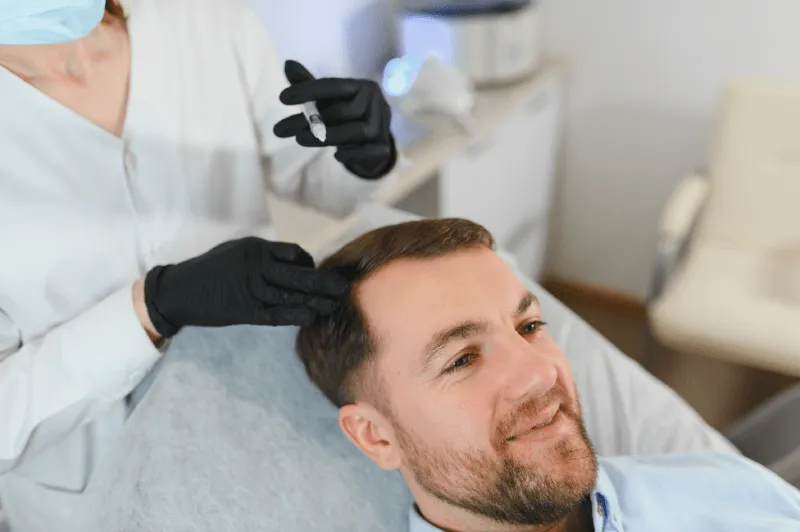
Local anesthesia is the cornerstone of pain management for both FUE (Follicular Unit Extraction) and FUT (Follicular Unit Transplantation) procedures. A potent local anesthetic, typically lidocaine with epinephrine, is meticulously administered to the donor area (usually the back and sides of the scalp) and the recipient area where the grafts will be implanted. This effectively numbs the scalp, ensuring patients feel minimal to no pain during the extraction and implantation phases. The epinephrine component helps constrict blood vessels, minimizing bleeding and improving visibility for the surgeon.
The application process isn’t a single injection. Surgeons employ techniques to minimize discomfort *during* the anesthetic administration itself. This includes using very fine needles, slow injection rates, and pre-cooling the scalp with topical anesthetic sprays. Some clinics also utilize specialized injection techniques to further reduce any stinging or burning sensation. This level of detail isn’t always standard in European clinics, where cost-cutting measures can sometimes impact patient comfort.
Beyond local anesthesia, many Turkish clinics offer varying levels of sedation to enhance relaxation and reduce anxiety. These options range from oral anti-anxiety medication taken before the procedure to intravenous (IV) sedation, often referred to as “twilight sleep.” The choice depends on the patient’s anxiety level, the extent of the transplant, and the surgeon’s recommendation.
IV sedation, administered and monitored by a qualified anesthesiologist, provides a deeper level of relaxation. While patients are not fully unconscious, they are less aware of the procedure and experience significantly reduced anxiety. This is a substantial benefit, especially for those undergoing larger sessions. The presence of a dedicated anesthesiologist throughout the procedure is a standard of care in reputable Turkish clinics, a service that often incurs significant additional expense in countries like France.
During the FUE procedure, where individual follicular units are extracted, the anesthetic wears off gradually. The surgeon will often top up the local anesthetic as needed throughout the day to maintain patient comfort. With FUT, the initial anesthetic block is more comprehensive due to the scalp incision, and typically lasts longer. Post-incision, additional local anesthetic is administered to the donor area before graft extraction.
Post-operative pain is generally mild and easily managed with over-the-counter pain relievers such as paracetamol or ibuprofen. Stronger prescription pain medication is rarely necessary. Clinics will provide detailed post-operative instructions, including medication guidelines, wound care, and follow-up appointment schedules.
It’s important to note that the skill and experience of the surgeon significantly impact pain levels. Precise anesthetic delivery and gentle extraction/implantation techniques minimize trauma to the scalp, leading to less discomfort. Choosing a clinic with a highly skilled surgical team is therefore essential. The combination of skilled surgeons, comprehensive anesthesia protocols, and affordable pricing makes Turkey a compelling destination for hair transplant patients, offering a level of care that is often unattainable – or prohibitively expensive – in Western Europe. Patients routinely save upwards of 70% compared to equivalent procedures in countries like Germany, without sacrificing the quality of anesthesia or post-operative care.
> 🏥 CureHoliday Advantage: We don’t just book your treatment; we manage your entire journey. From VIP airport transfers to 5-star hotel accommodation, everything is included in your package.
Who is an Ideal Candidate for a Hair Transplant?
Determining the ideal candidate for a hair transplant in Turkey, or anywhere, involves a multifaceted assessment. It’s not simply about the *amount* of hair loss, but a comprehensive evaluation of the patient’s overall health, hair characteristics, and expectations. While Turkey has become a global hub for affordable and high-quality hair restoration – with patients saving up to 70% compared to procedures in countries like Germany or France – suitability remains the paramount concern.
Generally, the best candidates exhibit stable hair loss, meaning the pattern and rate of loss have remained consistent for at least a year. This is crucial because transplanting hair into an area that continues to thin will diminish the long-term aesthetic result. A Norwood Scale classification (for men) or Ludwig Scale (for women) assessment helps determine the stage of hair loss and predict future progression. Those in the early to mid stages (Norwood 3-5, Ludwig 1-3) typically achieve the most satisfying results.
Age is also a significant factor. While there’s no strict age limit, candidates should ideally be at least 25-30 years old. This allows sufficient time to observe the pattern of hair loss and ensures that further loss won’t drastically alter the transplanted hairline. Younger patients with rapidly progressing hair loss may not be suitable, as they will likely require additional procedures later in life. Conversely, older patients can be excellent candidates, provided they are in good general health. Many individuals travel to Turkey from countries like France, where age-related procedures can be prohibitively expensive, seeking the same quality at a fraction of the cost.
Donor hair density and quality are critical. The donor area, usually the back and sides of the scalp, must have enough healthy, robust hair follicles to sustain the transplant. During the consultation in Turkey, surgeons meticulously assess the density, caliber, and texture of donor hair. Individuals with diffuse thinning across the scalp, or those with poor donor quality, may not be ideal candidates, or may require alternative treatments.
Underlying medical conditions also play a role. Uncontrolled diabetes, autoimmune diseases, thyroid disorders, and certain skin conditions can negatively impact healing and the success of the transplant. A thorough medical history review is essential. Patients on blood thinners or certain medications may need to temporarily discontinue them before the procedure. The comprehensive pre-operative assessments in Turkish clinics rival those found in more expensive European centers like Germany, ensuring patient safety.
Realistic expectations are paramount. A hair transplant can significantly improve hair density and restore a more youthful appearance, but it cannot magically recreate a full head of hair. The goal is to achieve a natural-looking result that complements the patient’s facial features and remaining hair. Surgeons in Turkey will clearly outline what can realistically be achieved based on the individual’s donor hair availability and the extent of hair loss.
Furthermore, the *type* of hair loss matters. Androgenetic alopecia (pattern baldness) is the most common and predictable type, making it the most suitable for transplantation. Other forms of alopecia, such as alopecia areata or cicatricial alopecia, require different approaches and may not be effectively treated with a transplant.
Finally, patients should be non-smokers or willing to quit smoking several weeks before and after the procedure, as smoking impairs healing and reduces blood flow to the scalp. The holistic approach to patient care in Turkey, combined with dramatically reduced pricing—often saving patients upwards of 70% compared to equivalent procedures in Europe—makes it a leading destination for hair restoration.
> ✨ All-Inclusive Comfort: With CureHoliday, you never walk alone. Our 24/7 patient support ensures you are safe, comfortable, and well-cared for throughout your stay in Turkey.
Age & Hair Loss Severity: Key Considerations
Age plays a surprisingly nuanced role in determining hair transplant candidacy in Turkey, and isn’t simply a matter of an upper limit. While there’s no strict age cutoff, the *maturity* of hair loss is far more critical than chronological age. We frequently see patients in their late teens and early twenties seeking consultations, and while technically possible, intervening too early can be counterproductive.
The primary concern with younger patients isn’t their age itself, but the potential for further, unpredictable hair loss. A transplant performed before hair loss stabilizes may necessitate additional procedures later in life to address evolving baldness patterns, diminishing the overall aesthetic result. A thorough assessment of family history is crucial; understanding the likely progression of hair loss in the patient’s genetic lineage helps us predict future shedding.
However, delaying treatment indefinitely isn’t always the best approach. For some, early intervention can prevent significant psychological distress associated with hair loss, particularly when it impacts self-esteem and quality of life. A carefully considered plan, potentially involving medical treatments like finasteride or minoxidil alongside a phased transplant approach, can be very effective.
Generally, we prefer patients to be at least 25 years old, ideally closer to 30, to allow sufficient time for hair loss to stabilize. This isn’t a rigid rule, but a guideline based on years of experience.
Hair loss severity, measured by the Norwood-Hamilton scale (for men) and the Ludwig scale (for women), is equally crucial. Patients presenting with Norwood Stage 3 or higher typically benefit most from a hair transplant. At these stages, the pattern of hair loss is usually well-defined, allowing surgeons to strategically redistribute existing hair to create a natural-looking hairline and increase density in balding areas.
Patients with earlier stages of hair loss (Norwood 1-2) may be better suited to medical treatments initially. A transplant at this stage might create a stark contrast between the transplanted hair and the still-present, native hair, leading to an unnatural appearance.
It’s important to understand that even with advanced hair loss (Norwood 6-7), excellent results are achievable. However, these cases often require a larger number of grafts and may involve multiple sessions.
The quality of the donor hair is also a critical factor. A skilled surgeon will assess the density and characteristics of the donor area (typically the back and sides of the scalp) to determine the available hair for transplantation. Insufficient donor hair can limit the extent of coverage achievable.
Many patients considering hair transplants in Turkey are understandably concerned about cost, especially when comparing prices to countries like Germany or France, where procedures can be significantly more expensive. In Europe, a comparable procedure can easily exceed €8,000 – €15,000. In Turkey, patients routinely save 60-70% on these costs, often receiving a superior level of care with highly experienced surgeons and state-of-the-art facilities.
This isn’t a compromise on quality; it’s a result of lower operational costs and a thriving medical tourism industry. We provide transparent pricing with no hidden fees, ensuring patients understand exactly what they are paying for – a comprehensive package that includes consultation, procedure, accommodation, and post-operative care.
Furthermore, our assessment goes beyond simply the Norwood/Ludwig scale. We utilize advanced diagnostic tools, including hair density analysis and scalp biopsies (when necessary), to gain a comprehensive understanding of each patient’s unique situation. This allows us to create a personalized treatment plan that maximizes results and minimizes the risk of future complications.
Finally, it’s vital to have realistic expectations. A hair transplant can significantly improve the appearance of hair loss, but it won’t restore a full head of hair. The goal is to create a natural-looking result that enhances the patient’s overall appearance and boosts their confidence. A detailed consultation, including 3D modeling of potential outcomes, is essential for setting appropriate expectations.
> 💡 Price Fact: While this treatment can cost thousands of Euros in Germany, France, or the Netherlands, CureHoliday offers the same high-quality procedure in Turkey for 70% less
Free Consultation
Fill out the form below to get your free medical travel plan and price quote.
Sources and how to verify this yourself
- Comparative study of graft survival by donor site (scalp, beard, chest) at 12 months — roughly 89% for scalp, 95% for beard and 76% for chest hair; survival also falls the longer grafts stay outside the body. source
- Ministry of Health, Regulation on International Health Tourism and Tourist Health, Official Gazette 26 April 2025, No. 32882 — authorisation requirement for facilities and intermediaries, TÜSKA accreditation, compulsory complication insurance (deadline 31 December 2025 for insurance, 31 December 2026 for accreditation). source
- Ministry of Health, Regulation on Promotion and Information Activities in Health Services, Official Gazette 12 November 2025, No. 33075 — treatment promises and guarantees are prohibited; price and campaign announcements are permitted only within international health tourism. source