Why Do Eyebrows Fall Out?
Eyebrow loss, medically known as madarosis, is an aesthetic and sometimes health-related problem that can arise from many different causes. Since eyebrows are one of the most important elements defining our facial expression, their loss can lead to a significant decrease in self-confidence. Generally, genetic predisposition, incorrect cosmetic applications, hormonal imbalances, or nutritional deficiencies are the primary culprits behind this condition. Understanding the root cause of the problem is of vital importance for choosing the correct treatment method. If the loss occurs suddenly and severely, it could be a sign of a serious underlying health problem that requires immediate medical attention.
How Do Genetic Factors Affect Eyebrow Loss?
Our genetic heritage is the most fundamental element determining the life cycle and durability of hair follicles in our bodies. If there is a history of early eyebrow thinning or loss among your family members, it is quite likely that you will encounter a similar situation. Genetic loss usually progresses slowly and causes permanent thinning in specific areas of the eyebrow. Since hair roots lose their function over time in these types of shedding, herbal oils or serums applied externally generally offer only temporary solutions. For permanent fullness, medical interventions and professional procedures like eyebrow transplantation are typically preferred for genetic-based hair loss.
Does Incorrect Plucking Cause Permanent Loss?
Plucking eyebrows too thin for years or constantly pulling hairs from the same area can cause serious damage to the hair roots. This condition, known as “eyebrow trauma,” means that the root is damaged to the point where it no longer produces new hair. Especially aggressive plucking processes performed with tweezers can disrupt the structure of the follicle and lead to permanent baldness. Many people who followed fashion trends and thinned their eyebrows excessively now find it difficult to regain their old eyebrows when the natural and thick eyebrow fashion returned. Therefore, a specialist’s opinion should be sought when shaping eyebrows, and excessive applications that damage the roots should be avoided.
Can Stress and Anxiety Cause Eyebrow Loss?
Stress, one of the biggest problems of modern life, directly affects every part of our body, including the eyebrow and hair roots. During periods of intense stress, the body can enter a process called “telogen effluvium,” forcing hair roots into the resting phase. This situation causes hairs to fall out faster than normal. Additionally, “trichotillomania” (hair-pulling disorder), a behavioral disorder linked to stress, can cause an individual to unconsciously pull their eyebrows, creating gaps. Ensuring emotional balance and stress management is the most effective starting step in stopping this type of shedding.
How Do Hormonal Changes Affect Eyebrows?
The hormone balance in our body directly manages the growth rate and quality of hair. In particular, thyroid gland disorders are among the most common medical causes of eyebrow loss. Hypothyroidism (underactive thyroid gland) is characterized by the loss of especially the outer third part of the eyebrows. In addition, fluctuations in estrogen and progesterone levels during periods such as pregnancy, postpartum, and menopause can also lead to temporary or permanent eyebrow loss. If hormone-related shedding is suspected, an endocrinology specialist must be consulted, and necessary blood tests should be performed to correct any deficiencies.
Does Vitamin Deficiency Cause Eyebrow Loss?
Hair follicles constantly need vitamins and minerals to produce healthy hair. Specifically, deficiencies in Vitamin B12, biotin (B7), zinc, iron, and Vitamin E cause the weakening and loss of eyebrows. In individuals with iron deficiency anemia, shedding becomes inevitable because the oxygen carried by the blood cannot reach the roots sufficiently. Inadequate nutritional habits in modern diets are a hidden factor leading to eyebrows losing their thickness. For healthy eyebrows, fresh vegetables, protein-weighted foods, and supplements taken under a doctor’s supervision play a major role in stopping loss.
Which Skin Diseases Cause Eyebrow Loss?
The health of the skin in the eyebrow area is critical for the attachment of the roots. Conditions such as eczema (atopic dermatitis), psoriasis, or seborrheic dermatitis cause itching, redness, and crusting in the eyebrow area. As the person scratches the area, hair roots are damaged, and shedding begins. Furthermore, a disease called “Alopecia Areata,” where the immune system attacks its own hair roots, can create sudden coin-sized gaps in the eyebrows. In such cases, instead of herbal solutions, cortisone creams or special treatment protocols prescribed by a dermatologist should be applied.
Do Makeup Products Damage Eyebrows?
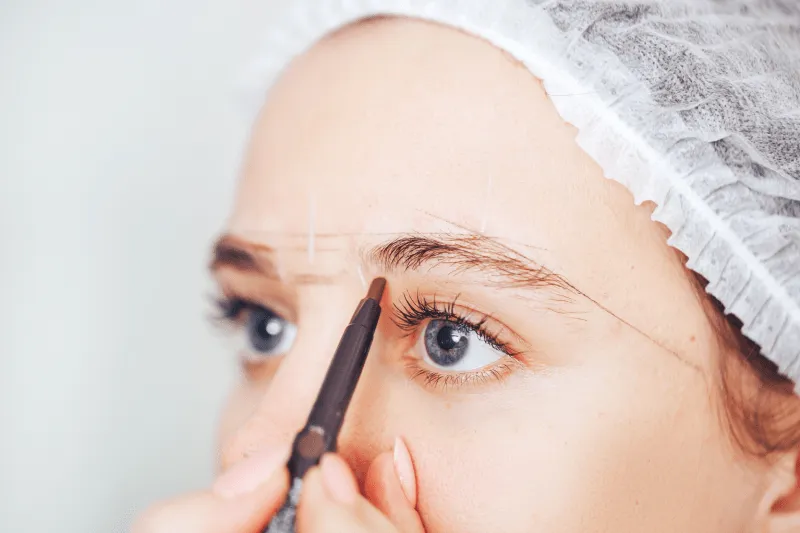
Although eyebrow pencils, gels, and mascaras used in daily makeup routines make eyebrows look fuller, incorrect use can invite shedding. Poor quality products prevent hair follicles from breathing, causing the roots to weaken. Additionally, failing to clean eyebrow makeup before going to bed at night causes pores to clog and chemicals to stay on the skin for a long time, leading to irritation. Eyebrow pencils applied with excessive force can also cause physical trauma, leading to the breakage of hairs. To protect eyebrow health, natural-ingredient cosmetics should be preferred and should always be cleaned gently.
Does the Aging Process Reduce Eyebrow Density?
With advancing age, the rate of cell renewal in the body slows down, and protein production decreases. Eyebrows also take their share from this natural process. Starting from the 40s, eyebrow hairs begin to thin, lose color, and become sparse. Reduced collagen production with aging makes it harder for hair roots to hold on as tightly as before. Although this is a completely physiological process, the speed of the process can be slowed down with correct care and supplements. However, for significant gaps occurring in later ages, the permanent solution is usually eyebrow transplantation surgeries.
Does Medication Use Trigger Eyebrow Loss?
Medicines used for the treatment of certain diseases can cause hair loss as a side effect. Especially chemotherapy drugs affect hair and eyebrow roots because they target rapidly dividing cells, leading to shedding. Besides, medications for high blood pressure, blood thinners, antidepressants, and some powerful Vitamin A derivatives used in acne treatment can also cause thinning in the eyebrows. If you notice a significant loss after starting a new medication, it is important to report this to your doctor. Generally, eyebrows return to their former state once the medication use is stopped or the treatment ends.
Is Castor Oil Effective for Eyebrow Growth?
One of the first methods that come to mind when natural solutions are mentioned is castor oil. Thanks to the ricinoleic acid in its content, it stimulates hair roots by accelerating blood circulation. Castor oil is also an intense moisturizer, so it prevents eyebrow hairs from breaking and makes them look thicker. When applied every night with the help of a clean cotton swab or eyebrow brush, it can create a visible difference within a few months. However, care should be taken not to let the oil get into the eyes. While natural methods like castor oil do not grow new hair in areas where the root is completely dead, they strengthen existing hairs.
How to Apply Coconut Oil to Eyebrows?
Coconut oil is a miraculous natural product known for its ability to prevent protein loss. It prevents shedding by supporting keratin protein, which is the main structure of eyebrows. For application, a small amount of oil is melted at the fingertips and applied to the eyebrows by gently massaging. The massage process increases blood flow to the area, allowing nutrients to reach the roots better. With regular use, it helps eyebrows look brighter, softer, and healthier. Thanks to its antibacterial properties, it also cleans possible germs on the skin, preventing roots from getting infected.
Does Aloe Vera Nourish Eyebrow Roots?
The gel obtained from the leaves of the aloe vera plant contains a compound called “aloenin,” which promotes hair/eyebrow growth. Since its chemical structure is similar to keratin, it nourishes eyebrow hairs and increases their elasticity, preventing breakage. Because it doesn’t leave an oily feeling, it can be used comfortably during the day. Additionally, thanks to its skin-soothing effect, it is an excellent choice for relieving redness and irritation that occur after eyebrow plucking. Fresh aloe vera gel can be applied directly to the eyebrow area, left for 30 minutes, and then rinsed off.
What to Consider When Choosing an Eyebrow Serum?
The ingredients of eyebrow growth serums sold in the market vary greatly. A quality serum must contain nourishing substances such as biotin, peptides, keratin, and hyaluronic acid. Some serums may contain prostaglandin derivatives; while these give fast results, they can lead to side effects such as changes in eye color or irritation. Therefore, products that are clinically tested, dermatologically approved, and preferably enriched with natural plant extracts should be chosen. Using a serum requires patience; it is essential to use it regularly for at least 8-12 weeks to see its effect.
Does an Egg White Mask Grow Eyebrows?
Egg white is a very rich source of protein and biotin. To support the protein, which is the main building block of eyebrows, from the outside, an egg white mask is a traditional but effective method. One egg white is whisked until frothy and applied to the eyebrows with a brush. After waiting for about 20 minutes, it is washed off with cold water. When applied once or twice a week, it ensures that the eyebrow hairs are stronger and thicker. However, hygiene should be considered when using raw eggs, and the skin should be cleaned well against acne formation in the applied area.
Is a Mixture of Almond Oil and Vitamin E Beneficial?
Sweet almond oil contains high levels of Vitamin E and magnesium. This mixture moisturizes eyebrow hairs while protecting them against free radicals, reducing the effects of aging. You can make your own serum at home by piercing a Vitamin E capsule and mixing the oil inside with almond oil. This mixture is a lifesaver, especially for dry and brittle eyebrows. Regularly moisturizing the eyebrows normalizes the shedding cycle and helps preserve existing volume. Application before going to bed at night ensures that absorption takes place at the maximum level.
Can Olive Oil Be Used to Thicken Eyebrows?
Extra virgin olive oil, an indispensable part of Mediterranean culture, is very rich in Vitamins A and E. While Vitamin A supports sebum production, ensuring the hair roots stay healthy, Vitamin E nourishes the hair shaft. Applying olive oil by lightly heating it and massaging it onto the eyebrows allows the hair follicles to be deeply nourished. Since it is completely natural and side-effect-free, it can be used safely by all age groups. However, consistency is essential to get results; using it for only a few days and then quitting will not provide the desired thickening.
Does Rubbing Garlic Revitalize Eyebrow Roots?
Garlic rubbing, a common method among the public, excessively stimulates hair roots thanks to the sulfur and minerals it contains. The acidic structure of garlic maximizes blood circulation at that point, which can help wake up “sleeping” roots. However, this method is quite risky; it can cause serious burns, redness, and blisters on sensitive skins. The smell of garlic is an additional downside. If you want to try this method, you should first test it on a small part of your skin and never leave it on the skin for a long time. Most experts argue that modern serums are safer than garlic.
How Long Do Natural Remedies Take to Show Results?
The biggest disadvantage of natural remedies and herbal oils is that the results appear very slowly. The growth cycle of a hair follicle generally takes a few months, although it varies from person to person. Therefore, you need to apply the remedy you are using for at least 3 months without interruption to see its effect. If the hair root is completely gone (meaning the eyebrow has “fainted”), no herbal solution can grow new hair from there. In such cases, instead of wasting time, it would be a more logical approach to turn to medical methods.
In Which Cases is Eyebrow Transplantation Mandatory?
Eyebrow transplantation is the only permanent solution in cases where eyebrows have completely fallen out or have thinned so much that they cannot be restored with natural methods. Especially in burn scars, surgical scars, genetic baldness, or “fainted” eyebrow areas, hair growth becomes impossible. Also, for individuals who are tired of drawing eyebrows with makeup and want to wake up every morning with natural-looking, full eyebrows, this procedure becomes a necessity. If the gaps in the eyebrows disrupt facial symmetry and negatively affect the person’s social life, having an eyebrow transplant performed by an expert surgeon is the most correct decision.
What is Eyebrow Transplantation and How is it Done?
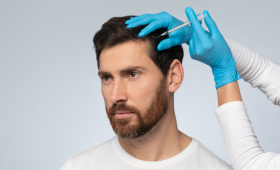
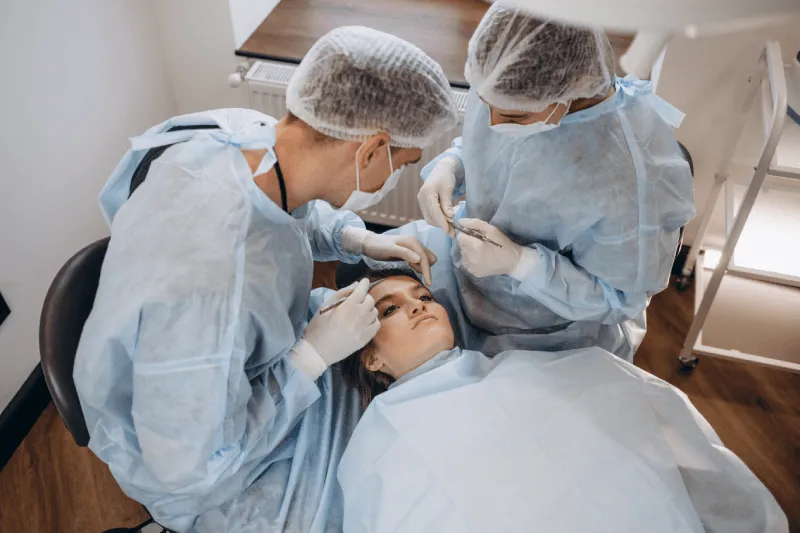
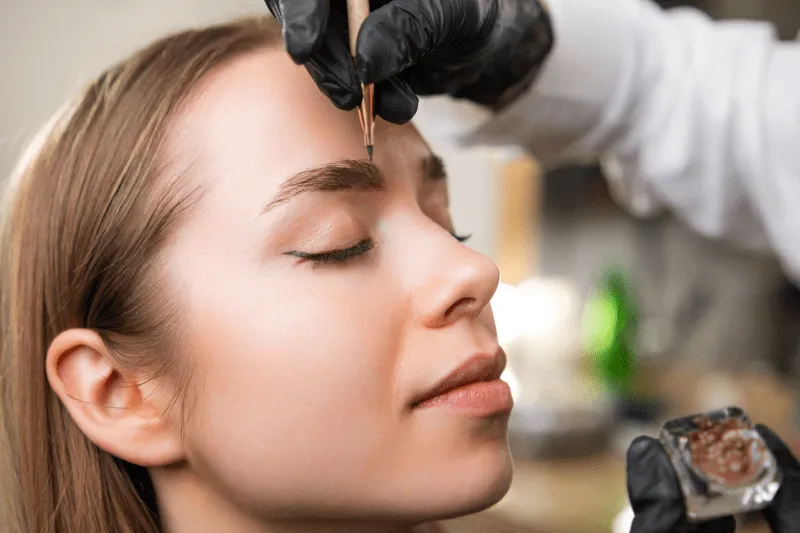
Eyebrow transplantation is the process of transferring hair follicles resistant to shedding, usually taken from the nape area (donor area) of the body, to the missing parts in the eyebrow area. This procedure is a minimally invasive surgery performed under local anesthesia. The doctor first creates an eyebrow design suitable for the person’s face structure. Then, the follicles taken one by one are placed into the channels opened in accordance with the natural growth angle and direction of the eyebrows. Planting with the correct angle is the most critical stage for the result to look natural. At the end of the procedure, the patient can return home on the same day and adapt to social life in a short time.
Is the FUE Technique Advantageous for Eyebrow Transplantation?
Today, the most preferred method in eyebrow transplantation is the Follicular Unit Extraction (FUE) technique. In this method, roots are taken one by one using special micromotor tips without making any incisions. In this way, no stitch marks or permanent scars are formed in the donor area. The FUE technique offers a great advantage due to the very fast recovery process and the pain remaining at a minimum level. Also, since very fine-tipped needles are used, no scars are left in the eyebrow area either. To obtain natural results, the number of grafts per square centimeter can be precisely adjusted with this method.
How Long Does an Eyebrow Transplantation Operation Take?
An eyebrow transplantation operation is a short procedure that generally varies between 2 and 4 hours depending on the number of grafts to be planted. Since it is a much smaller area compared to hair transplantation, the process is completed faster. In the first stage of the operation, design and anesthesia are performed, followed by the collection of roots and the opening of channels. Patients can listen to music or watch television during this time. The short duration of the procedure increases the patient’s comfort while minimizing post-operative fatigue. Performing it in a clinic environment under sterile conditions increases the chance of success.
Is Pain Felt During the Operation?
Although many people hesitate to have an eyebrow transplant because it is a surgical procedure, the operation is actually quite comfortable. Thanks to the local anesthesia applied to the area before the procedure starts, the patient does not feel any pain or ache. Apart from the slight sting of the anesthesia needles, the process passes completely painlessly. In fact, thanks to the “needle-free anesthesia” methods developed in recent years, even this sting can be eliminated. After the operation, a slight throbbing may be felt, but this situation is easily controlled with simple painkillers. The vast majority of patients state that the process was much more comfortable than they expected.
How is the Recovery Process After Eyebrow Transplantation?
In the first few days after the operation, it is completely normal to see small crusts and a slight redness in the planted area. These crusts fall off on their own within approximately 7-10 days. For the first 24-48 hours, the area should not be touched with water and should be protected from impacts. By the end of the first week, recovery is largely completed, and it becomes indistinguishable from the outside that a transplant was performed. Following the special lotions and washing instructions given by the doctor during the recovery process is critical for the grafts to hold healthily. It is recommended to sleep with the head elevated to prevent swelling.
When Do Newly Implanted Eyebrows Grow?
About 2-4 weeks after the eyebrow transplant, a temporary process called “shock shedding” occurs. During this period, the shafts of the planted hairs fall out, but the roots remain under the skin. This situation is a natural part of the operation and should not be a cause for concern. The actual permanent eyebrows begin to grow from the 3rd month onwards. By the 6th month, a large part of the eyebrows will have grown, and the final result is generally seen between the 8th and 12th month. Newly growing eyebrows may be a bit stiff at first, but over time they adapt to the skin structure in that area and soften, gaining a natural form.
What Should Be Considered After Eyebrow Transplantation?
To protect the success of the operation, it is essential to be careful in the first weeks. The transplanted area should not be scratched, rubbed, or wiped with harsh towels. For at least two weeks, environments carrying an infection risk such as pools, the sea, saunas, and Turkish baths should be avoided. Also, avoiding exposure to intense sunlight is important to prevent staining of the healing tissues. Since the new eyebrows are taken from the nape area, they tend to grow as fast as hair; therefore, they need to be trimmed at certain intervals. Over time, this growth rate slows down and takes on the character of an eyebrow.
Is Eyebrow Transplantation a Permanent Solution?
Yes, eyebrow transplantation is a lifelong permanent solution. Since the transplanted roots are selected from the nape area, which is programmed not to fall out, they preserve their vitality throughout life. Unlike temporary methods such as microblading or eyebrow tattooing, with an eyebrow transplant, you have real hair tissue. The results obtained with this method are natural and continuous; you don’t need to have a renewal or painting done every year. With correct surgical intervention, the transplanted eyebrows do not fall out except for the natural aging process and accompany your face for a lifetime. In this respect, it is the most logical investment both economically and aesthetically.
Does Eyebrow Transplantation Provide a Natural Look?
Naturalness is the most curious subject in eyebrow transplantation. If the transplant process is performed professionally by considering the natural growth direction of the hairs (angles going upwards, sideways, and downwards), it is impossible to understand that it is a transplant. Placing roots individually and determining the start and end points of the eyebrow according to the golden ratio of the face guarantees naturalness. The fineness of the grafts used also prevents the result from looking coarse. Eyebrow transplantation performed with modern techniques and experienced hands never gives the person an “artificial” look; on the contrary, it adds depth and meaning to the looks.
Who is a Suitable Candidate for Eyebrow Transplantation?
Eyebrow transplantation can be applied to any healthy individual who has gaps in the eyebrow area, sparse eyebrows, or has completely lost their eyebrows. In those with chronic diseases such as diabetes or blood pressure, the procedure can be performed with doctor’s approval if the disease is under control. For those with an active skin infection or those whose alopecia areata disease is actively continuing, the operation may not be an appropriate period. Both women and men can benefit from this procedure regardless of gender. The important thing is to have hair follicles of sufficient quantity and quality in the donor area (nape).
What Factors Affect Eyebrow Transplantation Prices?
Eyebrow transplantation costs vary depending on several different factors. The most important factor is the number of grafts needed; if only a small gap is to be closed, the cost may be low, while recreating the entire eyebrow may be higher. Additionally, the experience of the surgeon performing the operation, the equipment of the clinic, and the technological methods used also affect the price. However, instead of making a price-oriented choice, it is more critical for your health to choose centers with strong references and high-quality services. It should not be forgotten that the reversal and correction of a mistakenly performed transplant are much more costly and difficult.
Why Should Turkey Be Preferred for Eyebrow Transplantation?
Turkey is accepted as the capital of health tourism worldwide, especially in hair and eyebrow transplantation. Surgeons in our country have an unrivaled expertise in this field with thousands of operation experiences. The most modern hospitals and clinics with advanced technology offer high-standard services at much more affordable costs compared to Europe and America. Additionally, the hospitality, accommodation quality, and cultural riches offered by Turkey turn the treatment process into a vacation. Every year, tens of thousands of foreign patients prefer Turkey to both get reliable results and have a perfect experience.
What is the Medical Tourism Experience Like with Cure Holiday?
Cure Holiday is a leading organization that offers a perfect end-to-end organization for patients who want to receive treatment in Turkey. Every detail is meticulously planned, from the private transfer vehicles that meet you at the airport to the luxury hotels selected for your comfort. Cure Holiday guarantees your medical success by collaborating with the best surgeons and full-fledged hospitals in the field. Thanks to the translators and consultants who accompany you throughout the process, you will find answers to all your questions without experiencing a language barrier. You only need to focus on your treatment and enjoy the beauties of Turkey.
What Support Does Cure Holiday Provide During the Treatment Process?
Cure Holiday does not just plan an operation; it designs a full-scale healing journey for you. It stays by your side from the first consultation throughout all post-operative follow-up processes. Providing your medications, performing the first washing process, and providing online support even when you return home are part of this professional service. It follows a transparent pricing policy by offering personalized treatment packages according to the special needs of each patient. With Cure Holiday, you experience the privilege of receiving a safe and VIP health service where you feel at home.
What are the Advantages of Having Eyebrow Transplantation in Turkey?
Having an eyebrow transplant in Turkey means not only an aesthetic change but also access to high-quality service. In our world-standard clinics, the most current techniques such as FUE and DHI are applied most successfully. Post-treatment care services and regular checks ensure that the grafts hold successfully. Also, having the opportunity to visit a world heritage city like Istanbul after your treatment makes this process unforgettable. Turkey is the most correct address to regain your eyebrows with economic price advantage, high success rate, and our professional team. Contact Cure Holiday for permanent and natural eyebrows and take this life-changing step with confidence.
Free Consultation
Fill out the form below to get your free medical travel plan and price quote.
Sources and how to verify this yourself
- Comparative study of graft survival by donor site (scalp, beard, chest) at 12 months — roughly 89% for scalp, 95% for beard and 76% for chest hair; survival also falls the longer grafts stay outside the body. source
- Ministry of Health, Regulation on International Health Tourism and Tourist Health, Official Gazette 26 April 2025, No. 32882 — authorisation requirement for facilities and intermediaries, TÜSKA accreditation, compulsory complication insurance (deadline 31 December 2025 for insurance, 31 December 2026 for accreditation). source
- Ministry of Health, Regulation on Promotion and Information Activities in Health Services, Official Gazette 12 November 2025, No. 33075 — treatment promises and guarantees are prohibited; price and campaign announcements are permitted only within international health tourism. source