Why Is Hair Loss Primarily A Genetic Problem?
Androgenetic alopecia, the most common cause of hair loss, is entirely related to our genetic heritage. The genes passed down from family members determine how sensitive hair follicles will be to the DHT (Dihydrotestosterone) hormone. Over time, this hormone causes the hair follicles to shrink, leading to thinning hair strands and eventually total disappearance. Genetic hair loss usually progresses in a specific pattern; in men, it starts from the temples and the crown, while in women, it manifests as general thinning. While preventing this condition is difficult, modern medical approaches and methods like hair transplantation can successfully restore an aesthetic appearance. In cases where genetic factors are dominant, protective treatments are more effective the earlier the hair loss process is noticed.
How Does Stress Cause Our Hair To Fall Out?
Stress, one of the biggest problems of our age, causes an increase in cortisol levels in our body, which directly affects the hair follicles. In the type of hair loss known as telogen effluvium, hair rapidly transitions from the growth phase to the resting phase. During this process, hair begins to fall out suddenly and intensely. Stress is not just a physical burden but also a psychological pressure that disrupts the nourishment of hair follicles. The slowing of blood flow to the hair roots causes the hair to lose its vitality. Fortunately, when the stress factor is eliminated or controlled, hair usually returns to its former health. However, long-term stress can pave the way for permanent thinning, so seeking professional support is critical.
How Does Hormonal Imbalance Trigger Hair Loss?
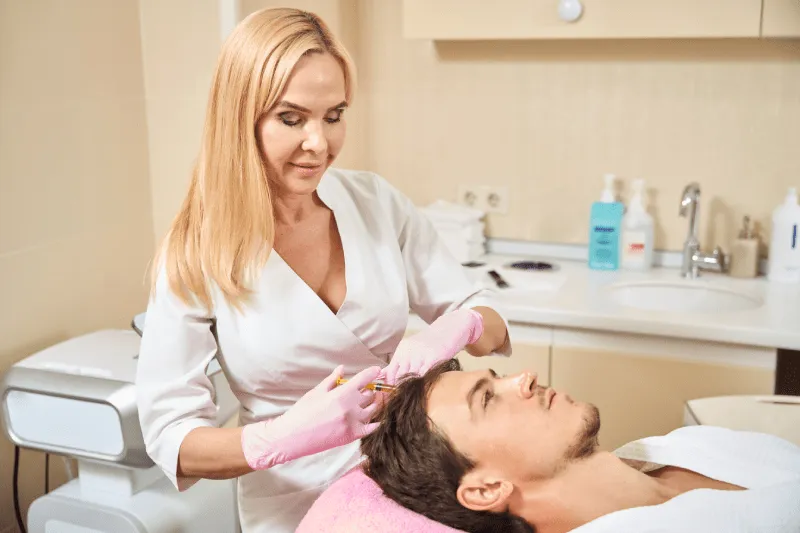
The hormonal system in our body is the most fundamental regulator of the hair growth cycle. Especially thyroid gland disorders can directly affect the quality of hair strands and lead to excessive shedding. In women, periods such as pregnancy, the postpartum process, and menopause are times when hormones fluctuate the most and hair loss peaks. A decrease in estrogen levels or an increase in testosterone derivatives shortens the life cycle of the hair. Hair follicles weakened by hormonal changes also become more vulnerable to environmental factors. In such cases, using only superficial shampoos is not enough; treating the underlying hormonal imbalance by an endocrinologist is mandatory for the hair to regain its health.
Do Poor Nutritional Habits Affect Hair Health?
Hair strands are primarily composed of a protein called keratin and require a significant amount of vitamins and minerals to grow. Deficiencies in iron, zinc, biotin, and B12 are the most common nutritional causes of hair loss in modern society. Very strict diets, nutrition poor in protein, and fast food habits cause hair follicles to starve. Follicles that cannot receive enough nutrients stop hair production or start producing poor-quality hair. It is no coincidence that intense hair loss is observed within three months after shock diets. For healthy, thick, and shiny hair, a nutritional plan containing omega-3 fatty acids, fresh vegetables, and quality protein sources is vital. It should not be forgotten that hair health starts from within.
Can Medication Usage Lead To Hair Loss?
Many modern drugs can unfortunately bring hair loss as a side effect. Especially chemotherapy drugs affect hair follicles quickly, leading to intense shedding called anagen effluvium. In addition, some blood thinners, antidepressants, blood pressure medications, and high-dose vitamin A derivatives used in acne treatment can disrupt the structure of the hair. Depending on the dose and duration of use, thinning or general shedding may be observed in the hair. If you notice a serious change in your hair after starting a medication, you should definitely share the situation with your doctor. In most cases, hair starts to grow back after the use of the medication ends, but using supplements that support the scalp during this process can speed up recovery.
Why Does Hair Fall Out During Seasonal Transitions?
During certain periods of the year, especially in the autumn and spring months, a natural increase in hair loss is observed. This is a biological adaptation process, just like animals changing their fur in nature. Changes in air temperature, decrease or increase in humidity disrupt the balance of the scalp. In addition, the wearing effect of intense sunlight and seawater exposed during the summer months shows itself as intense shedding in the autumn. Seasonal shedding is usually temporary and lasts about 4-6 weeks. During this period, being gentler to the hair, avoiding intense heat treatments, and moisturizing the scalp minimizes the effects of shedding. If the duration of shedding is prolonged, it should be investigated whether there is another underlying cause.
Do Scalp Diseases Cause Significant Hair Loss?
For hair to grow healthily, the scalp must be healthy and clean like soil. Scalp diseases such as seborrheic dermatitis, eczema, psoriasis, or fungal infections destroy the environment where the hair follicles are located. These diseases cause intense itching, crusting, and inflammation, leading to hair breaking from the root or damage to the follicles. An inflamed scalp cannot provide a suitable growth environment for hair strands. Especially scratching causes physical damage to hair follicles, exacerbating hair loss. In such cases, the only way to stop shedding is to control the skin disease with medical shampoos and lotions recommended by an expert dermatologist. Healthy skin brings healthy hair.
What Are The Primary Causes Of Hair Loss In Women?
Hair loss in women generally has a more complex structure compared to men. While genetic predisposition is important, iron deficiency anemia is the most common medical cause of hair loss in women. Apart from this, hormonal disorders such as polycystic ovary syndrome (PCOS) can cause serious thinning in the crown area of the hair. Physical traumas such as frequent blow-drying, dyes, hair straighteners, and tying hair too tightly also lead to shedding called “traction alopecia.” The approach to hair loss in women requires both an aesthetic and a metabolic evaluation. During the treatment process, vitamin supplements, PRP applications, and hair transplantation for advanced hair loss provide very successful results.
How Does Male Pattern Baldness Typically Begin?
Male pattern baldness, known in medical language as androgenetic alopecia, can usually start at any age after puberty. The first stage is usually the receding of the hairline at the temples and the opening of the forehead area. Then, the hair in the crown area (vertex) starts to thin and open. This process progresses at a different speed in every man; in some, it reaches full baldness within a few years, while in others, it can take decades. The main actor in baldness is follicles that are sensitive to the DHT hormone. Hair in the nape and side areas is generally not lost because it is resistant to this hormone; therefore, these areas are chosen as donor areas in hair transplantation. Existing hair can be protected with early intervention, but the most effective way for permanent openings is hair transplantation.
What Is The Best Time To Get A Hair Transplant?
The ideal time for a hair transplant is when the rate of hair loss has slowed down and the opening has become clear. Since hair loss is usually very aggressive in the early 20s, after transplants performed at these ages, existing original hair may continue to fall out, creating an unaesthetic appearance. However, this is not a rule; if the person’s psychology is seriously affected by this situation and the donor area is sufficient, planning can be made at early ages as well. Seasonally, hair transplantation can be performed in any season, but in the summer months, protecting from the sun and sweating during the healing process is a bit more laborious. The most correct time is when you feel ready for this change and can organize your social life according to the operation.
Is Hair Transplantation A Truly Permanent Solution?
Hair transplantation is the most permanent and definitive solution developed against baldness today. The main reason for this is that the transplanted hair follicles are taken from the nape area (donor area), which is coded not to fall out. These follicles preserve their genetic characteristics when moved to their new places and continue to grow throughout life. When the operation is performed with the right technique and in expert hands, the success rate of transplanted hair is over 95%. However, the point that should not be confused here is this: The transplanted hair is permanent, but the person’s own original (non-transplanted) hair may continue to fall out due to the genetic shedding process. Therefore, with a holistic approach, treatments to protect existing hair should also be planned. Hair transplantation gives you back the self-confidence you lost permanently.
How Is Hair Transplantation Performed With The FUE Method?
FUE (Follicular Unit Extraction) is a modern technique that revolutionized the world of hair transplantation. In this method, hair follicles are taken one by one from the nape area with the help of micromotors. Since it does not require any stitches or incisions, no scars remain after the operation, and the healing process is quite fast. The collected follicles (grafts) are placed in channels previously opened in the hairless area. The FUE technique provides the surgeon with great flexibility to achieve a natural appearance. Since the operation is performed under local anesthesia, the patient does not feel any pain. The success of FUE depends on extracting the follicles without damage and placing them at the right angle. Today, it is the most preferred minimal invasive method worldwide.
What Are The Unique Advantages Of The DHI Technique?
The DHI (Direct Hair Implantation) method is considered an advanced version of FUE and is excellent especially for thickening between hairs. In this technique, special pens called “Choi Implanter” are used. The biggest advantage is that the process of opening the channel and placing the follicle is performed at the same time. In this way, since the follicles stay in the external environment for a very short time, their survival rates increase. In addition, the ability to perform transplantation without the need to shave the hair with the DHI method is a great comfort especially for female patients and men who want to maintain the length of their hair. DHI, which offers a more intense transplantation opportunity, provides the doctor with high sensitivity in determining the natural hair direction. The healing process may be slightly shorter than FUE.
How Long Does A Hair Transplant Operation Take?
The duration of a hair transplant operation varies depending on the number of grafts the patient needs and the technique used, but it is usually between 6 to 8 hours. The operation starts in the morning hours and consists of several stages. In the first stage, follicles are collected from the donor area, followed by a lunch break and a short rest. In the second stage, the collected follicles are transplanted to the target area. During this process, the patient can watch television, read a book, or listen to music. Between 3000 and 5000 grafts can usually be transplanted in a single session. If the opening is very wide and more hair is needed, a second session can be planned. Do not let the length of time scare you; thanks to modern comfort standards, the process passes quite comfortably.
Is Any Pain Felt During The Operation?
Since the hair transplant operation is performed entirely under local anesthesia, no pain or ache is felt during the procedure. The point that patients are most afraid of is the feeling given by anesthesia needles. However, today, the scalp can be anesthetized with a pressure spray method thanks to “needle-free anesthesia” devices. In this way, even people with a fear of needles can make a comfortable start. After the anesthesia takes effect, the scalp becomes completely numb. Your consciousness remains open throughout the operation, and you can chat with your doctor. After the procedure, a slight ache or feeling of tension may occur, but this situation is easily controlled with simple painkillers. In short, modern technology has turned hair transplantation into a painless procedure.
How Is The Donor Area Determined?
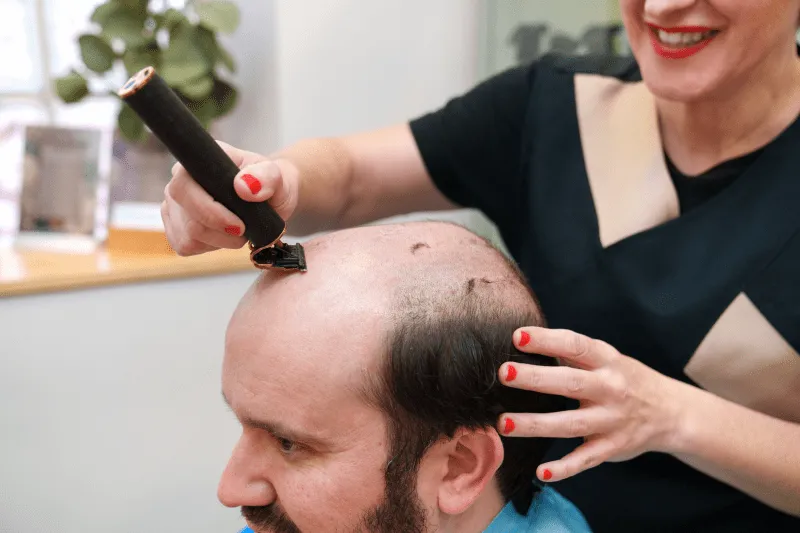
The donor area is the “safe zone” from which healthy follicles to be used in hair transplantation are taken. Usually, the nape area between the two ears is selected as the donor area. This is because the hair follicles in this area are genetically resistant to the DHT hormone that causes hair loss. While determining the donor area, hair density, hair strand thickness, and the flexibility of the skin are analyzed. If the hair in the nape area is insufficient, the beard area under the chin or, in rare cases, chest hair can be evaluated as a donor. However, the highest quality and most natural result is always obtained with nape hair. An expert doctor plans to extract a quantity of follicles that will not harm the donor area and will not disrupt the aesthetic integrity there. A strong donor area directly affects the success of the transplant.
How Is The Graft Calculation Performed?
Graft calculation is one of the most critical stages of hair transplant planning. A graft is the name given to the tissue piece containing between 1 and 4 hair strands. While making the calculation, the width of the patient’s opening area (in square centimeters) and the hair density in the donor area are taken into account. For example, to achieve a natural density in a completely empty area, it is ideal to place approximately 40-50 grafts per square centimeter. The doctor determines the “most efficient” number based on the patient’s age and the risk of future hair loss. Planting too many grafts does not always mean a better result; the important thing is to provide the most aesthetic and homogeneous appearance while preserving the existing donor capacity. Correct calculation is the key to long-term satisfaction.
Why Is The First Wash After Hair Transplant Important?
The first wash, performed 24 to 48 hours after the hair transplant operation, is of vital importance for both hygiene and the health of the follicles. This wash should usually be carried out by expert healthcare personnel in the clinic where the transplant was performed. The purpose of the first wash is to soften the crusts in the transplant area, prevent the risk of infection that may occur, and allow the scalp to breathe. Special lotions and shampoos used accelerate the healing of the skin. During this procedure, the hair follicles must definitely not be damaged, and the pressure and temperature of the water must be adjusted very well. During this wash, the patient learns in practice how to wash their hair. An incorrect washing technique can cause the follicles that have not yet fully settled to come out.
Who Is Suitable To Have A Hair Transplant?
The most basic requirement for having a hair transplant is that the general health status does not pose an obstacle to the operation and having enough healthy hair follicles in the donor area. It is an ideal candidate for people with androgenetic alopecia (genetic shedding), those who experience hair loss due to burns or accident scars, and those with regional gaps. In people with diabetes, high blood pressure, or heart conditions, the situation is evaluated under doctor control; if the disease is under control, the operation can be performed. In addition, the patient’s expectations being realistic is also important for psychological preparation. Hair transplantation is successfully applied not only to men but also to women who meet the appropriate criteria. Those using blood thinners may need to stop or adjust these drugs a certain time before the procedure.
Why Is The Doctor’s Experience Critical In Hair Transplantation?
Hair transplantation is not just a medical procedure, but also an art that requires a high level of aesthetic understanding. The experience of a doctor makes a difference especially in the design of the front hairline, the placement of grafts at the correct angle, and the efficient use of the donor area. An experienced surgeon determines the most suitable line for your facial features, preventing the transplant from looking “artificial.” When the direction of hair growth (angulation) is not adjusted correctly, a “grass man” appearance may occur, which is the most unwanted result. In addition, the ability to manage unexpected complications that may occur during the operation is only gained with years of accumulation. Instead of cheap and under-the-counter places, choosing a doctor whose expertise has been proven is the most important investment you will make for your hair that you will carry for a lifetime.
How Is A Natural Hairline Designed?
The signature of a successful hair transplant is that the fact that a hair transplant was performed is not obvious when viewed from the outside. This is possible with a completely natural front hairline design. While making the design, the patient’s age group, head structure, muscle movements, and existing hair directions are taken into account. A line that is too straight and starts too low looks artificial; therefore, a line that adds character to the face with slight indentations and protrusions should be determined. Usually, only single hair follicles are placed in the front row, because in our original hair structure, the front area also has thinner strands. The doctor balances the width of the forehead and the fullness of the temples using the golden ratio rule. A well-designed hairline rejuvenates the person’s facial expression and adds depth to their gaze.
What Is The Recovery Process After Hair Transplant Like?
The recovery process after hair transplant is a journey that requires patience but progresses step by step. The first 3 days are the most critical period; the head needs to be kept elevated to prevent edema and slight swelling. Until the 10th day, the crusts in the transplant area fall off and the skin returns to its normal color. For the first 15 days, it is essential to avoid heavy sports, sauna, pool, and direct sunlight. From the 1st month, the hair starts to grow slowly, but immediately after, the “shock loss” phase is entered. After the 3rd month, new and permanent hairs start to appear on the surface. While 60% of the result is seen in the 6th month, the appearance of the full and final look can take 12 to 18 months. To pass this process healthily, it is necessary to strictly follow the doctor’s advice.
What Is Shock Loss And Why Does It Occur?
The process that starts about 2 to 4 weeks after the hair transplant operation and scares patients the most is called “shock loss.” This is actually a completely normal and temporary reaction of the body to the surgical intervention. The transplanted hair follicles experience trauma while trying to get used to their new places and shed the hair strands. The important thing is this: What is shed is not the hair follicle, but only the hair strand. The follicles remain under the skin and continue to get stronger. Shock loss can affect almost 80-90% of the transplanted hair. Panic is misplaced at this stage; on the contrary, this is a sign that the hair cycle is being renewed and much stronger hair will come. From approximately the 3rd month, brand new strands start to emerge from where these hairs were shed.
Why Does It Look Like Transplanted Hair Is Falling Out?
Many patients think that during the shock loss phase, the hair is permanently shed and the procedure has failed. However, the appearance of transplanted hair falling out is caused by the follicles entering the resting phase (telogen). During the operation, the follicles are disconnected from the blood circulation for a short time and they go through an adaptation process when they are reconnected. During this process, existing strands are shed so that thicker and healthier ones can take their place. Another reason for this situation is the tissue healing in the scalp. The hair that comes out after shock loss is the permanent hair that will stay with you for a lifetime. Thinking of this temporary shedding as a “reset” process makes it psychologically easier for you to get through the process. Patience is the most important part of this treatment.
How To Prevent The Loss Of Existing Hair?
Getting a hair transplant does not stop your original hair in other areas from falling out. If your genetic hair loss continues, the transplanted area may remain thick while the hair in the back thins, leading to an unwanted appearance. To prevent this, “protective treatments” after hair transplant must be considered. Medical drugs such as Finasteride or Minoxidil, PRP (Platelet Rich Plasma) treatment, and hair mesotherapy nourish the existing hair follicles and extend their lives. In addition, laser hair treatment can also increase hair quality by increasing blood circulation. If hair transplantation is a restoration, these treatments are maintenance and protection works. Creating a long-term hair health plan with your doctor after the transplant will maximize the total aesthetic success.
Is Smoking Harmful After A Hair Transplant?
Smoking is one of the most important external factors that negatively affect hair transplant results. Nicotine constricts blood vessels, seriously reducing the amount of oxygen reaching the scalp. Newly transplanted hair follicles need an intense blood flow and oxygen in the first days after the operation to survive. In smokers, wound healing slows down and the risk of infection increases. In addition, the survival rate of follicles may be 20-30% lower in smokers. Experts strongly recommend quitting smoking at least one week before the operation and not smoking for at least 2 weeks after the operation. To prevent this investment you made with your own money and effort from being wasted, staying away from smoking is vital.
Does Incorrect Shampoo Choice Affect Transplanted Hair?
The scalp is extremely sensitive for the first few months after the operation. Shampoos sold in markets that contain intense chemicals such as parabens, sulfates, and silicones can irritate the scalp and disrupt the healing process. During this period, medical shampoos with a pH value suitable for the scalp (usually pH 5.5), natural content, and wound-healing properties should definitely be preferred. While special lotions recommended by your doctor reduce crusting, the right shampoo also maintains the moisture balance of the scalp. Using the wrong shampoo can cause excessive drying or oiliness of the skin, preventing the follicles from being nourished. Even after the healing is complete, it is best to continue using professional anti-shedding products that will increase hair quality.
Does Sunlight Harm Hair Follicles After Transplant?
Newly transplanted hair follicles and the operated scalp are extremely vulnerable to the UV rays of the sun. Sunlight can cause pigmentation disorders (permanent spots) in the transplanted area and can damage fresh tissues. For the first 15-20 days, staying directly under the sun is prohibited. When you need to go out, using a wide and soft hat that does not squeeze the hair is the best way to protect yourself. In addition, the heat of the sun can trigger the risk of infection by increasing sweating. If hair follicles are exposed to sun damage before they are fully settled, the quality of the hair strands may decrease or the growth process may be interrupted. Therefore, being careful especially in the summer months after the operation and avoiding the sun is critical for healthy results.
Does Aging Change Hair Transplant Results?
Although the hair transplanted with hair transplantation is genetically resistant to shedding, it is not completely immune to the natural effects of aging. As age progresses, hair follicles age just like all cells in the body. Hair strand thickness may decrease and hair may lose pigment and turn gray. However, the transplanted hair does not fall out in a way that creates “baldness,” it may just thin out a bit over time. This is a completely natural process. If the general health of the body deteriorates during old age (serious vitamin deficiencies or chronic diseases), this situation can also affect the density of the transplanted hair. Nevertheless, even at the ages of 70-80, the transplanted hair continues to stay in place, preventing the morale boost that baldness would create. Hair transplantation is a legacy that allows you to look younger even in old age.
Do Chronic Diseases Trigger Hair Loss?
Chronic diseases such as diabetes, high blood pressure, lupus, or liver failure affect hair health by disrupting the general balance of the body. Especially in diabetic patients, hair follicles may not be sufficiently nourished because blood circulation weakens. This situation can cause both existing hair to fall out and the healing process after hair transplantation to prolong. Keeping chronic diseases under control is essential to slow down hair loss. Before the operation, you should fully inform your doctor about all the medications you use and your health history. If your diseases are regularly monitored and your values are normal, hair transplantation will be successful. However, untreated systemic diseases can put even the most successful transplant at risk of shedding in the long run. Health is a whole.
Why Might A Hair Transplant Fail?
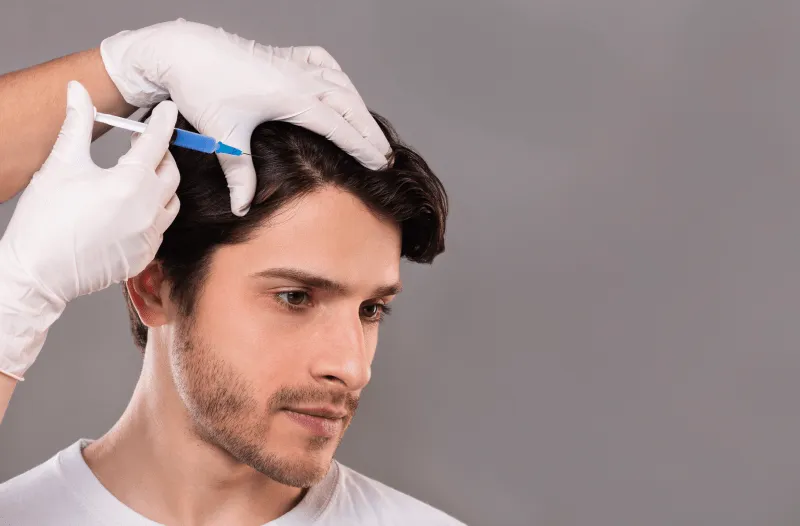
Failure in hair transplantation is usually caused by wrong planning or insufficient care after the operation. Excessive extraction of follicles from the donor area (over-harvesting), follicles losing their vitality by being kept outside for too long, or being placed at the wrong depth are the main causes of technical failure. In addition, the patient’s smoking, doing heavy sports, or not following hygiene rules after the operation also invites failure. Another important reason is the preference for professional clinics that are not professional, referred to as “under-the-counter.” Hair transplantation is a surgical procedure and should be performed in a sterile hospital environment by an expert team. A failed operation can mean not only hair loss but also irreversible damage to the donor area.
When Is A Revision Hair Transplant Necessary?
Revision hair transplant is a procedure performed to correct the results of a previously failed operation or to thicken areas whose opening has not been fully closed. If the hairline is not natural, if the transplanted hair remains very sparse, or if gap-like holes have formed in the donor area, a revision can be planned. At least 1 year should be waited for the skin to fully heal and the hair to fully come out after the first operation. Revision procedures are more difficult than the first because donor capacity has decreased and there may be old wounds on the tissue. Therefore, it is vital that the doctor to perform the revision is an expert in “correction” operations. With a correct intervention, bad appearances can be improved to a large extent and the desired aesthetic result can finally be achieved.
Why Is Turkey The World Leader In Hair Transplantation?
Turkey, especially Istanbul, has become the “capital” of the world in hair transplantation in the last decade. Several basic reasons lie behind this leadership. First is the incredibly high case experience of Turkish doctors and healthcare teams; expertise has developed very quickly in an ecosystem where thousands of transplants are performed daily. Second is the high-standard health service offered in JCI-certified, state-of-the-art hospitals. Third is the cost advantage; VIP service can be obtained at much more affordable prices compared to Europe and America. Turkey not only offers successful operations but also offers a full health tourism experience with accommodation, transfer, and tourist trip opportunities. Today, people from all over the world safely prefer Turkey.
How Does The Hair Transplant Process Work With Cure Holiday?
Cure Holiday is a leading health tourism brand that professionally plans every moment of your hair transplant journey. The process starts with the free pre-analysis performed by our expert consultants over your photos the moment you contact us. When you arrive in Turkey, we welcome you at the airport with our VIP vehicles and provide your comfort in our 5-star hotels. Your operation is carried out by our expert surgeons in a sterile hospital environment with the most modern techniques (FUE, DHI). Your first wash and maintenance sessions after the procedure are meticulously performed in our clinic. Even after you return to your country, our consultants follow your recovery process and stand by you in every question. Hair transplantation with Cure Holiday is not just an operation, but a journey of change full of confidence and pleasure.
Why Does Cure Holiday Make A Difference In Health Tourism?
The biggest difference that distinguishes Cure Holiday from others is our “patient-oriented” approach and the boutique service quality we offer. For us, every patient is special and every hair transplant is planned like a personalized work of art. We not only perform the operation but also run a transparent communication process where our patients feel safe. Every technology used is the latest innovation in the world, and our teams constantly update themselves by receiving training. In addition, by integrating the cultural richness of Turkey into your treatment process, we turn a medical procedure into a vacation comfort. With predictable, high-quality results, affordable price policy, and our unlimited support mechanism, Cure Holiday has been the address of trust in hair transplantation. Your happiness is our greatest reference.
What Are The Advantages Of Receiving Treatment With Cure Holiday?
There are numerous advantages of being treated under the umbrella of Cure Holiday. First of all, you gain access to the best hair transplant surgeons and the most modern clinics in the world. Thanks to our “all-inclusive” packages, you don’t have to think about any details from your flight ticket to accommodation, from transfer to your medications. Special translators are assigned to you so that you do not experience a language barrier. PRP sessions and special care kits that speed up recovery after the operation are part of our packages. Most importantly, your dream of reaching natural and thick hair is under the assurance of an expert institution in its field. We expect you to open a brand new and self-confident page in your life with this experience combining Turkey’s hospitality and Cure Holiday’s professionalism.
Free Consultation
Fill out the form below to get your free medical travel plan and price quote.
Sources and how to verify this yourself
- Comparative study of graft survival by donor site (scalp, beard, chest) at 12 months — roughly 89% for scalp, 95% for beard and 76% for chest hair; survival also falls the longer grafts stay outside the body. source
- Ministry of Health, Regulation on International Health Tourism and Tourist Health, Official Gazette 26 April 2025, No. 32882 — authorisation requirement for facilities and intermediaries, TÜSKA accreditation, compulsory complication insurance (deadline 31 December 2025 for insurance, 31 December 2026 for accreditation). source
- Ministry of Health, Regulation on Promotion and Information Activities in Health Services, Official Gazette 12 November 2025, No. 33075 — treatment promises and guarantees are prohibited; price and campaign announcements are permitted only within international health tourism. source