Why Is Eyebrow Transplantation Vital For Facial Aesthetics?
Eyebrows are among the most fundamental elements that form the architectural frame of the face. They do not only protect the eyes but also serve as the most powerful tool for reflecting our emotions, reactions, and character to the outside world. Eyebrows that are poorly shaped, sparse, or asymmetrical can make a person look older, more tired, or unhappier than they actually are. Eyebrow transplantation permanently eliminates this aesthetic and functional loss, providing balance, depth, and freshness to the face. Today, eyebrow transplantation is recognized not just as a beauty trend but as a medical procedure that restores an individual’s self-confidence.
How Do Eyebrows Change Facial Expression And Character Reflection?
More than 70% of our facial expression is shaped by the position and density of our eyebrows. Upward-sloping eyebrows add a more energetic and dynamic air, while low or very thin eyebrows can make a person look more melancholic. Thanks to eyebrow transplantation, the expression is completely recreated by making a design suitable for the person’s bone structure and the rules of the golden ratio. This change is not only physical but also psychological. Clarification of the expression, the gain of meaning in the gaze, and the provision of symmetry on the face help the individual exhibit a more confident stance in social relationships. A natural design highlights your character rather than overshadowing it.
What Is Eyebrow Transplantation Operation Basically And How Is It Performed?
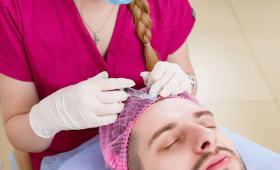
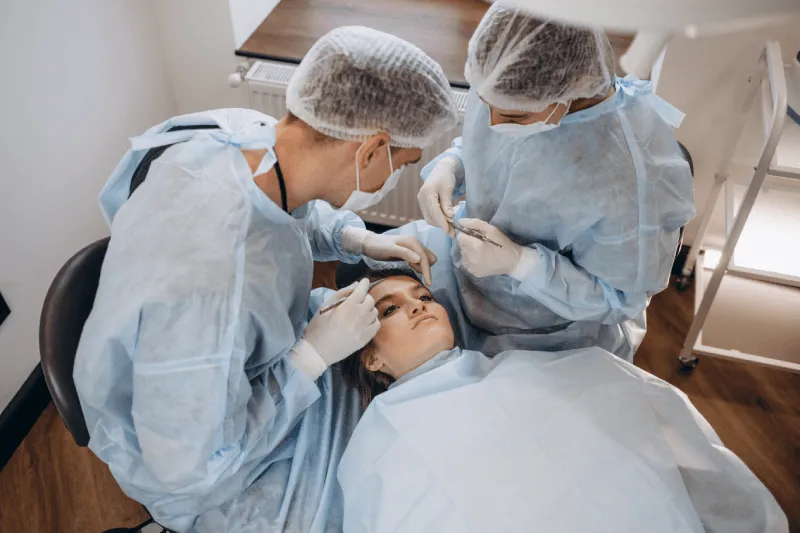
Eyebrow transplantation is the process of transferring hair follicles (grafts) resistant to shedding, usually taken from the nape area of the body, to the gaps or sparse areas in the eyebrow region. Although this procedure works with the logic of hair transplantation, it requires much more precise craftsmanship. The procedure, performed under local anesthesia, does not involve stitches or large incisions because it is carried out with microsurgical methods. The main goal is to create a permanent eyebrow structure that is compatible with the proportions of the face and has a natural growth direction. Thanks to modern technologies, the process has turned into a very comfortable journey that is completed in a short time.
Who Are The Most Suitable Candidates For Eyebrow Transplantation?
Ideal candidates for this procedure include those whose eyebrows are naturally sparse due to genetic reasons, those who experience eyebrow loss as a result of incorrect plucking (over-tweezing), and individuals whose eyebrows do not grow due to conditions such as trauma, burns, or scars. Additionally, individuals whose eyebrow form has deteriorated due to aging-related thinning or hormonal imbalances frequently apply for this method. Every adult who is in good general health, has no obstacles to the operation, and has sufficient hair follicles in the donor area can undergo eyebrow transplantation. Everyone who has realistic expectations and desires a professional change leaves this treatment with high satisfaction.
What Is The Secret To Achieving A Natural Look In Eyebrow Transplantation?
The biggest secret to a natural appearance is the angle and direction of the transplanted follicles. The inner parts of the eyebrows grow upright, the middle parts with a slight slope, and the tail parts with a horizontal angle. A transplant that cannot imitate these complex directions leads to an artificial and “grass head” appearance. Furthermore, the selected grafts must consist of single follicles; because natural eyebrow structures do not contain multiple follicles. Making the design according to the person’s facial features, eye structure, and forehead width, using “golden ratio” principles, is the most critical stage that ensures the result looks like the person’s own eyebrow.
Why Is The DHI Technique The Most Preferred Method For Eyebrow Transplantation?
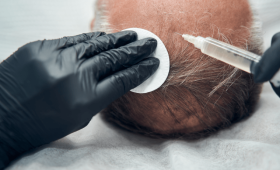
Direct Hair Implantation (DHI) is considered the gold standard for eyebrow transplantation. In this method, special “Choi” pens are used. Immediately after the grafts are taken, the channel opening and placement processes are performed simultaneously. This situation minimizes tissue trauma while maximizing the survival rate of the transplanted follicles. The DHI technique makes it easier to get between the existing hairs in the eyebrow area and allows for a much denser transplant. The shortness of the recovery period and the dense appearance it provides make this technique indispensable in eyebrow aesthetics.
In Which Situations Does The FUE Method Provide Advantages In Eyebrow Transplantation?
Although Follicular Unit Extraction (FUE) is a traditional method, it is still actively used in eyebrow transplantation. It may be preferred by some surgeons in terms of planning the channels in advance, especially in patients who need large areas filled or who experience complete eyebrow loss. In the FUE method, follicles are collected one by one with the help of micromotors. When eyebrow transplantation is concerned, this method is usually combined with the “Sapphire FUE” variation. Thanks to sapphire tips, the opened channels are smaller, which means less crusting and a faster tissue repair process.
What Should Be Considered During The Pre-Operative Preparation Process?
A successful eyebrow transplant process begins long before the operation table. It is recommended to stop blood-thinning medications, alcohol, and smoking at least one week before the surgery. Smoking can delay healing by reducing tissue oxygenation. Additionally, choosing comfortable clothes on the day of the procedure and having a light breakfast is important. Before the operation, you should inform your doctor about all the supplements you use and your chronic diseases. The absence of any infection or active acne in the eyebrow area is a prerequisite for the procedure to proceed in a sterile and safe manner.
Which Criteria Are Taken As Basis During Eyebrow Design And Planning?
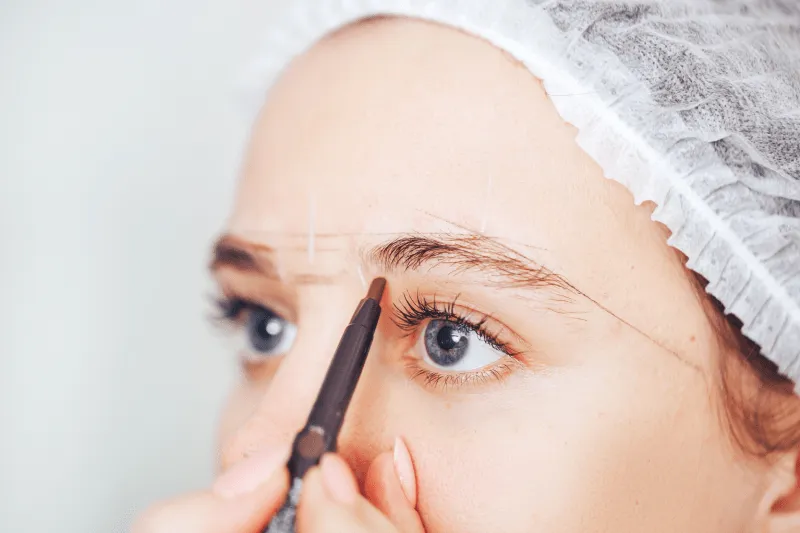
Eyebrow design must be done with the meticulousness of an artist. Experts analyze the patient’s eye structure, bone protrusions, forehead distance, and the gap between the two eyes. During design, the starting point of the eyebrow, the arch (point) point, and the end tail are determined millimetrically. A draft is drawn by blending the patient’s wishes with aesthetic truths. When an agreement is reached with the patient on this draft, the transplantation phase is started. Correct design is the fundamental key to making the face more lifted, the eyes more prominent, and the expression more balanced.
Why Is The Donor Area Selected From The Nape And How Does The Process Work?
The nape area is usually selected as the donor area for eyebrow transplantation because the hairs here are structurally the most resistant to shedding. In addition, nape hairs exhibit a character closest to eyebrow hairs in terms of thickness and structure. The process begins with shaving the area in the form of a small window from the nape or collecting follicles with the unshaven method. These follicles, taken with the help of micro-punches, are made ready for transplantation by keeping them in special solutions. The small dots in the donor area heal completely within a few days, and when the hair grows, no trace remains.
How Long Does The Eyebrow Transplantation Operation Last In Total?
Depending on the number of grafts to be transplanted, eyebrow transplantation is generally completed in a period ranging from 2 to 4 hours. This period includes the design process, anesthesia application, collection of grafts, and their transplantation. The reason it takes shorter compared to hair transplantation is that the area worked on is much smaller. However, since each follicle must be placed at the correct angle, the process requires great patience and precision. Patients can listen to music or watch television during this time, because the procedure is carried out in an extremely comfortable environment.
Is Pain Or Ache Felt During And After The Procedure?
Thanks to modern medical facilities, eyebrow transplantation is a completely painless procedure. The local anesthesia applied to the area before the operation starts ensures that you do not feel anything throughout the process. In some clinics, needle-free anesthesia techniques can also be used for patients with needle phobias. After the operation, when the effect of the anesthesia passes, there may be a slight tingling or tension sensation; however, this situation is easily controlled with simple painkillers. Most patients state that the procedure passed much more comfortably than they thought and the comfort level was high.
How Is The Local Anesthesia Process Managed And How Safe Is It?
Local anesthesia only numbs the area where the procedure will be performed, allowing the patient to remain conscious. It is an extremely safe method when applied by an expert team. The anesthetic substance is injected into the skin with very thin needles or pressurized spray methods. Within a few minutes, the area becomes completely insensitive. The vital signs of the patient are monitored throughout the operation. The risk of side effects of local anesthesia is very low compared to systemic anesthesia, which allows the patient to stand up and return to daily life as soon as the operation is over.
What Happens In The First 24 Hours After Eyebrow Transplantation?
The first 24 hours after the operation is the most critical period when the transplanted follicles begin to hold onto the tissue. In this process, the transplant area should definitely not be touched and water should not be applied. It is normal to see slight edema or redness. Sleeping on your back, as recommended by your doctor, helps prevent edema from descending to the face. On the first day, all kinds of activities involving physical contact should be avoided so that the grafts do not move. Spending this short period resting is the most important step for the follicles to provide healthy adaptation.
Which Stages Does The Recovery Process After Eyebrow Transplantation Consist Of?
The recovery process has a dynamic structure. Within the first 3-5 days, small crusts form in the transplant area. Around the 10th day, these crusts are shed thanks to special washings, and fresh, reddish skin emerges from underneath. From the 2nd week, the process called “shock loss” begins; in this stage, some of the transplanted hairs fall out but the follicles remain inside. From the 3rd month, new eyebrows begin to grow permanently. While the results become clear in the 6th month, at the end of the 1st year, the eyebrows take their final form and complete the permanent change in the facial expression.
When And How Should The First Wash Be Done Professionally?
The first wash after eyebrow transplantation is usually done 48 hours after the operation, under the supervision of the clinic or with the instructions they recommend. This wash is necessary to clean the formed blood clots and small crusts. A special lotion is kept in the transplant area for a while to ensure the crusts soften. Then, cleaning is done with non-pressurized and lukewarm water, without rubbing the fingertips, only with touch-and-pull movements. Using a hard towel is forbidden; the eyebrows should be left to dry on their own or the moisture should be taken lightly with a paper towel. Correct washing prevents the risk of infection.
How Long Does The Crusting Process In The Eyebrow Area Continue?
Crusting is a natural result of the body’s healing mechanism and usually lasts for 7 to 10 days. These crusts serve as a natural barrier protecting the transplanted follicles from the outside world. The crusts should be expected to fall off on their own; they should never be scraped with a nail or forced. If the crusts still haven’t fallen off after the 10th day, the shedding process can be accelerated with massages done with lukewarm water. When the crusts are completely shed, the new skin under your eyebrows will achieve a healthy appearance and you will be able to return to your social life without any traces left.
What Is The Shock Loss Process And Why Should You Not Be Concerned?
Shock loss is a temporary phase experienced by almost every patient who has an eyebrow transplant. Approximately 2-4 weeks after the operation, the transplanted hair shafts fall out. This situation is the resting phase that the follicles enter while adapting to their new places. Although many patients fall into the concern of “did the transplant fail?” in this stage, it is actually an indication that healing is progressing healthily. The follicles remain alive under the skin and regrow much more strongly within a few months. Being patient in this process and following your doctor’s advice is sufficient.
How Long Does It Take For Transplanted Eyebrows To Reach Their Full Form?
Eyebrow transplantation is an aesthetic journey that requires patience. Although the first permanent growths start in the 3rd month, it usually takes between 8 and 12 months for the eyebrows to reach the desired density and natural form. During this time, the hairs may initially be a bit stiffer or prone to a different direction; however, they soften over time by adapting to the sebum and skin structure on the face. At the end of 1 year, the eyebrows become an inseparable part of the face both structurally and visually. The result achieved at the end of this period is a permanent success that will stay with you for a lifetime.
Are Transplanted Eyebrows Permanent For Life And Do They Fall Out?
Yes, since the grafts used in eyebrow transplantation are taken from the nape area, which is genetically resistant to shedding, the results are permanent. These hairs maintain their original characteristics in their new places and continue to grow throughout life. Natural processes such as aging can cause very slight thinning in the eyebrows as in every human being, but the form provided by the transplant never completely disappears. Eyebrow transplantation is not a procedure that needs to be renewed every few years like tattoos or microblading, but a one-time permanent investment.
How Often Should Eyebrows Be Trimmed After Eyebrow Transplantation?
Since the transplanted hairs are of hair origin, they tend to grow faster than normal eyebrow hairs. Therefore, in the first months, you may need to trim your eyebrows once a week or every ten days with a small pair of eyebrow scissors. However, over time, it has been observed that the transplanted hairs adapt to the blood circulation and tissue characteristics in that area and the growth rate slows down. After this period called the “adaptation process,” your need to trim your eyebrows will decrease significantly. This small routine ensures that your eyebrows always look neat and well-groomed.
When Is The Use Of Makeup And Cosmetic Products Safe After Eyebrow Transplantation?
At least 3-4 weeks should be waited after the operation for the transplant area to heal completely and for the pores to close. In the first month, using eyebrow pencils, eyebrow shadows, or fixing gels should be avoided; because the chemicals in these products can damage the follicles or lead to infection. At the end of one month, when there is no sensitivity left in your skin, you can start applying makeup. However, since natural results will already eliminate the need for makeup, many patients prefer to say goodbye to cosmetic products after this process.
How Long Should One Stay Away From Activities Such As Sports, Pool, And Sea?
Since sweating can increase the risk of infection and make it difficult for the grafts to hold, heavy exercises should be avoided for the first 2 weeks. Pool and sea water can lead to irritation in the transplant area due to the chlorine and salt they contain; therefore, such activities should be postponed for at least 1 month. In addition, protecting the eyebrow area against the harmful UV rays of the sun for the first few months is important for preventing color changes and tissue damage. Using a wide-brimmed hat when going outside is one of the best protection methods during the recovery process.
What Are The Possible Risks And Side Effects Of Eyebrow Transplantation?
Like every surgical procedure, eyebrow transplantation has some risks, but these are minimized in expert hands. Temporary swelling, slight bruising, itching, and redness are the most common side effects and pass spontaneously within a few days. In rare cases, problems such as infection or the follicles not growing at the desired angle may be experienced. To prevent such risks, it is vital that the application is performed in a sterile environment by an experienced team and that the post-operative care instructions are strictly followed. The rate of complications in a correctly planned operation is quite low.
What Are The Differences Between Eyebrow Transplantation And Microblading?
Microblading is a semi-permanent tattoo process performed by injecting dye under the skin and usually fades within 1-2 years, and its color can change (can turn red or gray). Eyebrow transplantation, on the other hand, is the transplant of live hair follicles and is permanent for life. While microblading offers a two-dimensional image, eyebrow transplantation provides a three-dimensional, touchable, and natural volume with real hairs. In addition, there is no risk of allergy since no foreign substance (dye) is used in eyebrow transplantation. For those looking for real change and naturalness, eyebrow transplantation is an unrivaled option.
Why Should Eyebrow Transplantation Be Preferred Over Tattoos Or Permanent Makeup?
Tattoo or permanent makeup methods take on an artificial appearance over time and disrupt the natural texture of the skin. Dyes can scatter over time, creating an undesirable aesthetic image. Eyebrow transplantation, on the other hand, is completely natural because it uses your body’s own tissue. Transplanted eyebrows grow, can be combed, and can be shaped; that is, it is a living tissue. When viewed in terms of long-term cost, unlike temporary methods that need to be renewed constantly, eyebrow transplantation offers a solution that will last for a lifetime with a one-time expenditure.
Why Are The Direction And Angle Of Transplanted Eyebrows The Heart Of The Operation?
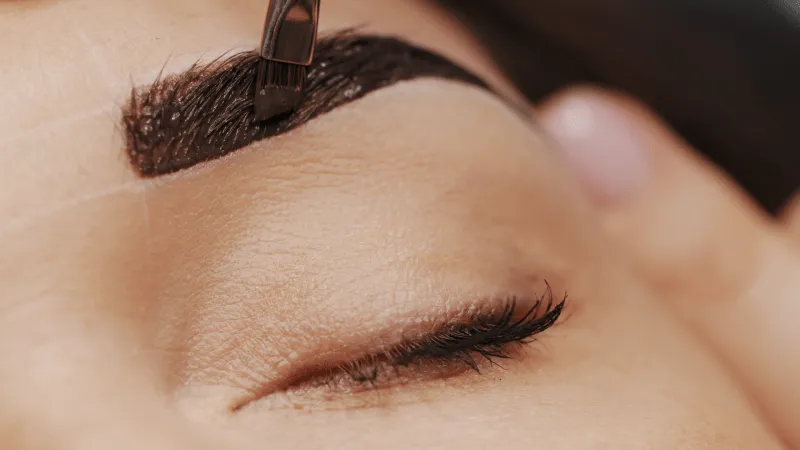
Eyebrows are the area with the most complex hair exit angle in the body. Eyebrows transplanted at the wrong angle grow outwards vertically, causing an unaesthetic image. An expert surgeon ensures that each hair is placed almost parallel to the horizontal plane (at angles of approximately 10-15 degrees) while opening the channels. This guarantees that the eyebrow grows adjacent to the skin and in a natural form. The stage of determining the direction is the greatest proof that the process requires not only technical skill but also an artistic vision.
Do Eyebrow Transplantation Results Meet Aesthetic Expectations In Women?
For women, eyebrows are the symbol of beauty and youth. Eyebrow transplantation gives excellent results in women, especially in bringing back “resented” eyebrows and creating a curved, elegant form. Thanks to transplanted eyebrows, women are saved from the trouble of filling their eyebrows every morning and have prominent, attractive facial features even when they are without makeup. When planned correctly, the results are so natural that it is not noticed by the surroundings that the person has undergone an aesthetic intervention; only a general perception of beautification and rejuvenation is formed.
Is Eyebrow Transplantation Suitable For Men And How Does It Look?
Eyebrow transplantation is a very popular procedure among men as well. It is usually preferred in men due to post-traumatic losses or genetic thinnings. Male eyebrow design is made in a flatter and thicker form compared to women. The aim is to strengthen the masculine expression and add a more charismatic air to the face. The natural appearance of transplanted eyebrows in men is much more critical because their chances of camouflaging with makeup are lower. With a professional application, male patients achieve results that are not noticed but strengthen the expression.
Which Special Products Should Be Used In Care After Eyebrow Transplantation?
In the first days after the operation, special antibiotic creams and moisturizing lotions usually provided by the clinic are used. In the crusting stage, pH-balanced shampoos that do not contain parabens and sulfates should be preferred to soften the skin. After recovery is complete, natural oils containing vitamin E or doctor-approved eyebrow serums can be used to support the faster and healthier growth of eyebrows. However, the most important “product” is high-factor sunscreens that protect the skin from the sun. Correct care products directly increase the efficiency of the transplanted follicles.
Can Eyebrow Transplantation Be Performed On Areas With Burns Or Scars?
Yes, eyebrow transplantation can be successfully applied in tissues with burns or scars as long as blood circulation is present. Such scar tissues usually do not allow hair growth, which causes asymmetry in the person’s face. Eyebrow transplantation is the most effective method for camouflaging this area. In transplants performed on scar tissue, sometimes the graft holding rate may be a bit lower compared to normal tissue; in this case, a second tightening session can be planned with your doctor’s recommendation. This process provides a serious psychological rehabilitation for patients experiencing trauma.
Based On Which Factors Do Eyebrow Transplantation Prices Vary?
Eyebrow transplantation prices are determined according to the experience of the specialist who will perform the operation, the technology used (DHI, Sapphire FUE, etc.), the number of grafts to be transplanted, and the equipment of the clinic. Every patient’s need is different; some only want a small gap filled, while some demand a completely new eyebrow structure. While researching prices, instead of focusing only on cost, it is more correct to look at the results of previously performed operations and the sterilization standards of the clinic. It should not be forgotten that the change in your face is permanent and a quality service is an investment made in your future.
Which Criteria Should Be Considered When Choosing The Right Clinic?
Clinic selection constitutes half of the success of the operation. First, you should check the legal competencies and hygiene certificates of the clinic. The expertise of the doctor who will perform the operation in eyebrow transplantation and the before-after photos will guide you. In addition, reviews made by patients and the after-sales support offered are of great importance. Professional institutions that offer you realistic expectations, explain the entire process before and after the operation in detail, and make you feel safe should always be your first choice.
How Does Eyebrow Transplantation Operation Affect A Person’s Self-Confidence?
There is a direct link between physical appearance and psychological well-being. Individuals who see themselves as unhappy in the mirror due to deficiencies in their eyebrows or who constantly have to paint their eyebrows may avoid social environments. The natural and aesthetic appearance gained after eyebrow transplantation ensures that the person feels more attractive and younger. This new self-confidence reflects positively on every area of life, from business life to bilateral relationships. The person can direct their gaze with confidence, without feeling the need to hide, and can look at life more with a smile.
Why Is Cure Holiday The Number One Choice In The World In The Field Of Eyebrow Transplantation?
Cure Holiday is a global excellence center in the field of aesthetic surgery and health tourism. In procedures requiring high precision such as eyebrow transplantation, it works with world-renowned surgeons using the latest DHI technologies. What makes Cure Holiday different is seeing every patient as a special art project and its personalized design vision. With the experience brought by thousands of successful operations, the natural appearance guarantee and the approaches that keep the comfort of the patients at the highest level have made Cure Holiday a safe harbor for thousands of patients worldwide.
How Are The Treatment Process And Travel Plan Organized With Cure Holiday?
From the moment you contact Cure Holiday, you find yourself in a family environment. Before your treatment process begins, your needs are determined with an online consultation. From the moment you step into Turkey, everything is planned for you with VIP transfer services, luxury accommodation options, and professional translator support. All you have to do is experience the excitement of achieving your new look. Your follow-up after treatment is also meticulously maintained by Cure Holiday’s expert team, so you are not left alone even when you return to your country.
Which Special Advantages Does Cure Holiday Offer You During The Treatment Process?
Cure Holiday promises not just a medical operation, but a “transformation holiday.” With special packages that allow you to receive the highest quality service at the most affordable prices, you experience the peace of being treated in top-level clinics while protecting your budget. Thanks to the transparent price policy, you do not encounter an additional fee later. Additionally, the consultancy service you can reach 24/7 after the operation, the most modern anesthesia techniques, and the fastest recovery protocols are the standards offered to you by Cure Holiday. Trust, comfort, and perfect results are the indispensable principles of Cure Holiday.
Why Should You Contact Cure Holiday Immediately For A Tremendous Change?
You don’t need to wait any longer to change your life and expression. It is now very easy with Cure Holiday to have natural and impressive eyebrows that you will feel happy about every time you look in the mirror. Our professional team is a phone call away to answer your questions and create the most suitable treatment plan for you. Remember, the correct eyebrow structure is not just an aesthetic intervention, but a touch that revitalizes your mood and social life. Contact Cure Holiday today and start experiencing the privilege of permanent beauty and professional care!
Free Consultation
Fill out the form below to get your free medical travel plan and price quote.
Sources and how to verify this yourself
- Comparative study of graft survival by donor site (scalp, beard, chest) at 12 months — roughly 89% for scalp, 95% for beard and 76% for chest hair; survival also falls the longer grafts stay outside the body. source
- Ministry of Health, Regulation on International Health Tourism and Tourist Health, Official Gazette 26 April 2025, No. 32882 — authorisation requirement for facilities and intermediaries, TÜSKA accreditation, compulsory complication insurance (deadline 31 December 2025 for insurance, 31 December 2026 for accreditation). source
- Ministry of Health, Regulation on Promotion and Information Activities in Health Services, Official Gazette 12 November 2025, No. 33075 — treatment promises and guarantees are prohibited; price and campaign announcements are permitted only within international health tourism. source