
Maintaining a healthy life is directly related not only to what you eat but also to how much you eat. In today’s modern world, the massive sizes of packaged foods and the “super-size” options offered by restaurants have caused us to forget what a real portion truly is. Portion control is the most effective way to prevent unnecessary calorie intake while providing the energy the body needs. However, this process is not just a simple reduction; it is also a process of fundamental mental change and acquiring new habits. In this guide, we will examine in depth how you can transform your eating habits using scientific and sustainable methods.
What Is Portion Control And Why Is It So Critical?
Portion control is the process of consciously adjusting the amount of food consumed in a meal and limiting it according to the body’s actual energy needs. In the modern diet, portions have become much larger than the body’s biological requirements. This situation leads to the consumption of more calories than needed without realizing it, causing chronic problems such as obesity, diabetes, and heart disease over time. Learning portion control allows you to keep your energy in balance without fatiguing your metabolism. When you eat the right amount, the feeling of heaviness that occurs after a meal is replaced by vitality, and controlling your weight ceases to be a struggle and becomes a natural process.
Do You Know The Difference Between A Portion And A Serving Size?
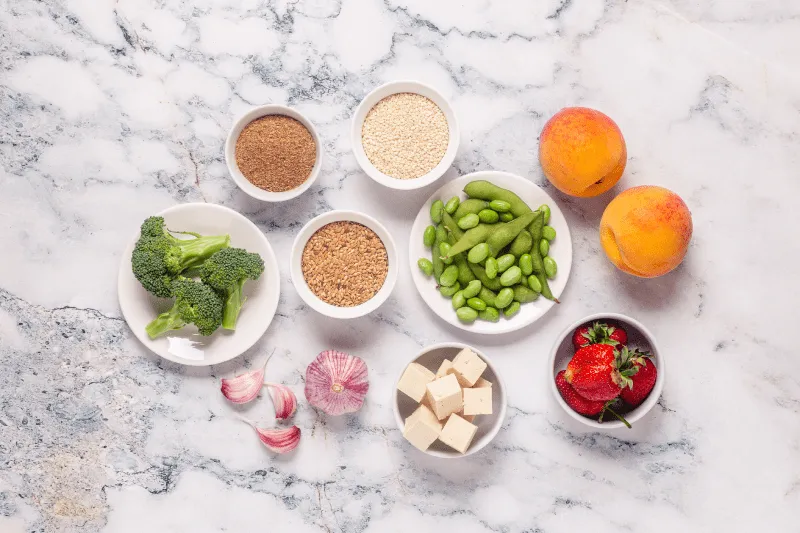
Although most people use the terms “portion” and “serving size” interchangeably, there are large technical and practical differences between them. A serving size is the amount specified on food labels based on a standard measure; for example, it might say “1 serving is 2 pieces” on a biscuit package. A portion, on the other hand, is the amount you put on your plate and consume at that moment. Often, the portions people consume can be two or three times the recommended serving size. Understanding this difference allows you to read food labels correctly and realize how many “servings” the food on your plate actually contains. Clarifying this distinction for a conscious nutrition strategy helps prevent one of the most common mistakes made when tracking calories.
Why Don’t Eating Habits Change Overnight?
The human brain is programmed to save energy through habits. The eating patterns you have followed for years have created deep neural pathways in your brain. Expecting to change your entire diet by waking up one morning is biologically quite difficult and usually ends in failure. For habits to change, the “cue, routine, and reward” mechanism needs to be restructured. Although reducing portions initially creates a sense of deprivation, your brain will adapt to this new order with a patient and consistent approach. Starting with small steps gives much more permanent results than large and sudden prohibitions. Remember that nutrition is a marathon; focusing on long-term behavioral changes instead of short-term diets is the key to success.
What Is The Effect Of Plate Size On Appetite?
According to a visual phenomenon known as the “Delboeuf Illusion,” a normal amount of food placed on a large plate looks very small to the eye. This situation causes the brain to send “I’m hungrier” signals. Conversely, when you put the same amount of food on a smaller plate, your brain perceives the satiety signal faster because the plate looks full. Research shows that reducing the plate diameter by just a few centimeters can reduce the calorie intake per meal by up to 20%. This simple but effective psychological trick allows you to practice portion control without straining your willpower. Replacing massive serving plates in the kitchen with small dinner plates can be one of the easiest victories in your healthy living journey.
How Do Visual Cues Affect The Feeling Of Fullness?
The feeling of fullness is not only about your stomach being physically full; the sense of sight also plays a critical role in this process. Our brain prepares the appetite and metabolic response by seeing how large the food is. If there is too much empty space on your plate or if the food is scattered, it can be harder to realize you are full. Arranging the food on the plate in an aesthetic and full-looking way allows you to be psychologically satisfied despite reducing portions. Additionally, instead of eating directly from the package, always pouring the food onto a plate allows you to clearly see how much you are consuming. The lack of visual feedback is one of the biggest triggers for “mindless eating” and makes portion control impossible.
How Does Drinking Water Help With Portion Control?
Our bodies can often confuse thirst signals with hunger signals. Many people find themselves snacking when they are actually thirsty. Drinking one or two glasses of water about 20-30 minutes before meals helps you feel full sooner by creating volume in your stomach. Additionally, water contributes to speeding up the metabolism and ensuring the digestive system works more efficiently. Clinical studies have proven that individuals who adopt the habit of drinking water before meals consume fewer calories per meal than those who do not. Drinking water not only provides hydration but also acts as a natural appetite suppressant that curbs the urge to eat. This simple routine is one of the most natural ways to make portion management effortless.
What Are The Biological Benefits Of Eating Slowly?
It takes about 15 to 20 minutes for the signal of “I’m full” to travel from your stomach to your brain. If you eat very fast, you consume much more than your body needs before your brain realizes you are satisfied. Eating slowly and savoring every bite while chewing thoroughly ensures that digestive enzymes are secreted more effectively. In this process, the satiety hormone leptin levels rise while the hunger hormone ghrelin decreases. Viewing a meal as an experience rather than a race is the cornerstone of portion control. Putting the fork down between setiap bite or taking a sip of water prolongs the eating time, helping biological satiety signals to activate in time.
Does A Protein-Rich Diet Extend The Duration Of Satiety?
Proteins have the highest satiety value compared to carbohydrates and fats. Including a sufficient amount of high-quality protein (eggs, chicken, fish, legumes, etc.) in a meal ensures that the feeling of fullness lasts longer. Proteins encourage the secretion of satiety hormones like peptide YY while preventing sudden spikes and drops in blood sugar. This prevents sudden hunger crises that may occur between meals and the need for unnecessary snacks. When practicing portion control, instead of just reducing the quantity, optimizing the protein ratio on your plate helps you create a calorie deficit without feeling hungry. Protein is the most important macronutrient that supports fat burning while preserving muscle mass.
Why Are Fibrous Foods Key In Portion Management?
Fibrous foods, especially vegetables, whole grains, and fruits, gain volume by combining with water in the stomach and form a kind of gel consistency. This situation slows down the stomach’s emptying rate, allowing the person to feel full for a much longer time. The calorie density of fibrous foods is generally low; this means that although you fill your plate with a large portion of vegetables, you take in very few calories. Implementing a “volumetrics” strategy in portion control is possible thanks to fibrous foods. By filling half of your plate with non-starchy vegetables, you both satisfy yourself visually and be supported by the feeling of fullness provided by fibers, leading you to consume less of other high-calorie foods.
How To Distinguish Between Emotional Eating And Real Hunger?
Many nutritional mistakes stem not from physical hunger but from emotional states such as stress, boredom, or sadness. Physical hunger develops slowly, is felt in the stomach, and is open to different food options. Emotional hunger, on the other hand, appears suddenly and is usually an intense craving for a specific food (usually sugary or fatty). When emotional hunger is felt, portion control is almost impossible because the goal is to feed the mind, not the stomach. To distinguish this, you can perform the “apple test”: if you are not hungry enough to eat an apple at that moment, your hunger is probably emotional. Developing alternatives like going for a walk or meditating instead of turning to food to cope with emotions fundamentally changes eating habits.
How Does Kitchen Organization Shape Eating Habits?
The principle “out of sight, out of mind” also applies to the kitchen. Cookie jars sitting on the counter or chips packages in visible places create constant visual triggers, encouraging unnecessary eating. Research shows that people who put healthy foods (like a fruit basket) in visible places and hide unhealthy snacks in closed cabinets eat more balanced diets. Additionally, preparing portions in the kitchen and bringing the plate to the table instead of sharing food directly from the pot or serving plate on the table reduces the likelihood of taking a second portion. Organizing your kitchen to facilitate portion control allows you to make the right choices without needing to use your willpower.
How Are Portions Managed When Eating Out?
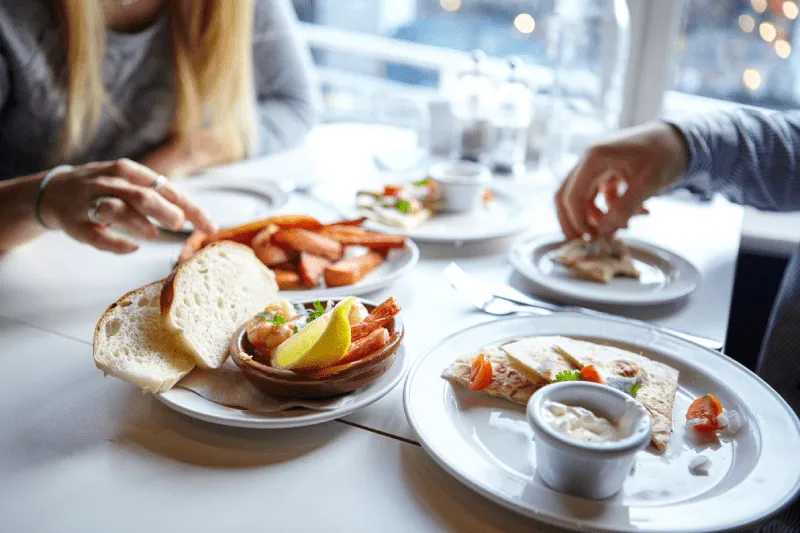
Restaurant portions are usually 2 to 4 times larger than the average person’s needs. There are several ways to stay in control when eating out. Reviewing the menu before ordering and determining a healthy option makes it easier to decide when the waiter arrives. Asking for half of your meal to be packed immediately when it arrives at the table or sharing a main course with a friend are great strategies. Additionally, ordering a soup and a starter salad instead of a main course helps keep portions limited. Learning to stop the moment you are full, without feeling the “finish what’s on your plate” pressure, transforms your social life outside into a healthy habit.
How Does Label Reading Skill Improve Nutrition?
The nutritional values table on food packages is one of the most valuable tools for portion control. It is very important to pay attention to the difference between “values per 100 grams” and “values per serving.” Often, a small-looking package may actually contain 3 or 4 servings. Avoiding products containing sugar, trans fat, and high sodium in the ingredients list allows you to manage quality as well as quantity. When practicing portion control, the content of the calories you take is also important; the effect of 100 calories of broccoli and 100 calories of a biscuit on your body is completely different. Making label reading a habit ensures you are a conscious consumer during grocery shopping and protects you from hidden calories.
What Is The Effect Of Eating Breakfast On All-Day Portion Control?
The saying “breakfast is the most important meal of the day” is based on a biological fact in terms of portion management. Starting the day with a balanced and protein-rich breakfast balances blood sugar and prevents you from getting overly hungry during the rest of the day. It has been observed that individuals who skip breakfast lose control during lunch and dinner and consume much larger portions. When the body does not receive energy in the morning, it turns to higher-calorie and fast-energy-providing foods later in the day to compensate. Consuming a small but nutritious meal in the morning awakens your metabolism and helps your appetite control mechanisms function more healthily throughout the day.
What Is The Connection Between Sleep Patterns And Hunger Hormones?
Insufficient sleep disrupts the balance of hormones that manage the body’s hunger and satiety signals. When you are sleep-deprived, the ghrelin hormone, which increases the feeling of hunger, rises, while the leptin hormone, which gives a feeling of fullness, drops. This situation makes it biologically impossible to practice portion control the next day; your brain constantly wants high-energy (sugary and fatty) foods. Sleeping for 7-8 hours of quality sleep daily not only allows you to rest but also enables your willpower centers that manage your nutritional decisions to work more healthily. In the process of weight loss and habit change, sleep is a pillar as critical as nutrition and exercise.
How To Make Snacking Habits Healthy?
Portion control applies not only to main meals but also to snacks between meals. The most important rule is to put as much as you will eat into a bowl instead of eating directly from the package. Pre-portioning snacks into small refrigerator bags or containers prevents the desire to eat “one more handful.” Additionally, when choosing snacks, it is necessary to turn to natural options like nuts, fruits, or yogurt instead of processed foods. Remember that even if they are healthy, portion control is essential for calorie-dense foods like nuts. Snacking should be seen not as an activity, but as a small refueling to appease hunger.
How To Measure Portions Using Hand Estimates?
You cannot always carry a kitchen scale with you, but your hands are always with you. The hand estimation method is a very practical and effective guide for portion control. As a general rule: consuming protein (meat, chicken, fish) the size of your palm, vegetables the size of your fist, carbohydrates (rice, pasta) that fit in the hollow of your palm, and healthy fats the size of your thumb is an ideal balance. This method helps you determine portions proportionate to your body size because usually, people with larger hands also have higher energy needs. Using hand measurements allows you to quickly analyze your plate while eating out or at a gathering.
Does Keeping A Food Diary Increase Awareness?
The biggest obstacle in portion control is our tendency to estimate how much we eat as less than it actually is. Noting down everything you eat (including bites, drinks, and snacks) for a few days allows you to see the “blind spots” in your eating habits. Keeping a food diary is a self-awareness tool that helps you understand in which situations you eat more, at what times you get hungry, and which foods keep you fuller. You can use digital applications or a simple notebook. Research shows that people who regularly record what they eat lose much more weight and maintain that weight compared to those who do not. Data is the strongest evidence for change.
How Is Portion Control Achieved In Social Environments?
Weddings, birthdays, or friend gatherings are often the moments when portion control is most difficult. The “insistence” culture and wide variety can strain willpower. Having a light snack (like an apple or a handful of nuts) before entering a social environment prevents you from approaching the treats there with aggressive hunger. Preparing a single plate instead of a buffet during the event and filling most of the plate with salads is a smart strategy. Additionally, shifting your focus from food to conversation and spending time with people allows you to consume what’s on your plate more slowly. Give yourself permission to say “no”; your health is more important than others’ insistence.
What Are The Hidden Dangers Of Sugary Drinks In Portion Control?
Calories from drinks are not perceived by our brain in the same way as calories from food. Since liquid calories do not require chewing, they do not fill the stomach as much as food and do not trigger satiety signals. A glass of soda or ready-made fruit juice causes you to consume dozens of cubes of sugar without realizing it, which triggers insulin resistance and leads to more hunger. When practicing portion control, you should look at your glass as well as your plate. Turning to drinks like water, plain sparkling water, herbal teas, or sugar-free coffee significantly reduces your daily calorie intake. Choosing to “eat” your calories instead of “drinking” them is much more efficient for satiety management.
What Is The Role Of Healthy Fats On The Feeling Of Fullness?
Although fats contain the highest calories per gram, they are of vital importance in the formation of the feeling of fullness because they delay the stomach’s emptying time. A completely fat-free diet can cause you to feel constantly hungry and fail at portion control. What matters is choosing the right amount and type of fat. Healthy fats like olive oil, avocado, raw nuts, and fish oils support hormones that send satiety messages to your brain. A teaspoon of olive oil added to your salad or a quarter of an avocado added to your meal increases the flavor of the food while helping you feel full with less food. Learn to use fat as a tool for portion control instead of fearing it.
What Are The Ways To Deal With Sweet Cravings?
Sweet cravings usually stem from blood sugar fluctuations or emotional gaps. Instead of completely removing sweets from your life when practicing portion control, turning to healthier alternatives increases sustainability. A piece of dark chocolate or a fruit plate with cinnamon allows you to meet the sugar need in a portioned way. Consuming sweets right after a main meal ensures a more balanced rise in blood sugar. If you eat the sweet alone like a meal, you may trigger the desire to eat more. Remember, portion control is not restriction but balance; you can prevent psychological fatigue by giving yourself small rewards.
Why Is The Meal Prep Process Important?
It is hard to make healthy decisions when you are hungry and tired. If you don’t have a meal ready when you come home from work, you usually turn to the fastest and largest portioned (usually unhealthy) option. Doing weekly meal prep allows you to pre-determine portions and take control. Cooking your meals in advance and putting them in portioned storage containers not only saves time but also eliminates indecision about how much to put on your plate. Being prepared reduces the need for willpower. You determine the amount of salt, oil, and portion in the meals you prepare yourself, which protects you from the uncertainty of outside foods.
How Does Alcohol Consumption Sabotage Portion Control?
Alcohol has a two-layered negative effect on portion control. First, alcohol itself is a source of “empty calories” and temporarily stops fat burning. Its second and more dangerous effect is that it weakens judgment and self-control mechanisms in the brain. After a few glasses of alcohol, your resistance to high-calorie snacks or large portions that you would normally say no to decreases. The “appetizers with alcohol” culture can lead to thousands of extra calories being taken in one evening. If you are going to consume alcohol, drinking plenty of water with it and pre-determining healthy snacks with portion control is of strategic importance.
Why Do We Eat More When There Are Distractions?
Eating while watching television, at the computer, or dealing with a phone is the most common form of “mindless eating” behavior. When your brain is focused on another task, it is delayed in perceiving the satiety signals coming from your stomach. Research shows that those who eat in front of a screen consume 15% to 25% more calories. Making eating a separate ritual, focusing only on the meal, and feeling the texture and smell of every bite increases awareness. Sitting at the dining table away from distractions makes portion control a natural reflex.
Does Increasing The Number Of Chews Help With Weight Loss?
Yes, chewing not only facilitates digestion but also strengthens the signals going to the satiety centers in the brain. Chewing bites more prolongs the eating time, which provides the necessary time for the secretion of the leptin hormone (satiety hormone). Additionally, the mechanical breakdown of food allows nutrients to be better absorbed in the intestines and the metabolism to work more efficiently. Aiming to chew every bite at least 20-30 times allows you to be more satisfied with less food. This simple physiological action is one of the most effective and free tools for portion control.
Is Using A Kitchen Scale Necessary?
Initially, yes. Most people misestimate portion sizes by 30-50%. Using a kitchen scale until you learn what a tablespoon of oil or 100 grams of meat looks like visually is a great training tool. Using a scale should not become an obsession; on the contrary, it should be seen as a guide to train your eye. After weighing your portions for a few weeks, you can now estimate what is how much by looking much more accurately. This process increases your “portion literacy,” allowing you to make more conscious choices for the rest of your life.
What Is The Relationship Between Stress Management And Eating Habits?
Chronic stress causes the cortisol hormone to rise in the body. Cortisol not only increases fat storage in the abdominal area but also triggers the appetite for high-calorie “comfort foods.” Practicing portion control while under stress is like fighting a biological war. Therefore, changing eating habits is not only about changing what’s on the plate but also about managing stress. Regular exercise, deep breathing exercises, or engaging in hobbies reduce stress-related eating attacks. When your mind is calm, your capacity to control your portions and make healthy choices also increases.
How To Break Eating Habits Coming From Childhood?
For many adults, the difficulty of portion control stems from cultural messages taught in childhood, such as “finish your plate.” These messages teach eating based on external cues (emptying the plate) instead of satiety signals. To break these habits, you first need to realize these thought patterns. You must accept that leaving food on your plate when you are full is not a “sin” or “waste,” but a sign of respect for your body. Storing leftover food for the next meal instead of throwing it away both prevents waste and facilitates portion control. It is possible to replace the conditioning of the past with the awareness of today.
How To Create A Sustainable Nutrition Plan?
Portion control should be a “lifestyle,” not a “punishment.” Very strict rules and constant feelings of hunger are not sustainable. A successful plan should adopt an 80% healthy and controlled, 20% more flexible approach. Including the foods you love in your diet by reducing their portions eliminates the sense of deprivation. Be kind to yourself throughout the process; missing a portion in one meal is not the end of the world, what matters is returning to balance in the next meal. Sustainability is born from flexibility and consistency, not perfectionism.
How To Stay Loyal To Habits When Motivation Drops?
Motivation is fleeting, but discipline and systems are permanent. On days when your motivation for portion control drops, remind yourself why you started. Note down your health goals (being more energetic, fitting into the clothes you love, living longer). Also, establish systems to facilitate portion control (like using pre-portioned containers, small plates). Instead of focusing on a large goal, focus on getting through the day by saying “I will manage my portions today.” As small successes accumulate, your self-confidence will increase, and this new way of eating will cease to be an effort and become a part of your identity.
How Are Portions Balanced With The Plate Modeling Technique?
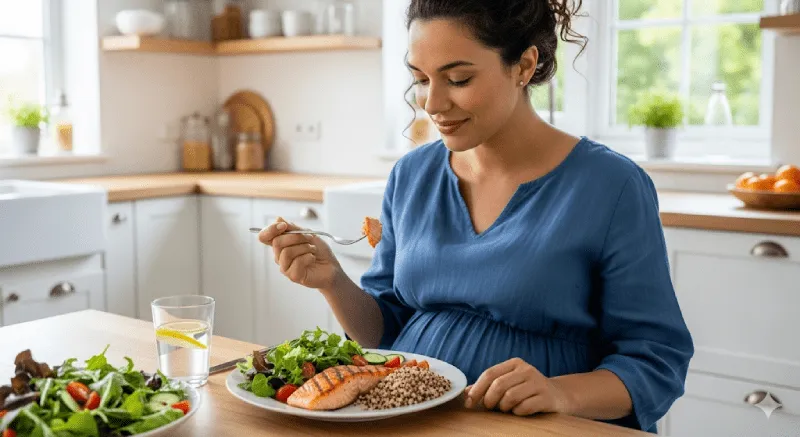
The simplest visual method of portion control is to divide the plate into sections. Fill half of your plate with non-starchy vegetables (greens, broccoli, zucchini, etc.). Divide the remaining half; fill one side with quality proteins (chicken, fish, legumes) and the other side with complex carbohydrates (whole grains, buckwheat, sweet potatoes). This “plate model” helps you maintain macronutrient balance and control portions without needing to count calories. Thanks to the volume provided by vegetables, your plate looks full, and your feeling of fullness is supported by high fiber content. This method is the most practical way to create a balanced nutrition profile in every meal.
Does The Use Of Spices Support The Feeling Of Fullness?
Spices not only add flavor to the meal but are also secret allies in portion control. In particular, it has been scientifically shown that the capsaicin substance found in hot peppers reduces appetite and slightly speeds up metabolism. Additionally, rich-flavored and spiced meals are sensorially more satisfying; this allows you to be satisfied with less food. Cinnamon prevents sweet cravings by balancing blood sugar, while ginger supports digestion and increases the feeling of fullness. Flavoring your meals with spices instead of salt and oil reduces calorie intake while maximizing the enjoyment you get from the meal.
How Does Dinner Time Affect Eating Habits?
Eating late at night is a factor that makes portion control difficult. The body’s circadian rhythm causes metabolism to slow down and insulin sensitivity to decrease in the evening hours. Additionally, night eating attacks are usually emotional or boredom-driven and carry a tendency toward high-calorie foods. Completing dinner at least 3-4 hours before bedtime ensures that the body finishes the digestion process before going to sleep. It has been observed that individuals who adopt the habit of eating early have a more balanced morning appetite and that portion control is more easily achieved throughout the day.
Is There A Link Between Seasonal Nutrition And Portion Control?
Fruits and vegetables grown in season are in their richest period in terms of nutritional values. Eating fresh and delicious foods allows the body to more easily get the micronutrients (vitamins and minerals) it needs. When the body receives sufficient nutrition, hunger signals become more stable. For example, vegetables like cucumber and tomato, which contain plenty of water in summer, increase the portion volume while providing low calories; in winter, root vegetables offer a more intense feeling of fullness. Harmonizing with nature’s cycle reduces the need for artificial and processed foods, transforming portion management into a natural process.
When Is Professional Support Necessary For Portion Control?
If you are struggling to change your eating habits on your own, if you have a chronic eating disorder, or if your weight problem seriously threatens your health, seeking professional support is the right step. A dietitian can prepare special portion plans for you; a psychologist can help you solve the underlying causes of your emotional eating habits. In some cases, surgical or medical interventions provide a new beginning by making portion control physically mandatory. What matters is knowing that you are not alone in this journey and consulting expert opinion when necessary to secure your health.
What Does The Health Tourism Experience With Cure Holiday Add To You?
If you need a radical transformation regarding portion control and changing eating habits, Cure Holiday offers you a world-class health tourism experience. As one of Turkey’s leading health platforms, Cure Holiday connects you with the best experts in fields such as obesity surgery, gastric balloon, or nutritional counseling. By combining your treatment process with a comfortable vacation, it allows you to experience both physical and mental renewal. Cure Holiday provides not only a treatment but also all the professional support and logistical convenience necessary for you to gain a new lifestyle.
Which Modern Treatment Options Does Cure Holiday Offer?
Treatments offered within Cure Holiday include modern medical methods that physically facilitate portion control. A wide range is offered, from stomach reduction (sleeve gastrectomy) operations to non-surgical applications like gastric balloon and stomach botox. These procedures create a loss of volume in the stomach, allowing the person to naturally eat less and reach satiety quickly. Carried out by expert surgeons in modern hospital conditions, these procedures offer a permanent and effective solution for individuals who have difficulty changing their eating habits. Each treatment is meticulously planned according to the patient’s individual needs and health history.
How To Reach Cure Holiday Experts For Permanent Change?
Opening a new page in your life and radically changing your eating habits with professional support is now very easy. You can contact experts through the Cure Holiday website and determine the most suitable treatment plan for you by receiving a free pre-consultation. With “all-inclusive” packages covering transportation, accommodation, and post-treatment follow-up processes, you progress safely through every step of your health journey. Take advantage of the professional guidance offered by Cure Holiday to turn portion control from a nightmare into a natural part of a healthy life. Remember, change begins with a step, and taking that step with the right experts leads you to success.
Portion control and changing eating habits is not a destination, but a lifelong journey. The information and strategies in this guide will light your way on this path. If you want to accelerate this transformation and rebuild your life with medical support, Cure Holiday is always with you. Act now, take control of your plate and your life!
Free Consultation
Fill out the form below to get your free medical travel plan and price quote.
Sources and how to verify this yourself
- Eisenberg D, et al. 2022 ASMBS and IFSO Indications for Metabolic and Bariatric Surgery. — surgery is recommended at BMI ≥35 regardless of co-morbidity, and considered at BMI 30–34.9 with metabolic disease (lower thresholds for Asian populations). source
- Ministry of Health, Regulation on International Health Tourism and Tourist Health, Official Gazette 26 April 2025, No. 32882 — authorisation requirement for facilities and intermediaries, TÜSKA accreditation, compulsory complication insurance (deadline 31 December 2025 for insurance, 31 December 2026 for accreditation). source
- Ministry of Health, Regulation on Promotion and Information Activities in Health Services, Official Gazette 12 November 2025, No. 33075 — treatment promises and guarantees are prohibited; price and campaign announcements are permitted only within international health tourism. source