Why Is Choosing The Right Hair Transplant Method Crucial For Your Results?
Deciding between various hair restoration techniques is perhaps the most significant step in your journey toward regaining a full head of hair. The choice between Follicular Unit Extraction (FUE) and Direct Hair Implantation (DHI) dictates not only the surgical process but also the final density, the naturalness of the hairline, and the speed of your recovery. A well-informed decision ensures that your expectations align with clinical realities, preventing disappointment and ensuring that the donor hair—which is a finite resource—is utilized with maximum efficiency. Modern hair transplantation has evolved into a highly specialized field where one size does not fit all, making it essential to understand how each method interacts with your specific scalp condition and aesthetic goals.
What Is The Fundamental Concept Behind FUE Hair Transplantation?
Follicular Unit Extraction, commonly known as FUE, is a revolutionary technique that moved the industry away from the old “strip” method (FUT). In FUE, individual hair follicles are extracted directly from the donor area, typically the back and sides of the head, using a specialized micro-punch tool. These follicles are then kept in a nutrient-rich solution while the surgeon manually creates tiny channels or incisions in the recipient area. Once the channels are prepared, the grafts are placed into them one by one. This method is widely respected for its ability to cover large areas of baldness in a single session, making it the “gold standard” for patients with extensive hair loss who require several thousand grafts.
How Does The DHI Technique Differ From Traditional Methods?
Direct Hair Implantation (DHI) is often considered an advanced modification of the FUE technique, specifically designed to streamline the implantation process. The most striking difference lies in how the hair is placed into the scalp. Unlike FUE, where channel opening and graft implantation are two separate steps, DHI combines them into one. This is achieved using a specialized tool called the Choi Implanter Pen. The extracted follicle is loaded into the pen, which then creates the site and inserts the graft simultaneously. This “direct” approach minimizes the time the follicles spend outside the body, potentially increasing their survival rate and allowing for a more precise control over the depth, angle, and direction of each implanted hair.
Which Hair Transplant Method Offers The Most Natural-Looking Results?
Both FUE and DHI are capable of producing exceptionally natural results when performed by a skilled surgeon. However, DHI is often cited as having a slight edge regarding the precision of the hairline and the overall density. Because the Choi Pen allows the surgeon to control the exact angle of every hair with incredible accuracy, it is often preferred for restoring the frontal hairline or filling in thinning areas where existing hair needs to be protected. On the other hand, FUE is equally effective for filling large bald patches where the overall coverage is the priority. Ultimately, the “naturalness” of the result depends more on the artistic skill of the surgeon and their ability to mimic the natural growth patterns of your hair, regardless of the tool used.
Is The FUE Method Suitable For Large Areas Of Baldness?
One of the greatest strengths of the FUE method is its efficiency in handling high-volume graft counts. Because the extraction and channel-opening phases are distinct, a surgical team can work systematically to harvest and prepare thousands of grafts in a single day. This makes FUE the ideal choice for patients who are experiencing advanced hair loss (Norwood Scale 4 or higher) and need 3,000 to 5,000 grafts to achieve satisfactory coverage. The procedure is designed to maximize the use of the donor area while ensuring that the recipient site is fully populated, providing a transformative change for those who have significant thinning or total baldness across the crown and mid-scalp areas.
Why Is DHI Often Preferred For Increasing Hair Density?
For patients who are not completely bald but are experiencing diffuse thinning, DHI is frequently the recommended option. The direct implantation process allows for “between-the-hair” placement with minimal risk of damaging existing hair follicles. In traditional FUE, creating channels in a thinning area can be risky because the scalpel might harm the roots of nearby healthy hairs. The Choi Pen’s needle-like tip is much finer and allows for a more targeted approach, enabling the surgeon to pack grafts closer together. This high-density implantation is perfect for those who want to restore the thickness of their hair without sacrificing the healthy follicles they still have.
What Are The Primary Steps Involved In An FUE Procedure?
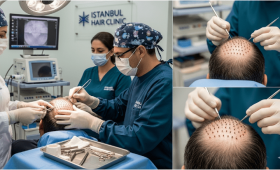
An FUE procedure follows a structured sequence that typically takes an entire day. It begins with the preparation of the donor area, which usually involves shaving the head to allow for precise extraction. After applying local anesthesia, the surgeon uses a micro-motor punch to harvest individual follicular units. Once the harvesting is complete, the surgeon moves to the recipient area to create hundreds or thousands of tiny incisions (channels) using either steel or sapphire blades. The final stage is the manual implantation of the harvested grafts into these pre-opened channels. Throughout the process, the grafts are meticulously counted and sorted to ensure that the strongest follicles are placed where they are most needed.
How Does The Use Of The Choi Pen Revolutionize The DHI Process?
The Choi Implanter Pen is the centerpiece of the DHI method and represents a significant technological leap in hair restoration. It eliminates the need for manual channel opening with a blade. By loading the graft into the hollow needle of the pen, the surgeon can perform the incision and the placement in a single motion. This reduces trauma to the scalp and minimizes bleeding. More importantly, it keeps the follicles hydrated and protected until the very second they are placed back into the skin. This reduction in “out-of-body time” is a major factor in the high graft survival rates associated with DHI, making it a favorite for both surgeons and patients looking for the highest possible quality.
Is The Recovery Period Significantly Different Between FUE And DHI?
While both procedures are minimally invasive and allow patients to return to their daily routines relatively quickly, DHI generally offers a slightly faster healing process. Because DHI does not require the creation of separate channels using a blade, there is typically less trauma to the scalp tissue. This results in reduced bleeding during the procedure and fewer scabs during the first week of recovery. Patients who undergo DHI often find that their scalp looks “cleaner” sooner than those who undergo FUE. However, for both methods, the critical healing phase takes about 7 to 10 days, during which the patient must follow strict aftercare protocols to ensure the grafts take root successfully.
Can You Explain The Graft Harvesting Process In FUE?
Harvesting in FUE is a delicate process that requires a steady hand and an eye for detail. The surgeon uses a tool with a diameter usually ranging from 0.7mm to 1.0mm. This tool rotates around the hair follicle, separating it from the surrounding tissue without damaging the bulb. The follicles are then gently removed using fine forceps. To ensure a natural look in the donor area, the surgeon must harvest grafts in a scattered pattern, avoiding “over-harvesting” which could lead to visible thinning or “moth-eaten” patches at the back of the head. These harvested units are then inspected under a microscope to ensure they are healthy and ready for the next phase of the transplant.
Why Is The Survival Rate Of Grafts Generally Higher In DHI?
Graft survival is the most important metric of success in any hair transplant. DHI often boasts a higher survival rate because it addresses the two biggest threats to a follicle: dehydration and mechanical trauma. When a graft is removed from the body, it begins to lose vitality almost immediately. In FUE, grafts might wait in a solution for 2 to 4 hours while channels are being opened. In DHI, the time between extraction and implantation is significantly shortened. Additionally, because the Choi Pen protects the graft during insertion, there is less risk of the follicle being crushed or misaligned by forceps, ensuring that the root remains intact and healthy as it begins its new life in the recipient site.
Which Method Involves More Manual Precision During The Operation?
Both methods require a high level of expertise, but DHI is often considered more demanding in terms of manual precision during the implantation phase. The surgeon must constantly adjust the angle and direction of the Choi Pen for every single graft to ensure a seamless blend with existing hair. FUE requires immense precision during the channel-opening phase, as the depth and spacing of the incisions determine the final aesthetic. In FUE, the implantation is a separate manual task that also requires care but follows the “map” already created by the channels. In essence, DHI integrates the surgical and artistic aspects of the procedure into a single, highly focused workflow.
Does FUE Or DHI Require A Full Head Shave Before Surgery?
This is a common concern for many patients, especially those who wish to keep their procedure private. Traditional FUE almost always requires the donor area and often the recipient area to be shaved to 1-2mm. This is necessary for the surgeon to see the angle of the hair follicles during extraction and to place them accurately. DHI, however, offers a “no-shave” or “unshaven” (U-DHI) option. Because the Choi Pen can navigate between longer strands of hair, it is possible to perform the procedure without shaving the entire head. This makes DHI a popular choice for women and men with long hair who want to hide the signs of surgery immediately after the procedure.
How Do Costs Compare Between FUE And DHI Hair Transplants?
In the global market, DHI is generally more expensive than FUE. Several factors contribute to this price difference. First, the Choi Implanter Pens are single-use medical devices that add to the material costs of the surgery. Second, the DHI procedure is often more labor-intensive and requires a larger specialized team to load the pens while the surgeon implants the grafts. A DHI session usually takes longer to complete for the same number of grafts compared to FUE. While FUE offers a more budget-friendly approach for large-scale coverage, many patients view the extra cost of DHI as an investment in higher density and a potentially faster, more discreet recovery.
Is DHI More Time-Consuming For The Surgical Team?
Yes, DHI is typically more time-consuming than FUE for the same volume of grafts. The process of loading each individual follicular unit into a Choi Pen is a meticulous task that must be done perfectly every time. Usually, multiple technicians are required to keep up with the surgeon’s pace, constantly preparing pens to ensure the implantation flow is not interrupted. While an FUE session for 3,000 grafts might take 6 to 8 hours, a similar DHI session could take significantly longer or might even need to be split over two days if a high number of grafts is required. This complexity is one reason why DHI is often limited to a certain number of grafts per session.
What Are The Long-Term Results Of An FUE Hair Transplant?
The long-term results of FUE are excellent and permanent. Once the transplanted follicles have successfully taken root and passed the initial “shock loss” phase (where the hair shafts fall out before new growth begins), they will continue to grow for a lifetime. These follicles are harvested from the “permanent zone” at the back of the head, which is genetically resistant to Dihydrotestosterone (DHT), the hormone responsible for male pattern baldness. After 12 to 18 months, FUE patients can expect a significant improvement in their appearance, with the ability to cut, style, and wash their transplanted hair just like their original hair.
How Permanent Are The Effects Of A DHI Procedure?
Just like FUE, the results of a DHI transplant are permanent. The biological principle remains the same: moving DHT-resistant follicles from the donor area to the thinning areas. Because DHI often results in a higher survival rate of these grafts, the long-term density may even be superior in some cases. The transplanted hair will follow its natural growth cycle indefinitely. It is important for patients to understand that while the transplanted hair is permanent, their original hair may still be subject to further loss if they have progressive androgenetic alopecia. Therefore, a long-term maintenance plan is often recommended alongside the surgery.
What Kind Of Scarring Should Patients Expect From FUE?
FUE is designed to be a “scarless” technique compared to the old strip method, but “scarless” is a bit of a misnomer. Instead of a long linear scar, FUE leaves thousands of tiny, microscopic dot scars in the donor area where the follicles were removed. These dots are typically less than 1mm in diameter and are virtually invisible to the naked eye, even with very short haircuts. As the scalp heals, these tiny spots fade and are covered by the surrounding hair. For most patients, the scarring is so minimal that it is never a concern, allowing them to wear their hair as short as they like without any visible signs of a surgical procedure.
Are There Any Visible Marks Left After A DHI Treatment?
Because DHI uses even finer instruments for implantation and does not require pre-cut channels, the visible marks in the recipient area are even less noticeable than in FUE. During the first few days, there will be tiny red spots where the grafts were inserted, but these typically heal without leaving any permanent trace. In the donor area, the harvesting process is the same as FUE, so the same microscopic dot scars will be present. However, because DHI is often used for higher density and smaller areas, the overall “trauma” to the scalp is lower, leading to an extremely clean cosmetic result once the initial redness subsides.
Who Is Considered An Ideal Candidate For The FUE Method?
The ideal candidate for FUE is someone who needs to cover a significant amount of bald space and has a healthy, dense donor area. If you have advanced hair loss on the crown or a very high forehead and need 3,000 grafts or more, FUE is likely the most efficient and cost-effective solution for you. It is also a great choice for patients who prefer to shave their heads or keep their hair very short, as the tiny dot scars are much easier to hide than the linear scars from older methods. Candidates should be in good overall health and have realistic expectations about the coverage that can be achieved in a single session.
Which Patients Benefit The Most From Choosing DHI?
DHI is the perfect choice for patients who are in the earlier stages of hair loss or those who want to target specific areas like the hairline or temples. If you are looking to increase density between existing hairs without shaving your head, DHI is the superior option. It is also highly recommended for younger patients who want to maintain a very natural and dense appearance as they age. Because it allows for such high precision, DHI is often the “premium” choice for those who are willing to pay a bit more for a potentially faster recovery and a procedure that is harder for others to detect in the days following the surgery.
What Factors Influence The Success Rate Of A Hair Transplant?
Beyond the choice of FUE or DHI, several factors determine the ultimate success of the transplant. The experience and skill of the surgical team are paramount; hair transplantation is an art form as much as a medical procedure. The quality of the patient’s donor hair—its thickness, texture, and follicle strength—also plays a major role. Post-operative care is equally critical; patients must avoid touching the grafts, stay out of the sun, and follow cleaning instructions perfectly. Finally, lifestyle factors such as smoking, nutrition, and stress levels can affect blood flow to the scalp and, consequently, the survival of the newly implanted follicles.
How Does The Depth Of Implantation Vary Between These Techniques?
The depth of implantation is a crucial technical detail that affects how well the hair grows. In FUE, the surgeon manually creates the channels to a specific depth, and the technicians then place the grafts into these “pockets.” If the channel is too deep or too shallow, the graft may not receive adequate blood supply. In DHI, the Choi Pen is designed to control the depth of implantation mechanically. The needle can be set to a precise depth, ensuring that every graft is placed exactly where it needs to be to connect with the scalp’s blood vessels. This consistency is one of the reasons why DHI often results in very healthy hair growth.
Can FUE And DHI Be Used Together In A Single Session?
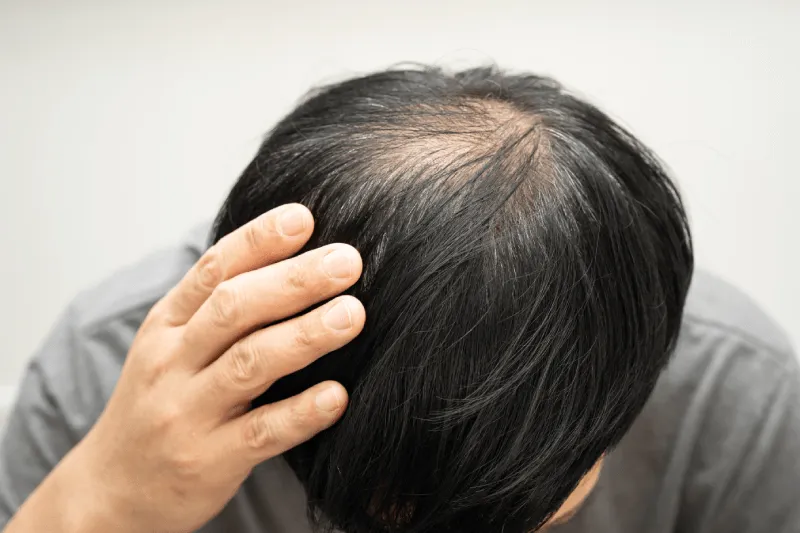
In some advanced clinics, surgeons use a “hybrid” approach that combines the strengths of both methods. For example, a surgeon might use FUE to cover a large, bald crown area where maximum coverage is needed, and then switch to DHI to reconstruct the frontal hairline where extreme precision and density are required. This combination allows the patient to benefit from the cost-efficiency of FUE and the aesthetic superiorities of DHI in the most visible areas. A hybrid session is often more complex to plan but can provide a comprehensive solution for patients with diverse hair restoration needs across different parts of their scalp.
What Is The Role Of Local Anesthesia In Both Procedures?
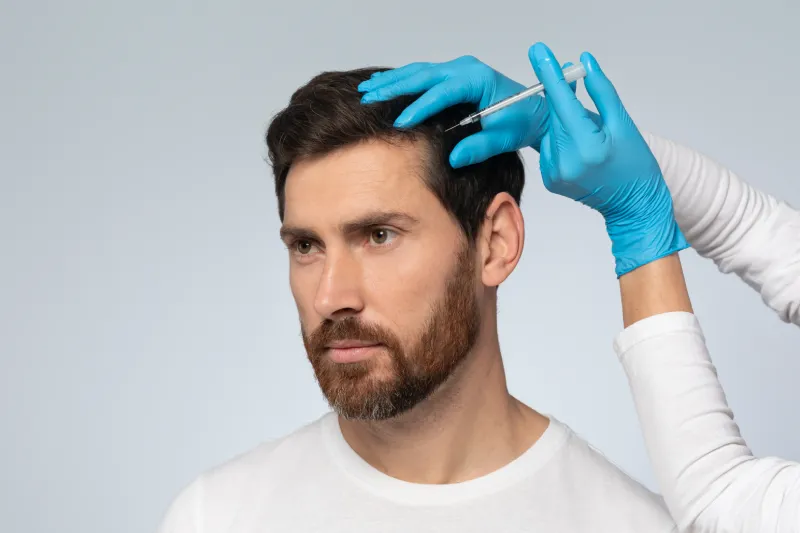
Local anesthesia is used in both FUE and DHI to ensure the patient feels no pain during the long procedure. The anesthesia is typically injected into the donor area first and then into the recipient area later. Modern clinics often use “painless anesthesia” techniques, such as pressure-based delivery systems that avoid the initial needle prick. Once the area is numb, the patient remains awake and can watch movies, listen to music, or even chat with the surgical team. The use of local anesthesia makes hair transplantation a safe, outpatient procedure with a very low risk of complications compared to surgeries requiring general anesthesia.
How Should You Prepare For An FUE Hair Transplant Session?
Preparation for an FUE session starts about two weeks before the surgery. Patients are usually advised to stop smoking and avoid alcohol, as these can thin the blood and affect healing. Certain medications, such as aspirin or blood thinners, should also be paused under a doctor’s supervision. On the day of the procedure, it is recommended to wear a button-down shirt so that you don’t have to pull a garment over your head after the surgery. Eating a good breakfast is important, but you should avoid excessive caffeine, which can increase bleeding. Most importantly, arrive with a positive mindset and a clear understanding of the plan you’ve discussed with your surgeon.
What Are The Essential Post-Operative Care Tips For DHI Patients?
Post-operative care for DHI is similar to FUE but focuses on protecting the high-density grafts. For the first few nights, you should sleep with your head elevated to reduce swelling. You must avoid touching, scratching, or rubbing the recipient area for at least 10 days. The clinic will provide a special saline spray to keep the grafts hydrated and a gentle shampooing protocol that starts a few days after the surgery. Avoiding heavy exercise, swimming pools, and direct sunlight for the first month is essential to protect the delicate follicles. Following these steps strictly will ensure that your “direct” implantation leads to direct success.
Is There An Age Limit For Undergoing FUE Or DHI?
While there is no strict upper age limit for a hair transplant, provided the patient is in good health and has sufficient donor hair, surgeons are often cautious with very young patients. Men in their early 20s may still be experiencing the early stages of hair loss, and their final pattern may not yet be established. If a transplant is done too early, the patient might continue to lose their original hair behind the transplanted area, leading to an unnatural appearance. Generally, the ideal age starts around 25 to 30, when hair loss patterns become more predictable, allowing the surgeon to design a transplant that will look good for decades to come.
How Does The Surgeon Determine The Angle Of Hair Growth?
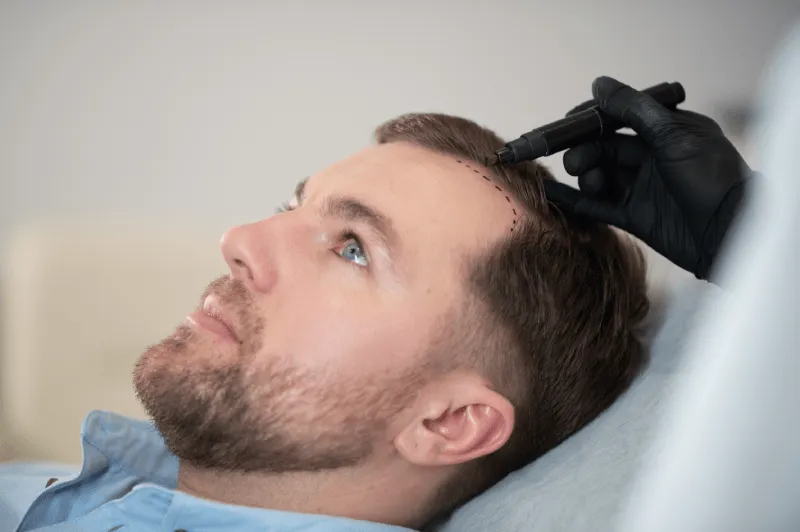
Determining the correct angle and direction is what separates a mediocre hair transplant from a masterpiece. A surgeon must study the patient’s existing hair growth to see how it swirls at the crown and how it angles forward at the hairline. In FUE, this is done when the channels are sliced into the scalp. In DHI, it happens at the moment the Choi Pen enters the skin. The surgeon must consider that hair doesn’t grow straight up; it grows at an acute angle that varies across different parts of the head. Replicating this “natural flow” is essential for ensuring that the transplanted hair can be styled naturally.
What Are The Common Myths Surrounding DHI Hair Restoration?
One common myth is that DHI is a “no-surgery” procedure; in reality, it is still a surgical intervention that requires incisions and local anesthesia. Another myth is that DHI guarantees 100% graft survival; while the survival rate is very high, no biological procedure can guarantee perfection. Some also believe that DHI is only for women, which is untrue—men who want high density without shaving their heads are among the biggest groups of DHI patients. Understanding that DHI is an advanced tool in the hands of a surgeon, rather than a “magic wand,” helps patients set realistic expectations and achieve better satisfaction with their results.
How Has Technology Improved The Safety Of FUE Transplants?
The safety and efficacy of FUE have improved dramatically over the last decade thanks to better instrumentation. The introduction of Sapphire blades has been a game-changer; these blades are made from a gemstone that is much sharper and smoother than steel, resulting in even smaller incisions and faster healing. Micro-motors have also become more sophisticated, allowing for “intelligent” extraction that minimizes damage to the donor site. Furthermore, the use of high-resolution magnification and specialized storage solutions for grafts has increased the overall quality of the procedure, making FUE a safer and more predictable option than ever before.
Why Has Turkey Become The World Leader In Hair Transplantation?
Turkey has earned its reputation as the global hub for hair restoration through a combination of high-quality medical care, experienced surgeons, and affordable pricing. Turkish clinics perform thousands of FUE and DHI procedures every year, giving their surgical teams a level of experience that is hard to match elsewhere. The country’s investment in medical tourism means that patients often receive a “VIP experience” that includes luxury hotel stays, private transfers, and comprehensive aftercare. By offering world-class results at a fraction of the cost found in Europe or the US, Turkey has made life-changing hair restoration accessible to people from all over the world.
Why Is Cure Holiday The Premier Choice For Your Hair Transplant?
When it comes to something as important as your appearance, you deserve a partner that prioritizes excellence, safety, and patient satisfaction. Cure Holiday stands out as a leading provider in the hair transplant industry, offering a seamless blend of medical expertise and world-class hospitality. At Cure Holiday, we don’t just perform a procedure; we manage a transformation. Our clinics are equipped with the latest Sapphire FUE and DHI technologies, ensuring that every patient receives a customized treatment plan tailored to their specific hair type and loss pattern. Choosing Cure Holiday means choosing a team that is dedicated to giving you back your confidence with the highest standards of care.
What Personalized Care Can You Expect When Booking With Cure Holiday?
At Cure Holiday, we understand that every patient’s journey is unique. From your first consultation, our medical consultants work closely with you to determine whether FUE or DHI is the better fit for your goals. We provide transparent information about graft counts, expected results, and the recovery process. Our service goes far beyond the operating room; we provide 24/7 support during your stay and a dedicated follow-up program to monitor your hair growth for up to a year after the surgery. This personalized approach ensures that you never feel like just another number, but rather a valued member of the Cure Holiday family.
How Does Cure Holiday Combine Luxury Travel With Medical Excellence?
We believe that your recovery should be as stress-free as possible, which is why Cure Holiday offers comprehensive all-inclusive packages. When you choose us for your hair transplant, we take care of all the logistics. This includes your stay in a 5-star hotel, VIP transfers between the airport, hotel, and clinic, and all necessary medications and aftercare products. By handling the details, we allow you to focus entirely on your healing and enjoy the beautiful surroundings of Turkey. Our goal is to make your medical trip feel like a relaxing holiday, where you return home not just with a new head of hair, but with wonderful memories.
How Can You Start Your Transformation With Cure Holiday Today?
Taking the first step toward a new you is easier than you think. You can start by reaching out to Cure Holiday for a free, no-obligation hair analysis. Simply send us photos of your hair loss and donor area, and our experts will provide a preliminary assessment and a detailed quote. We are here to answer all your questions about FUE vs. DHI and help you plan your trip to Turkey. Don’t let hair loss hold you back any longer; join the thousands of satisfied patients who have restored their hair and their self-esteem with Cure Holiday. Contact us today and discover how we can help you achieve the look you’ve always wanted.
Free Consultation
Fill out the form below to get your free medical travel plan and price quote.
Sources and how to verify this yourself
- Comparative study of graft survival by donor site (scalp, beard, chest) at 12 months — roughly 89% for scalp, 95% for beard and 76% for chest hair; survival also falls the longer grafts stay outside the body. source
- Ministry of Health, Regulation on International Health Tourism and Tourist Health, Official Gazette 26 April 2025, No. 32882 — authorisation requirement for facilities and intermediaries, TÜSKA accreditation, compulsory complication insurance (deadline 31 December 2025 for insurance, 31 December 2026 for accreditation). source
- Ministry of Health, Regulation on Promotion and Information Activities in Health Services, Official Gazette 12 November 2025, No. 33075 — treatment promises and guarantees are prohibited; price and campaign announcements are permitted only within international health tourism. source