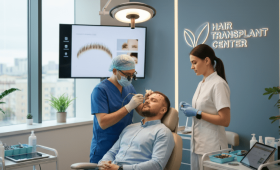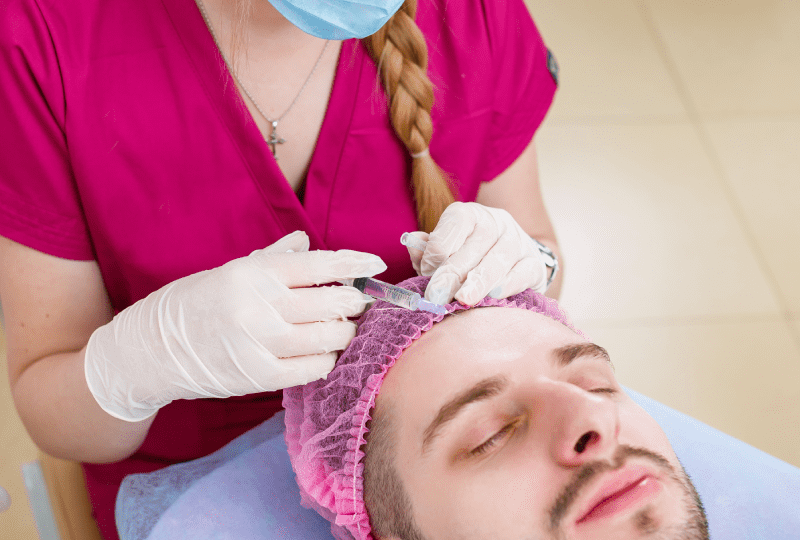
Hair restoration is a complex biological and surgical journey that often requires more than a single intervention to reach the ultimate aesthetic peak. For many patients who have already navigated their first surgery, the prospect of a second procedure is both exciting and filled with technical questions. Whether the motivation is to address thinning caused by aging, to increase the overall density of a previous result, or to correct a hairline that no longer looks natural, secondary hair transplants have become a cornerstone of modern cosmetic medicine. This process is not a mere repetition of the first; it requires a sophisticated understanding of scalp anatomy, donor management, and long-term planning. In this extensive guide, we will analyze every facet of undergoing a secondary hair transplant, providing the clarity needed to decide if this is the right next step for your transformation.
Is A Second Hair Transplant Possible For Most Patients?
The anatomical reality for the vast majority of individuals is that a second hair transplant is entirely possible and often highly successful. Modern medical protocols in hair restoration are designed with the foresight that hair loss is a progressive condition, meaning surgeons often plan the first session while keeping the possibility of a second one in mind. The primary factor that determines feasibility is the health and density of the donor area—the permanent hair zone at the back and sides of the head. As long as there is a sufficient “reserve” of follicular units that can be safely harvested without causing visible thinning in the donor site, a second procedure can be safely performed to enhance the patient’s appearance and restore their confidence.
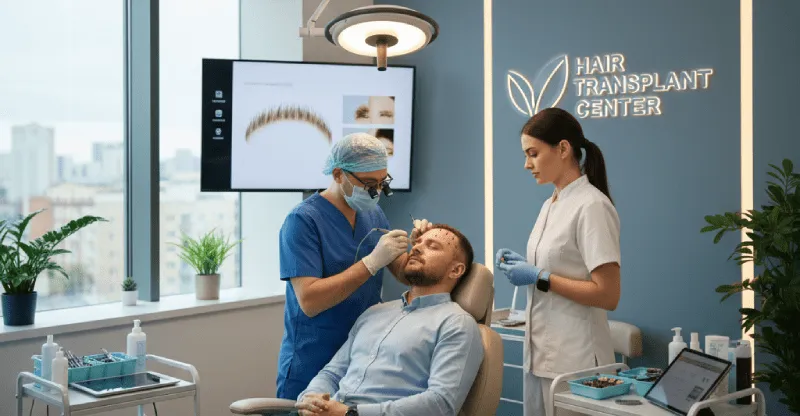
Why Would Someone Need A Second Hair Restoration Procedure?
There are several multifaceted reasons why a patient might seek a second round of hair restoration. The most frequent driver is the relentless progression of androgenetic alopecia; while transplanted hairs are generally permanent, the original, non-transplanted hairs surrounding them continue to be susceptible to thinning over time. This can create new gaps or “islands” of hair that require filling. Additionally, many patients opt for a second session to achieve “maximum density” that wasn’t possible in a single sitting due to the limits of how many grafts can be moved at once without compromising blood flow. Other reasons include refining a hairline as one ages or correcting a previous result that didn’t meet the patient’s aesthetic expectations.
Is There A Limit To How Many Hair Transplants A Person Can Have?
While there is no universal “cap” on the number of procedures, every individual is limited by their personal “donor bank.” Each human has a finite number of terminal hair follicles in the safe donor zone, and once these are moved to the recipient area, they do not regenerate at the source. Most patients can comfortably undergo two or three sessions if the donor area is dense and the surgeon uses a conservative extraction strategy. However, exceeding this limit can lead to “donor depletion,” where the back of the head begins to look unnaturally thin or “moth-eaten.” The ultimate goal is to maintain a balance where both the front and the back of the scalp look naturally full and healthy.
What Are The Primary Goals Of A Secondary Hair Transplant?
The strategic objectives of a second session often differ significantly from the foundational goals of the first. While the initial transplant is usually focused on establishing a new hairline and providing basic coverage for bald areas, the secondary procedure is often about “refinement and reinforcement.” This includes adding density to the crown (the vertex), which often requires a high volume of hair, or thickening the mid-scalp to create a more robust profile. Another key goal is often the “fine-tuning” of the transition zones between transplanted and natural hair to ensure that the result remains seamless as the patient continues to age. It is the step that transitions a patient from “having hair” to “having a full head of hair.”
Is The Donor Area Sufficient For Another Surgical Session?
The cornerstone of planning any secondary procedure is a meticulous assessment of the remaining donor resources. Surgeons utilize high-definition trichoscopy to measure the number of follicular units per square centimeter in the occipital and temporal regions. A successful second transplant relies on the first surgeon’s ethics; if the initial procedure was performed by a specialist who prioritized “over-harvesting” for a quick result, the donor area might be too compromised for a second round. A healthy candidate for a second session should ideally have enough remaining density to harvest 1,500 to 2,500 grafts while still leaving enough hair behind to provide complete, natural-looking coverage for the donor site itself.
How Long Should You Wait After The First Hair Transplant?
Timing is perhaps the most critical medical variable in the success of a secondary hair restoration. Leading international guidelines suggest waiting a minimum of 12 months, though 18 months is considered the “gold standard” by many elite surgeons. This duration is necessary because the full aesthetic result of the first transplant is not visible until at least the one-year mark. Furthermore, the scalp’s vascular system—the blood vessels that supply oxygen to the follicles—needs time to heal and re-stabilize after the initial trauma. Operating too soon on a scalp that hasn’t fully recovered can lead to poor graft survival rates and unnecessary scarring, potentially ruining the outcome of both procedures.
Can A Second Transplant Fix A Previously Failed Procedure?
One of the most rewarding aspects of modern hair surgery is the ability to perform “repair” or “revision” transplants. Many patients suffer from the results of outdated techniques, such as large “plugs,” or poorly executed modern procedures that resulted in an unnatural hairline or “doll-hair” appearance. A skilled secondary surgeon can camouflage these errors by planting finer, single-hair grafts in front of the plugs or by removing and redistributing improperly placed follicles. Revision surgery requires a much higher degree of artistry and technical precision, as the surgeon must navigate pre-existing scar tissue and potentially limited donor supplies to restore a look that is both natural and flattering.
Is The Recovery Process Different For A Second Operation?
For most patients, the recovery from a second transplant feels remarkably similar to the first, though there are subtle physiological differences to be aware of. Because the scalp has already undergone surgical intervention, there may be some “dermal fibrosis” (internal scarring) which can slightly alter the sensation of the skin during the first few weeks. Swelling might also be slightly more pronounced or persist a day longer as the lymphatic system works to clear fluids through a previously operated area. However, most patients find the experience easier mentally because they are already familiar with the “shedding phase” and the standard post-operative care routines, allowing them to remain calm and patient throughout the healing journey.
Does A Second Transplant Carry More Risks Than The First?
While hair transplantation is an incredibly safe outpatient procedure, a second surgery does introduce a slightly elevated risk profile that must be managed by an expert. The primary concern is the “blood supply” to the scalp; multiple surgeries can impact the micro-circulation of the skin. If grafts are placed too densely into a scalp with compromised circulation, the “take rate” might be lower than the first time. There is also a small risk of “necrosis” or skin damage if the surgeon is overly aggressive. However, in the hands of a specialized team that uses micro-instruments and respects the scalp’s anatomy, these risks are extremely low and the procedure remains a very safe option for hair restoration.
Will The Results Of The Second Transplant Look Natural?
The pursuit of “total naturalness” is the ultimate benchmark for a secondary transplant. To achieve this, the surgeon must be an artist as much as a scientist, matching the exact exit angle, direction, and “curl” of the new grafts with the ones placed in the first session. If the goal is density, the new follicles must be “inter-planted” between the old ones with extreme care to avoid damaging the existing hair. When done correctly, the result should be a cohesive, thick, and vibrant head of hair where it is impossible to distinguish which hairs were planted in which session. A natural result is the byproduct of meticulous planning and the use of the finest surgical tools available.
Can A Second Hair Transplant Improve Hair Density Significantly?
Improving density is the primary motivation for about 70% of secondary hair transplant patients. The first session often provides the “frame” for the face, while the second session provides the “bulk.” This is particularly important for patients with fine hair, who may need more grafts to achieve the same visual thickness as someone with coarse hair. By strategically placing more follicular units in areas where the scalp is still visible under bright light, a surgeon can create a “dense-pack” result that significantly improves the patient’s profile from every angle. This added density often provides the final piece of the puzzle that allows patients to style their hair in ways they never thought possible.
How Does Scalp Elasticity Affect The Second Procedure’s Success?
Scalp elasticity—how much the skin can stretch—is a vital consideration, particularly for patients who had an FUT (strip) procedure the first time. In FUT, a strip of skin is removed, and the scalp is stitched back together; if the scalp is too tight after the first surgery, a second strip procedure may not be possible. However, for FUE (Follicular Unit Extraction), elasticity is less of a concern, though the presence of underlying scar tissue still plays a role in how easily the grafts can be inserted. A “supple” scalp allows for better graft placement and a more comfortable recovery. Surgeons often recommend “scalp massages” in the months leading up to a second surgery to improve flexibility and blood flow.
Is The FUE Technique Suitable For A Second Session?
FUE is widely regarded as the most versatile and effective technique for secondary hair transplants. Its primary advantage is that it allows the surgeon to “cherry-pick” individual follicular units from across the entire donor area, rather than being confined to a single strip. This selectivity is crucial when donor resources are limited. Furthermore, FUE leaves only microscopic, point-like scars that are virtually invisible, even with short hair. This is a massive benefit for patients who want to avoid the “linear scar” associated with multiple FUT procedures. Its minimally invasive nature also means less trauma to the scalp, which is essential when the area has already undergone a previous surgery.
Can The DHI Method Be Used For Secondary Hair Restoration?
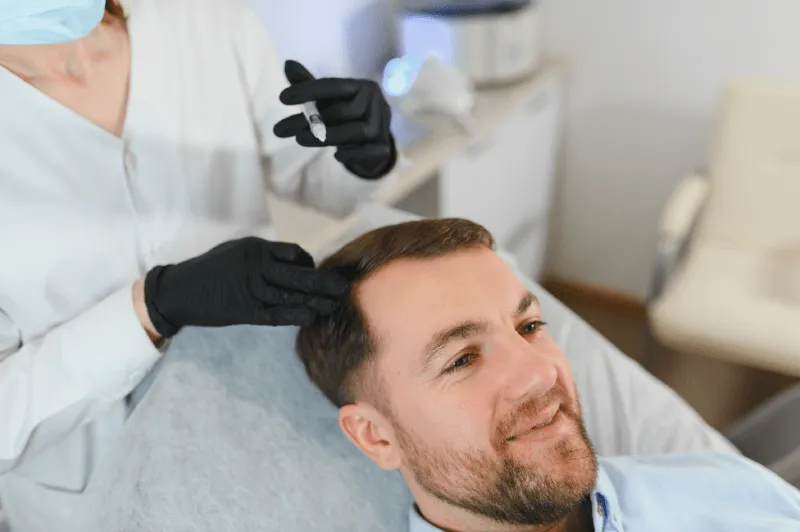
DHI (Direct Hair Implantation) is an exceptional choice for secondary procedures, especially when the goal is “filling in” existing hair. Unlike traditional FUE, where channels are opened before the grafts are placed, DHI uses a specialized “Choi Implanter Pen” to perform both tasks simultaneously. This allows the surgeon to navigate around existing hair follicles with incredible precision, planting new grafts in the tiny gaps between them without causing “transaction” or damage to the results of the first transplant. DHI is often the preferred method for increasing density in the frontal hairline or mid-scalp, where a high-definition, refined look is the top priority.
What Happens If The Donor Area Is Over-Harvested?
Over-harvesting is a cautionary tale in the hair transplant industry, occurring when a previous surgeon removed too many grafts, leaving the back of the head looking thin, patchy, or see-through. If a patient presents with an over-harvested donor area, a standard second scalp transplant may be impossible or aesthetically risky. In these challenging cases, a specialist must look for alternative solutions. This might include using Scalp Micropigmentation (SMP) to create the illusion of density in the thinned donor site or turning to Body Hair Transplant (BHT) to supplement the scalp hair. Protecting the donor area during the first session is the best way to ensure that a second session remains a viable option.
Are There Non-Surgical Alternatives Before Considering A Second Transplant?
Before committing to a second surgical procedure, it is often wise to explore the full spectrum of non-surgical “adjunct” therapies. Medications like Finasteride and Minoxidil are the foundation of hair maintenance and can often thicken existing hair enough to make a second surgery unnecessary. Platelet-Rich Plasma (PRP) therapy is another powerful tool; it involves injecting the patient’s own growth factors into the scalp to revitalize dormant follicles and improve the health of the skin. While these treatments cannot grow hair on a completely bald scalp, they can significantly enhance the “visual density” and overall health of the hair, potentially delaying the need for further surgery for several years.
Can Body Hair Be Used If The Scalp Donor Area Is Depleted?
In cases where the scalp’s donor area has been exhausted, modern science offers the innovative option of Body Hair Transplant (BHT). The most common source for BHT is the beard, followed by the chest and back. Beard hair is particularly valuable because it is generally thicker than scalp hair and has a very high survival rate. While the growth cycle and texture of body hair differ slightly from scalp hair, it can be skillfully mixed with remaining scalp grafts to provide massive volume, especially in the crown area. BHT has transformed the possibilities for “advanced stage” balding patients, turning “hopeless” cases into successful hair restoration stories.
How Do Surgeons Manage Scarring From The First Transplant?
Scarring is an inevitable part of any surgery, but in the hands of an expert, it can be managed with great finesse during a second session. For patients with a visible linear scar from a previous FUT procedure, the second surgeon can actually “implant” new FUE grafts directly into the scar tissue to camouflage it. For those with FUE scarring, the surgeon simply ensures that the new extractions are distributed in a way that doesn’t create “confluence” (large bald patches). Managing scar tissue requires a deep understanding of skin pathology, as the blood supply in a scar is different from healthy skin, necessitating a more conservative and precise approach to graft placement.
Is A Second Hair Transplant More Expensive Than The First?
The financial investment for a second transplant can vary based on the complexity of the case. In some instances, a “touch-up” session requiring only a few hundred grafts may be less expensive than the initial major surgery. However, “revision” or “repair” transplants are often more costly because they require a higher level of surgical expertise, more time in the operating room, and the use of specialized tools. Furthermore, if body hair must be harvested, the procedure becomes more labor-intensive. It is important to view the cost not just as a price tag, but as an investment in a specialized skill set that can fix past mistakes and provide a permanent, lifelong result.
What Role Does Age Play In Deciding On A Second Surgery?
Age is a pivotal factor in the “master plan” of hair restoration. If a patient is very young (under 30) when they have their first transplant, their hair loss is likely to continue for many years, making a second or even third transplant almost a certainty. Surgeons generally advise younger patients to be very conservative with their donor area to “save” hair for the future. Older patients, whose hair loss has stabilized, can be more aggressive with their second session, as the risk of needing more hair later is much lower. Regardless of age, the strategy is always to create a hairline and density that will look natural and dignified as the patient progresses into their 50s, 60s, and beyond.
How Do You Choose The Right Surgeon For A Revision Transplant?
Selecting the right specialist for a secondary or revision transplant is a decision that requires deep research and intuition. You should prioritize surgeons who have a dedicated portfolio of “repair” cases, as this demonstrates their ability to work with challenging scalps and limited donor supplies. During the consultation, a high-quality surgeon will be transparent about what is achievable and will not promise “miracles.” They should use digital scalp analysis to give you an accurate graft count and should be able to explain their surgical plan in technical detail. Trust is the most important factor; you need to feel confident that your surgeon is prioritizing your long-term health and appearance over a quick transaction.
Can A Second Transplant Correct A Poorly Designed Hairline?
A poorly designed hairline—one that is too low, too straight, or asymmetrical—can be a source of great distress, but it is often correctable with a second procedure. The surgeon can use “softening” techniques, placing very fine, single-hair follicles in front of the existing hairline to create a more natural, irregular transition. In more extreme cases, improperly placed grafts can be “punched out,” repaired, and moved to a more appropriate location. Correcting a hairline is the ultimate test of a surgeon’s aesthetic eye, as they must harmonize the hair with the patient’s facial features, bone structure, and age to create a look that is virtually undetectable as a transplant.
What Medical Tests Are Required Before A Second Surgery?
Safety is the paramount concern in any surgical environment, and a second hair transplant requires the same rigorous medical screening as the first. Patients are typically required to undergo a comprehensive blood panel to check for coagulation levels, blood sugar, and any underlying infections (such as Hepatitis or HIV). If the patient has developed any new health conditions since their first surgery, such as high blood pressure or heart issues, a specialist’s clearance will be required. These tests ensure that the patient’s body can handle the local anesthesia and the healing process without complications, providing a foundation of safety for the entire medical journey.
How Should You Prepare For Your Second Hair Restoration?
Preparation for a second session involves both physical and lifestyle adjustments to ensure the scalp is in peak condition. Patients are advised to stop smoking and avoid alcohol for at least two weeks before surgery, as these substances significantly impair blood flow and healing. You must also avoid blood-thinning medications and certain herbal supplements that can cause excessive bleeding. If you have been using Minoxidil, you may be asked to pause it to reduce scalp vascularity during the procedure. On the day of the surgery, wearing a button-down shirt is essential to avoid touching the new grafts when changing, and having a pre-arranged “recovery space” at home will help you stay relaxed during the critical first 48 hours.
Does Smoking Or Alcohol Consumption Impact The Second Result?
The impact of smoking and alcohol on hair transplant results cannot be overstated, especially in a secondary procedure where the scalp’s circulation is already being challenged. Nicotine is a potent vasoconstrictor, meaning it shrinks the tiny blood vessels that are supposed to “feed” the new grafts. This can lead to stunted growth or complete graft failure. Alcohol, on the other hand, thins the blood and can increase post-operative swelling and bleeding. For those investing time and money into a second transplant, the most important “at-home” contribution you can make to your own success is to maintain a clean, healthy lifestyle during the weeks surrounding your surgery.
Is Shock Loss More Common During A Second Transplant?
“Shock loss”—the temporary shedding of existing hair near the surgery site—is a potential occurrence that can be slightly more prevalent during a second session. This happens because the “trauma” of making thousands of new incisions can cause the neighboring, non-transplanted hairs to enter a resting phase. While it can be alarming to see more hair falling out shortly after surgery, it is almost always temporary, and the hair typically grows back stronger within three to four months. Surgeons often use medications or low-level laser therapy (LLLT) to minimize the risk of shock loss, ensuring that the final outcome is a net gain in density and coverage.
What Is The Success Rate Of Secondary Hair Transplants?
The success rate for secondary hair transplants is remarkably high, often exceeding 95% when performed by an experienced clinical team. Despite the challenges of scar tissue and a potentially thinner donor area, the biological “mechanics” of hair transplantation remain consistent. As long as the grafts are handled with care, kept hydrated, and placed into a healthy recipient site with adequate blood flow, they will take root and grow. The “success” of a second transplant is also measured by the patient’s satisfaction; for most, the added density and the correction of old issues provide a level of aesthetic fulfillment that the first surgery alone could not achieve.
How Does Hair Loss Progression Impact The Need For More Surgery?
Hair loss is not a single event but a lifelong biological process. This is the fundamental reason why many people find themselves in a surgeon’s chair for a second time. Even if your transplant is perfect, the “natural” hair you had left may continue to disappear over the next decade. A proactive approach involves viewing hair restoration as a “marathon,” where you might need a “top-up” every 10 to 15 years to maintain your look. By combining surgery with medical maintenance (like Finasteride), you can significantly slow down this progression and ensure that your results remain consistent and youthful for as long as possible.
Can A Second Transplant Be Performed On A Different Area Of The Head?
It is very common for a patient to address the “front” of the head in their first session and the “back” (the crown) in their second. The crown is a particularly demanding area because it requires a high number of grafts to cover its circular growth pattern, and the skin there is thicker and has a different blood supply. Treating these areas in two separate sessions is often a safer medical strategy, as it prevents the surgeon from having to harvest an excessive number of grafts in a single day, which could lead to “graft fatigue” and lower survival rates. This “staged approach” is the gold standard for achieving high-density results across the entire scalp.
What Post-Operative Care Is Crucial For The Second Time Around?
The “aftercare” period following a second transplant is the final hurdle to success. The first 72 hours are vital for “graft anchoring”; during this time, you must avoid any physical contact with the recipient area. Washing your hair according to the clinic’s specific protocol—usually starting on day two or three with a gentle foam—is essential to prevent scabs from pulling on the grafts. You must also avoid heavy exercise, direct sunlight, and swimming in chlorinated water for at least two to three weeks. Following these instructions to the letter is the best way to protect your investment and ensure that every single graft has the chance to grow into a healthy, permanent hair.
Are The Long-Term Results Of A Second Transplant Permanent?
Yes, the results of a second transplant are just as permanent as the first. The hair follicles used in the procedure are harvested from the “DHT-resistant” zone at the back and sides of the head. This means they are genetically programmed to resist the hormones that cause balding, and they will retain this trait even after being moved to the top of the head. While your non-transplanted hair may still thin over time, the transplanted hairs will continue to grow for the rest of your life. This permanence is what makes hair transplantation the most effective and high-value solution for hair loss available in the world today.
How Does The Quality Of The First Transplant Affect The Second?
The quality of your first transplant acts as the foundation for everything that follows. If your first surgery was done at a “hair mill” with poor extraction techniques, your donor area may be scarred and depleted, making a second session much harder or even impossible. Conversely, if your first surgery was performed by a meticulous professional who managed your donor area with care, your second surgeon will have a much easier time achieving a great result. This highlights the importance of “getting it right the first time” and choosing a clinic that prioritizes long-term planning over short-term graft counts.
Why Is Cure Holiday The Premier Choice For Your Second Hair Transplant?
When you decide to undergo a second hair transplant, you are choosing to finish a journey you started years ago. At Cure Holiday, we specialize in being the “final destination” for hair restoration. We understand that a second transplant requires a higher level of medical intelligence and a more personalized touch. Our clinical teams are world-renowned for their expertise in revision cases and high-density FUE/DHI procedures. We don’t just “do surgery”; we create a comprehensive medical plan that respects your donor area, corrects past issues, and focuses on your long-term aesthetic goals. Choosing Cure Holiday means choosing a partner who is as invested in your results as you are.
What Personalized Services Does Cure Holiday Offer For Revision Patients?
Cure Holiday offers a bespoke service model specifically designed for the needs of our international patients. For revision and secondary transplant candidates, we provide a deep-dive diagnostic session that includes high-resolution scalp mapping and a detailed consultation with our head surgeons. Our packages are all-inclusive, covering your VIP transfers, luxury hotel accommodations, and all necessary post-operative care and medications. We also provide a dedicated patient coordinator who will be your advocate and translator throughout the process. Our goal is to remove the stress of travel and logistics, allowing you to focus entirely on your transformation and recovery in a world-class environment.
How Does Cure Holiday Combine Medical Excellence With A Luxury Experience?
We believe that medical care should be as comfortable as it is effective. Cure Holiday operates in some of the most advanced, Ministry of Health–authorised hospitals in Turkey, utilizing cutting-edge technologies like Sapphire FUE and the Choi Implanter Pen. But we also believe in the “Holiday” part of our name. We provide our patients with a 5-star experience that includes stays in Turkey’s finest hotels and the opportunity to experience the culture and beauty of the region. This combination of “Swiss-standard” medical precision and Mediterranean hospitality creates an environment where healing happens faster and the overall experience becomes a positive, life-changing memory.
Ready To Transform Your Look With A Second Transplant At Cure Holiday?
The journey to a full, thick, and natural head of hair doesn’t have to end with a result that is “just okay.” If you are looking for that extra density, a better hairline, or a fix for a previous procedure, the experts at Cure Holiday are ready to help. We invite you to reach out for a free, no-obligation online consultation where we can review your photos and discuss your goals in detail. Let us show you how a professionally executed second transplant can change not just your appearance, but your entire outlook on life. Contact Cure Holiday today and take the final step toward the look you’ve always wanted. Your new life is just one click away.
Free Consultation
Fill out the form below to get your free medical travel plan and price quote.
Sources and how to verify this yourself
- Comparative study of graft survival by donor site (scalp, beard, chest) at 12 months — roughly 89% for scalp, 95% for beard and 76% for chest hair; survival also falls the longer grafts stay outside the body. source
- Ministry of Health, Regulation on International Health Tourism and Tourist Health, Official Gazette 26 April 2025, No. 32882 — authorisation requirement for facilities and intermediaries, TÜSKA accreditation, compulsory complication insurance (deadline 31 December 2025 for insurance, 31 December 2026 for accreditation). source
- Ministry of Health, Regulation on Promotion and Information Activities in Health Services, Official Gazette 12 November 2025, No. 33075 — treatment promises and guarantees are prohibited; price and campaign announcements are permitted only within international health tourism. source