About the prices on this page. The figures below are indicative market prices and country comparisons, not a quote. Our own current, all-inclusive prices are published on our cosmetic surgery in Turkey page, and we confirm your figure in writing before you commit to anything.
A tummy tuck is one of the most sought-after procedures in modern aesthetic surgery. However, many individuals hesitate, wondering if this is a weight loss method or if they can undergo the process before reaching their goal weight. This guide centers on the vital question, “Is it right to get a tummy tuck without losing weight?” and provides an in-depth analysis of the surgical process from every medical and aesthetic angle.
What Is A Tummy Tuck Surgery Exactly?
A tummy tuck, medically known as abdominoplasty, is a surgical procedure designed to remove excess skin and fat from the abdominal area while tightening the underlying muscles. It is not a substitute for weight loss but a powerful tool for body contouring. Typically sought by those who have experienced pregnancy, significant weight fluctuations, or age-related sagging, this surgery aims to restore a firm, youthful profile. By addressing both the skin and the muscle wall, it creates a structural change that diet and exercise alone often cannot achieve.
Is It Right To Get A Tummy Tuck Without Losing Weight?
The answer to this question is highly individualized and depends on the patient’s current physical state and aesthetic goals. If a patient is at a stable weight but struggles with localized skin laxity, waiting to lose more weight may not be necessary. However, for those with significant excess weight, the aesthetic results might be less defined. Surgeons generally recommend being close to your target weight to maximize safety and ensure the final contour is as sleek and satisfying as possible.
How Does BMI Affect Tummy Tuck Results?
Body Mass Index (BMI) is a critical metric in surgical planning. Generally, a BMI over 30 can increase surgical risks and potentially diminish the visibility of the aesthetic improvements. In patients with a higher BMI, wound healing might be slightly slower, and there is a marginal increase in the risk of post-operative infections. Therefore, bringing the BMI below 30 is often encouraged to ensure the smoothest recovery and the most impactful aesthetic transformation.
Is A Tummy Tuck A Weight Loss Method?
One of the most common misconceptions is viewing a tummy tuck as a shortcut to weight loss. In reality, it is a body-shaping procedure. While some fat is removed during the process, the primary goal is not to move the needle on the scale but to eliminate redundant skin and repair stretched muscles. Those seeking significant weight reduction should complete their diet and exercise journey first, treating the tummy tuck as the “finishing touch” to address the leftover skin.
What Happens If You Gain Weight After Surgery?
Significant weight gain after an abdominoplasty can compromise the aesthetic results. The skin may stretch again, and the internal muscle repair (plication) could be strained. Furthermore, new fat cells may accumulate in areas outside the abdomen, potentially leading to an disproportionate body contour. Surgeons emphasize maintaining a stable weight and a healthy lifestyle post-surgery to protect your investment and ensure the longevity of your new, sculpted appearance.
What Are The Risks Of Having Surgery While Overweight?
Undergoing surgery without reaching an optimal weight carries certain medical considerations. These include potential anesthesia complications, a higher risk of deep vein thrombosis (DVT), respiratory challenges, and the possibility of seromas (fluid accumulation). Additionally, dense adipose tissue can sometimes hinder blood circulation to the incision site, making the healing process more complex. While modern techniques mitigate these risks, being in peak physical health always facilitates a better outcome.
How Do Surgeons Define The Ideal Weight?
Surgeons define “ideal weight” not just by a number on the scale, but by the patient’s height-to-weight ratio and overall health stability. The best candidate for a tummy tuck is someone who has maintained a stable weight for at least six months and leads an active lifestyle. For a surgeon, the most important factor is creating a baseline where post-operative weight fluctuations are minimal, allowing the surgical modifications to remain permanent and well-defined.
What Is The Difference Between Fat Tissue And Sagging Skin?
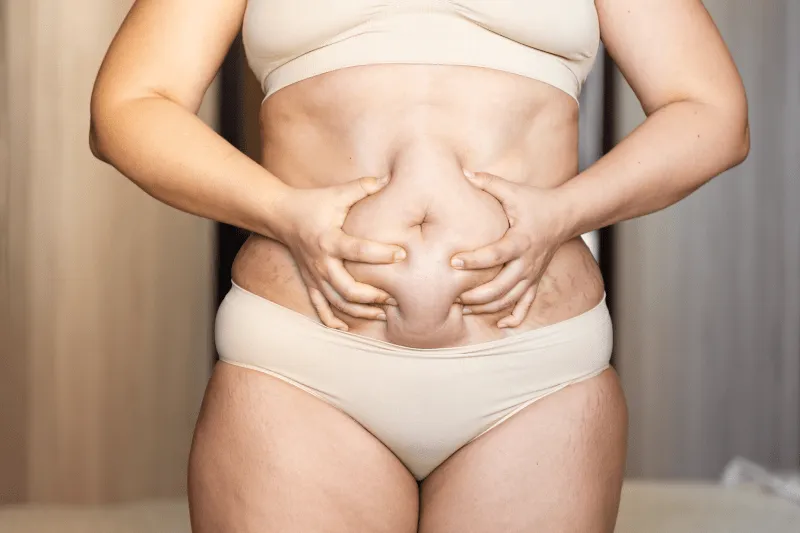
Many patients mistake abdominal volume for fat alone, but skin laxity and fat accumulation are distinct issues. A tummy tuck primarily targets “skin laxity”—the skin that has lost its bounce. If the concern is purely fat, liposuction might suffice. However, once skin is stretched beyond its elastic limit, no amount of exercise can “tighten” it back. This is where surgery becomes the only definitive solution to remove the “apron” of excess tissue.
Does A Tummy Tuck Eliminate Visceral Organ Fat?
No, a tummy tuck only addresses subcutaneous fat (fat under the skin) and excess dermis. It cannot reach “visceral fat,” which is the fat stored deep inside the abdomen around the organs. Visceral fat can only be reduced through nutritional discipline and consistent cardiovascular exercise. If a patient has significant visceral fat, the abdomen may still appear somewhat rounded even after the skin is tightened, which is why pre-surgical weight loss is often recommended.
How Long Should You Wait For A Tummy Tuck?
If you have recently undergone massive weight loss, it is advisable to wait 6 to 12 months for your body to stabilize at its new weight. This “plateau” phase is crucial to ensure that no further skin sagging will occur after the operation. Similarly, for post-pregnancy patients, waiting at least one year after delivery and completing the breastfeeding journey allows the tissues and hormones to return to a baseline state, ensuring a safer and more predictable surgical result.
Is The Recovery Process Harder For Overweight Patients?
Having a larger body frame can make the initial mobility after surgery slightly more challenging. The use of post-operative compression garments and the management of surgical drains may require extra diligence in higher-weight patients. However, this does not mean the surgery is impossible. It simply means that having a strong support system during the first few weeks and adhering strictly to the surgeon’s mobilization protocols is essential for a successful recovery.
Does A Tummy Tuck Motivate Further Weight Loss?
For many, this surgery serves as a powerful psychological “reset.” Seeing a flatter, more contoured abdomen in the mirror often provides the necessary boost in self-esteem to double down on healthy habits. Patients often feel more comfortable in athletic wear and are more inclined to participate in physical activities they previously avoided. In this sense, a tummy tuck can be the catalyst for a permanent transition into a much healthier and more active lifestyle.
What Are The Anesthesia Risks For High BMI Patients?
Anesthesia management for patients with a higher BMI requires specialized expertise. Factors such as airway management and precise dosage calculations are vital. Modern anesthesiology is extremely advanced and safe, but it is imperative that your medical history and current weight are disclosed fully. Maintaining good cardiovascular and respiratory health is a prerequisite for any patient, regardless of their weight, to ensure a safe transition through the surgical stages.
Is A Mini Tummy Tuck Better For Some People?
If the excess skin is limited to the area below the belly button and there is no significant muscle separation, a “mini-tummy tuck” may be an excellent, less invasive option. This procedure involves a smaller incision and a faster recovery. However, for plus-size patients or those with widespread skin sagging across the entire midsection, a mini-tummy tuck usually falls short of expectations. In these cases, a full abdominoplasty provides the comprehensive correction needed.
How Does Skin Elasticity Play A Role In Results?
The skin’s natural ability to snap back is a major factor in the final outcome. Younger patients with high-quality skin often achieve the smoothest results. For those whose skin has been severely overstretched due to multiple pregnancies or extreme weight gain, the surgeon’s skill in redistributing and tightening the tissue becomes even more critical. The surgery essentially acts as a mechanical replacement for the skin’s lost natural elasticity, providing a firm foundation.
Can Liposuction Be Combined With A Tummy Tuck?
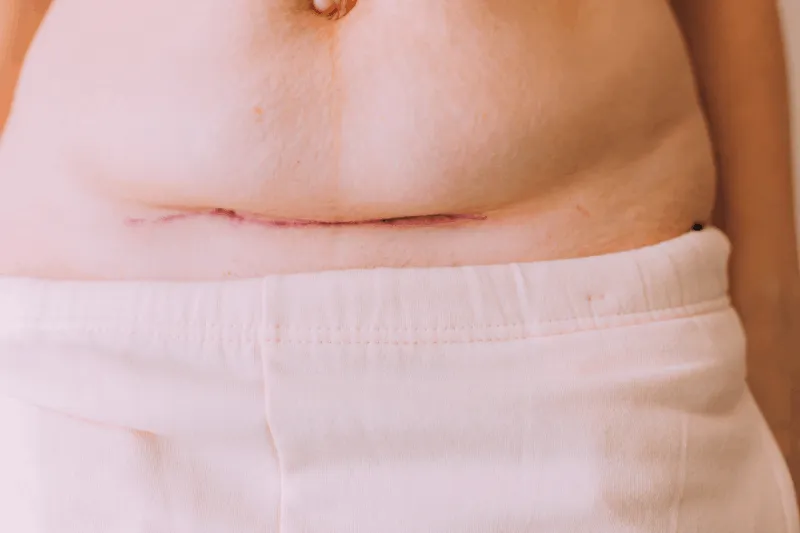
Yes, this combination is often referred to as “lipo-abdominoplasty.” It is an increasingly popular technique because it allows the surgeon to not only remove excess skin but also to sculpt the waist and flanks by removing stubborn fat deposits. For patients who haven’t reached their absolute “dream weight” but have stubborn regional fat, this combined approach offers the most dramatic improvement in body contouring, reshaping the entire mid-torso in a single session.
What Are The Long Term Results Like?
The results of a tummy tuck are designed to be permanent, provided the patient avoids significant weight fluctuations. The fat cells and skin removed during the procedure are gone for good. While the natural aging process will continue, you will never return to the level of sagging present before the surgery. Staying within 5-10 pounds of your post-surgery weight is the best way to ensure that the results of your investment remain crisp and beautiful for decades.
Are Scars More Noticeable On Plus Size Bodies?
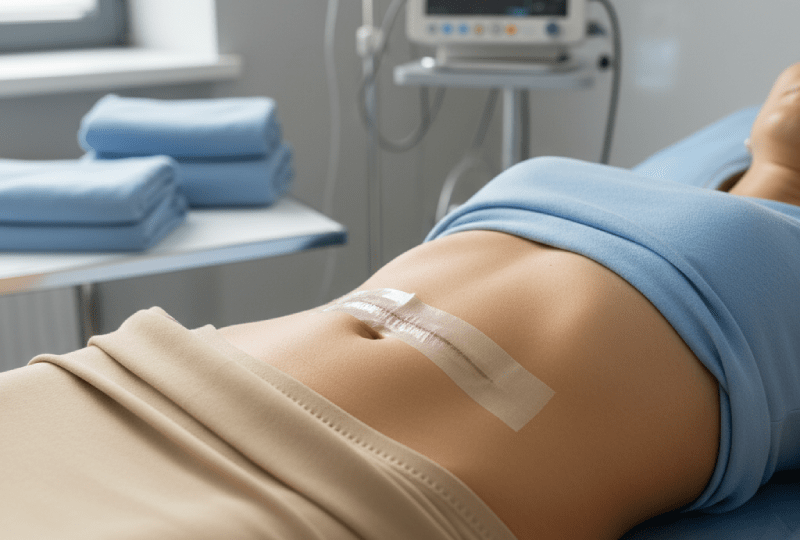
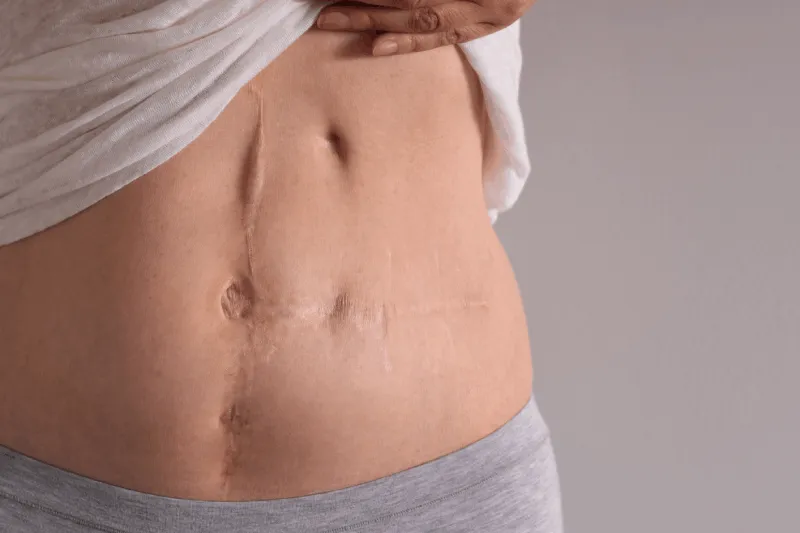
Scar quality depends mostly on surgical technique, tension on the wound, and genetic healing factors. In patients with more abdominal volume, there might be slightly more tension on the incision line, which requires expert suturing. Modern incisions are strategically placed very low, typically below the “bikini line,” so they can be easily hidden by underwear or swimwear. Following post-op scar care instructions, such as using silicone gels, can help the scar fade significantly over time.
How Should You Prepare If You Have Not Lost Weight?
If you decide to proceed before reaching your goal weight, preparation is key. You should stop smoking at least six weeks prior, optimize your intake of lean proteins, and ensure your vitamin levels are balanced. Your surgeon might suggest a light “pre-hab” diet or a walking regimen to reduce liver volume and improve your cardiovascular readiness. Being in the best possible health “within your current weight” is the goal of a thorough pre-surgical preparation.
What Is The Difference Between Panniculectomy And Abdominoplasty?
These two are often confused. A panniculectomy is a functional procedure to remove a hanging “apron” of skin (the pannus) that causes medical issues like rashes or back pain; it does not usually involve muscle tightening or aesthetic refinement. A tummy tuck (abdominoplasty) is a comprehensive aesthetic procedure that tightens muscles and repositions the belly button for a beautiful look. Patients who haven’t lost weight might sometimes start with a panniculectomy for relief, though most prefer the aesthetic benefits of a full tummy tuck.
Can Abdominal Muscle Repair (Diastasis Recti) Be Performed?
A vital part of the tummy tuck is the “muscle plication,” where the surgeon stitches the separated “six-pack” muscles back together. This separation, known as diastasis recti, often occurs after pregnancy or significant weight gain. Repairing these muscles not only flattens the stomach from the inside out but also narrows the waistline. This internal corset effect is what gives the abdomen its structural strength and prevents the “bulge” often seen when standing or eating.
Why Do Surgeons Recommend A Stable Weight?
If you undergo a tummy tuck and then lose a significant amount of weight afterward, you may end up with new pockets of loose skin, effectively undoing the “tightness” achieved during surgery. Conversely, gaining weight can strain the new internal repairs. Surgeons recommend weight stability to ensure that the “canvas” they are working on doesn’t change significantly after the masterpiece is finished. Stability is the secret to a high-satisfaction, long-lasting surgical outcome.
What Are Common Complications In Overweight Patients?
As body weight increases, the healing environment becomes more sensitive. There is a slightly higher chance of “fat necrosis,” where some fat cells do not survive the relocation and form small, firm lumps. However, with an experienced surgeon and proper post-operative care, such issues are easily managed. Early mobilization—walking shortly after surgery—is the most effective way to stimulate blood flow and prevent most complications associated with higher-weight surgeries.
How Does Wound Healing Change Based On Weight?
Generally, higher weight can mean more tension on the incision, which might slightly slow down the initial closing of the wound. However, modern wound-closure techniques and specialized dressings have bridged this gap significantly. Healing might take a few weeks longer in some cases, but with patient adherence to hygiene and activity restrictions, a healthy and aesthetically pleasing scar is achievable for everyone. Patience during the “swelling phase” is essential for higher-weight individuals.
Is It Better To Wait Or Act Immediately?
If sagging skin is causing you physical discomfort, emotional distress, or preventing you from exercising effectively, acting now might be the best decision for your mental health. However, if you are currently in the middle of a successful weight loss journey, waiting until you are closer to your target can yield a more “chiseled” look. This decision should be made during a deep-dive consultation with your surgeon, where you can weigh the benefits of immediate relief against the potential for a more refined later result.
Does A Tummy Tuck Help With Back Pain?
Surprisingly, the answer is often yes. By repairing the core muscles and removing the heavy “apron” of skin and fat that pulls the pelvis forward, the body’s center of gravity is restored. Many patients find that their posture improves dramatically, and chronic lower back pain caused by a weak abdominal wall is significantly alleviated. A tummy tuck is one of the few aesthetic procedures that offers such profound functional and orthopedic benefits to the patient’s daily life.
What Should You Ask During The Consultation?
During your consultation, be sure to ask: “How much skin and fat do you realistically expect to remove?”, “Will my muscle separation be fully repaired?”, and “What specific risks do I face based on my current weight?”. A transparent conversation about expectations is the foundation of a happy outcome. Your surgeon should show you “before and after” photos of patients with similar body types to yours so you can have a realistic vision of your potential results.
How Much Weight Can You Lose During The Procedure?
Since a tummy tuck is a contouring procedure, the actual weight lost on the scale is usually between 5 to 10 pounds (2 to 5 kilograms). This varies based on the amount of excess skin and the volume of liposuction performed. However, the visual impact is much greater than the weight loss suggests. Most patients find they drop 2 to 3 clothing sizes, as the removal of bulk from the midsection completely changes how garments fit and hang on the body.
What Is The Impact Of Surgery On Self Confidence?
The emotional transformation is often more significant than the physical one. Removing the physical barrier of excess skin allows patients to feel more comfortable in social settings, intimate moments, and even simple daily tasks. This newfound confidence often acts as a positive feedback loop, encouraging patients to take better care of themselves, dress more adventurously, and live a more outgoing life. The “mental weight” lifted is often far heavier than the physical tissue removed.
Are There Non Surgical Alternatives Available?
For those with significant skin sagging, non-surgical options like radiofrequency or ultrasound skin tightening usually offer very limited results. While they can improve skin texture or minor laxity, they cannot remove several inches of skin or repair separated muscles. If your goal is a truly flat and tight abdomen, surgery remains the “gold standard.” It is the only way to achieve a structural, multi-dimensional change that lasts a lifetime.
How Does Diet Help Maintain The Results?
Post-surgery, a diet high in protein and healthy fats supports tissue repair and collagen production. Reducing sodium intake helps manage post-operative swelling (edema), while staying hydrated keeps the skin supple. In the long term, avoiding processed sugars and focusing on portion control ensures that you don’t gain weight that could stretch the surgical site. Think of your new body as a high-performance machine that requires premium fuel to stay in top shape.
Why Should You Choose Cure Holiday For A Tummy Tuck?
When it comes to a life-changing procedure like a tummy tuck, expertise and trust are the most important factors. Cure Holiday works with the most experienced plastic surgeons to provide world-class service to its patients. Every patient’s body structure and goals are unique; the expert team at Cure Holiday creates a personalized treatment plan for you, ensuring you achieve the safest and most aesthetic results. With modern medical technologies and high-tier hospitals, reaching your dream appearance is now much easier.
What Makes Cure Holiday Health Tourism Special?
Health tourism is not just about having surgery; it is a total experience. Cure Holiday designs a flawless end-to-end process for its international patients. From luxury accommodation options to comfortable VIP transfers, every detail is meticulously planned. While you spend your treatment process in the comfort of a holiday, our professional consultants will be with you every step of the way. With Cure Holiday, you regain your health while experiencing the unique hospitality of Turkey.
How Does Cure Holiday Support Your Recovery Process?
The post-operative period is at least as important as the operation itself for the success of the result. Cure Holiday does not leave its patients alone after surgery. Thanks to expert care staff following your recovery process and regular check-ups, any potential problems are prevented. All necessary corsets, medications, and care sets are provided to you, aiming for every patient returning home to be happy and safe. When you join the Cure Holiday family, you become part of a support system that lasts a lifetime.
Are You Ready For A Transformation With Cure Holiday?
You don’t have to wait to lose weight or live unhappily with sagging skin. Cure Holiday professionally answers the question “Is it right to get a tummy tuck without losing weight?” for you and determines the most suitable timing. By taking action now, you can refresh your self-confidence and make a brand new start. Contact Cure Holiday immediately for a free consultation and special offers tailored to you. The body of your dreams is just a message away!
Getting a tummy tuck without losing all your target weight is a medical reality that gives highly successful results under certain conditions. However, it is vital that this decision is made by an expert surgeon by analyzing the patient’s general health status and expectations. Getting rid of sagging skin and stubborn fat tissue provides not only physical relief but also mental freedom. With a healthy lifestyle and the support of a professional team, there is no reason for you to fail in this transformation journey. Remember, the right time is when you feel most ready for change.
Free Consultation
Fill out the form below to get your free medical travel plan and price quote.
Sources and how to verify this yourself
- Ministry of Health, Regulation on International Health Tourism and Tourist Health, Official Gazette 26 April 2025, No. 32882 — authorisation requirement for facilities and intermediaries, TÜSKA accreditation, compulsory complication insurance (deadline 31 December 2025 for insurance, 31 December 2026 for accreditation). source
- Ministry of Health, Regulation on Promotion and Information Activities in Health Services, Official Gazette 12 November 2025, No. 33075 — treatment promises and guarantees are prohibited; price and campaign announcements are permitted only within international health tourism. source