About the prices on this page. The figures below are indicative market prices and country comparisons, not a quote. Our own current, all-inclusive prices are published on our cosmetic surgery in Turkey page, and we confirm your figure in writing before you commit to anything.
Cost & Price Comparison: Septorhinoplasty in Turkey
Considering septorhinoplasty? You’re likely also considering the cost. And if you’re exploring options beyond your home country, Turkey consistently emerges as a leading destination for medical tourism – and for very good reason!
In 2026, the price difference between undergoing septorhinoplasty in Turkey versus Western Europe (countries like Germany, France, and the Netherlands) is significant. Save up to 70% on the overall cost, including surgery, pre-operative assessments, post-operative care, and even accommodation.
While the exact price will vary depending on the complexity of your case, the surgeon’s experience, and the clinic you choose, you can generally expect costs to be considerably lower in Turkey. Many patients find the total expense, *including* travel and stay, is still far less than the surgery alone would cost in Europe or North America.
This isn’t about compromising on quality. Turkey has invested heavily in its medical infrastructure and boasts highly skilled, internationally trained surgeons specializing in rhinoplasty. It’s about experiencing Affordable Luxury – receiving world-class treatment at a fraction of the price.
Think of it this way: you could potentially cover the cost of your surgery *and* enjoy a wonderful vacation in a beautiful country. We encourage you to request detailed quotes from several clinics to get a clear picture of how much you could save. Don’t hesitate to ask about package deals that include everything from airport transfers to hotel stays and post-operative check-ups.
Introduction: Addressing Functional & Aesthetic Concerns – Is Septorhinoplasty Right for You?
Septorhinoplasty is a multifaceted surgical procedure addressing both structural and cosmetic imperfections of the nose. Unlike a purely cosmetic rhinoplasty, which focuses solely on reshaping, septorhinoplasty corrects a deviated septum – the cartilage and bone dividing the nasal cavity – while simultaneously refining the external appearance. This dual approach makes it a powerful solution for individuals experiencing breathing difficulties *and* dissatisfaction with the form of their nose.
Many patients seek septorhinoplasty due to chronic nasal obstruction. A deviated septum can restrict airflow, leading to persistent congestion, snoring, sleep apnea, recurrent sinus infections, and even headaches. However, the impact extends beyond physical discomfort. A visibly crooked nose resulting from a deviated septum can significantly affect self-esteem and confidence.
The decision to undergo septorhinoplasty isn’t taken lightly. A thorough evaluation of both functional and aesthetic concerns is crucial. Functionally, surgeons assess the degree of septal deviation, the impact on nasal airflow, and the presence of any associated sinus issues. A physical examination, including a nasal endoscopy (using a small camera to visualize the internal nasal structures), is standard.
Aesthetically, the evaluation focuses on your nasal contours – the bridge, tip, and overall proportions – and how they relate to your facial features. What aspects of your nose bother you most? Are you seeking a reduction in size, a refinement of the tip, or correction of asymmetry? Realistic expectations are paramount. While septorhinoplasty can achieve significant improvements, the goal is to create a natural-looking nose that harmonizes with your face, not to replicate an idealized image.
The cost of addressing these concerns varies dramatically depending on location. In countries like Germany or France, septorhinoplasty can easily exceed €8,000 – €12,000, factoring in surgeon fees, anesthesia, hospital stays, and post-operative care. This substantial financial burden often prevents individuals from accessing the treatment they need.
Turkey, however, has emerged as a leading destination for high-quality, affordable septorhinoplasty. Patients traveling to Turkey consistently report savings of up to 70% compared to European prices, with procedures often available for between €2,500 – €4,500. This isn’t due to compromised quality; rather, it’s a result of lower operational costs and a highly skilled, internationally trained surgical workforce.
It’s vital to understand that this cost difference doesn’t equate to inferior care. Turkey boasts modern, Ministry of Health–authorised hospitals equipped with advanced technology, and many surgeons specialize in rhinoplasty, performing a high volume of these procedures annually. This experience translates to refined techniques and consistently excellent results.
Furthermore, the comprehensive packages offered in Turkey often include not only the surgery but also pre-operative assessments, anesthesia, hospital stays (typically 2-3 nights), post-operative medications, and even hotel accommodations and airport transfers. This all-inclusive approach provides peace of mind and simplifies the entire process.
Before committing to surgery, it’s essential to consult with a board-certified plastic surgeon experienced in septorhinoplasty. Discuss your medical history, concerns, and expectations openly. The surgeon should perform a detailed examination, explain the surgical plan, potential risks and complications, and provide realistic outcomes. Don’t hesitate to ask questions and ensure you feel comfortable and confident with your chosen surgeon.
> 🏥 CureHoliday Advantage: We don’t just book your treatment; we manage your entire journey. From VIP airport transfers to 5-star hotel accommodation, everything is included in your package.
Understanding Septorhinoplasty: A Detailed Look at the Procedure
Septorhinoplasty is a complex surgical procedure addressing both structural defects of the nasal septum *and* aesthetic concerns of the nose. It’s not merely a cosmetic procedure; it’s often medically necessary to improve breathing and sinus function, and then refined to achieve a more balanced and harmonious facial appearance. Understanding the intricacies of the procedure is crucial for anyone considering it, especially when exploring options like treatment in Turkey, where quality and affordability converge.
The primary goal of the septal component – the septoplasty – is to correct a deviated septum. The nasal septum is the cartilage and bone dividing the nasal cavity. Deviation can be congenital (present at birth) or caused by injury. A severely deviated septum obstructs airflow, leading to chronic nasal congestion, sinusitis, nosebleeds, and even sleep apnea. During septoplasty, the surgeon straightens the septum, often using cartilage grafts taken from the septum itself, the ear, or the rib. These grafts provide support and ensure the septum remains in the corrected position.
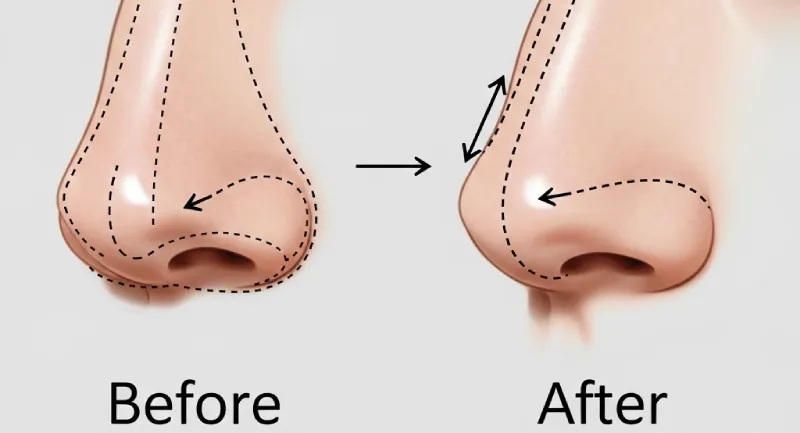
Simultaneously, the rhinoplasty portion focuses on reshaping the external nose. This involves altering the nasal bones and cartilage to address concerns like a dorsal hump, a wide nasal base, a bulbous tip, or asymmetry. The surgeon’s approach is highly individualized, tailored to the patient’s unique anatomy and desired aesthetic outcome. This is where surgical skill and artistic vision are paramount.
The procedure typically begins with an incision. Whether an open or closed rhinoplasty technique is employed (detailed in a separate section) dictates the incision placement. Open rhinoplasty involves a small incision across the columella (the strip of cartilage between the nostrils), allowing for greater visibility and precise manipulation of the underlying structures. Closed rhinoplasty utilizes incisions *inside* the nostrils, leaving no visible external scar, but offering slightly less surgical access.
Once access is achieved, the surgeon carefully reshapes the nasal bones. This may involve osteotomies – controlled fractures of the bones – to narrow the nasal bridge or correct asymmetry. Cartilage grafting is a cornerstone of successful rhinoplasty. Spreader grafts, for example, widen the internal nasal valve, improving airflow and preventing collapse. Tip grafts refine the nasal tip, providing definition and projection. Sutures are used to reshape and stabilize the cartilage.
Addressing the nasal tip is often one of the most challenging aspects of septorhinoplasty. The tip is formed by the lower lateral cartilages, and manipulating these requires a delicate touch to avoid unwanted stiffness or asymmetry. Surgeons employ various techniques, including cartilage reshaping, suturing, and grafting, to achieve a natural and aesthetically pleasing tip.
In Turkey, highly qualified and experienced surgeons perform septorhinoplasty using state-of-the-art facilities. The same level of surgical expertise found in countries like Germany or France is readily available, but at a significantly reduced cost. Patients consistently report savings of up to 70% by choosing Turkey for their procedure. Consider that a septorhinoplasty in Germany or France can easily exceed €8,000-€12,000, while in Turkey, the same procedure, performed by a similarly qualified surgeon, can be obtained for €2,500-€4,000. This dramatic price difference isn’t due to a compromise in quality; it’s a result of lower operational costs and a favorable exchange rate.
The final stages of the surgery involve carefully closing the incisions and applying a splint or cast to protect the nose and maintain its new shape. This splint remains in place for approximately one week, after which it’s removed to reveal the initial results. While some swelling and bruising are expected, these gradually subside over several months, revealing the final, refined outcome. Post-operative care is crucial, and Turkish clinics provide comprehensive instructions and follow-up appointments to ensure optimal healing and patient satisfaction.
> ✨ All-Inclusive Comfort: With CureHoliday, you never walk alone. Our 24/7 patient support ensures you are safe, comfortable, and well-cared for throughout your stay in Turkey.
Pre-Operative Consultation & Assessment
The pre-operative consultation and assessment phase is arguably the most crucial step in ensuring a successful septorhinoplasty in Turkey. It’s far more than just a preliminary chat; it’s a meticulous evaluation of your nasal structure, functional concerns, aesthetic goals, and overall health, all tailored to deliver optimal results – and at a fraction of the cost compared to procedures in countries like Germany or France. Patients traveling from Europe routinely save upwards of 70% on total expenses, without compromising on quality or surgeon expertise.
The initial consultation typically begins with a detailed discussion of your medical history. The surgeon will inquire about previous nasal surgeries, allergies, bleeding disorders, and any medications you are currently taking, including over-the-counter drugs and supplements. Transparency is vital here, as certain factors can influence surgical planning and recovery. This thoroughness is standard practice in Turkey, mirroring the high standards found in Western European clinics, but at significantly lower costs.
Next comes a comprehensive physical examination of your nose. This involves an external and internal assessment. Externally, the surgeon will analyze your nasal skin thickness, cartilage strength, and overall facial proportions to understand how a revised nose will harmonize with your existing features. Internal examination, performed using an endoscope, allows visualization of the nasal septum and turbinates. This identifies any structural abnormalities contributing to breathing difficulties, such as a deviated septum, nasal polyps, or turbinate hypertrophy.
Functional assessment is paramount. The surgeon will evaluate your nasal airflow, often using techniques like the Miller’s maneuver or rhinomanometry, to pinpoint the exact location and severity of any obstruction. Correcting these functional issues is a core component of septorhinoplasty, and Turkish surgeons are highly skilled in restoring proper nasal function alongside aesthetic improvements. In countries like France, this level of detailed functional assessment might add significantly to the overall cost.
Aesthetic goals are then discussed in detail. The surgeon will ask you to describe your desired nasal shape and size, and will use digital imaging software to create a simulated preview of potential outcomes. It’s crucial to bring photographs of noses you admire, but also to understand that achieving an exact replica isn’t always possible or advisable, given your unique anatomy. The surgeon will explain what is realistically achievable and will tailor the plan to your individual facial structure, ensuring a natural-looking result.
Further diagnostic testing may be necessary. This could include a CT scan of the sinuses to evaluate the bony structures and rule out any underlying sinus disease. While a CT scan adds to the pre-operative cost, it’s a relatively small expense compared to the potential complications that could arise from proceeding without a clear understanding of your anatomy – a cost that can easily be several times higher in Germany.
The surgeon will also explain the different surgical techniques available (open vs. closed rhinoplasty, septal correction methods, grafting techniques – detailed in subsequent sections) and will recommend the most appropriate approach based on your specific needs and anatomy. This personalized approach is a hallmark of quality care in Turkey.
Finally, a detailed discussion of potential risks and complications will take place. While septorhinoplasty is generally safe, like any surgical procedure, it carries inherent risks such as infection, bleeding, numbness, or dissatisfaction with the aesthetic outcome. The surgeon will explain how these risks are minimized and what steps will be taken to address them if they occur. Post-operative care instructions, including splint/cast removal and follow-up appointments, will also be provided.
The entire pre-operative process in Turkey is designed to be comprehensive and patient-centered, ensuring you are fully informed and prepared for a successful septorhinoplasty – all while enjoying substantial cost savings compared to procedures performed in Western Europe.
> 📉 Cost Comparison: A simple procedure that costs €5,000 in Germany might cost only €1,500 in Turkey with CureHoliday. Why pay more for the same quality?
Anesthesia Options Explained
Anesthesia plays a crucial role in ensuring a comfortable and safe septorhinoplasty experience. The choice of anesthesia isn’t solely determined by patient preference, but also by the complexity of the surgery, the surgeon’s technique (open vs. closed rhinoplasty – discussed in a later section), and the patient’s overall health. In Turkey, highly qualified anesthesiologists specializing in facial surgery are standard, contributing to the consistently high success rates and patient satisfaction. This level of specialized care is often significantly more expensive in countries like Germany or France.
Generally, three main types of anesthesia are used for septorhinoplasty: local anesthesia with sedation, regional anesthesia (often facial blocks), and general anesthesia. Each has its advantages and disadvantages, and a thorough discussion with both your surgeon and anesthesiologist is essential.
Local anesthesia involves numbing the nasal tissues directly. It’s typically used for simpler, closed rhinoplasty procedures. The patient remains awake during the surgery, though often a mild sedative is administered intravenously to reduce anxiety and promote relaxation. While this minimizes systemic risks, it requires excellent patient cooperation and may not be suitable for more extensive septal work or procedures involving significant bone reshaping. In Europe, even local anesthesia can add substantial costs due to facility fees and overhead – costs substantially lower in Turkish clinics.
Regional anesthesia, specifically facial blocks, provides numbness to the face and nose. It’s administered by injecting local anesthetic around specific nerves. This offers a deeper level of pain control than local anesthesia alone, and, like local anesthesia, avoids the risks associated with general anesthesia. Some patients prefer this option as they remain conscious but are effectively pain-free. However, achieving complete and consistent numbness can be challenging, and a supplemental sedative is usually given. The cost difference between regional and general anesthesia in Turkey is less pronounced than the difference you’d find in Western European countries like France, allowing for greater flexibility in choosing what’s best for you.
General anesthesia renders the patient completely unconscious during the surgery. This is frequently the preferred method for more complex septorhinoplasty cases, particularly those involving open rhinoplasty, extensive septal reconstruction, or significant bone work. It provides the surgeon with optimal operating conditions and allows for a completely relaxed patient. While it carries inherent risks – as with any general anesthetic – these risks are minimized by the experienced anesthesiologists and state-of-the-art monitoring equipment available in Turkish hospitals.
The cost of general anesthesia in Turkey is a fraction of what patients would pay in countries like Germany. Often, the anesthesia fees alone in Germany can represent a significant portion of the overall surgical cost. Patients traveling to Turkey routinely save 60-70% on the *entire* procedure, including anesthesia, hospital stay, and surgeon’s fees, while receiving a comparable – or even superior – level of care.
It’s important to understand that the choice of anesthesia impacts the recovery process. Local and regional anesthesia generally result in faster recovery times and less post-operative discomfort compared to general anesthesia. However, the surgeon’s skill and meticulous technique play a far more significant role in minimizing post-operative pain and swelling, regardless of the anesthesia type.
Pre-operative assessment by the anesthesiologist is crucial. This involves a review of your medical history, current medications, allergies, and a physical examination to assess your overall health and suitability for each type of anesthesia. They will discuss the risks and benefits of each option and answer any questions you may have.
The anesthesiologist will also be responsible for monitoring your vital signs throughout the surgery and managing any post-operative pain. In Turkey, this comprehensive approach to patient care is a hallmark of the country’s growing reputation as a leading destination for medical tourism. The financial savings are substantial, but the quality of care is never compromised.
> 🇹🇷 Why Turkey? You don’t have to compromise on quality to save money. Istanbul hosts some of the world’s best clinics with JCI accreditation, offering prices 3-4 times lower than Europe.
Incision Techniques – Open vs. Closed Rhinoplasty
The surgical approach to septorhinoplasty – whether open or closed – significantly impacts the procedure’s complexity, precision, and ultimately, the final result. Understanding these techniques is crucial for patients considering septorhinoplasty in Turkey, where skilled surgeons expertly perform both with consistently excellent outcomes at a fraction of the cost of procedures in countries like Germany or France.
Closed rhinoplasty, also known as the endonasal approach, involves incisions *inside* the nostrils. The surgeon accesses the nasal structures without any external incisions. This technique is often preferred for less complex cases – primarily focused on minor adjustments to the nasal bridge or tip, or straightforward septal corrections. The advantage of closed rhinoplasty is generally quicker recovery, less swelling, and no visible external scar. However, the limited visibility can make precise cartilage sculpting and complex septal reconstruction challenging.
Open rhinoplasty, conversely, involves a small incision across the columella – the strip of cartilage between the nostrils. This allows the surgeon to lift the skin and soft tissues, providing a complete and unobstructed view of the underlying nasal framework. This enhanced visualization is paramount for complex cases, including significant septal deviations, extensive cartilage grafting, and substantial reshaping of the nasal bones and tip.
While open rhinoplasty results in a small, usually barely noticeable external scar, it does involve a slightly longer recovery period and potentially more swelling compared to the closed approach. However, the increased precision achievable with open rhinoplasty often translates to more predictable and refined results, particularly when addressing both functional and aesthetic concerns simultaneously.
In Turkey, surgeons are highly proficient in both techniques, carefully assessing each patient’s anatomy and goals to determine the optimal approach. They are adept at minimizing scarring and swelling regardless of the chosen method. This level of expertise is often inaccessible to patients in Western Europe due to exorbitant surgical fees. Patients travelling from countries like France and Germany frequently report savings of up to 70% on their septorhinoplasty in Turkey, without compromising on quality or surgeon skill.
The choice between open and closed rhinoplasty isn’t simply about cost, although that is a significant factor driving medical tourism to Turkey. It’s about achieving the *best possible outcome*. For instance, a patient with a severely deviated septum requiring extensive reconstruction and nasal valve repair will almost invariably benefit from the open approach. The surgeon needs to be able to meticulously address the structural issues and rebuild the supporting framework, which is far easier with full visualization.
Conversely, a patient seeking minor tip refinement and minimal septal correction might be an excellent candidate for a closed rhinoplasty. The surgeon can achieve the desired result with minimal trauma and a faster recovery.
The pre-operative consultation in Turkey will involve a thorough examination of your nasal anatomy, a discussion of your aesthetic goals, and a detailed explanation of the recommended technique – along with a clear breakdown of the all-inclusive cost. This transparency is a hallmark of Turkish medical facilities, contrasting sharply with the often opaque pricing structures found in countries like Germany, where hidden fees can significantly inflate the final bill.
It’s important to remember that even with a closed approach, a skilled surgeon in Turkey can achieve remarkable results. The difference lies in the surgeon’s experience, artistic eye, and understanding of nasal anatomy – qualities readily available at leading clinics offering septorhinoplasty at significantly reduced costs compared to Western European standards. The focus is always on achieving both functional improvement (breathing, sinus health) and aesthetic harmony, regardless of the incision technique employed.
> ✨ All-Inclusive Comfort: With CureHoliday, you never walk alone. Our 24/7 patient support ensures you are safe, comfortable, and well-cared for throughout your stay in Turkey.
Septal Correction & Cartilage Grafting
Septal correction, or septoplasty, is frequently integrated into septorhinoplasty procedures, addressing a deviated septum – a misalignment of the cartilage and bone dividing the nasal cavity. This deviation can significantly obstruct airflow, leading to breathing difficulties, sinus infections, and even sleep apnea. Correcting this is not merely aesthetic; it’s fundamentally about improving nasal function.
The extent of septal correction varies greatly depending on the severity and location of the deviation. Mild deviations might require minimal manipulation, reshaping the cartilage with precise instruments. More significant deviations necessitate cartilage resection (removal) and reconstruction. Surgeons employ techniques like straightening, repositioning, and suturing cartilage to create a more symmetrical and functional nasal passage.
Crucially, the cartilage removed during septoplasty isn’t discarded. This is where cartilage grafting becomes vital. The septum, along with ear cartilage and, less commonly, rib cartilage, serve as the primary source of grafting material. These grafts are meticulously sculpted and placed to reinforce weakened areas of the nose, refine the nasal tip, and create a more stable and aesthetically pleasing result.
Different types of grafts address specific needs. Spreader grafts, placed along the dorsal septum, help to open up the internal nasal valve, improving airflow and preventing collapse. Tip grafts, used at the end of the nose, define the tip’s projection and shape. Alar batten grafts support the nostrils, preventing retraction and widening. Suturing techniques also play a role in cartilage reformation, offering non-grafting alternatives for minor refinements.
In countries like Germany or France, the costs associated with these advanced septal corrections and intricate cartilage grafting procedures can be exceedingly high – often exceeding €8,000 – €12,000. This figure encompasses surgeon’s fees, anesthesia, facility charges, and post-operative care. Patients are frequently surprised by these expenses, especially when considering the relatively similar skill and technology available elsewhere.
Turkey presents a compelling alternative. Highly qualified and experienced surgeons in Turkey routinely perform complex septorhinoplasty procedures, including extensive septal corrections and multiple cartilage grafts, at a fraction of the cost. Patients consistently report savings of up to 70% compared to European prices, with packages often including hospital stay, anesthesia, pre- and post-operative care, and even accommodation.
This isn’t a compromise on quality. Turkish clinics invest heavily in state-of-the-art technology and adhere to international standards of surgical excellence. Surgeons are often board-certified, internationally trained, and actively participate in global medical conferences. The lower cost is primarily due to a more competitive healthcare market and lower operational expenses, not a reduction in skill or care.
The skillful application of cartilage grafting is paramount to long-lasting results. A surgeon’s understanding of nasal anatomy, cartilage dynamics, and aesthetic principles is crucial. In Turkey, surgeons prioritize a personalized approach, carefully assessing each patient’s unique nasal structure and functional needs to develop a tailored surgical plan. This individualized attention, combined with meticulous surgical technique, minimizes the risk of complications and maximizes the chances of achieving a natural-looking and functional outcome.
Furthermore, the use of advanced imaging technology – like 3D CT scans – allows surgeons to precisely map the deviated septum and plan the corrective measures with unparalleled accuracy. This pre-operative planning translates to a smoother surgical experience and a more predictable outcome. The emphasis on functional correction, alongside aesthetic refinement, is a hallmark of quality septorhinoplasty in Turkey, delivering both improved breathing and a harmonious facial profile – all at a significantly reduced price point compared to Western European alternatives.
> 📉 Cost Comparison: A simple procedure that costs €5,000 in Germany might cost only €1,500 in Turkey with CureHoliday. Why pay more for the same quality?
Reshaping the Nasal Bones & Tip
Reshaping the nasal bones and tip constitutes the core aesthetic component of septorhinoplasty. While septal correction addresses breathing difficulties, this stage focuses on achieving the desired cosmetic outcome. The techniques employed are highly individualized, dependent on the patient’s anatomy and aesthetic goals, but consistently demonstrate a high level of surgical artistry in Turkish clinics.
The nasal bones, forming the upper third of the nose, are often manipulated to refine the dorsal hump (the bump on the bridge), narrow a wide nose, or correct asymmetries. This frequently involves osteotomies – controlled fractures of the nasal bones. These fractures aren’t forceful breaks; instead, they are precise, strategically placed cuts that allow the surgeon to remodel the bony framework. The surgeon will then carefully reshape and reposition the bone fragments, ensuring a smooth and natural contour.
In Turkey, surgeons frequently utilize piezosurgery, an ultrasonic bone sculpting technique, for nasal bone reshaping. Piezosurgery offers increased precision and minimizes trauma to surrounding tissues, leading to less bruising and swelling – a significant advantage compared to traditional osteotomy methods. This translates to a faster and more comfortable recovery period. The cost of incorporating such advanced technology in Europe, particularly in countries like Germany and France, would significantly inflate the overall surgical price. Patients opting for surgery in Turkey can access this level of precision while saving upwards of 70% on the total cost.
The nasal tip, the most visually prominent part of the nose, requires particularly delicate work. Reshaping the tip involves manipulating the lower lateral cartilages – the structures that define the tip’s shape and projection. Techniques include suturing cartilage to reshape and refine the tip, cartilage grafting to add support or definition, and, in some cases, cartilage trimming to reduce bulk.
Tip plasty can address a wide range of concerns, including a bulbous tip, a drooping tip, or a poorly defined tip. Surgeons in Turkey are renowned for their ability to create natural-looking tips, avoiding the “pinched” or “artificial” appearance that can sometimes result from less skilled procedures. They master techniques like dome sutures and spreader grafts to achieve lasting, harmonious results.
Cartilage grafting plays a crucial role in both tip and mid-vault support. Septal cartilage is often used, but if insufficient, cartilage can be harvested from the ear or rib. This is a common practice in Turkey, ensuring the surgeon has ample material to achieve the desired structural integrity. The meticulous placement of these grafts is vital for long-term stability and prevents late-stage tip droop or asymmetry.
Compared to the average cost of rhinoplasty with comparable techniques in Western European countries, the price difference is substantial. A complex tip plasty with cartilage grafting in France or Germany can easily exceed €10,000 – €15,000. In Turkey, the same procedure, performed by a highly qualified surgeon with access to cutting-edge technology, is typically available for between €2,500 – €4,500. This remarkable cost saving doesn’t compromise quality; Turkish clinics adhere to international standards and often boast JCI accreditation.
It’s essential to understand that nasal reshaping isn’t just about making the nose smaller or larger. It’s about achieving balance and harmony with the patient’s overall facial features. Surgeons in Turkey emphasize a holistic approach, carefully analyzing facial proportions and tailoring the procedure to create a natural and aesthetically pleasing result. This commitment to artistic refinement, combined with the affordability, makes Turkey a leading destination for septorhinoplasty.
> ✨ All-Inclusive Comfort: With CureHoliday, you never walk alone. Our 24/7 patient support ensures you are safe, comfortable, and well-cared for throughout your stay in Turkey.
Closing Incisions & Applying Splint/Cast
The final stage of septorhinoplasty focuses on meticulous wound closure and providing external support during the initial healing phase. This is a critical step, impacting not only the cosmetic outcome but also the patient’s comfort and recovery trajectory. Surgeons in Turkey prioritize precision at this stage, utilizing techniques that minimize visible scarring and promote optimal healing – all while keeping costs significantly lower than those found in Western Europe.
Incisions, whether made through the open or closed approach, are closed in layers. The surgeon will begin with the deeper layers, carefully approximating tissues to reduce dead space and prevent fluid accumulation. Absorbable sutures are almost universally used internally, eliminating the need for external stitch removal and further minimizing scarring. The surgeon will pay close attention to ensure proper alignment of the skin and underlying structures.
For open rhinoplasty, the incision across the columella (the skin between the nostrils) requires particularly delicate handling. Turkish surgeons are renowned for their skill in creating nearly invisible columellar scars, a testament to their advanced suturing techniques. This contrasts sharply with the potential for more noticeable scarring seen with less experienced surgeons, or those operating in countries where costs necessitate quicker procedures. In Germany or France, achieving this level of refinement often adds substantially to the overall expense.
Once the deeper layers are secured, the skin incisions are closed with very fine, non-absorbable sutures. These sutures are typically removed 5-7 days post-operatively, though some surgeons may use exceptionally fine, rapidly dissolving sutures for external closure as well. The goal is to achieve a precise, aesthetically pleasing closure that blends seamlessly with the surrounding skin.
Following incision closure, a splint and/or cast is applied to protect the newly reshaped nose and maintain its structure during the initial healing period. The type of support used depends on the extent of the surgery and the surgeon’s preference. A splint, typically made of plastic or silicone, is often placed *inside* the nostrils to support the septum and prevent collapse. This internal splint is usually removed within a week.
An external cast, made of plaster or a lightweight thermoplastic material, is then applied over the entire nose. This cast immobilizes the nasal bones and soft tissues, allowing them to heal in the desired position. The cast provides crucial support, particularly after osteotomies (surgical reshaping of the nasal bones) or significant tip work.
The application of the cast is an art form in itself. A well-fitted cast should be snug but not constricting, allowing for normal breathing and minimizing discomfort. Surgeons in Turkey are adept at crafting casts that provide optimal support without compromising patient comfort.
Patients considering septorhinoplasty often express concern about the cost of aftercare, including cast removal and follow-up appointments. In countries like France or Germany, these ancillary costs can quickly add up, increasing the overall financial burden. However, Turkey offers a comprehensive package that typically includes all post-operative care, including cast removal, follow-up consultations, and even potential revision procedures if needed – all for a fraction of the cost. Patients routinely save 60-70% compared to European prices, without sacrificing quality of care.
It’s important to understand that the splint/cast is *not* permanent. It’s a temporary measure to facilitate healing. Patients will be instructed on how to care for the cast and what to expect during the recovery period. Swelling and bruising are normal, and these will gradually subside over several weeks. Turkish clinics provide detailed post-operative instructions and readily available support to ensure a smooth and comfortable recovery. The combination of skilled surgical technique and affordable pricing makes Turkey a leading destination for septorhinoplasty, offering patients the opportunity to achieve both functional and aesthetic improvements without breaking the bank.
> ✨ All-Inclusive Comfort: With CureHoliday, you never walk alone. Our 24/7 patient support ensures you are safe, comfortable, and well-cared for throughout your stay in Turkey.
Benefits of Combining Septoplasty with Rhinoplasty
Combining septoplasty with rhinoplasty, often referred to as septorhinoplasty, is a remarkably common and strategically advantageous approach to nasal surgery. It addresses both structural issues hindering breathing *and* aesthetic concerns impacting facial harmony. While often performed as a single, integrated procedure, understanding the benefits of this combination is crucial for potential patients considering surgery in Turkey.
The nasal septum, the cartilage and bone dividing the nasal cavity, frequently deviates. This deviation can obstruct airflow, leading to chronic nasal congestion, sinusitis, sleep disturbances, and even headaches. Septoplasty specifically corrects this deviation, improving nasal patency. Rhinoplasty, on the other hand, focuses on reshaping the external nose to enhance its appearance. Performing them separately not only increases the overall surgical time and recovery period but also incurs significantly higher costs.
In Europe, particularly in countries like Germany and France, the cost of undergoing both procedures separately can easily exceed €8,000 – €12,000, or even more, depending on the surgeon’s experience and the complexity of the case. This figure doesn’t usually include anesthesia, hospital stays, or post-operative care. In contrast, Turkey offers a compelling alternative, allowing patients to undergo septorhinoplasty with experienced, board-certified surgeons for approximately €2,000 – €4,000, representing a saving of up to 70% – without compromising on quality.
The synergistic effect of combining the procedures is a key benefit. The surgeon has a complete view of the underlying nasal framework during the correction of the septum. This allows for a more precise and holistic approach to reshaping the nose. Addressing functional issues *first* provides a stable foundation for aesthetic refinement. If the septum isn’t straight, attempting rhinoplasty alone can lead to unpredictable results and potential breathing problems down the line.
Consider the implications of nasal obstruction on the aesthetic outcome. Chronic congestion can cause the nasal tissues to swell, distorting the perceived shape of the nose. Correcting the septum alleviates this swelling, allowing for a more accurate assessment of the nasal structure and a more predictable rhinoplasty result. Furthermore, the cartilage removed during septoplasty can often be used as grafting material during the rhinoplasty portion of the surgery. This eliminates the need for additional cartilage sources, reducing the risk of complications and improving the natural look of the nose.
The use of septal cartilage as a graft is particularly valuable for tip refinement and dorsal augmentation. It’s a biocompatible material, meaning it’s less likely to be rejected by the body, and it provides a natural-looking result. Experienced surgeons in Turkey are adept at utilizing septal cartilage effectively, maximizing its potential for both functional and aesthetic benefits.
Moreover, opting for combined surgery minimizes the number of anesthetics administered and the overall recovery time. A single recovery period is significantly less disruptive than two. Patients in Turkey typically experience a week of initial recovery, followed by several weeks of gradual improvement. This is comparable to recovery times in Europe, but at a fraction of the cost.
It’s important to note that not every patient requires septoplasty. A thorough pre-operative assessment, a standard practice at reputable clinics in Turkey, will determine if septal deviation is present and impacting breathing. If the septum is relatively straight, rhinoplasty alone may suffice. However, for those with functional nasal obstruction, combining septoplasty with rhinoplasty offers a comprehensive solution, delivering both improved breathing and a beautifully sculpted nose – all at a remarkably affordable price point when choosing Turkey as your destination. The expertise available, coupled with the cost savings, makes it an increasingly popular choice for patients seeking superior care.
> 📉 Cost Comparison: A simple procedure that costs €5,000 in Germany might cost only €1,500 in Turkey with CureHoliday. Why pay more for the same quality?
Aesthetic Advantages: Achieving a Harmonious Facial Profile
Aesthetic advantages following septorhinoplasty extend far beyond simply altering the nose’s appearance. The goal isn’t merely a ‘prettier’ nose, but a harmonious integration with the patient’s entire facial structure. Turkish surgeons are increasingly renowned for their artistry in achieving this balance, a skill highly sought after by international patients.
The nose is a central facial feature, and even subtle changes can significantly impact overall perception. Septorhinoplasty, when performed by a skilled surgeon, can address a wide range of aesthetic concerns. These include dorsal hump reduction – smoothing a prominent bump on the nasal bridge – which creates a more refined profile. Nasal tip refinement is another common request, addressing bulbous, drooping, or overly projected tips to create a more delicate and defined appearance.
Alar base reduction, minimizing the flare of the nostrils, is often performed to create a more proportionate and aesthetically pleasing nasal base. Similarly, nostril symmetry can be corrected, ensuring a balanced and natural look. Correction of nasal asymmetry, whether stemming from previous trauma or developmental factors, is a core competency of experienced Turkish surgeons. They are adept at utilizing cartilage grafting to rebuild and balance the nasal framework.
What distinguishes Turkish surgical approaches is a focus on natural-looking results. Many patients travelling from countries like Germany and France report dissatisfaction with overly ‘surgical’ looking noses achieved elsewhere. The emphasis in Turkey is on preserving the patient’s unique features while subtly enhancing them, avoiding a ‘one-size-fits-all’ aesthetic. This is particularly crucial for ethnic rhinoplasty, where preserving cultural facial characteristics is paramount.
The cost differential is substantial. A septorhinoplasty in Germany or France can easily range from €8,000 to €15,000, or even higher depending on the surgeon’s reputation and the complexity of the case. In Turkey, patients can achieve the same high-quality surgery – often with more experienced surgeons – for between €2,500 and €5,000. This represents a potential saving of up to 70%, making it an incredibly attractive option for those seeking excellent care without financial strain.
Furthermore, Turkish clinics often utilize 3D imaging technology during the consultation phase. This allows patients to visualize potential outcomes and collaborate with the surgeon to tailor the procedure to their specific aesthetic goals. This detailed pre-operative planning contributes significantly to patient satisfaction.
Beyond the individual features, surgeons consider the relationship between the nose and other facial components. The nasolabial angle (the angle between the nose and upper lip) is carefully assessed and adjusted to create a more balanced profile. The projection of the nose is also considered in relation to the chin and forehead. A well-executed septorhinoplasty considers these proportions, creating a harmonious facial balance.
Cartilage grafting, sourced from the septum, ear, or even rib in some cases, plays a vital role in achieving lasting aesthetic results. These grafts provide structural support, refine the nasal tip, and correct asymmetries. Turkish surgeons are highly skilled in cartilage work, ensuring that grafts are placed precisely and securely.
The benefit of combining septoplasty (correction of a deviated septum) with rhinoplasty isn’t just functional; it also contributes to a more stable and predictable aesthetic outcome. A structurally sound nose is easier to reshape and refine, leading to longer-lasting results. Patients from countries with notoriously high healthcare costs, such as those in Western Europe, are increasingly recognizing the value proposition Turkey offers – superior surgical skill, personalized care, and significant financial savings.
> 💡 Price Fact: While this treatment can cost thousands of Euros in Germany, France, or the Netherlands, CureHoliday offers the same high-quality procedure in Turkey for 70% less.
Functional Benefits: Improved Breathing & Sinus Health
Septorhinoplasty isn’t solely about aesthetics; a significant portion of patients seek the procedure to address underlying functional issues impacting their breathing and sinus health. A deviated septum, the cartilage and bone dividing the nasal cavity, is a common culprit, but other structural abnormalities can also contribute to nasal obstruction. Correcting these issues can dramatically improve quality of life.
Nasal obstruction forces individuals to breathe through their mouths, particularly during sleep. This can lead to a cascade of problems, including snoring, sleep apnea, chronic fatigue, and even cardiovascular strain. Addressing the structural cause through septorhinoplasty provides a lasting solution, unlike temporary fixes like nasal strips or sprays.
The procedure effectively widens the nasal passages, reducing resistance to airflow. This isn’t simply about increasing the *amount* of air, but also improving the *efficiency* of breathing. A properly aligned septum allows for smoother, more laminar airflow, reducing turbulence and the need for increased respiratory effort.
For patients with chronic sinusitis, septorhinoplasty can play a crucial role in long-term management. A deviated septum can obstruct sinus drainage pathways, creating a breeding ground for bacteria and leading to recurrent infections. By opening these pathways, the procedure facilitates natural sinus drainage and reduces the frequency and severity of sinusitis episodes. In some cases, it can even decrease the reliance on antibiotics and other medications.
Furthermore, correcting nasal valve stenosis – a narrowing of the nasal valve – is often integrated into septorhinoplasty. The nasal valve is the narrowest part of the nasal airway, and even minor obstructions here can significantly impact breathing. Techniques like spreader grafts, utilizing cartilage from the septum or ear, can support the nasal valve and maintain optimal airflow.
The cost of addressing these functional issues in countries like Germany or France can be prohibitive. Patients often face bills exceeding €8,000 – €12,000 for a septorhinoplasty focused on functional correction. This doesn’t include associated costs like hospital stays, anesthesia, and post-operative care.
In Turkey, however, patients can achieve the same, if not superior, functional results at a fraction of the price. Highly qualified and experienced surgeons, utilizing advanced techniques and modern facilities, offer comprehensive septorhinoplasty packages for around €2,000 – €4,000. This represents a potential saving of up to 70% compared to European prices.
It’s vital to understand that this isn’t a compromise on quality. Turkish clinics often invest heavily in the latest medical technology and adhere to rigorous international standards. Many surgeons are board-certified and have extensive experience performing both functional and aesthetic rhinoplasty.
Post-operatively, patients typically experience a significant improvement in breathing within weeks. The swelling gradually subsides, and the nasal passages remain open, facilitating easier and more efficient respiration. Sinus health also improves as drainage normalizes and the risk of infection decreases.
The benefits extend beyond physical health. Improved breathing leads to better sleep, increased energy levels, and enhanced overall well-being. Patients report feeling more alert, focused, and capable throughout the day. This is a holistic improvement, addressing not just the symptoms but the underlying cause of their breathing difficulties.
Choosing a surgeon experienced in both functional and aesthetic rhinoplasty is paramount. They can assess the complex interplay between structure and airflow, and tailor the procedure to address both concerns simultaneously. A combined approach – addressing both function and aesthetics – often yields the most satisfying and long-lasting results. The affordability offered in Turkey, combined with the expertise of its surgeons, makes it an increasingly popular destination for patients seeking to breathe easier and improve their quality of life.
> ✨ All-Inclusive Comfort: With CureHoliday
Free Consultation
Fill out the form below to get your free medical travel plan and price quote.
Sources and how to verify this yourself
- Ministry of Health, Regulation on International Health Tourism and Tourist Health, Official Gazette 26 April 2025, No. 32882 — authorisation requirement for facilities and intermediaries, TÜSKA accreditation, compulsory complication insurance (deadline 31 December 2025 for insurance, 31 December 2026 for accreditation). source
- Ministry of Health, Regulation on Promotion and Information Activities in Health Services, Official Gazette 12 November 2025, No. 33075 — treatment promises and guarantees are prohibited; price and campaign announcements are permitted only within international health tourism. source