The nose is more than just an aesthetic focal point located at the very center of our face; it is a vital respiratory organ. Many people apply for surgery because they are dissatisfied with their outward appearance, while many others research this process due to chronic breathing difficulties. Today, modern medicine does not separate aesthetics from function; because a beautiful nose that cannot breathe is not considered a successful operation. In this guide, we will examine in detail the effects of rhinoplasty on respiratory function, the mechanisms corrected, and the healing process.
Does Rhinoplasty Only Change Aesthetics?
Contrary to traditional belief, modern rhinoplasty is not just a procedure that changes the external shape of the nose. The structure of the nose is a whole, and every external change directly affects the internal airflow. While an aesthetic intervention is performed, protecting the breathing channels of the nose or opening existing blockages is one of the primary goals of the operation. Therefore, aesthetics and function are two inseparable parts of a successful surgery.
How Is Breathing Difficulty Corrected With Rhinoplasty?
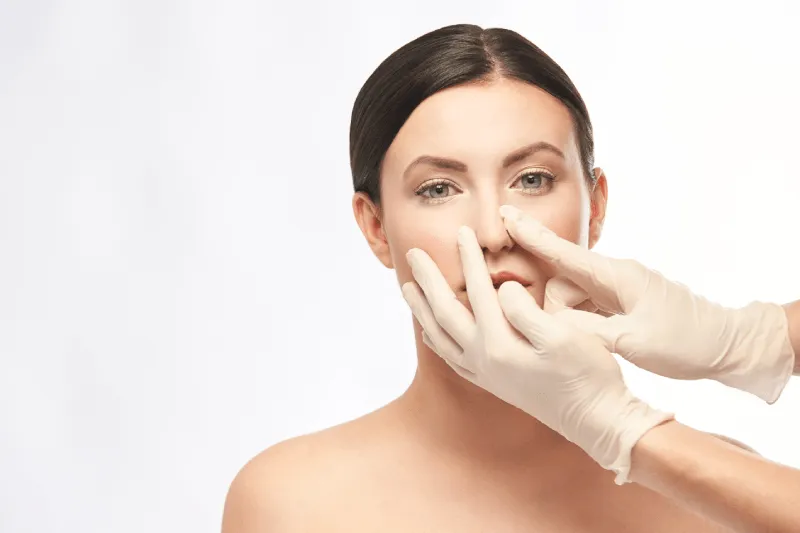
During rhinoplasty operations, both aesthetic and functional problems are solved simultaneously using a technique called “Septorhinoplasty.” While the surgeon reshapes the outer roof of the nose, they intervene in bone and cartilage curvatures (deviation) that block the airway. In this way, when the patient stands up from the operating table, they both achieve the look they want and have a channel through which they can breathe much better.
What Is Septorhinoplasty And What Does It Do?
Septorhinoplasty is a surgical combination that corrects both the aesthetic appearance of the nose (rhinoplasty) and the partition inside called the septum (septoplasty). If only the external appearance of the patient is corrected and the internal curvature is left, the nose may be narrower in its new shape and the breathing problem may increase further. This operation is the most ideal method for maximizing the air passage, increasing respiratory quality, and creating a nose compatible with facial features.
How Does Deviated Septum Affect Breathing?
The condition known as septum deviation is the shifting of the cartilage and bone wall in the middle of the nose to one side. This curvature severely restricts airflow from one nostril. This structural disorder, which causes chronic fatigue, mouth breathing, throat dryness, and sleep disorders, significantly increases the patient’s quality of life when corrected during aesthetic surgery.
Are Enlarged Nasal Turbinates Reduced During Aesthetic Surgery?
Nasal turbinates, called concha, are responsible for heating and humidifying the air we breathe. However, due to allergies or structural reasons, these tissues can grow excessively and block the airway. During the rhinoplasty operation, the size of these turbinates is reduced by methods such as radiofrequency or micro-debrider. Thus, while the bone curvature is corrected, soft tissue-related blockages are also completely eliminated.
Is Valve Insufficiency The Hidden Cause Of Shortness Of Breath?
The nasal valve is the narrowest part of the nose and acts as a critical gate through which air passes while breathing. In some patients, this area is structurally weak, and the nasal wings collapse inward during deep inhalation (valve collapse). During rhinoplasty, the surgeon strengthens this valve area using cartilage grafts. This intervention, although not very noticeable in external appearance, can increase breathing capacity by more than 50%.
Will My Breathing Improve Immediately After Surgery?
Immediately after the surgery, one should not expect to breathe easily right away due to edema in the nose, mucosal swelling, and sometimes the silicone tampons placed. For the first few weeks, the nose may feel as if it is blocked. However, as healing progresses, as the edema subsides and the stitches heal, the patient begins to breathe more deeply and freshly than ever before in their life. The full result is usually felt after a few months.
Why Is Breathing A Priority In Revision Surgeries?
In patients who have had a previously unsuccessful nose surgery, the biggest complaint is usually the inability to breathe. Excessive removal of cartilage support in the first surgery may have caused the nasal roof to collapse. The primary goal in revision surgery is to first repair the collapsed functional parts of the nose and rebuild the airway. Aesthetic correction cannot be performed without establishing a healthy respiratory infrastructure.
Does A Droopy Nose Tip Make Breathing Difficult?
Many patients think that a droopy nose tip is only an aesthetic problem. However, a low nose tip narrows the angle at the nasal entrance and mechanically prevents air entry. When the nose tip is lifted (tipplasty), the entry angle widens and the airflow follows a much more comfortable route. This situation both provides a younger and more vigorous appearance and significantly increases respiratory comfort.
Is There A Link Between Sinusitis And Rhinoplasty?
In patients experiencing chronic sinusitis, structural curvatures inside the nose may be preventing the sinus channels from draining. Septoplasty and concha reduction procedures performed during rhinoplasty relieve the drainage system of the nose. If deemed necessary, “Endoscopic Sinus Surgery” can be added in the same session to solve the patient’s sinusitis problem and improve the nose aesthetically.
Does Cartilage Curvature Cause More Problems With Age?
Slight nasal curvatures may not be felt much at young ages as the body can compensate. However, as age progresses and tissues lose their elasticity and the nasal roof weakens, the existing deviation turns into a more pronounced shortness of breath. Correcting these cartilages with rhinoplasty is one of the most important health investments made to protect respiratory quality in old age.
What Is The Difference Between Functional And Aesthetic Rhinoplasty?
While aesthetic rhinoplasty focuses only on visual concerns, functional rhinoplasty determines the function of breathing as the primary goal. However, today these two concepts are intertwined. Modern surgical philosophy argues that the shape of the nose cannot be separated from its function. A nose whose shape has improved but has lost its function is an incomplete surgery; therefore, both disciplines should be applied at the same time.
Do Nasal Bone Fractures Permanently Impair Breathing?
Nasal fractures due to impacts usually both warp the nasal roof and cause the internal septum to shift. If this condition is not treated, it leaves a permanent blockage and curvature. Rhinoplasty is the most effective way to correct such traumatic deformations. The surgeon places the broken bones in the correct axis and repairs the internal cartilage damage, restoring the patient to their former health.
Can Sleep Apnea And Snoring Be Cured With Nose Surgery?
The nose is not the only cause of sleep apnea and snoring (throat, tongue base, weight, etc. are effective); however, nasal congestion seriously triggers these problems. Opening the airway with rhinoplasty reduces the need for mouth breathing during sleep. This can completely stop mild snoring or increase the effectiveness of devices (CPAP) used by patients with severe sleep apnea.
Is Closed Or Open Technique Better For Breathing?
The surgeon’s approach is more important than the technique for solving breathing problems. The open technique is more suitable for seeing all structures clearly and performing complex cartilage repairs. The closed technique can offer faster recovery. If there is a very serious cartilage curvature or valve insufficiency, surgeons may generally prefer the open technique to better control the internal structure.
Is Piezo Surgery Advantageous For Breathing Passages?
Piezo (ultrasonic) surgery is a technology that shapes bones with sound waves without breaking them. Since this method does not damage soft tissues, vessels, and nerves, there is much less postoperative edema and bruising. Low nasal bleeding and edema minimize breathing blockage during the healing process and allow tissues to settle more healthily.
How Does Tampon Use Affect Breathing?
Old-fashioned long cloth tampons were a nightmare for patients after surgery. Today, perforated silicone splints containing breathing tubes are generally used. These modern tampons allow the patient to breathe through their nose even immediately after surgery, albeit slightly. They do not cause pain when removed and prevent the internal tissues of the nose from sticking to each other (synechia), protecting long-term breathing quality.
Why Is Postoperative Nasal Cleaning Important?
Crusts and clots formed inside the nose after surgery can temporarily block the airway. Regular cleaning with ocean water and moisturizing sprays recommended by the surgeon ensures that the breathing channels remain open. In noses without regular care, the risk of infection increases and healing tissues (scar) may form incorrectly, leading to blockages again.
Why Do Nasal Turbinates Grow Back After Surgery?
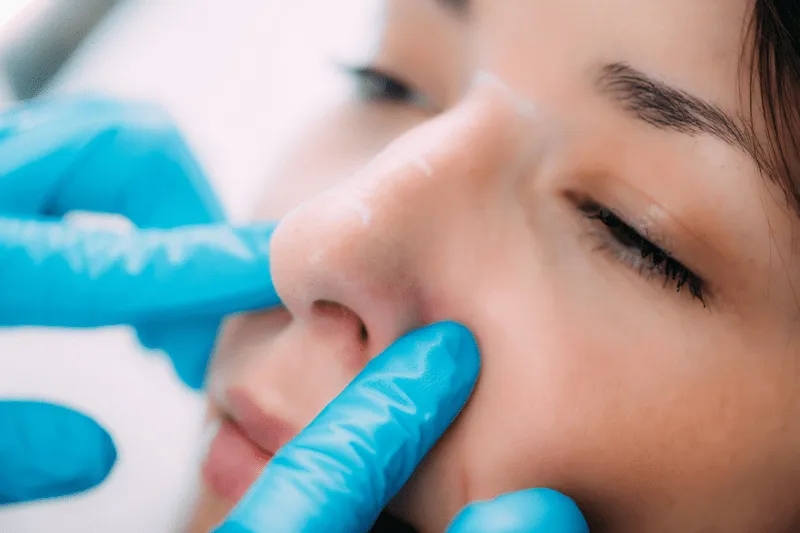
There is a common belief among the public that “nasal turbinates grow back.” If the growth is only due to allergic reasons and the patient is not under allergy control, there may be some swelling in the tissues. However, procedures such as radiofrequency performed during rhinoplasty usually give permanent results. The surgeon’s intervention in the nasal turbinates with the correct technique minimizes the risk of regrowth.
Does Narrow Nasal Wings Block Breathing?
Very narrow or weak nasal wings collapse inward with a vacuum effect during every breath. This leads to the appearance of “pinched” nasal wings aesthetically, and medically to nasal valve stenosis. Cartilage supports (alar batten graft) placed on these wings during rhinoplasty ensure that the wings remain resistant and make breathing comfortable.
Can People With Allergic Rhinitis Have Rhinoplasty?
Rhinoplasty is not an obstacle for patients with allergic rhinitis; on the contrary, if there is a structural blockage, this aggravates the effects of the allergy. When deviation and concha growth are corrected with surgery, the complete closure of the patient’s nose during allergic attacks is prevented. Surgery does not end the allergy, but it makes it much easier to deal with the congestion created by the allergy.
Does Loss Of Smell Occur After Rhinoplasty?
Loss of smell is not an expected condition in a correctly planned rhinoplasty operation. In the early postoperative period, the sense of smell may temporarily decrease due to edema and crusting. However, when healing is complete, patients generally state that their sense of smell is better than before, as the airflow reaches the area where the olfactory nerves are located more easily.
How Much Should The Nose Be Reduced For Ideal Breathing?
One of the biggest mistakes made in aesthetic operations is over-reducing the nose. When the nasal volume is reduced more than necessary, the air passage also narrows. While making a reduction suitable for the patient’s face, the surgeon should observe the limits that will not endanger respiratory physiology. If the “kitchen” is not large, the traffic inside it will not flow properly; therefore, a functional volume must be preserved.
Does Nasal Tip Swelling Prevent Breathing?
The nasal tip is the area that retains the most edema in the first 6 months after surgery. This swelling can sometimes compress the nasal entrance and create a slight feeling of blockage. However, this situation is temporary. As the edema decreases, the nasal tip softens, flexibility is regained, and breathing channels begin to work at full capacity. Being patient is the most important part of this process.
Does Exercising After Rhinoplasty Make Breathing Difficult?
Doing heavy sports immediately after surgery can increase blood pressure, causing internal nasal bleeding and increased edema, which blocks the airway. However, after healing is complete (about 1-2 months later), exercising becomes much more enjoyable. Because now the body can take the oxygen it needs much more efficiently thanks to a wider nasal channel.
Are Breathing Passages Damaged While Removing Nasal Hump?
While the nasal hump is being removed, the “roof” part of the nose is opened. If this area is not closed with appropriate maneuvers (spreader graft or protective rhinoplasty techniques) by the surgeon, the midline may narrow and breathing problems may occur. Experienced surgeons not only remove the hump but also support the internal structure, ensuring that the airway is protected rather than narrowed.
Is Septoplasty Alone Not Enough?
In some cases, correcting only the internal curvature (septoplasty) may not be sufficient. If the outer roof of the nose is also very crooked, the internal septum may return to its old curved state over time (memory effect). In these types of “axis curvature” cases, correcting both the external shape and the internal structure together (rhinoplasty + septoplasty) is a necessity for permanent breathing success.
When Does Postoperative Nasal Congestion Resolve?
Congestion, which is at its maximum level in the first week due to stitches and tampons, decreases by 50% with the removal of tampons. Within the first month, most of the edema dissipates and breathing begins to relax. A completely “open” and natural breathing sensation usually starts to settle from the 3rd month onwards and reaches its most perfect state at the end of the 1st year.
Is Age Limit Important For Breathing And Aesthetics?
For rhinoplasty and functional corrections, the completion of bone development (16-17 years for girls, 17-18 years for boys) is usually expected. However, in deviations that cause very severe shortness of breath, earlier interventions may be required. In the upper age limit, surgery can be performed as long as the general health status allows; because quality breathing is a basic need at every age.
How Does Smoking Affect Postoperative Breathing?
Smoking disrupts the function of the mucosal lining and the cilia inside the nose. Smoking after surgery delays the resolution of edema, slows down wound healing, and increases internal nasal crusting. This makes breathing difficult during the healing process. For a successful and comfortable respiratory result, it is essential to stay away from smoking before and after the surgery.
Does Non-Surgical Rhinoplasty Solve Breathing Problems?
Non-surgical methods such as nasal fillers are only for camouflaging small pits or asymmetries in the external appearance of the nose. It has no effect on internal bone curvature, cartilage excess, or nasal turbinate growth. On the contrary, incorrectly applied fillers can make breathing even more difficult by weighting the nasal wings. Permanent surgery is the only solution for breathing problems.
How Is Rhinoplasty Planning Done With Cure Holiday?
Cure Holiday is a health tourism organization that professionally manages your rhinoplasty journey from start to finish. When you contact our expert consultants, your current complaints (aesthetic expectations and breathing problems) are first evaluated. A personalized treatment plan is created for you by providing a coordinated preliminary interview with our doctors through your photos and medical history. All your flight, accommodation, and hospital processes are organized under one roof, focused on your comfort.
Why Should Cure Holiday Be Preferred For Breathing Problems?
The nose is both a work of art and an engineering marvel. The surgeons within Cure Holiday are names who specialized in ENT (Ear Nose Throat) and Aesthetic Surgery, and have signed thousands of successful operations, especially on functional rhinoplasty. We aim not only to beautify the exterior of your nose but also to increase your health and sleep quality. We offer you a quality breath that will last a lifetime by using the most modern technologies and “patient-friendly” approaches.
How Do You Regain Your Health With Cure Holiday Advantages?
When you choose Cure Holiday, you experience the privilege of being treated in world-class hospitals with the latest surgical techniques (Piezo, protective rhinoplasty, etc.). Thanks to our assistants who are with you 24/7 without a language barrier, you can find instant answers to all your questions. Our follow-up continues even during the recovery process after treatment. For us, success is that moment when you smile when you look in the mirror and feel fresh with every breath.
When Should You Contact Cure Holiday For A New Breath And Appearance?
Chronic nasal congestion, waking up tired, and unhappiness with external appearance should not be your fate. Instead of postponing your quality of life, you can take action today. The Cure Holiday team is waiting to design the most natural and functional nose for you. You can take a step closer to the appearance of your dreams and the comfortable breath you miss by making an appointment now or talking to our consultants. A healthy future starts with a right decision.
Rhinoplasty, when performed in the right hands, is not only a beauty operation but also a life-saving health intervention. It is vital to get the opinions of expert surgeons for both an aesthetic profile and uninterrupted respiratory comfort. If you want to breathe more easily and refresh your self-confidence, contact our professional team today. We are here for you to regain your health under expert guidance!
Free Consultation
Fill out the form below to get your free medical travel plan and price quote.
Sources and how to verify this yourself
- Ministry of Health, Regulation on International Health Tourism and Tourist Health, Official Gazette 26 April 2025, No. 32882 — authorisation requirement for facilities and intermediaries, TÜSKA accreditation, compulsory complication insurance (deadline 31 December 2025 for insurance, 31 December 2026 for accreditation). source
- Ministry of Health, Regulation on Promotion and Information Activities in Health Services, Official Gazette 12 November 2025, No. 33075 — treatment promises and guarantees are prohibited; price and campaign announcements are permitted only within international health tourism. source