
Plastic surgeries do more than just improve physical appearance; they also enhance an individual’s self-confidence and quality of life. However, the most critical phase of this transformation journey is the preparation process before lying on the operating table. Although plastic surgery is an elective procedure, it is a medical intervention and carries certain risks like any other surgery. To minimize these risks, prevent potential complications, and manage the anesthesia process in the safest way possible, it is vital to undergo a comprehensive screening process. In this guide, we will examine in detail why certain tests are requested before plastic surgery, what these tests measure, and what the results mean for your surgeon.
Why is the preparation process before plastic surgery so important?
The pre-operative preparation process allows the surgeon to evaluate the patient’s overall health status as a whole. Every individual’s body structure, metabolism, and genetic heritage are different. A procedure that is quite safe for one patient may become risky for another patient with a hidden health problem. Tests in the preparation phase help predict how the body will respond to surgical stress. The evaluations made during this process directly affect not only the success of the surgery but also the recovery speed and the quality of waking up after anesthesia. For this reason, the preparation stage should never be taken lightly.
Why are routine pre-operative tests of vital importance?
Routine tests take a “photograph” of the patient’s current physical condition. Through these tests, everything from your blood values to your organ functions is checked. The main reason for their vital importance is the detection of asymptomatic (showing no symptoms) conditions. For example, a patient with a clotting problem may not notice this in their daily life, but this condition can lead to uncontrollable bleeding during surgery. Routine screenings give the surgeon a chance to take precautions by revealing such “hidden enemies.” A safe surgical experience starts with a complete preliminary analysis, and laboratory tests form the basis of these analyses.
What does a hemogram test show before surgery?
The hemogram test, also known as a complete blood count (CBC), analyzes the basic components of the blood in detail. One of the most important parameters checked in this test is the hemoglobin level; because hemoglobin is responsible for carrying oxygen to the tissues. Low hemoglobin (anemia) can cause the heart to work harder during the operation and delay the healing process. In addition, the number of white blood cells (leukocytes) determines whether there is an active infection in the body. Platelet levels provide the first clues about the blood’s clotting capacity. In a patient whose hemogram results are not normal, the surgical procedure is usually postponed until the values are stabilized.
Why are coagulation tests mandatory for surgical safety?
Since tissue incisions are made in most plastic surgeries, the body’s ability to stop bleeding is a critical issue. Coagulation tests such as PT (Prothrombin Time), aPTT (Activated Partial Thromboplastin Time), and INR measure how quickly and effectively the blood’s clotting mechanism works. If clotting is too slow, there is a risk of excessive bleeding during surgery; if it is too fast, fatal risks such as blood clot formation in the vessel (thrombosis) and its migration to the lungs (embolism) may arise. These tests are indispensable to confirm whether the patient has a safe surgical threshold.
Why is it necessary to have a blood group card?
Although the need for blood transfusion in modern surgery has been minimized, there is always a low risk in large-scale plastic operations (combined surgeries, tummy tucks, high-volume liposuction, etc.). Knowing the patient’s blood group quickly in an emergency is life-saving. Since verbal statements can carry a margin of error, a laboratory-approved blood group card or an official document must be present in the surgical file. This is not just a formality, but the most basic and fastest safety precaution taken against unexpected complications.
Which organ functions do biochemistry tests cover?
The biochemistry panel is the examination of chemical processes that provide the body’s internal balance. These tests usually include liver enzymes, kidney function indicators (urea, creatinine), and blood sugar. Most of the anesthetic drugs used during surgery are metabolized by the liver and kidneys and excreted from the body. If these organs do not work healthily, drugs can accumulate in the body and create a poisoning effect. Biochemistry tests serve as a barometer showing whether the body can handle this drug load and provide the surgeon with in-depth information about the patient’s internal health.
How do liver function tests affect the surgery?
The liver is the body’s main laboratory and is the center where all drugs taken during surgery are processed. Liver function tests, where values such as ALT, AST, and bilirubin are examined, show the organ’s reserve. If there is damage or fat in the liver, the waking process from anesthesia may be prolonged or drug interactions may become uncontrollable. In addition, the liver produces the proteins necessary for blood clotting. Therefore, any deviation in liver functions should be carefully evaluated by the surgeon and, if necessary, the operation should be postponed until liver health improves.
Why is kidney health critical for anesthesia management?
The kidneys are responsible for filtering the blood and maintaining the fluid-electrolyte balance. Creatinine and urea (BUN) levels show how well the kidneys are filtering. The excretion of fluids and drug waste given to the body during anesthesia depends entirely on kidney performance. In a patient with insufficient kidney function, fluid accumulation in the body (edema), blood pressure irregularities, and excessive load on the heart may occur. The anesthesiologist adjusts the amount of serum and the dosage of drugs to be given to you during surgery by looking at your kidney values. Therefore, kidney health is one of the building stones of surgical safety.
What additional tests should those with diabetes have?
Diabetes is a chronic condition that directly affects wound healing after surgery. In diabetic patients, not only fasting blood sugar but also the HbA1c test, which shows the 3-month sugar average, may be requested. High sugar levels slow down the healing of tissues and significantly increase the risk of infection. If the HbA1c value is too high, your surgeon will primarily want sugar control to be ensured and the values to drop to normal. This is a critical prerequisite for the stitches to hold and for the aesthetic result not to deteriorate.
Is an ECG mandatory for heart health?
An electrocardiogram (ECG) is a simple but very powerful test that records the electrical activity of the heart on paper. Especially for patients over 40 or for younger patients with complaints of palpitations or chest pain, an ECG is mandatory. Heart rhythm disorders or a hidden cardiovascular disease can lead to serious problems under anesthesia. Anesthesia is a process that changes the heart rate and blood pressure. ECG results show whether the heart can withstand this stress. In cases deemed necessary, a cardiology specialist’s approval (cardiac clearance) may also be requested from the patient.
When and why is a chest X-ray requested?
A chest X-ray is performed to evaluate the condition of the lungs, especially for patients who will receive general anesthesia. This film is absolutely required for smokers, asthma patients, or those who have recently had a severe respiratory tract infection. Through the X-ray, conditions such as infection, mass, emphysema, or heart enlargement in the lungs are checked. A chest X-ray is the gold standard for predicting risks such as the patient’s compatibility with the respiratory device that allows them to breathe during surgery and post-operative lung collapse (atelectasis).
Is a pregnancy test mandatory before surgery?
For all female patients of reproductive age, it is a standard protocol to perform a pregnancy test (Beta-HCG) in urine or blood on the morning of surgery or a day before. Although many patients are sure they are not pregnant, this test cannot be neglected for medical ethics and safety reasons. Anesthetic drugs and surgical stress can have irreversible effects on a developing fetus. An unknown pregnancy situation is one of the most important situations that require the immediate cancellation of surgery. To protect the health of both the baby and the mother, this test is meticulously applied before every plastic operation.
Why is infectious disease screening done routinely?
Screening for blood-borne diseases such as Hepatitis B, Hepatitis C, and HIV is done for the safety of both the patient and the surgical team. These diseases may sometimes not even be known by the patient themselves. If there is an active viral load in the patient, this situation can affect the immune system and make post-operative recovery difficult. In addition, since the surgical team works with sharp and piercing tools, necessary precautions should be taken beforehand in case of a possible accident. Performing these tests is an indicator that the hospital and the surgeon comply with universal safety precautions.
Are HIV and Hepatitis test results kept confidential?
Due to medical ethics, the results of all tests performed are protected with strict confidentiality between the patient and the doctor. Even if the infectious disease tests are positive, this does not mean that the patient will not be operated on (except for some cases); however, it allows the surgical team to use extra protective equipment and manage sterilization processes more strictly. Patient privacy is the most basic rule of the healthcare system. The purpose of these tests is not to judge the patient, but to manage the medical process in the safest and most transparent way to guarantee everyone’s health.

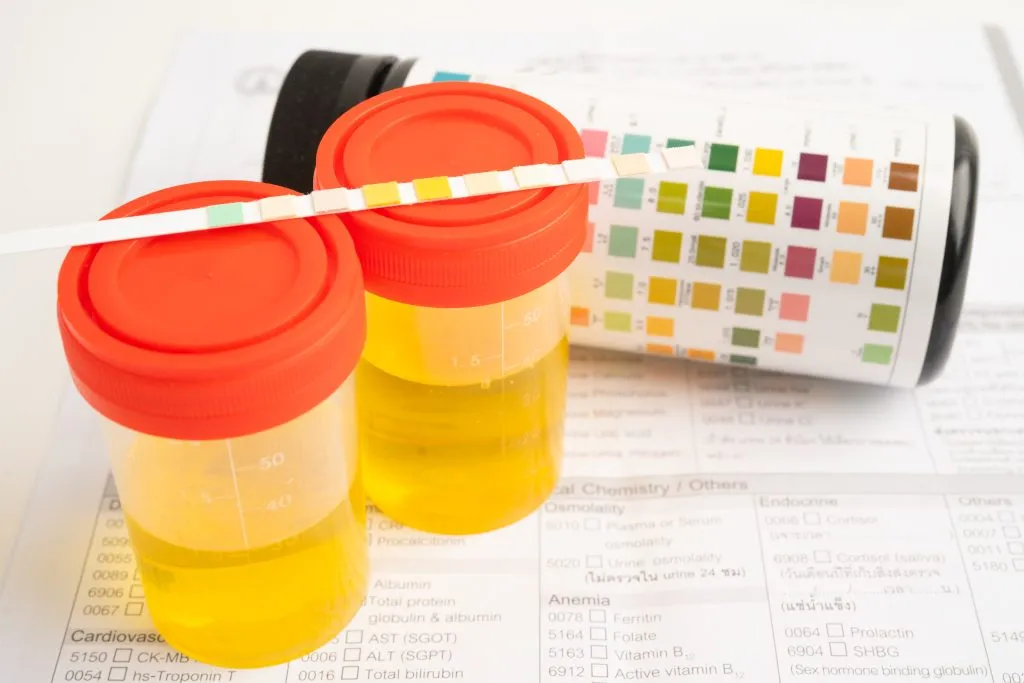
What kind of information does a urinalysis provide before surgery?
Although a urinalysis seems like a simple test, it tells a lot about the systemic conditions in the body. Especially the presence of protein, sugar, or leukocytes (inflammation cells) in the urine may be a harbinger of a sneaky infection or a kidney problem in the body. It is desired that there be no active infection in any part of the body before plastic surgery. For example, a urinary tract infection detected before a nose surgery can lead to bacteria being carried to the surgical area through the blood and infecting prostheses or stitches. Therefore, a clean urinalysis is necessary for the surgery to get a green light.
Is there a special imaging test before nose surgery?
In rhinoplasty (nose surgery) operations, surgeons usually focus not only on the external appearance but also on internal nasal functions. Therefore, in most cases, “Paranasal Sinus Tomography” (CT Scan) is requested. This imaging technique shows deviations in the nasal bone, the presence of polyps, or chronic inflammations in the sinuses. Looking at this detailed map, the surgeon can also correct internal obstacles that make breathing difficult during surgery. 3D analysis of the bone structure is the most important guide to ensuring the aesthetic result is symmetrical and functional.
Is radiological imaging required for breast aesthetics?
Before breast augmentation, reduction, or lift surgeries, it is mandatory to check the current tissue health of the breast. While breast ultrasound is usually sufficient for patients under 40, mammography is standard for patients 40 and over. The purpose of these imaging sessions is to determine whether there are previously unnoticed cystic structures or suspicious masses in the breast. If there is a suspicious formation in the breast, its diagnosis and treatment are priority before the plastic surgery. Aesthetic interventions performed on healthy breast tissue also allow future screenings to be performed more safely.
What should be particularly considered before liposuction?
Liposuction is a procedure where a significant amount of fat and fluid is removed from the body. Therefore, the fluid-electrolyte balance and protein levels should be examined very carefully before surgery. Low albumin levels can make post-operative tissue healing and the elimination of edema difficult. In addition, if liposuction is to be performed over wide areas, it is desired that hemoglobin values be high; because some blood loss may also be experienced during the procedure. Your surgeon may suggest a special diet or supplement protocol before surgery based on these tests.
What additional tests are requested for tummy tuck surgery?
Tummy tuck (Abdominoplasty) is a comprehensive operation that includes the abdominal wall muscle structure and subcutaneous tissues. If the patient has a suspected hernia or muscle weakness from before, an abdominal wall ultrasound may be requested. This helps the surgeon plan the areas they will repair during surgery. In addition, in operations that last long like a tummy tuck, additional questions or tests about the patient’s vascular health and clotting genetics may come to the agenda to evaluate the risk of “Deep Vein Thrombosis” (blood clot).
Why is the anesthesiologist consultation the most critical stage?
No matter how perfect the laboratory tests are, nothing can replace a physical examination by an anesthesiologist. The anesthesiologist evaluates your mouth opening, neck movements, and the anatomy of your airway. They also determine the most suitable type of anesthesia (general, sedation, local) for you by combining the test results with your past health history. Sharing your family diseases, anesthesia history, and fears during this examination is of vital importance for the comfort and safety of the surgery. Remember, the surgeon performs the surgery, but the anesthesiologist ensures the safety.
Do regularly used drugs affect test results?
Yes, many drugs can affect both blood values and physiological responses during surgery. Especially blood thinners (aspirin, etc.), birth control pills, and some blood pressure medications can lead to deviations in test results or increased risk during surgery. For example, birth control pills can increase the risk of clotting, and your surgeon may want you to stop these drugs some time before the surgery. You should report all medications you use, even “innocent” looking vitamins, to your surgeon. This transparency is a fundamental condition for the correct interpretation of test results.
Do vitamin supplements increase surgical risk?
Many patients think that vitamin and herbal supplements are harmless because they are “natural.” However, supplements such as Omega-3, vitamin E, garlic pills, and ginkgo biloba can significantly increase the risk of bleeding during surgery by showing blood-thinning effects. Even if your clotting values appear normal in the tests performed before surgery, the effect of these supplements at the time of surgery may be unpredictable. For this reason, surgeons usually recommend stopping the use of all herbal supplements and multivitamins at least 2 weeks before surgery.
Are smoking and alcohol use reflected in tests?
Smoking directly reflects on the blood count and lung capacity. Since the carbon monoxide level increases in smokers, the blood’s ability to carry oxygen decreases, which lowers the healing rate. Alcohol, on the other hand, affects liver enzymes (GGT, ALT) and disrupts the process of processing anesthesia drugs in the body. Long-term heavy alcohol use can also weaken the blood’s clotting ability. When these effects are seen in the tests, the surgeon will ask the patient to take a break from these habits for a certain period to guarantee the success of the operation.
How do herbal teas affect the risk of bleeding?
Popular drinks such as green tea, cherry stalk tea, or slimming teas may prevent blood clotting cells (platelets) from sticking together due to some compounds they contain. This situation causes these cells to fail to perform their functions even if your platelet count appears normal in laboratory tests. One of the biggest hidden reasons for unexpected leakage-type bleeding during surgery is such herbal teas. For a safe surgery, it is best to consume only water and liquids approved by your surgeon from the testing phase until the day of surgery.
How are existing chronic diseases managed?
If you have high blood pressure, thyroid, or an autoimmune disease, this makes the pre-operative testing process more comprehensive. For example, in thyroid patients, TSH, T3, and T4 hormone levels are checked to see if the metabolism is ready for surgical stress. In blood pressure patients, kidney functions and ECG are examined in more detail. In individuals with chronic diseases, obtaining an “eligible for surgery” approval from the relevant branch doctor (Endocrinology, Cardiology, etc.) is a procedure that puts both the patient and the surgeon at ease.
Is an allergy test applied to every patient?
An allergy test is not routinely performed on every patient before surgery. However, if the patient has a known allergy to certain medications (especially penicillin group antibiotics), latex, or anesthesia substances in their history, special allergy panels may be requested. Allergic reactions that may occur against sewing materials or dressing products used during surgery are meticulously questioned to prevent them. If you have a serious suspicion of allergy, you should definitely report this situation to your surgeon and anesthesiologist, and see an allergy specialist if necessary.
How should the nutrition plan be before surgery?
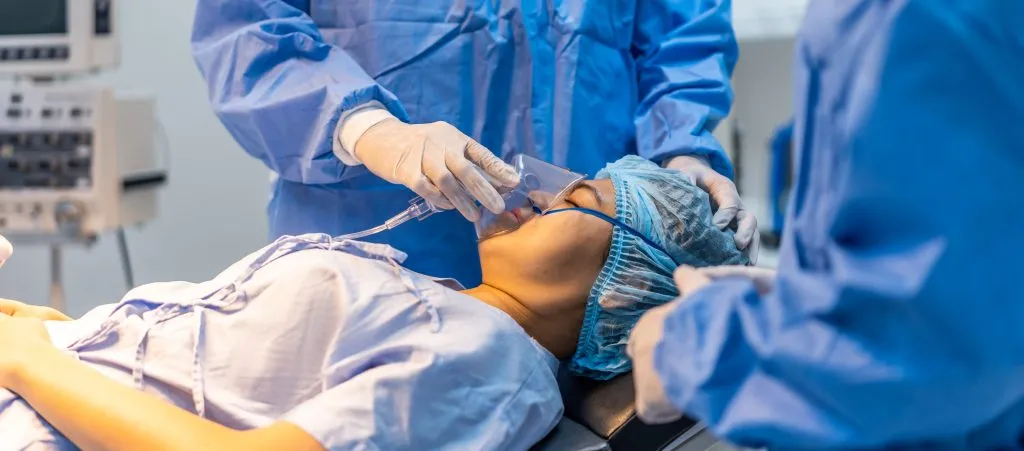
The nutrition plan on the day pre-operative tests are performed and on the morning of surgery is very critical. Most blood tests give the most accurate results when done on an empty stomach. Not eating or drinking anything (including water) after 24:00 the night before surgery is a vital rule for general anesthesia safety. Having the stomach empty prevents the stomach contents from escaping into the lungs (aspiration) while under anesthesia. In addition, eating light, protein-heavy, and non-edema-making foods in the days before surgery ensures that the body enters surgery more vigorously.
How long are test results valid?
In general, the validity period of blood tests performed before surgery varies between 15 days and 1 month. If you have had a serious illness during this period or if there has been a significant physical change in your body, the tests may need to be repeated. Tests such as chest X-ray and ECG can usually be considered valid for 6 months as long as no new complaints develop. However, every hospital and surgeon’s own protocol may be different. The healthiest approach is to enter surgery with the most current data closest to the surgery date.
How does the process work for abnormal results?
If one of your test results comes out with a value outside the reference range, you do not need to panic. In many cases, slight deviations can be caused by fatigue, thirst, or a mild cold at that moment. Your surgeon will evaluate the results and may ask for the test to be repeated or suggest a treatment (for example, iron supplement) to correct the value. The important thing is to decide whether this deviation will make the surgery risky. Safety always comes before the aesthetic result; therefore, it is in your favor to move the surgery a few days for a small correction.
What are the factors that speed up the recovery process?
The recovery process depends not only on the technical success of the surgery but also on the biological preparation of the body. Patients whose protein, vitamin, and mineral levels are optimal in pre-operative tests heal much faster. Quitting smoking, stopping alcohol, drinking plenty of water, and balanced nutrition support cell regeneration. In addition, being psychologically ready and peaceful before surgery balances cortisol, the stress hormone in the body. Remember that a strong body overcomes surgical trauma much more easily and brings you to the result you dream of faster.
What is the psychological evaluation process like?
Plastic surgery is not just a physical change, but also a psychological process. In some cases, your surgeon may request a psychological evaluation to understand if your surgery expectations are realistic or the motivation underlying the surgery. For patients with body dysmorphic disorder (excessively enlarging small flaws in their body), surgery may sometimes not be the solution. A psychologically balanced state of mind and a mindset that can accept results logically will make the “getting used to the new image” process after surgery much healthier.
What should be considered on the morning of surgery?
The morning of surgery is the final of the preparation process. It is necessary to take a shower and clean the surgical area (but not apply lotion or cream), remove jewelry and nail polish (it is important for oxygen measurement from the finger), wear comfortable clothes, and be at the hospital right on time. There should definitely be a companion with you to support you. Most importantly, you should make sure that you stick to the fasting rule. If all your tests are complete, if you trust your doctor, and if you have received answers to all your questions, you can step into this new beginning with the peace of mind of entrusting yourself to safe hands.
Why should you start your aesthetic journey with Cure Holiday?
The plastic surgery process is not limited only to the choice of doctor; this process requires a professional organization as a whole. Cure Holiday offers its patients not only a medical procedure but also a flawless end-to-end experience. With its contracted hospitals serving at international standards, expert surgeon staff, and patient-oriented approach, Cure Holiday ensures that you feel safe at every moment. Starting off with a reliable partner means that every step from pre-operative tests to post-operative recovery tracking is managed by professionals. With a team that thinks of all the details for you, you can focus only on enjoying the change.
What does Cure Holiday health consultancy cover?
From the moment you contact Cure Holiday, a dedicated health consultant is assigned to you. This consultancy service covers a wide range from analyzing your medical history to determining the most suitable surgeon for you, from planning all necessary tests to accommodation and transfer details. You receive step-by-step guidance on which tests will be performed before surgery, and where and how these tests will be applied. This system, where you can find instant answers to all your questions without a language barrier, completely eliminates the stress factor for patients coming from abroad or out of town. Cure Holiday is your professional friend by your side every second of your health journey.
How is a personalized treatment plan created with Cure Holiday?
Every body is unique, and every plastic intervention should be personalized. Cure Holiday creates a treatment plan completely suitable for your needs, anatomical structure, and expectations instead of standard packages. In preliminary interviews with your surgeons, your pre-operative test results are meticulously examined and all details of the operation are specially designed for you. Which technique will be used, what awaits you in the recovery process, and targeted results are shared transparently. Thanks to Cure Holiday’s boutique service approach, you do not feel like a number but as a valuable individual and reach the aesthetic solution most suitable for you.
How does the safe aesthetic process start with Cure Holiday?
Taking the first step for a safe transformation is very easy. The process starts with your first application through Cure Holiday’s website or communication channels. Our expert team reaches out to you, listens to your dreams, and collects the necessary information to evaluate your medical suitability. With transparent pricing, high success rates, and references of thousands of happy patients, Cure Holiday opens the doors of the aesthetic world safely for you. Choose Cure Holiday for an experience where all the tests that need to be done before surgery will be done completely, your every comfort will be considered, and the most modern technologies will be used. Do not wait any longer to achieve the look you dream of; contact Cure Holiday today and start your professional aesthetic journey.
Free Consultation
Fill out the form below to get your free medical travel plan and price quote.
Sources and how to verify this yourself
- Ministry of Health, Regulation on International Health Tourism and Tourist Health, Official Gazette 26 April 2025, No. 32882 — authorisation requirement for facilities and intermediaries, TÜSKA accreditation, compulsory complication insurance (deadline 31 December 2025 for insurance, 31 December 2026 for accreditation). source
- Ministry of Health, Regulation on Promotion and Information Activities in Health Services, Official Gazette 12 November 2025, No. 33075 — treatment promises and guarantees are prohibited; price and campaign announcements are permitted only within international health tourism. source