About the prices on this page. The figures below are indicative market prices and country comparisons, not a quote. Our own current, all-inclusive prices are published on our cosmetic surgery in Turkey page, and we confirm your figure in writing before you commit to anything.
The appearance of the upper arms is a significant concern for many individuals seeking a toned and youthful physique. As we age or undergo significant weight fluctuations, the skin in this area can lose its elasticity, leading to what is commonly referred to as “bat wings.” This sagging skin can be resistant to diet and exercise, causing emotional distress and physical discomfort. Brachioplasty, or an arm lift, stands out as the definitive surgical solution to reshape the under portion of the upper arm, from the underarm area to the elbow. This comprehensive guide explores every facet of the procedure, helping you understand how to achieve the sleek, firm arms you desire.
What Causes Skin to Sag in the Upper Arms?
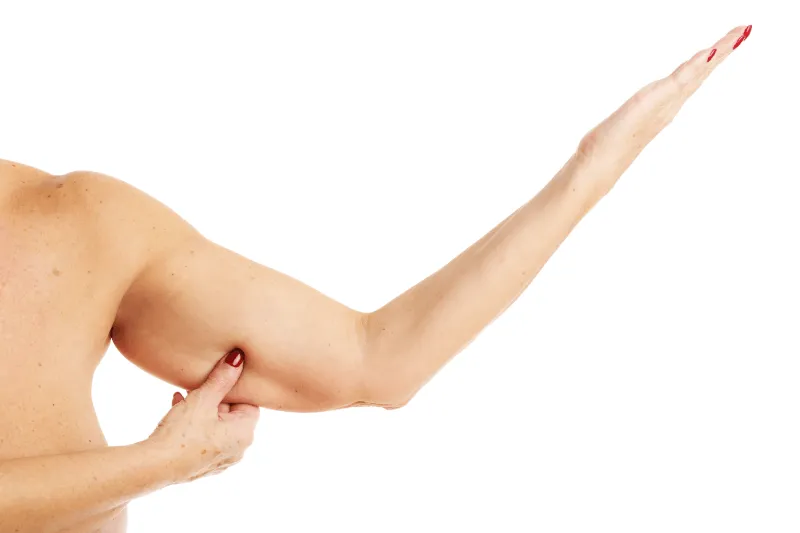
Skin sagging in the upper arms is primarily a result of decreased skin elasticity and the effects of gravity over time. As the body ages, the production of collagen and elastin—the proteins responsible for skin firmness and “snap-back”—naturally slows down. Additionally, significant weight loss can leave behind excess skin that has been stretched beyond its capacity to retract. Genetics also play a crucial role; some individuals are more predisposed to storing fat in the arms or having thinner skin. Understanding these root causes is the first step in recognizing why topical treatments or exercise alone might not be sufficient to correct structural sagging.
How Does an Arm Lift Address Stubborn Fat?
While brachioplasty is primarily focused on removing excess skin, it is frequently combined with liposuction to eliminate stubborn fat deposits. During the procedure, the surgeon can precisely target localized fat that obscures the muscular definition of the arm. By removing both the heavy fat and the redundant skin, the arm lift creates a more contoured and slender appearance. This dual approach ensures that the underlying muscles are visible, providing a rejuvenated and fit look that cannot be achieved through traditional weight loss methods alone. It is a structural transformation that reshapes the entire limb’s profile.
What Exactly Is a Brachioplasty Procedure?
Brachioplasty is a specialized cosmetic surgical procedure designed to reduce excess skin and fat between the armpit and the elbow. The surgery involves making an incision along the inside or back of the arm, through which the surgeon removes redundant tissue and tightens the remaining skin over the newly contoured arm. It is more than just a skin-tightening surgery; it is an architectural reshaping of the upper limb. By adjusting the tension of the supporting tissues, the surgeon can restore a youthful proportion to the arms, significantly enhancing the patient’s overall silhouette and comfort in clothing.
Why Is Professional Consultation Essential?
A professional consultation is the cornerstone of a successful arm lift surgery because every patient’s anatomy and aesthetic goals are unique. During this meeting, a board-certified plastic surgeon evaluates the quality of your skin, the amount of excess tissue, and your overall health status. This is the time to discuss your expectations, understand the potential placement of scars, and determine if you are a candidate for a mini or full brachioplasty. A thorough consultation ensures that the surgical plan is tailored specifically to you, minimizing risks and maximizing the likelihood of achieving the results you envision for your body.
Who Is the Best Candidate for an Arm Lift?
The ideal candidate for an arm lift is an adult with significant upper arm skin laxity who is at a stable weight. It is crucial that candidates do not have a large amount of fluctuating weight, as this can compromise the surgical results. Good candidates are generally healthy individuals without medical conditions that impair healing and are non-smokers, as smoking significantly increases the risk of complications. Furthermore, having realistic expectations about the outcome and the resulting scars is vital. People who feel self-conscious about their “bat wings” and are committed to maintaining a healthy lifestyle post-surgery often see the most satisfying results.
How Does Aging Affect Arm Skin Elasticity?
Aging is a biological process that impacts the structural integrity of the dermis. Over the years, the network of collagen fibers becomes fragmented, and elastin production drops significantly. This leads to a phenomenon called skin thinning and increased laxity. In the upper arms, the skin is naturally thinner than in other body parts, making it more susceptible to drooping. Furthermore, the supportive connective tissues underneath the skin weaken with age. An arm lift works by physically removing this aged, non-elastic tissue and repositioning the remaining skin to create a tighter, smoother appearance that reflects a more energetic and youthful version of the patient.
Can Weight Loss Cause Significant Arm Sagging?
Yes, massive weight loss is one of the most common reasons for seeking a brachioplasty. When a person gains weight, the skin stretches to accommodate the increased volume. If the weight is carried for a long time, the skin loses its ability to bounce back. Once the weight is lost, either through diet, exercise, or bariatric surgery, the skin remains stretched out, hanging loosely from the bone and muscle. This “empty” skin can be heavy and uncomfortable, causing chafing or hygiene issues. For these individuals, an arm lift is often the final step in their weight loss journey, allowing them to finally see the results of their hard work.
What Are the Primary Goals of Brachioplasty?
The primary goals of brachioplasty are to reduce the circumference of the upper arm, remove sagging skin, and create a smoother, more toned contour. Beyond the aesthetic improvements, the surgery aims to increase the patient’s range of comfort and confidence. Many patients find that they can finally wear sleeveless clothing without feeling self-conscious. Additionally, the procedure helps eliminate the physical irritation caused by skin-on-skin friction in the underarm area. Ultimately, the goal is to align the patient’s physical appearance with their inner sense of health and vitality, providing a permanent solution to a common cosmetic frustration.
How Is a Mini Arm Lift Different From a Full One?
A mini arm lift is a less invasive version of the procedure, specifically designed for patients with a moderate amount of sagging skin located primarily near the armpit. The incision for a mini lift is typically shorter and can sometimes be hidden within the axilla (armpit) itself. In contrast, a full brachioplasty is required for patients with more extensive skin laxity that extends down toward the elbow. The full procedure involves a longer incision along the inner arm. While the mini lift offers a quicker recovery and less scarring, its results are limited to the upper portion of the arm, making patient selection critical for success.
What Happens During an Extended Arm Lift?
An extended arm lift is performed on patients who have significant skin laxity that continues from the upper arm onto the lateral chest wall or axillary region. This is particularly common in post-bariatric patients who have lost a massive amount of weight. The incision starts near the elbow, travels up the inner arm, and extends into the armpit and onto the side of the chest. This comprehensive approach allows the surgeon to address a larger area of sagging tissue, ensuring a seamless transition between the arm and the torso. It is a more complex surgery but provides life-changing results for those with extreme tissue redundancy.
How Should Patients Prepare for Their Surgery?
Preparation for an arm lift involves both physical and mental readiness. Patients are typically advised to stop smoking several weeks before and after the procedure, as nicotine constricts blood vessels and severely hampers the healing process. It is also important to avoid certain medications, such as aspirin or anti-inflammatory drugs, which can increase bleeding. A healthy, protein-rich diet can help boost the immune system and aid in tissue repair. Patients should also arrange for a friend or family member to drive them home after surgery and help with basic tasks during the first few days of recovery when arm movement is restricted.
What Specific Medical Tests Are Required Beforehand?
Before undergoing brachioplasty, surgeons require a series of medical tests to ensure the patient is fit for anesthesia and surgery. Common tests include a complete blood count (CBC) to check for anemia or infection, a metabolic panel to evaluate organ function, and sometimes an EKG (electrocardiogram) to assess heart health, especially for older patients. If the patient has underlying health conditions, clearance from a specialist may be necessary. These precautions are vital for patient safety, as they allow the surgical team to anticipate and mitigate potential risks during the operation and the subsequent recovery phase.
How Is the Surgical Incision Area Determined?
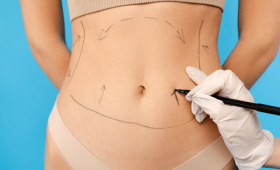
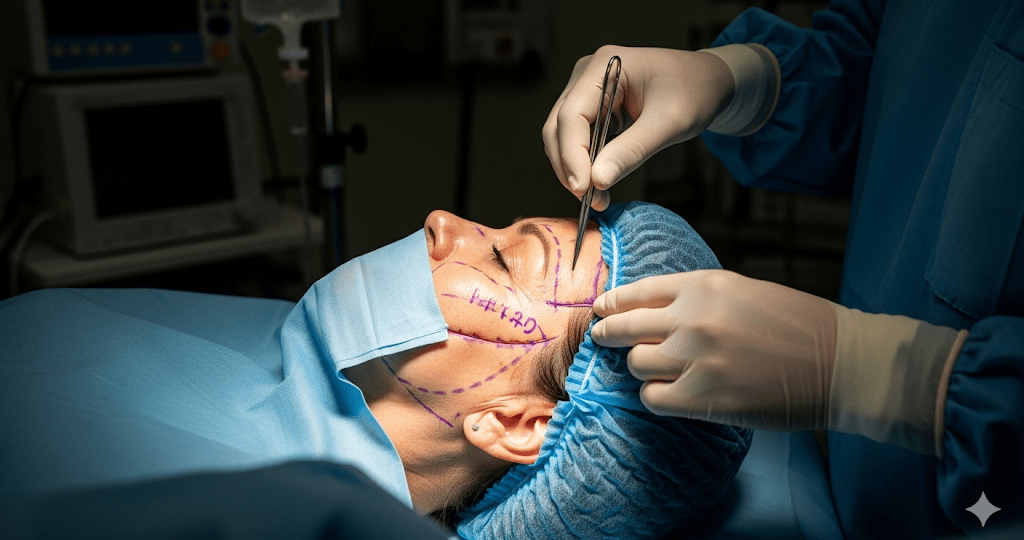
The placement of the incision is a strategic decision made by the surgeon to balance maximum skin removal with minimal scar visibility. Typically, the incision runs along the inside of the arm or along the back of the arm. The “inner arm” placement is popular because the scar is less visible when the arms are at the patient’s side. However, the exact path depends on where the most skin needs to be removed. Surgeons use surgical markers to plan the incision while the patient is standing, ensuring that the resulting contour is symmetrical and that the tension is distributed evenly across the arm.
What Type of Anesthesia Is Used for Arm Lifts?
Arm lift surgery is most commonly performed under general anesthesia, ensuring that the patient is completely unconscious and pain-free throughout the procedure. In some cases, for less extensive procedures like a mini arm lift, intravenous sedation (often called “twilight anesthesia”) combined with local anesthesia may be used. The choice of anesthesia depends on the complexity of the surgery, the patient’s health, and the surgeon’s preference. An anesthesiologist or a certified nurse anesthetist will monitor the patient’s vital signs throughout the operation to ensure a safe and controlled environment for the surgical team to work.
How Long Does the Surgical Procedure Usually Take?
A typical brachioplasty procedure takes between two to three hours to complete. This timeframe can vary depending on whether the surgery is being performed on both arms simultaneously, the amount of skin and fat to be removed, and if additional procedures like liposuction are being included. Complex cases, such as an extended arm lift or revisions of previous surgeries, may take longer. Despite the relatively short duration of the surgery itself, the meticulous nature of the suturing—which is vital for minimizing scars—requires a significant portion of the surgeon’s time and focus.
What Is the Immediate Post-Operative Experience Like?
Immediately following surgery, the patient’s arms will be wrapped in bandages or a compression garment to minimize swelling and support the new contours. Small tubes (drains) may be placed under the skin to remove excess fluid or blood. Patients will wake up in a recovery room where they are monitored as the anesthesia wears off. It is normal to feel groggy, and there may be some tightness or discomfort in the arms. Pain management begins immediately through IV or oral medication. While most patients can go home the same day, having someone available to assist with mobility and basic needs is essential.
How Can Patients Manage Pain During Recovery?
Pain management is a priority during the first week of recovery. Surgeons typically prescribe oral pain medications to manage significant discomfort. Most patients find that the pain transition from sharp to a dull ache within the first 48 to 72 hours. Keeping the arms elevated on pillows can significantly reduce throbbing and swelling, which are major contributors to post-operative pain. Over-the-counter anti-inflammatories may be recommended after the first few days, once the risk of bleeding has decreased. Following the surgeon’s medication schedule precisely is the most effective way to stay ahead of the pain.
When Can Someone Return to Daily Activities?
Most patients can return to light daily activities, such as walking or sedentary office work, within one to two weeks after an arm lift. However, heavy lifting, reaching overhead, and strenuous exercise must be avoided for at least four to six weeks. The “pulling” sensation on the incisions can be a limiting factor in early recovery. It is important to listen to your body and follow the surgeon’s specific timeline for activity resumption. Gradually increasing movement helps prevent stiffness, but pushing too hard too soon can cause incisions to open or increase the risk of hypertrophic scarring.
What Are the Common Side Effects of Brachioplasty?
Common side effects of an arm lift include swelling, bruising, and a temporary loss of sensation in the upper arm area. Swelling is the body’s natural response to surgery and usually peaks within the first few days before gradually subsiding over several weeks. Bruising is also expected and will change colors as it heals. Numbness or tingling occurs because small sensory nerves are disrupted during the procedure; in most cases, sensation returns over several months as the nerves regenerate. These side effects are generally manageable and are a normal part of the physiological healing process following a major surgical intervention.
How Do Compression Garments Help the Healing Process?
Compression garments play a vital role in the recovery phase of a brachioplasty. They apply consistent, gentle pressure to the surgical site, which helps to reduce fluid buildup (seroma) and minimize swelling. Additionally, these garments provide support to the newly shaped tissues, ensuring they heal in the correct position and reducing tension on the incision lines. Patients are usually required to wear them 24/7 for the first few weeks, then gradually transition to wearing them only during the day. Proper use of compression can lead to smoother results and a faster, more comfortable recovery.
What Is the Timeline for Seeing Final Results?
While the change in arm shape is visible immediately after surgery, the final results of a brachioplasty typically take six months to a year to fully manifest. Initial swelling masks the final contour, and the scars will initially appear red and raised. Over the first few months, the swelling will dissipate, and the tissues will settle into their permanent position. The scar maturation process is the longest phase, during which the incision lines will gradually fade and flatten. Patience is key; following post-operative care instructions meticulously ensures that the long-term aesthetic outcome is as beautiful as possible.
How Can Scars Be Minimized After an Arm Lift?
While scars are an inevitable part of brachioplasty, there are several ways to minimize their appearance. First, following the surgeon’s wound care instructions prevents infection, which can worsen scarring. Once the incisions are fully closed, silicone sheets or gels are often recommended to keep the area hydrated and flat. Avoiding sun exposure on the scars for at least a year is crucial, as UV rays can cause permanent hyperpigmentation. Some surgeons also offer laser treatments or medical-grade topical creams once the healing is complete to further refine the scar’s texture and color, making them less noticeable over time.
What Are the Potential Risks and Complications?
Like any major surgery, brachioplasty carries certain risks, including infection, bleeding, and adverse reactions to anesthesia. Specific to arm lifts, there is a risk of wound dehiscence (incisions opening), seroma (fluid accumulation), and permanent scarring or asymmetry. In rare cases, nerve damage or changes in skin sensation can persist. Choosing a highly experienced, board-certified plastic surgeon and strictly adhering to pre- and post-operative instructions are the best ways to mitigate these risks. Understanding the complications allows patients to make an informed decision and to recognize early signs of issues, ensuring prompt medical attention if needed.
How Does Brachioplasty Improve Self-Confidence?
The psychological impact of an arm lift is often as profound as the physical transformation. Many people with sagging arm skin feel restricted in their clothing choices and avoid social situations like swimming or gym activities. By removing the source of this insecurity, brachioplasty allows individuals to feel more comfortable in their skin. This newfound confidence often spills over into other areas of life, leading to increased social engagement and a more positive body image. The satisfaction of seeing a toned, youthful reflection in the mirror can be a powerful catalyst for improved mental well-being and self-esteem.
Can Arm Lift Surgery Be Combined With Liposuction?
Yes, combining brachioplasty with liposuction is a standard practice known as “Lipo-Brachioplasty.” This combined approach is ideal for patients who have both excess skin and a layer of stubborn fat. Liposuction is used first to thin the fat layer and contour the arm, followed by the surgical removal of the redundant skin. This allows for a more dramatic reduction in arm circumference and a smoother transition between the arm and the surrounding areas. Combining these procedures can result in a more sculpted, athletic look while ensuring that the skin is tightened effectively over the reduced volume.
What Lifestyle Changes Help Maintain the Results?
To maintain the results of an arm lift, a stable weight and a healthy lifestyle are essential. Significant weight gain after surgery can stretch the remaining skin, while significant weight loss can lead to new sagging. A balanced diet rich in vitamins and minerals supports skin health and elasticity. Regular strength training that targets the triceps and biceps can help fill out the new arm contour with toned muscle, enhancing the surgical results. Protecting the skin from excessive sun damage and staying hydrated also play a role in preserving the quality of the skin over the long term.
How Much Does a Typical Arm Lift Cost?
The cost of an arm lift varies significantly based on the surgeon’s experience, the geographic location of the clinic, and the complexity of the procedure. Fees typically include the surgeon’s fee, anesthesia, facility costs, and post-operative supplies. In many Western countries, the price can range from $5,000 to $12,000. It is important to remember that most health insurance plans do not cover brachioplasty as it is considered a cosmetic procedure. However, many clinics offer financing options. When considering cost, patients should prioritize the quality and safety of the care rather than searching for the lowest price.
Why Choose a Board-Certified Plastic Surgeon?
Choosing a board-certified plastic surgeon is the most important factor in ensuring a safe and successful arm lift. Board certification means the surgeon has undergone rigorous training and has met high standards of clinical competence and ethical conduct. An experienced surgeon will have the artistic eye necessary to create natural-looking contours and the technical skill to minimize scarring and manage complications. During your research, look for surgeons who specialize in body contouring and ask to see “before and after” photos of their previous brachioplasty patients to ensure their aesthetic style aligns with your goals.
What Are the Non-Surgical Alternatives to Brachioplasty?
For patients with very mild skin laxity, non-surgical treatments like radiofrequency (RF) skin tightening, ultrasound therapy (Ultherapy), or laser treatments may offer slight improvements. These technologies work by heating the deep layers of the skin to stimulate collagen production. However, it is important to manage expectations; non-surgical methods cannot remove excess skin or address significant sagging. They are “firming” treatments rather than “lifting” treatments. For those with noticeable “bat wings” or loose tissue following weight loss, surgery remains the only effective way to remove the redundant skin and achieve a truly contoured result.
How Do You Distinguish Between Fat and Excess Skin?
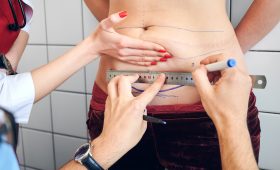
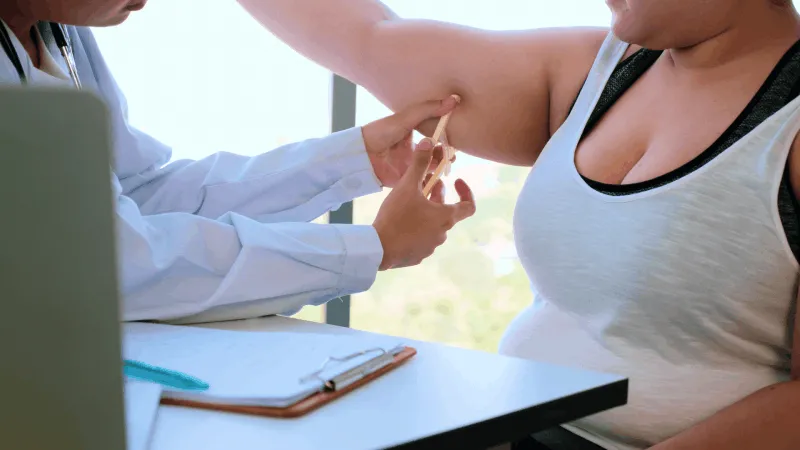
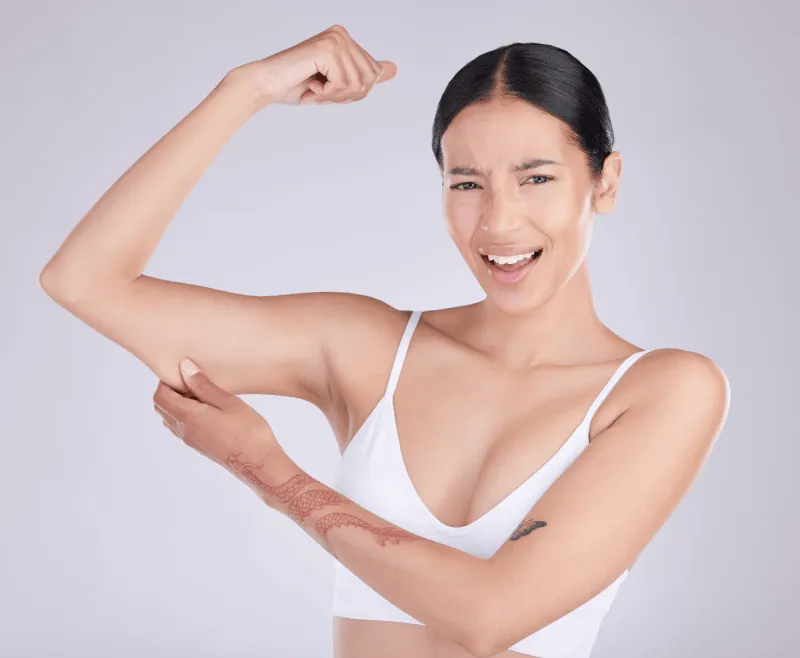
Distinguishing between fat and excess skin is crucial for determining the right treatment. Excess fat often feels like a pinchable, soft layer beneath the skin that adds volume but doesn’t necessarily “hang.” Excess skin, on the other hand, is thin, wrinkled, and hangs loosely away from the muscle, often resembling crepe paper. If you can pull the tissue away from the arm and it doesn’t snap back, it is likely skin laxity. A surgeon uses a “pinch test” and physical examination to determine the ratio of fat to skin, which helps them decide if you need liposuction, skin excision, or both.
When Is the Right Time to Undergo Surgery?
The right time to undergo an arm lift is when you have reached your goal weight and have maintained it for at least six months. Undergoing surgery while you are still losing weight can lead to further sagging, requiring a second procedure. Additionally, you should be in a period of life where you can dedicate several weeks to recovery without the stress of heavy work or childcare responsibilities. Being mentally prepared for the surgical process and the resulting scars is also a major factor. Ultimately, the right time is when your physical health, weight stability, and personal readiness all align.
Why Is Medical Tourism a Great Option for This Surgery?
Medical tourism has become a popular choice for brachioplasty due to the high quality of care available at a fraction of the cost found in many Western nations. Countries like Turkey have become global hubs for plastic surgery, offering world-class facilities and highly experienced surgeons who perform these procedures daily. Beyond the financial savings, medical tourism often includes “all-inclusive” packages that cover VIP transfers, luxury accommodation, and dedicated patient coordinators. This allows patients to undergo their transformation in a stress-free environment, often combining their medical journey with a relaxing holiday experience in a beautiful location.
How Does Cure Holiday Simplify Your Treatment Journey?
Cure Holiday is a premier health tourism provider that specializes in connecting patients with the best medical care in Turkey. We understand that traveling abroad for surgery can be daunting, which is why we handle every detail of your journey. From the initial virtual consultation with top-tier plastic surgeons to arranging your flights and VIP transportation, Cure Holiday ensures a seamless experience. Our team provides 24/7 support, acting as your personal advocate and translator throughout the process. By choosing Cure Holiday, you eliminate the logistical stress of medical travel, allowing you to focus entirely on your healing and your new body.
Why Should You Trust Cure Holiday for Your Brachioplasty?
Trust is the foundation of Cure Holiday’s mission. We only partner with Ministry of Health–authorised hospitals and board-certified surgeons who have a proven track record of excellence in body contouring. Our selection process for medical partners is incredibly rigorous, ensuring that our patients receive treatment that meets or exceeds international safety standards. We pride ourselves on transparency, providing clear pricing and honest expectations about surgical outcomes. With thousands of successful transformations and satisfied international patients, Cure Holiday has earned its reputation as a reliable and professional leader in the medical tourism industry, specifically for complex procedures like brachioplasty.
What Unique Advantages Does Cure Holiday Offer Patients?
Cure Holiday offers a unique blend of clinical excellence and luxury hospitality. Our patients don’t just get a surgery; they get a holistic “Cure” experience. This includes staying in 5-star hotels during the recovery period, access to specialized post-operative care, and a dedicated host who ensures all your needs are met. We offer competitive, fixed-price packages that include all medical costs, avoiding hidden fees. Furthermore, our deep roots in the Turkish medical community allow us to provide access to the latest surgical technologies and techniques. With Cure Holiday, you get the peace of mind that comes with expert management and the comfort of a VIP holiday.
How Can You Start Your Transformation With Cure Holiday Today?
Starting your journey toward toned and beautiful arms is easier than ever with Cure Holiday. The first step is to reach out through our website for a free, no-obligation consultation. Our medical consultants will guide you through the process of sharing photos and medical history, which our expert surgeons will review to create a personalized treatment plan for you. We provide a detailed quote and a timeline for your trip, answering all your questions along the way. Don’t let sagging skin hold you back any longer—contact Cure Holiday today and take the first step toward the confident, revitalized version of yourself that you deserve.
The journey to eliminating sagging skin through brachioplasty is a transformative path that combines surgical precision with a commitment to self-care. By understanding the causes, the procedure, and the recovery process, you are better equipped to make a decision that will enhance both your physical appearance and your quality of life. Whether you are dealing with the effects of aging or celebrating a massive weight loss, an arm lift offers a permanent and effective solution. With the right surgical team and a professional partner like Cure Holiday, you can navigate this process with ease and achieve the firm, contoured arms you’ve always dreamed of.
Free Consultation
Fill out the form below to get your free medical travel plan and price quote.
Sources and how to verify this yourself
- Ministry of Health, Regulation on International Health Tourism and Tourist Health, Official Gazette 26 April 2025, No. 32882 — authorisation requirement for facilities and intermediaries, TÜSKA accreditation, compulsory complication insurance (deadline 31 December 2025 for insurance, 31 December 2026 for accreditation). source
- Ministry of Health, Regulation on Promotion and Information Activities in Health Services, Official Gazette 12 November 2025, No. 33075 — treatment promises and guarantees are prohibited; price and campaign announcements are permitted only within international health tourism. source