How Does Teeth Grinding Affect General Health?
Teeth grinding, or bruxism in medical terms, is a serious condition that affects not only dental health but also the overall balance of the body. Although many people view this as a simple habit, if left untreated, it can lead to chronic headaches, neck pain, and temporomandibular joint (TMJ) disorders. This condition reduces sleep quality, causing you to feel tired throughout the day and experience a loss of concentration. The excessive force applied by the teeth to each other can cause the tooth enamel to wear down over time, triggering a process that can lead to tooth loss. Therefore, early diagnosis and treatment of bruxism are of critical importance for maintaining quality of life.
What Exactly is Bruxism?
Bruxism is the condition of grinding teeth or clenching the jaw as a result of involuntary contraction of the jaw muscles. This action, which usually occurs during sleep, is called “sleep bruxism,” while the clenching action performed while awake is known as “awake bruxism.” This condition is not a disease, but rather a behavior disorder or a stress-related reaction. The overactivity of the masseter muscle, the strongest muscle of the jaw, is primarily responsible for this process. Often, the individual is unaware of this condition and usually notices it thanks to the pain they feel when they wake up in the morning.
What are the Primary Causes of Teeth Grinding?
The causes of bruxism are diverse and usually arise as a combination of psychological, genetic, or physical factors. Stress and anxiety, which are among the biggest problems of modern life, are the most common triggers for teeth grinding. Intense work pace, emotional pressures, and suppressed anger lead to the jaw locking during sleep. In addition, dental alignment disorders (malocclusion), sleep disorders such as sleep apnea, tobacco and alcohol consumption, and excessive caffeine intake are among the factors that trigger bruxism. Jaw clenching cases are also encountered as a side effect of some antidepressants.
How Does Stress Trigger Teeth Grinding?
When the body gives a “fight or flight” response to stress, the muscles tense up. When the tensions experienced throughout the day are not resolved in the mind, this energy seeks a physical outlet during the night. The jaw muscles are one of the areas where stress accumulates most in the body. An individual crushed under the weight of emotional burdens tries to discharge this tension by clenching their jaw unconsciously in their sleep. This happens through the effect of the limbic system on the nerve pathways that control the chewing muscles. Therefore, in the treatment of bruxism, not only physical interventions but also stress management play a major role.
What are the Most Common Symptoms of Bruxism?
The most common symptom seen in individuals experiencing bruxism is a dull pain felt in the jaw joint and facial muscles in the morning. Physical changes such as tooth sensitivity, difficulty during chewing, and flattening at the tips of the teeth are also frequently observed. In addition, tension-type headaches starting from the temple area and spreading to the entire head are a typical sign of bruxism. A complaint of “teeth grinding sound” from your sleep partner is one of the most concrete pieces of evidence for diagnosis. Earaches felt despite the absence of a problem inside the ear can also stem from the pressure in the jaw joint.
Does Teeth Grinding Cause Permanent Damage to Teeth?
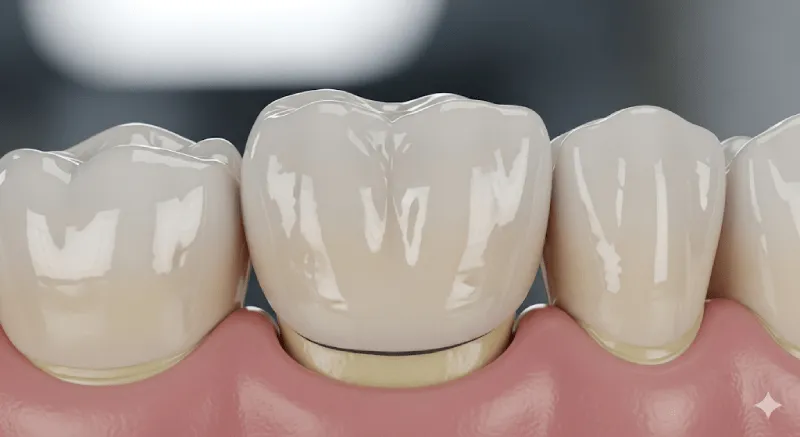
Yes, if left untreated, bruxism can cause irreversible damage to the tooth structure. The tremendous pressure applied by the teeth to each other wears down the protective enamel layer. When the enamel layer is lost, teeth become more prone to decay, breakage, and loosening. Over time, the height of the teeth shortens, causing an “aged appearance” in facial aesthetics. In addition, porcelain veneers, fillings, and implants can break, unable to withstand this pressure. Gum recession and hot-cold sensitivity in the teeth are also inevitable consequences of this process.
What is the Difference Between Sleep Bruxism and Awake Bruxism?
Sleep bruxism occurs completely unconsciously, and the action of teeth grinding (friction) is more prominent. it is seen more intensely during non-REM stages of sleep, and the person cannot control this power. Awake bruxism, on the other hand, usually appears as “jaw clenching” during moments requiring intense concentration or in stressful situations. Since it occurs during the day, the person can gain awareness and stop this condition. However, because there is no awareness in sleep bruxism, the damage caused to the teeth and joints is generally much greater. Both conditions can cause hypertrophy (excessive growth) of the masseter muscle.
How is Bruxism Diagnosed?
Diagnosis is usually made by a dentist or oral surgeon through a clinical examination. The physician checks for wear patterns on the teeth, sensitivity in the jaw muscles, and joint sounds. While taking the patient’s anamnesis (health history), complaints such as headache and jaw fatigue are questioned. In some cases, electromyography (EMG) tests may be requested to measure the activity of the chewing muscles. If sleep apnea is suspected, the relationship of bruxism with sleep disorders is investigated with a sleep test called polysomnography. Panoramic X-rays are used to see the deterioration in the joint and bone structure.
Is Teeth Grinding in Children Normal?
Bruxism in children is quite common and is generally considered a “temporary phase.” During the process of baby teeth falling out and permanent teeth coming in, grinding can be seen due to misalignments in the jaw structure. In addition, difficulty in breathing due to enlarged adenoids or allergies can also trigger this condition in children. Most children spontaneously get rid of this habit when they enter adolescence. However, if the grinding is very severe, if wear is noticed on the teeth, or if the child wakes up with pain in the morning, it is beneficial to consult a pedodontist (pediatric dentist).
How are Jaw Joint Disorders Related to Bruxism?
Bruxism and Temporomandibular Joint (TMJ) disorders are in a cycle that feeds each other. Continuous clenching of the jaw causes the disc on the joint, which connects the lower jaw to the skull, to slip or wear down. This condition leads to a “clicking” sound when opening the mouth, locking of the jaw, or restriction of the mouth opening. The deterioration of the cartilage structure within the joint causes calcification and chronic pain over time. Unless bruxism is treated, it is very difficult to get permanent results from joint treatments because the mechanical pressure on the joint continues.
Is it Possible to Stop Teeth Grinding Naturally?
In mild cases of bruxism, lifestyle changes and natural methods can be helpful. Stress management techniques, meditation, yoga, and deep breathing exercises provide relaxation of the jaw muscles by soothing the nervous system. Taking a warm shower before going to bed or applying a hot compress to the jaw area reduces muscle tension. In addition, limiting caffeinated drinks and staying away from screens before sleep can increase sleep quality and decrease the frequency of grinding. However, these methods are generally supportive in nature, and professional medical intervention (such as Botox or a night guard) is necessary in severe cases.
Which Methods are Used in Bruxism Treatment?
Bruxism treatment requires a multidisciplinary approach. The most traditional method is “night guards” (occlusal splints) used to protect the teeth. In addition, muscle relaxant drugs or anxiolytics may be prescribed for a short time to relax the muscles. Orthodontic treatments can be applied to eliminate misalignments in the teeth. In recent years, one of the most effective and popular methods has been “Masseter Botox.” This application provides a faster and more comfortable solution compared to other methods because it directly targets the muscle activity that is the source of the problem.
Do Night Guards Really Treat Teeth Grinding?
Night guards are not a treatment method that completely “cures” bruxism, but rather a “protective” barrier. These transparent guards prevent the teeth from coming into contact with each other during sleep, stopping tooth wear and breakage. They also protect the joint by distributing the pressure on the jaw joint to some extent. However, using a guard does not eliminate the brain’s command to clench the jaw or the contraction strength of the muscles. Many patients have difficulty using a night guard or unconsciously take the guard out of their mouth during sleep. Therefore, it is more efficient to combine it with treatments that reduce muscle strength.
What is Masseter Botox?
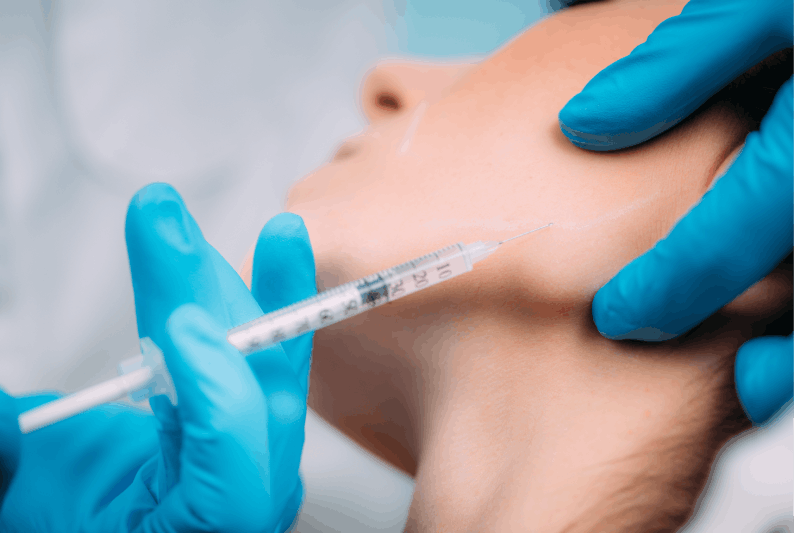
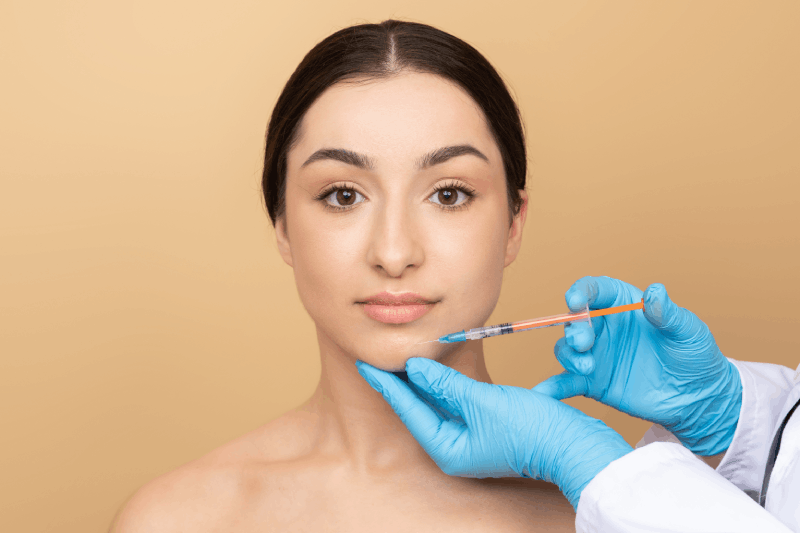
Masseter Botox is the procedure of injecting Botulinum Toxin into the masseter muscle, the strongest muscle located at the corner of the jaw that performs the chewing action. Botox temporarily blocks the nerve signals in the area where it is injected, preventing excessive contraction of the muscle. This process does not completely stop the function of the muscle (it does not prevent you from eating), it only reduces the “clenching” capacity, which is uncontrolled and excessively strong. It is a non-surgical, minimally invasive medical aesthetic procedure applied for both functional (bruxism treatment) and aesthetic (face slimming) purposes.
How Does Masseter Botox Treat Bruxism?
Masseter Botox weakens the mechanical power source at the base of bruxism. When Botox is injected, the masseter muscle cannot contract as violently as before. This means that the tremendous pressure applied unconsciously during sleep is eliminated. Since the muscle is more relaxed, the teeth cannot damage each other, the load on the jaw joint decreases, and the headaches associated with this subside. The greatest advantage of the treatment is that it targets the direct source (muscle hyperactivity) rather than the symptoms of the problem. With regular applications, it can also help break the habit of “clenching” sent to the brain.
Is Masseter Botox a Safe Procedure?
Yes, Masseter Botox is an extremely safe procedure when performed by expert hands. Botulinum toxin has been used successfully in the world of medicine for decades for the treatment of both aesthetic and neurological diseases. The doses used during the procedure are very small and only effective on the targeted muscle tissue. It does not have a systemic spread in the body. What is important is that the injection is made at the correct anatomical point and at the correct depth. Since incorrect applications can lead to smile asymmetry, this procedure must be performed by an experienced doctor in a sterile clinical environment.
Who are the Ideal Candidates for Masseter Botox?
Anyone who grinds their teeth at night or clenches their jaw during the day, and wakes up with tired jaw muscles in the morning, is a potential candidate for this procedure. In addition, people whose lower part of the face has widened (square face line) due to overworking jaw muscles and who want a thinner, V-shaped face line can also benefit from this application. For those suffering from chronic jaw pain and migraine-like headaches associated with it, Masseter Botox can be a lifesaver. However, this application is not recommended for pregnant women, breastfeeding mothers, and those with muscle diseases (such as Myasthenia Gravis).
How Long Does a Masseter Botox Session Take?
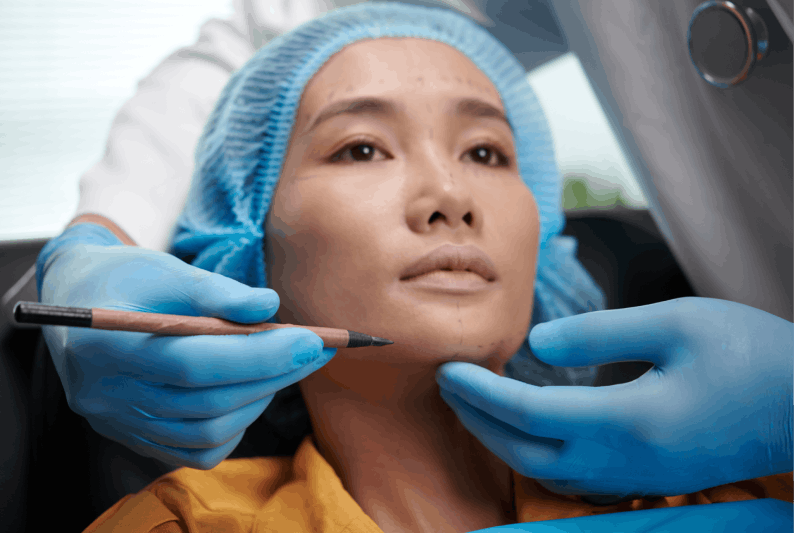
Masseter Botox application is an extremely fast procedure known as “lunchtime aesthetics.” Including the preparation stage, the total duration is usually between 10 and 15 minutes. Before the procedure, the application area is cleaned and, if necessary, local anesthesia cream is applied (although most of the time this is not needed). The doctor determines the points where the jaw muscle is thickest and performs injections from 3-4 points with thin needles. As soon as the procedure is finished, the patient can return to their daily life, work, or social activities immediately without any restrictions.
When Does Masseter Botox Start to Show Results?
It usually takes 3 to 7 days for Botox to start the nerve blockade on the muscle. However, relief in bruxism symptoms is generally started to be felt at the end of the first week. Effects such as decreased tension in the jaw muscles, relief of headaches, and waking up more vigorous in the morning fully settle within 10-14 days. If it was performed for aesthetic purposes (face slimming), it takes longer for the volume of the muscle to shrink; the thinning in the face usually becomes visible from the 4th week onwards and reaches the maximum level in the 2nd month.
How Long is the Longevity of Masseter Botox?
The effect of Masseter Botox varies from person to person and depending on the size of the muscle, but lasts on average 4 to 6 months. When the Botox effect starts to wear off, the muscle gradually regains its old strength and symptoms may recur. However, in applications performed regularly (for example, every 6 months), the muscle undergoes some “atrophy” (shrinks) and the grinding habit weakens. This can allow the session intervals to be extended in the future. In some patients, it has been observed that the effect lasts much longer after 3-4 regular sessions.
Does Masseter Botox Really Slim the Face?
Yes, one of the most popular side effects of Masseter Botox is that it slims the face. When the masseter muscle works too much, it grows like the biceps of a bodybuilder and bulges outwards. This situation causes the lower part of the face to appear wide, masculine, or square. When the activity of the muscle is reduced with Botox, the muscle volume shrinks over time. As a result, the jawline becomes more distinct, and the face gains a more oval or V-shaped appearance. This is a double-sided advantage offering both health and beauty for women looking for “V-line” aesthetics.
Are There Side Effects of Masseter Botox?
As with any injectable procedure, very rare and temporary side effects can be seen in Masseter Botox. A slight redness, swelling, or very rarely a small bruise may occur in the application area; these pass spontaneously within a few days. In very rare cases, a temporary smile asymmetry may be experienced as a result of Botox spreading to neighboring muscles, but this situation is not permanent and improves as the effect of Botox decreases. A slight feeling of fatigue during chewing for the first few days is normal, as the jaw muscle is adapting to the new low energy level.
Does Masseter Botox Procedure Hurt?
The Masseter Botox procedure is generally described as “almost painless.” The needles used are as thin as insulin needles. Most patients describe the procedure as “just a small mosquito bite.” Cold compresses or numbing creams applied before the procedure maximize comfort. Since it does not contain a surgical incision or stitches, there is no recovery process. If you have a needle phobia, you can ensure extra measures are taken by informing your doctor; however, generally, the vast majority of patients complete the procedure without the need for any anesthesia.
Does Masseter Botox Prevent Jaw Pain?
Absolutely yes. The primary cause of jaw pain due to bruxism is the continuous accumulation of lactic acid in the muscles and excessive stretching of the tendons. Masseter Botox stops this process by allowing the muscle to rest. When the muscle relaxes, the pressure on the joint is lifted and the chronic pain cycle is broken. Many patients state that their jaw and temple pains, which have lasted for years and did not pass with any medicine, completely disappeared after Botox. This provides not only physical relief but also mental peace brought by a painless life.
What Should be Considered After Masseter Botox?
In the first 24 hours after the procedure, the application area should not be massaged to prevent the Botox from displacing. For the first 4 hours, a vertical position should be maintained and excessive bending movements should be avoided. It is recommended not to take a very hot bath, sauna, or do heavy exercise on the day of application; because high heat can reduce the effect of Botox. Alcohol consumption should be limited for the first 24-48 hours as it can increase the risk of edema. In addition, avoiding chewing gum or consuming very hard foods for the first few days will support the success of the treatment as it will strain the muscle.
Is Masseter Botox Better Than Night Guards?
Rather than saying “better,” it is more accurate to say that the two methods serve different purposes. A night guard prevents the wear of teeth but does not reduce the contraction strength of the muscle. Masseter Botox, on the other hand, directly reduces the strength of the muscle, alleviating the problem at its source. Many experts recommend combining both methods, especially in severe cases. However, for those who want to get rid of the discomfort created by the guard in the mouth and have an aesthetic face line, Masseter Botox is a much more attractive and practical option.
Does Bruxism Cause Chronic Headaches?
Yes, bruxism is one of the most common causes of what we call “secondary headache.” The jaw muscles (masseter) and the temple muscles (temporalis) work connected to each other. When the jaw is clenched, the temple area also tenses, and this situation leads to severe headaches that are usually confused with migraines. Waking up with a headache in the morning is the clearest sign of bruxism. Since this muscle chain is relaxed when Masseter Botox is performed, a decrease of 80-90% is observed in headaches. This is a very important medical benefit that also reduces the use of chronic painkillers.
How Often Should Masseter Botox be Repeated?
For the continuity of the treatment and for the muscle memory to weaken, it is recommended to be repeated every 4 to 6 months at the beginning. However, since the strength of the muscle will decrease a little more after each session, this period can go up to 8-10 months in later periods. In some patients, after regular application for 2 years, the teeth grinding habit may completely disappear and the treatment can be interrupted. For best results, following the control schedule determined by your doctor ensures intervention before the muscle returns fully to its old strength.
What Happens if Bruxism is Left Untreated?
Untreated bruxism ruins your health by creating a domino effect. Over time, teeth wear down to the nerves, and this situation results in severe root canal treatments or tooth loss. The jaw joint (TMJ) can completely wear down, causing permanent calcification and inability to open the mouth. Excessive growth of facial muscles spoils facial aesthetics and gives the person a harder expression. Most importantly, chronic pain lowers the person’s psychological state and general life energy, negatively affecting their social life and work performance.
Does Nutrition Affect Teeth Grinding?
Although nutritional habits do not directly trigger bruxism, they can increase the severity of symptoms. Excessive caffeine (coffee, tea, energy drinks) consumption increases the likelihood of jaw clenching by stimulating the nervous system. Alcohol, on the other hand, can trigger involuntary muscle movements (grinding) during sleep by disrupting sleep quality. There are studies showing that magnesium deficiency can cause muscle cramps and bruxism. Therefore, eating a balanced diet, paying attention to magnesium and calcium intake, and avoiding stimulants especially in the evening hours are elements that support the treatment.
Why Should You Choose Professional Treatment?
Bruxism is not a simple problem that can be dismissed as “just stress”; it is a medical condition with anatomical and neurological dimensions. Trying to solve this problem with hearsay information or standard night guards can cause a loss of time. Modern medical interventions such as Masseter Botox are methods with scientific basis and proven results in thousands of patients. A correct diagnosis and a personalized treatment plan made by an expert physician are the only ways to protect your teeth, your joint, and most importantly, your general health in the long run.
Is Health Tourism a Good Option for Bruxism Treatment?
In fields such as bruxism and jaw aesthetics, Turkey is one of the most important centers in the world. High-quality medical services, experienced physicians, and advanced technological infrastructure provide a great advantage for patients coming from abroad. Both medical aesthetic procedures like Masseter Botox and advanced jaw surgery operations are offered in Turkey at international standards. In addition, a holiday program combined with the treatment process creates a miraculous effect in reducing stress, which is the primary cause of bruxism, accelerating the healing process.
Why is Cure Holiday the Best Choice for Bruxism Treatment?
Cure Holiday offers permanent solutions to your bruxism problem with its boutique and professional service approach in health tourism. We care not only about the physical treatments of our patients but also about their comfort and happiness. Doctors working under the umbrella of Cure Holiday are professionals who specialize in Masseter Botox and TMJ treatments and have achieved thousands of successful cases. The Botox brands we use (such as Botox, Dysport) are world-wide approved, original products. With our team that is by your side at every step of your treatment process, we do not leave your health to chance.
How Does Cure Holiday Facilitate Your Treatment Process?
Treatment with Cure Holiday is not just about making an appointment; it is a designed experience from start to finish. Before you even come to Turkey, we analyze your problem with a digital consultation and create a plan special for you. From your airport transfers to your luxury accommodation options, every detail is organized by our team. We provide translator support so that you do not experience a language barrier during your treatment process at our clinic. Our goal is to keep you away from all the organizational stress and allow you to focus only on your treatment and rest.
What Personalized Solutions Does Cure Holiday Offer?
Each patient’s jaw structure, bruxism severity, and aesthetic expectation are different. At Cure Holiday, we apply “personalized dosage and technique” instead of standard approaches. We determine our injection points according to the volume and clenching force of your masseter muscle. If there are wear and tear in your teeth due to bruxism, we can also restore your smile with our aesthetic dentistry unit (such as laminate veneers or zirconium). The solution package we offer you is not limited to only Botox, but includes a holistic oral and facial health rehabilitation.
Are You Ready to Start Your Healing Journey with Cure Holiday?
Getting rid of the pain created by teeth grinding, having a thinner face line, and waking up vigorous in the morning is no longer a dream. As Cure Holiday, we invite you to a painless and aesthetic future. With our professional team, modern facilities, and hospitable approach, we transform bruxism treatment into a holiday comfort. You can contact us today to get a free pre-evaluation and take the right step for your health and beauty. Your happiness is our success.
Conclusion and Summary: A Healthy Smile Awaits You
Bruxism (teeth grinding) is a condition that needs to be taken seriously and can be successfully treated with modern medical methods. Masseter Botox offers revolutionary results in the solution of this problem from both functional and aesthetic aspects. Do not hesitate to get professional help to protect your teeth, get rid of your jaw pain, and have more elegant facial lines. Cure Holiday is your biggest supporter in this journey with its expert staff and perfect service quality. Make a change today for your own health and enjoy smiling freely.
Free Consultation
Fill out the form below to get your free medical travel plan and price quote.
Sources and how to verify this yourself
- Howe M-S, Keys W, Richards D. Long-term (10-year) dental implant survival: a systematic review and sensitivity meta-analysis. Journal of Dentistry, 2019 — pooled 10-year implant survival 96.4% (95% CI 95.2–97.5%); conservative sensitivity estimate 93.2%. source
- Ministry of Health, Regulation on International Health Tourism and Tourist Health, Official Gazette 26 April 2025, No. 32882 — authorisation requirement for facilities and intermediaries, TÜSKA accreditation, compulsory complication insurance (deadline 31 December 2025 for insurance, 31 December 2026 for accreditation). source
- Ministry of Health, Regulation on Promotion and Information Activities in Health Services, Official Gazette 12 November 2025, No. 33075 — treatment promises and guarantees are prohibited; price and campaign announcements are permitted only within international health tourism. source