Cost and planning note (Mommy Makeover 2026)
The figures below are indicative market ranges, not a quote: your own price is confirmed after a clinical assessment.
Indicative price range: Standard Package: 4,500 – 7,500 USD | Advanced Combination: 8,000 – 12,000 USD | Tummy Tuck: 3,000 – 5,000 USD | Breast Lift: 2,500 – 4,500 USD | Liposuction Per Area: 500 – 1,500 USD | Bbl Fat Transfer: 3,500 – 5,500 USD
Facility standards: In Türkiye, any facility treating international patients must hold the Ministry of Health’s international health tourism authorisation; hospitals and medical centres must also be accredited by TÜSKA, and complication insurance is compulsory for procedures carried out in an operating theatre (Regulation of 26 April 2025).
Recovery Focus: Post-pregnancy body restoration & safety first.
Currency: GBP, EUR, USD accepted.
Why Many Turkish Surgeons Require a Full Blood Panel before Your Arrival
The Turkish Advantage: Pioneering Safety & Excellence in Post-Pregnancy Restoration
For women globally, the journey through pregnancy and childbirth, while profoundly rewarding, often leaves lasting physical changes. The “Mommy Makeover” – a customized combination of surgical procedures designed to restore pre-pregnancy body contours – has become increasingly popular. While options exist worldwide, Turkey has emerged as a leading destination, not simply due to cost-effectiveness, but due to a unique confluence of highly skilled surgeons, rigorous safety protocols, and advanced surgical techniques. A seemingly simple pre-operative requirement – a comprehensive blood panel – underscores the commitment to patient wellbeing that defines the Turkish approach.
Decoding the Pre-Operative Blood Panel: Beyond Basic Checks
Many patients are understandably curious, and sometimes concerned, about the request for a full blood panel prior to surgery in Turkey. This isn’t merely a formality; it’s a cornerstone of patient safety. Far exceeding standard pre-operative testing seen in some regions, the Turkish protocol delves deep into assessing a patient’s physiological status. This detailed analysis isn’t about identifying common contraindications alone; it’s about proactively mitigating risks specific to the multi-component nature of a Mommy Makeover.
The panel routinely includes a complete blood count (CBC) with differential, assessing red and white blood cell counts, platelet function, and hemoglobin levels. However, Turkish surgeons extend this to include a comprehensive metabolic panel (CMP), evaluating kidney and liver function – crucial organs involved in drug metabolism and wound healing. They also routinely check coagulation profiles (PT/INR, aPTT) to identify potential bleeding disorders, and a detailed electrolyte panel to ensure proper fluid balance during and after surgery.
Crucially, the panel also encompasses markers for underlying medical conditions. Testing for autoimmune diseases, thyroid function, and even certain genetic predispositions (depending on patient history) are common. This is particularly important given the potential for anesthesia-related complications and the body’s natural healing response. For example, undetected autoimmune conditions can significantly impede post-operative recovery and increase the risk of infection. Vitamin D levels are also assessed, given its crucial role in immune function and collagen synthesis, impacting wound healing.
Safety Benchmarks in Mommy Makeovers: A Multi-faceted Approach
The emphasis on thorough pre-operative evaluation directly supports the high safety benchmarks maintained by Turkish surgeons specializing in post-pregnancy restoration. This extends beyond blood work and into meticulous surgical planning and technique.
- Diastasis Recti Repair Precision: Addressing abdominal separation (Diastasis Recti) is often a central component. The technique employed isn’t simply pulling the muscles back together. Diastasis Recti repair involves internal corset suturing of the abdominal fascia, tightening the linea alba – the fibrous structure running vertically down the abdomen. This provides lasting structural support, preventing recurrence. Surgeons often utilize progressively tightening sutures and incorporate techniques to address varying degrees of separation, tailoring the approach to each patient’s anatomy.
- Vaser Liposuction & Contour Refinement: Liposuction isn’t just about fat removal; it’s about sculpting. Turkish surgeons are increasingly adept at using Vaser Liposuction for high-definition contouring with minimal bruising. This ultrasound-assisted technique selectively targets fat cells, preserving surrounding tissues and enabling more precise sculpting of the waistline and abdomen.
- Implant Technology & JCI Accreditation: When breast augmentation or mastopexy (breast lift) are included, surgeons prioritize implant safety. Commonly used implants include Mentor, Motiva, or Polytech – all brands holding JCI (Joint Commission International) accreditation, ensuring adherence to stringent quality standards. Detailed discussions regarding implant profile, volume, and placement (submuscular vs. subglandular) are conducted to achieve natural-looking results.
- Tummy Tuck Variations & Layered Closure: The type of tummy tuck performed – Full, Mini, or Extended (360) – is carefully selected based on the extent of abdominal laxity and skin excess. Regardless of the chosen technique, meticulous layered closure of the abdominal wall is paramount, minimizing the risk of seromas and ensuring long-term structural integrity.
Why Turkey Leads: A Holistic Ecosystem for Mommy Makeovers
The convergence of surgical expertise, rigorous safety standards, and advanced technology has positioned Turkey as a global hub for Mommy Makeovers. However, it’s not simply about the surgery itself. The entire patient journey is meticulously curated.
Cost Considerations: While not the sole driver, the relative affordability of procedures in Turkey is a significant factor. A standard package, encompassing surgeon’s fees, anesthesia, hospital stay, and basic post-operative care, typically ranges from 4,500 – 7,500 USD. More advanced combinations, including multiple procedures like a tummy tuck, breast lift, and liposuction, can range from 8,000 – 12,000 USD. Individual procedure costs are also competitive: a tummy tuck (3,000 – 5,000 USD), a breast lift (2,500 – 4,500 USD), liposuction per area (500 – 1,500 USD), and Brazilian Butt Lift (BBL) fat transfer (3,500 – 5,500 USD).
Beyond cost, the comprehensive logistical support is noteworthy. Patients arrive at either Istanbul (IST) or Antalya (AYT) airport and are greeted with VIP private transfers to their accommodation. 5-star recovery suites are the standard, often including a companion stay. This dedicated support system allows patients to focus solely on their recovery, without the added stress of navigating a foreign country.
Recovery & Rehabilitation: The typical recovery period in Turkey is 7-10 days, allowing for initial wound care and monitoring. Full return to exercise is generally advised after approximately 6 weeks, with personalized rehabilitation protocols provided to ensure optimal healing and results.
Furthermore, the prevalence of board-certified plastic surgeons specializing in post-pregnancy restoration creates a competitive environment that drives continuous improvement and innovation. The readily available access to free online video assessments with these surgeons allows for preliminary consultations and personalized treatment planning, building trust and ensuring realistic expectations.
The thorough pre-operative blood panel, therefore, isn’t an isolated requirement; it’s a symbol of the holistic, patient-centric approach that defines the Turkish standard in Mommy Makeover procedures – a commitment to not just aesthetic improvement, but lasting health and wellbeing.
Why Many Turkish Surgeons Require a Full Blood Panel Before Your Arrival
At Cure Holiday, we prioritize patient safety and optimal surgical outcomes. A key component of this commitment, particularly for individuals considering body contouring and reconstructive procedures in Turkey, is the pre-operative blood panel. While seemingly a standard request globally, the thoroughness demanded by many Turkish surgeons, and the *reasoning* behind it, often requires detailed explanation. This isn’t simply a bureaucratic hurdle; it’s a vital step in personalized surgical planning and mitigating potential risks.
The Rationale Behind Comprehensive Bloodwork
The scope of a pre-operative blood panel goes far beyond a basic check-up. It’s a detailed assessment of your physiological state, providing crucial insights that impact anesthesia, wound healing, and overall surgical safety. Many surgeons in Turkey have adopted rigorous standards, exceeding minimum requirements, due to the complexities of combination surgeries – procedures involving multiple interventions like breast augmentation, liposuction, and abdominoplasty performed simultaneously.
Here’s a breakdown of *why* these tests are essential:
- Coagulation Studies: Assessing your blood’s ability to clot is paramount. Conditions like thrombocytopenia (low platelet count) or inherited coagulopathies can significantly increase the risk of excessive bleeding during and after surgery. Procedures like tummy tucks (abdominoplasty) and Brazilian Butt Lift (BBL) inherently involve disruption of blood vessels, making accurate coagulation profiling critical.
- Complete Blood Count (CBC): This evaluates red blood cell count (detecting anemia, which compromises oxygen delivery during anesthesia), white blood cell count (indicating infection or immune status), and platelet count (as mentioned above).
- Electrolyte Panel: Sodium, potassium, chloride, and bicarbonate levels must be balanced. Electrolyte imbalances can impact cardiac function and nerve conduction, especially important during prolonged surgical procedures.
- Renal Function Tests: Creatinine and blood urea nitrogen (BUN) levels evaluate kidney function. Compromised kidney function can affect drug metabolism and fluid balance, increasing anesthetic risk and hindering recovery.
- Liver Function Tests: Alanine aminotransferase (ALT), aspartate aminotransferase (AST), and bilirubin levels assess liver health. The liver plays a vital role in detoxification and protein synthesis – both essential for optimal healing.
- Thyroid Function Tests: Thyroid hormones influence metabolism and wound healing. An underactive or overactive thyroid can complicate recovery.
- Blood Type and Rh Factor: Crucial information in case of transfusion needs.
- Vitamin D Levels: Increasingly recognized for its impact on immune function and bone health (important for implant integration in procedures like breast augmentation and BBL).
- Iron Studies: Detects iron deficiency anemia, common in women, which can delay wound healing and increase fatigue post-operatively.
The Surgical Transformation: A Detailed Step-by-Step (Combination Surgery)
Let’s consider a common combination case: a 34-year-old Irish mother of three seeking a mommy makeover – abdominoplasty with diastasis recti repair, liposuction of the flanks and thighs, and a moderate breast lift with implant augmentation. This is an 8,000 – 12,000 USD procedure, typically.
- Anesthesia Induction & Monitoring: The patient is placed under general anesthesia, continuously monitored by an anesthesiologist experienced in plastic surgery. Key vitals—ECG, blood pressure, oxygen saturation, end-tidal CO2—are tracked throughout the procedure. The pre-op blood panel dictates anesthetic drug selection and dosage, minimizing risk.
- Liposuction (Vaser Technique): Utilizing Vaser Liposuction, targeted fat deposits in the flanks and thighs are emulsified and removed. This technique minimizes trauma, bruising, and swelling compared to traditional liposuction, facilitating quicker recovery. Each area typically costs between 500 – 1,500 USD.
- Abdominoplasty & Diastasis Recti Repair: An incision is made along the lower abdomen, and excess skin and fat are removed. Crucially, the rectus abdominis muscles, often separated after pregnancy (diastasis recti), are tightened using internal corset suturing. This restores abdominal wall integrity and provides a flat, toned appearance. The cost for a full tummy tuck is generally 3,000 – 5,000 USD.
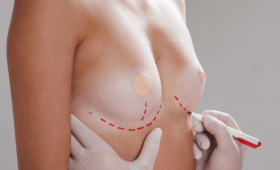
- Breast Lift & Augmentation: An areolar or inframammary incision is made. The breast tissue is reshaped, and excess skin is removed to achieve a lifted and rejuvenated appearance. Implants – Mentor, Motiva, or Polytech – are carefully selected based on the patient’s anatomy and desired outcome. A breast lift alone is between 2,500 – 4,500 USD.
- Closure & Drainage: Incisions are meticulously closed in layers. Drainage tubes are placed to remove excess fluid and prevent seroma formation.
JCI Accreditation and Safety Standards
The emphasis on comprehensive pre-operative evaluation in Turkey is often linked to the country’s growing number of Joint Commission International (JCI) accredited facilities. JCI accreditation isn’t merely a certification; it’s a demonstrable commitment to patient safety and quality of care. JCI standards mandate rigorous adherence to protocols, including thorough pre-operative assessments, standardized surgical techniques, and robust infection control measures.
Turkish surgeons operating within Ministry of Health–authorised hospitals understand the importance of proactively identifying and mitigating potential risks. The blood panel is a crucial tool in this process, allowing them to tailor surgical plans to each individual patient’s needs and ensure the safest possible outcome.
Logistical Considerations & Recovery
For patients traveling to Turkey, the logistical aspects are seamlessly handled. Patients typically arrive at either Istanbul (IST) or Antalya (AYT) airport, where VIP private transfers await to transport them to their designated 5-star recovery suites. These suites often include accommodation for a companion. The standard recovery period is 7-10 days in Turkey, with full return to exercise typically achievable within 6 weeks. Free online video assessments with board-certified plastic surgeons are also offered to facilitate pre-operative planning and address any patient concerns.
While the initial blood panel may appear demanding, it’s a testament to the dedication of Turkish surgeons to providing world-class care and ensuring a smooth, safe, and successful surgical journey.
Why Many Turkish Surgeons Require a Full Blood Panel Before Your Arrival
For individuals considering medical tourism in Turkey, particularly cosmetic procedures, the meticulous pre-operative assessment process can appear markedly different from what’s standard in the UK or USA. A key component of this assessment – often requested *before* you even arrive – is a comprehensive blood panel. While seemingly an administrative hurdle, this requirement is rooted in a robust commitment to patient safety and optimized surgical outcomes. It’s not simply about ticking a box; it’s about building a detailed physiological profile.
Understanding the Rationale: Beyond Basic Screening
Many prospective patients understandably question why a full blood panel is necessary when they’ve recently had check-ups with their primary care physician. The difference lies in the scope. Standard pre-operative tests in some countries often focus on hemoglobin, hematocrit, and platelet counts – essential for gauging a patient’s ability to clot and withstand blood loss. Turkish surgeons, however, routinely request a much broader panel to identify factors that might *subclinically* impact healing, anesthesia tolerance, and overall surgical risk.
This extended panel typically includes, but isn’t limited to:
- Complete Blood Count (CBC) with Differential: Provides a detailed analysis of red and white blood cells, identifying potential infections, anemia, or immune deficiencies. The differential categorizes white blood cells, offering clues about the type of infection or inflammation present.
- Comprehensive Metabolic Panel (CMP): Evaluates kidney and liver function, electrolyte balance (sodium, potassium, chloride, bicarbonate), blood glucose, and calcium levels. Compromised hepatic or renal function directly impacts drug metabolism and wound healing. Electrolyte imbalances can predispose patients to cardiac arrhythmias during anesthesia.
- Coagulation Studies (PT/INR, aPTT): Assess the blood’s ability to clot. Crucially important, especially if the patient is on any anticoagulation medication (even aspirin) or has a history of bleeding disorders. These values inform the surgeon’s approach to hemostasis during surgery.
- Thyroid Stimulating Hormone (TSH): Thyroid dysfunction, even mild hypothyroidism, can significantly impair wound healing and increase the risk of post-operative complications.
- Vitamin D Level: Emerging research highlights Vitamin D’s role in immune function and tissue repair. Deficiency can negatively impact recovery.
- Iron Studies (Serum Iron, Ferritin, TIBC): Iron deficiency anemia is common, particularly in women, and can compromise oxygen delivery to tissues, hindering healing. Ferritin, a measure of iron stores, is particularly important.
- Hepatitis B & C, HIV Screening: Standard infectious disease screening is ethically and medically imperative for both the patient’s and the surgical team’s safety.
The Connection to Specific Procedures
The specific relevance of each blood test component varies depending on the planned procedure. For instance, individuals undergoing a Brazilian Buttock Lift (BBL) with fat transfer (3,500 – 5,500 USD)) require meticulous assessment of coagulation parameters due to the inherent risk of fat embolism. Surgeons will be particularly attentive to any pre-existing conditions that might increase this risk. Similarly, a patient electing for a Tummy Tuck (3,000 – 5,000 USD)) – particularly an Extended (360) Tummy Tuck – necessitates careful evaluation of abdominal wall integrity and potential for seroma formation, influenced by factors reflected in the CMP and CBC. Diastasis Recti repair involves internal corset suturing of the abdominal fascia, and proper tissue oxygenation (assessed via CBC) is vital for suture integrity.
For breast augmentation utilizing Mentor, Motiva, or Polytech (JCI approved) implants, a thorough metabolic panel is crucial. Implant biocompatibility and proper tissue perfusion surrounding the implant pocket are directly affected by the patient’s overall metabolic health. Patients pursuing Vaser Liposuction for high-definition contouring will have their baseline liver function carefully scrutinized, as the process of clearing metabolized fat relies heavily on a healthy liver. Even seemingly minor fluctuations in liver enzymes can necessitate adjustments to anesthetic protocols.
Logistical Considerations & Recovery Integration
The request for pre-arrival bloodwork isn’t simply a medical requirement; it’s also a logistical one. Allowing the surgeon to review results *before* your arrival facilitates a more focused consultation. This maximizes the time spent discussing surgical planning and minimizes delays caused by awaiting test results while in Turkey. Typically, blood samples can be drawn locally in your home country and sent to a designated, accredited laboratory utilized by the surgeon. Cure Holiday specialists can provide guidance on the specific requirements and approved laboratories.
Furthermore, the information gleaned from the blood panel directly informs the post-operative care plan. For example, patients identified as Vitamin D deficient may receive supplementation to bolster their immune response during the 7-10 day recovery period in Turkey. Those with pre-existing anemia may receive iron infusions to optimize oxygen delivery to healing tissues. The surgeon can also tailor pain management protocols based on individual metabolic rates and drug clearance capabilities. Returning to full exercise after approximately 6 weeks requires optimized physiological function – a process that begins with this initial blood assessment.
Cost Transparency & Procedure Variations
The cost of procedures in Turkey remains highly competitive. A standard package typically falls within the range of 4,500 – 7,500 USD, while more complex procedures like an advanced combination (multiple procedures performed simultaneously) can range from 8,000 – 12,000 USD. A breast lift generally costs between 2,500 – 4,500 USD, while liposuction per area is priced at 500 – 1,500 USD. These estimates do not include travel and accommodation, which are frequently bundled into packages.
It’s crucial to understand that prices vary depending on the extent of the surgery. For example, a mini tummy tuck will be less expensive than a full or extended tummy tuck. The type of implant used for breast augmentation also impacts the overall cost. A detailed breakdown of costs is typically provided following the free online video assessment with the board-certified plastic surgeon.
Regardless of the chosen procedure, a thorough pre-operative evaluation – including a comprehensive blood panel – is non-negotiable for responsible and ethical surgical practice. It’s a testament to the commitment to patient well-being that underpins the growing reputation of Turkish medical tourism.
Considering a Mommy Makeover in Turkey? Get a Free Quote for your Why Many Turkish Surgeons Require a Full Blood Panel before Your Arrival Transformation with cureholiday.com
Free Consultation
Fill out the form below to get your free medical travel plan and price quote.
Sources and how to verify this yourself
- Ministry of Health, Regulation on International Health Tourism and Tourist Health, Official Gazette 26 April 2025, No. 32882 — authorisation requirement for facilities and intermediaries, TÜSKA accreditation, compulsory complication insurance (deadline 31 December 2025 for insurance, 31 December 2026 for accreditation). source
- Ministry of Health, Regulation on Promotion and Information Activities in Health Services, Official Gazette 12 November 2025, No. 33075 — treatment promises and guarantees are prohibited; price and campaign announcements are permitted only within international health tourism. source