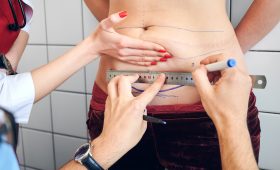
Excess body fat is a widespread problem that severely affects overall health, beyond just being an aesthetic concern. There are two primary ways to get rid of body fat: long-term, stable lifestyle changes (nutrition and exercise) and surgical solutions for stubborn, localized fat. While diet and exercise play a fundamental role in reducing the body’s overall fat percentage, they are often insufficient for stubborn accumulations in targeted areas. At this point, Liposuction stands out as a powerful alternative for getting rid of this resistant fat in specific regions. Whichever path you choose, this process requires effort, knowledge, and sometimes professional support.
Is It Really Possible to Get Rid of Excess Body Fat?
Yes, it is scientifically absolutely possible to get rid of excess body fat, but this is not a magical event that will happen overnight; it is a lifestyle change that requires consistency. The basic principle is to expend more energy than you consume, which means creating a calorie deficit. In this process, combining balanced nutrition with regular cardio and resistance training maximizes fat burning and helps maintain a high metabolism rate by preserving muscle mass. Furthermore, it should be remembered that patience and discipline are the most critical components for achieving this long-term goal, and the desired appearance can be attained through continuous effort.
Why Isn’t Exercise Alone Enough for Fat Loss?
Intense exercise alone is often not enough for fat loss unless dietary habits are corrected. This is because the calories burned through exercise can be regained very quickly with a poor meal choice; for instance, it is easy to offset the calories burned during an hour of heavy training by eating a single dessert. Moreover, the body adapts to the same workout routine over time and starts expending less energy, leading to plateau periods. Therefore, managing the balance of exercise and nutrition together is the key to achieving permanent and sustainable fat loss.
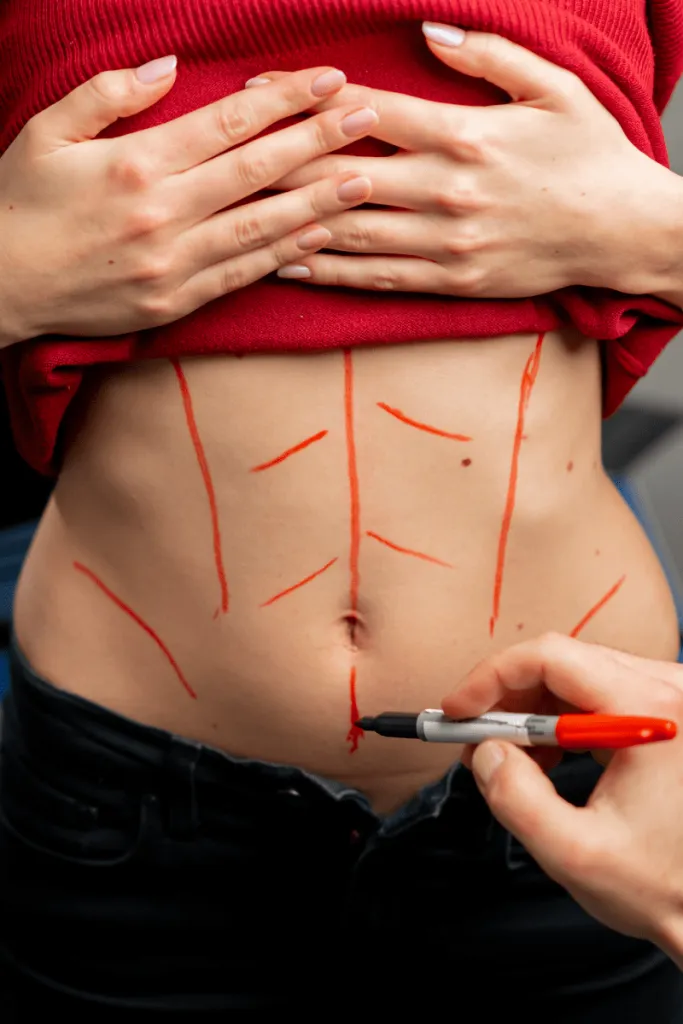
How Long Does It Take to Permanently Lose Body Fat?
Permanent fat loss varies from person to person depending on the starting weight, metabolic rate, and the intensity of the program applied, but a loss of half to one kilogram of fat per week is generally considered healthy and sustainable. If your goal is a large amount of weight loss, this means a marathon that will last for months. Weight lost with crash diets is usually water and muscle mass and is quickly regained. For permanence, slow and steady progress is essential to teach the body to maintain its new weight, which requires a long-term commitment.
Which Cardio Exercises Accelerate Fat Burning?
The most effective cardio exercises for accelerating fat burning include high-intensity interval training (HIIT) and long-duration, low-intensity steady-state cardio. HIIT involves short bursts of maximum effort followed by brief recovery periods and creates an ‘afterburn’ effect, allowing you to continue burning calories even after the workout is finished. Classic cardio types such as running, cycling, and jump roping, on the other hand, activate the metabolism and increase energy consumption by keeping the body in the fat-burning zone for longer periods.
What is the Most Effective Type of Resistance Training for Fat Loss?
The most effective type of resistance training in the fat loss process is full-body workouts that focus on compound movements, engaging large muscle groups simultaneously. Movements like squats, deadlifts, bench presses, and rows activate multiple joints and large muscle groups at once, ensuring the highest energy expenditure. Such workouts increase the basal metabolic rate by building muscle mass, meaning they help you burn more calories even while resting, which is the key to sustaining fat burning in the long run.
What are the Simplest Ways to Speed Up Metabolism?
The simplest ways to speed up metabolism include consuming small, protein-rich meals at regular intervals, drinking plenty of water throughout the day, and getting adequate sleep. Protein requires more energy (thermic effect) for digestion compared to other macronutrients. Additionally, thermogenic methods such as taking cold showers, especially in the morning, or slightly lowering the room temperature, can also support the acceleration of metabolism by activating brown fat tissue.
What are the Essential Dietary Changes That Must be Made?
The fundamental change that must be made in the diet for fat loss is to avoid processed foods, overly sugary drinks, and refined carbohydrates, and instead focus on whole foods. More vegetables, fruits, lean protein sources (chicken, fish, legumes), and healthy fats (avocado, nuts, olive oil) should be consumed. These changes not only help control calorie intake but also provide the necessary vitamins, minerals, and fiber to the body, prolonging the feeling of fullness and keeping energy levels balanced.
How Do Hidden Sugars Hinder Fat Loss?
Hidden sugars, especially added sugars found in packaged foods, sauces, breakfast cereals, and ready-to-drink beverages, cause sudden spikes in blood sugar followed by insulin release. High insulin levels prevent the body from burning fat for energy and, conversely, encourage the storage of excess energy as fat. Adopting the habit of reading labels and identifying sugars hidden under names like high fructose corn syrup, dextrose, or maltodextrin is one of the most critical steps to take in the fat loss journey.
What is the Role of Water Consumption in Fat Burning?
Water consumption is one of the most critical and frequently overlooked components of the fat-burning process. The body’s metabolic processes, including lipolysis—the breakdown of fat into energy—cannot work effectively without adequate hydration. Thirst can sometimes be mistaken for hunger, leading to unnecessary calorie intake. Drinking enough water daily can slightly boost metabolism and help lower overall calorie consumption by creating a feeling of satiety.
How Does Sleep Pattern Affect the Fat Loss Process?
Sufficient and quality sleep is just as vital as exercise and nutrition in the fat loss process. Irregular or insufficient sleep negatively affects the levels of ghrelin (the hunger hormone) and leptin (the satiety hormone), which regulate appetite. When you are sleep-deprived, ghrelin levels rise and leptin levels drop, giving you a greater urge to eat junk food and increasing cravings for carbohydrates/sugar. Furthermore, elevated cortisol levels encourage fat storage, particularly in the abdominal area.
Why is Portion Control So Important?
Portion control is the most practical way to create and maintain a calorie deficit, because consuming excessive amounts of any food, no matter how healthy, will increase the total calorie intake. Managing portions is possible with simple strategies such as using visual cues, smaller plates, or using teaspoons instead of serving spoons for food. Adopting mindful eating habits makes it easier to recognize satiety signals and prevents unnecessary overeating.
Why Does the Body Stubbornly Store Fat in Certain Areas?
The reason the body stores stubborn fat in specific regions is due to genetic predispositions, sex (hips and thighs in women, abdomen in men), and differences in hormone levels. Fat cells in these stubborn areas often contain more Alpha-2 receptors, which makes fat release difficult and slows down blood circulation. Even though diet and exercise cause reduction in these areas, the last fat to go is these stubborn accumulations, which is the biggest reason to consider surgical intervention.
How Should the Best Exercise Program Be for Beginners?
The best exercise program for beginners should be structured to allow for gradual progression, combining low-intensity cardio and basic bodyweight resistance movements. Sessions focusing on fundamental movements (squats, push-ups, planks) that work the whole body three days a week, and activities like walking or light swimming on other days, are recommended. The important thing is to minimize the risk of injury while preparing muscles and joints, and to make exercise a habit, thereby ensuring continuous motivation.
How Does Gaining Muscle Mass Support Fat Burning?
Gaining muscle mass supports fat burning in two primary ways: increasing the resting metabolic rate and ensuring more calories are burned during workouts. Muscle tissue is far more metabolically active than fat tissue, meaning one kilogram of muscle burns more calories even at rest than one kilogram of fat. Increasing muscle mass through resistance training helps the body work like a constant “fat-burning furnace,” which is indispensable for long-term and sustainable fat loss.
What Methods Should Be Used to Maintain Motivation for a Long Time?
To maintain motivation for a long time on the fat loss journey, it is important to set achievable small goals instead of large ones and to track progress not only by the number on the scale but also by metrics like how clothes fit or the increase in energy levels. Finding an exercise partner, regularly trying new exercises, and rewarding yourself with small non-food rewards for your successes breaks the monotony of the process and increases sustainability. Learning to take lessons from moments of failure instead of giving up is the key to keeping motivation alive.
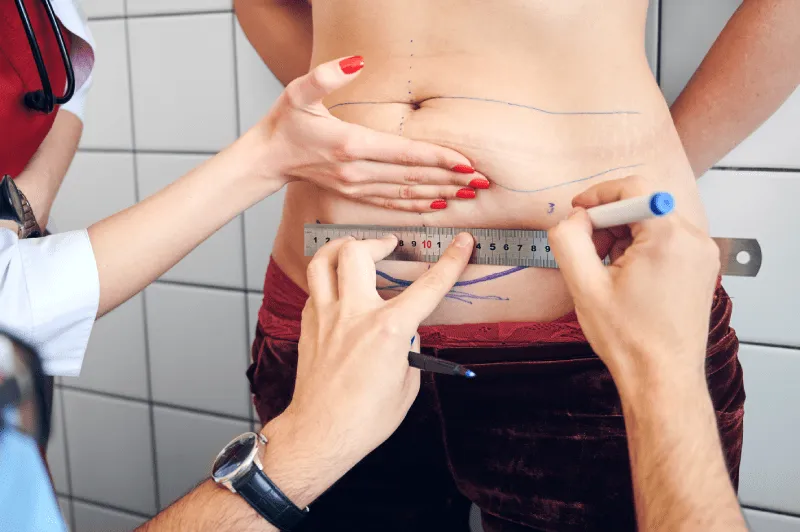
What is Liposuction and How Does it Remove Body Fat?
Liposuction is an aesthetic operation designed to surgically remove stubborn localized fat deposits in the body that are resistant to diet and exercise, serving as a contouring procedure. During the procedure, thin tubes called cannulas are inserted into the fatty tissue through small incisions. These cannulas fragment the fat cells with the help of vacuum or energy-assisted methods such as ultrasound/laser, and remove them from the body via aspiration (suction). Liposuction is a body contouring procedure that serves to shape and improve the general outlines of the body, rather than being a weight loss method.
Who is Liposuction Surgery Suitable For?
Liposuction is a suitable option for healthy individuals who are close to their ideal weight but have stubborn fat accumulation in specific areas such as the abdomen, waist, thighs, or arms. Candidates must have good skin elasticity, as the skin needs to adapt to the new contour after the procedure. It is not suitable for people seeking to lose a lot of weight, those suffering from obesity, or those with serious health problems. The best results are seen in individuals who have realistic expectations and commit to lifestyle changes (healthy eating and exercise) after the procedure.
Which Areas of the Body Can Liposuction Be Applied To?
Liposuction is a versatile procedure that can be successfully applied to many different areas of the body. The most common application areas include the abdomen (especially the lower abdomen), the waist and flanks (love handles area), the inner and outer parts of the thighs, the hip area, the upper arms, the back, and the submental area under the chin (double chin). It can even be used in some cases to remove fat from the chest area in the treatment of gynecomastia in men, demonstrating its regional shaping capability.
What Should Be Considered During the Pre-Treatment Preparation Process?
The preparation process before Liposuction treatment is vital for a successful outcome and safe recovery. Patients must stop taking blood-thinning medications (aspirin, ibuprofen, etc.) and certain vitamin supplements (like Vitamin E) under doctor’s supervision at least two weeks before the surgery. Smoking must be strictly discontinued before and after the surgery, as it slows down healing and increases the risk of complications. Furthermore, avoiding alcohol consumption in the days leading up to the surgery and keeping the body hydrated by drinking plenty of water is recommended.
How is Classic Tumescent Liposuction Performed?
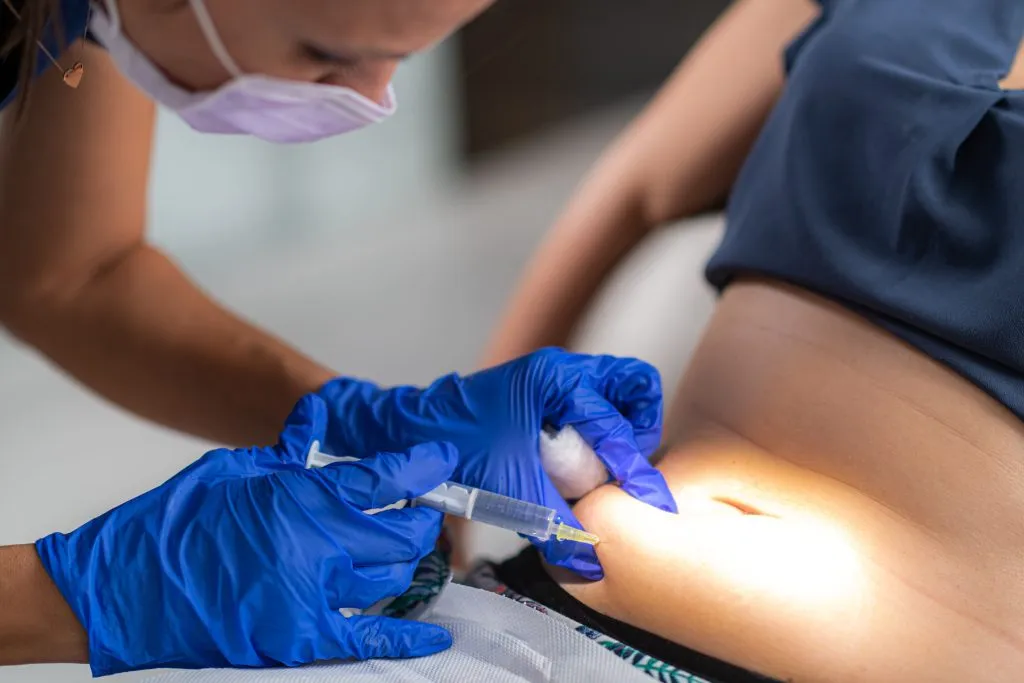
Classic Tumescent Liposuction remains one of the most widely used methods today, and the procedure begins with the injection of a large amount of a special solution (tumescent solution) into the area to be treated. This solution contains saline (salt water), lidocaine (local anesthetic), and epinephrine (a vasoconstrictor). The solution swells the fat cells and numbs the area, minimizing bleeding. Then, the surgeon makes a small incision, inserts the cannula, and breaks down the fat cells with back-and-forth movements of the cannula before sucking them out with a vacuum.
What is Vaser Liposuction and What Are Its Advantages?
Vaser Liposuction is an advanced Liposuction technique that uses ultrasound energy and offers significant advantages over traditional Liposuction. In this method, ultrasonic waves are transmitted to the fat tissue via a special probe. These waves selectively liquefy only the fat cells without damaging surrounding tissues (vessels, nerves, and connective tissue). The liquefied fat is then gently aspirated. Vaser stands out for being less traumatic, providing faster recovery, and yielding superior results, especially in high-definition body contouring (defining abdominal muscles).
What is the Difference with Laser-Assisted Liposuction (Smart Lipo)?
Laser-Assisted Liposuction, commonly known as Smart Lipo, is based on the principle of inserting a thin fiber optic laser probe under the skin to heat and melt the fat cells. The laser energy, in addition to breaking down the fat, also stimulates collagen fibers directly under the skin, helping to tighten the skin; this is an added benefit for patients with loose skin. This method generally causes less bleeding and bruising and offers more precise contouring in small, sensitive areas (chin, underarms).
How Long Does Liposuction Surgery Take?
The duration of Liposuction surgery can vary greatly depending on the number of areas treated, the amount of fat to be removed, and the technique used. A single small area might take 1 to 2 hours, while an extensive procedure involving multiple areas or the removal of a larger volume of fat can take up to 3 to 4 hours. Your surgeon will provide an estimated time based on your specific case during the pre-operative consultation, but patient safety is always prioritized over the duration of the procedure.
What Are the Anesthesia Methods Used During Surgery?
The anesthesia methods used in Liposuction surgery vary according to the size of the operation and the amount of fat to be removed. For smaller and limited areas, only local anesthesia (lidocaine in the tumescent solution) may be sufficient, which keeps the patient awake. However, general anesthesia or intravenous sedation (conscious sedation) is usually preferred when multiple areas are treated or a larger volume of fat is removed. The surgeon and anesthesiologist determine the most appropriate method based on the patient’s health status and the scope of the operation.
What is the Recovery Process Like After Liposuction?
While the recovery process after Liposuction generally varies individually, rest is essential for the first few days. Patients are usually discharged a few hours or the day after the surgery. It is normal to have swelling, bruising, and mild pain in the first week, and these symptoms can be managed with painkillers prescribed by the doctor. Most patients can return to light daily activities and work within a week, but full recovery and seeing the final results may take several months.
What is the Role of Compression Garments in Recovery?
Compression garments are absolutely the most important part of the post-Liposuction recovery process and work by applying constant, even pressure to the surgical area. This pressure helps reduce post-operative swelling and edema, accelerates the closure of the spaces beneath the skin, and enables the skin to adapt more smoothly to the new body contour. Wearing the garment regularly for the recommended period by the doctor (usually 4 to 6 weeks) is mandatory for achieving smooth and successful results.
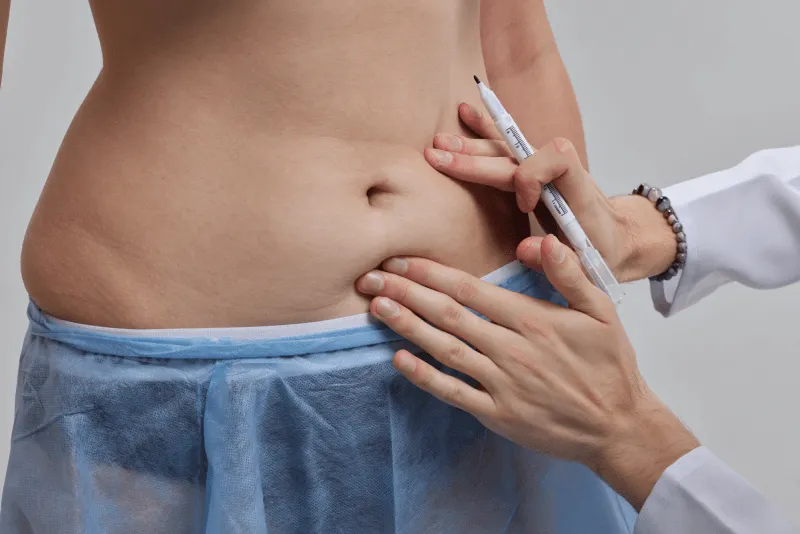
How to Cope with Pain and Swelling After Surgery?
Post-operative pain and swelling are natural reactions of the body to surgical intervention and usually diminish within a few weeks. Prescribed medications for pain management by the surgeon should be used regularly. To reduce swelling, it is crucial to wear the compression garments as instructed and to rest plenty during the first few days. Additionally, limiting salt intake and drinking plenty of water helps the body eliminate edema. Cold compresses (if permitted by the doctor) can also provide relief.
When Are the Final Liposuction Results Fully Visible?
While the initial results of Liposuction are usually noticeable immediately after the surgery, the final outcomes take time to emerge. The contours will not be fully visible due to significant swelling and bruising in the first few weeks. The majority of the swelling subsides within the first 4 to 6 weeks, but the remaining slight swelling to completely disappear and the skin to fully tighten may take 3 to 6 months. Being patient and continuing the recovery process under doctor’s supervision is the key to achieving the best aesthetic result.
What Are the Possible Risks and Complications of Liposuction Treatment?
As with any surgical procedure, Liposuction treatment has some possible risks and complications, although they are generally rare. Potential risks include infection, bleeding, temporary numbness or bruising of the skin, reactions related to anesthesia, and the formation of uneven contours. Serious but rare risks include pulmonary embolism or deep vein thrombosis. To minimize these risks, it is essential to choose an experienced and licensed surgeon and strictly adhere to all pre- and post-operative instructions.
Are the Removed Fats Permanent, or Can Weight Be Regained?
The fat cells removed from the body with Liposuction are permanently extracted, and no new fat cells will form in that area. However, this does not mean that the remaining fat cells or fat cells in other parts of the body cannot expand. If the patient does not return to healthy eating and exercise habits after the procedure and gains excessive weight, new fat deposits may accumulate in other body areas, or the remaining fat cells may enlarge, distorting the overall body contour. Lifestyle consistency is essential for permanent results.
How is the Fat Transfer Procedure Performed in Conjunction with Liposuction?
Fat transfer (fat injection or fat grafting) is a procedure frequently performed as an extension of Liposuction. In this process, the excess fat removed from the body via Liposuction is purified through a special process. The resulting pure fat is then injected into body areas where volume is desired or shaping is required (e.g., buttocks, breasts, facial depressions). This is a “two effects in one” procedure that allows both to get rid of unwanted fat and to contour another part of the body with a natural filler material.
Which Season is the Best for Liposuction Surgery?
The most suitable season for Liposuction surgery is generally the autumn and winter months. The main reason for this is the necessity of wearing the compression garment regularly and comfortably after the surgery. Hot weather and humidity in the summer months can cause discomfort and excessive sweating under the compression garment. Furthermore, post-operative bruising and swelling must be protected from the sun; the autumn/winter months naturally reduce the risk of sun exposure to the skin, making the recovery process more comfortable.
When is Revision (Correction) Liposuction Necessary?
Revision Liposuction may be necessary if the patient is dissatisfied with contour irregularities, asymmetry, insufficient fat removal, or depressions resulting from excessive fat removal from a previous Liposuction procedure. Such a correction is usually performed at least six months to a year after the initial surgery, after the swelling has completely subsided and the final results have settled. Revision surgery can be more complex than the first operation and requires the meticulous work of an experienced specialist.
Can Regional Slimming Devices Replace Liposuction?
Regional slimming devices (radiofrequency, freezing, or ultrasound-based) can be a good option for people who do not want surgical intervention and have small amounts of fat accumulation, but they certainly cannot replace Liposuction. Liposuction can permanently remove a much larger volume of fat in a single session and provide a noticeable contour change. Devices, however, usually require several sessions, and the fat reduction is not as dramatic as Liposuction; therefore, the surgical solution remains the most effective gold standard for stubborn and excessive amounts of fat.
When Can Exercise Be Resumed After Liposuction?
The time to resume exercise after Liposuction depends on the scope of the procedure and the surgeon’s recommendation, but a general guideline is available. Most patients can start light walking 3 to 7 days after the surgery. More intense cardio exercises or lower-body resistance training are usually allowed after 2 to 3 weeks. However, waiting 4 to 6 weeks is generally required before starting strenuous activities like heavy exercises targeting the abdomen and core muscles or heavy lifting. It is important to listen to the body’s signals and avoid overexertion.
Why Should Turkey Be Preferred for Liposuction Treatment?
Turkey is a strong choice for Liposuction treatment due to its internationally recognized high-standard health facilities, experienced aesthetic surgeons with international accreditations, and the economic advantages it offers. Clinics in Turkey use the latest technology (Vaser, Laser Lipo) and provide world-class care to their patients. Furthermore, patients not only receive treatment but also get the opportunity to explore tourist and cultural richness, making the experience much more attractive.
How Does the Cost of Cosmetic Surgery in Turkey Provide an Advantage?
The cost of cosmetic surgery in Turkey is significantly lower compared to Western European and North American countries, without compromising on quality and service. This cost advantage stems from the lower general cost of living in the country, differences in exchange rates, and government policies supporting health tourism. As a result, patients can have a high-quality Liposuction procedure, including flight tickets and accommodation costs, at a much more affordable price than they would pay in their home countries.
Who is Cure Holiday and How Does it Support the Treatment Process?
Cure Holiday is a specialized health tourism company that enables international patients to receive high-quality medical and aesthetic treatments in Turkey. The company manages the entire process from the patient’s initial consultation, airport pickup, accommodation arrangements, organization of hospital procedures, to post-discharge follow-up. Cure Holiday is committed to offering a transparent, reliable, and personalized treatment experience where patients feel safe and comfortable without language barriers, so the patient’s sole focus remains on the recovery process.
What Are the Touristic and Health Advantages of Getting Liposuction in Turkey?
The advantages of getting Liposuction in Turkey are not limited to affordable costs; patients also have the chance to spend their recovery time in a relaxing holiday environment. Cities like Istanbul, Izmir, and Antalya offer modern hospitals along with historical and cultural richness. While rest is mandatory for the first few days after surgery, the patient can take controlled excursions in the following weeks, which boosts morale and motivation for recovery. This combination allows you to achieve your health goals while also having an unforgettable experience.
How Can the Treatment Process in Turkey Be Started with Cure Holiday?
Starting the Liposuction treatment process in Turkey with Cure Holiday is quite simple. The first step is to request a free consultation via Cure Holiday’s website or contact channels. In this initial consultation, the patient shares their medical history, aesthetic goals, and photographs. Based on this information, the Cure Holiday team provides the most suitable, specialized surgeon and hospital options for the patient’s needs. Once the patient approves the offer, the company organizes flights, accommodation, transfers, and all hospital appointments, smoothly starting the treatment journey.
On your journey to getting rid of excess body fat, you have seen both the power of a long-term lifestyle change and the effectiveness of a surgical solution against stubborn localized fat. If stubborn regional fat bothers you and you are looking for a fast, permanent solution, you can consider the Liposuction option in Turkey, which offers international quality healthcare at affordable prices. Cure Holiday is here to turn this decision into reality for you and is waiting to simplify the entire process.
Free Consultation
Fill out the form below to get your free medical travel plan and price quote.
Sources and how to verify this yourself
- Ministry of Health, Regulation on International Health Tourism and Tourist Health, Official Gazette 26 April 2025, No. 32882 — authorisation requirement for facilities and intermediaries, TÜSKA accreditation, compulsory complication insurance (deadline 31 December 2025 for insurance, 31 December 2026 for accreditation). source
- Ministry of Health, Regulation on Promotion and Information Activities in Health Services, Official Gazette 12 November 2025, No. 33075 — treatment promises and guarantees are prohibited; price and campaign announcements are permitted only within international health tourism. source